Originally published on X on 1 May 2024.
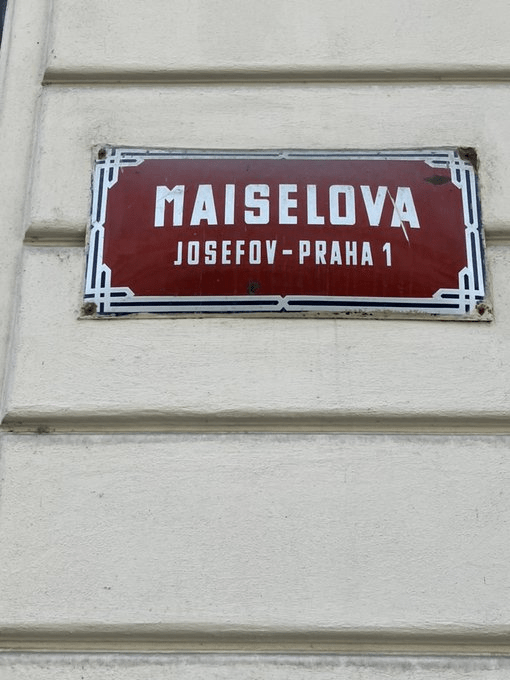
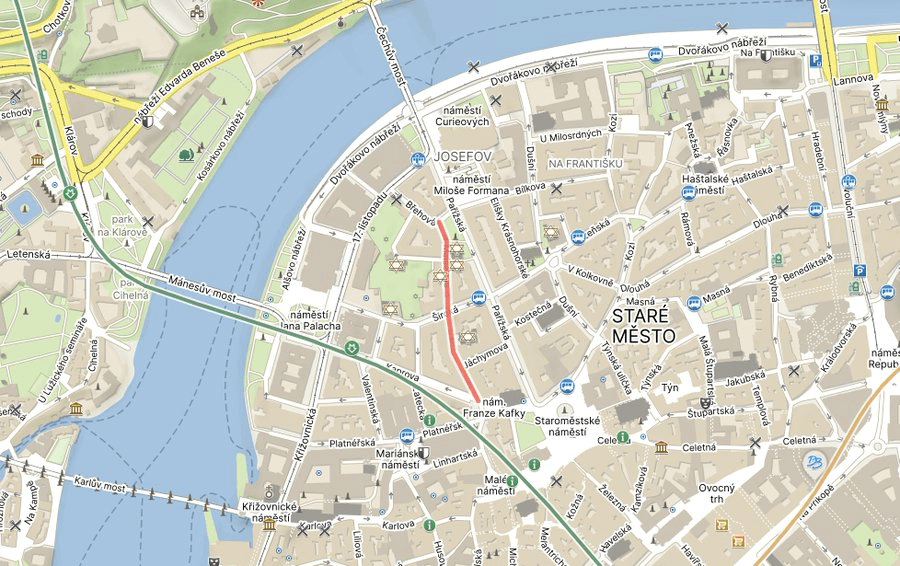
Mordecai Meisel was born in Prague in 1528 (the oldest mention of a member of the Meisel family living in Prague dates from 1425).
Moredcai, meanwhile, is first mentioned in writing in 1569; he was a banker and businessman who eventually became a member of the court of Rudolph II.
In 1576, he became a member of the council of elders of Prague’s Jewish community, and used his wealth to develop the Jewish Town.
For example, he sponsored the construction of the Jewish Town Hall, opened in 1586. This is how it looked in the early 20th century.

And this picture is (mainly) its newer section, built in 1908.

To the left, he also built the High Synagogue (1568) as a place of worship for the town hall councillors. It was damaged by fire in 1689, repaired in 1754, and reconstructed in 1883.

He also built Maisel Synagogue (1590-2), which bears his name and gives its name to the street. It too was badly damaged in the 1689 fire, and underwent a Neo-Gothic reconstruction in the early 20th century.
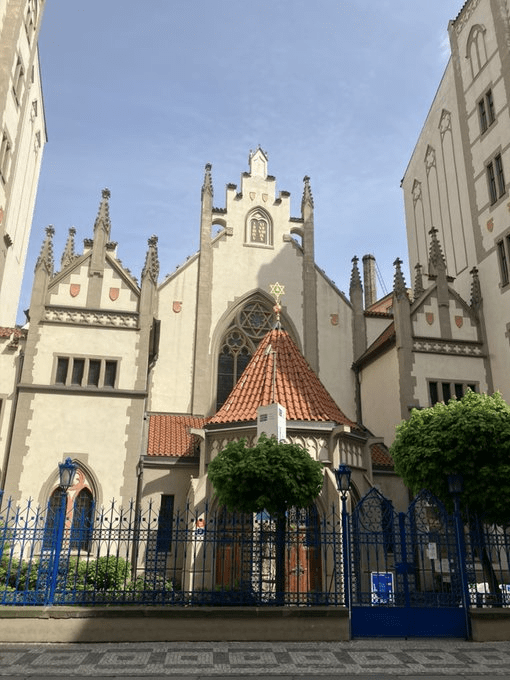

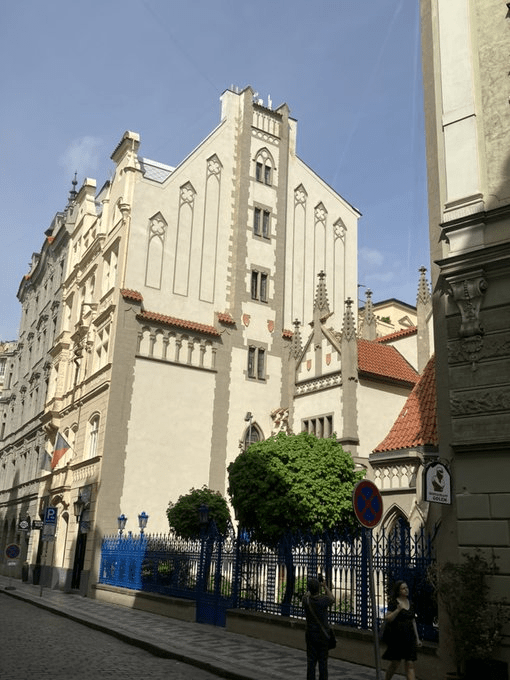
Meisel also gave the Jewish Town paving stones, and supported scientists, artists and tradesmen, and even co-financed the construction of a church which we’ll discuss on day 226.
Emperor Rudolph II gave Meisel the right to dispose of his property in whichever way he saw fit.
Meisel died in 1601, and is buried in the Old Jewish Cemetery; Rudolph attended his funeral, but then did a massive 180, confiscating all his property within a matter of days.
The street wouldn’t become known as Maiselova until 1901 – before then, the southern part was called Zlatá (Golden), and the middle part was called Malá Masařská (Small Butcher’s Shop Street, due to the presence of such shops round here).
Meanwhile, the part near the synagogue was called Rabinská (‘rabín’ is Czech for rabbi), and the northern part was called Velkodvorská, after the Great Court Synagogue, which was founded after Meisel’s time, but was demolished in 1906 as part of the ’asanace’.


 What's in a Prague street name
Leave a comment