Originally published on X on 7 May 2024.

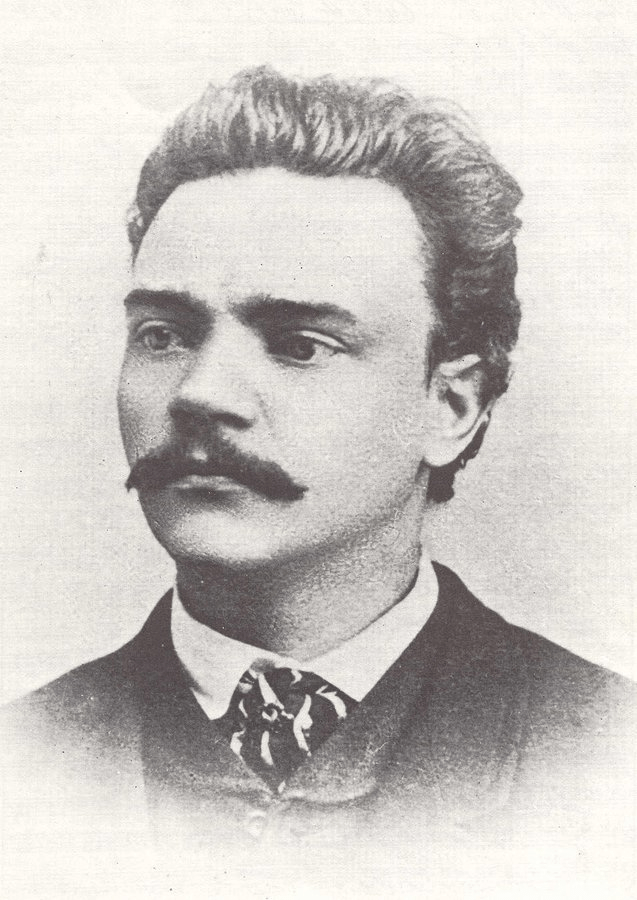
Antonín Leopold Dvořák was born in Nelahozeves, in Mělník District, in 1841, as the eldest of nine children.

He started learning the violin at the age of six, also studying music theory, piano and organ during his schooldays.
In 1857, he went to Prague to study at the organ school (which would be incorporated into the Prague Conservatory in 1890), graduating two years later.
Dvořák’s first documented compositions date from 1861, although these met with little response.
In 1862, he joined the orchestra of the Provisional Theatre (https://whatsinapraguestreetname.com/2024/09/14/prague-1-day-105-divadelni/), playing the viola and staying with the orchestra until 1871.
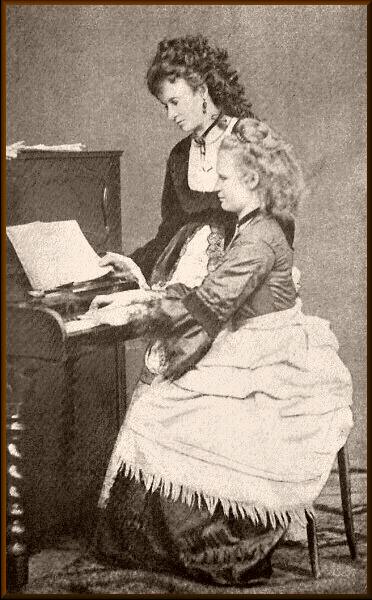
Dvořák also gave piano lessons, and fell in love with one of his pupils, Josefína Čermáková (standing); she rejected him, but, in 1873, he did end up marrying her younger sister, Anna (seated).
They would have nine children, of whom six would survive into adulthood.
Shortly after getting married, Dvořák started to work as an organist in St Vojtěch’s Church in the New Town (https://whatsinapraguestreetname.com/2024/09/12/prague-1-day-92-vojtesska/), and managed to devote more of his time to composing.
From 1874 onwards, he started submitting compositions to be considered for the Austrian State Prize; his 1877 submission resulted in a letter from the Prague-born Eduard Hanslick, informing him that a certain Johannes Brahms was very impressed.
Support from Hanslick and Brahms meant that, by 1878, Dvořák’s Slavonic Dances had been published by the Berlin publisher Simrock, and, by 1879, were being played in France, Britain and the US.

In 1884, Dvořák went to London to conduct his own Stabat Mater in front of 12,000 people at the Royal Albert Hall. He developed close ties to the British classical scene, and would return to the country at least seven times (this is him and Anna in London in 1886).

His Requiem, composed in 1890, was actually premiered in Birmingham, and only got its Czech premiere at the National Theatre in the following year.
He received an honorary degree from the University of Cambridge in 1891.

In the 1880s, Dvořák had also struck up a friendship with Pyotr Ilyich Tchaikovsky (https://whatsinapraguestreetname.com/2023/01/14/prague-3-day-135-cajkovskeho/), and, as a result, toured Russia in 1890.
In 1892, Jeanette Thurber, the founder of the National Conservatory of Music of America, invited Dvořák across the Atlantic. He accepted, working as the Conservatory’s director until 1895.

Returning to Bohemia, he composed two of his most famous operas, Rusalka and Armida, and became a professor at the Prague Conservatory.
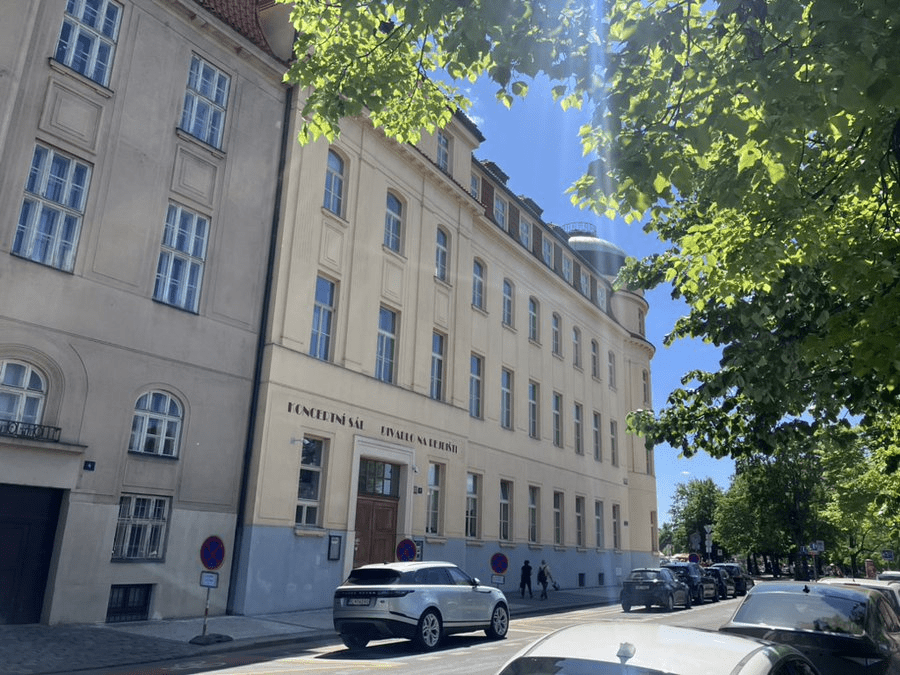
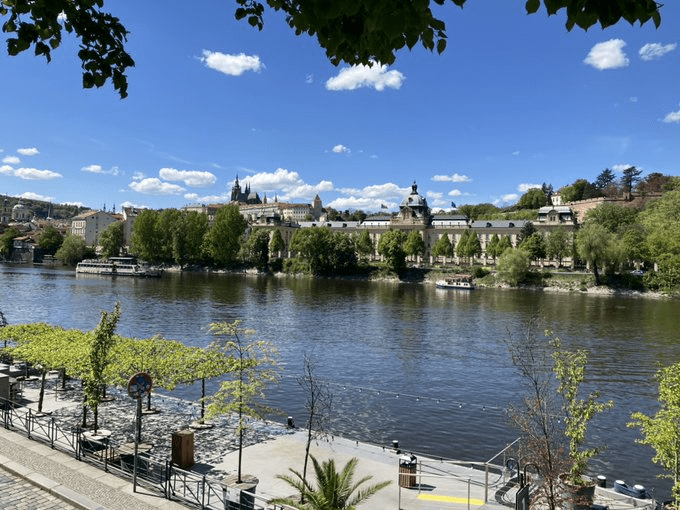
In 1901, there were national celebrations for his 60th birthday, he was knighted, and he also became director of the Conservatory (which, appropriately, has one of its entrances on this very embankment).
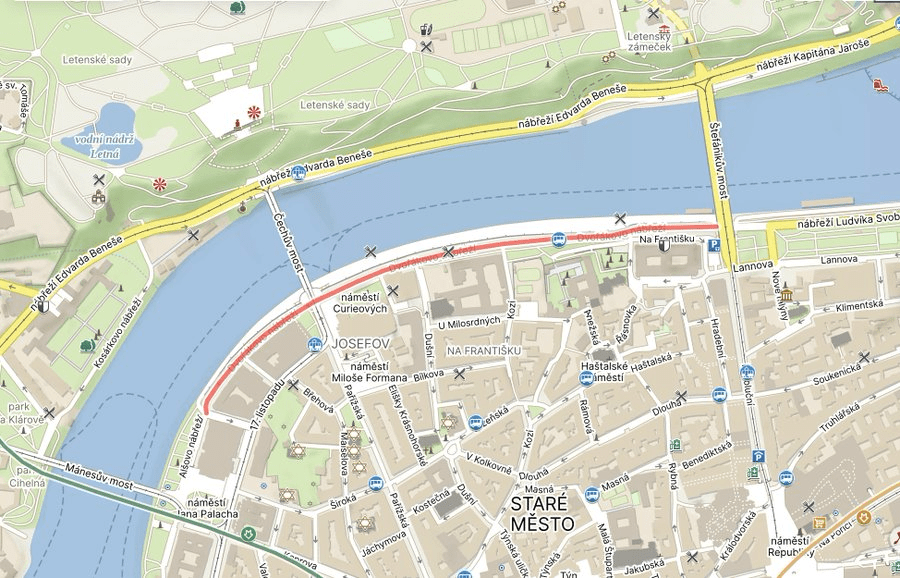
Dvořák died of a stroke on 1 May 1904. His funeral took place four days later, and he was then buried at Vyšehrad. The embankment was named after him in the same year.

Before that, it had been called Sanytrová dolejší (Lower Sanytrová), due to its proximity to what was once Sanytrová but is now https://whatsinapraguestreetname.com/2024/10/23/prague-1-day-212-17-listopadu/.
Unlike many musicians discussed in these threads, it seems that Dvořák was a modest, uncomplicated personality, who loved nature and was also a major railway enthusiast.

However, his love for nature was also accompanied by anxiety and panic attacks when in a city environment, which apparently got worse with the years.
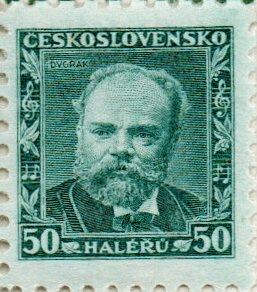
In 1969, Neil Armstrong took a recording of Dvořák’s New World Symphony – composed during his stint in the States – with him while on the Apollo 11 mission: https://www.wrti.org/arts-desk/2019-07-19/this-is-the-music-thats-traveled-to-the-moon.
The Dvořák Museum in Prague is located a bit further south, not that I managed to mention it when I covered the street it’s on: https://whatsinapraguestreetname.com/2024/08/25/prague-2-day-111-ke-karlovu/.
Although at least I managed to mention the statue on here: https://whatsinapraguestreetname.com/2024/10/22/prague-1-day-211-namesti-jana-palacha/.
Prague Boats has its dock on Dvořákovo nábřeží, so you’ll see more boats in this spot than you will on other embankments in Prague.
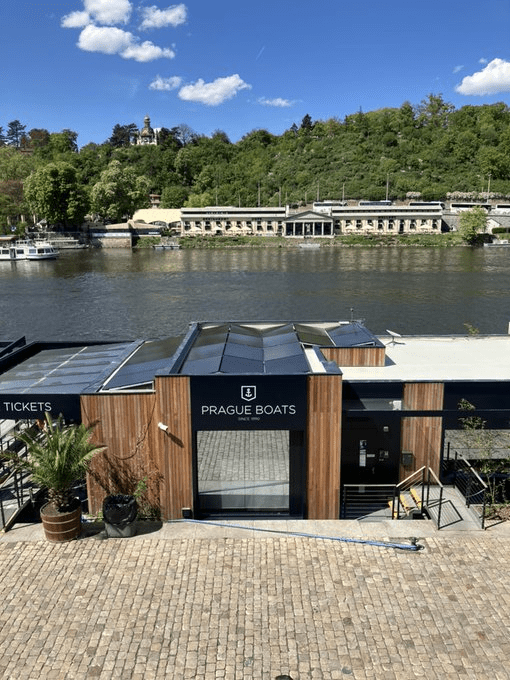
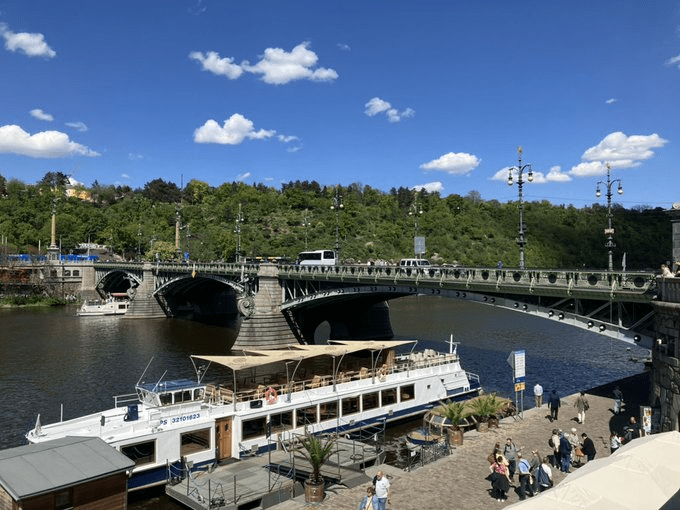
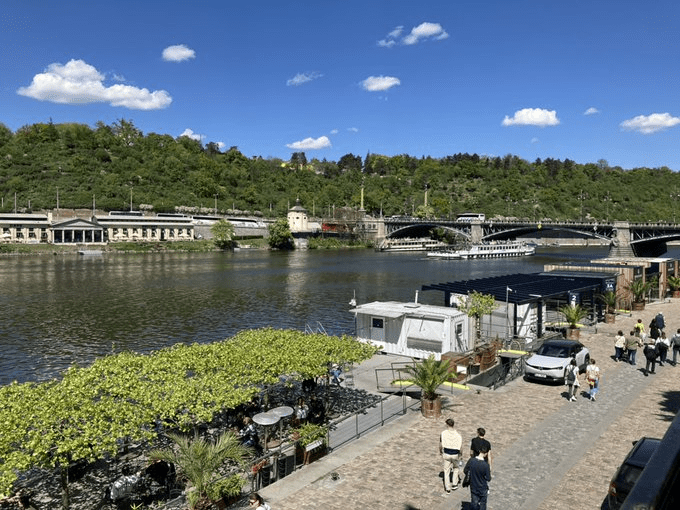
However, you might not even notice them because, like me, you’ll be too busy staring at some of the best views imaginable.

 What's in a Prague street name
Leave a comment