Originally published on X on 8 May 2024.
Svatopluk Čech was born in Ostředek, near Benešov, in 1846; his father, František, was a patriot who worked as a journalist in 1848/9, when the Austrian Empire’s first elected parliament operated from Kroměříž.
After finishing the Piarist grammar school in Prague (see https://whatsinapraguestreetname.com/2024/09/22/prague-1-day-137-na-prikope/), Čech started to study law.
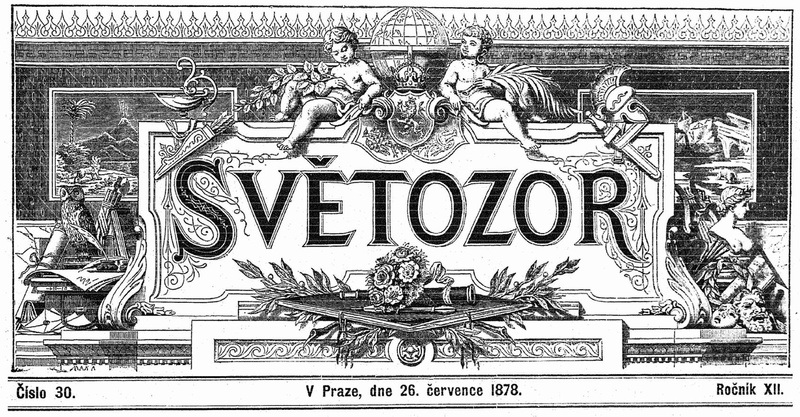
He contributed to Czech publications such as Ruch and Květy; he later became editor of Světozor (from 1871) and Lumír (from 1873 to 1876).
He left his law degree behind for a few years to devote himself to his writing, but practised again from 1876 to 1879.
Čech’s written works included epics, often about the Hussite Wars (such as his first poem, Husita na Baltu (Hussites on the Baltic), Adamité (The Adamites), and Žižka).
Other works, such as Evropa and Slávie, were influenced by the political events of the day, and he published two volumes of poetry concerning the rebirth of the Czech nation.
He’s arguably best known for Pravý výlet pana Broučka do Měsíce (Mr. Brouček’s True Trip to the Moon, 1888) and Nový epochální výlet pana Broučka (Mr. Brouček’s new epoch-making trip, also 1888).
(if these have official English titles, please shout, of course)
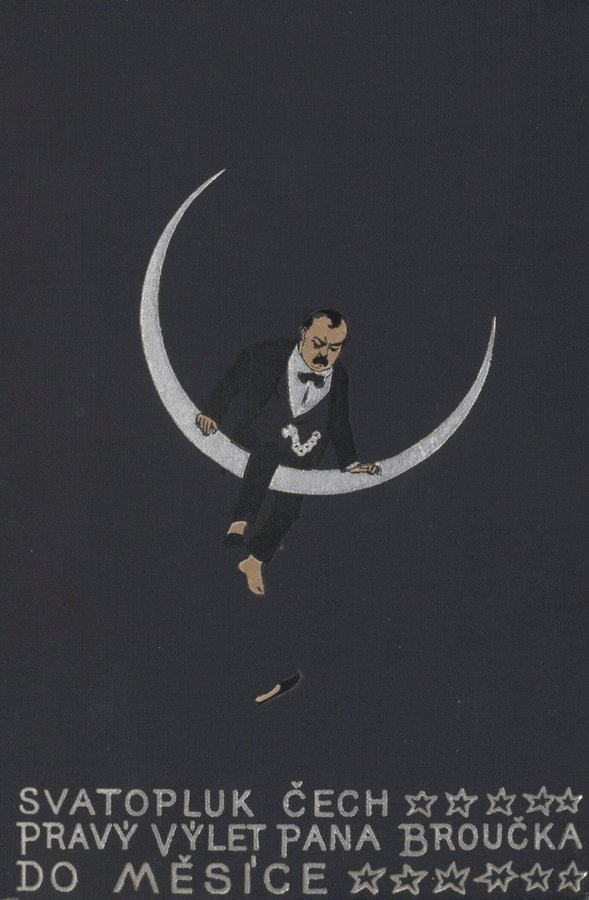
In these stories, the Mr Brouček goes the the Moon and to the day before the Battle of Vítkov Hill (1420) respectively, and is not much respected by those he meets in either case.
The stories are seen as early examples of Czech science fiction.
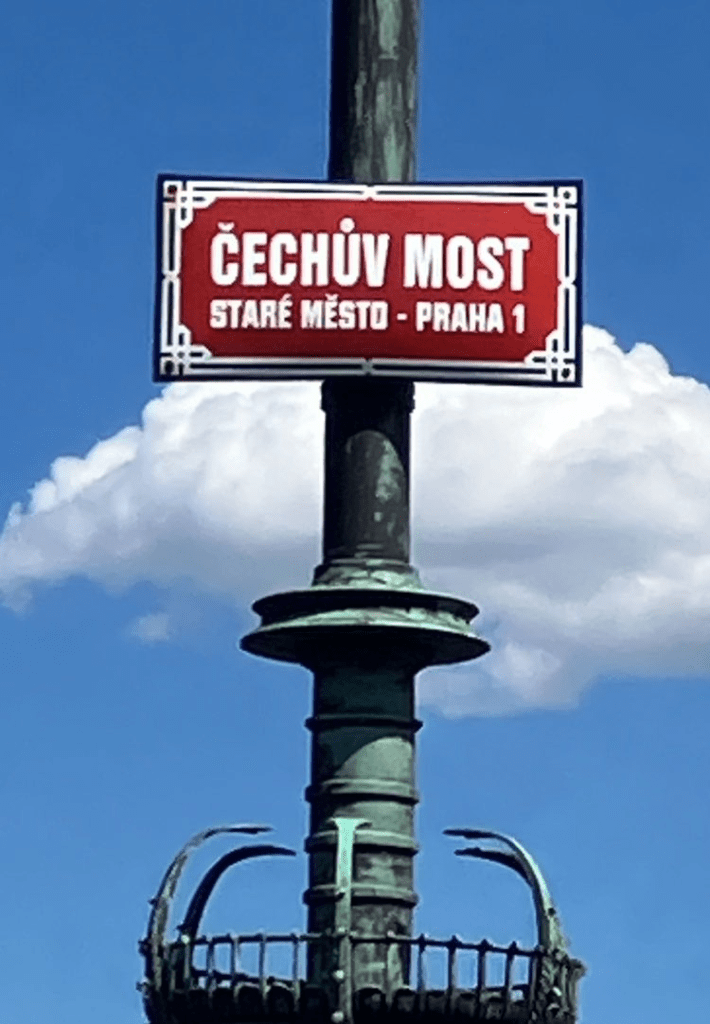
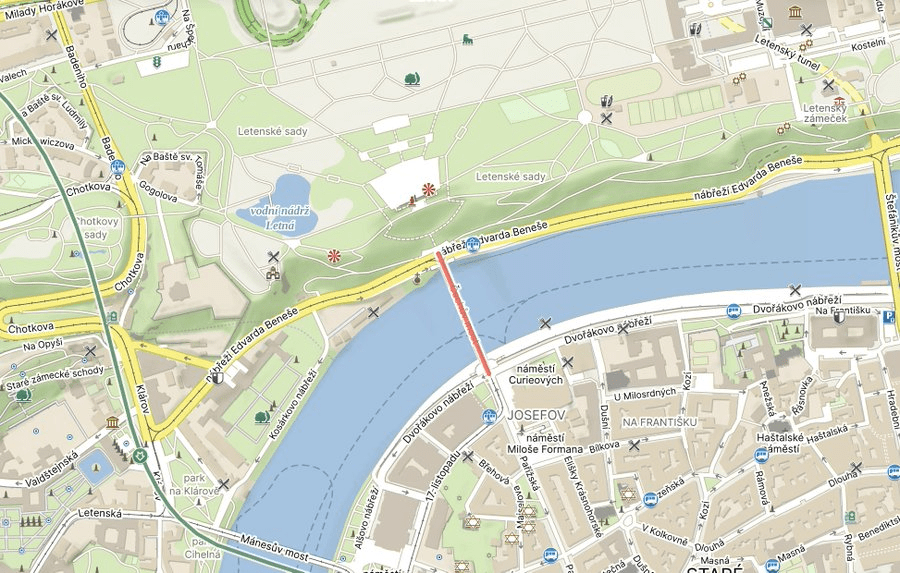
Čech died in Prague in 1908, and is buried at Vyšehrad. This bridge was named after him later that year.
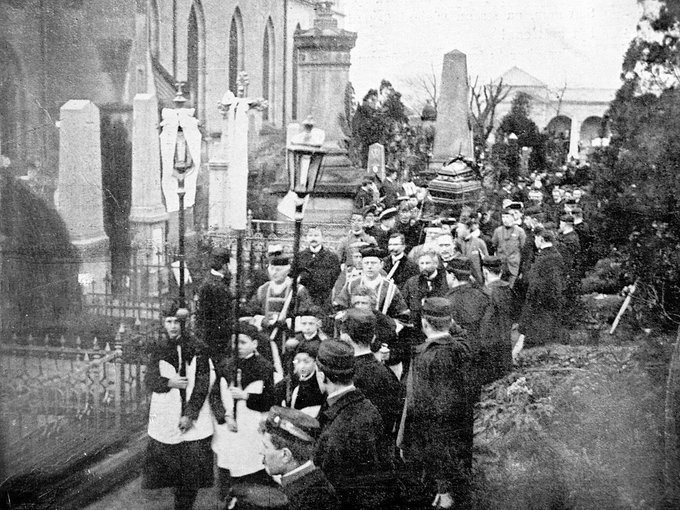
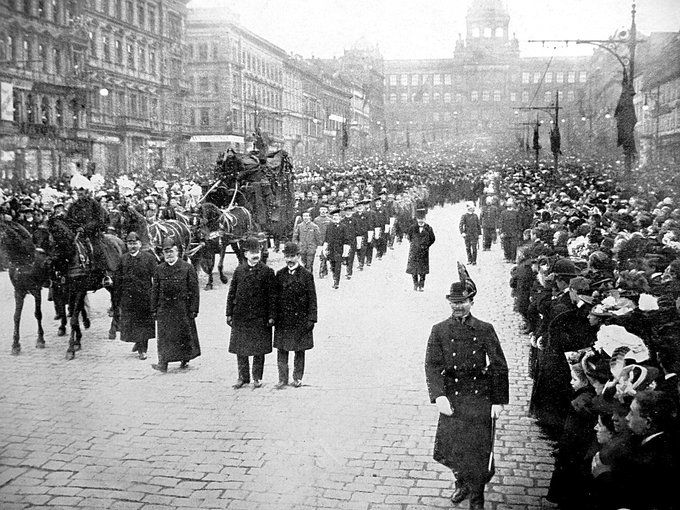
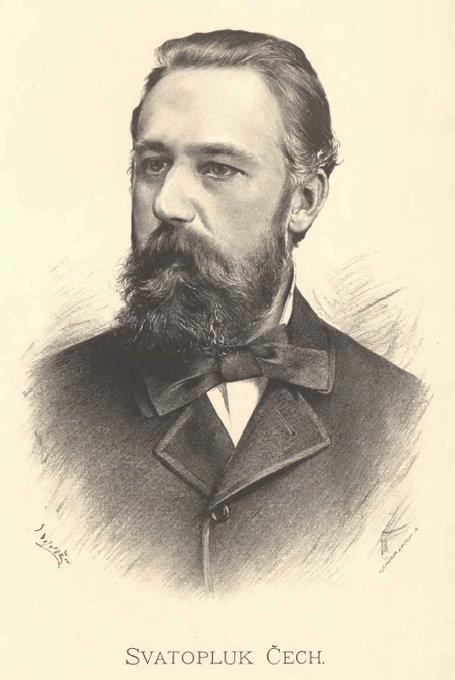
Construction of the bridge had started in 1905; of the bridges across the Vltava in Prague, it’s the shortest. However, it’s also one of the most interesting architecturally.
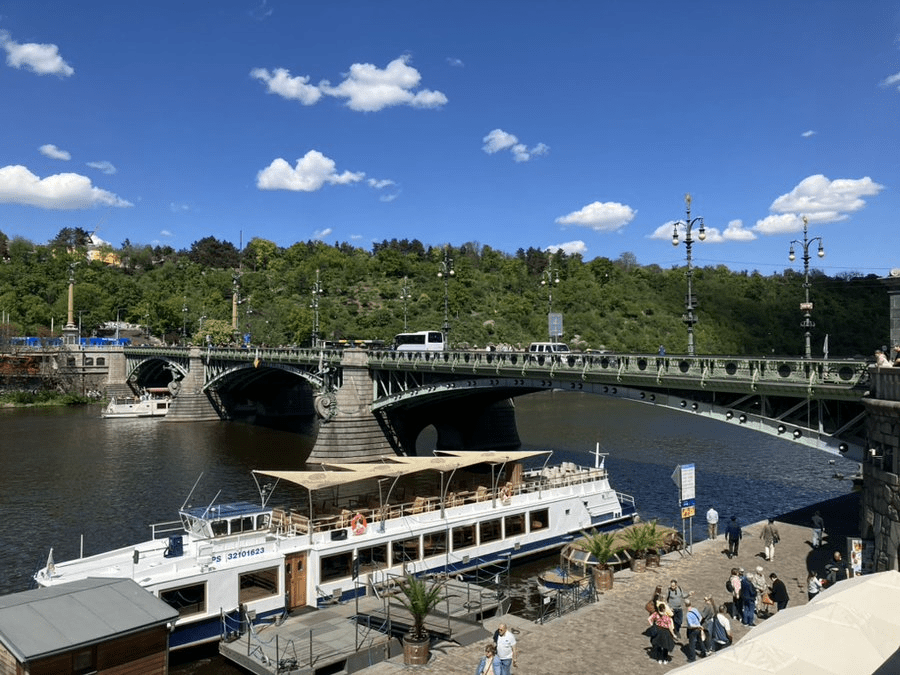
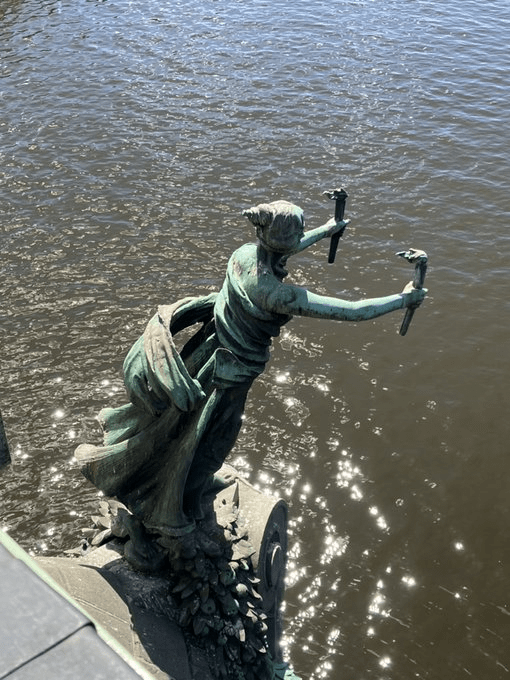
For example, it has four bronze statues of women with wings, made by the sculptor Antonín Popp.
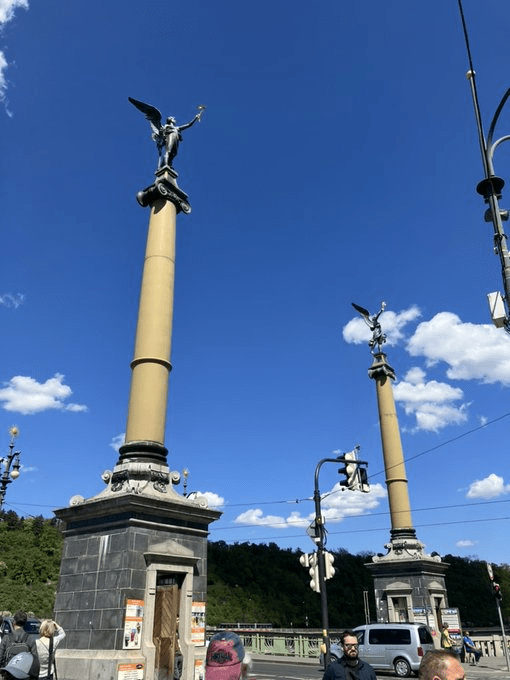
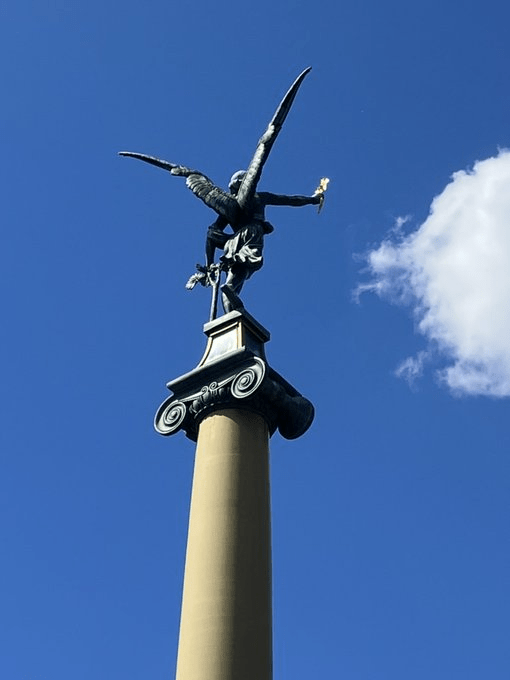
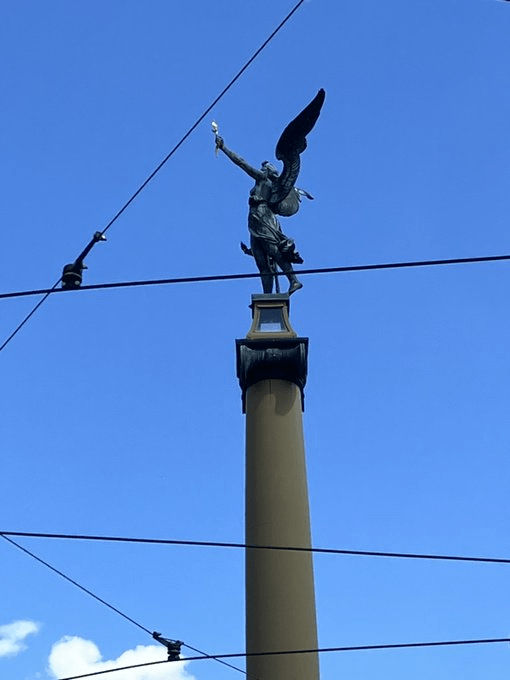
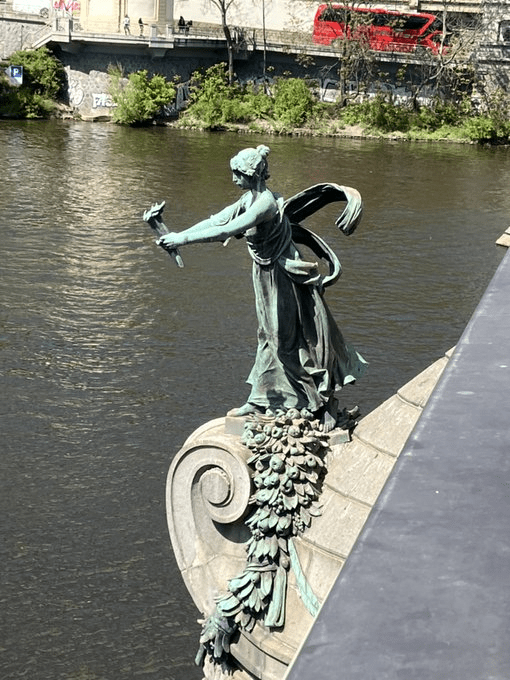
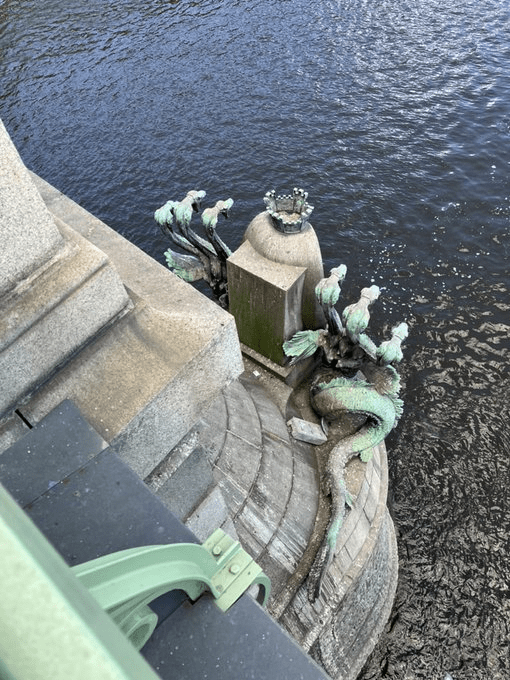
As well as, on each side, statues of female torchbearers, and of hydras flanking Prague’s coat of arms (not that you can see that in the picture).

 What's in a Prague street name
Leave a comment