Originally published on X on 20 May 2024.
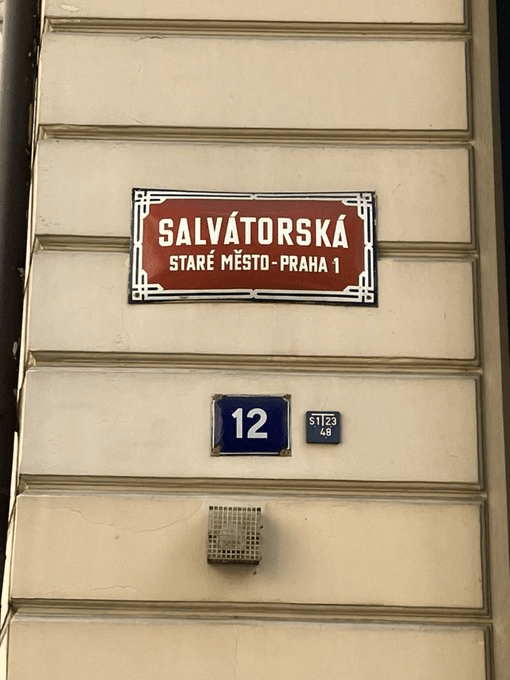
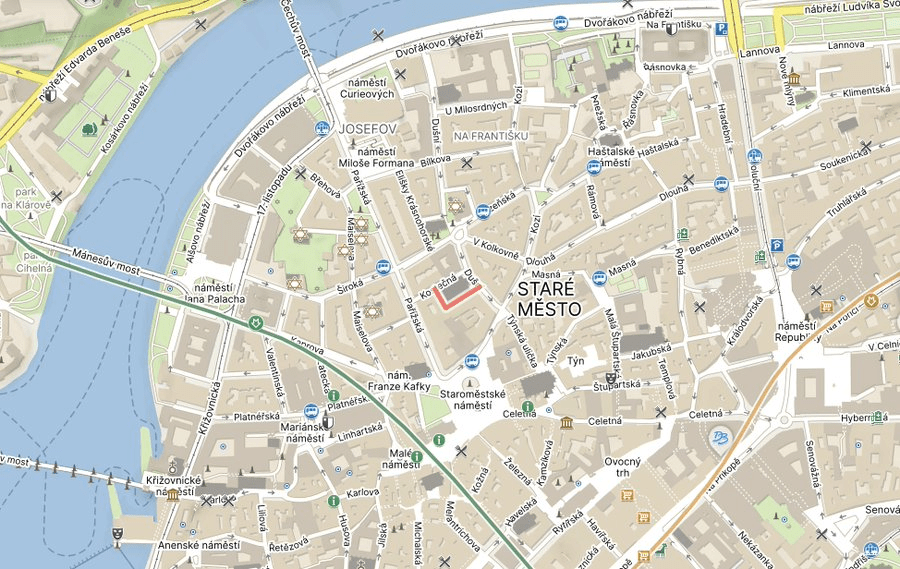
In 1610, a Protestant nobleman, Jáchym Ondřej Šlik, bought a plot of land for the construction of a German Evangelical church; the foundation stone was laid a year later, and the church (Kostel svatého Salvátora / St Salvator’s Church) was consecrated in 1614.
Salvátor is a Czech transliteration of the Latin word for ‘saviour’; churches dedicated to ’St Salvator’ are most likely dedicated to Christ himself, as he is believed to be the saviour of the world / Salvator Mundi.
However, following the Battle of White Mountain in 1620, the church was confiscated, and, in 1621, Šlik would be one of the nobles executed on Old Town Square for their role in the Estates Uprising (https://whatsinapraguestreetname.com/2024/10/12/prague-1-day-190-staromestske-namesti-old-town-square/).
In 1624, the church was given over to the Order of Minims, a religious order founded by Francis of Paola in Italy in the 1400s (they’re known as the Paulanerorden in German, and as ‘pauláni’ in Czech).
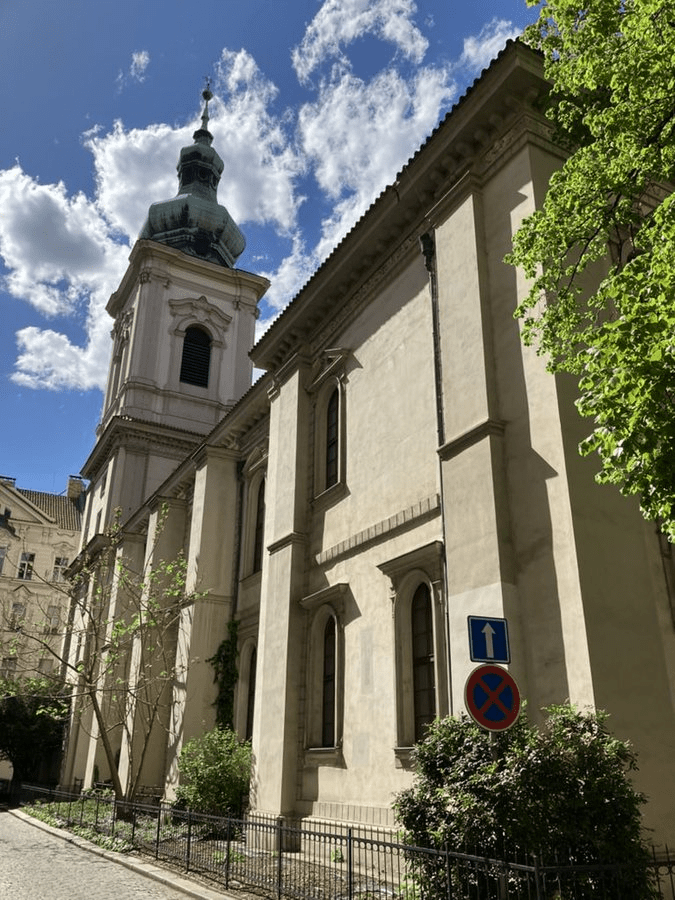
Actually, they’re officially known as the Řád Nejmenších bratří sv. Františka z Pauly in Czech, but character limits.
They already had a monastery, the last remnants of which can still be found on Old Town Square.
When both the church and the monastery were abolished, the church building began to be used as a mint (from 1795 to 1848).
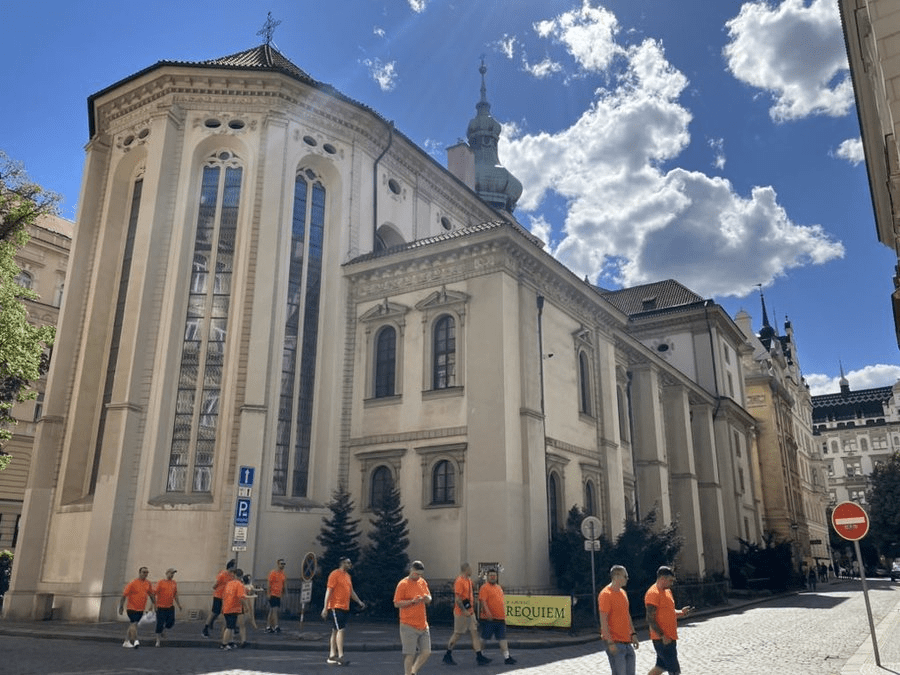
In 1863, the building was purchased by the Czech Evangelical Church of the Augsburg Confession, which uses it to this day.
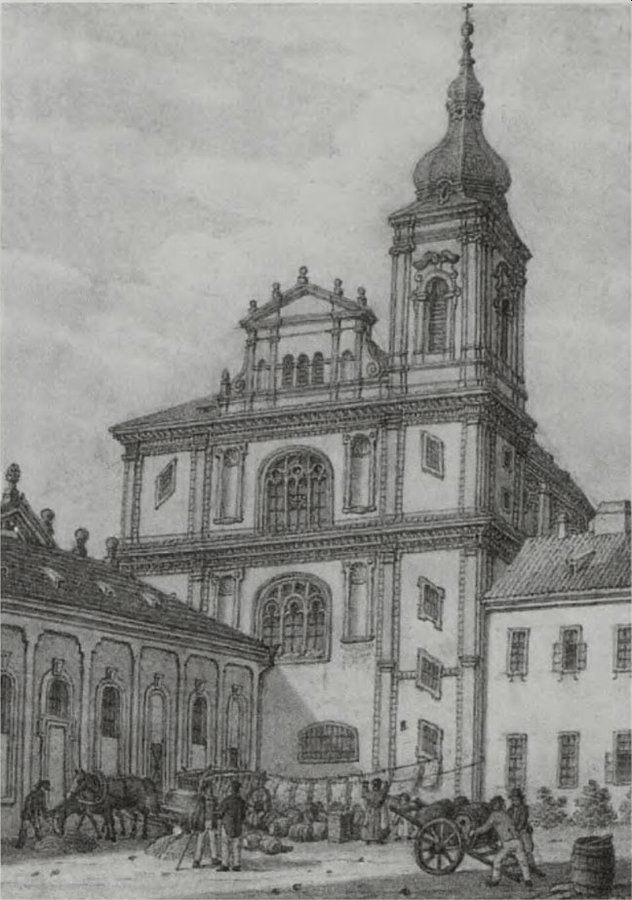
The street itself, however, wasn’t created until 1902, as part of the ‘clean-up’ / asanace of the Old Town.
Also of note on Salvátorská is the Art Nouveau Štencův dům, built between 1909 and 1911. It housed what was apparently the most modern printing house in Austria-Hungary (albeit briefly, if it was only completed in 1911).
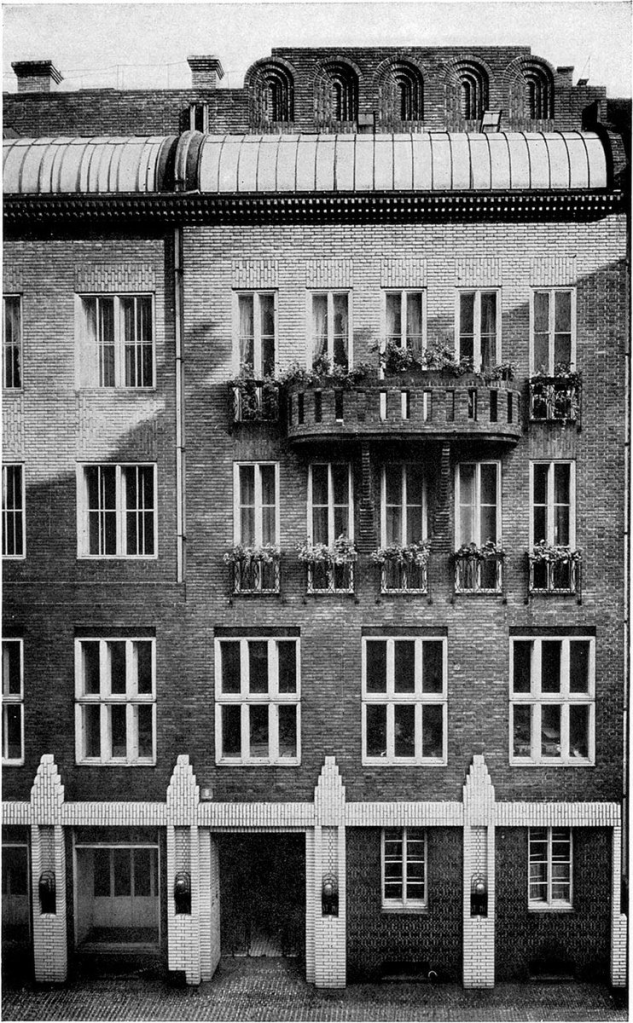
It’s now a rather fancy-looking co-working space: https://www.opero.cz/en.

 What's in a Prague street name
Leave a comment