Originally published on X on 31 May 2024.


For this one, we’ve got to start with a writer, Jaroslav Fogler, who was born on Benátská (https://whatsinapraguestreetname.com/2024/08/28/prague-2-day-127-benatska/) in 1907, although the family moved out of Prague shortly afterwards.
After his father’s death in 1914, he moved back to Prague with his mother, living on Korunní (https://whatsinapraguestreetname.com/2023/12/23/prague-3-day-187-korunni/).
From 1923, he was involved in the scout movement; in 1925, he led a scout camp, and then became leader of a scouting group in Prague (he would stay in that position for sixty years).
It was also in 1923 that his first short story was published in a scouting magazine. In the 1930s, he became the editor of various youth magazines published by the Melantrich publishing house (https://whatsinapraguestreetname.com/2024/10/14/prague-1-day-194-melantrichova/).
In 1938, he first published a comic strip called Rychlé šípy (The Rapid Arrows). The Arrows were five boys: Mirek, Jarka, Jindra, Červenáček (Red Cap) and Rychlonožka (Speedy) and a dog, Bublina (Bubble).
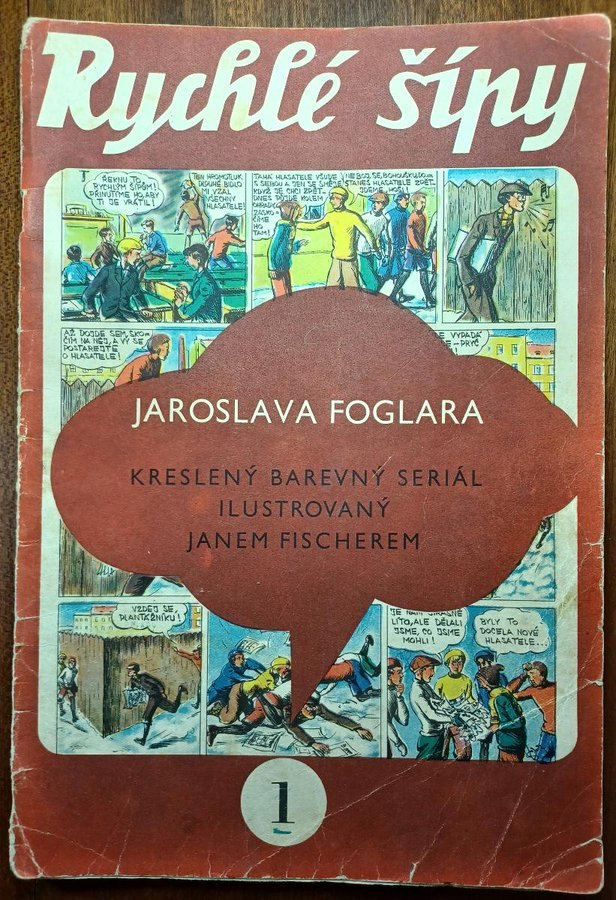
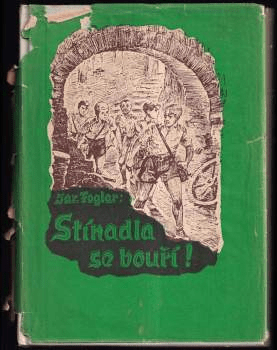
The gang would then become the lead characters in a trilogy of novels: Záhada hlavolamu (Mystery of the Puzzle; 1941), Stínadla se bouří (Stinadla is rioting; 1946) and Tajemství Velkého Vonta (The Secrets of Great Vont; 1986).
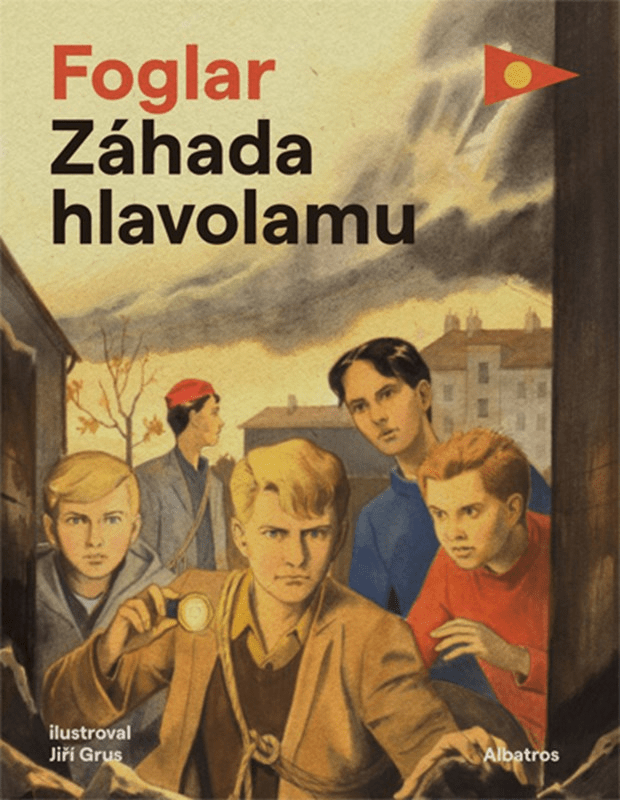
And these novels were set in a fictitious district of an unnamed city, which had winding streets and was falling apart slightly despite the constant modernisation of the surrounding districts. Perfect for nighttime adventures, then.

Stínadla has been translated into English as ‘The Shades’; however, ‘stínat’ means ‘to behead’, so it’s likely that the district’s name came from its past as the site of gallows.
If you want to get an idea of what Stínadla would’ve looked like, here’s the first episode of a television adaptation of Záhada hlavolamu from 1969:
Stínadla became so famous that other authors used it in their own works too.
Fogler died in 1999, having left behind him some of the most loved characters in the history of Czech youth fiction.

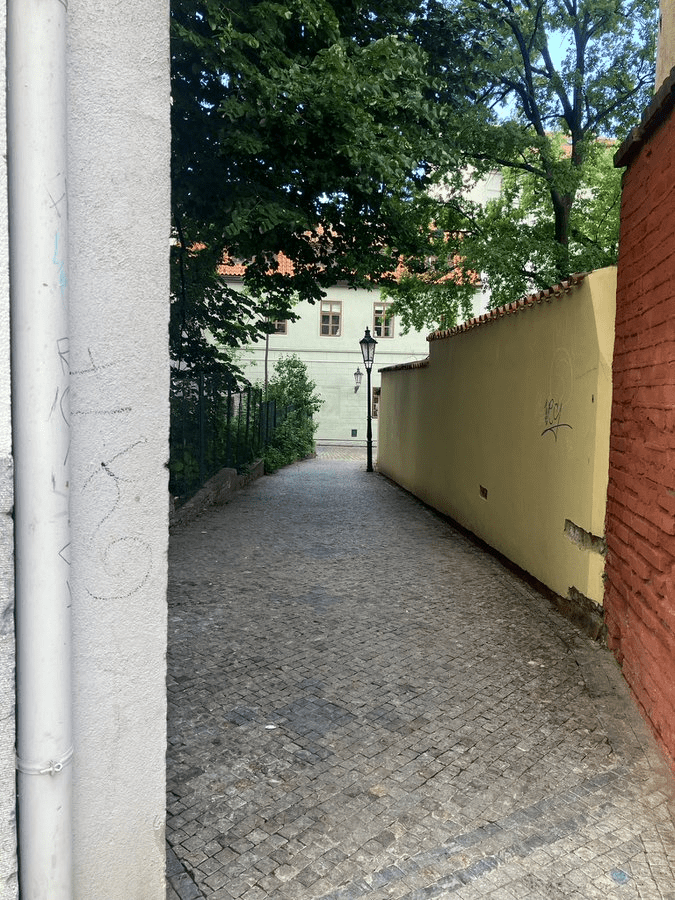
The street, meanwhile, was nameless until 2007, when it was renamed as ‘In Stínadla’ as a tribute to Fogler and his work.
Looking at this picture, you’ll probably understand why the ‘street’ was nameless for so long; it can be assumed that not one person had to change their ID or business cards as a result of this change.
I had a major Enid Blyton phase when I was about eight; right now, I’m jealous of the Czech kids who got to have a Rychlé šípy era instead.

Finally, I was writing for a Eurovision mailing list back in 2007 (mailing list! My goodness), and was unsure how to translate this song from the Czech selection that year. Only took seventeen years to find out (also: a little scary but robbed).

 What's in a Prague street name
Leave a comment