Originally published on X on 27 June 2024.
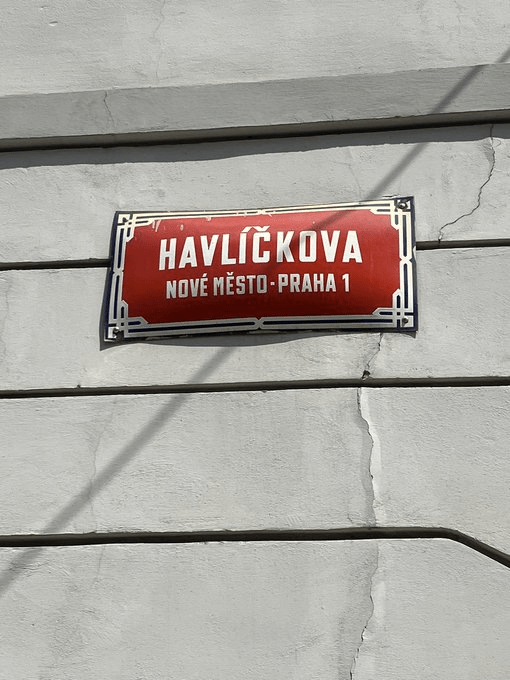

Originally, part of the street was called Florenc – more on that tomorrow – and another part was called Slaměná (‘sláma’ is straw, which was sold round here).
In the 1700s, the street became known as Blátivá, then as Na blátě, after the surrounding gardens – ‘bláto’ is mud.
In 1856, poet and journalist Karel Havlíček Borovský (see Žižkov for more: https://whatsinapraguestreetname.com/2022/12/26/prague-3-day-122-havlickovo-namesti/) died at what was then the Hotel Royal, at number 3.
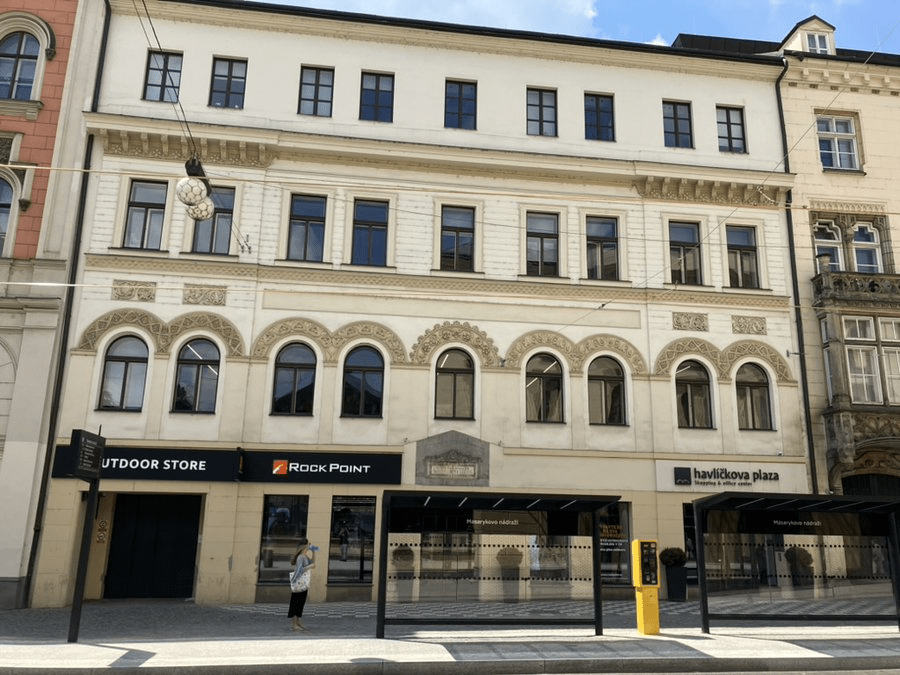
The street was named after him forty years later, in 1896.

The most famous building in the street is Masarykovo nádraží, which, when founded in 1845, was the only train station in Prague (Dejvice, where there’s an older station, was not incorporated into Prague until 1922).
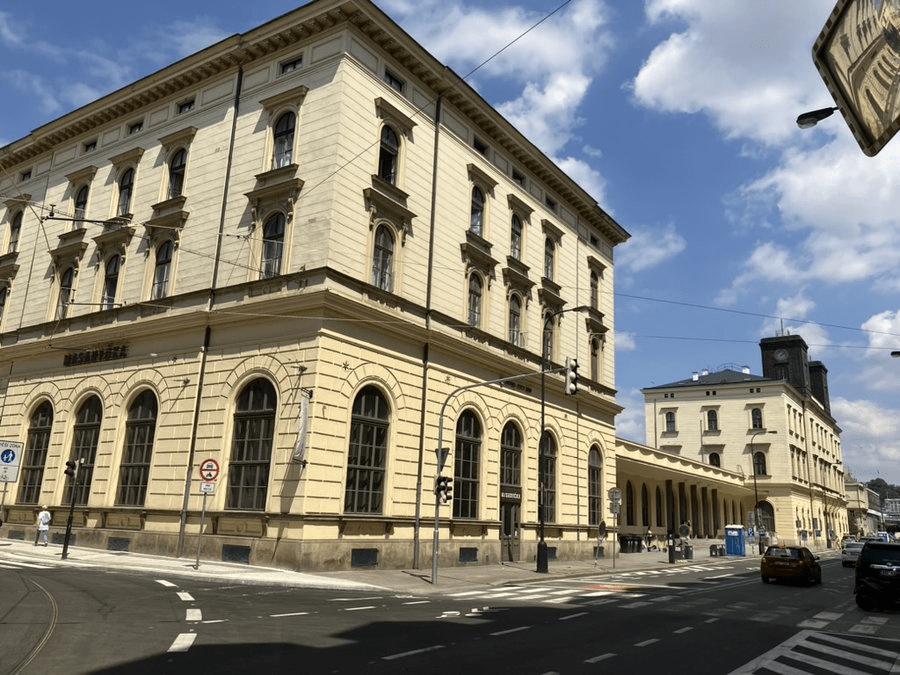
As such, the station was just known as ‘Praha’ until 1862, then as ‘Praha státní nádraží’ (Prague State Station) until 1919.

The current name came into being in 1919, just months after Tomáš Garrigue Masaryk (https://whatsinapraguestreetname.com/2024/09/01/prague-2-day-156-masarykovo-nabrezi/) had become President of Czechoslovakia.

That said, the Communists managed to be both predictable and unimaginative by renaming it ‘Praha střed’ (Prague Central) from 1953 to March 1990.
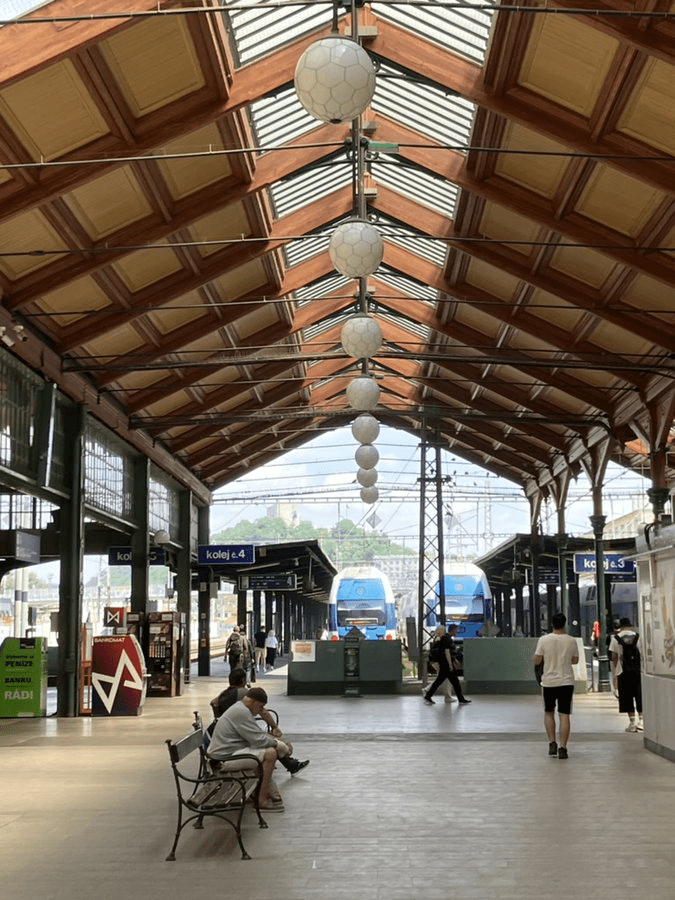
One day, just one day, there will be a train from this station to Prague Airport, and to Kladno, although it feels like this has been spoken about since approximately the fall of the Great Moravian Empire.
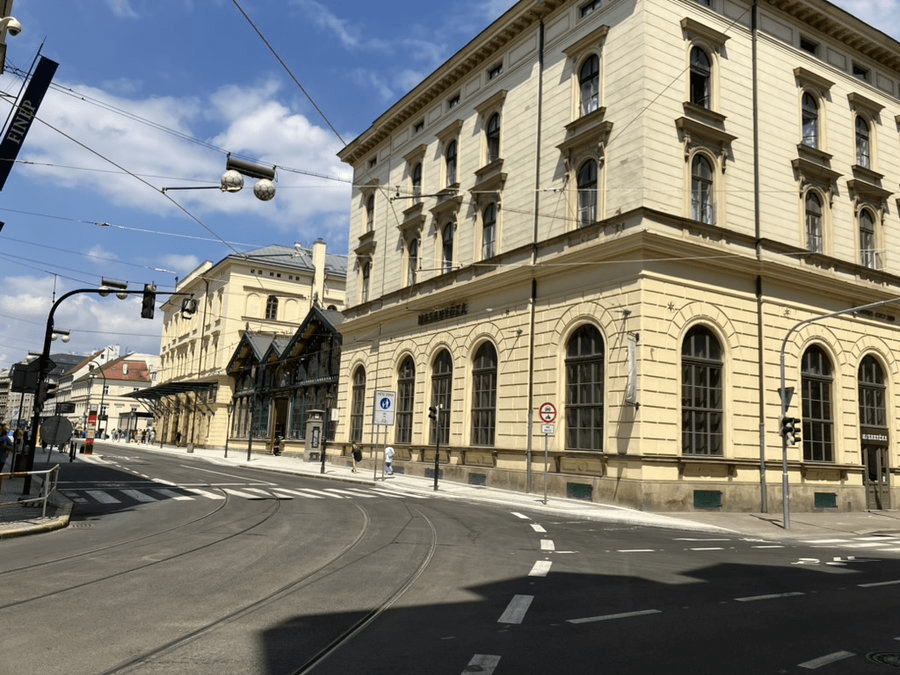
Havlíčkova also features the corner of Lannův Palace, whose former owner was the subject of a recent thread: https://whatsinapraguestreetname.com/2024/11/10/prague-1-day-256-lannova/.

 What's in a Prague street name
Leave a comment