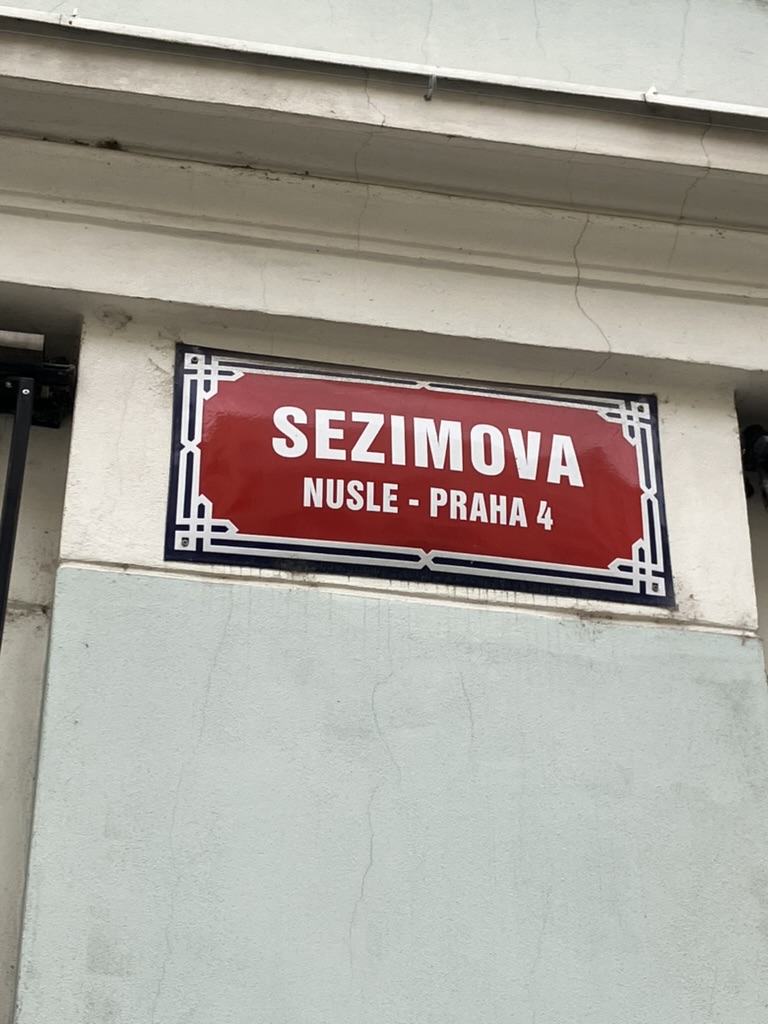
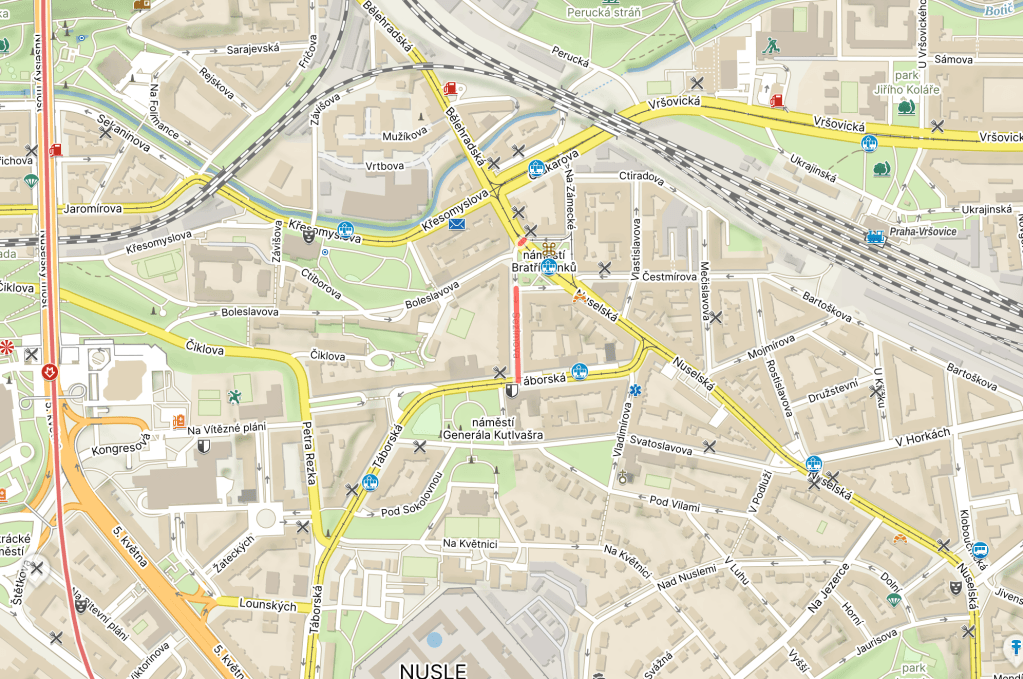
Sezimova was built in 1900.
Sezima z Vrtby was born into the noble Vrtba family in 1578. Starting his career in the service of the Rožmberks, another major noble family of the time, he served as hetman of the Vltava region on three occasions between 1606 and 1611.
Sensing the way the tide was turning – and what needed to be done to gain favour with the Habsburgs – he converted to Catholicism in 1615. This clearly had the desired effect, as, in the same year, he became an imperial councillor in Prague’s New Town.
The advantages would continue after the Battle of Bílá Hora in 1620; a large number of the properties confiscated from the Hussite insurgents ended up in his hands. He was also promoted to the status of count, and ended up in various positions of power, including President of the Bohemian Chamber (1624-5), chief provincial judge (from 1638) and supreme provincial chamberlain (1644-8).
Throughout his life, Count Sezima z Vrtby acquired and purchased so much land across Bohemia that a full list of places reads like an atlas of the region. For our purposes, the most significant purchase is the one he made in 1648 – of a farmstead called Nusle.
See https://whatsinapraguestreetname.com/2025/01/02/prague-4-day-2-vrtbova/ for a descendant who would leave a major mark on the surrounding area.
Count Sezima died in 1648, and was buried at the Franciscan monastery in Votice – which he himself had founded a few years earlier (https://whatsinapraguestreetname.com/2023/03/03/prague-3-day-168-voticka/).
Meanwhile, a palace he had built in Malá Strana now houses one of central Prague’s best-kept secrets: https://whatsinapraguestreetname.com/2024/09/08/prague-1-day-39-karmelitska/.

 What's in a Prague street name
Leave a comment