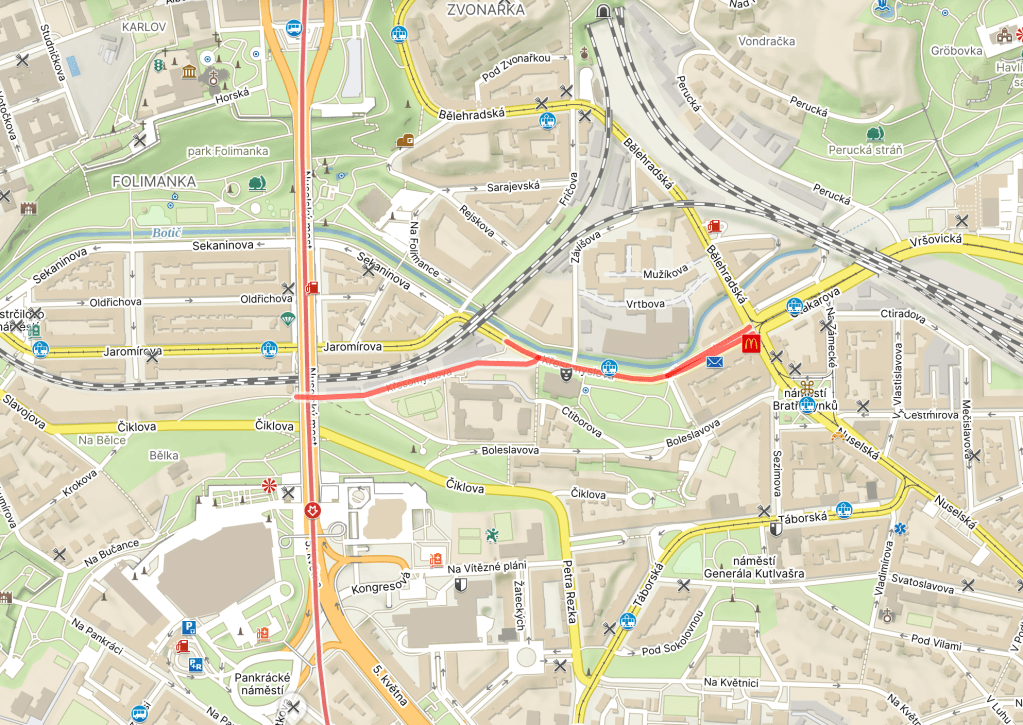
Křesomyslova was built in 1892.

We’re not even a month into the Prague 4 series, but the story of the seven mythological dukes of Bohemia has already come up before: https://whatsinapraguestreetname.com/2025/01/03/prague-4-day-3-mnatova/.
Křesomysl was the fifth of these seven alleged dukes.

The verb ‘křesat’ means ‘to strike’ – as in making two hard materials collide so that they produce sparks. Meanwhile, ‘mysl’ means ‘mind’ or ‘spirit’. So, Křesomysl would be someone who is bright and/or makes you think.
The ‘days of the week’ theory – also mentioned on Day 2 – has it that Křesomysl, as duke number five, was linked to thunder (think German Donnerstag) and, therefore, Jupiter (think jeudi, jueves, giovedì and joi), who was also identified with the Norse God Thor (think, yes, Thursday).
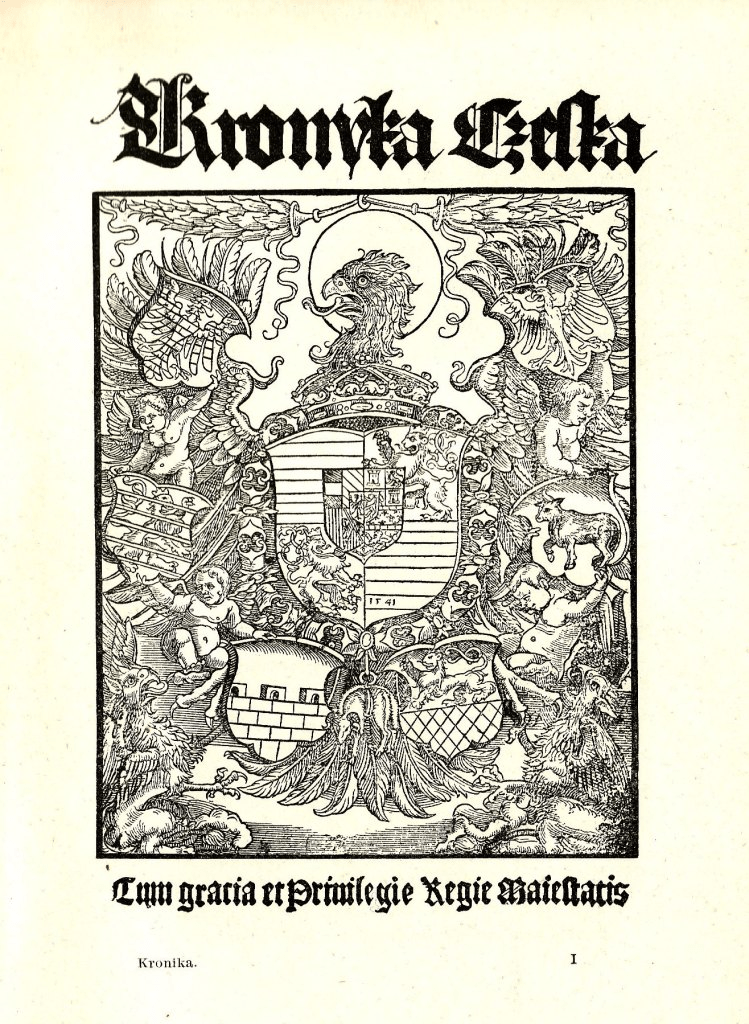
Cosmas doesn’t say much about Křesomysl, other than that he ruled Bohemia for a time. However, Václav Hájek z Libočan, who lived in the early 1500s and wrote his own chronicle – Kronika česká (this one was in Czech) – said a bit more.
According to Hájek, when Křesomysl was duke, he had to deal with a nobleman called Horymír, who took a liking for destroying mines and their facilities. This really got to Křesomysl, who was dismissive of agriculture and thought mining for metals was the way for the country to move forward.
Křesomysl responded by imprisoning Horymír at Vyšehrad (https://whatsinapraguestreetname.com/2024/08/26/prague-2-day-118-vysehradska/) and sentencing him to death.
On execution day, Horymír said his last wish was to go for a ride on his favourite horse, Šemík. Křesomysl granted this wish.
Once he was outside and on horseback, Horymír told Šemík to jump over the ramparts, swim across the Vltava, and bring them both home (I’m now picturing Horymír knocking about Nový Smíchov on a Saturday afternoon).
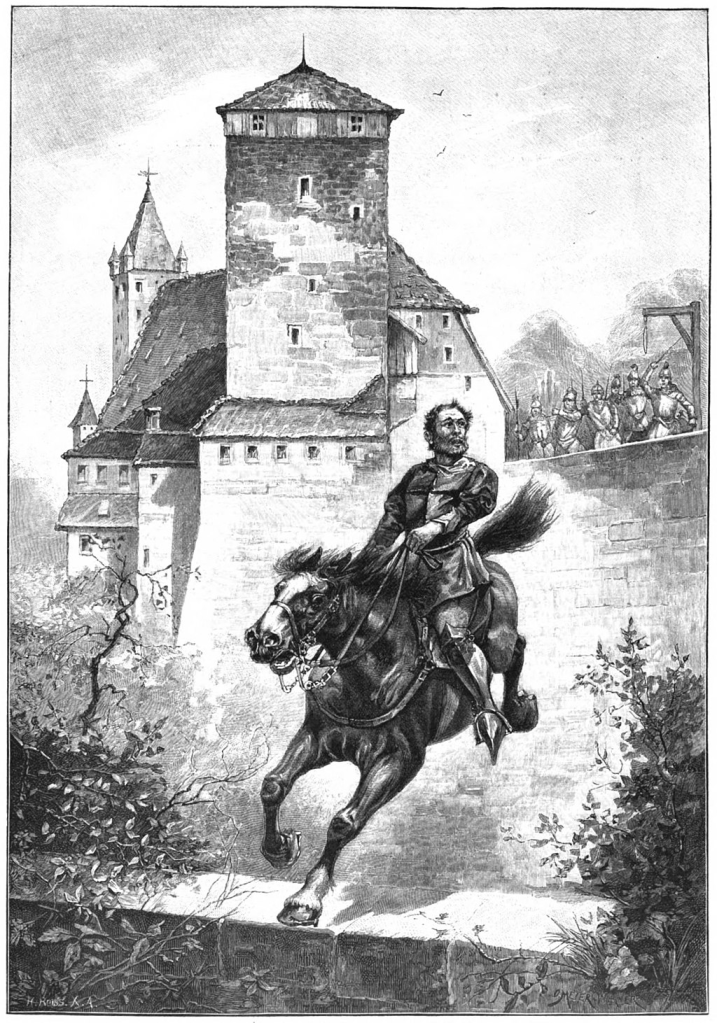
Unfortunately, Šemík died after getting injured during the jump, but Horymír was free. He buried Šemík at Neumětely, in Beroun District; the horse’s supposed resting place can still be visited today.
Kronika česká states that this all took place around 846-7, but historians generally concede that Hájek invented the entire story himself.
More on Hájek and his accuracy-be-damned masterpiece on https://whatsinapraguestreetname.com/2022/11/19/prague-3-day-15-hajkova/.

 What's in a Prague street name
Leave a comment