Kongresová was built in 1986.

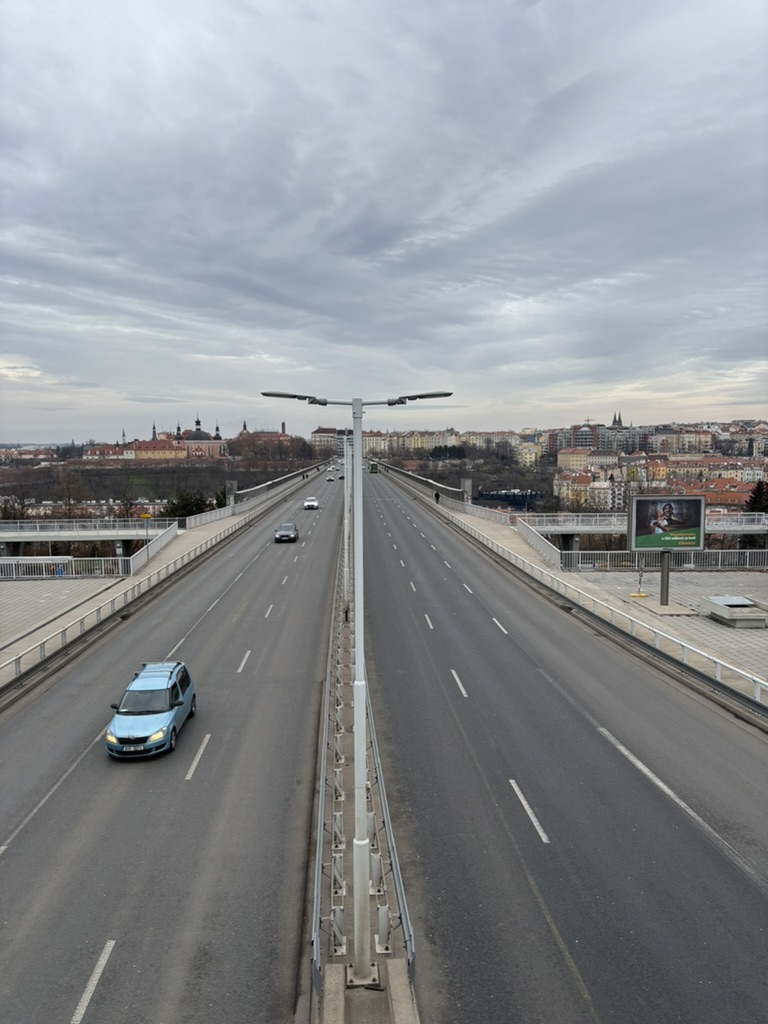
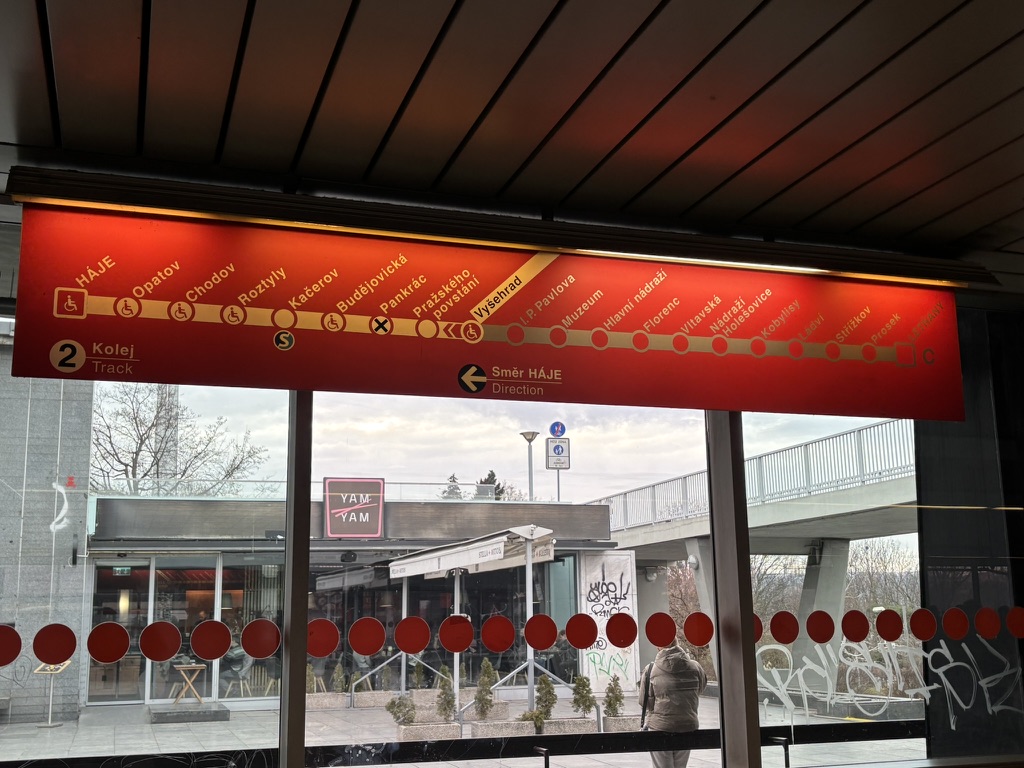
In 1971, a spatial plan determined that some sort of ‘service centre’ should be built in this location, which was also the site of improved transport links – Nusle Bridge (https://whatsinapraguestreetname.com/2024/08/21/prague-2-day-86-nuselsky-most/) would be opened in 1973, and Prague’s first metro line would follow in 1974.
After a drawn-out selection procedure – largely due to overly ambitious plans and insufficient budgets – the government of Czechoslovakia agreed to go ahead with a project led by architects Jaroslav Mayer and Antonín Vaněk in 1975.
The centre took significant… inspiration from Congress Centrum Hamburg, which had been opened in 1973. See for yourself: https://en.wikipedia.org/wiki/Congress_Center_Hamburg#/media/File:Bundesarchiv_B_145_Bild-F039666-0016,_Hamburg,_Kongresszentrum.jpg.
Construction began in 1976, when the building was referred to as the Sjezdový palác (Congress Palace), because it was intended to be the venue for the Communist Party to hold its conferences.
After a trial opening in 1980, the building was completed in 1981, by which time it was known as the Palác kultury (Palace of Culture). It had cost 2.5 billion crowns to make, and was officially opened on 2 April 1981.
Hilariously, the Communists said there were few buildings like it anywhere in the world (Hamburg would like a word), and even compared it to Prague Castle.
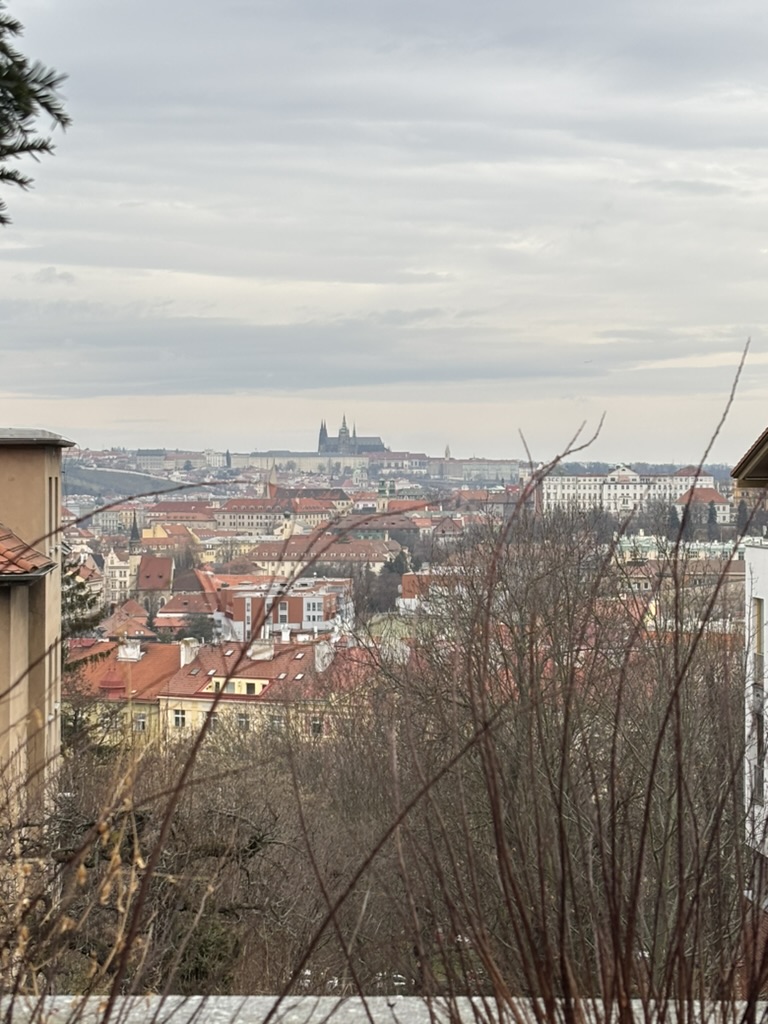
You can’t complain about the views, though.
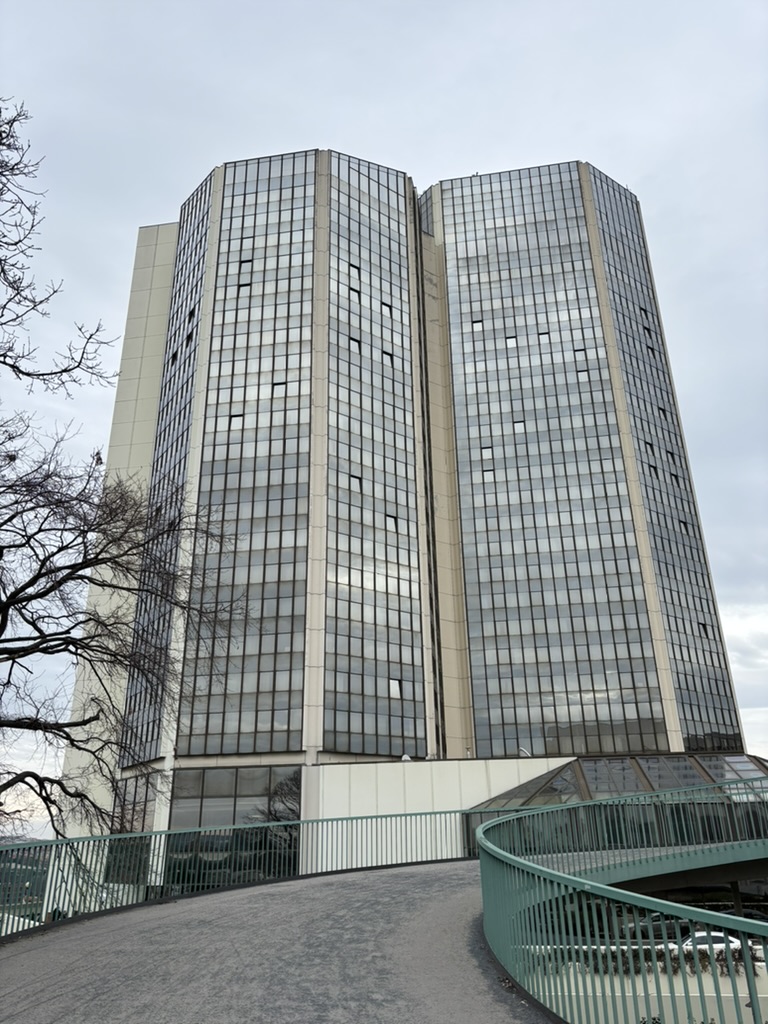
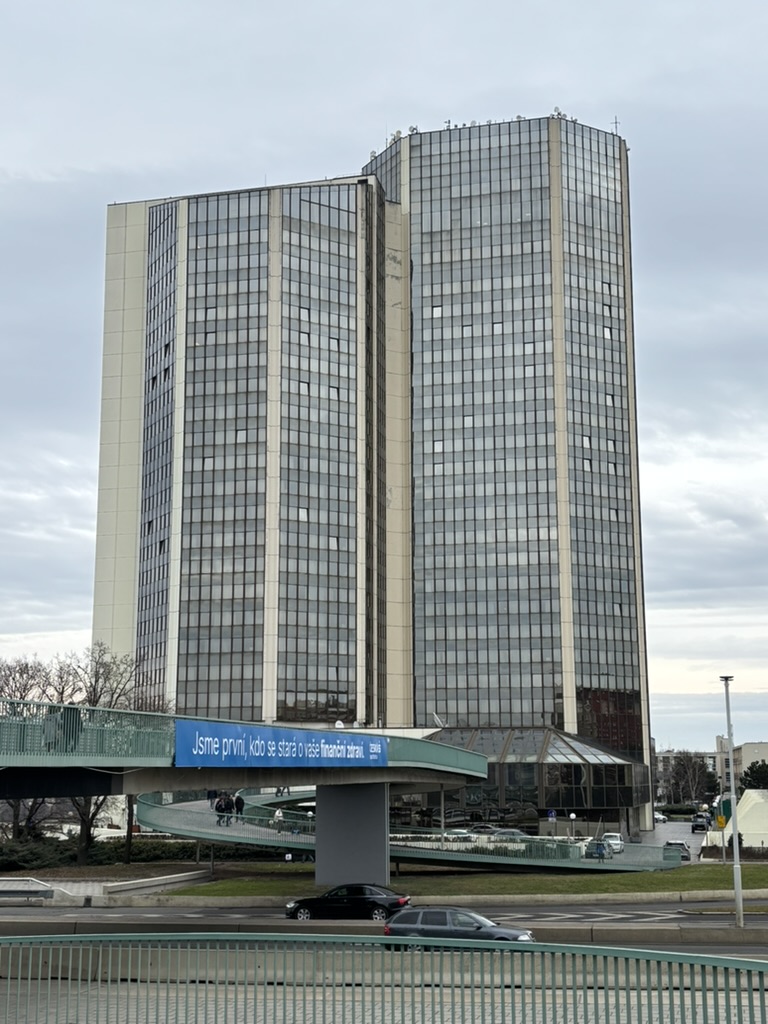
In 1984, construction started on a hotel to accompany the Centre, Hotel Forum. It was opened in 1988.
After the Velvet Revolution, the new political parties didn’t really want to use the Centre, and nobody quite knew what to do with it; there were even calls for it to be demolished.
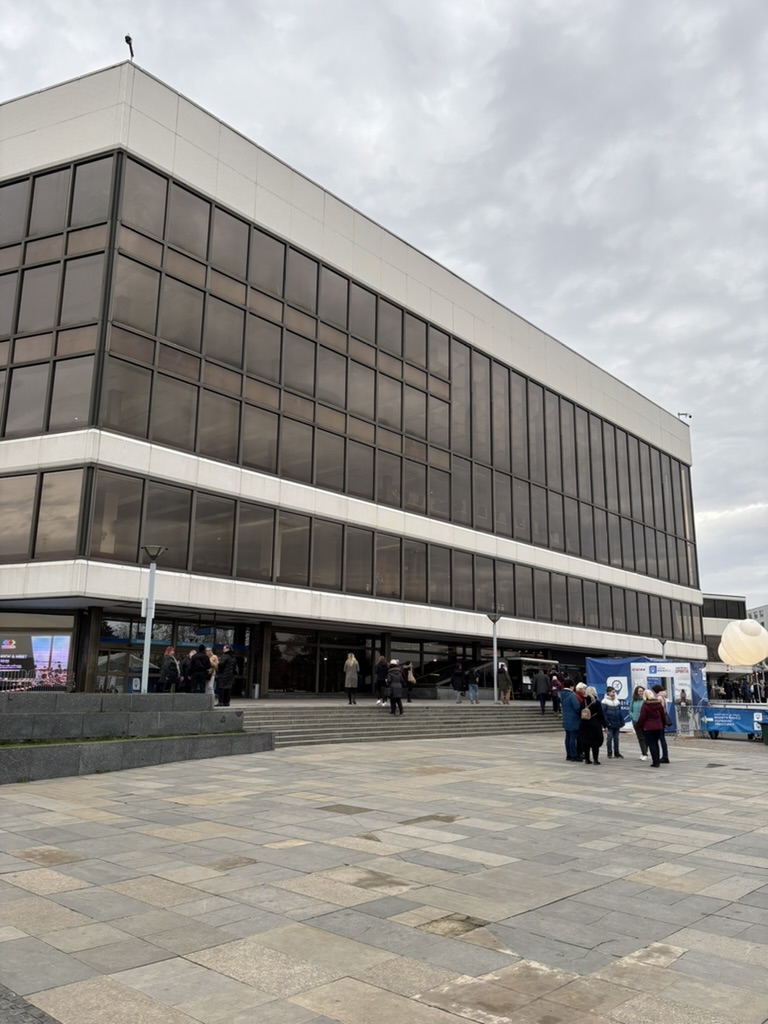
It was renamed the Kongresové centrum (Congress Centre) in 1995, and underwent reconstruction from 1998 to 2000. Here’s Bob Dylan playing there in 1995.
In September 2000, it hosted the 55th meeting of the International Monetary Fund and the World Bank in September 2000.
That sounds like it was quite staid, but it really, really wasn’t – Prague became the scene of anti-capitalist riots, the likes of which haven’t been seen here since. Think barricades, tear gas, water cannons and Molotov cocktails.
It’s kind of incredible to think that this is what our city looked like at that point.
When the NATO summit occurred in 2002, there were real fears of a repeat performance, but this didn’t materialise.
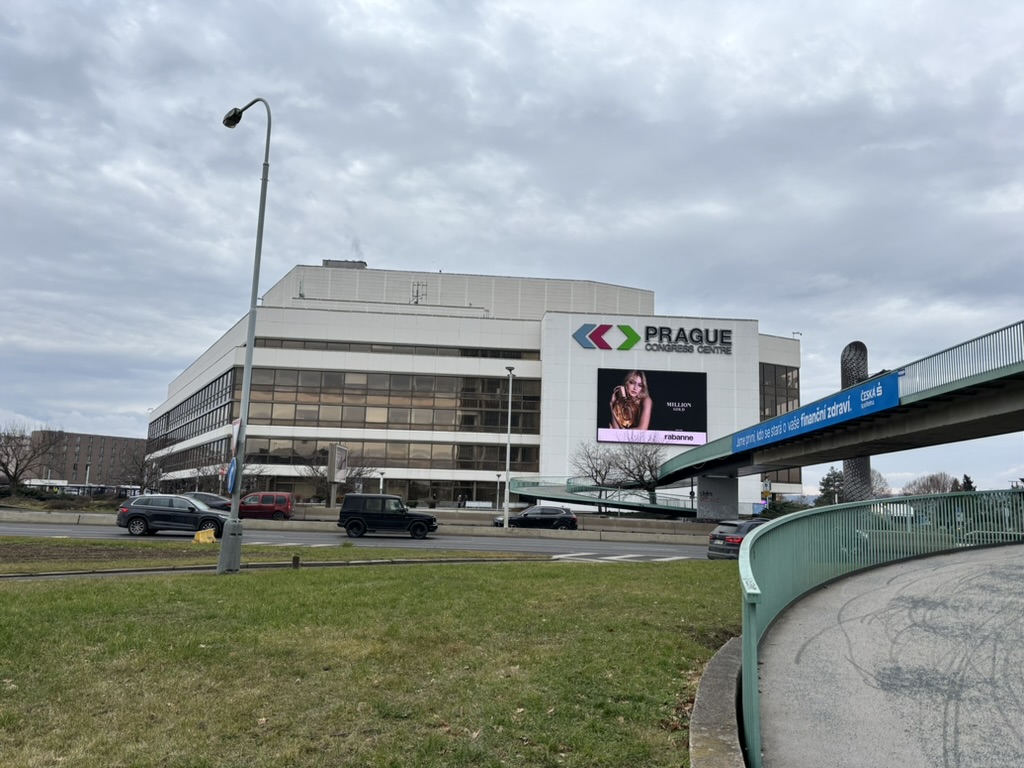
The Centre has been through various renovations this century, and, for a building that was threatened with destruction in the 1990s, it’s doing quite well, being one of the most popular congress centres in the world.
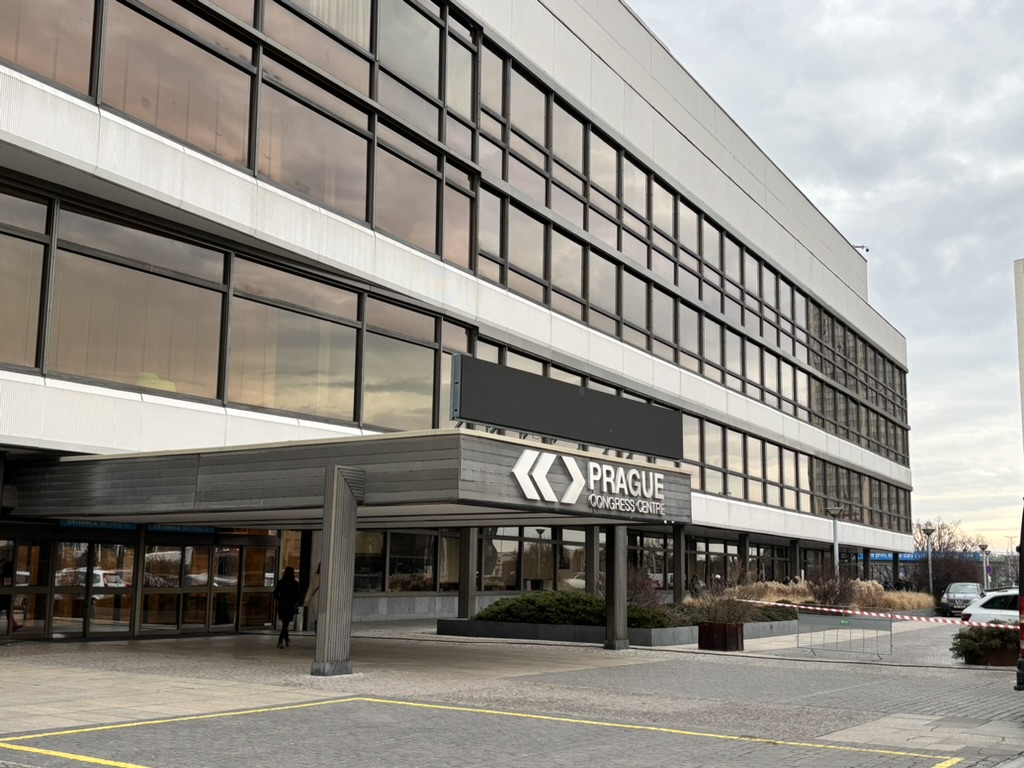
And, for those who like trivia, it was at the Congress Centre, in 2006, that it was decided that Pluto was no longer a planet.
Meanwhile, the hotel, known as Corinthia Towers for many years, was renamed in Grand Hotel Prague Towers in 2024. It appears to be way nicer inside.

 What's in a Prague street name

Leave a comment