Plamínkové was built in 1968.


Františka Plamínková was born in Prague in 1875, qualifying as a teacher in 1895 (astounding fact, at least to me: at that time, female teachers were required to be celibate). She taught until 1924.
In 1903, she founded the Czech Women’s Club; two years later, she founded the Committee for Women’s Suffrage. Her constant work for both passive and active female suffrage resulted in a woman, Božena Viková-Kunětická, getting elected to parliament in 1918.
Plamínková also campaigned for that ridiculous celibacy rule to be overturned, which ultimately happened in 1919. In the same year, she was elected to Prague City Council, representing the Socialist Party.
In 1923, Plamínková founded the Women’s National Council, and was its chairwoman until her death, although, in a story old as time, the Council wasn’t able to get as many laws changed as it wanted, thanks to conservative men in parliament.
That said, she became known outside of Czechoslovakia too: she attended the conference of the International Council of Women in Washington DC in 1925, and was elected its vice-president (she is seated in this picture).

In the same year, she was elected to the Czechoslovak Senate, maintaining her seat until the Senate was abolished in 1939.
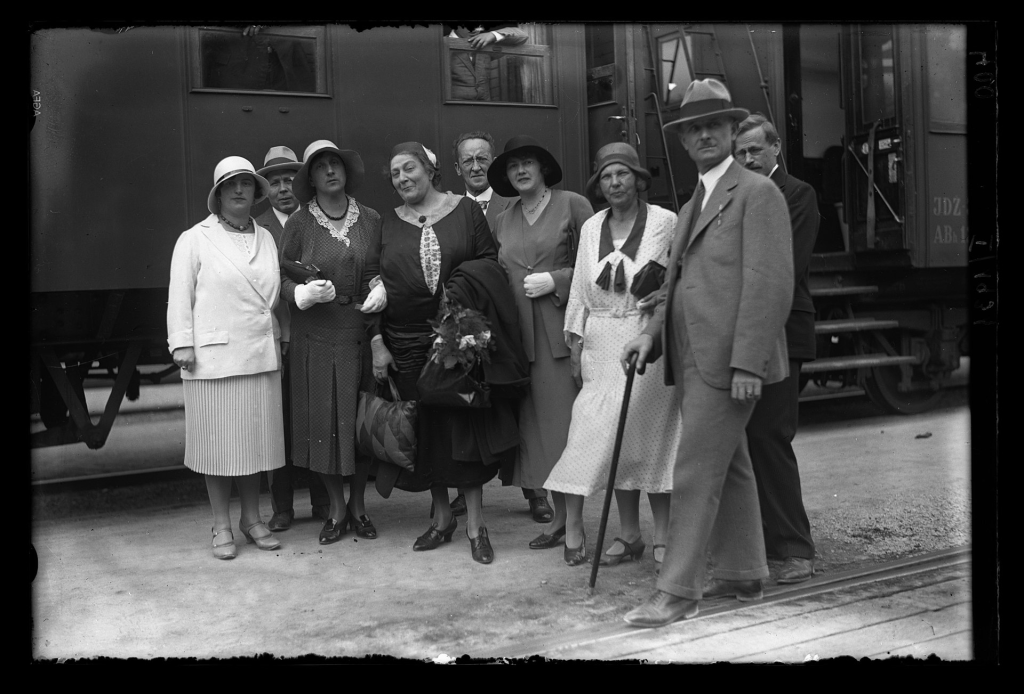
In 1931, she was elected Vice-President of the International Federation of Working Women, and, at this time, she was arguably the most famous Czechoslovak woman.
In 1938 – a couple of weeks before the Munich Agreement was signed – Plamínková wrote a letter to Adolf Hitler, telling him he had a poor understanding of Czechoslovakia, and defending President Edvard Beneš (https://whatsinapraguestreetname.com/2024/09/08/prague-1-day-53-nabrezi-edvarda-benese/).
When the Nazis occupied Bohemia and Moravia in 1939, Plamínková refused to leave, and engaged in passive resistance, which got her arrested for the first time in September 1939.
She was arrested again on 11 June 1942 (a week after Reichsprotektor Reinhard Heydrich died of the injuries he had sustained in Operation Anthropoid), supposedly because she refused to publicly denounce the Operation.
After being imprisoned at Terezín, Plamínková was sent to Prague. She was shot at the Kobylisy shooting range on 30 June 1942.
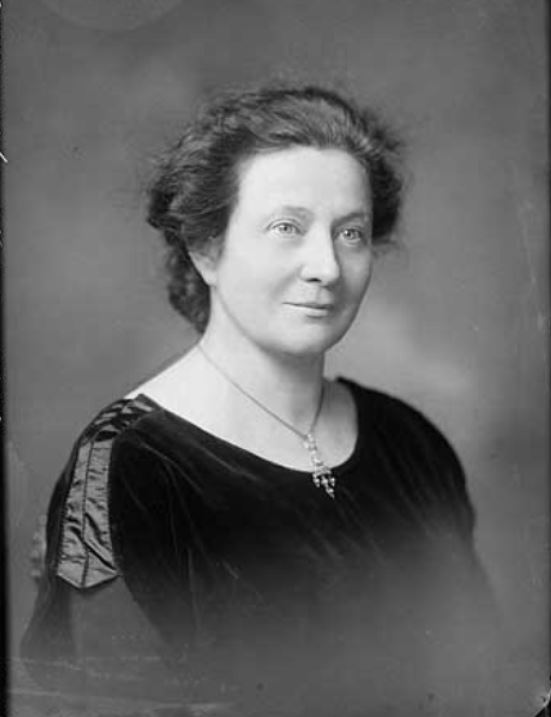
Plamínková – who deserves so, so much more commemoration than she gets – was, at least, the subject of a Google Doodle on what would have been her 141st birthday in February 2016: https://doodles.google/doodle/frantiska-plaminkovas-141st-birthday/.


 What's in a Prague street name
Leave a comment