Nedvědovo náměstí was nameless until 1906.
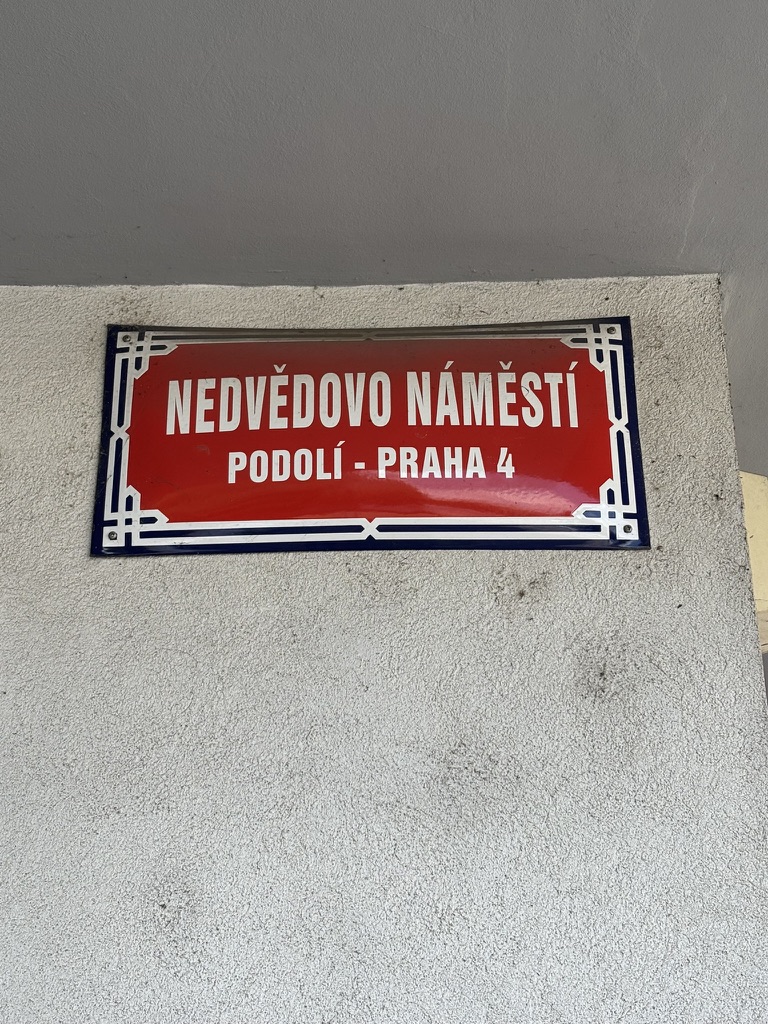
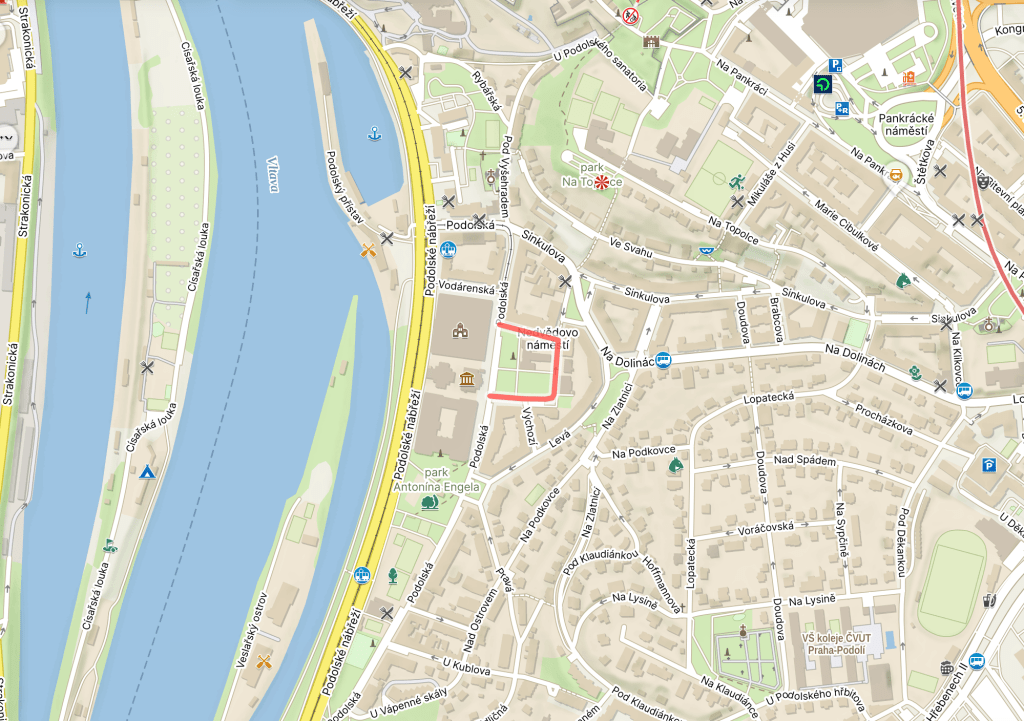
From 1906 to 1934, the square was called Komenského náměstí, of which there is still one in Prague 3: https://whatsinapraguestreetname.com/2022/11/26/prague-3-day-82-komenskeho-namesti/.
From 1934 to 1948, it was called Podolské náměstí.
Miloš Nedvěd was born in 1908. His father, František Nedvěd, would later co-found the Communist Party of Czechoslovakia in the early 1920s, and would have a seat in the Senate from 1929 to 1938.
Miloš went to medical school, where he met Zdeňka Nejedlá; they would marry shortly after graduating. She opened a paediatric practice, while he took on a research internship at a clinic. Both, following in their families’ footsteps, were also active in the Communist Party.
When the Nazis established the Protectorate of Bohemia and Moravia in 1939, both also became active in resistance activities, spreading leaflets and distributing food to families of those who had been arrested.
The Gestapo arrested both of them – and Miloš’s mother – in April 1942 (František Nedvěd was, by this stage, in exile in the Soviet Union, where he would die in 1943), and sent them to Pankrác Prison.
After about half a year, they were transported to Terezín, where they were assigned to provide treatment to their fellow inmates, until they were transferred to Auschwitz in early 1943, where they took on a similar role.
Miloš died there of typhoid a couple of months later; Zdeňka only found out a month later when she was recovering from the same disease.
Later in 1943, Zdeňka was transferred to Ravensbrück. She survived, and returned to her work as a paediatrician in Podolí when the war ended. She stayed in the Communist Party until 1968, when she condemned the Soviet invasion of Czechoslovakia.
She died in 1998, aged 89. As a side note, we’ve previously discussed her brother: https://whatsinapraguestreetname.com/2023/01/13/prague-3-day-131-vita-nejedleho/.
For anyone wondering: yes, I agree that it would be nice if the street had been named after both husband and wife, but, when it was named in 1948, Zdeňka was still alive, and streets named after living people are very, very rare indeed.

 What's in a Prague street name
Leave a comment