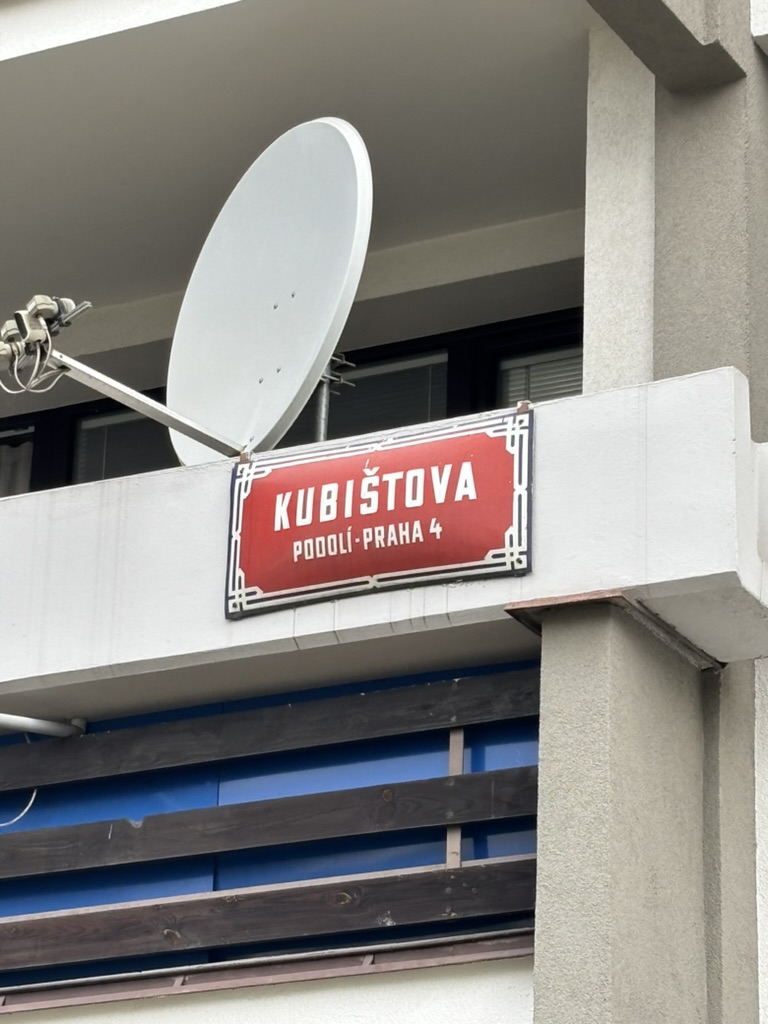
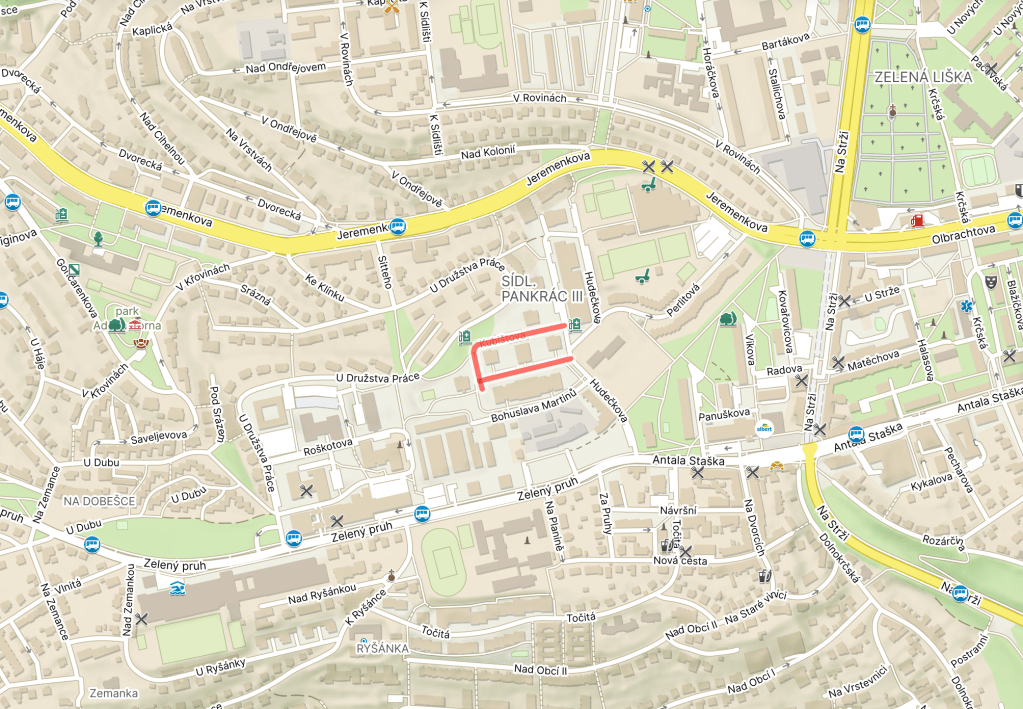
Kubištova was built in 1991.
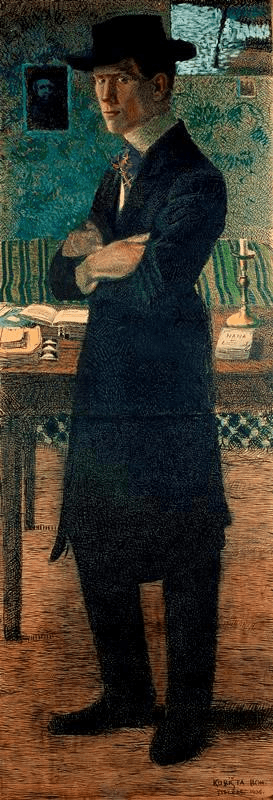
Bohumil Kubišta was born Vlčkovice near Hradec Králové in 1884; he was an illegitimate child, and his family was poor.
Developing an interest in fine arts while at secondary school in HK, he started studying at Prague’s School of Applied Arts in 1903, but moved to the Academy of Fine Arts in 1904. He left both due to conflicts with his teachers.
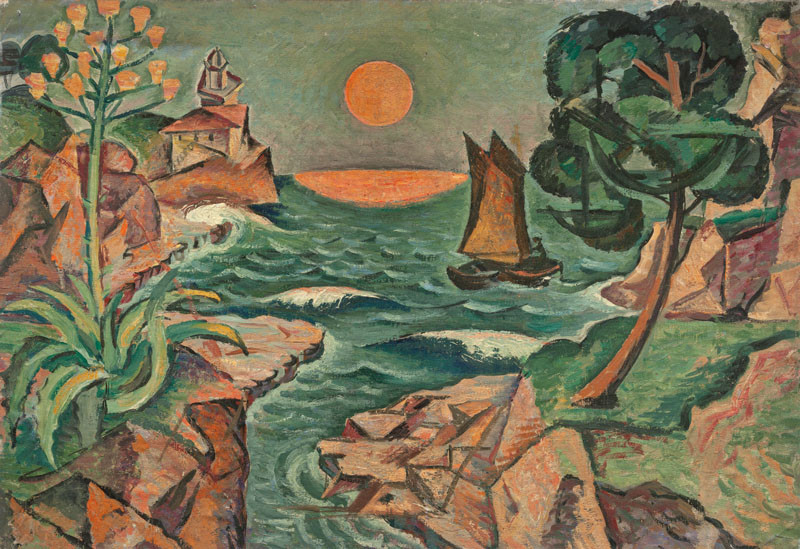
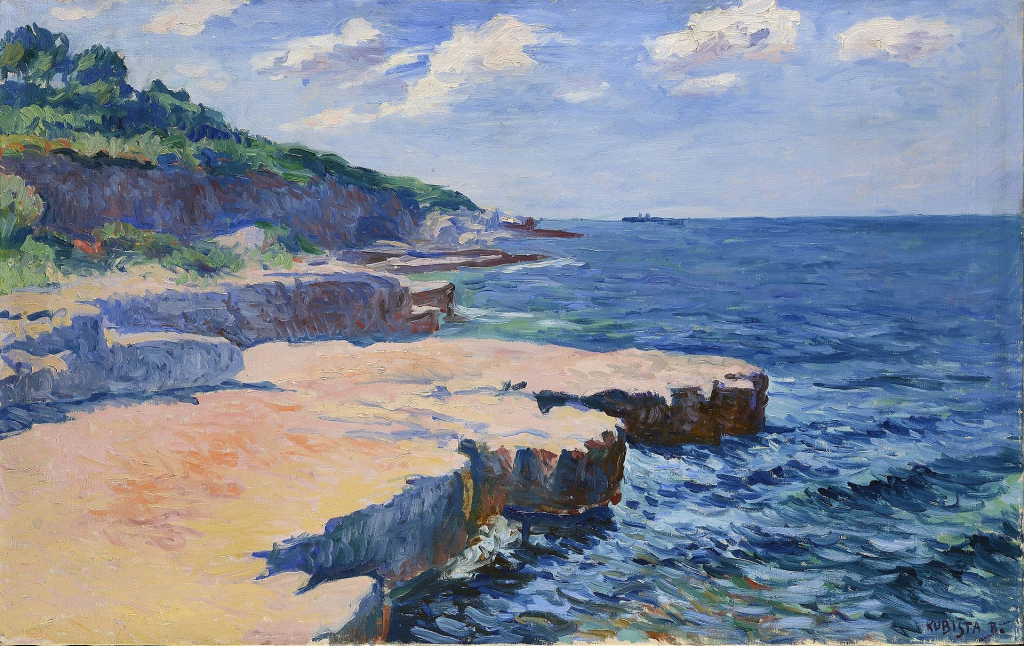
So, in 1904, he went to Pula, now in Croatia, to start military service (the painting below represents the sunset over the Adriatic). He graduated in 1906, and then went to Florence to study at the Reale instituto delle belle arti. He left after a term. There’s a pattern here.
Returning to Prague in 1907, Kubišta displayed fourteen of his paintings at an exhibition, and met the literary critic František Xaver Šalda, who would become a supporter. However, he struggled to make money, and started studying at the Technical University… leaving after a year.
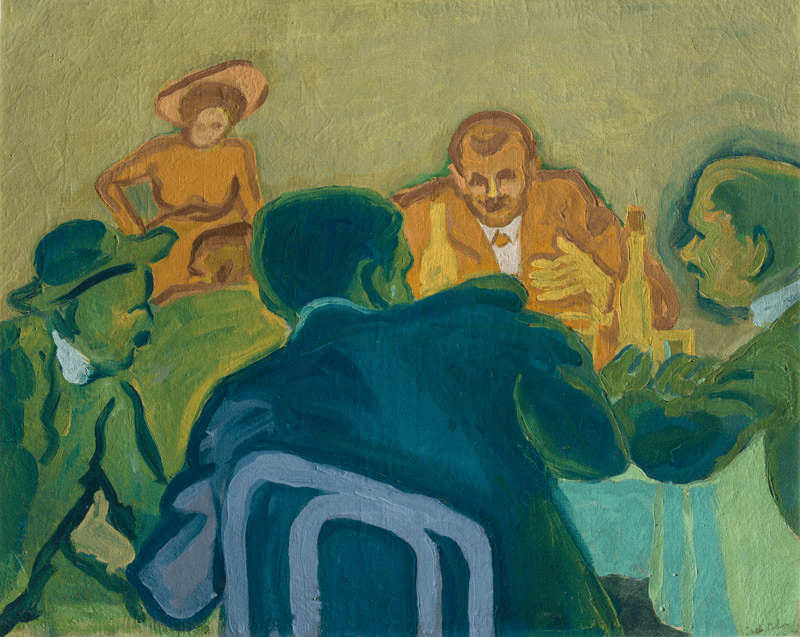
With his uncle’s financial support, Kubišta went to Paris in 1909. He managed to make ends meet by writing articles on fine art, and established useful contacts among French painters.
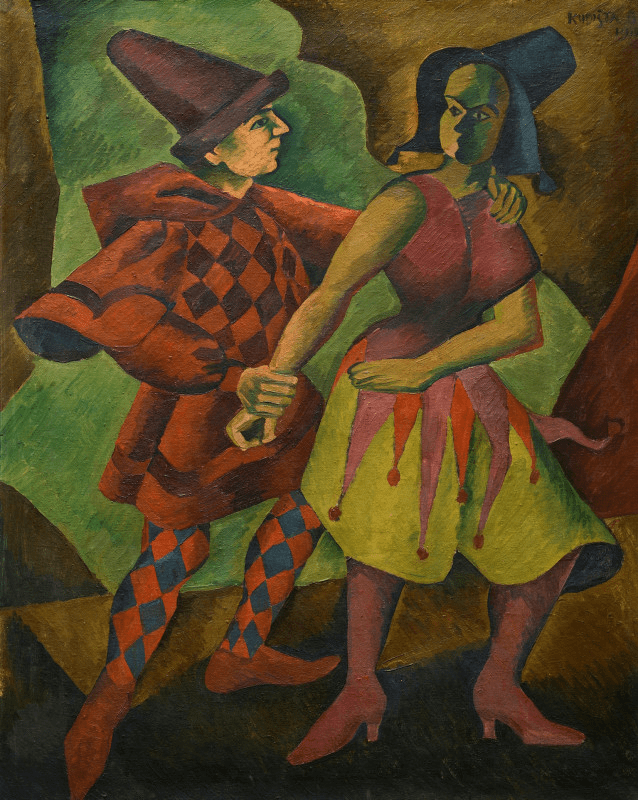
Returning to Prague in 1910, he managed to make himself unpopular with several older landscape painters by writing articles criticising their work. One painter, Josef Ullmann, physically attacked him, and the case went to court.
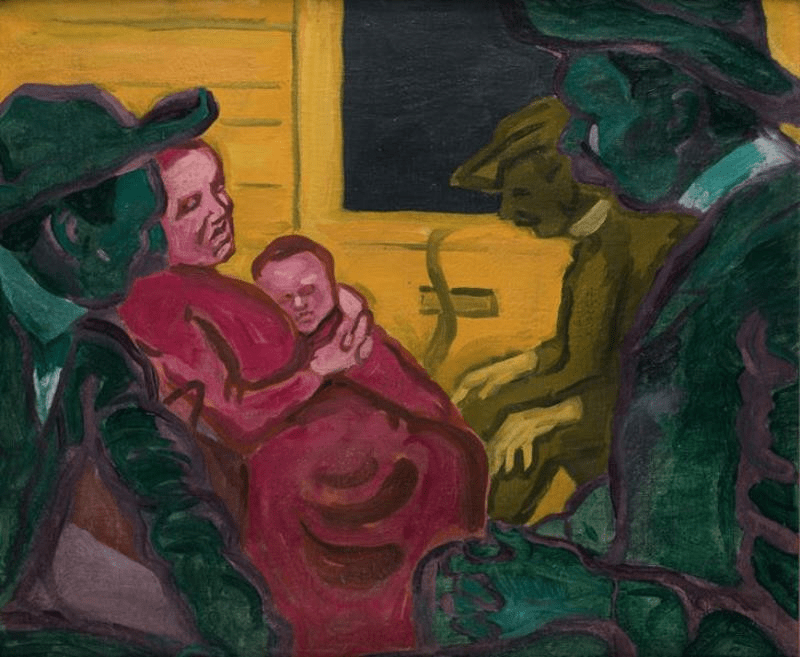
Still failing to earn a decent living, Kubišta rejoined the Austrian army in 1913. During World War One, he served in Pula (painting below), where he had done his military service.
On 27 October 1918 – one day before Czechoslovakia became independent – Kubišta returned to Prague and enlisted in the new country’s army. However, exactly one month later, he died of the Spanish flu. He was 34.
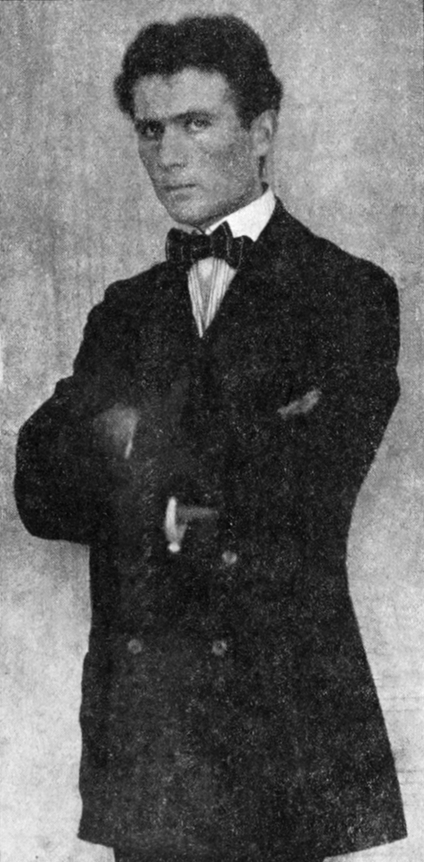
An exhibition of his works took place at the Rudolfinum in 1920 (I think – this would’ve meant the exhibition took place when the building was already the Czechoslovak Parliament: https://whatsinapraguestreetname.com/2024/10/22/prague-1-day-211-namesti-jana-palacha/).
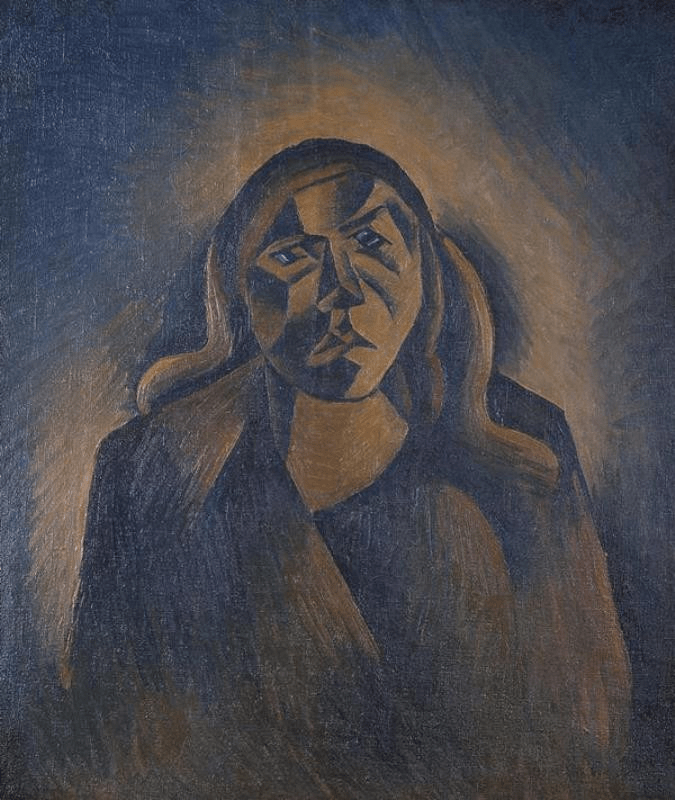
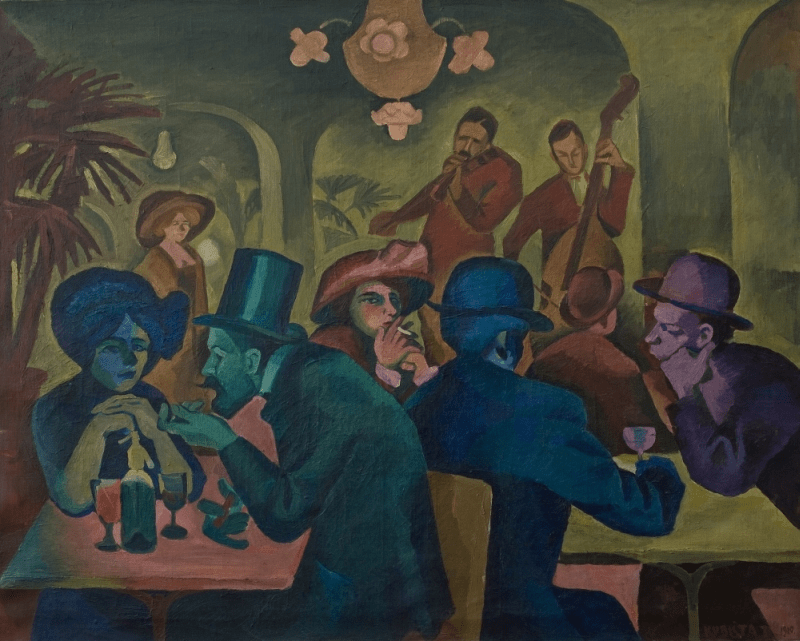
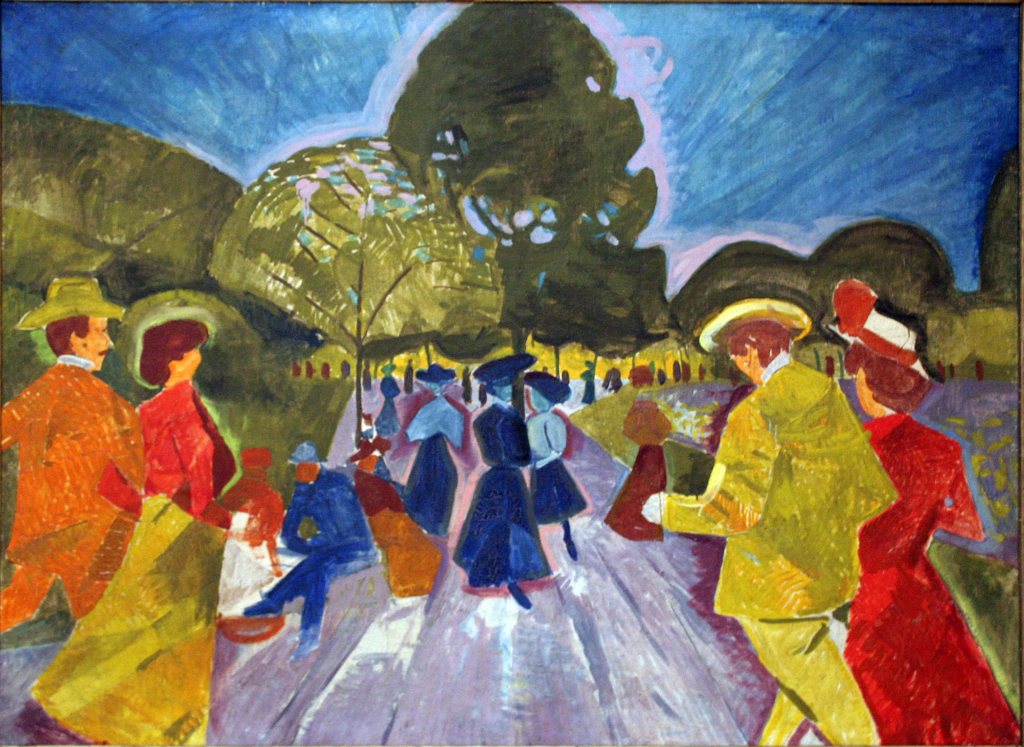
I love all these paintings of his; this one is of a walk through Riegrovy Sady.

 What's in a Prague street name
Leave a comment