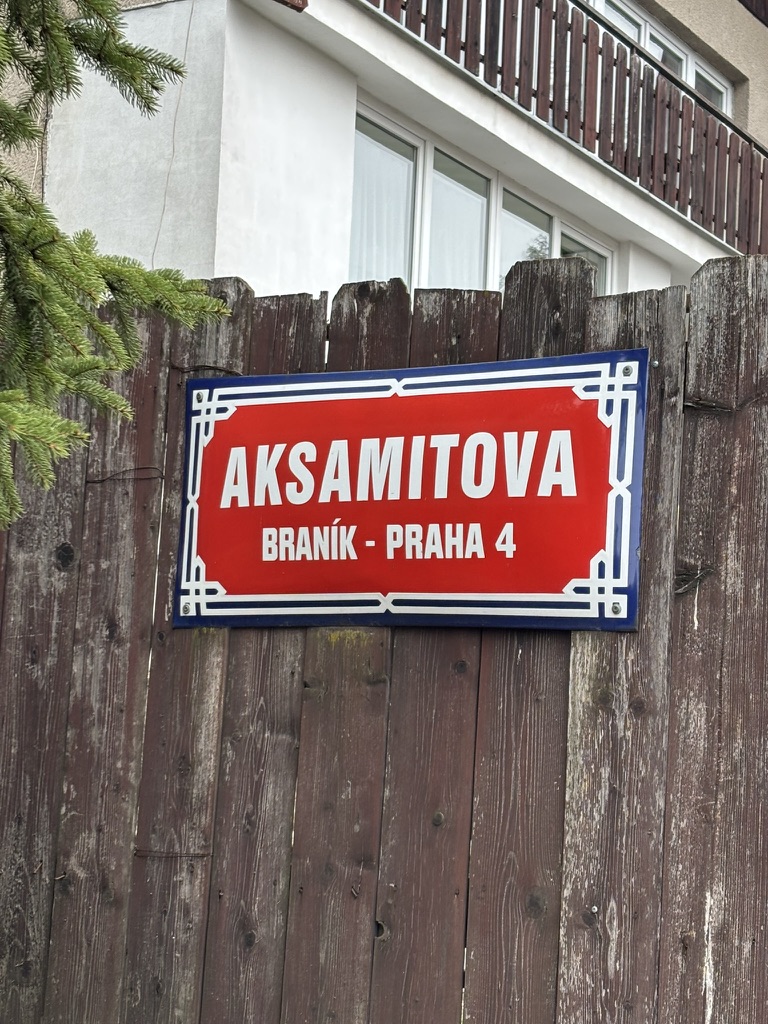
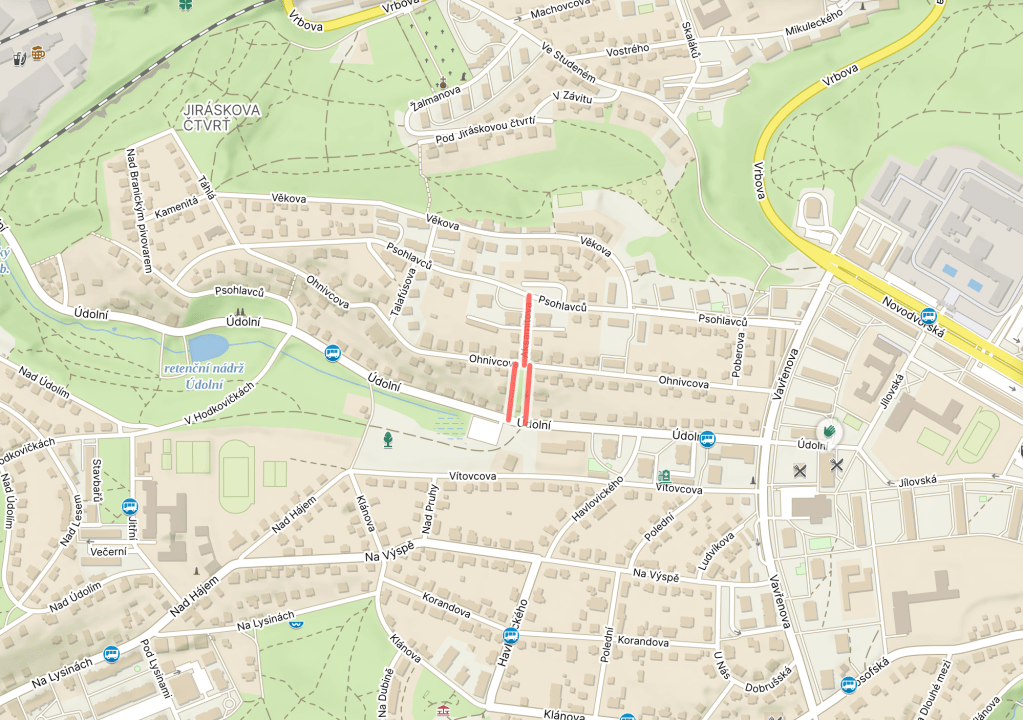
Aksamitova was built in 1932.
We don’t know anything about Petr Aksamit’s life before 1440, when he was put in command of the Brotherhood / bratříci troops in Upper Hungary (present-day Slovakia).
These bratříci were former Hussite fighters, operating as independent units, from 1445 to 1467, not only in today’s Slovakia but in its neighbouring regions.
Originally, he served under Jan Jiskra z Brandýsa (https://whatsinapraguestreetname.com/2025/11/15/prague-4-day-230-jiskrova/), but struck out and formed his own army in 1448, while continuing to profess support for Jiskra until the latter fell in 1453.
After that, Aksamit’s army controlled what is now eastern Slovakia and north-eastern Hungary, with a castle at Plaveč (renovated and partially rebuilt in 2014).
It seems that Aksamit’s name came from the fact that he was partial to expensive clothing – aksamit translates as ‘velour’.
However, in January 1458, Matthias Corvinus (Czech: Matyáš Korvín; Hungarian: Hunyadi Mátyás) became King of both Hungary and Croatia, and decided it was time to restore royal power.
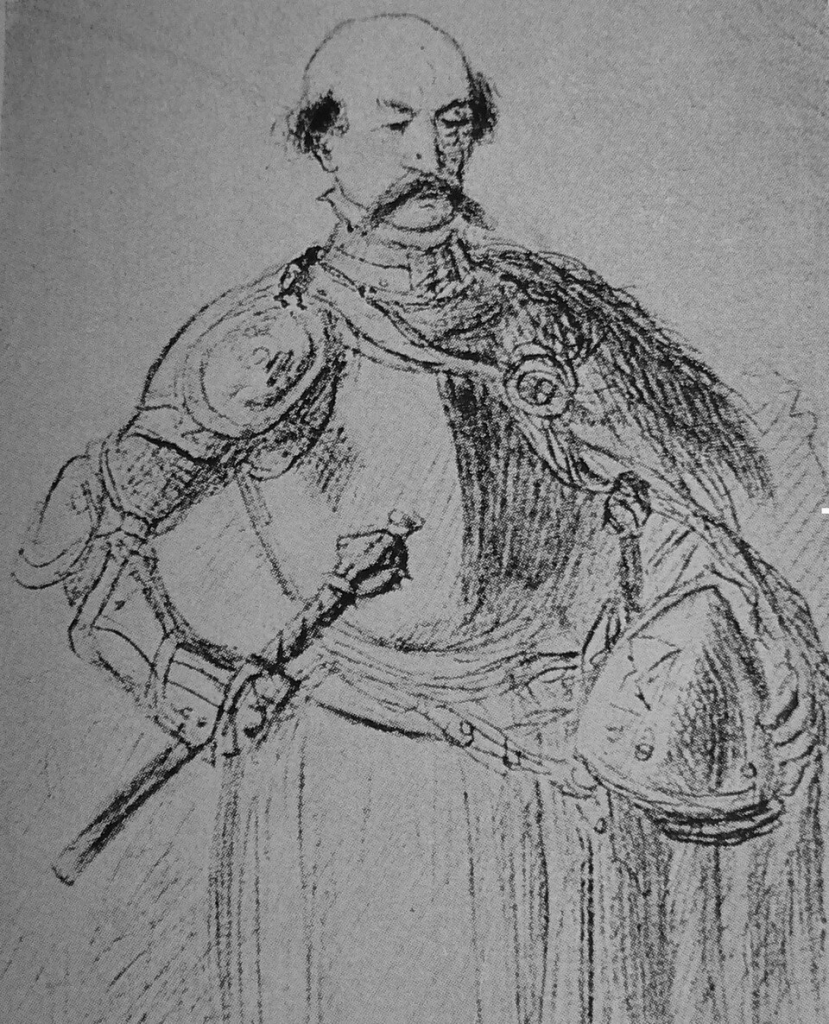
In a battle at Sárospatak in present-day Hungary, on 21 May of that year, Aksamit was killed and his forces were defeated.
As you might have guessed from recent posts, this street is called Aksamitova because of his presence in a novel by Alois Jirásek, or, rather a trilogy of them – Bratrsvto, as discussed very recently (https://whatsinapraguestreetname.com/2025/12/19/prague-4-day-264-talafusova/).

 What's in a Prague street name
Leave a comment