Olbrachtova was built in 1962. Welcome to the Krč era!
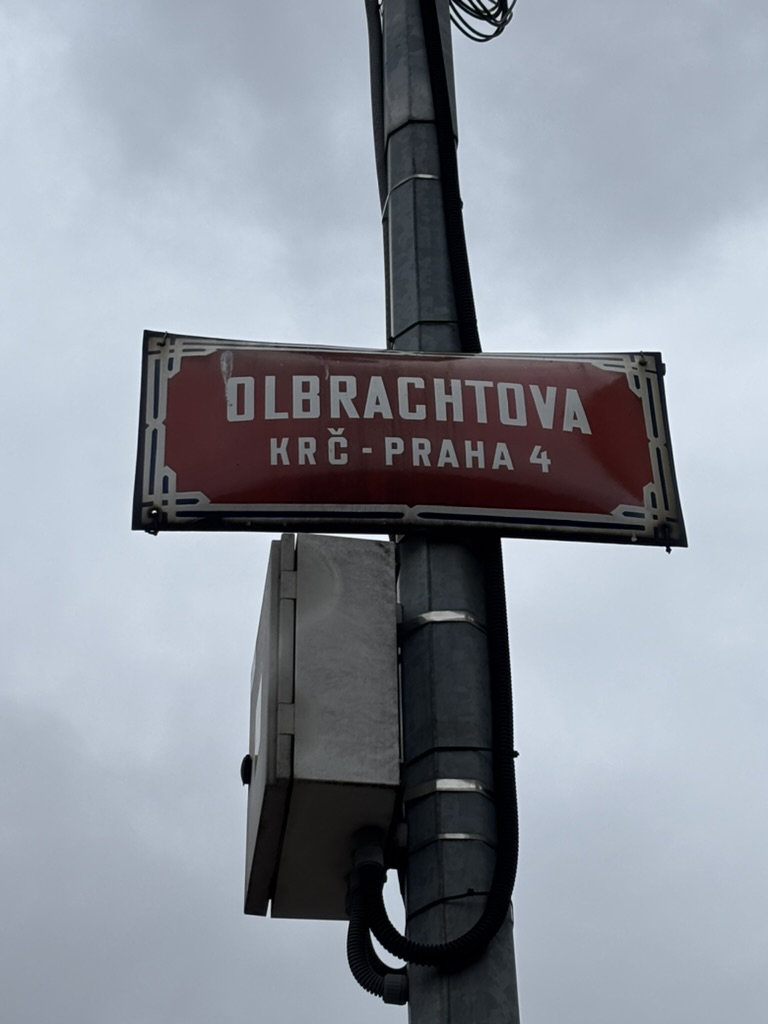
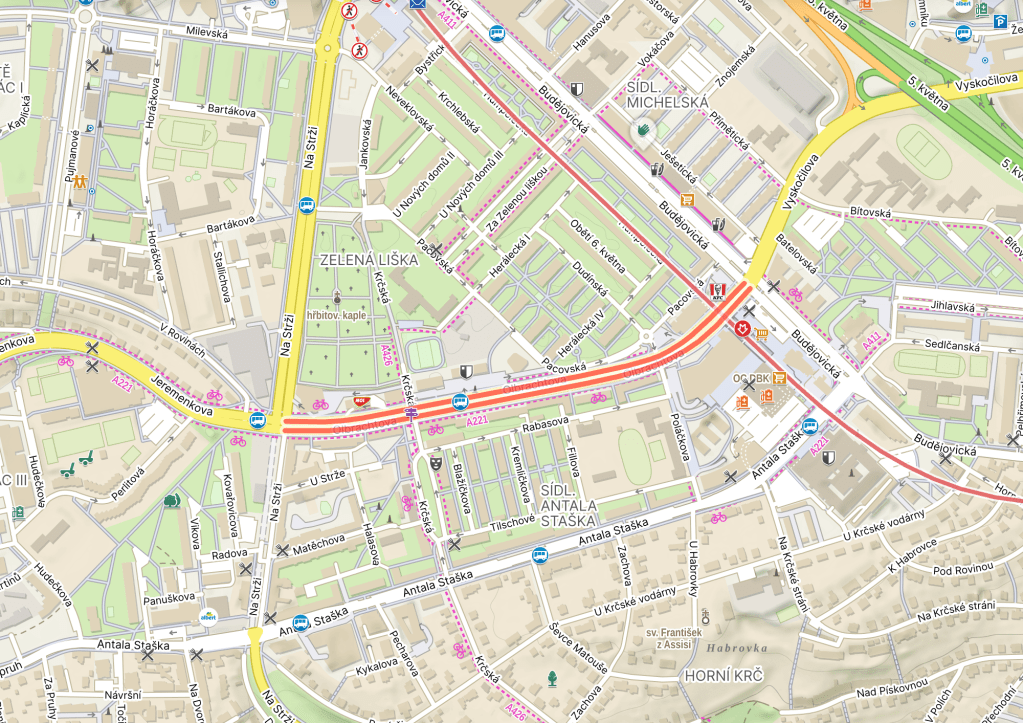
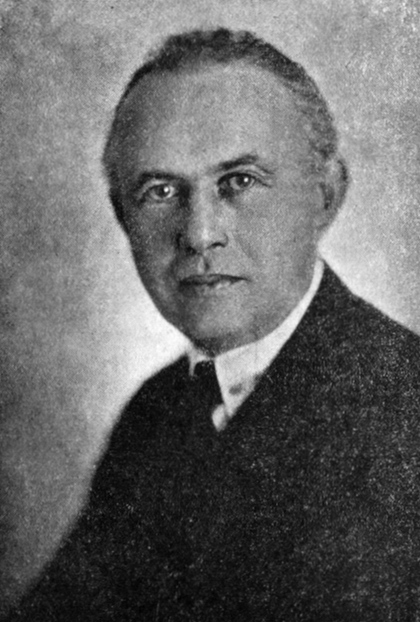
Karel Zeman (bear with me) was born in Semily, near Liberec, in 1882. His father, Antonín, was a lawyer who also wrote novels under the name of Antal Stašek (this will be relevant in a future post).

Even while studying at the gymasium in Dvůr Králové (he finished in 1900), Karel started to write, already using the pseudonym Ivan Olbracht. Ivan was his confirmation name; Olbracht was a variant on his middle name, Albrecht.
After his school years, Zeman (who I’ll call Olbracht for the remainder of this post) studied law in Berlin and Prague, and then transferred to the Faculty of Philosophy of the University of Prague, studying geography and history.
He left, without completing the state exams, in 1909. He had also done military service in 1903, but was demoted in 1906 because of his participation in social democratic activities.
Olbracht decided to become a journalist; he initially worked for Dělnické listy (‘The Worker’s Sheets’), a Czech-language newspaper which, at that time, was published in Vienna. While at this job, he met Helena Malířová, who would be his partner until 1935.
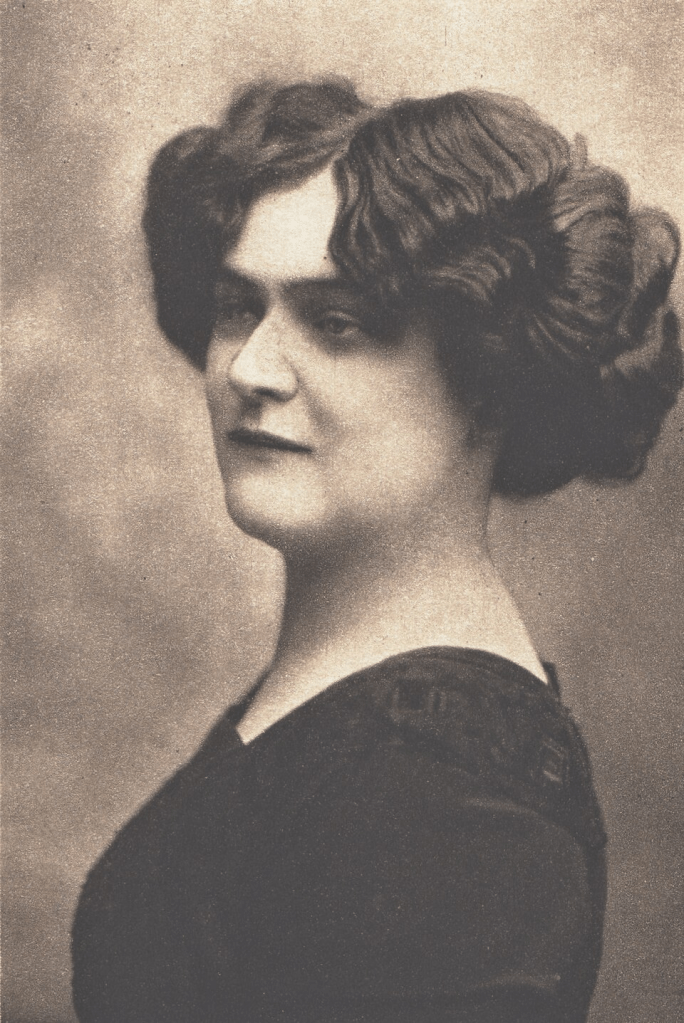
From 1916, Olbracht worked for the Prague-based Právo lidu; he joined the Social Democratic party and, in 1920, spent several months in Soviet Russia.
Perhaps predictably, he left the Social Democrats in 1921, joined the Communist Party of Czechoslovakia, and became editor of Rudé právo.
After serving two prison stints for his views (one in 1926, one in Pankrác in 1928), the Manifesto of the Seven was published on his initiative in 1929 (Helena was one of the Seven). It condemned the Bolshevization of the Communist Party – and also got Olbracht expelled.
Taking a break from politics, Olbracht spent a large part of the years from 1931 to 1936 in Transcarpathia (then in Czechoslovakia, now in Ukraine), campaigning for the rights of local workers and setting up a school.
These stays also inspired multiple novels, including Nikola Šuhaj loupežník (1933).
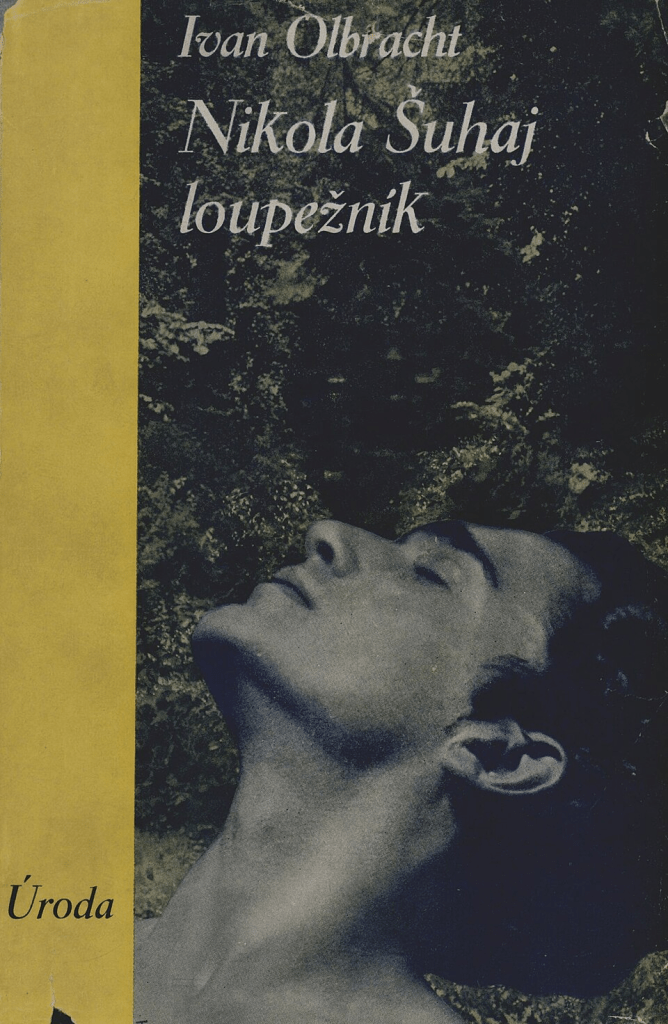
Olbracht broke up with Helena Malířová in the mid-1930s and married Jaroslava Kellerová, with whom he had a daughter, Ivana, in 1938.
During World War II, Olbracht moved to Stříbřec, a village in the Třeboň Region, to avoid being harrassed by the Nazis. He rejoined the (now-underground) Communist Party in 1943.
Once the war was over, he became a member of the Central Committee and, after the 1946 elections, an MP. Until he retired from politics in 1949, he was heavily involved in the Ministry of Information (i.e. the Ministry of Censorship and Banning Books).
Olbracht died in 1952, and his urn was buried at the Vítkov Memorial (https://whatsinapraguestreetname.com/2022/12/04/prague-3-day-106-u-pamatniku/). After 1989, this didn’t really feel tenable anymore, and the urn was moved to Strašnice.
One of his novels, Anna Proletářka (Anna the Proletarian), was made into a film in 1953.
I mainly mention this because, if you’re ever taking the 9 or the 11 up or down Jana Želivského in Žižkov, and you see a statue, it’s of her: https://www.drobnepamatky.cz/node/25158.
Kolochava, an ethically Rusyn village where Olbracht spent a lot of time, has a museum dedicated to him: https://kolochava.info/cs/muzea/muzea-ivana-olbrachta/.
Finally, you may have heard of at least one more of the Seven: https://whatsinapraguestreetname.com/2023/01/13/prague-3-day-125-seifertova/.

 What's in a Prague street name
Leave a comment