Originally published on X on 10 November 2023.
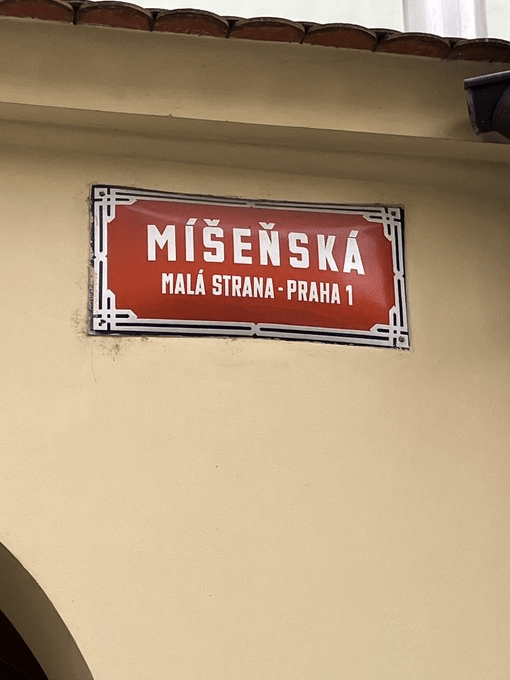
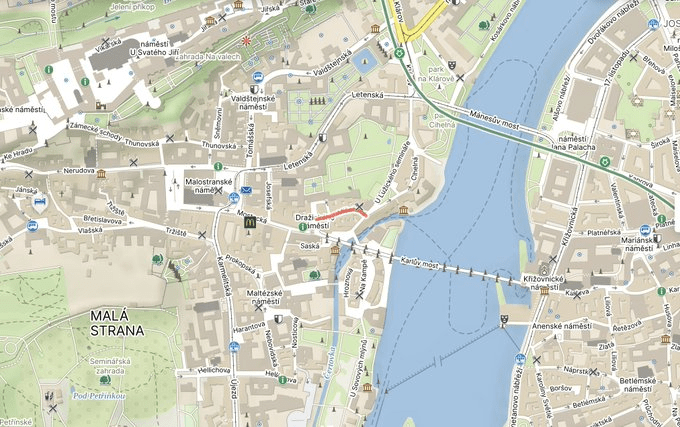
In 928, Henry the Fowler (German: Heinrich der Vogler; Czech: Jindřich I. Ptáčník), Duke of Saxony and King of East Francia, who was fighting the Glomatians, a Slavic tribe, built a fortress to secure Saxony’s border, and called it Misni, after the nearby stream.
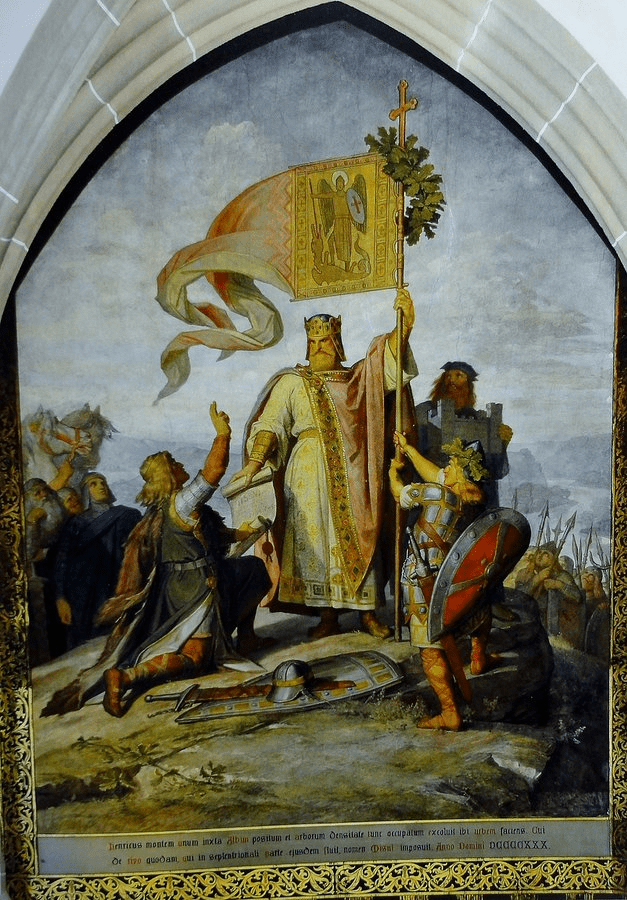
In the following year, Henry would invade Bohemia and force Wenceslas I (the good one) to pay him tribute. It was also Henry who presented Wenceslas with the remains of St Vitus (specifically his arm).
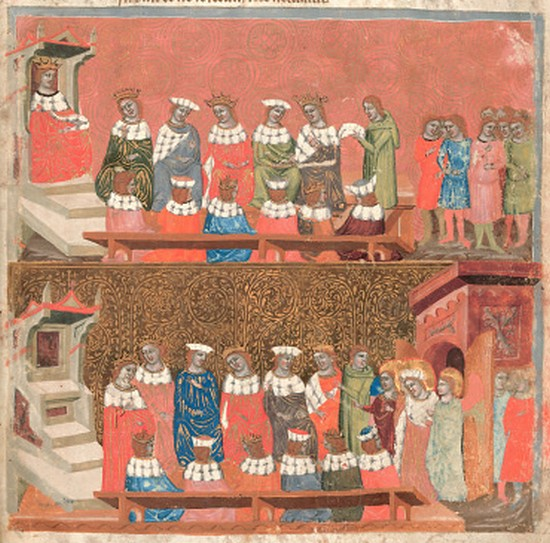
(In Prague in 930, the first Church of St Vitus would then appear where the much larger cathedral is now: https://whatsinapraguestreetname.com/2024/09/07/prague-1-day-15-kanovnicka/)
By 933, Henry had defeated the Slavs; in 965, his son and successor, Otto I – also Holy Roman Emperor – created the Margravate of Meissen in the region.
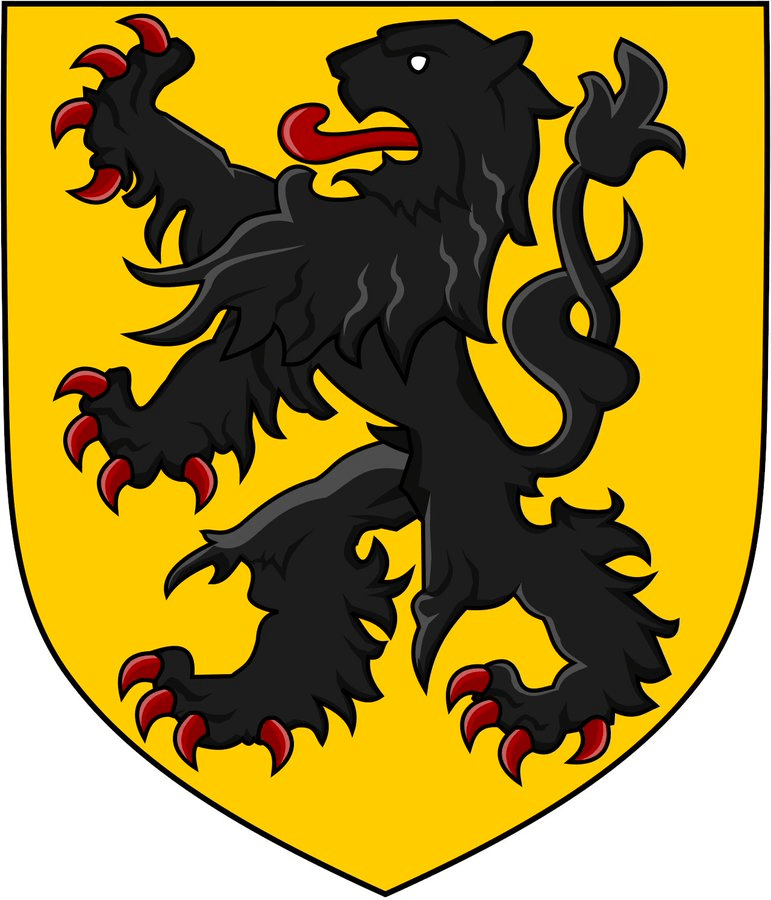
Meissen would then be fought over by Poland (including under Boleslav I) and the Holy Roman Emperor, and, in 1241, was invaded by the Mongols under Orda Khan.
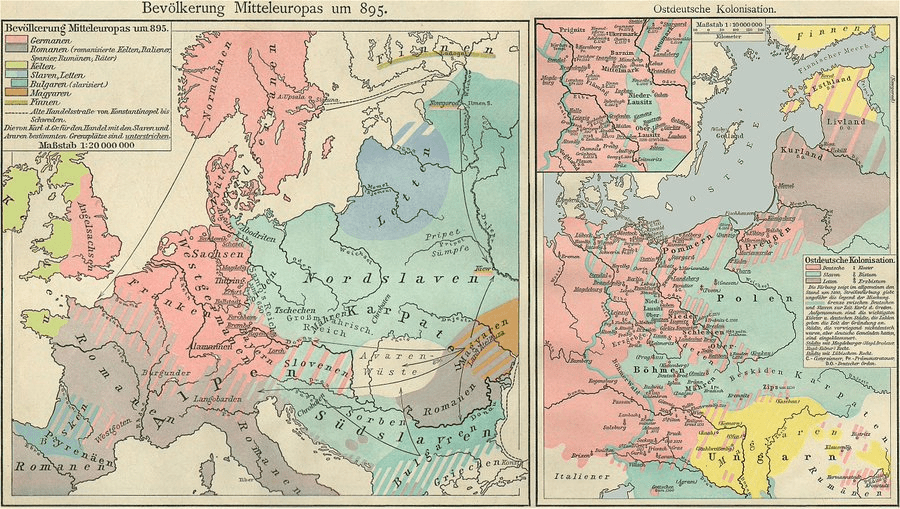
Primarily a Slavic-populated area for centuries, German migration to Meissen meant that, from the 1150s onwards, the Slavs would become a minority.
By the 16th century, Meissen was known for its successful cloth industry; however, by 1700, the industry declined as English and Dutch manufacturers started to create better, cheaper goods.
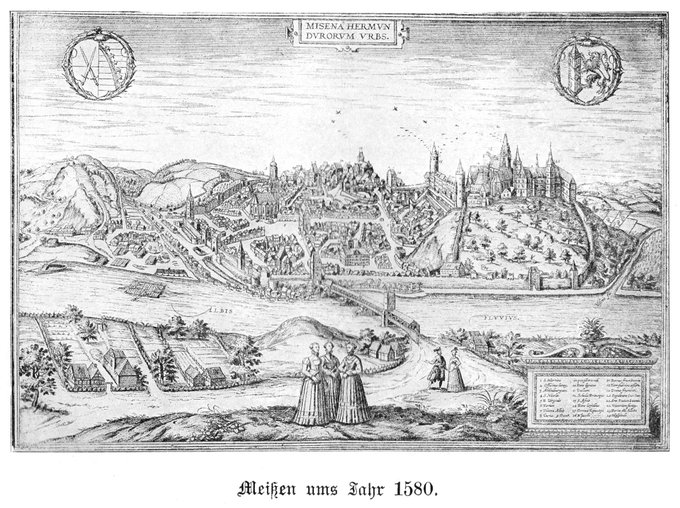
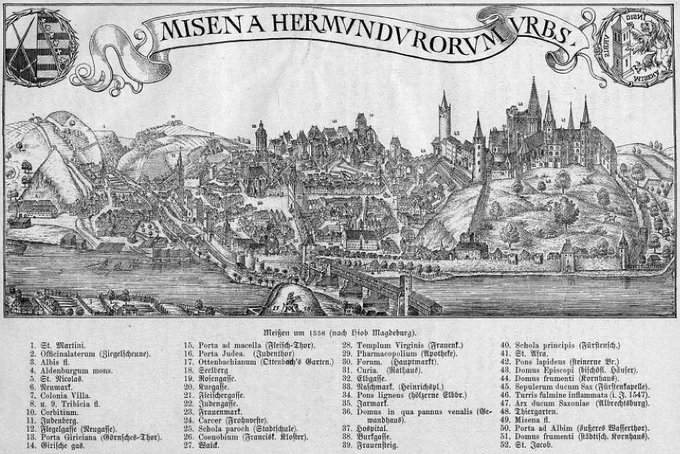
But by 1710, Meissen discovered porcelain – actually the first hard-paste porcelain to be produced in Europe, and the factory founded in 1710 is still considered one of the world’s leading manufacturers, as well as one of Germany’s best-known brands.
Аnd as for this street being called Míšeňská? Well, it’s right next to the seminary described on https://whatsinapraguestreetname.com/2024/09/08/prague-1-day-58-u-luzickeho-seminare/, which accommodated Slavic students from Saxony.
Meissen is 25 km from Dresden and seems to be worth a visit, not least for the late Gothic Albrechtsburg. There’s a fairly astounding collection of postcards of it on here: https://commons.wikimedia.org/wiki/Category:Albrechtsburg.
And, obviously, there’s a porcelain museum too.


Leave a Reply