Originally published on X on 9 January 2024.
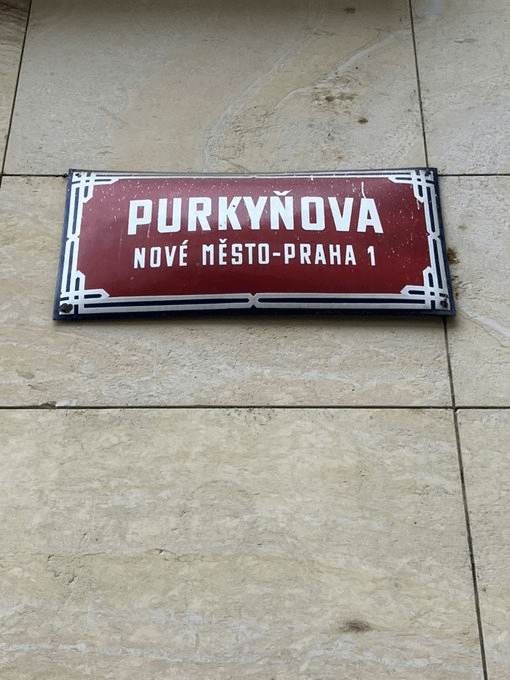

Jan Evangelista Purkyně was born on the noble estate at Libochovice (near Litoměřice) in 1787.
He joined the Piarists as a monk in 1804, but quit at the age of twenty and became a tutor to a noble family before studying medicine at Prague University from 1813 onwards. He graduated in 1818 and became an assistant there.
However, his desire to become a professor was thwarted by his pro-Czech sentiments, and he got hired in Wrocław (then in Prussia and known as Breslau) instead. This was partially thanks to the recommendation of the naturalist Karl Asmund Rudolphi.

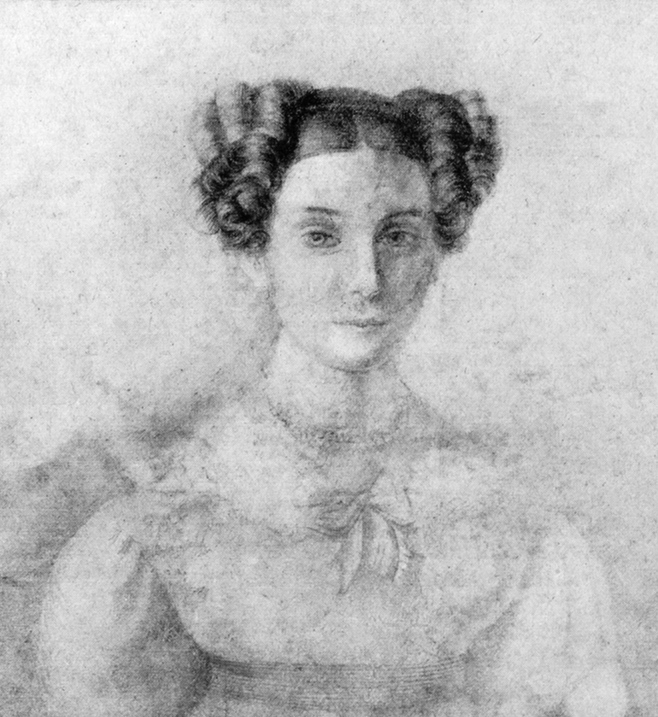
Purkyně would marry Rudolphi’s daughter, Julia, in 1827; they had four children, but Julia and the two daughters would die of cholera while in Wrocław.
In 1837, Purkyně discovered Purkinje cells (output neurons of the cerebellar cortex, i.e. in the lower part of brain, which play pivotal roles in coordination, control, and learning of movements).

(Drawing by Santiago Ramón y Cajal, Madrid, 1899)
In 1839, he discovered Purkinje fibres, which are located in the inner ventricular walls of the heart. They’re composed of electrically excitable cells and are essential for maintaining a consistent heart rhythm.
In the same year, he founded the Department of Physiology at Breslau University – the world’s first: https://mbd.muzeum.uni.wroc.pl/dzieje-uniwersytetu/profesorowie-przed-1945-r/jan-evangelista-purkyn
He also discovered Purkinje images, which are images formed by the reflection of light in the structure of the eye.
Purkyně was also one of the few scientists in the region at the time to accept Darwin’s theory of evolution.
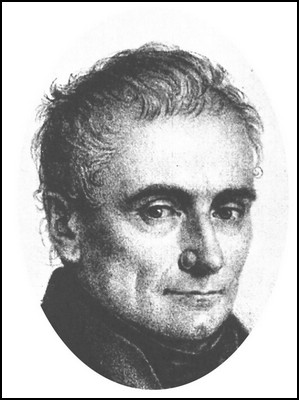
Returning to Prague University in 1850, Purkyně founded a physiological institute there, but devoted more and more of his time to pro-Czech activities: for instance, he founded the magazine Živa, and took part in the founding of the Sokols (https://whatsinapraguestreetname.com/2024/08/26/prague-2-day-114-sokolska/).
He also sat in the Bohemian Diet, where, as a member of the Young Czechs, he campaigned for the university to also offer classes in Czech.

Purkyně was granted the Knight’s Cross of the Order of Leopold by Francis Joseph I in 1868; this was elevated to a knighthood in July 1869, but Purkyně died later in the same month. He died on Spálená (https://whatsinapraguestreetname.com/2024/09/01/prague-2-day-163-spalena/), where he had also lived.
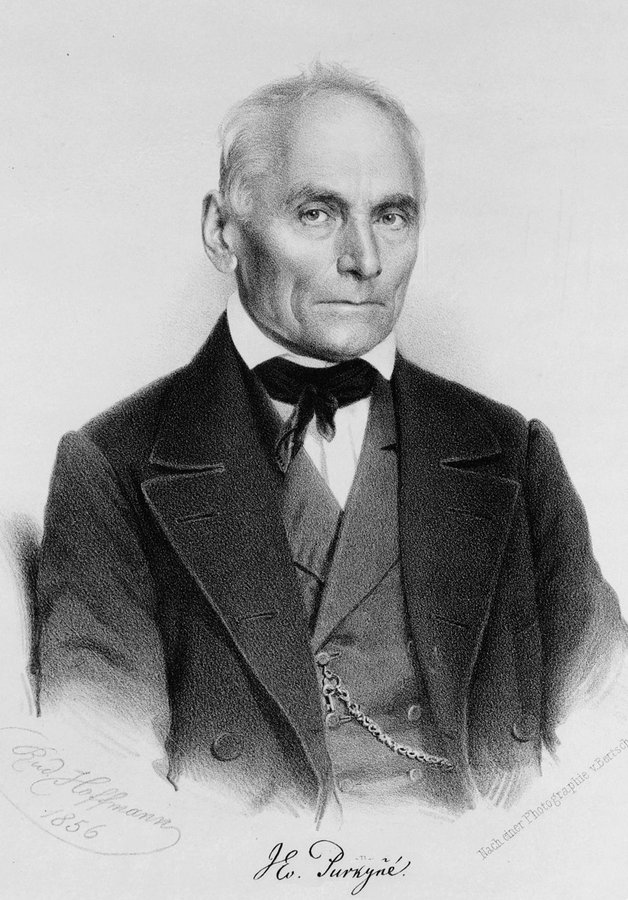
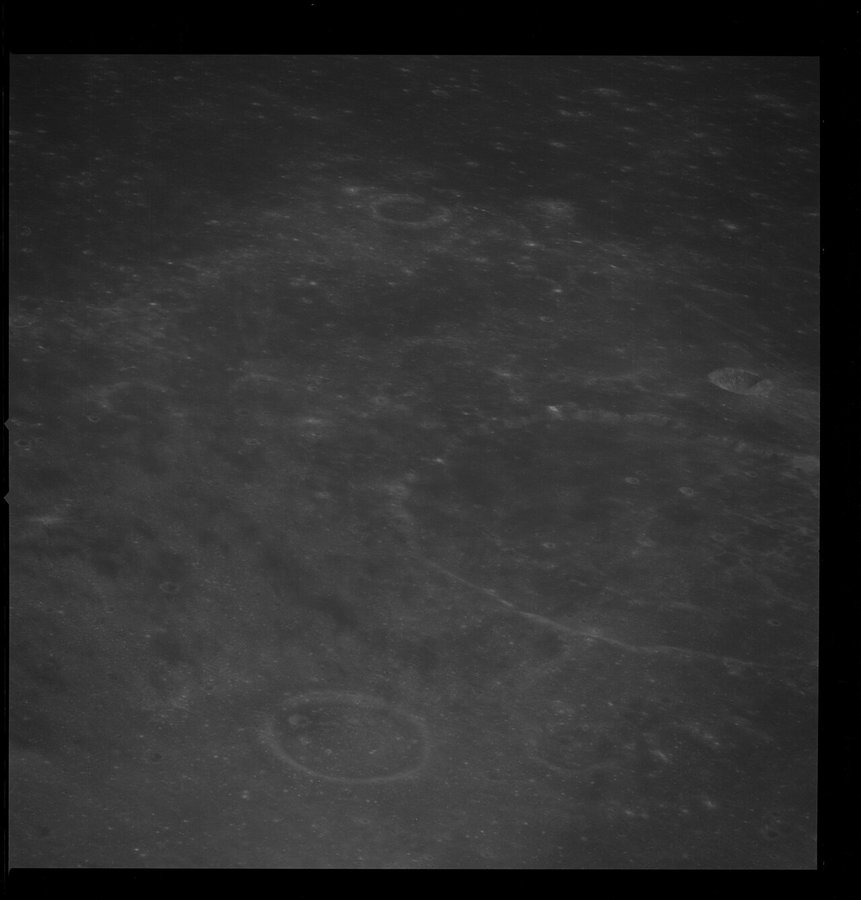
Other things named after Purkyně include the Jan Evangelista University in Ústí nad Labem (https://ujep.cz/en/) and Asteroid 3701 Purkyně, discovered by Czech astronomer Antonín Mrkos in 1985, as well as one of the Moon’s craters.
Náměstí Míru used to be named after Purkyně as well: https://whatsinapraguestreetname.com/2024/03/03/prague-2-day-42-namesti-miru/.
As did Masaryk University in Brno (from 1960 to 1990).

 What's in a Prague street name
Leave a comment