Originally published on X on 5 February 2024.
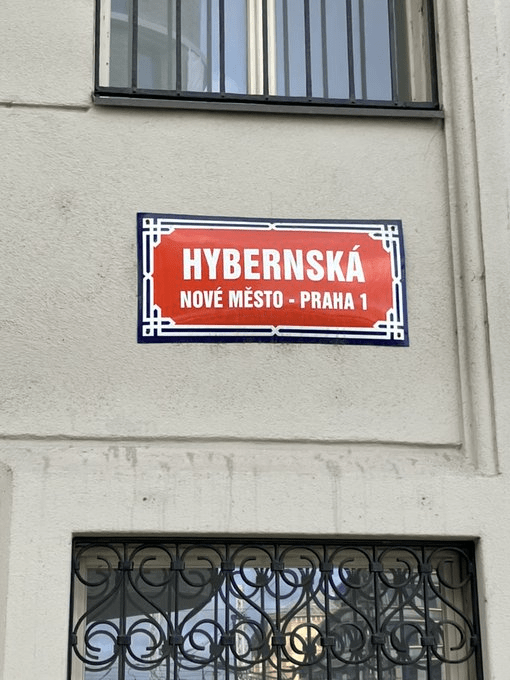
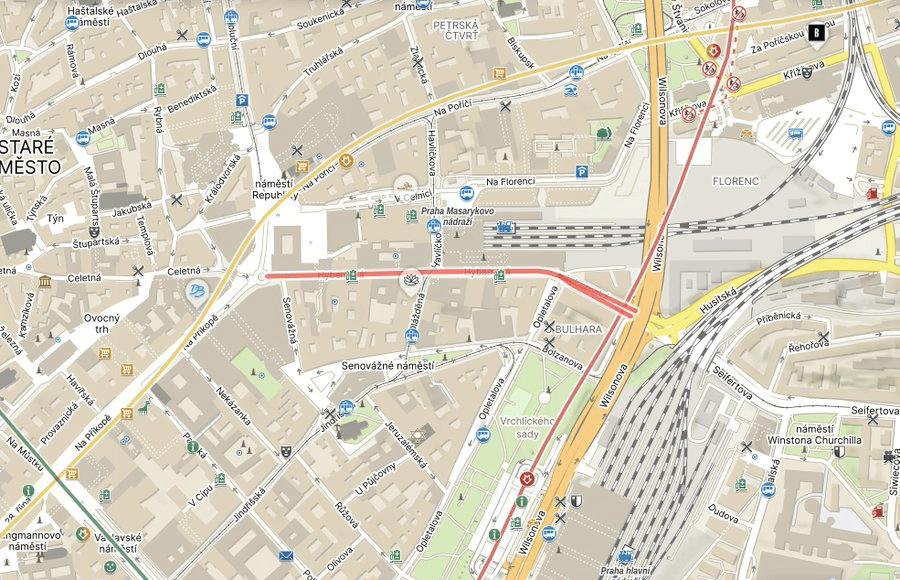
In the pre-New Town was founded, this street was called Horská, because it led to Kutná Hora. It then became known as Na Dlážděném from 1348, and if I explain that now, I’ll ruin tomorrow’s post.
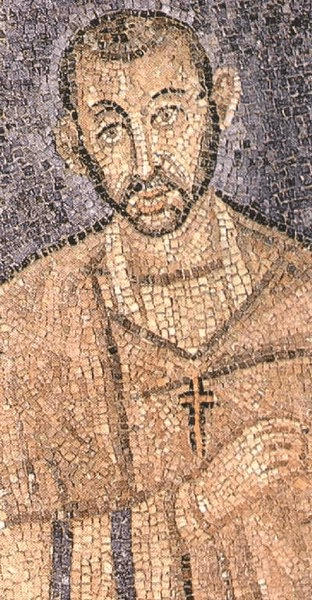
In 1355, a church was built, and dedicated to St Ambrose, Archbishop of Milan from 374 to 397, and now its patron saint. This led to the street’s alternative name, Svatoambrožská.
In 1629, the church was purchased by the Irish Franciscan Order – who were also known as hyberni in Czech, because Hibernia was the Latin word for Ireland.
It seems that the Celtic term *Īweriū got translated into Greek as Iouerníā, and then made its way into Latin – it’s also the source of ‘Éire’, which is the Irish word for Ireland (see also: Raidió Teilifís Éireann).
Anyway, the church was given a Baroque makeover between 1652 and 1659; it was abolished as part of Joseph II’s reforms in 1784, and deconsecrated in 1806.
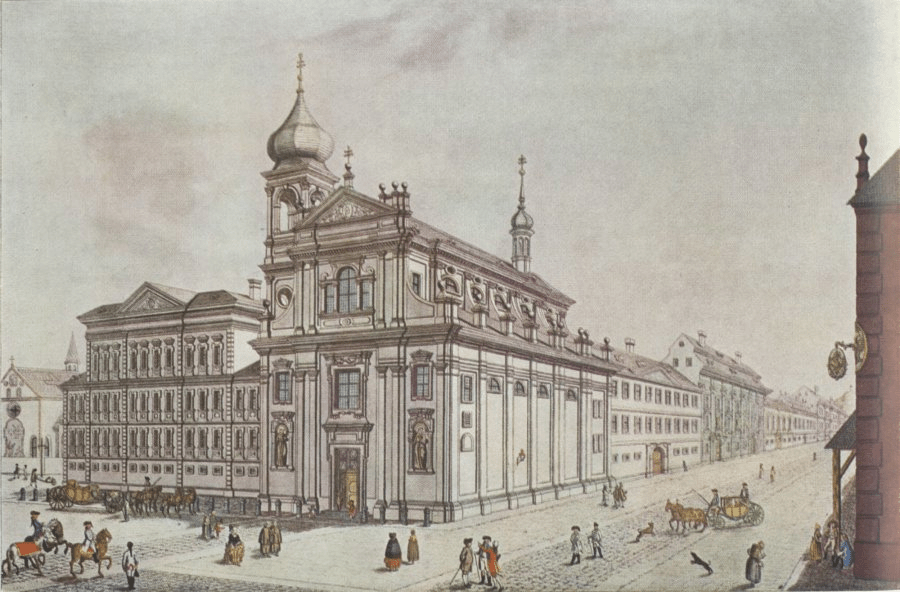
However, it was destroyed rather than repurposed – its successor, Dům U Hybernů, has been a musical theatre since 2006. It has quite a varied programme: https://www.hybernia.eu/
The side of Hybernská that is near Florenc is one of the least aesthetically pleasing parts of Prague 1, but the section nearer to Náměstí republiky is more interesting.
The Swéerts-Spork Palace was, in 1701, the first permanent theatre in Prague. Following reconstruction in 1790, it now has two quite distinct parts – and two separate addresses (3 and 5). Here’s number 3, used by Charles University.
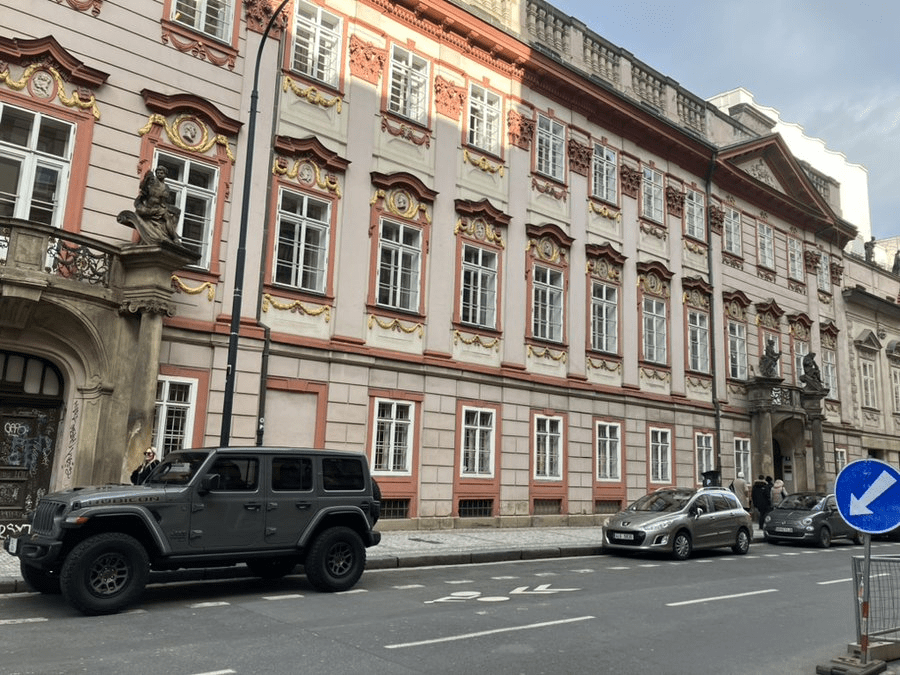
The university and the City of Prague have also collaborated on Hybernská Campus, at number 4, founded in 2021. It’s an event space which intends to ‘connect the public with the university’s activities’.

At number 7, the People’s House (Lidový dům) is the headquarters of SOCDEM, formerly the ČSSD (Social Democrats). Twelve years as the lead partner in government coalitions, three years as a junior partner, and currently not a single seat in parliament.

They also owned the Lanna Palace at number 11 until they were short of money and therefore sold it.

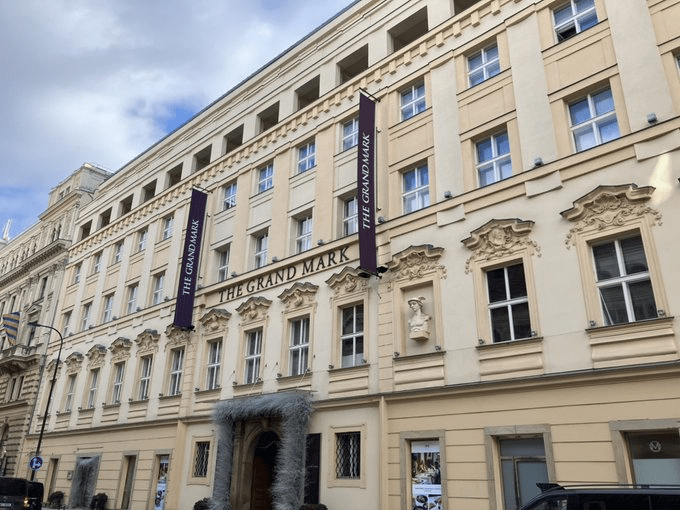
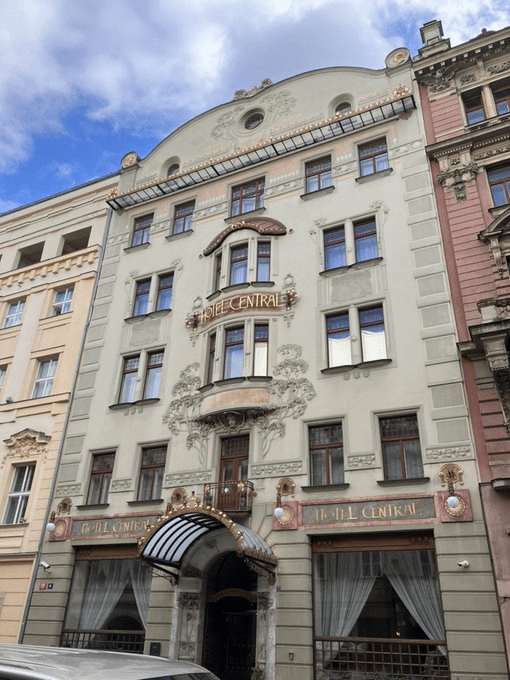
While Věžník Palace, at number 12, was used by the Institute of National Health until 1996, but is now an upmarket hotel. Next door at number 10 is, well, another upmarket hotel.
For the language fans, in Irish, Prág is the capital of An tSeic, which is made up of An Bhoihéim, An Mhoráiv and An tSiléis. Until 31 Nollaig 1992, it was the capital of An tSeicslóvaic (the capital of An tSlóvaic is An Bhratasláiv).

 What's in a Prague street name
Leave a comment