Originally published on X on 20 February 2024.
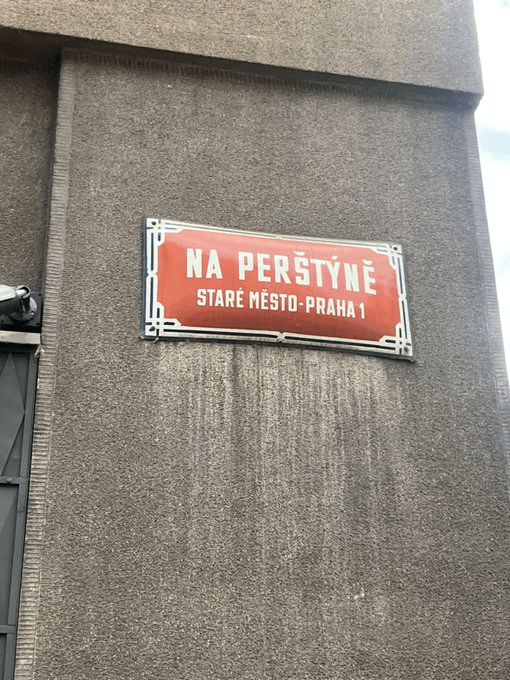

Pernštejn Castle is located about 40 kilometres northwest of Brno. It was founded in the second half of the 13th century, and is what we would classify as ‘well preserved’.
The name ‘Pernštejn’ is derived from the original German name for the castle, ‘Bärenstein’ (the Bear Rock).
Obviously, the Pernštejn clan wasn’t short of cash, and, in 1524, one of them – Jiřík Kasík z Pernštejna – bought number 5 on this street, which subsequently became known as Pernštejnský dům.
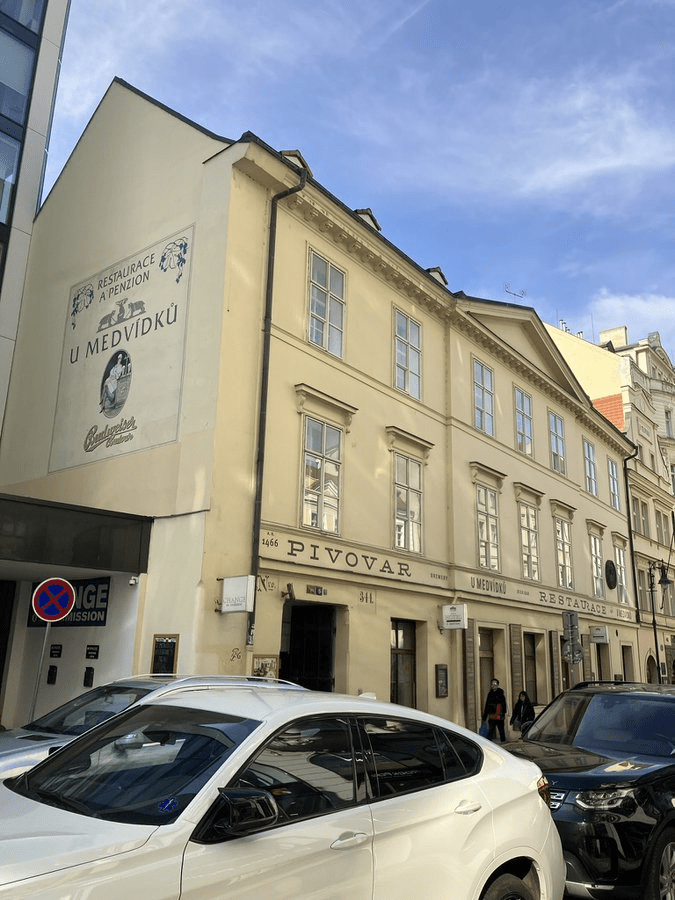
Next door, number 7, U Medvídků – literally The Little Bears – was one of Prague’s oldest breweries, dating back to the 1430s. Its name derives from one of its owners in the 15th century, Jan Nedwidek.

The brewery closed in 1898; the current hotel-restaurant-microbrewery combo was created after the Velvet Revolution. As part of that process, number 5 was attached to number 7.
The most famous inhabitant was František Ladislav Rieger in his student days.
When I was at university in the UK, I too lived directly upstairs from the college bar. I wonder if this was as counterproductive for Rieger as it was for me.
On the corner with Národní (https://whatsinapraguestreetname.com/2024/09/14/prague-1-day-106-narodni-national/), number 1 used to be Kavárna Union, or Unionka, one of Prague’s main cultural centres in the late 19th and early 20th centuries.
Sadly, it was destroyed in 1949-50 and replaced with something a whole lot more corporate (cool reflection, though).
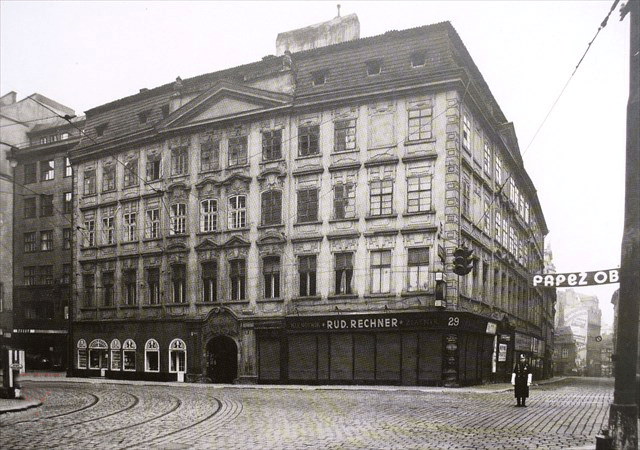

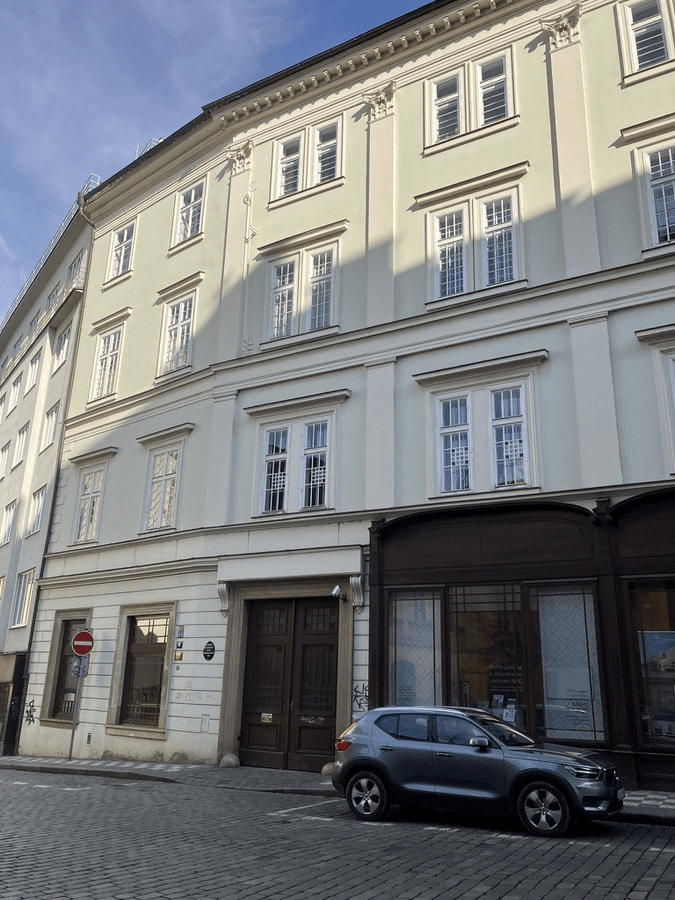
Further down, number 12 is called Purkrabský pivovar – while ‘pivovar’ means ‘brewery’, it hasn’t been one for a long time, and currently hosts the National Monument Institute.

 What's in a Prague street name
Leave a comment