Originally published on X on 2 March 2024.
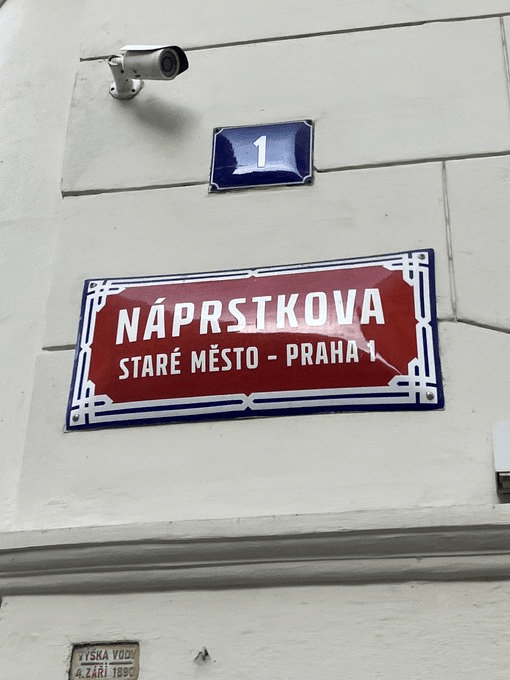
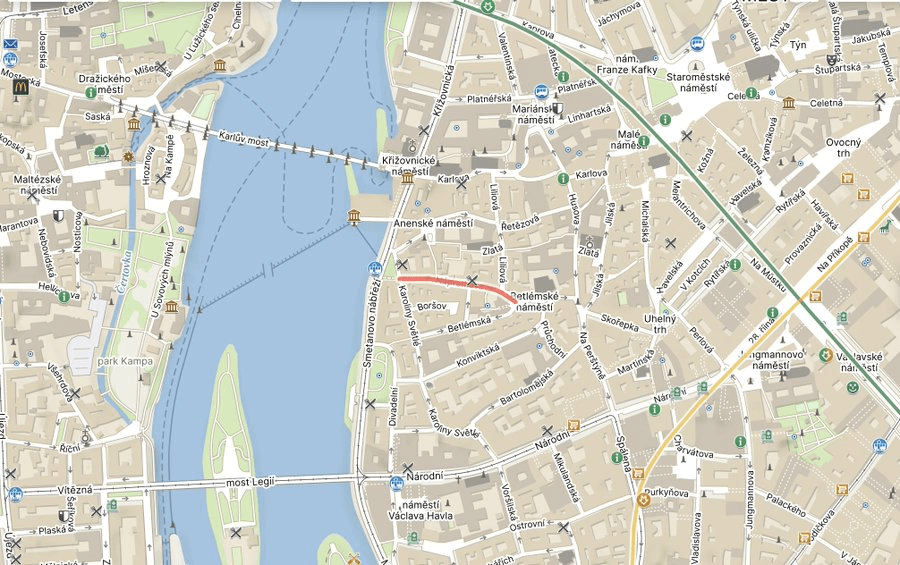
The road was originally called Zlatá (Golden), and a neighbouring street still is.
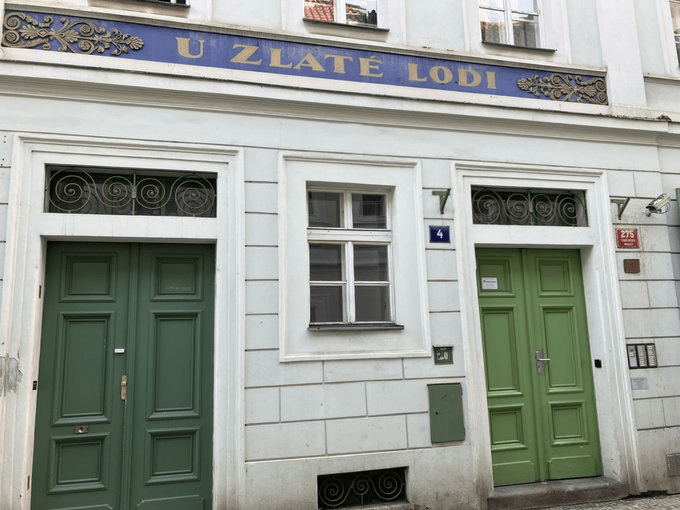
You can still see evidence of the goldsmiths who lived on the street in the names of number 9 (U zlaté hrušky – The Golden Pear) and number 4 (U zlaté lodi – The Golden Boat).
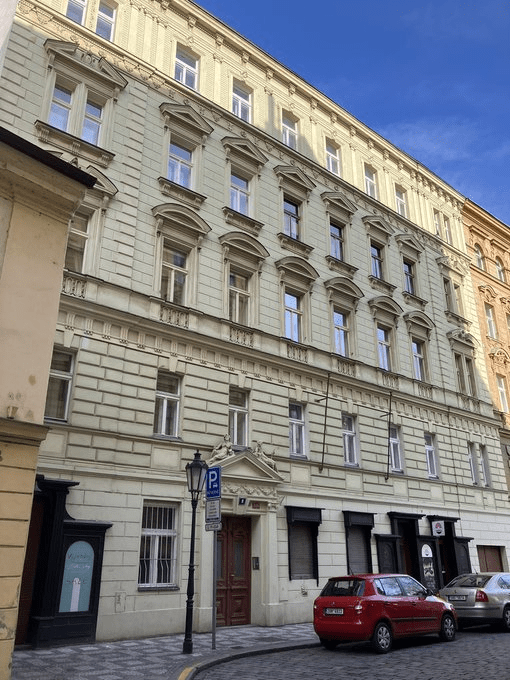
Adalbert Fingerhut was born in Prague in 1826. A ‘Fingerhut’ is a thimble – interestingly, while this was father’s surname, his father’s siblings all had the Czech version of the surname, Náprstek.
He graduated from the Classical Gymnasium on Štěpánská (https://whatsinapraguestreetname.com/2024/09/01/prague-2-day-167-stepanska/), and despite an interest in foreign cultures, especially Eastern Asian ones, his mother forced him to study law in Vienna.
That mother was Anna Náprstková, a brewer and philanthropist.
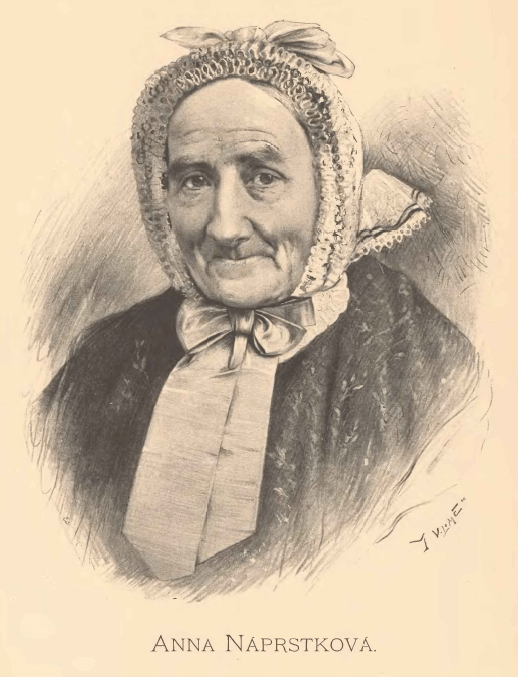
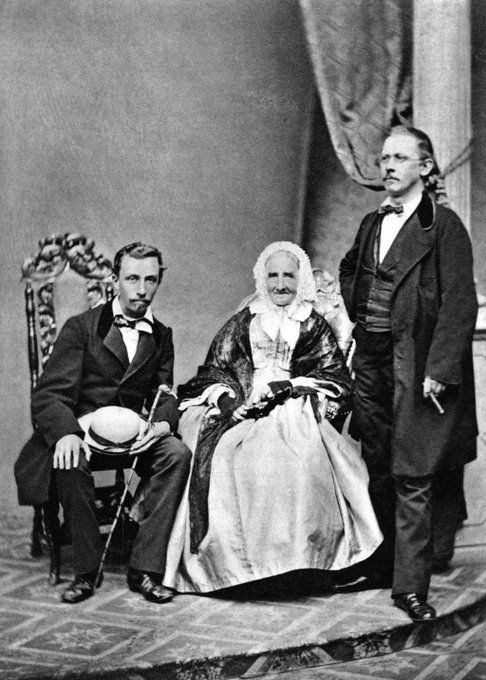
Still a student in 1848, he participated in revolutionary activities in both Vienna and Prague, and once these had been suppressed, went into exile. However, he fled a bit further than many others did – to Milwaukee.
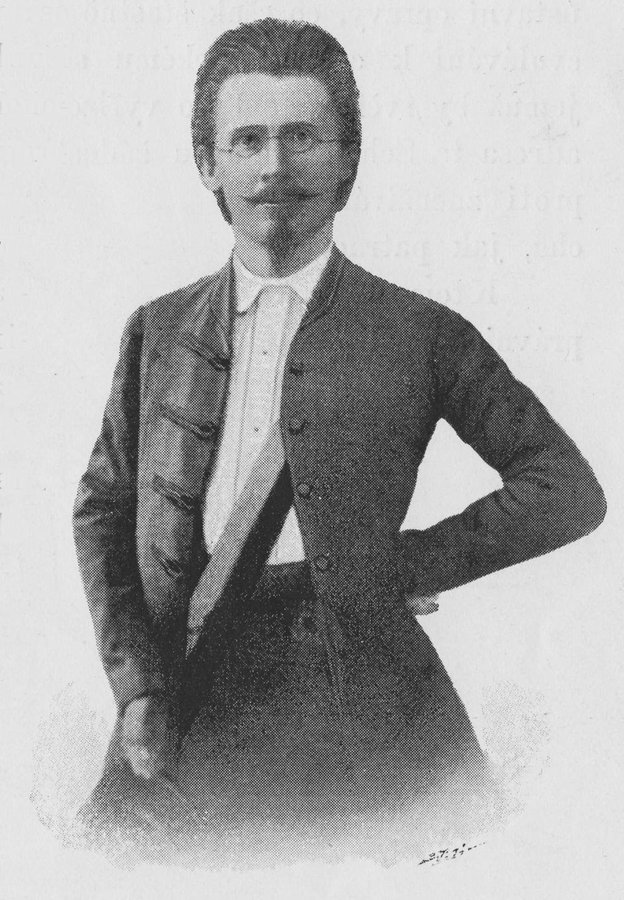
He stayed for a decade, obtaining US citizenship and becoming the first Czech to launch a newspaper in the States, the Milwaukee Flugblätter. He also worked with Native American groups during this time.
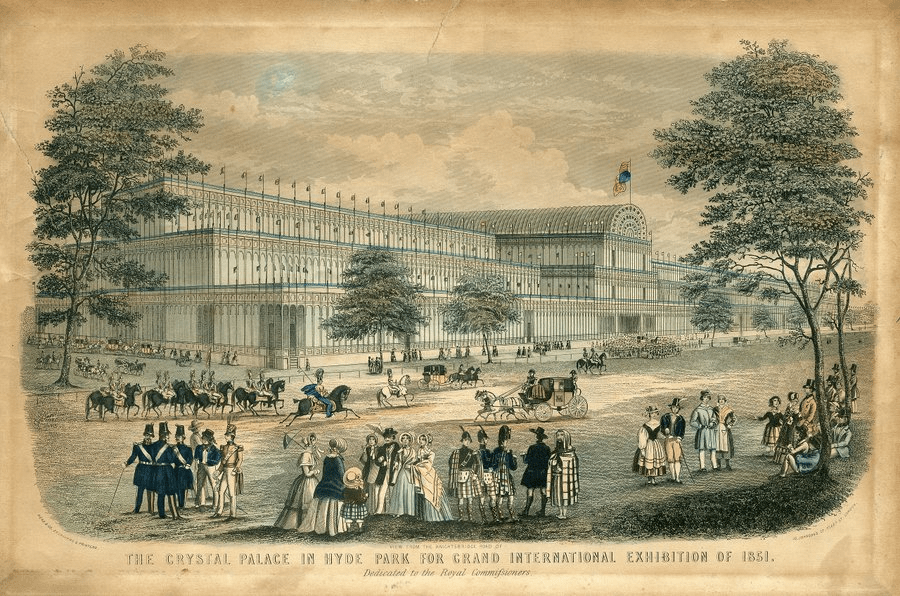
In this time, his fascination with the Industrial Revolution also led him to visit Britain, where he took part in the Great Exhibition of the Works of Industry of All Nations at Crystal Palace in London in 1851.
On his return to Prague, he turned the family brewery into a centre for Czech intellectuals. He helped his friends learn English, and also used his experience in the States to promote women’s emancipation.
Hence, in 1875, the founding of the American Ladies’ Club mentioned on https://whatsinapraguestreetname.com/2024/09/28/prague-1-day-153-karoliny-svetle/.
A year earlier, in 1874, Fingerhut/Náprstek converted the family brewery into the Czech Industrial Museum.
Since the 1940s, it’s borne his name and has been devoted to Asian, African and Native American cultures.
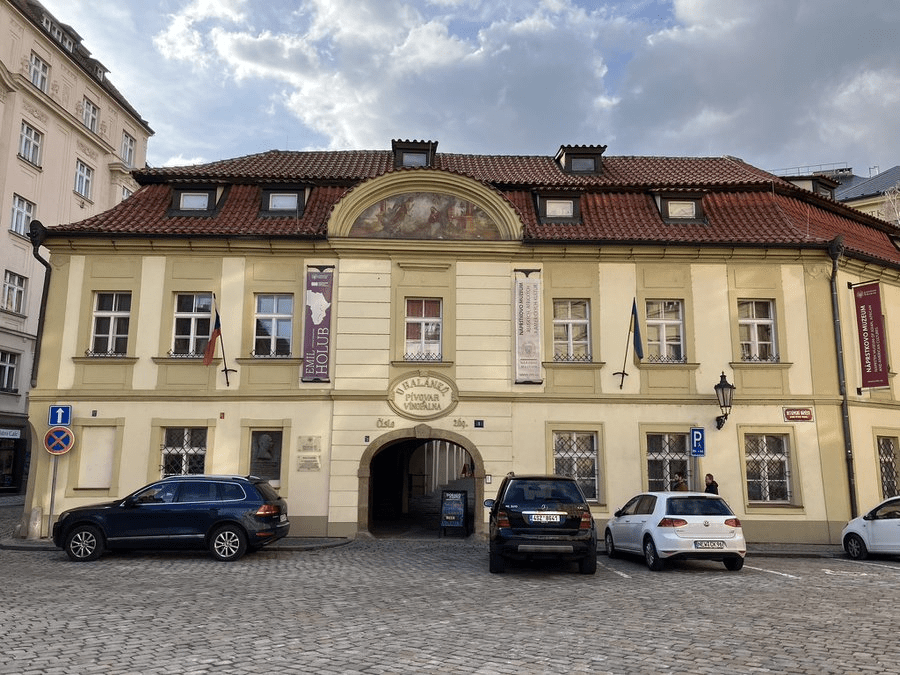
In 1880, Adalbert Fingerhut officially changed his name to Vojtěch Náprstek, which he had been using for ages anyway. Seven years later, he publicly advocated women’s suffrage.
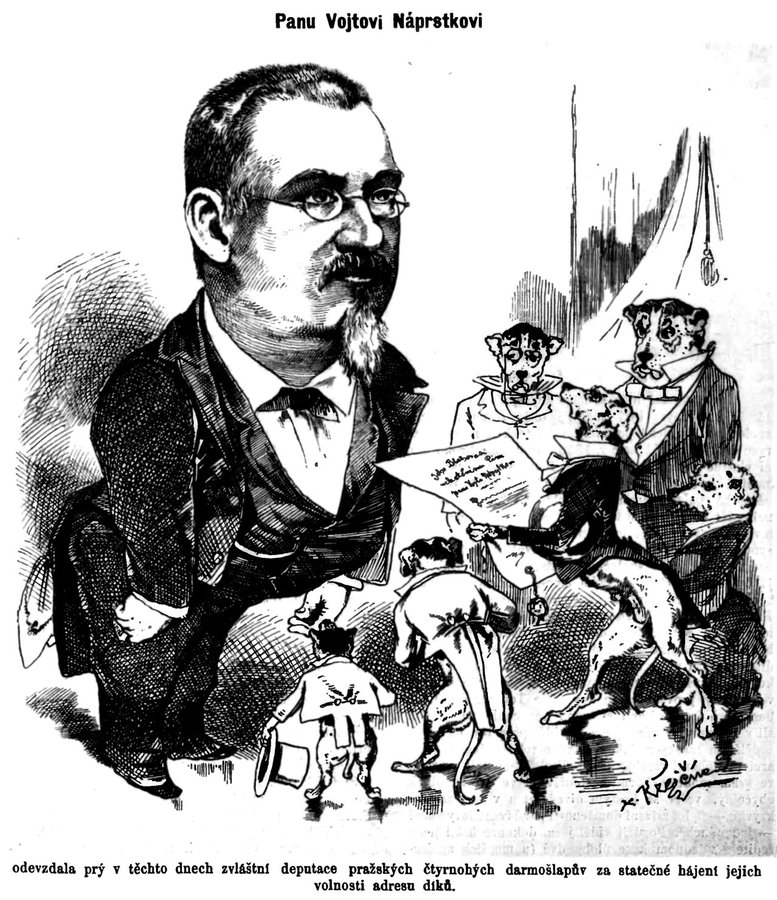
In 1881, he had also attempted to repeal a law stating that all dogs in Prague had to be kept on a lead by their owners – hence this satirical cartoon from the same year.
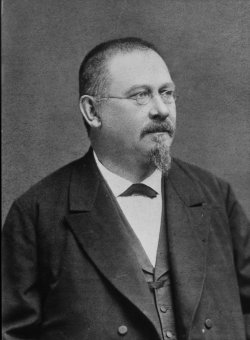
Náprstek died in 1894, and was cremated (this took place in Germany, as it wasn’t legal in Austria-Hungary at the time). His urn is kept in the museum, which also received his collections of books and photographs.

 What's in a Prague street name
Leave a comment