Originally published on X on 22 March 2024.
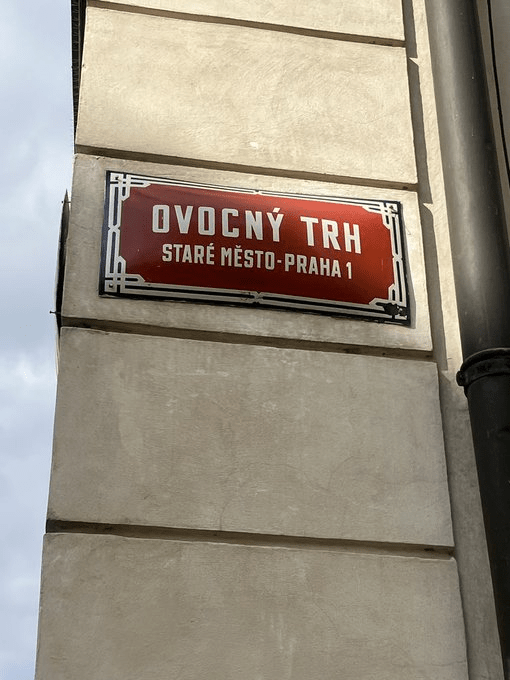
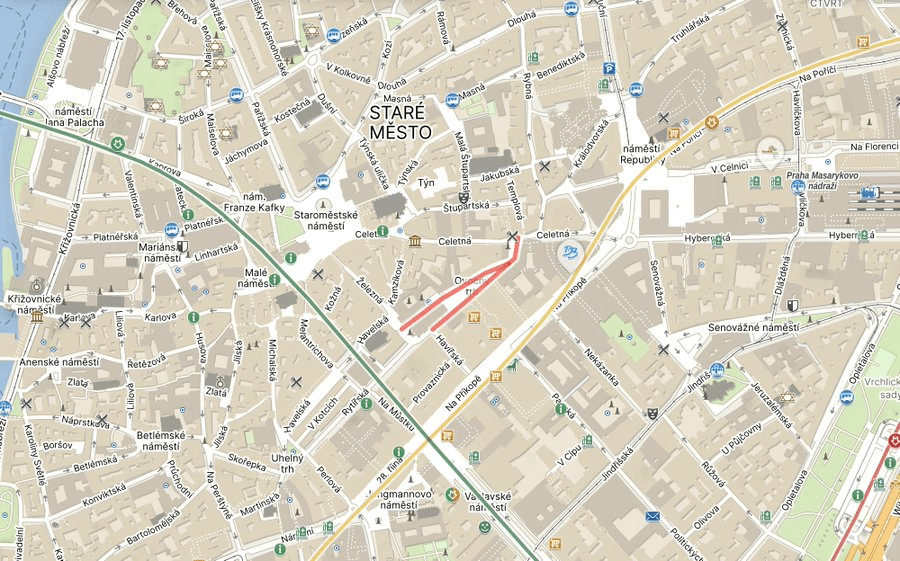
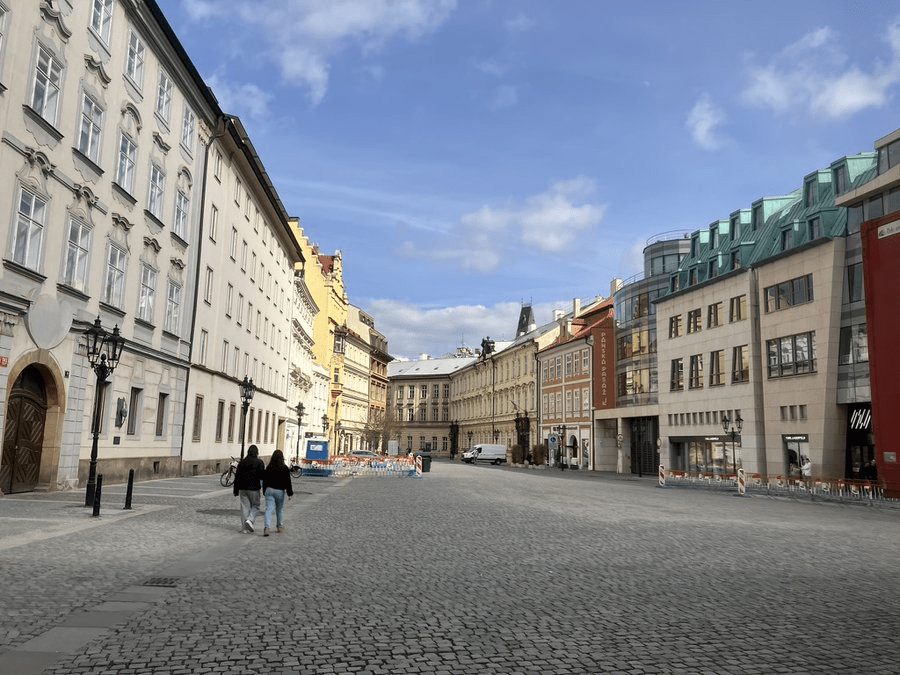
‘Ovocný trh’ translates as ‘fruit market’. You’ve already worked out where this one is going.
From the early 1200s, a market selling fruit and vegetables stood here. You were still able to shop at the market in the early 20th century, as evidenced by this postcard from 1907.
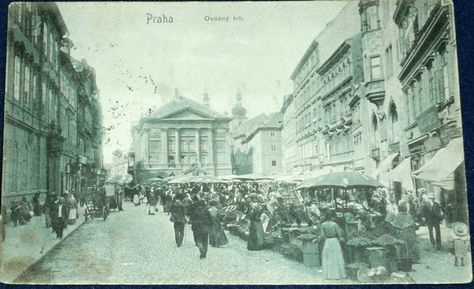
And this photo from 1927.

The street has a lot of impressive buildings on it, of which the most noticeable is Stavovské divadlo / the Estates Theatre.
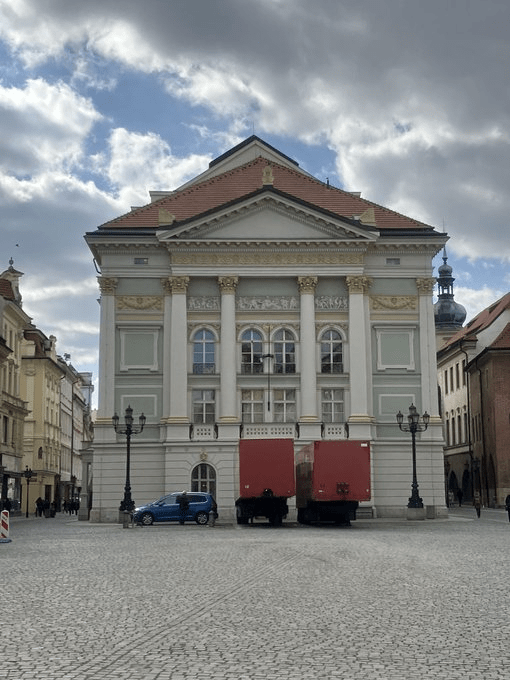
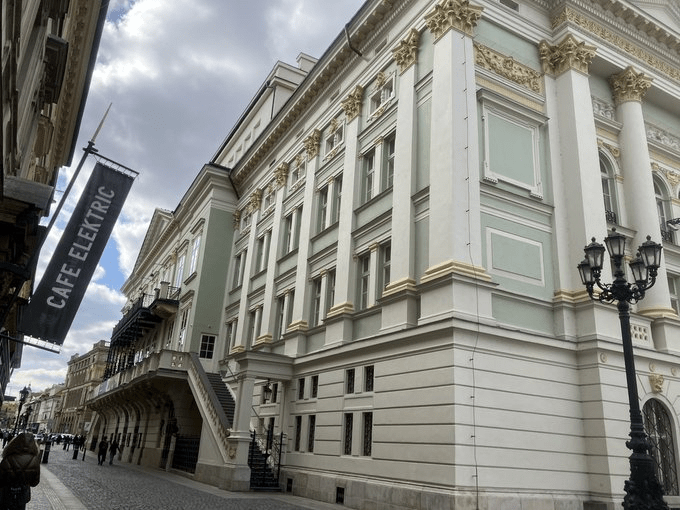
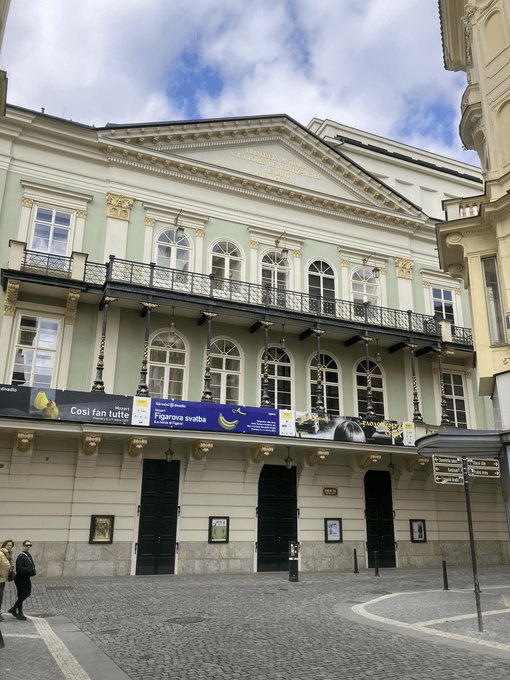

Built between 1781 and 1783, it was one of the first Classicist buildings in Prague. Four years after its opening, Wolfgang Amadeus Mozart would conduct his Marriage of Figaro here, where it got a much better reception than it had in Vienna.
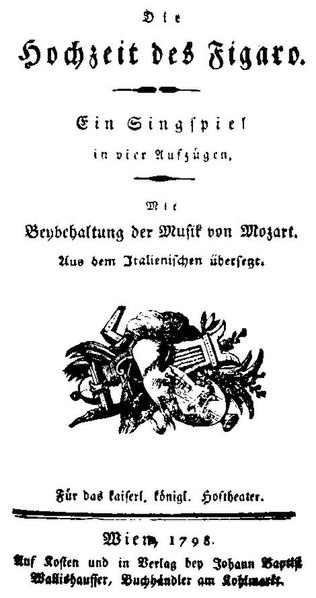
This gave him the motivation to compose Don Giovanni, which would also get its premiere here in 1787 (this is the set design for an early Prague production).

From the 1820s, the theatre moved towards a Czech-language repertoire, although this switched back to German when the Czech-speaking theatre industry moved to the Provisional Theatre in 1862 (see the early parts of https://whatsinapraguestreetname.com/2024/09/14/prague-1-day-105-divadelni/).
Affiliated to the National Theatre after Czechoslovakia became independent, the theatre was known as Tylovo divadlo (https://whatsinapraguestreetname.com/2024/07/01/prague-2-day-53-tylovo-namesti/), reverting to its initial name in 1990.
Also famous is the Karolinum, the historic seat of Charles University, created in 1383-6 by converting a stone palace.
It’s the seat of the University’s rector, as well as where graduations and matriculation ceremonies take place.

But my favourite building on Ovocný trh – and one of the buildings in Prague that had a particularly big impact on me when I first visited in 2005 – is Dům U Černé Matky Boží / the House of the Black Madonna.
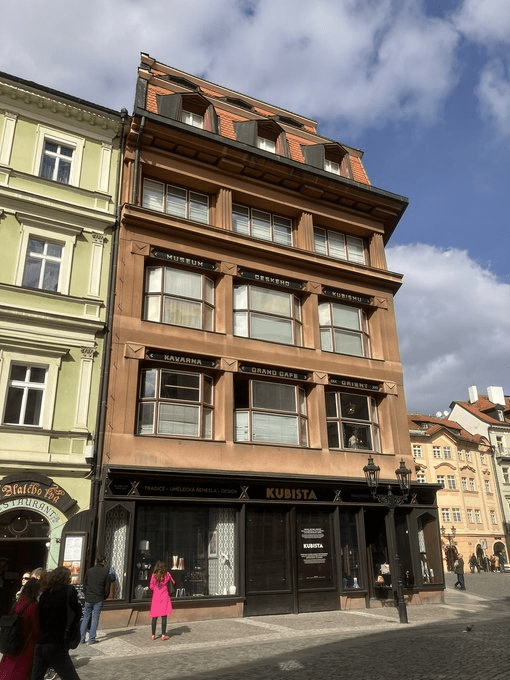
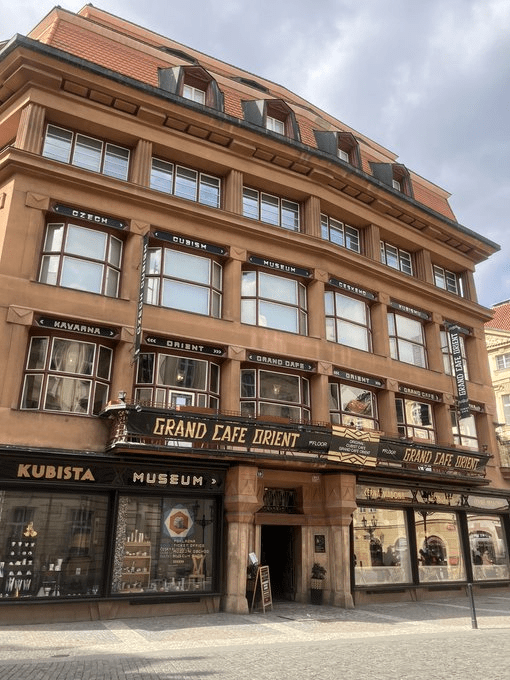

Built in 1912 on the site of a Baroque house with the same name, it’s a Cubist marvel (this is the building it replaced).
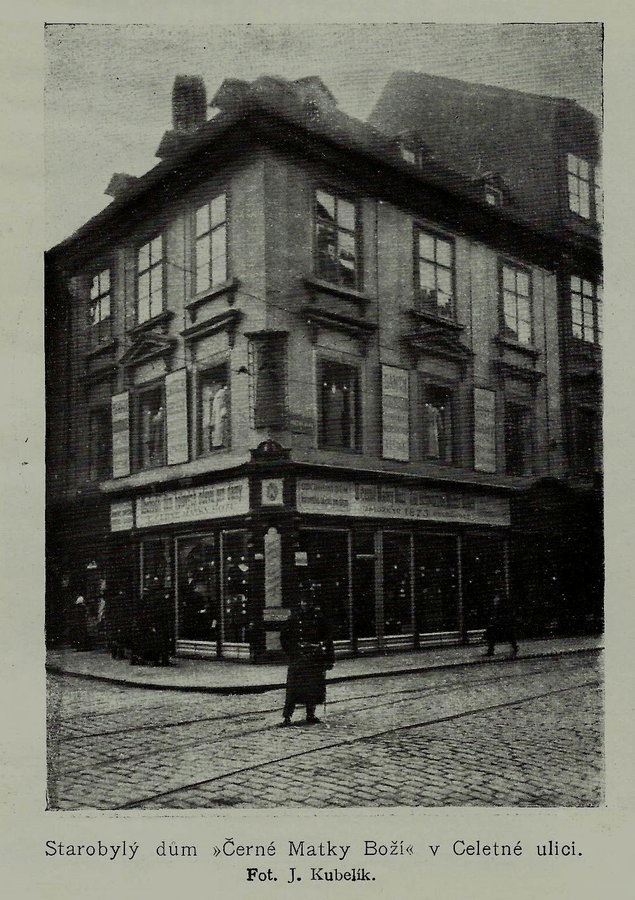
You can see the Black Madonna that the building is named after in the last of the photos that I took (and, indeed, in the pic from 1911 above).

It was the Czech Museum of Fine Arts from 1994 to 2002 – and has been the Czech Museum of Cubism since 2003: https://www.upm.cz/czech-cubism/.
Fans of backsides of buildings will appreciate these pics, but may also wish to take a peek at https://whatsinapraguestreetname.com/2024/09/22/prague-1-day-137-na-prikope/ to learn about the frontsides (and many others).
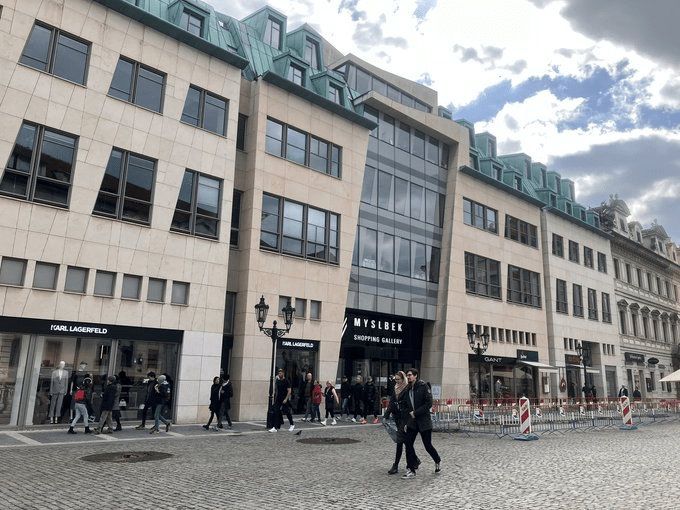
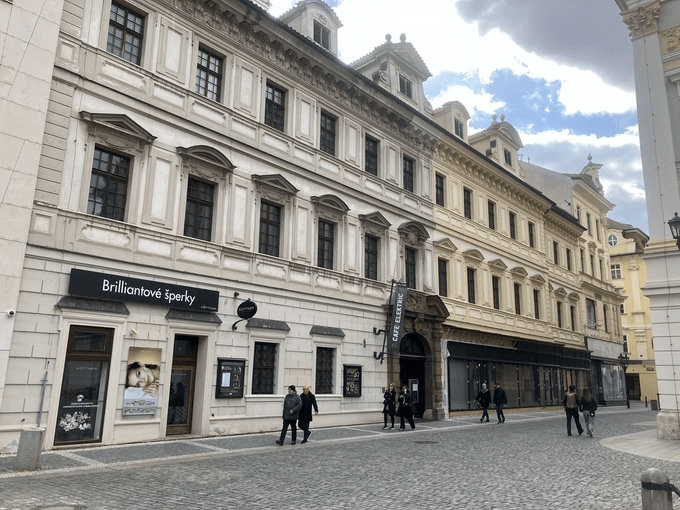
Meanwhile, fans of being in central Prague but not having to endure huge crowds should know that Ovocný trh might be right up their, well, street.

 What's in a Prague street name
Leave a comment