We’re off! Závišova was built in 1892, which is also approximately when I finished work on What’s In a Prague 1 Street Name.
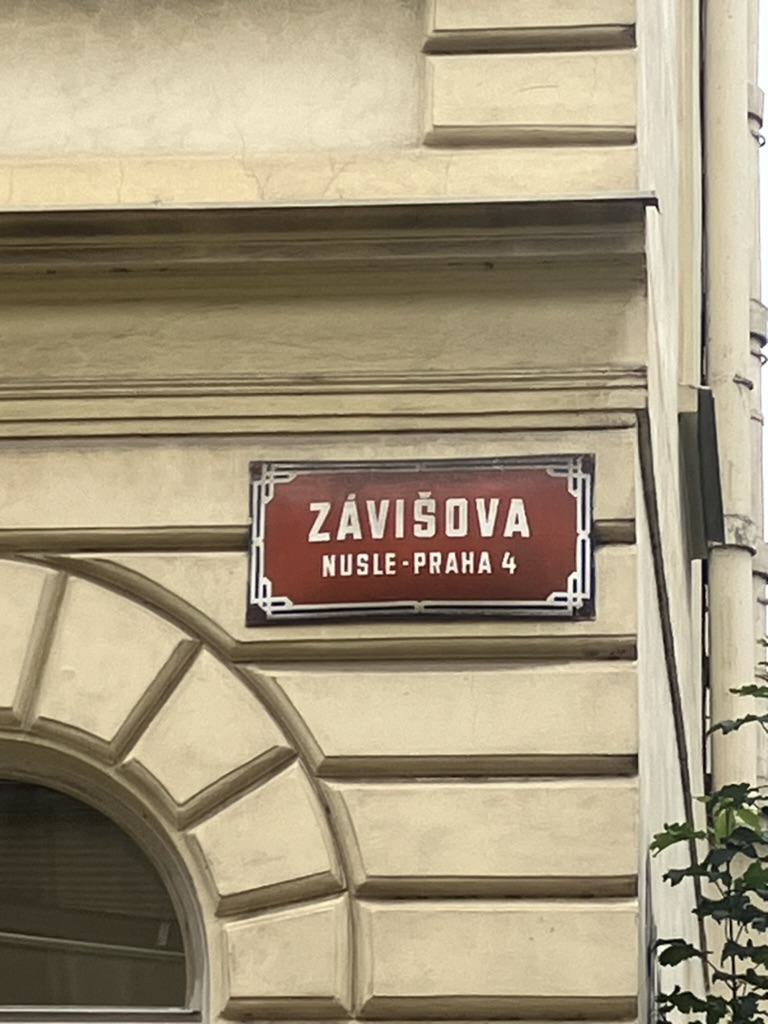
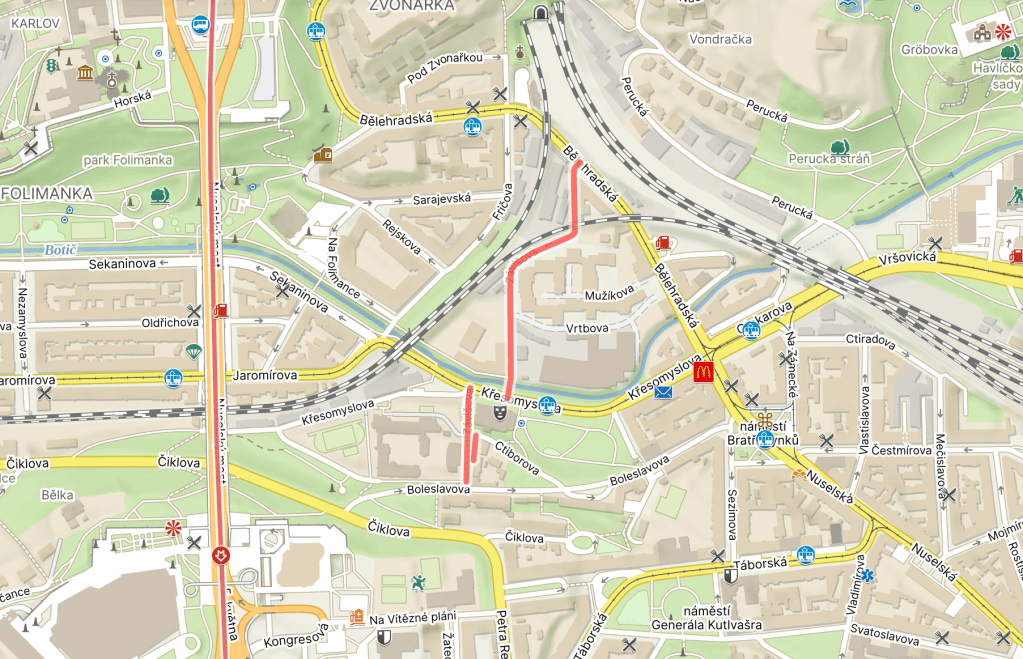
Záviš z Falkenštejna was born around 1250, as a member of the South Bohemian branch of the noble Vítkov family. He was first mentioned in writing in 1262, when King Přemysl Otakar II put him, his father and his brother in charge of a monastery in Austria.
However, it was also around this time that the Vítkovs started to feel threatened by the King, who was building his power in South Bohemia (particularly by founding České Budějovice in 1265).
Things came to a head in 1276, when the Vítkovs – in conjunction with Austrian and Styrian nobles, as well as the Rožmberks, another Czech family – started a rebellion against Přemysl Otakar. Záviš fled to his estate, which was in Habsburg-controlled territory, and was sentenced to death in absentia.
In 1278, Přemysl Otakar would be killed by German, Habsburg-led forces at the Battle on the Marchfeld (Czech: Bitva na Moravském poli), all of which I’m glossing over slightly here because there’s an Otakarova street coming up on day 6.
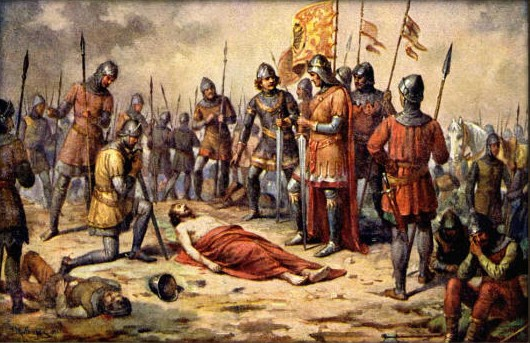
He was replaced by his son, Václav, who was only six years old, and so his cousin, Otto V, Margrave of Brandenburg-Salzwedel, ruled as regent. Václav, meanwhile, was held captive for a few years. So much for being king.
Záviš decided it was safe to return to Bohemia, but old habits die hard: by 1279, he was in conflict with the Brandenburgs, and burned down Budějovice.
In 1280, he went to Hradec nad Moravicí, now in Opava District, where Otakar’s widow, Kunigunde (Kunhata) was residing. They embarked on a love affair, and moved to Moravia in 1281, having a son, Ješek, around the same time.
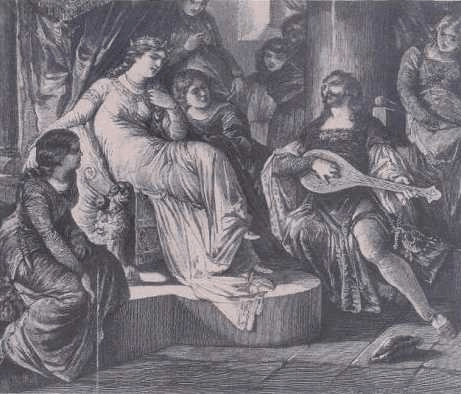
In 1283, Václav – now 12 – was released from captivity. Kunhata and her new family returned to Prague, where an unusually peaceful coup took place. One result of this would be that Záviš basically became the chief administrator of the country.
Sadly, Kunhata – to whom Záviš had got married at some point – died in 1285; initially, his position within the court was unaffected.
However, in 1287, Václav’s wife, Judith of Habsburg (Czech: Guta Habsburská) arrived in Bohemia, and made it quite clear that she and the rest of the Habsburgs were not fans of Záviš.
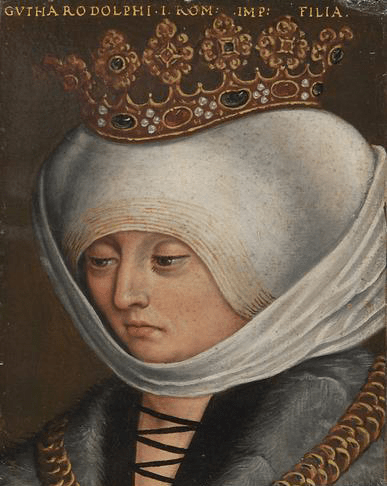
Záviš thought it might help his position if he got married again – in 1288, he married Elizabeth of Hungary (Czech: Alžběta Kumánka). They had a son later that year, and, in early 1289, Záviš made the fatal mistake of inviting Václav to the baptism. Záviš was duly arrested and accused of treason and attempted murder.
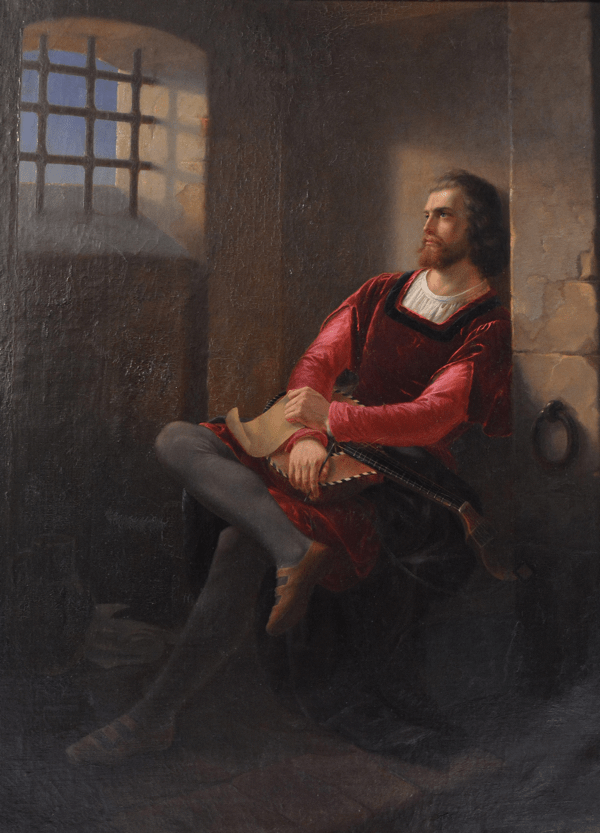
Held in captivity until the summer of 1290, Záviš was found guilty and executed on 4 July at Hluboká nad Vltavou.
Famous works about Záviš include Smetana’s opera The Devil’s Wall / Čertova stěna; the libretto was by Eliška Krásnohorská (https://whatsinapraguestreetname.com/2024/10/29/prague-1-day-224-elisky-krasnohorske/).
My goodness, I cannot BEGIN to describe how happy I am to be writing these again.


Leave a Reply