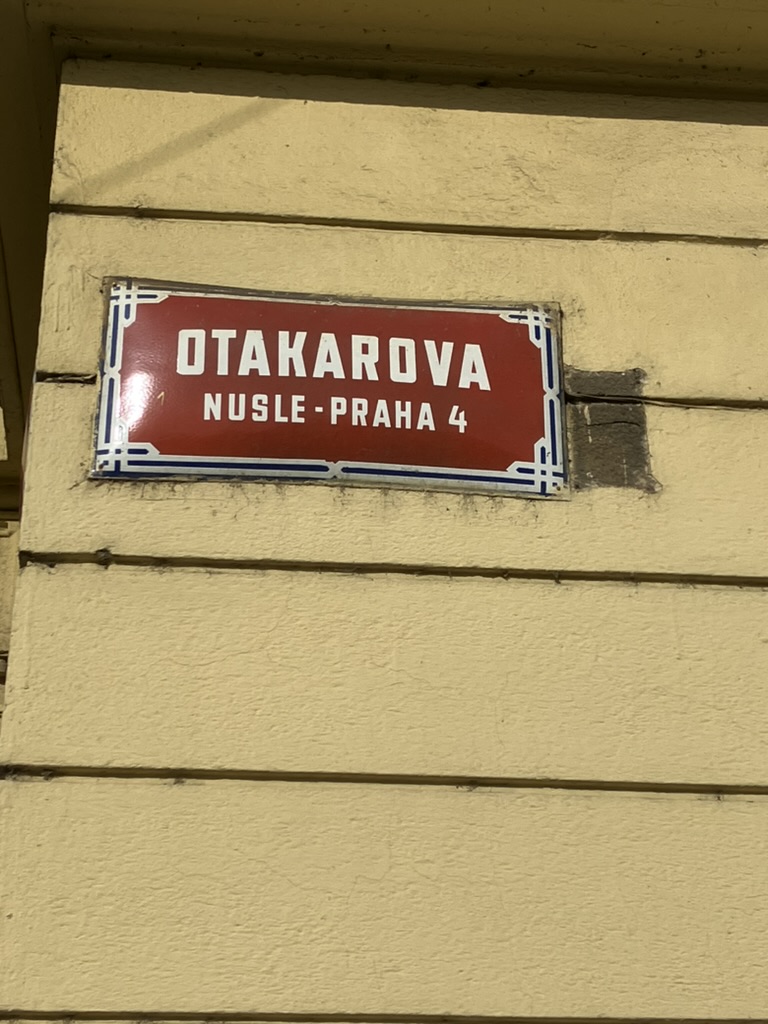
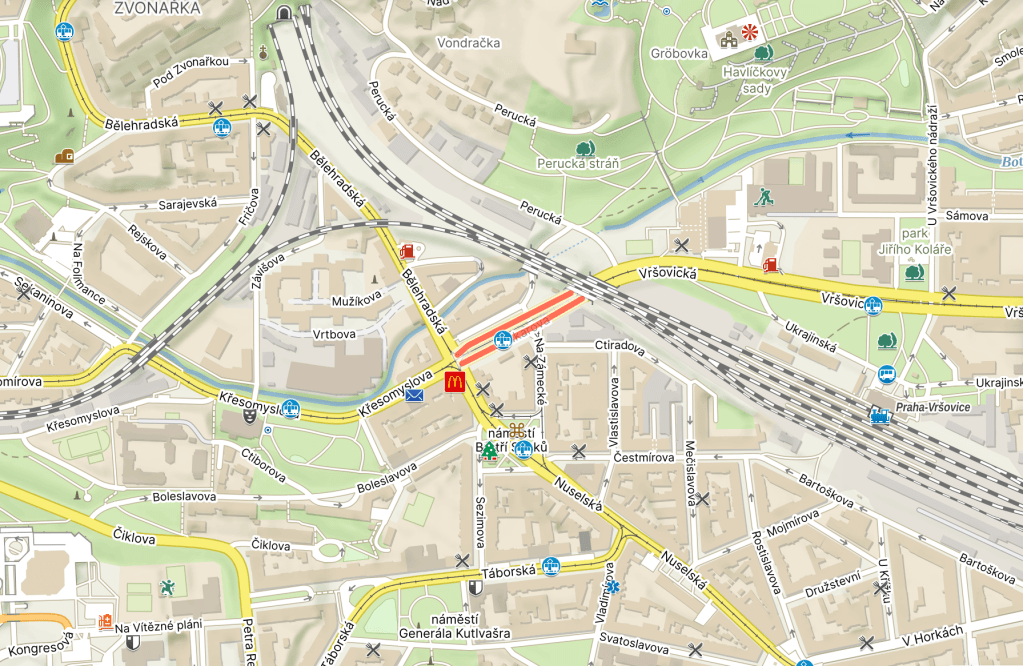
Otakarova was built in 1900.
Přemysl Otakar II was born in or around 1233, the son of Václav I, who had been King of Bohemia since 1230, and his wife, Kunigunde of Hohenstaufen.
His older brother, Vladislav, became Margrave of Moravia and Duke of Austria in 1246, but died suddenly in 1247, probably of natural causes despite only being about twenty.
This meant that Otakar was now heir to the Bohemian throne, and was given Moravia; as a result, he moved to Brno.
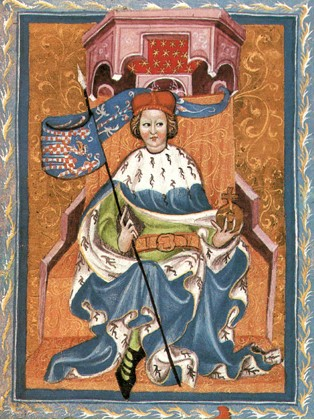
Václav, meanwhile, had started to withdraw from public life and surround himself with yes-men. This displeased many of the nobles, who elected Otakar ‘the younger King’ and banished Václav from Prague Castle. However, after the Pope excommunicated Otakar, Václav was able to defeat the rebels.
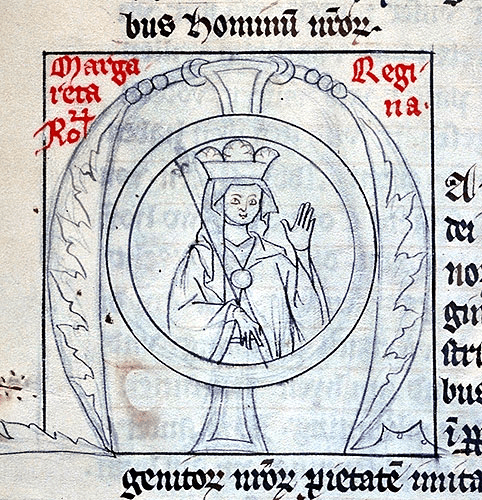
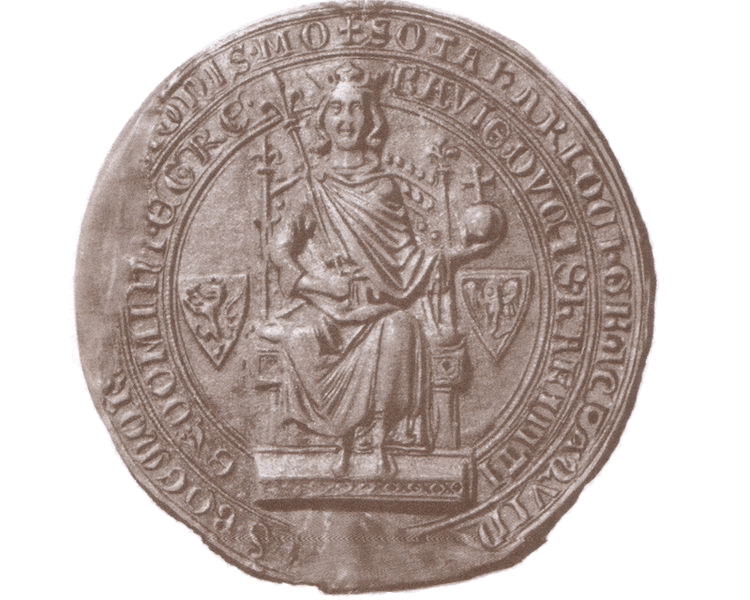
In 1251, Otakar became Duke of Austria and Styria, a position strengthened by his marriage to Margaret of Austria in the following year (pictured below, looking quite cheerful).
He promptly ended up in conflict with Béla IV, King of Hungary and Croatia, who claimed Styria. Otakar maintained his rule over Austria, but, in 1254, the Pope forced him to hand Styria over to his rival.
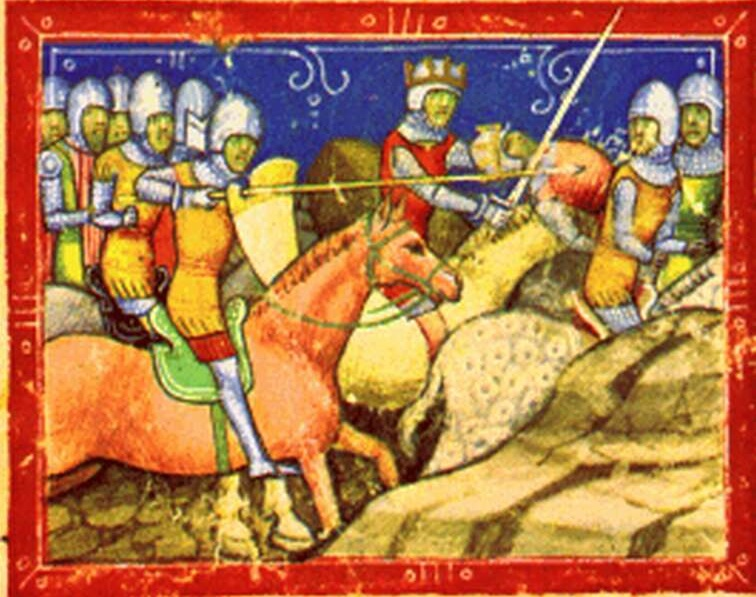
In the meantime (specifically 1253), Václav died, and Otakar became King of Bohemia. A year later, he set off on a crusade to Christianise the Old Prussians, who were still following pagan beliefs. He not only managed to increase his own influence in Poland and Silesia, and, on the Baltic, the town of Königsberg/Královec/Kaliningrad was named after him.
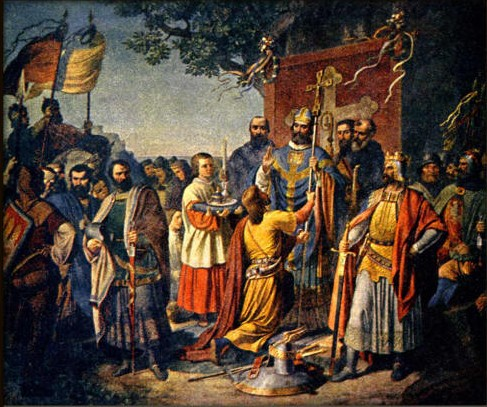
Meanwhile, Béla IV hadn’t gone anywhere, and he and Otakar ended up fighting over Styria once more. In 1260, Otakar defeated Béla at the Battle of Kressenbrunn (nowadays in Lower Austria). A peace treaty ensued, with Otakar getting his marriage to Margaret annulled, and marrying Béla’s granddaughter, Kunigunda of Halych (in Czech: Kunhuta Uherská or Kunhuta Haličská).
Otakar also got Styria back, a claim which was endorsed by Richard of Cornwall, King of Germany. Clearly developing a bit of a taste for gaining additional lands, Otakar gained the Egerland (the Cheb region, nowadays in Western Bohemia) in 1266, Carinthia (now shared between Austria and Slovenia), Carniola (now in Slovenia) and the Windic March (ditto) in 1268, and Friuli (nowadays in north-east Italy) in 1272.
Things took a turn in 1272, when Richard of Cornwall died, and the throne of the Holy Roman Empire became vacant. Otakar decided that he should make a claim to it, but the prince-electors – the electoral college responsible for choosing the Emperor – went for Rudolph, a relatively unknown count from what was, at that point, a relatively unknown family – the Habsburgs.
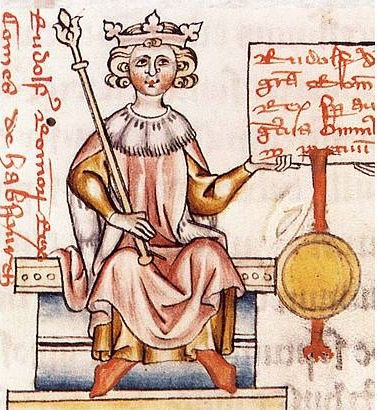
Otakar complained to the Pope, but to no avail; Rudolph, meanwhile, didn’t waste any time, and declared that all the lands that Otakar obtained (or got back) since 1260 were now his.
Otakar refused (to be fair, we all would), while Rudolph made overtures to noble families in Bohemia who didn’t like Otakar much either, such as the Vitkovci and the Rožmberks.
Clearly wanting to kick Otakar when he was down, Rudolph placed him under an Imperial ban in 1275 (meaning he lost all his possessions). Facing internal rebellions, Otakar was forced to make peace with Rudolph. Having possessed lands stretching all the way down to Italy and Slovenia only a few years earlier, he was now left with just Bohemia and Moravia.
In 1278, once Otakar had managed to suppress dissenters within Bohemia itself, he decided it was time to declare war on Rudolph and get some of his possessions back. Having found himself allies from Brandenburg and Poland, his forces met Rudolph’s at the Battle of the Marchenfeld on 26 August 1278.
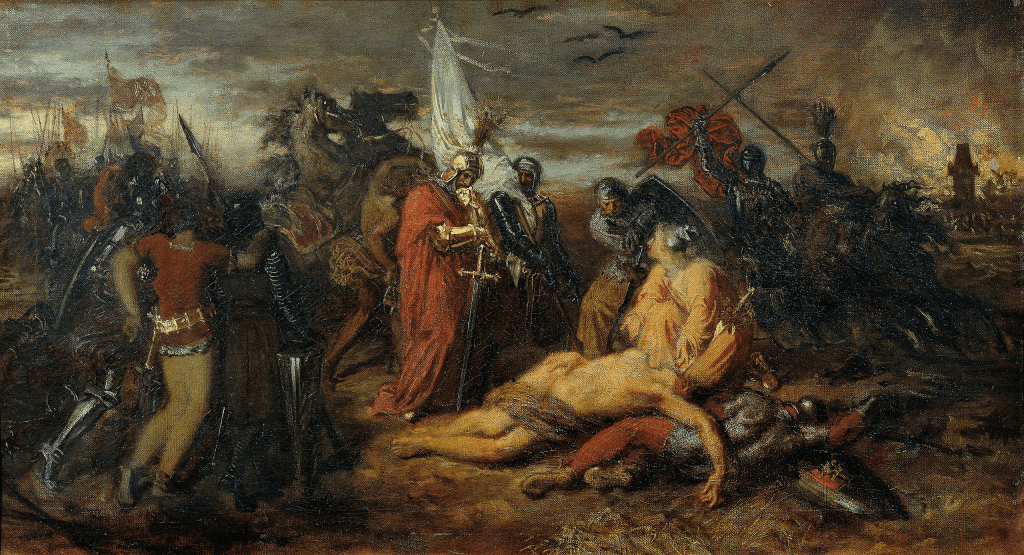
This ended disastrously for the Czech state, as Otakar was defeated and killed.
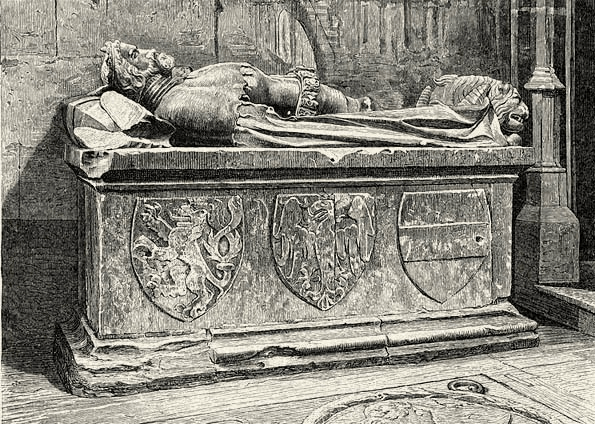
For the next stages of the story, please see https://whatsinapraguestreetname.com/2025/01/01/prague-4-day-1-zavisova/.
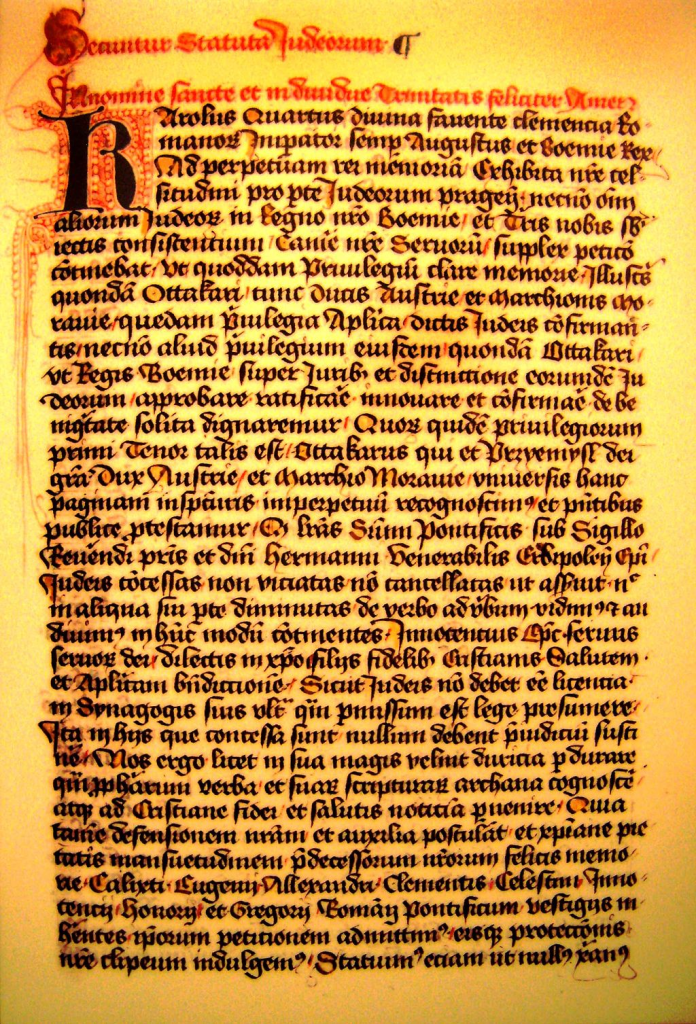
During his reign, Otakar founded over 30 cities – including in present-day Austria – built many fortresses, including Křivoklát, and issued a general privilege which facilitated the integration of Bohemia’s Jewish population into society.
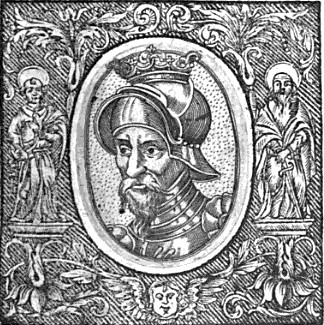
Non-Czechophiles might still know of him from Dante’s Divine Comedy, where he and Rudolph can be seen outside the gates of Purgatory.
The most interesting feature of Otakarova – a main road, but a short one – is this mural by ChemiS, a local artist with Kazakh roots who we’ll be seeing again in this series. It was unveiled in May 2024.
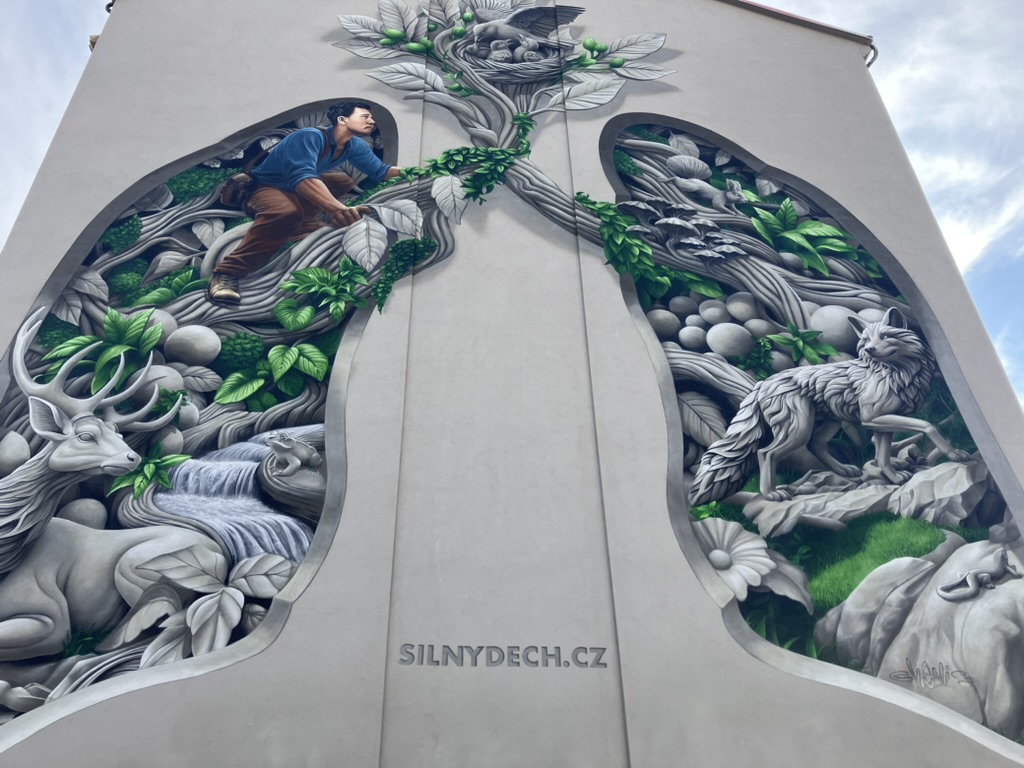
Created for AstraZeneca, the mural aims to raise awareness of asthma, and was unveiled on 7 May, which is World Asthma Day. Showing a pair of lungs as part of a landscape scene, it celebrates the ability to breathe freely.
Do give ChemiS a follow on https://www.instagram.com/chemisgraffiti/?hl=en and http://chemisland.com/ – his work is marvellous.

 What's in a Prague street name
Leave a comment