Na Pankráci was built in 1900.
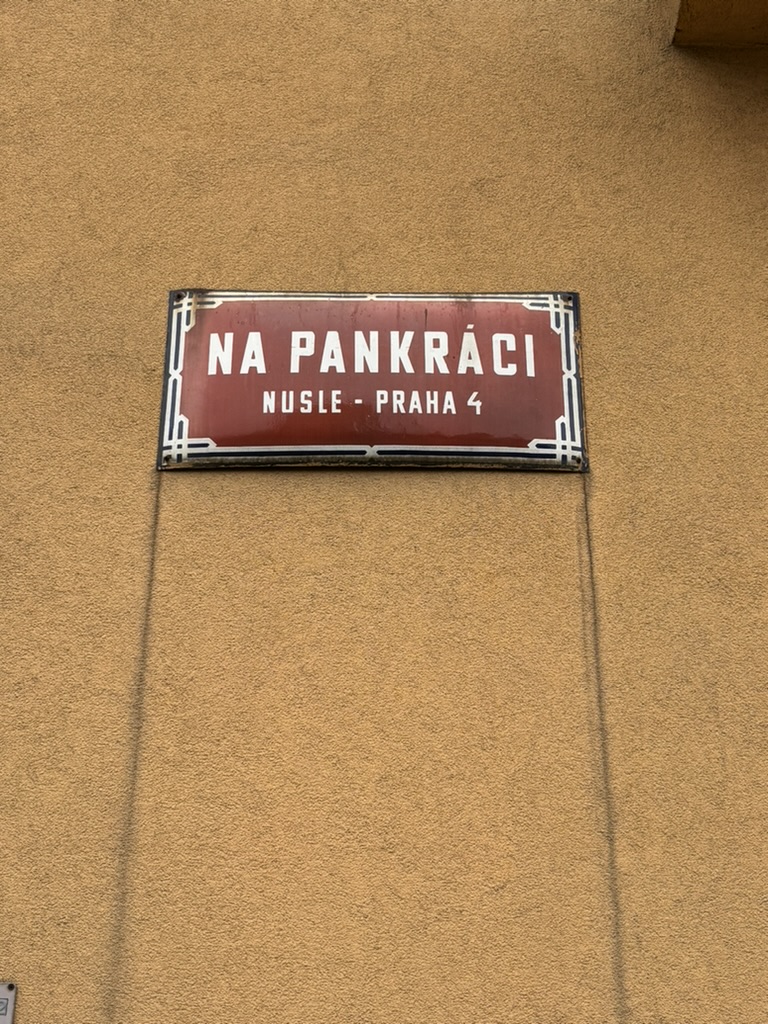
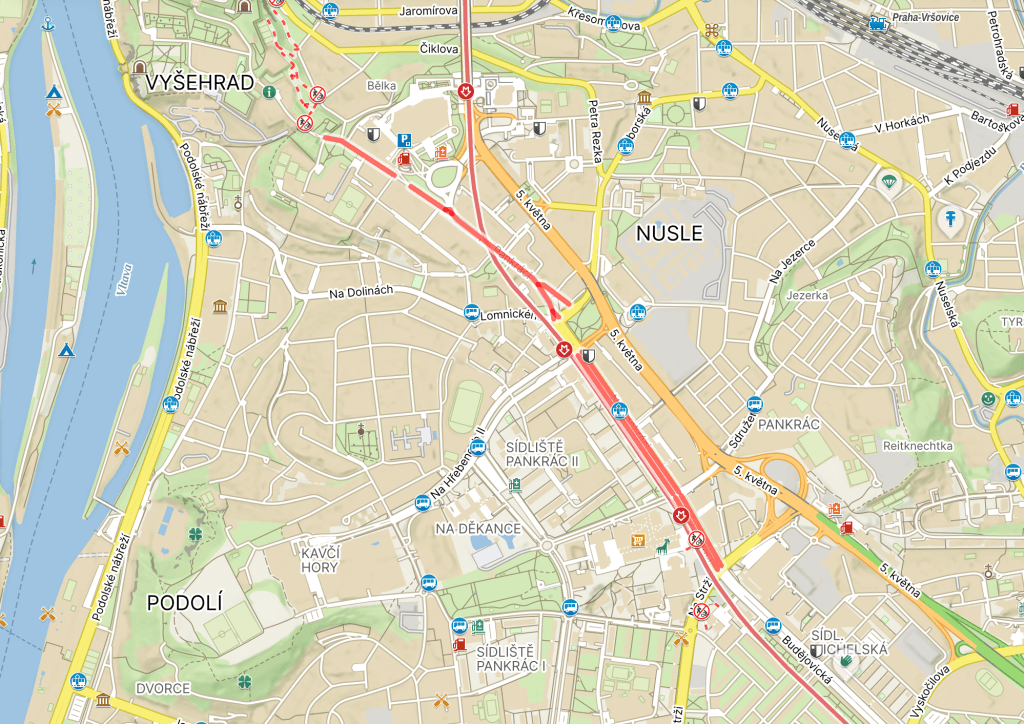
Even as an ex-Londoner who used to travel to Brussels an awful lot, it somehow took me until 2024 to put two and two together and work out that Pankrác is St Pancras.
Pancras of Rome converted to Christianity, and was beheaded for this around 303, aged just fourteen.

A church dedicated to him (under which archaeologists later discovered the remains of a rotunda) was the church of a village called Krušina. Krušina later disappeared, and the area was renamed Pankrác.
The church – initially Romanesque, later Gothic – was destroyed during the Swedish siege of Prague in 1648, and its restored version was plundered by Prussian forces in 1757.
The church ceased to serve its original function in 1773, being used as a powder store until 1818, but, around 1900, it was reconsecrated.
Say Pankrác to most people, though, and the first thing they’ll think of is the prison of the same name – I’m leaving that for an upcoming post, though.
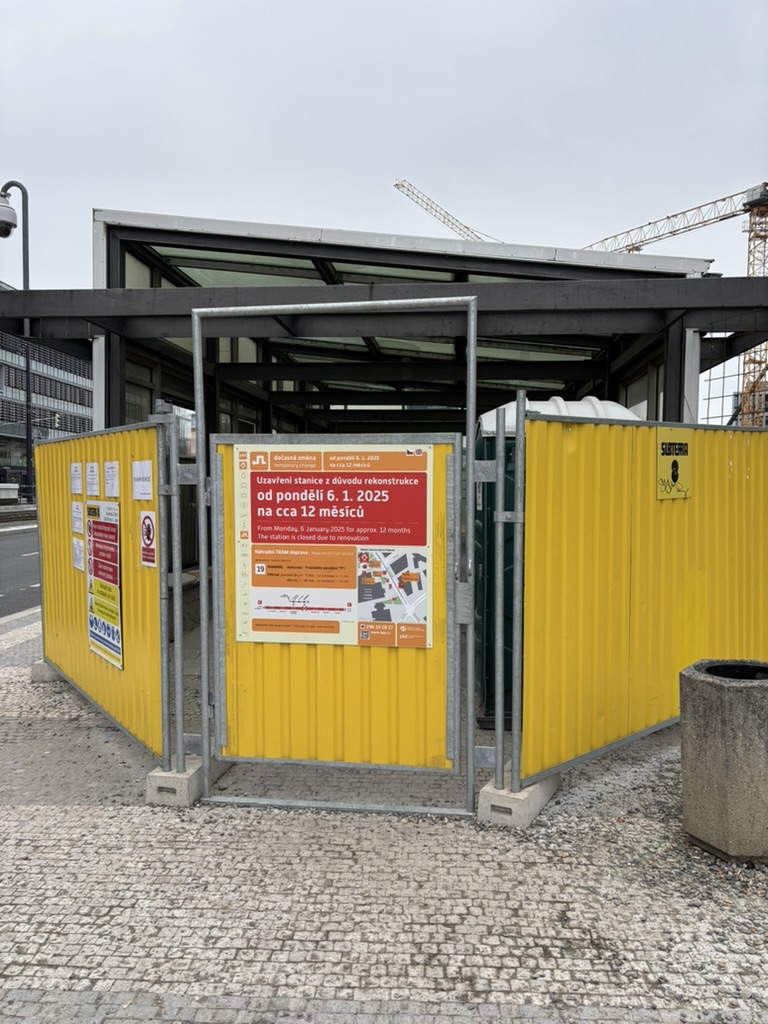
People may also think of the metro station, but there’s not very much doing there right now.
So you might end going shopping instead at Arkády Pankrác. I lived near-ish here in 2007, and was wondering how on earth I’d spent 2007 without realising it existed (but being certain an older shopping centre did). Turns out it was opened in… 2008, by which time I was gone.
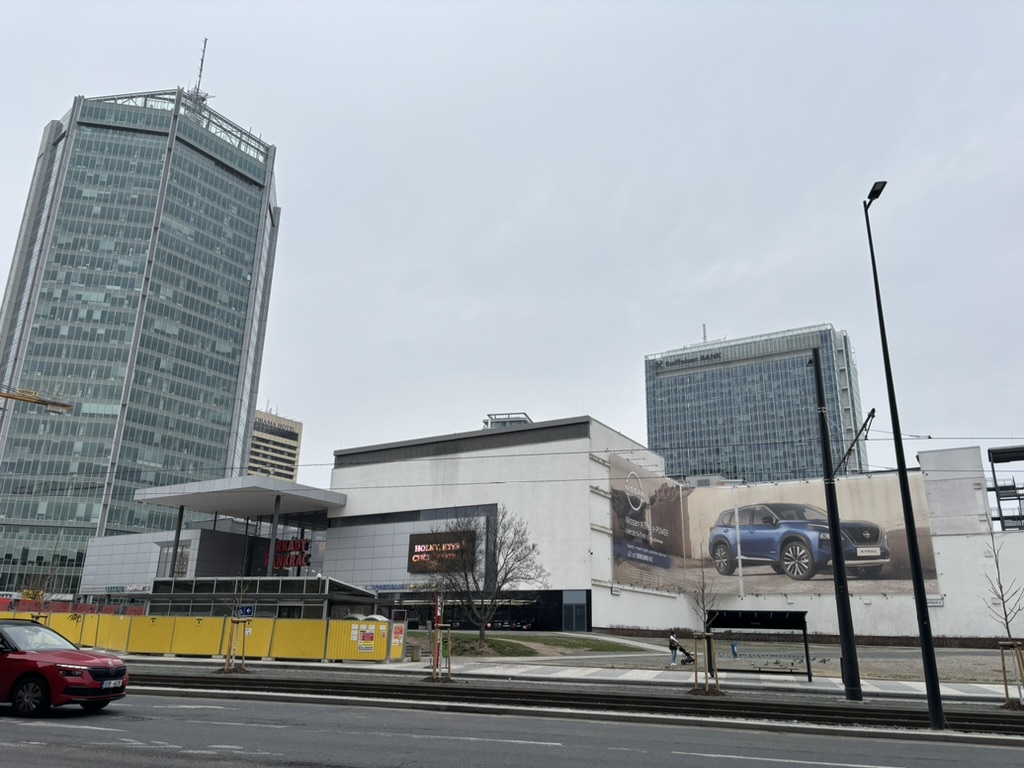
Step back a little further – around here-ish – and you might not realise that you’re standing on/near what was Prague’s first ever bus station.

Pankrác Bus Station opened in 1947, and ran until 1986, when it was closed for two years for renovations. The renovations mainly happened; the reopening never did.
Here’s some great footage of the bus station in 1971 – I think it’s from the children’s television series Pan Tau.


Leave a reply to Prague 4, day 115: Na hřebenech I – What's in a Prague street name Cancel reply