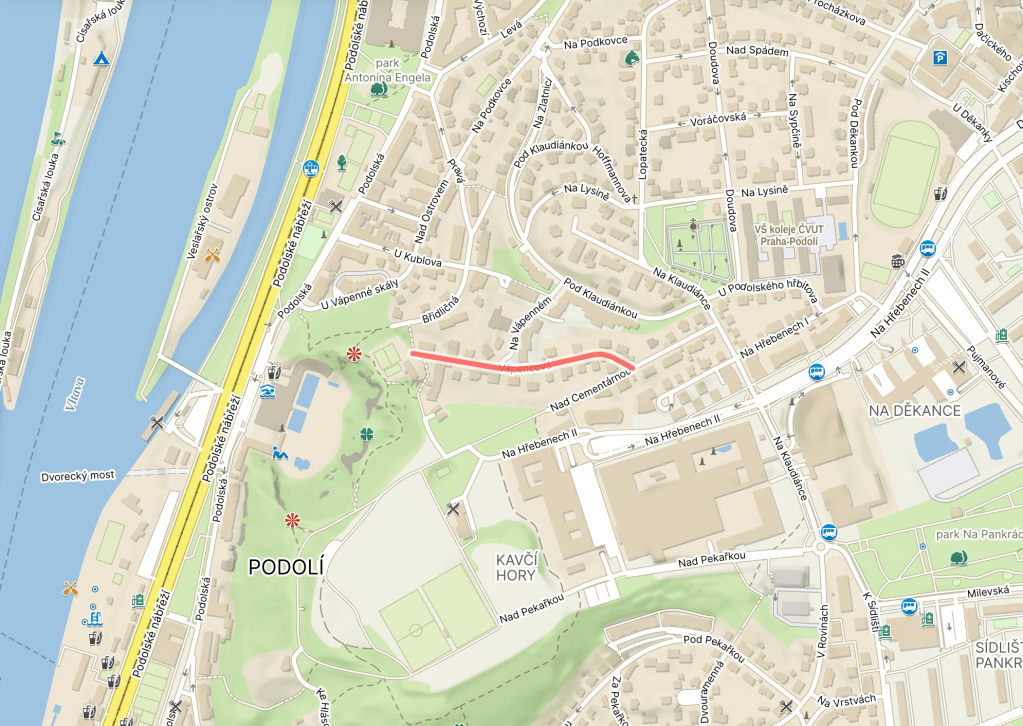
Vápencová was built in 1931.
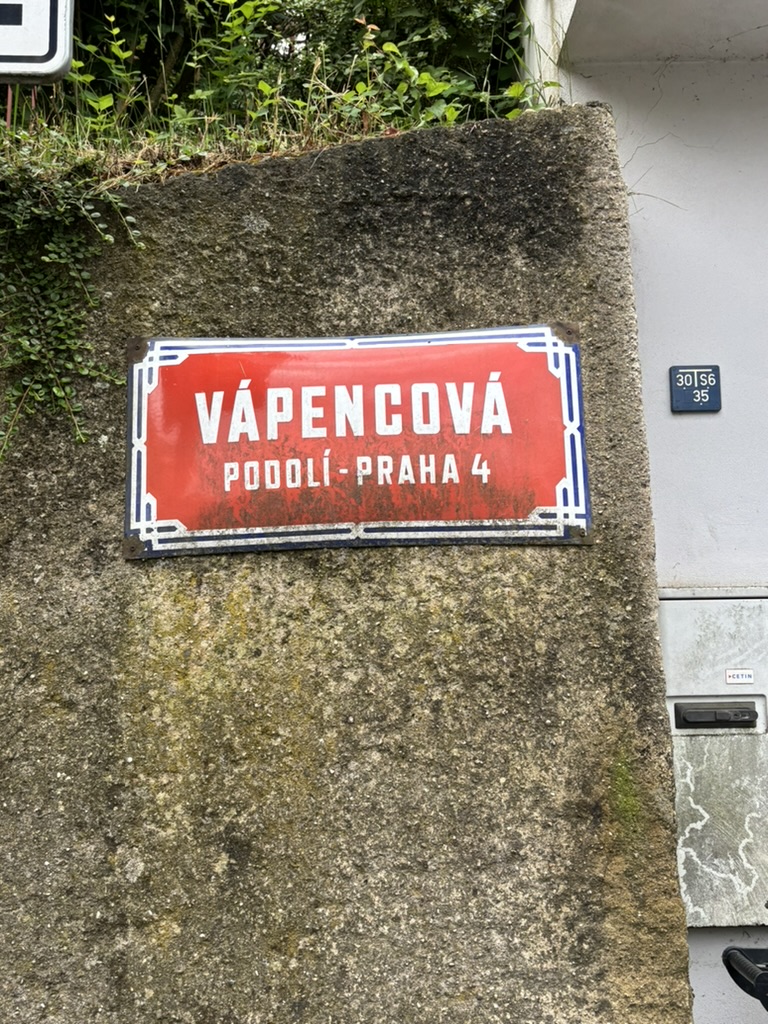
‘Vápenec’ is limestone. If you’re looking to me for advice on anything scientific, you need to get off the internet now, but here goes:
Limestone is a fine-grained to solid sedimentary rock, of which over 80% is composed of of calcium carbonate (CaCO3) in the form of calcite or aragonite.
Limestone is slightly soluble in rainwater, which is why areas containing it often become eroded and turn into karst landscapes.
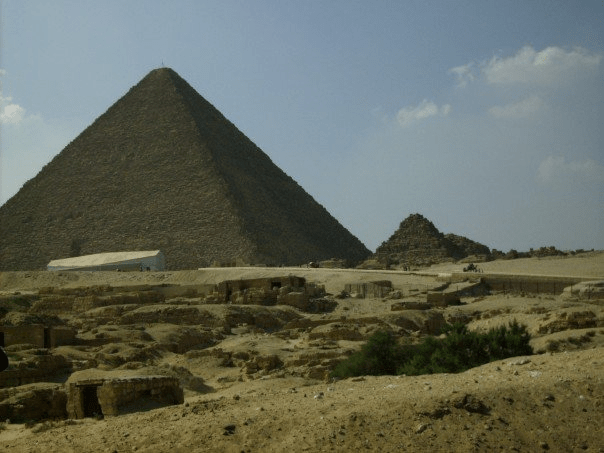
It’s very common in architecture, and has been for a long time – as best evidenced by the Giza Pyramids (photo from my one trip to Egypt in 2007).
Back in Podolí, limestone quarries also exist around here, hence the name of the street.
I lived on this street from 2006 to 2007, and, when I took the street sign photo, it was the first time that I’d been around there since. I’ll spare you all the thinkpiece, but I can’t describe how much more settled and comfortable with myself that I am now.
For a bit more on quarries, see https://whatsinapraguestreetname.com/2025/06/17/prague-4-day-120-nad-cementarnou/.
For another limestone street, but in Žižkov, see https://whatsinapraguestreetname.com/2022/11/19/prague-3-day-10-na-vapence/.


Leave a reply to Prague 4, day 123: Na vápenném – What's in a Prague street name Cancel reply