Jílovská was built in 1947.

The earliest mention we have of Jílová is from the 1200s, when it was a mining settlement (the writer wanted us to think the document was from 1045, but it turns out that it’s a forgery).
In the 1320s, it was described as a ‘royal gold-mining town’; around 1350, Charles IV (https://whatsinapraguestreetname.com/2024/10/15/prague-1-day-196-karlova/) confirmed its status as a royal town.

As happens too often in these stories, economic activity was dealt a heavy blow in 1422, when the Hussites conquered and burned Jílová. The mines were restored, but reports from the 1500s suggests they weren’t nearly as successful as in the past.
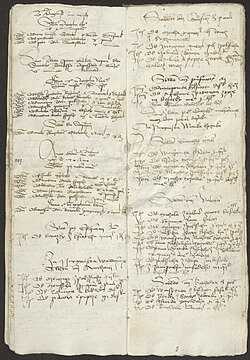
Here’s an account showing the purchase of gold and operations of a mill in Jílová in 1506 / 1507.
Larger-scale mining started in 1689, and lasted until 1968, when the last mine was closed due to its lack of profitability.
The painter Joann Venuto painted Jílová in 1821.

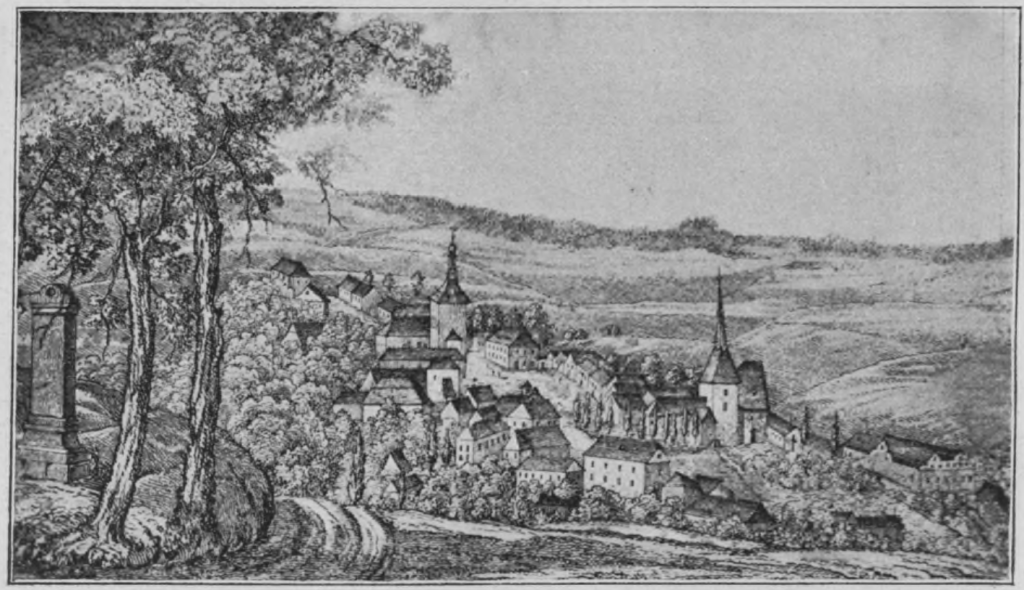
And here’s a 19th-century engraving by an unknown artist.
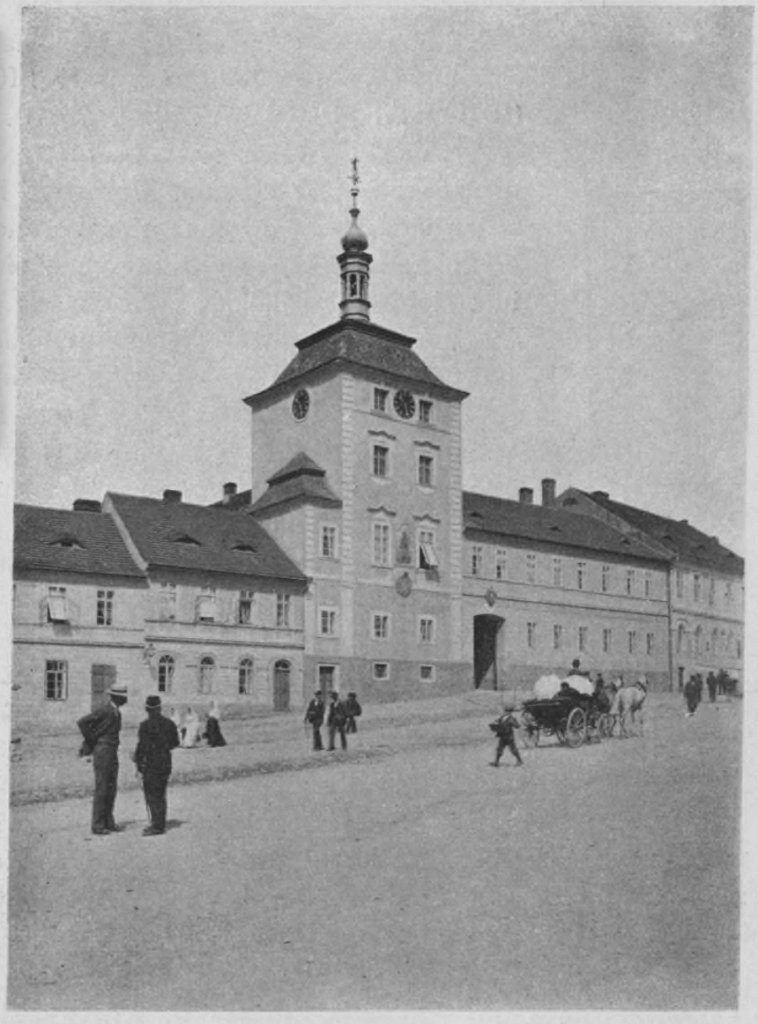
And a photo of the town hall and main square, taken around 1908.
These days, the town is known as Jílové u Prahy and is in Prague-West district. It lies on the Sázava (https://whatsinapraguestreetname.com/2024/02/18/prague-2-day-31-sazavska/) and has a population of just over 5,000.
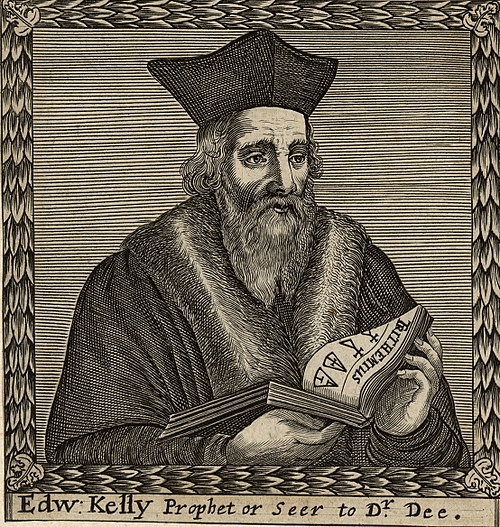
The people with a connection to Jílová that you’re most likely to have heard of include the Renaissance occultist Edward Kelley (1555-1597 or thereabouts), who purchased a mine here.
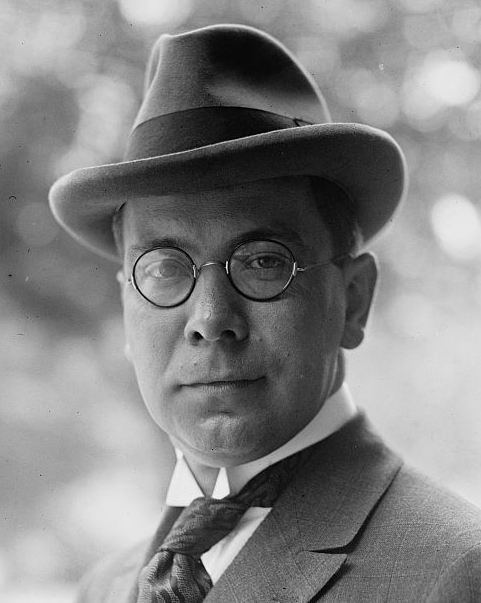
And František Chvalkovský, who had the task of being Czechoslovak Foreign Minister from October 1938 to March 1939. Chvalkovský was born in Jílová in 1885.

 What's in a Prague street name
Leave a comment