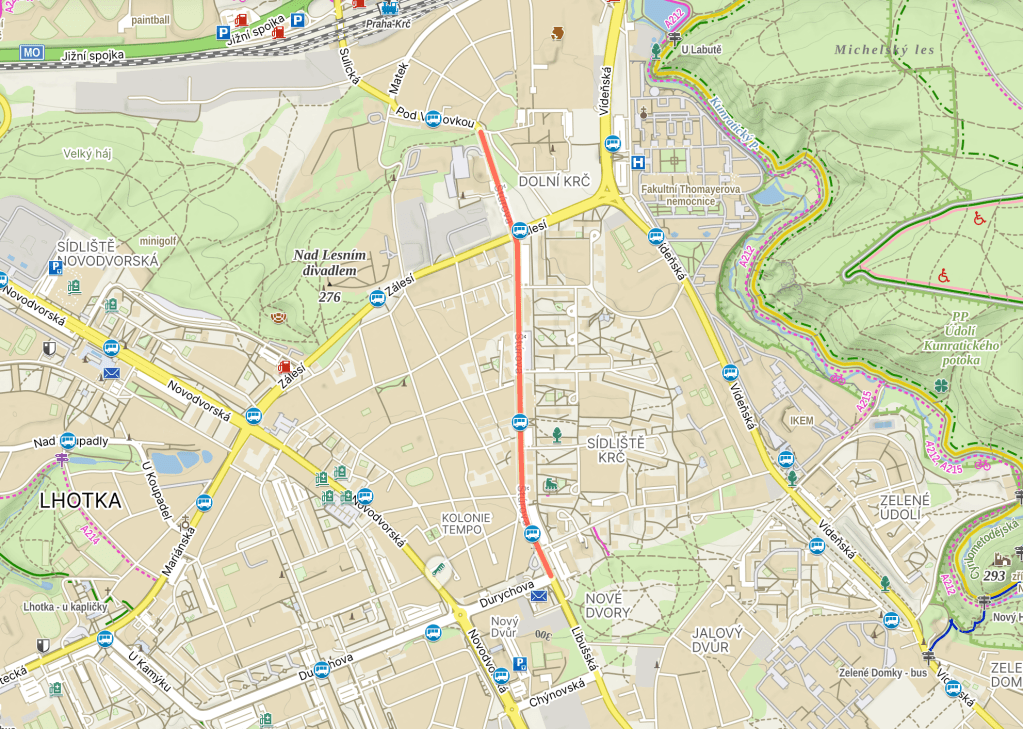
Štúrova was built in 1969.
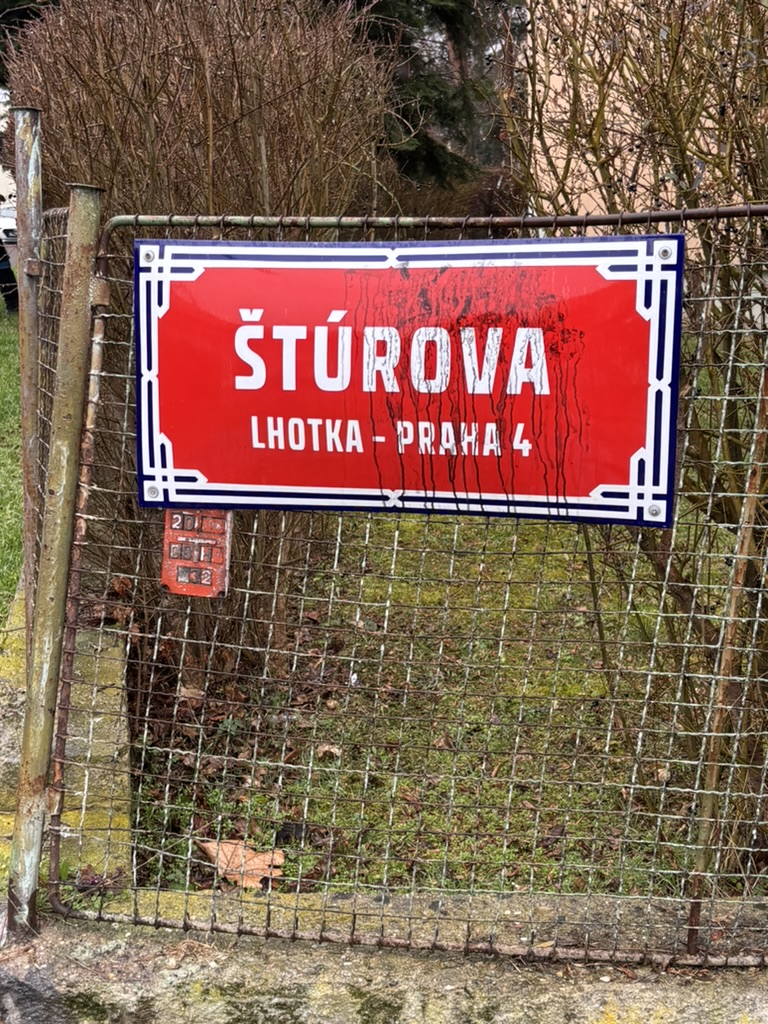
Ľudovít Velislav Štúr was born in Uhrovec, a village near Trenčín, Slovakia, in 1815. His father, Samuel, had moved from Trenčín to take up a position as a teacher.
Originally educated by his father, Ľudovít moved to Ráb (present-day Győr, Hungary) in 1827 to study at the gymnasium. A Slovak-born teacher, Leopold Petz, noticed his talents and encouraged him to take an interest in Slavic literature.
In 1829, Štúr enrolled in the Evangelical Lyceum in Bratislava, where his older brother Karol (1811-1851) was already a student.
At the time, this was the only school in (what was then classified as) Hungary with a department for the Czech and Slovak languages, and one of the teachers was a renowned professor, Juraj Palkovič.
The students had founded their own Czech-Slovak Society around the time of Štúr’s arrival; naturally, he became a member. In 1835 – a year after he completed his studies at the school – he became its chairman.
On 24 April 1836, Štúr led a walk to Devín, where he made a speech about the history of Great Moravia, and officially adopted the middle name Velislav.
In the same year, he became an honorary deputy of Professor Palkovič, and lectured on Polish and Czech grammar and history. He was already in correspondence with people we’ve met before on our street travels, including Josef Jungmann (https://whatsinapraguestreetname.com/2024/09/15/prague-1-day-111-jungmannova/).
As well as František Palacký (https://whatsinapraguestreetname.com/2024/08/31/prague-2-day-145-palackeho-namesti/) and Pavol Jozef Šafárik (https://whatsinapraguestreetname.com/2024/07/06/prague-2-day-61-safarikova/).
However, in 1837, the Czech-Slovak Society was banned – as were all student associations and societies in Hungary – due to student unrest.
In 1838, Štúr enrolled in the University of Halle, where he studied theology, philosophy, history and linguistics. Completing his studies in 1840, his journey back to Hungary took him through Bohemia, where he met many Czech nationalists.
Once back in Hungary, Slovaks were not in a good position, and attempts to promote their language and culture were discouraged. In 1842, this compelled Štúr to issue the Slovenský prestolný prosbopis, a petition sent to the Royal Court in Vienna to complain about national persecution.
Very unhelpfully, the Royal Court sent the petition to Buda, where its demands were, unsurprisingly, rejected.
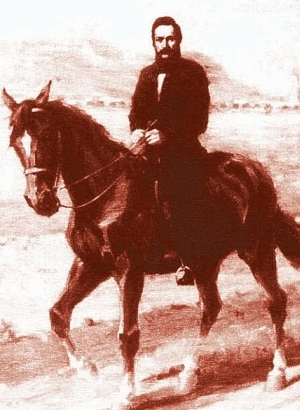
In 1843, Štúr announced his idea to unite Catholic and Evangelical Catholics through a unified literary language, based on the Central Slovak dialect.
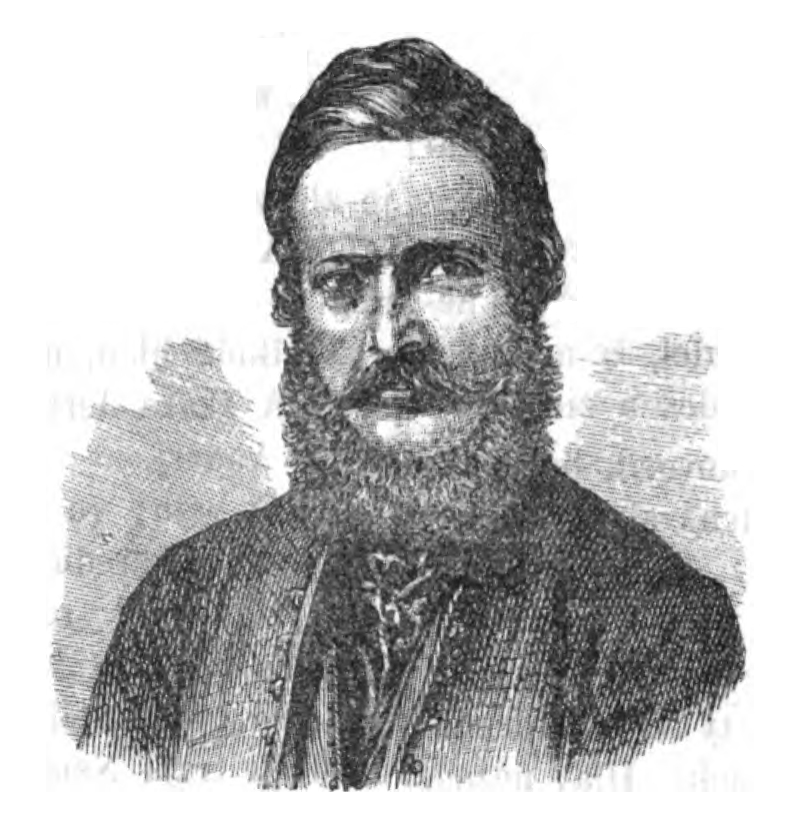
A year later, he finally gained permission to publish Slovenskje národňje noviny, a Slovak-language newspaper; he also published both Nárečja Slovenskuo alebo potreba písaňja v tomto nárečí (‘The Slovak dialect or, the necessity of writing in this dialect’) and Nauka reči Slovenskej, a grammar.
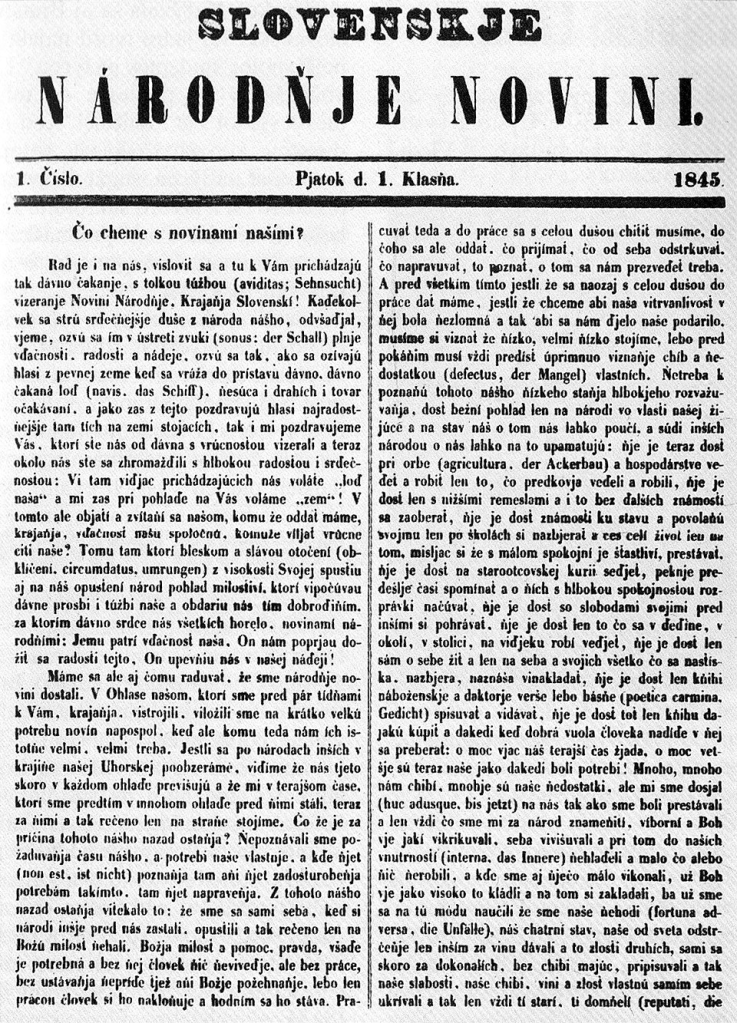
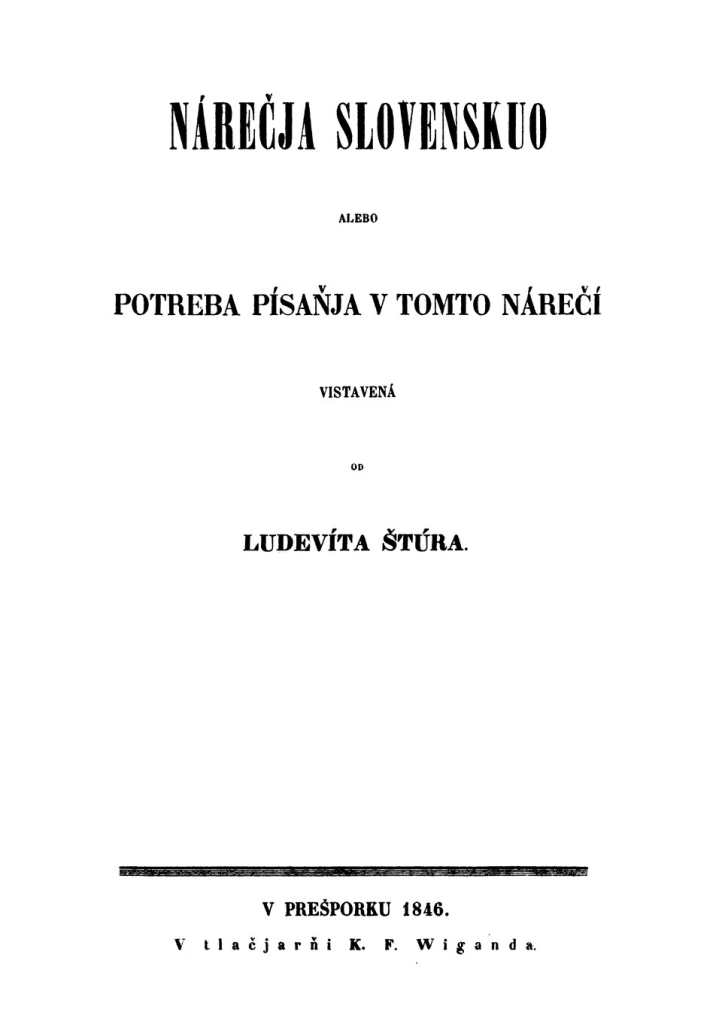
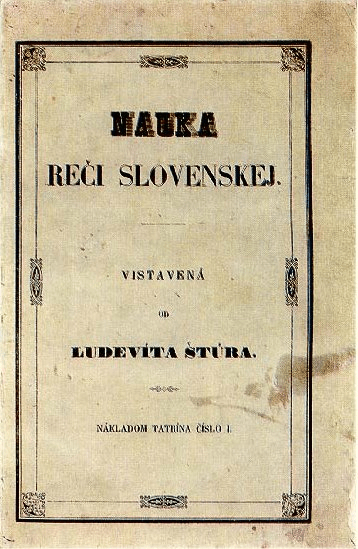
In 1847, Štúr entered the Hungarian Diet, held in Bratislava, representing Zvolen. However, the events of 1848 led to the closure of both the Diet and the newspaper.
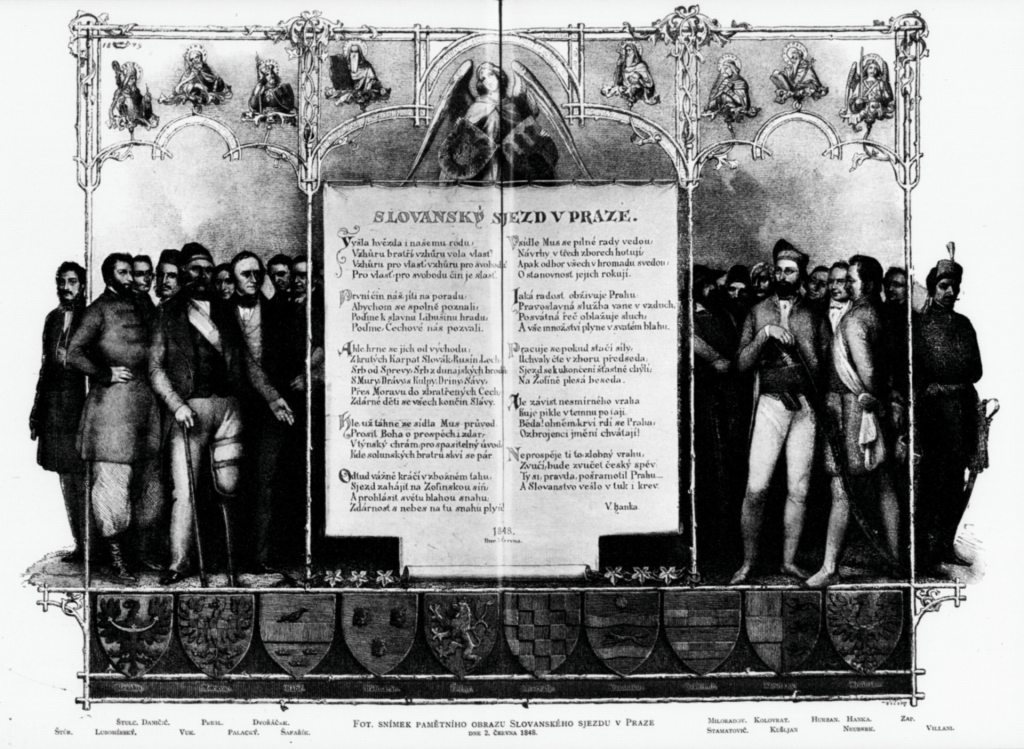
Also in 1848, Štúr attended the ill-fated Slavic Congress in Prague (brief mention on https://whatsinapraguestreetname.com/2024/10/09/prague-1-day-180-celetna/), and attempted a Slovak uprising. This was unsuccessful.
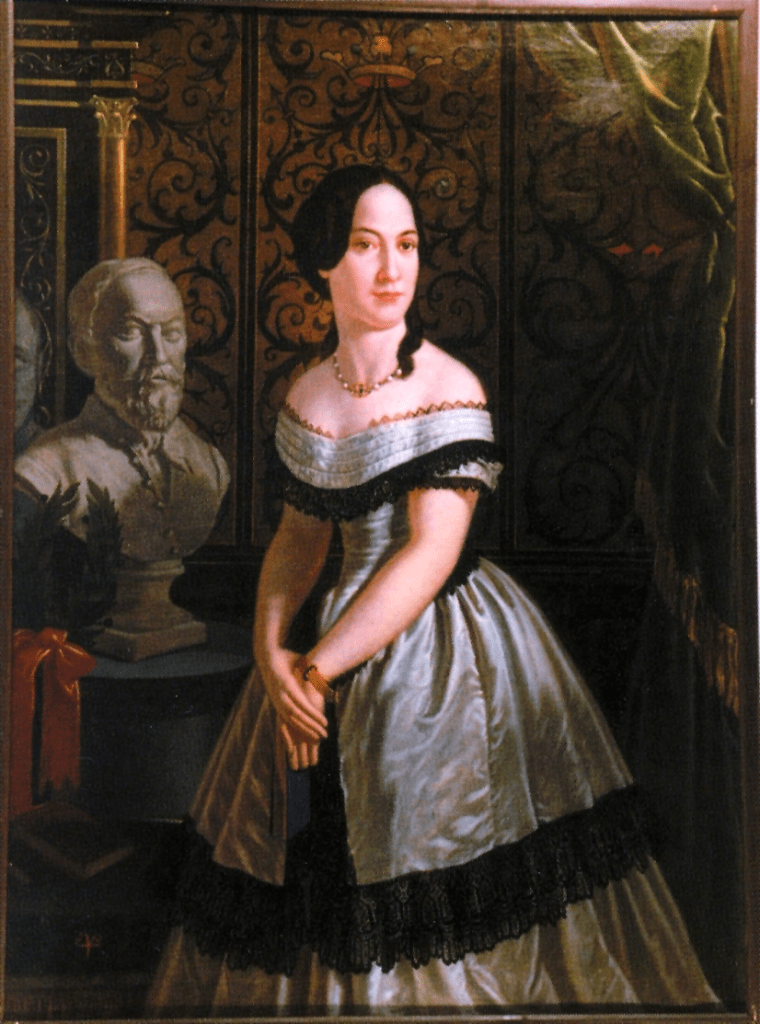
The next few years were also difficult for Štúr personally: his brother Karol and his father died in quick succession in 1851 – leaving Štúr to take care of seven nephews and nieces – and then, in 1853 a close female friend, Adela Ostrolúcka (pictured), died, closely followed by his mother.
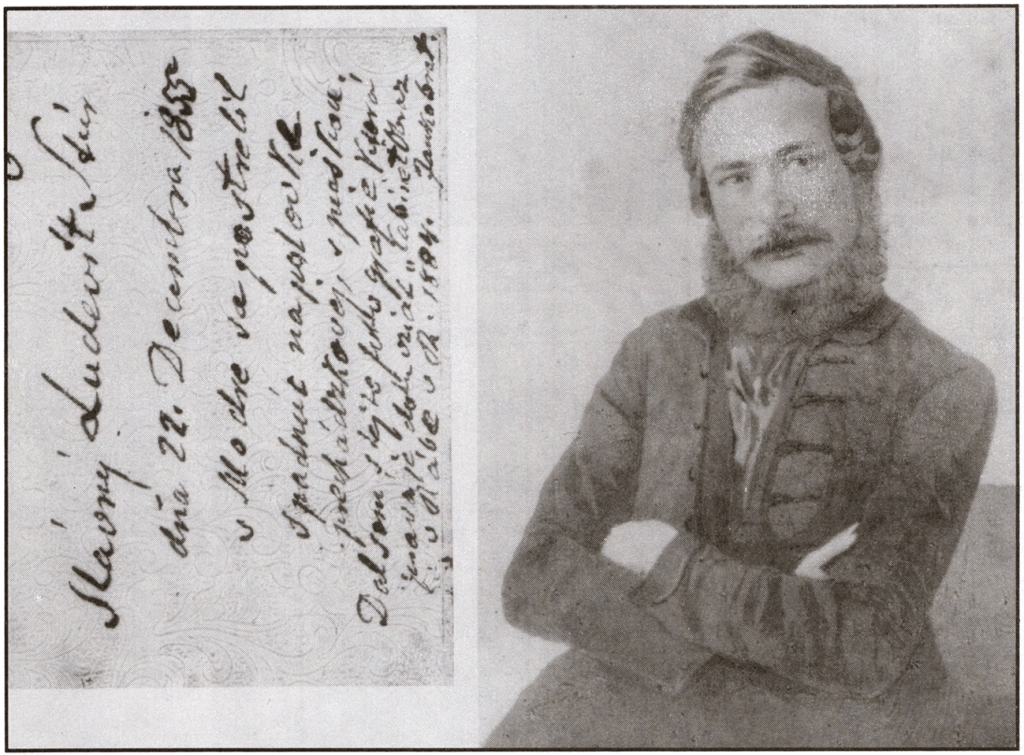
On 22 December 1855, Štúr was on a hunting trip when, while attempting to jump over a stream, his rifle accidentally went off and shot him in the leg. He died on 12 January 1856; he was forty.
The list of streets and squares named after him in Slovakia is, expectedly, long, and the annual awards given by the President of Slovakia are called the Order of Ľudovít Štúr.
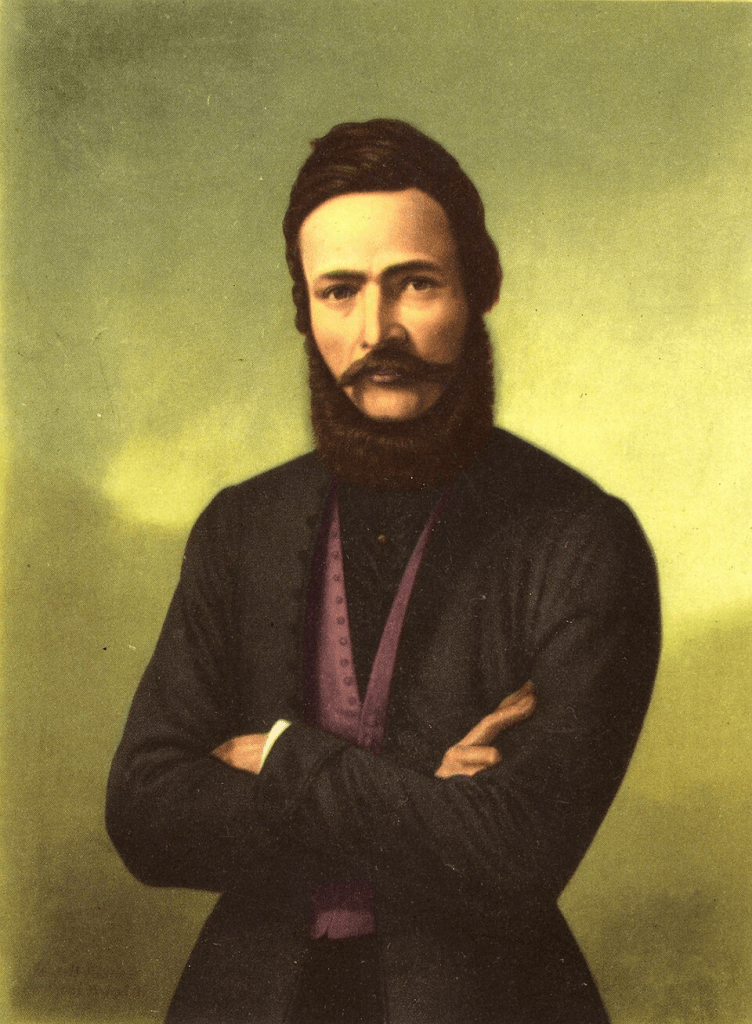
Keeping things very up to date, Štúr, the film, came out earlier this year and had its Prague premiere less than a month ago: https://www.cinemart.cz/filmy/stur/.
Those of you who familiar with the Prague-Budapest train route will have seen his name when stopping at Štúrovo, on the Slovak-Hungarian border.
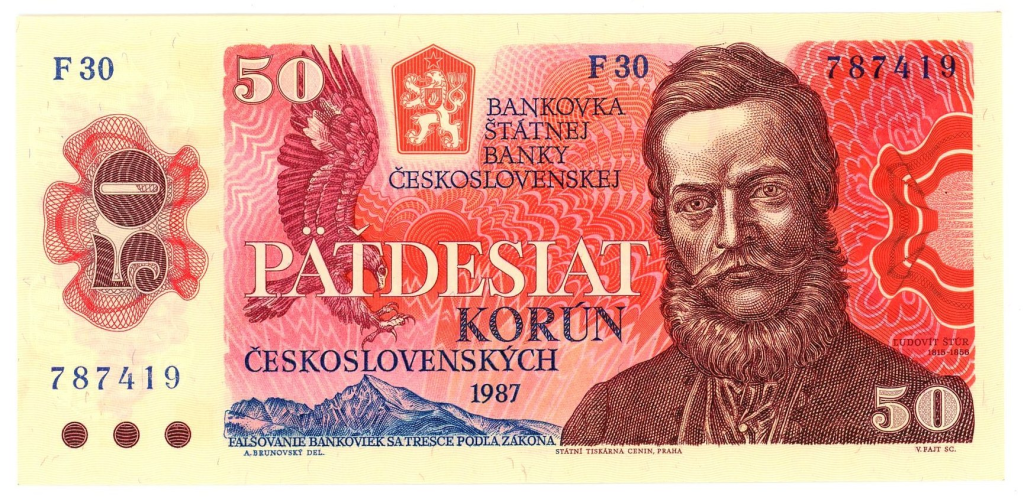
Those of you old enough to remember Czechoslovakia and 50-crown notes may have seen his face a fair bit from 1987 onwards.
And those of you with an interest in the night sky may know about minor planet 3393, which is also called Štúr (3395 keeps the Czechoslovak theme, by the way – it’s called Jitka).


 What's in a Prague street name
Leave a reply to joyful602013f842 Cancel reply