Bystřická was built in 1941.
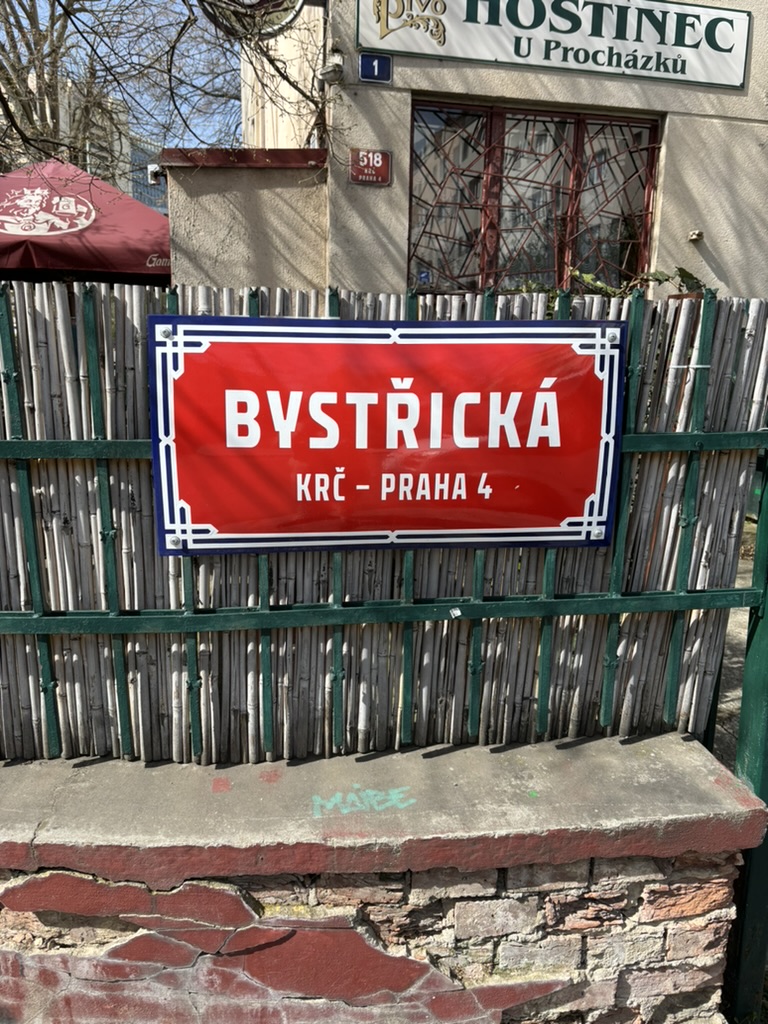
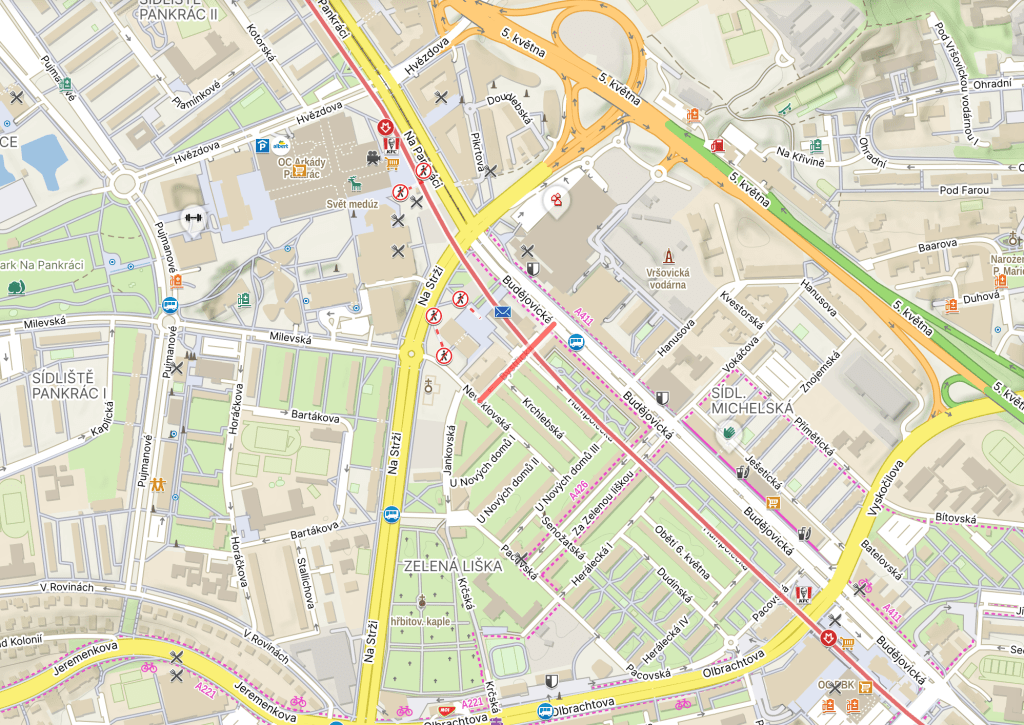
However, until 1960, it was part of Humpolecká (https://whatsinapraguestreetname.com/2026/04/20/prague-4-day-362-humpolecka/).
Bystřice is a town of 4,700 people in Central Bohemia, about six kilometres south of Benešov. The earliest written mention that we know of is from about 1350. It developed due to its location on a trade route.
In 1471, George of Poděbrady (https://whatsinapraguestreetname.com/2023/12/23/prague-3-day-189-namesti-jiriho-z-podebrad/) elevated it to town status; it experienced a major boom in the mid-1500s.
In 1943, the western part of Bystřice became part of SS-Truppenübungsplatz Böhmen, an SS military training ground, and its inhabitants were forcibly removed on 31 December of that year.
Bystřice also had the misfortune to host a concentration camp for people who were married to Jews and unwilling to divorce them. Those who passed through the camp included actor Oldřich Nový (1899-1983), painter and propagator of rugby Ondřej Sekora (1899-1967), actor Miloš Kopecký (1922-1996) and film director Ladislav Rychman (1922-2007).
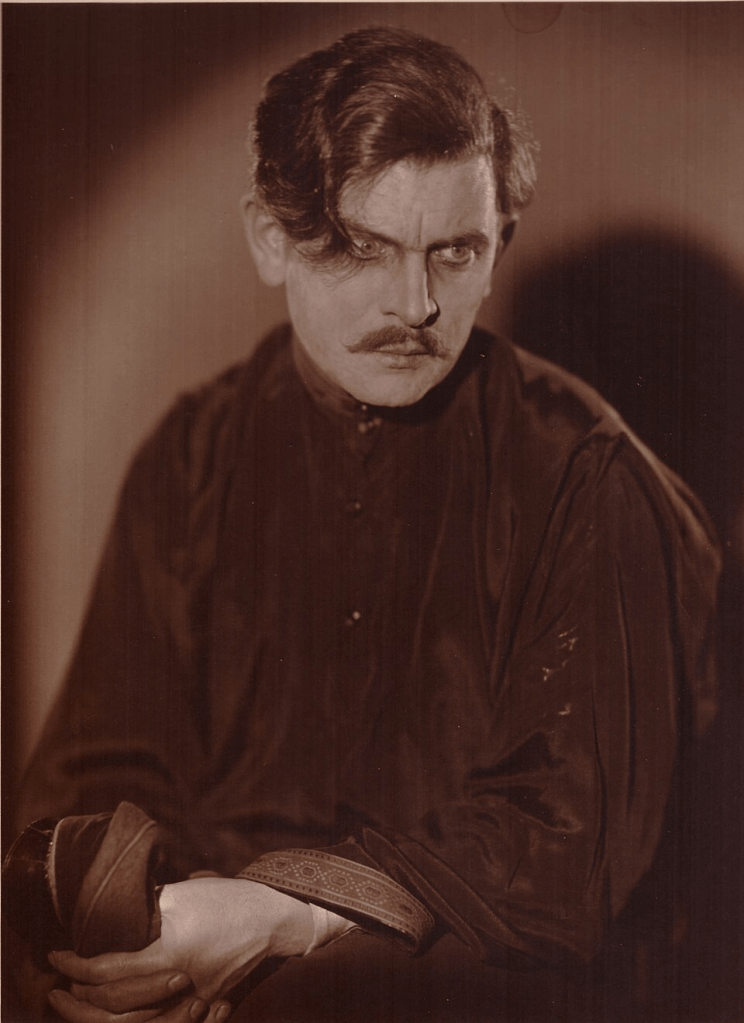
Bystřice became a town again in 1997. Its most famous son is probably Zdeněk Štěpánek (1896-1968), who was the leading actor in Prague’s National Theatre from 1934 (https://whatsinapraguestreetname.com/2024/09/14/prague-1-day-105-divadelni/), and starred in 65 films.


Leave a Reply