Krčská was built in 1920.
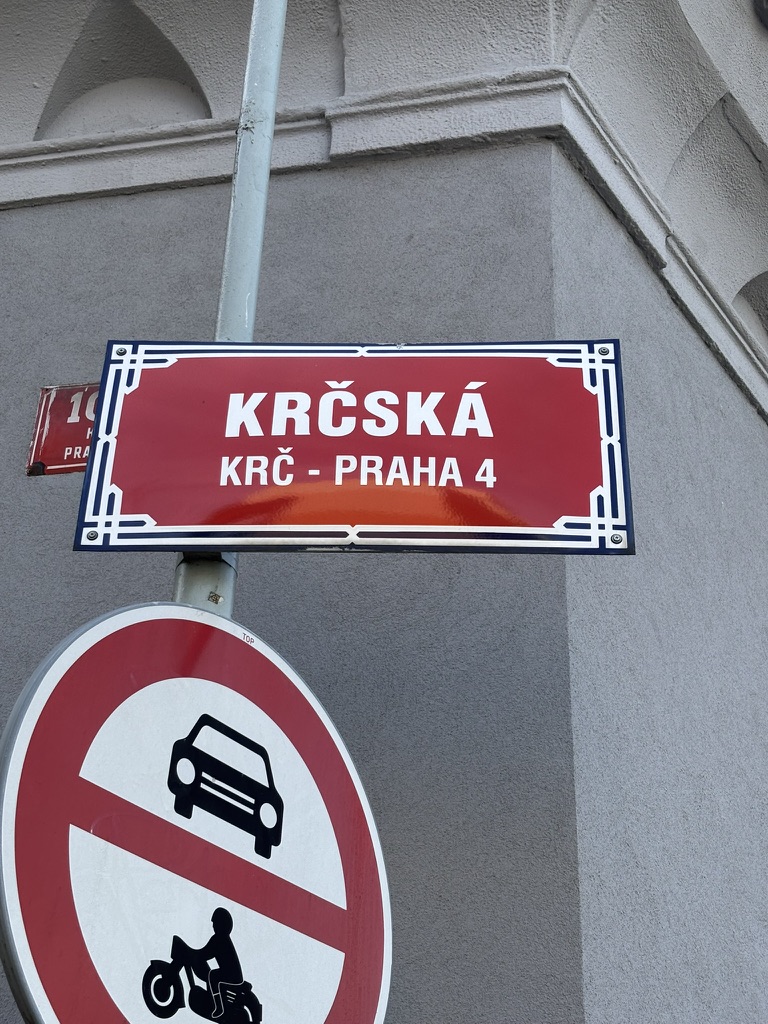
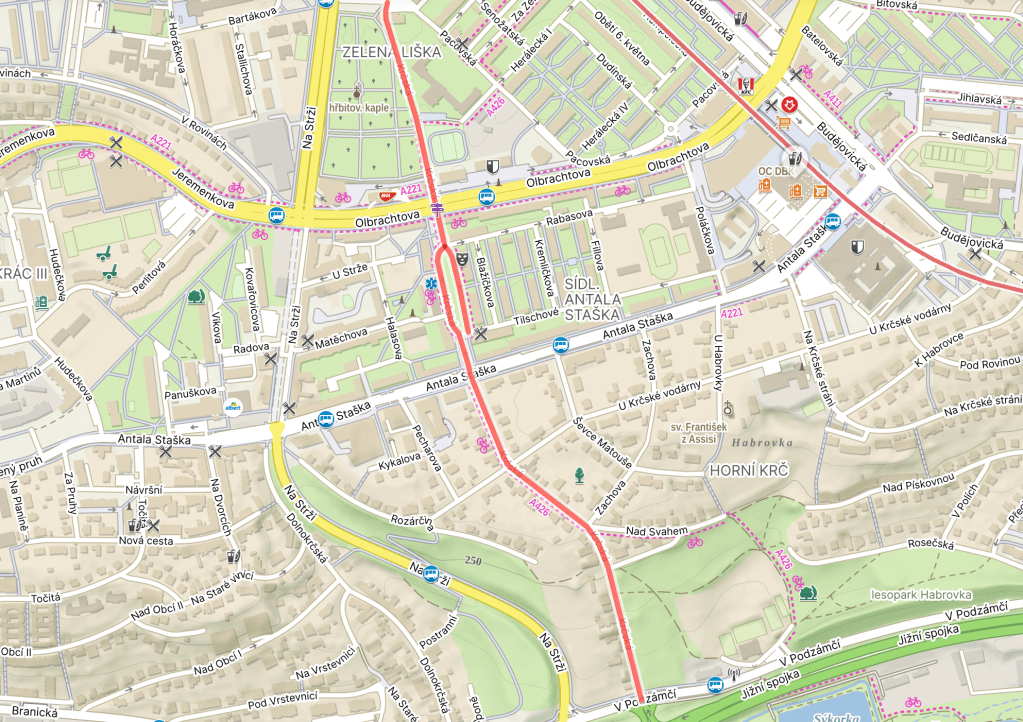
Until 1935, it was called Kozinova, after Jan Sladký-Kozina (1652–1695), leader of the Chod peasant rebellion. He’s still got a street in Hostivař, but the uprising is covered a little on https://whatsinapraguestreetname.com/2024/01/30/prague-2-day-25-chodska/ (and do check out the Chods – interesting people).
Meanwhile, the first mention of Krč that we know of – or, being accurate, Carrium, because that text was in Latin – dates from 1222. Mentions were few and far between, clearly, as the second-oldest is from 1273.
During the Hussite Wars (1419-1434), the Prague Hussites took over the villages of Upper Krč and Lower Krč. They were confiscated from them in 1547, but then purchased by Prague’s Old Town in 1586.
In 1628, during a decade in which Hussites were stripped of most of their property post-Bílá Hora, Krč x 2 was given to the Havel Monastery – itself confiscated from Hussites and given to the Carmelite Order a year earlier (https://whatsinapraguestreetname.com/2024/10/08/prague-1-day-175-havelska/).
By 1900, Lower Krč had about 1,350 inhabitants, and was part of Nusle; Upper Krč was smaller, with about 820 inhabitants, and was part of Královské Vinohrady.
By 1922, the villages had a combined population of 3,700; on 1 January of that year, they, like so many other districts, became part of Greater Prague.
Obviously, there are things to look at all over Krč, but, as this series is currently a good way into the district – with a long way to go – I’ll try to show those whenever we get to the streets they’re in.


Leave a Reply