Originally published on X on 13 and 14 November 2023 (there was quite a lot to get through, as you’ll see).
No street sign, but I could hardly get away with not writing a post about this one.
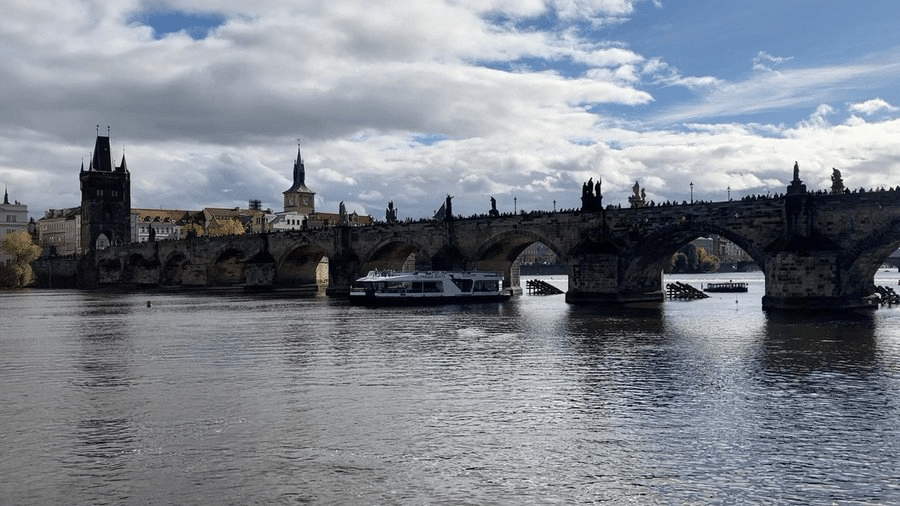
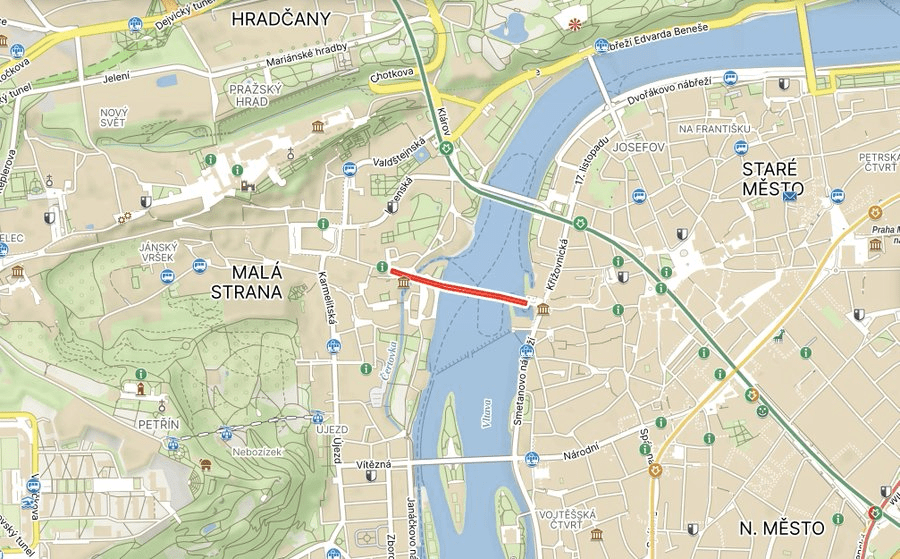
In 1172, Prague got its first stone bridge, built by King Vladislav II and named Juditin Most after his wife, Judith of Thuringia. It survived until a flood in 1342 and was replaced by a wooden bridge until there was a plan (and money) for something a bit more permanent.
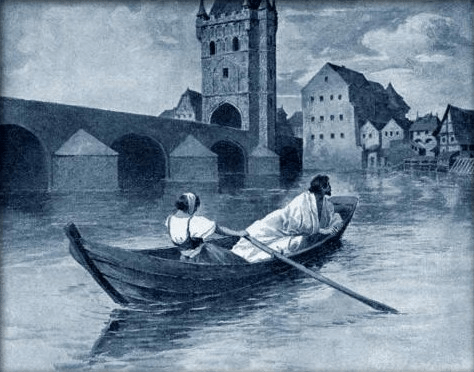
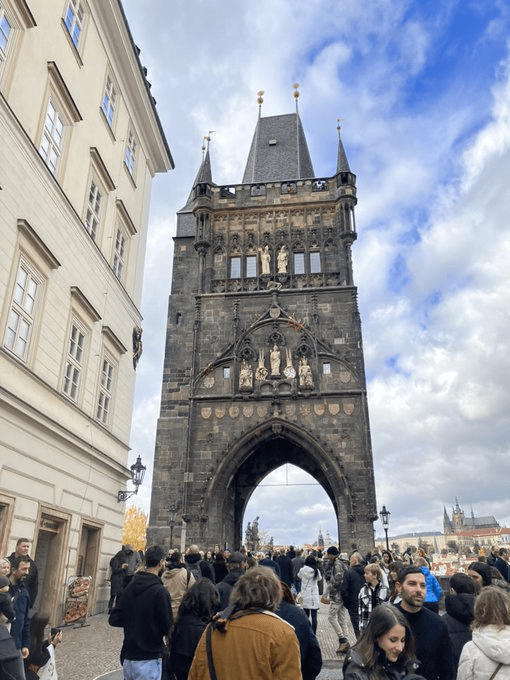
The Judith Tower is on the Malá Strana side of the bridge, and this 2010 article has some incredible underwater pictures of the bridge’s remains: https://www.idnes.cz/technet/reportaze/v-ledove-vltave-se-foti-nejlepe-podivejte-se-na-prvni-fotografie-juditina-mostu.A100129_173955_tec_reportaze_kuz
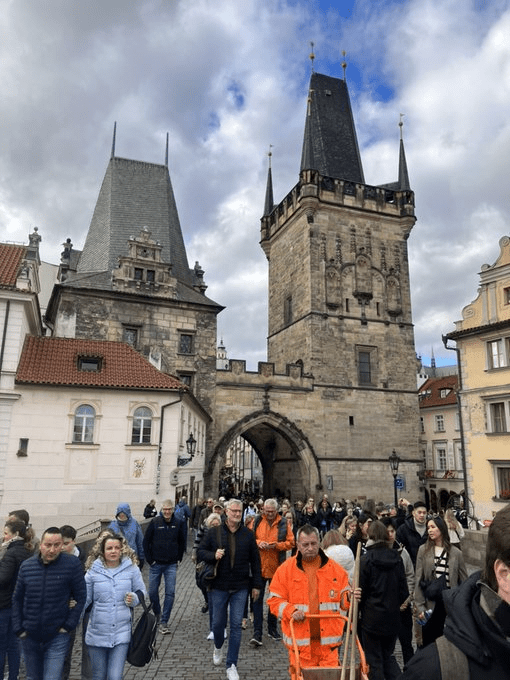
Work on the replacement began in 1357 or 8; compared to the Judith Bridge, it had fewer arches, was higher, and had deeper pillars. It was designed by Matthias of Arras, Peter Parler, Bohemian stonemason Oto, or none of the above, depending which source you prefer to believe.
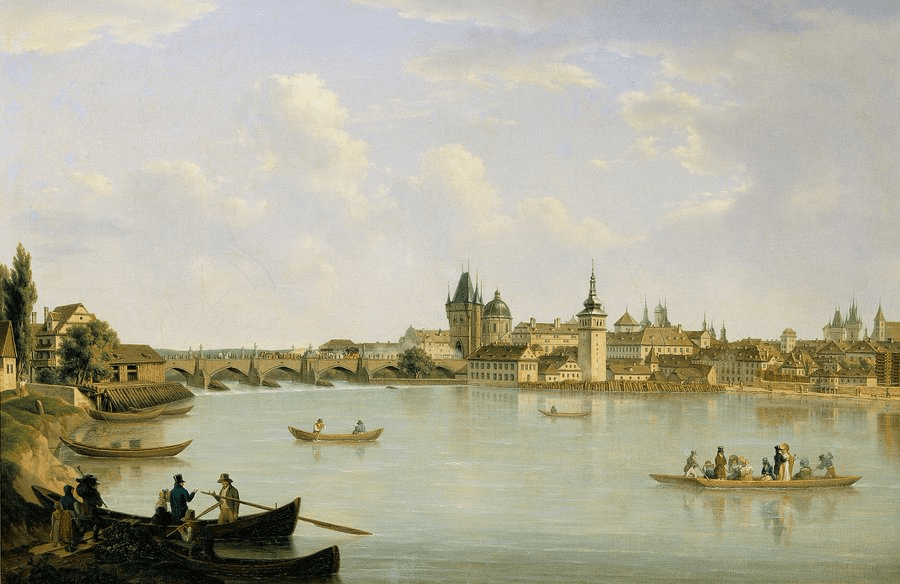
By 1406, the bridge was open and the Kingdom of Bohemia had spent a heck of a lot of money on it. A toll was charged for anybody who wished to cross, and this wouldn’t be abolished for over 400 years.
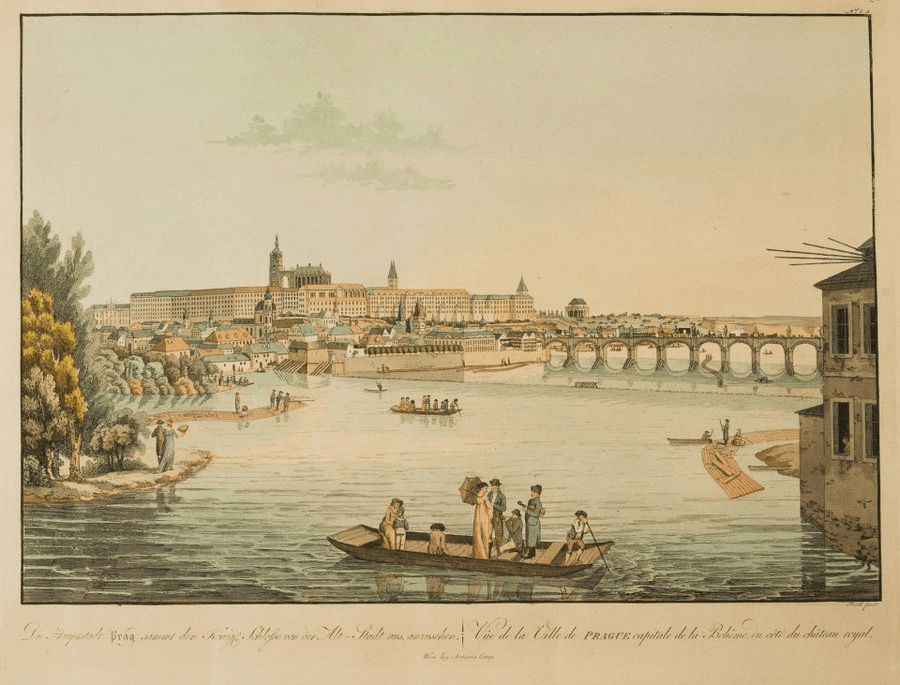
Until 1828, the bridge also welcomed small businesses, usually selling food. The bridge also used to have an electric tram (1905 to 1908), buses (1908-9 and 1932-1946 or so), and, until 1965, cars.
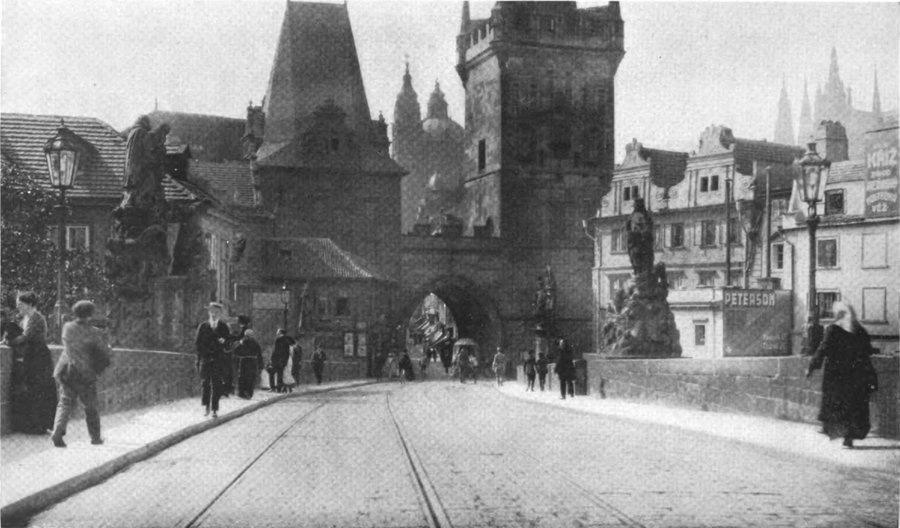
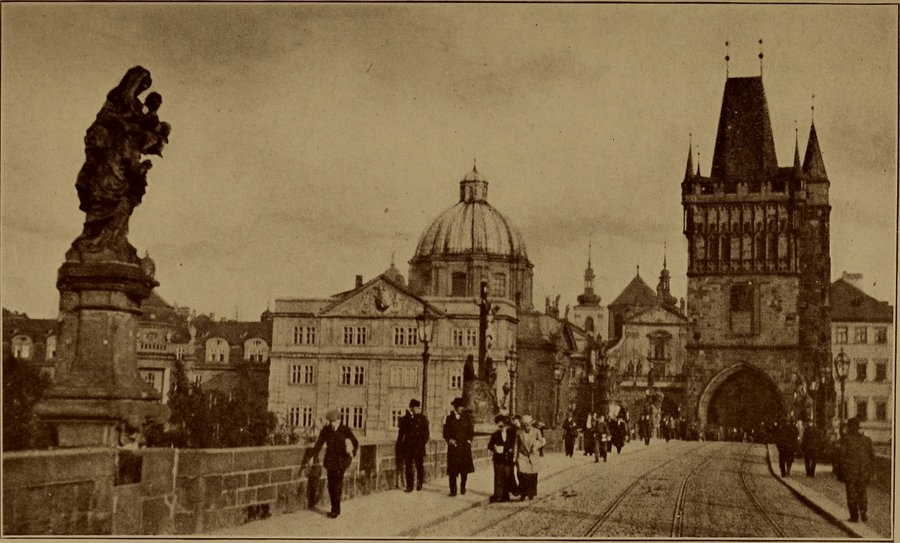
The improved construction didn’t stop the bridge from getting flooded again – after one flood in 1432, the ensuing repairs would last 71 years – but the most famous flood came in 1890. Two pillars collapsed, three arches were washed away, and two statues fell into the Vltava.
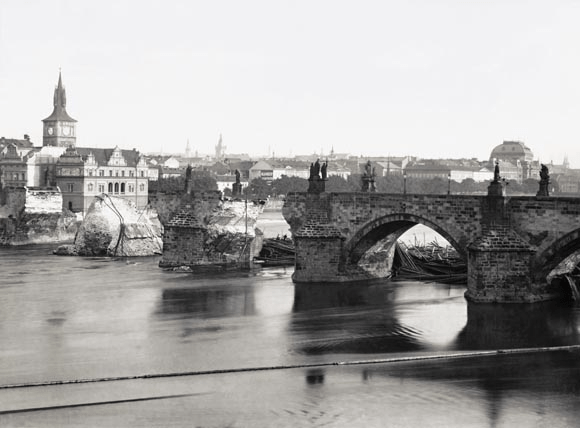
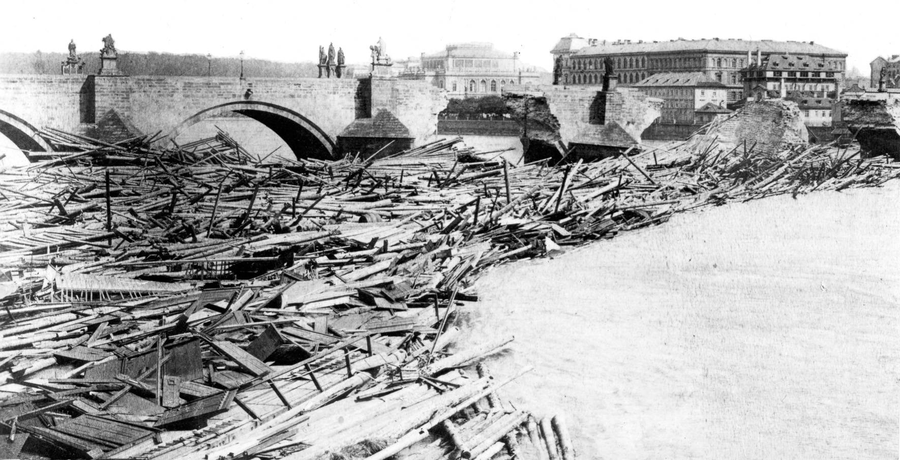
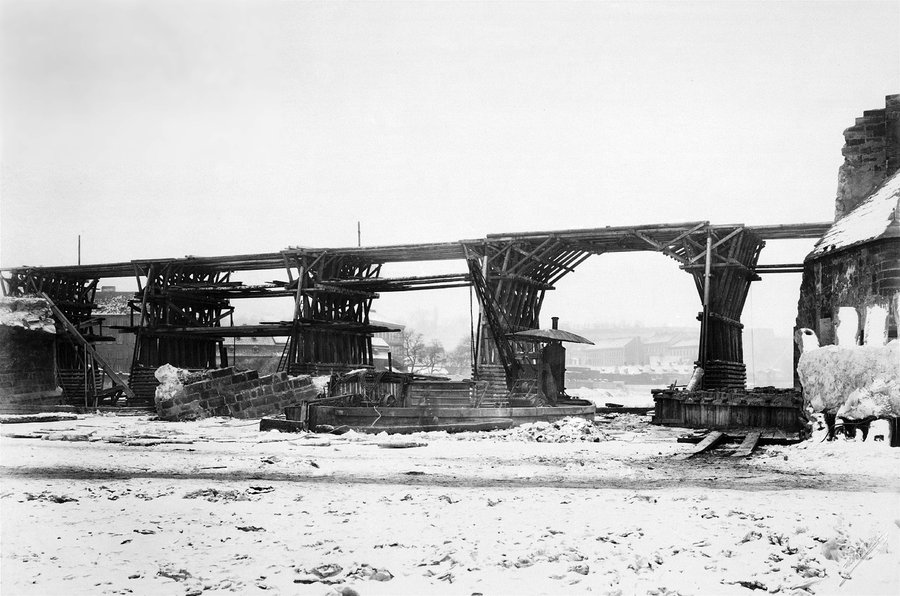
Thanks to the work of the architect Josef Hlávka, the collapsed parts were back in place in 1892 and the two fallen statues were rescued from the water.
Charles Bridge also escaped major damage during the Prague Uprising of 1848, but, if these artworks are accurate, it was a close shave.
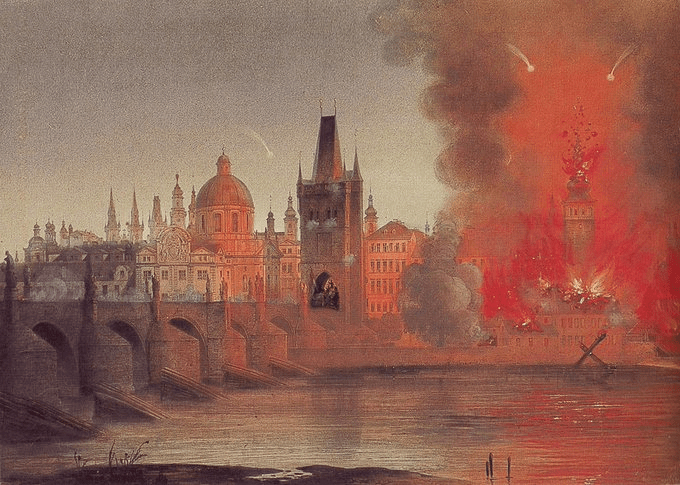
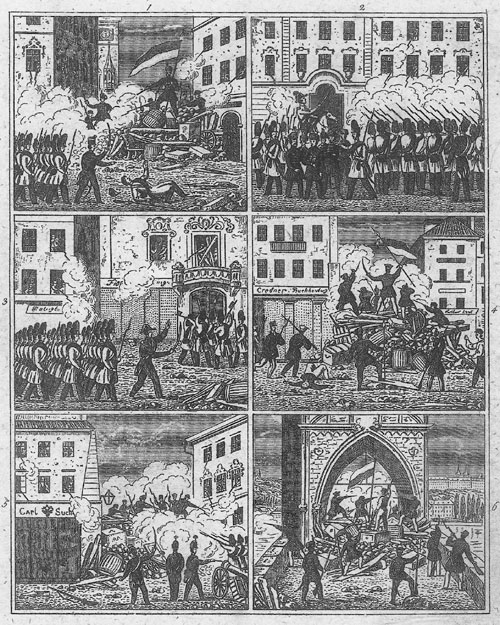
Further reconstruction work (1965-78) solved some problems, but exacerbated others, and yet more reconstruction took place between 2007 and 2010. Unfortunately, this too has resulted in the need for further corrective work.
https://whc.unesco.org/en/soc/411/ provides a good timeline.
Charles Bridge is also good at bringing out people’s inner idiot, such as in 2019: https://kafkadesk.org/2019/07/17/charles-bridge-graffiti-vandals-arrested-in-prague/
And in 2021: https://english.radio.cz/charles-bridge-sprayed-graffiti-8722569
A special mention for the Google Doodle of 9 July 2017 (even if they seem a bit too certain that 1357 is correct and 1358 definitely isn’t): https://doodles.google/doodle/660th-anniversary-of-charles-bridge/
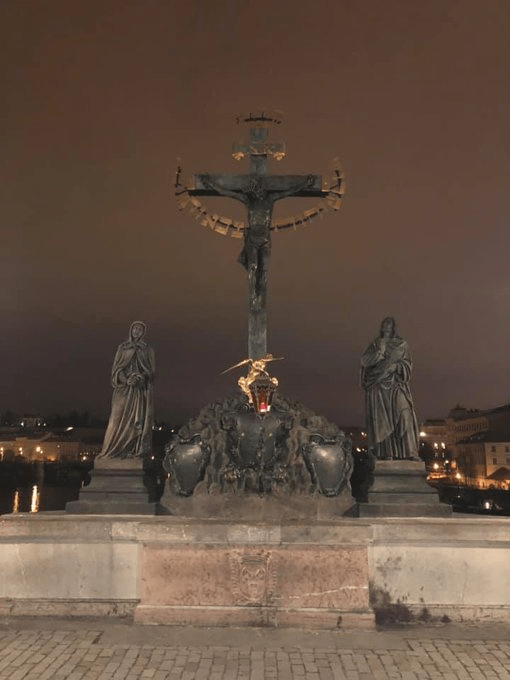
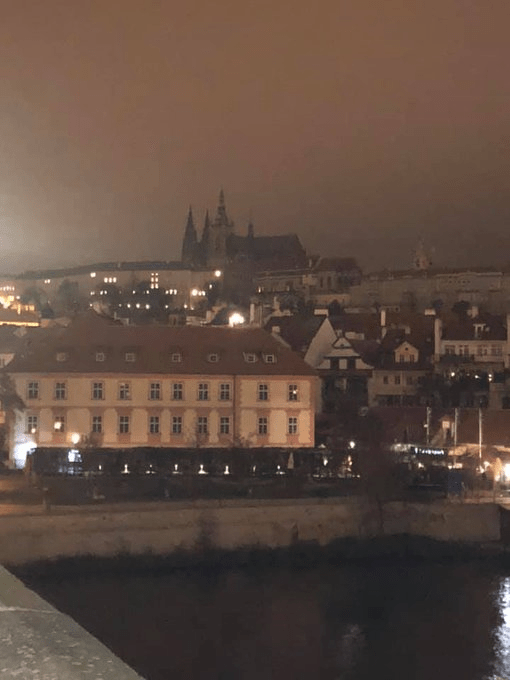
On my birthday in December 2020 (when drinks down the pub were not an option), I got up very early and experienced Charles Bridge when it was (almost) empty.
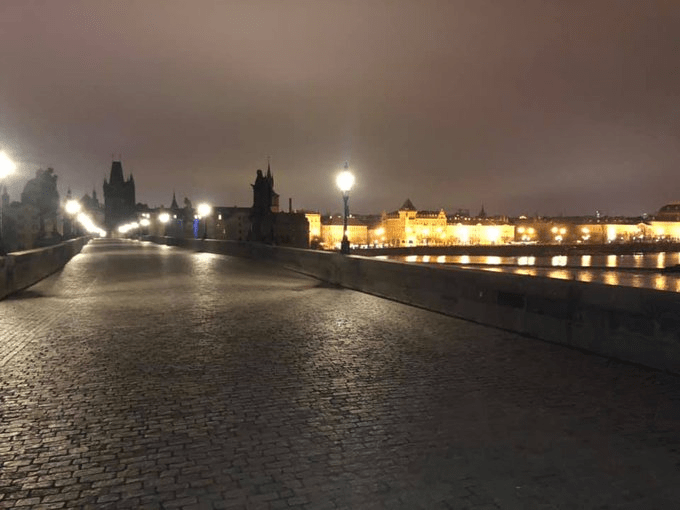
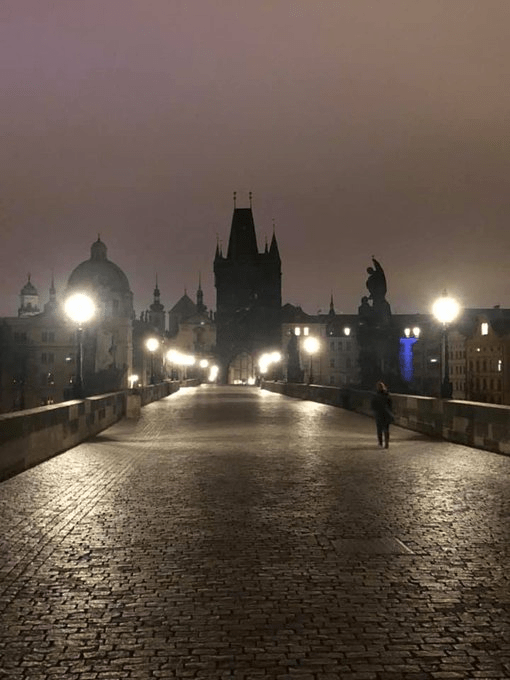
I wouldn’t recommend December 2020 to anyone, but I would recommend this.
Part 2 begins here
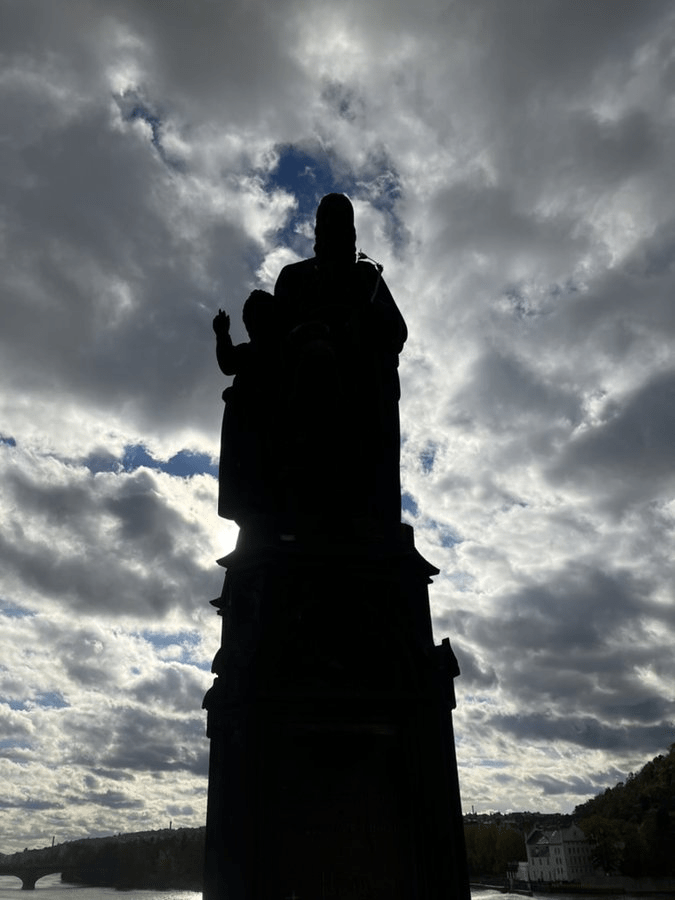
When preparing for this thread, I took pictures of every statue on the bridge. Then, when I wrote a thread, I used none of them. This feels like a shame, so here’s your guide to all thirty statues, one by one.
Obviously, many of are replicas, and not every photo makes the features of the statue itself particularly visible (crowds / patience / etc.).
These are in order of appearance (if you start on the eastern side of the bridge, walk along the northern side, and then walk back, looking south).
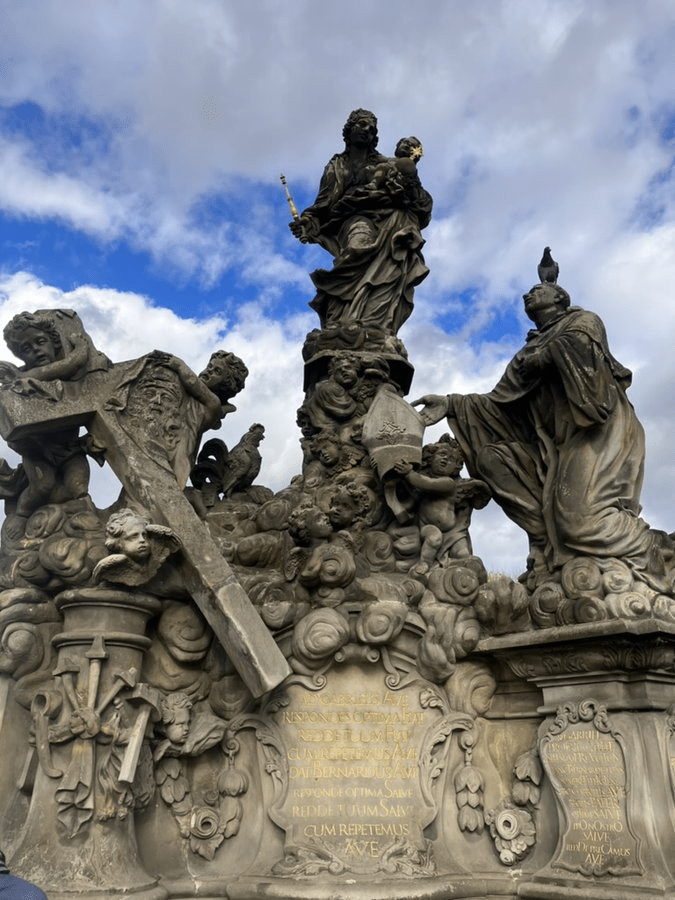
Madonna and St Bernard (originally by Matěj Václav Jäckel – a Sorb – in 1709; remade from 1978 to 1980).
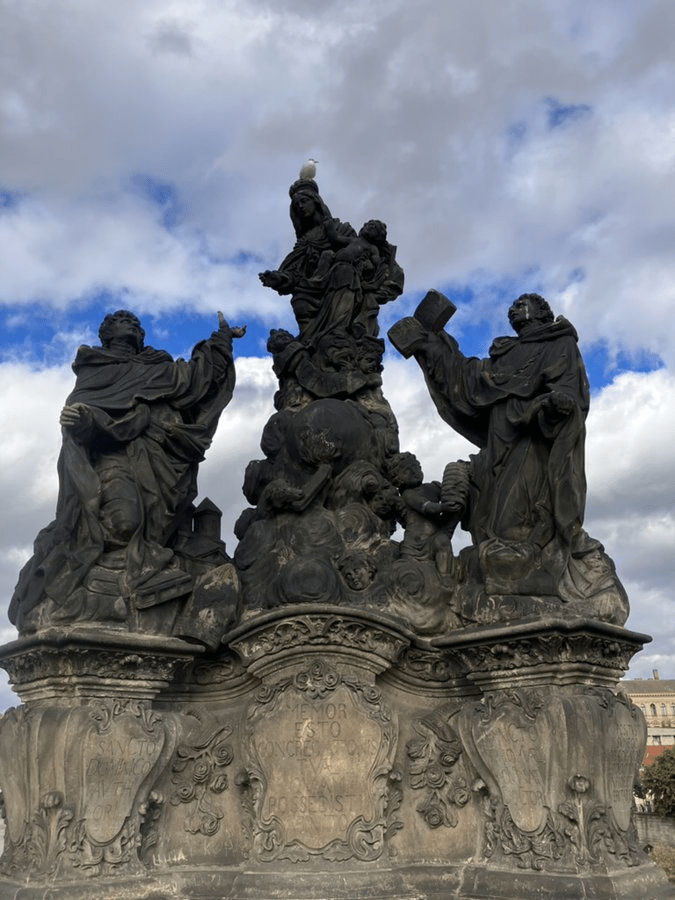
The Madonna, St Dominic and St. Thomas Aquinas (also by Jäckel, 1708; remade from 1958 to 1961).
The Calvary – made by Wolf Ernst Brohn around 1628, and brought to the bridge in 1657; it’s rumoured that a crucifix was in this spot from the every early days of Charles Bridge’s existence. This is the oldest statue on the bridge, and has been replaced several times.
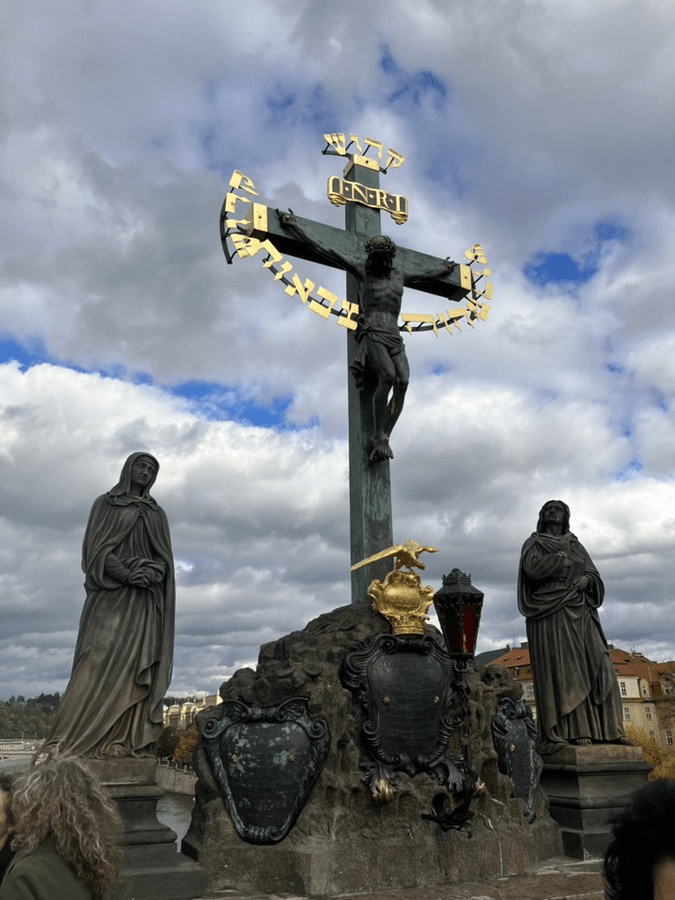
Saint Anne (again, by Jäckel, 1607; replica from 1999).
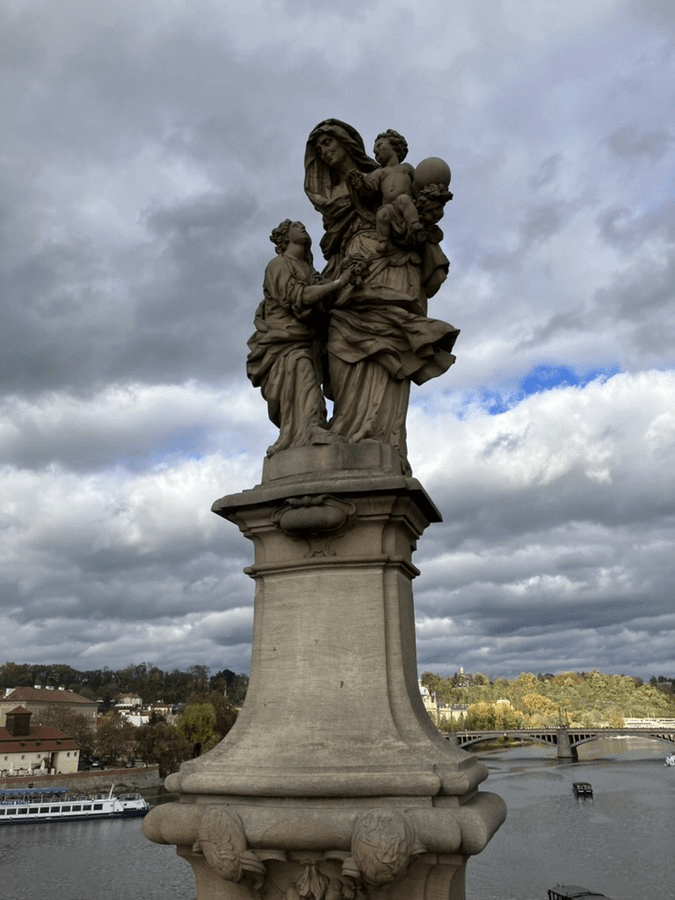
St. Cyril and Methodius (created by Karel Dvořák from 1928 to 1938, having been commissioned to celebrate ten years of Czechoslovak independence).
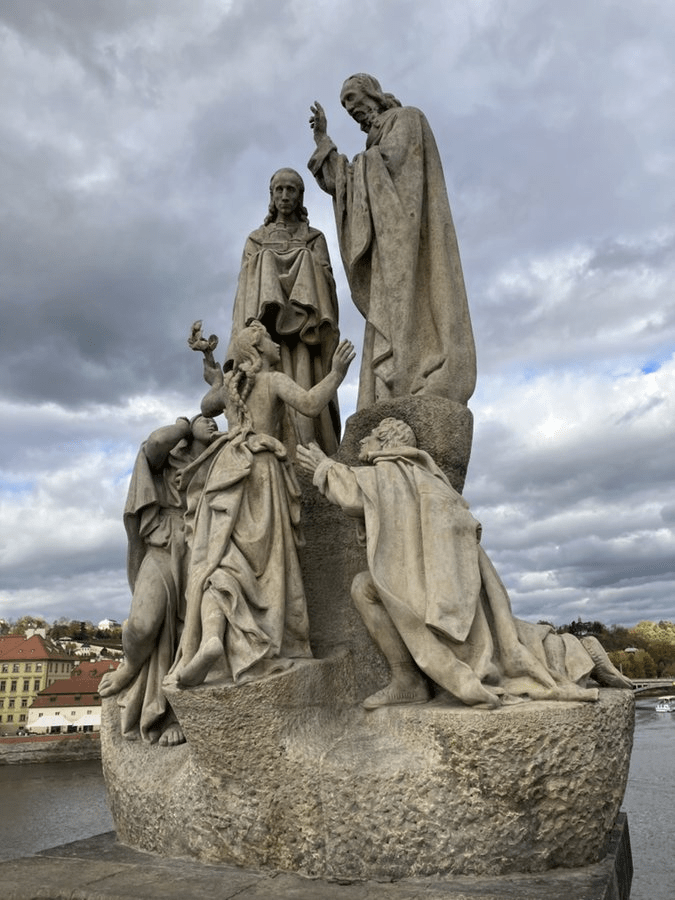
St John the Baptist (by Josef Max, 1855), replacing a larger sculpture showing John baptising Christ, damaged during the Prague Uprising of 1848.
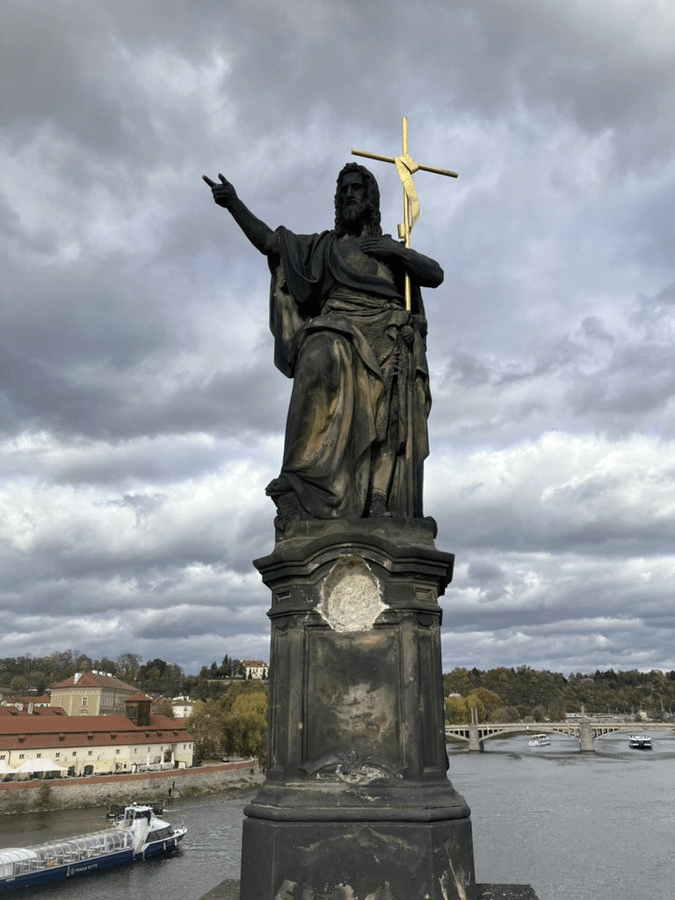
Saints Norbert, Václav and Zikmund (also by Josef Max, 1853, replacing an early statue which had deteriorated due to the low quality of its stone).
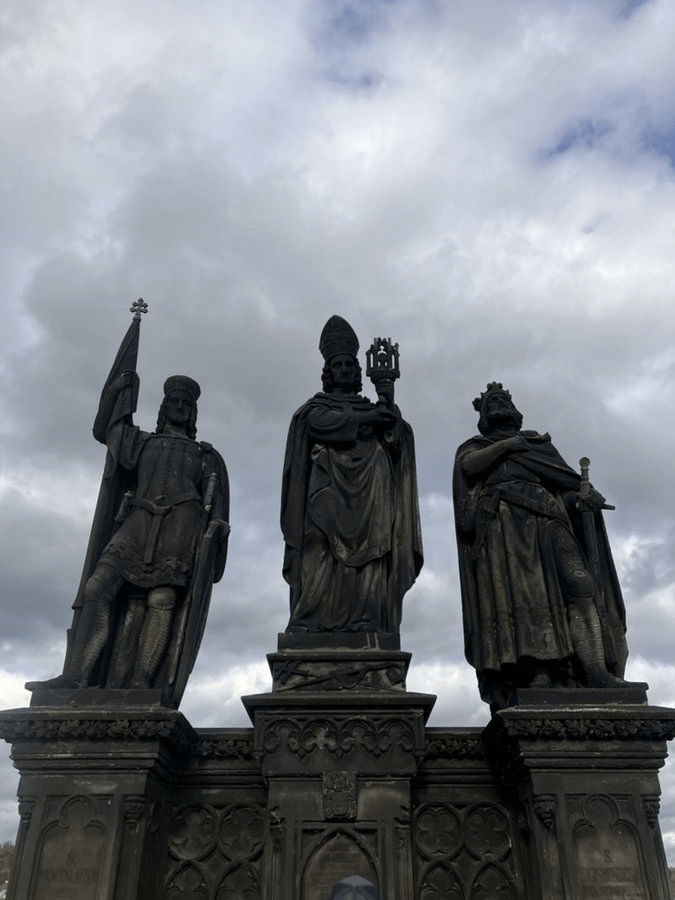
St. John of Nepomuk (cast by J.V. Herold in 1683, based on a 1681 sketch by Matyáš Rauchmüller, and unveiled on what people then thought was the 300th anniversary of John being thrown into the Vltava).
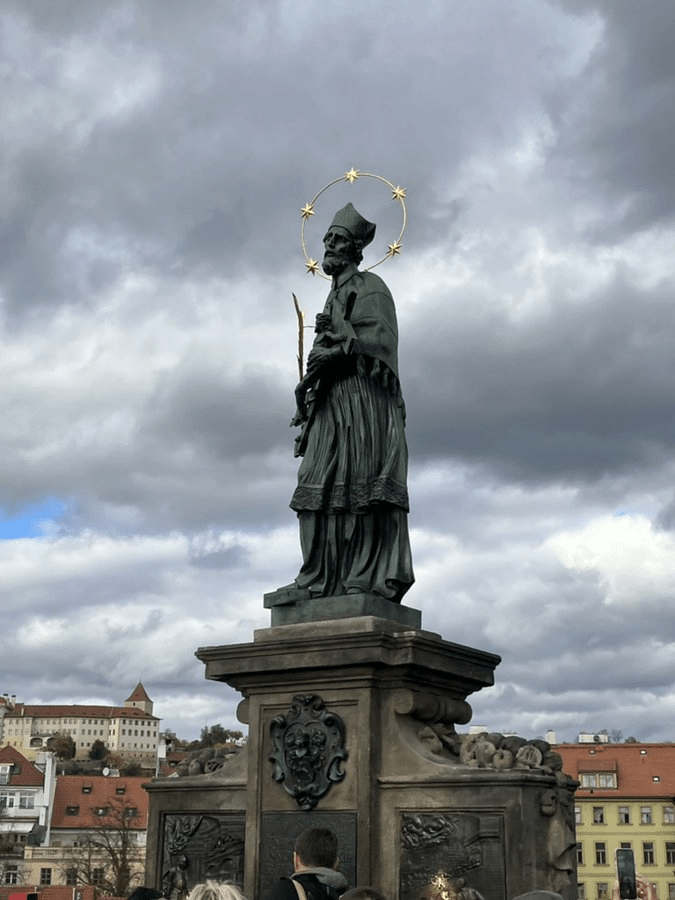
St Anthony of Padua (Jan Oldřich Mayer, 1707; vases on either side restored in 2010).
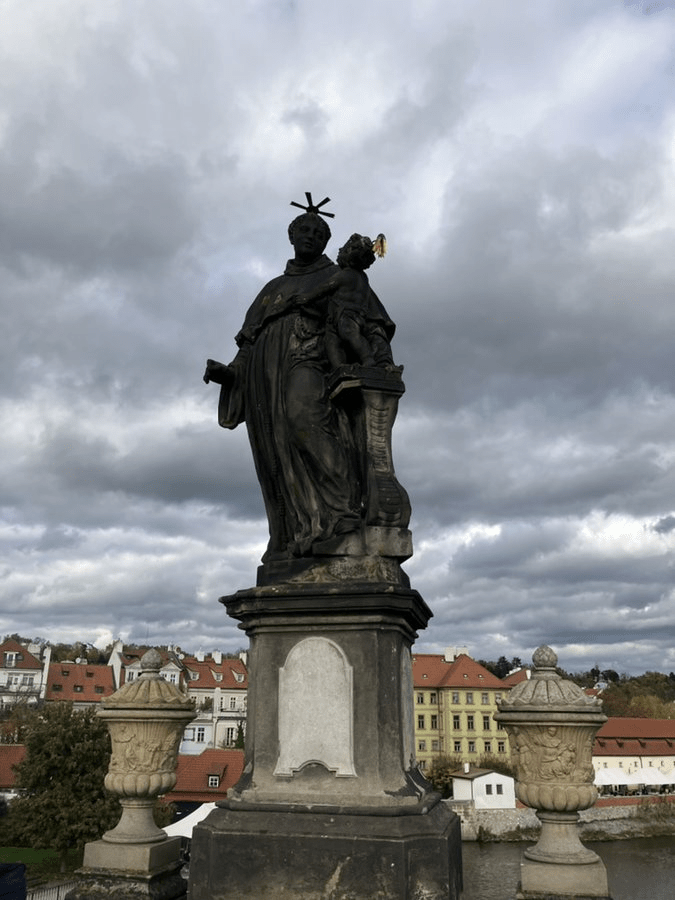
St Jude Thaddeus (also by Mayer, 1708).
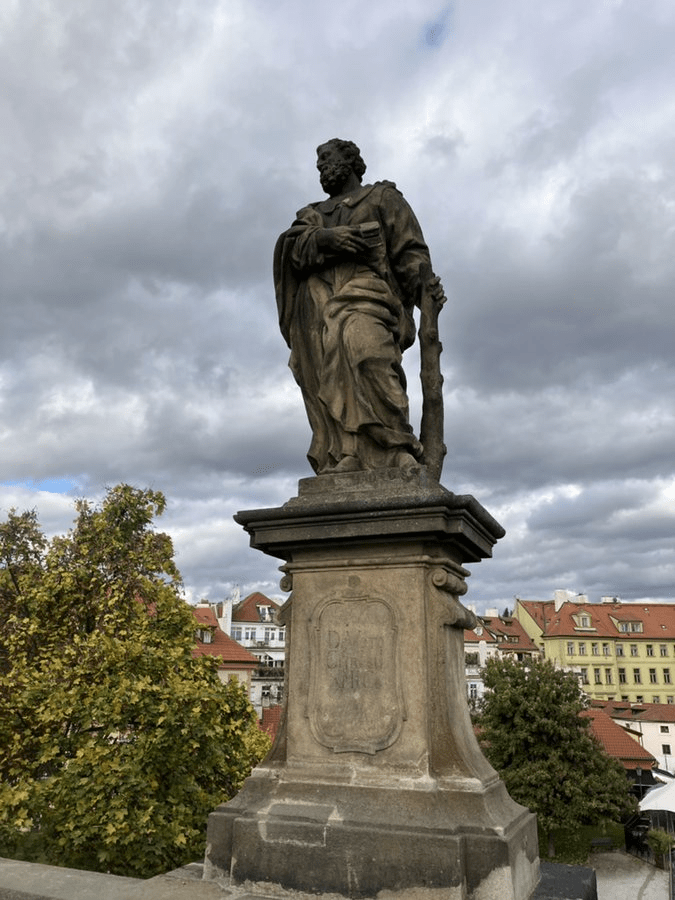
St Augustine (by either Jeroným Kohl or J.B. Kohl, 1708; replica from 1971).
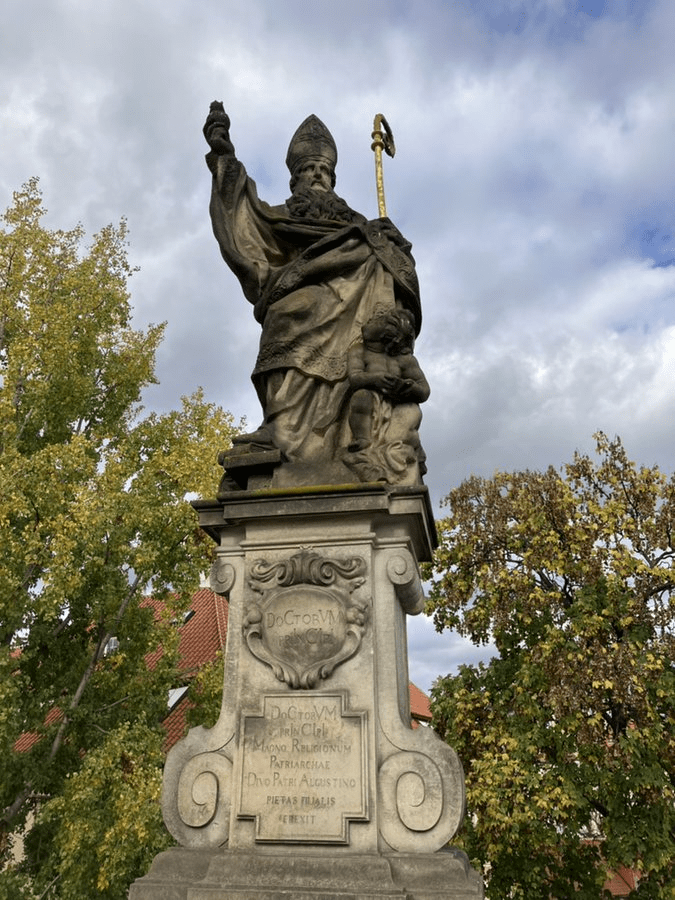
St Cajetan (Ferdinand Maxmilián Brokoff, 1709, donated by the church dedicated to St Cajetan on Nerudova: https://whatsinapraguestreetname.com/2024/09/08/prague-1-day-37-nerudova/).
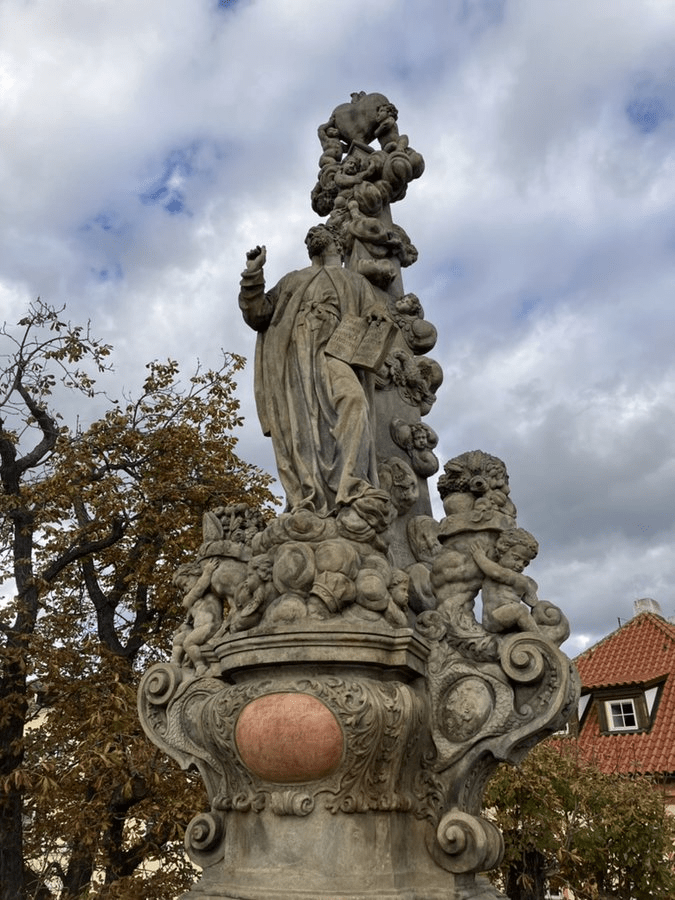
St Philip Benicius (Michal Bernard Mandel, 1914; replaced in 2000).
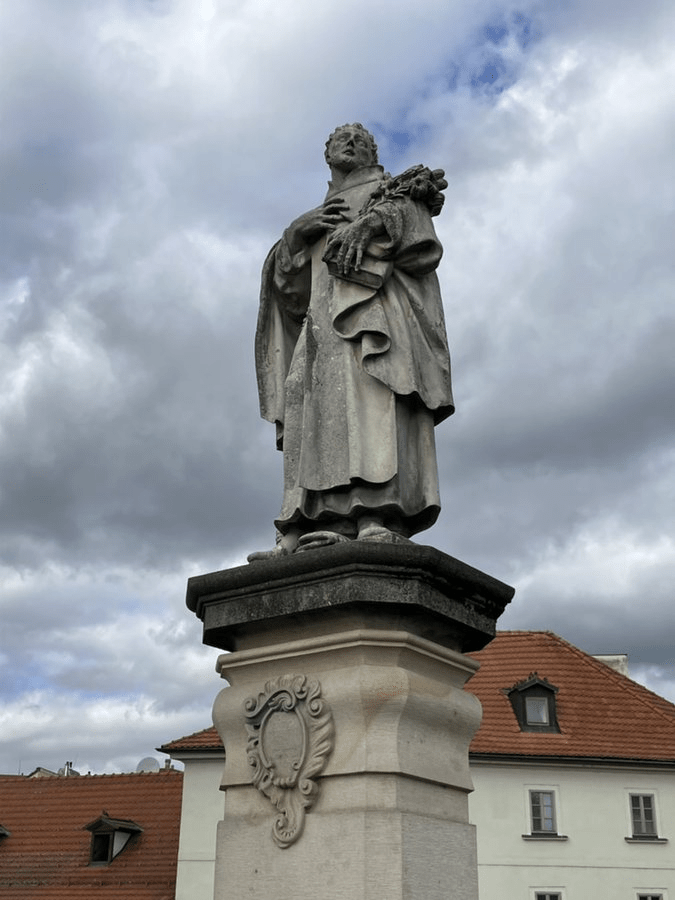
St Vitus (Ferdinand Maxmilián Brokoff, 1714, donated by the dean of the Vyšehrad Chapter: https://whatsinapraguestreetname.com/2024/08/26/prague-2-day-118-vysehradska/).
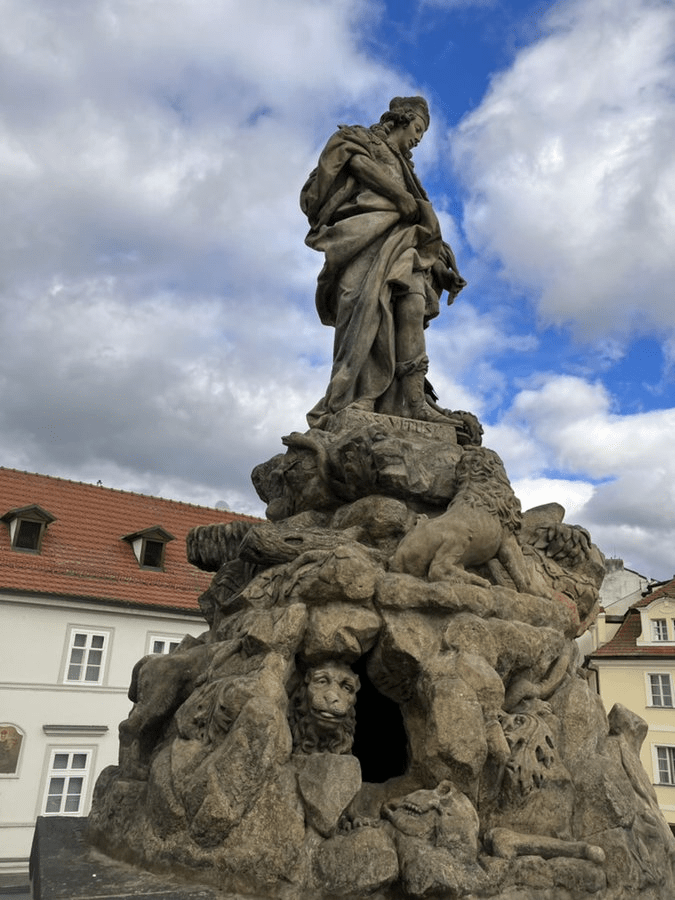
The Holy Saviour with Saints Cosmas and Damian (Mayer, again, 1709; restored between 2009 and 2013).
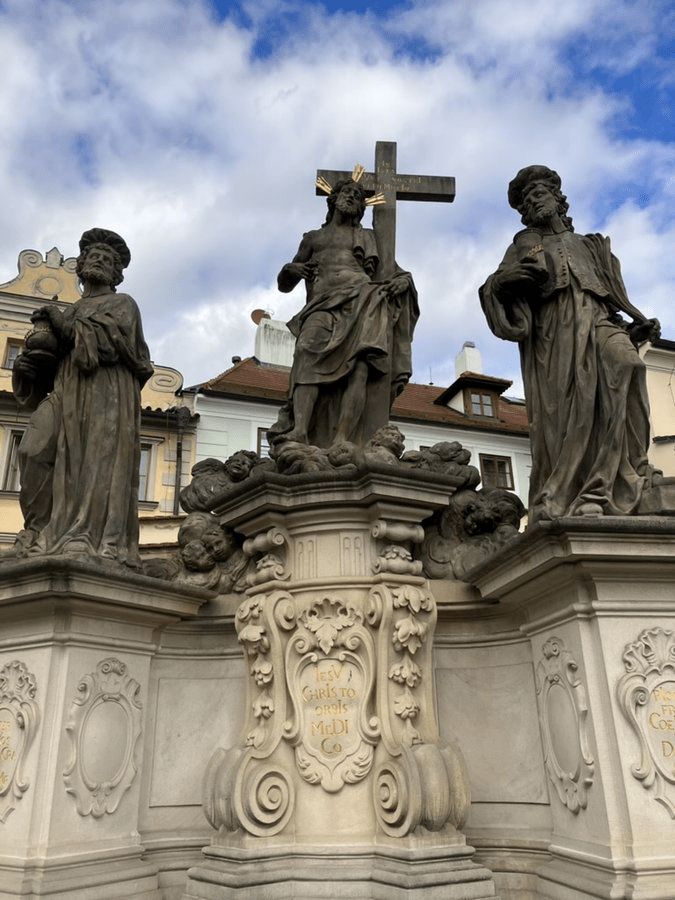
(On the south side and heading back east now)
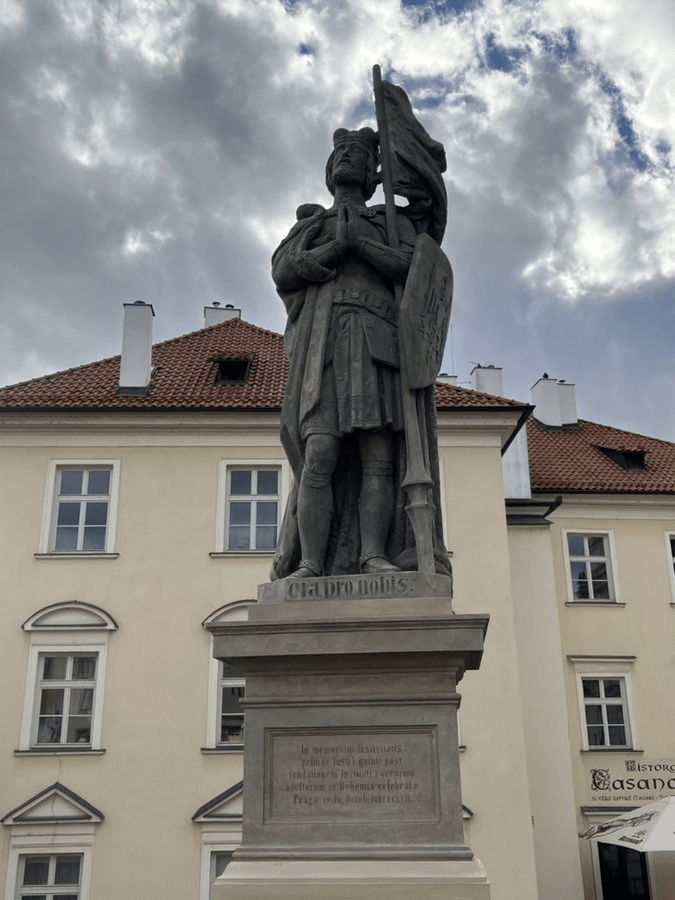
St Wenceslas (Josef Kamil Böhm, 1858, funded by the Klár Institute for the Blind – https://whatsinapraguestreetname.com/2024/09/08/prague-1-day-51-klarov/).
Saints John of Matha, Felix of Valois and Ivan (Ferdinand Maxmilián Brokoff, 1714). With extra peek inside.
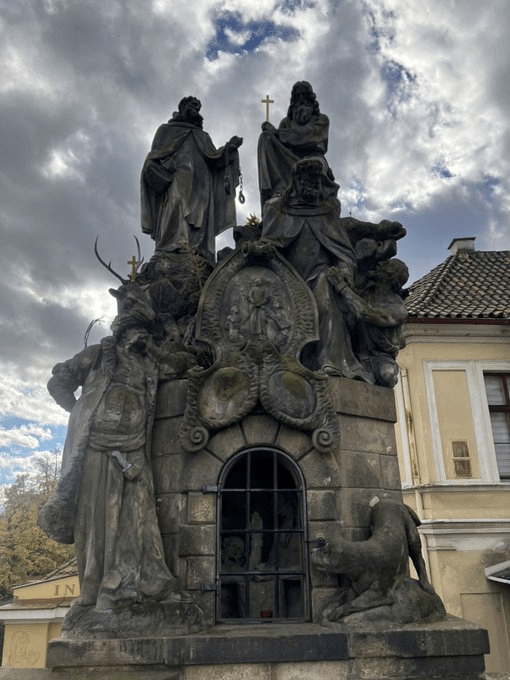
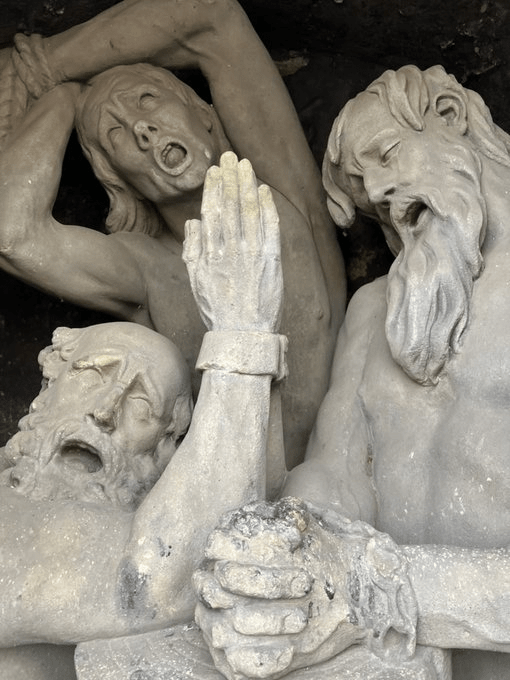
St Vojtěch (Ferdinand Maxmilián and Michal Jan Josef Brokoff, 1709; copy from 1973).
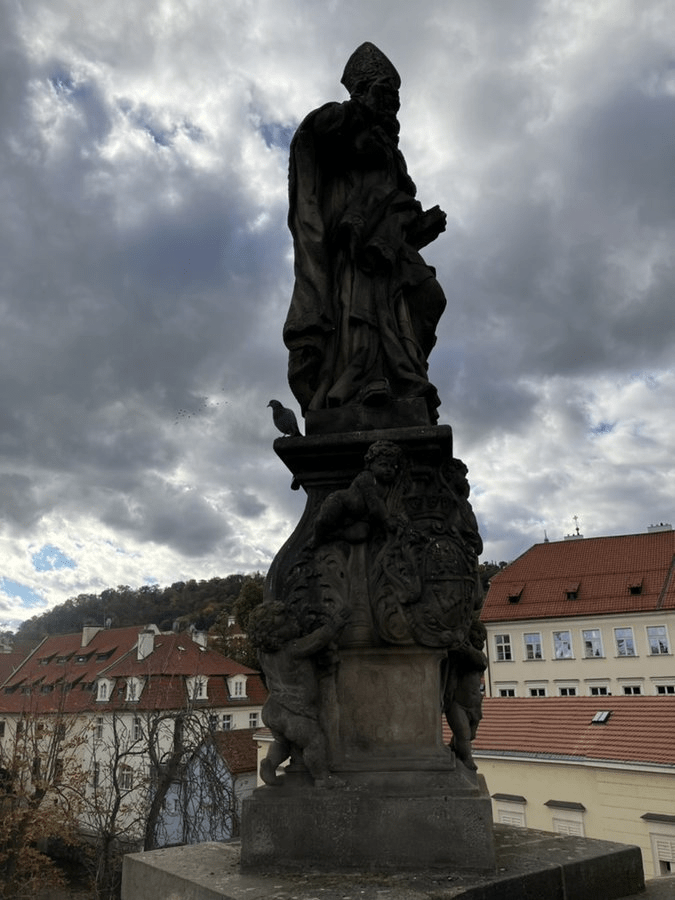
St Lugardis (Matyáš Bernard Braun, 1710; copy from 1995; copy not on display since 2020, as the pillar’s being repaired, which it just took me a half hour of scrolling through photos to realise): https://www.ghmp.cz/aktuality-plastika/socha-sv-luitgardy/
St. Nicholas of Tolentino (Jeroným Kohl or J.B. Kohl, 1708, copy from 1970).
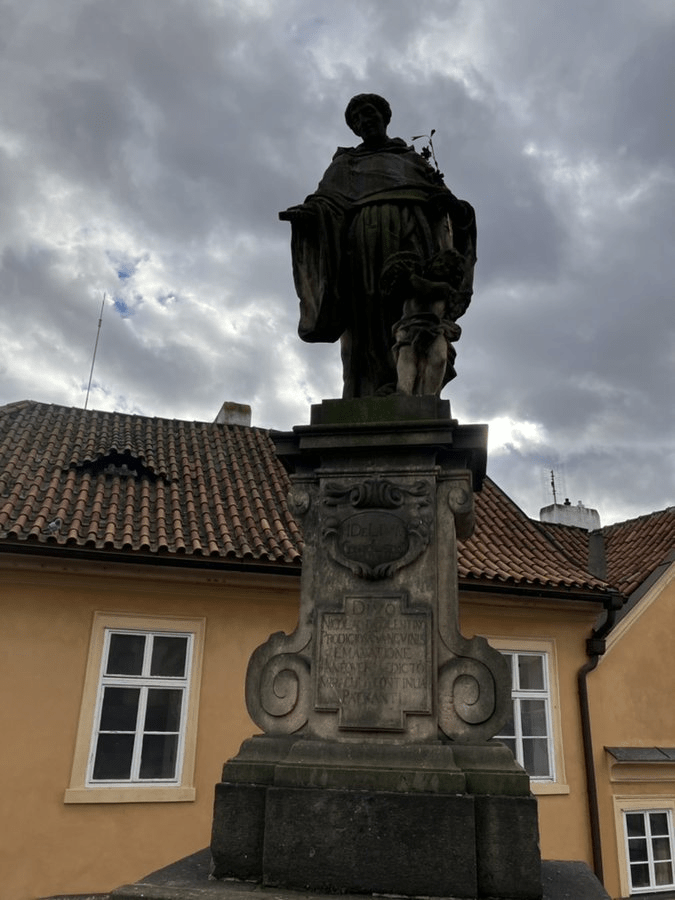
Saints Vincent Ferrer and Procopius (Ferdinand Maxmilián Brokoff, 1712; currently having stuff done to it).
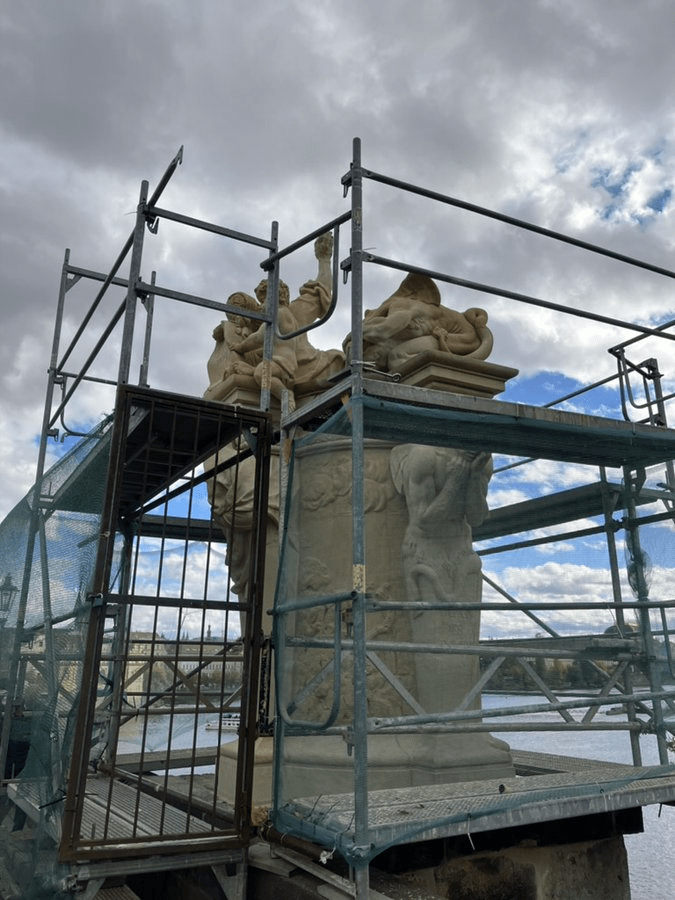
St Francis of Assisi (Emanuel Max, replacing an earlier statue from 1708).
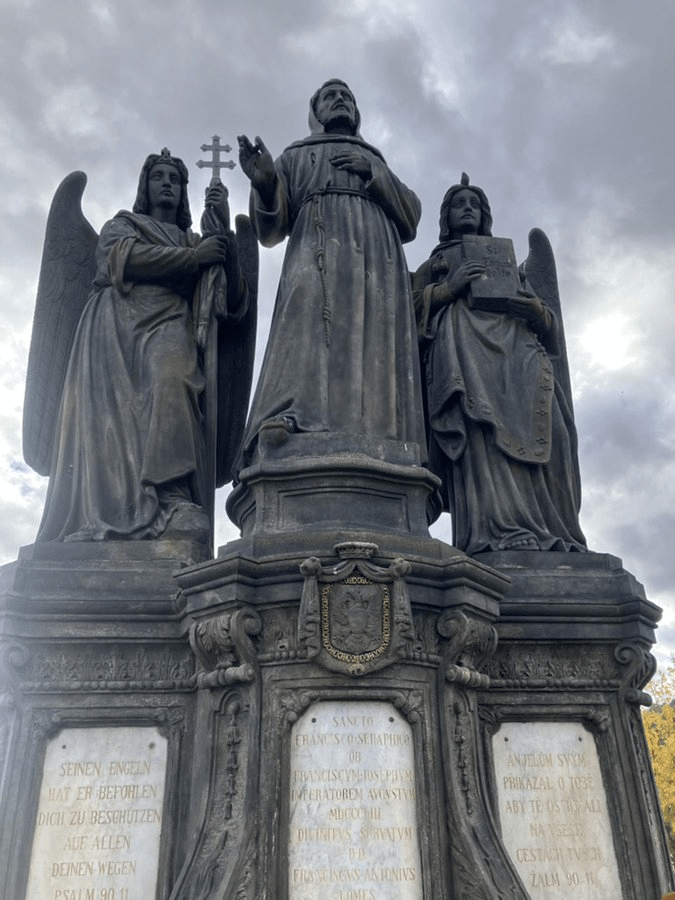
St Ludmila with a young St Wenceslas (Matyáš Bernard Braun, 1702; copy from 1999).
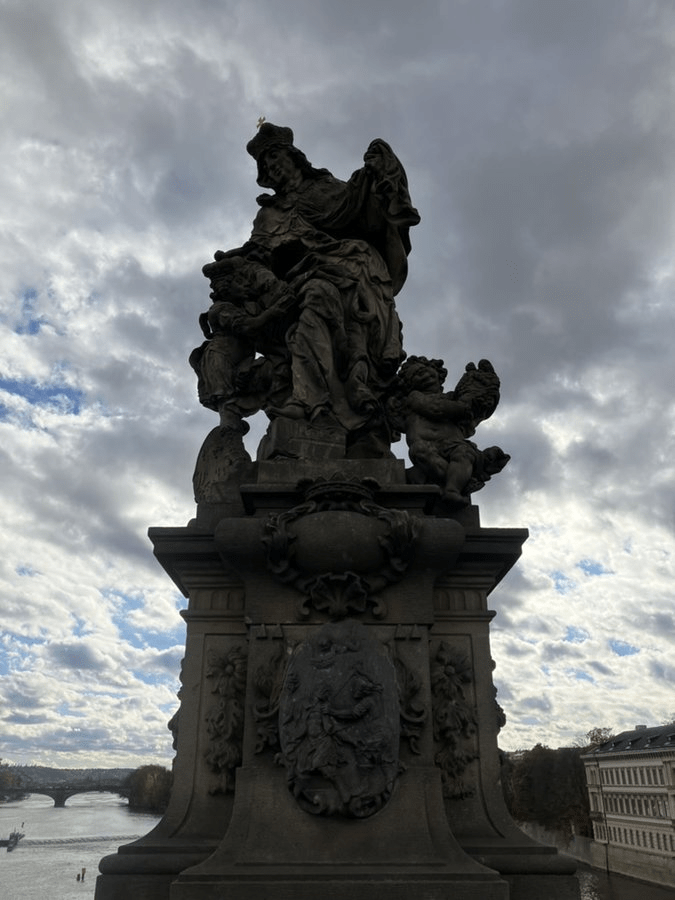
St Francis Borgia (Ferdinand Maxmilián Brokoff, 1710; replacement from 2017).
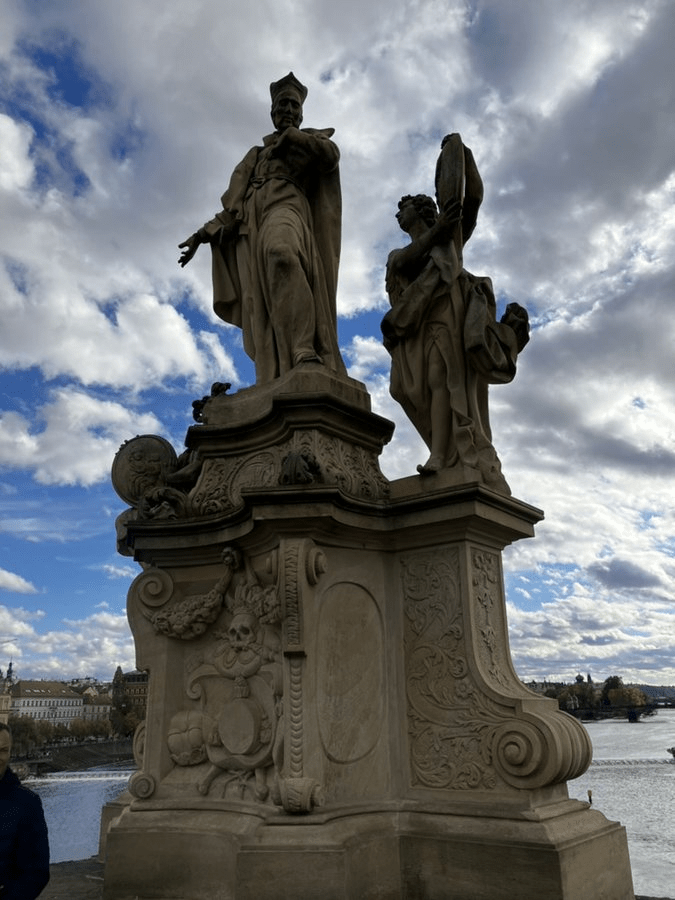
St Christopher (Emanuel Max, 1857).
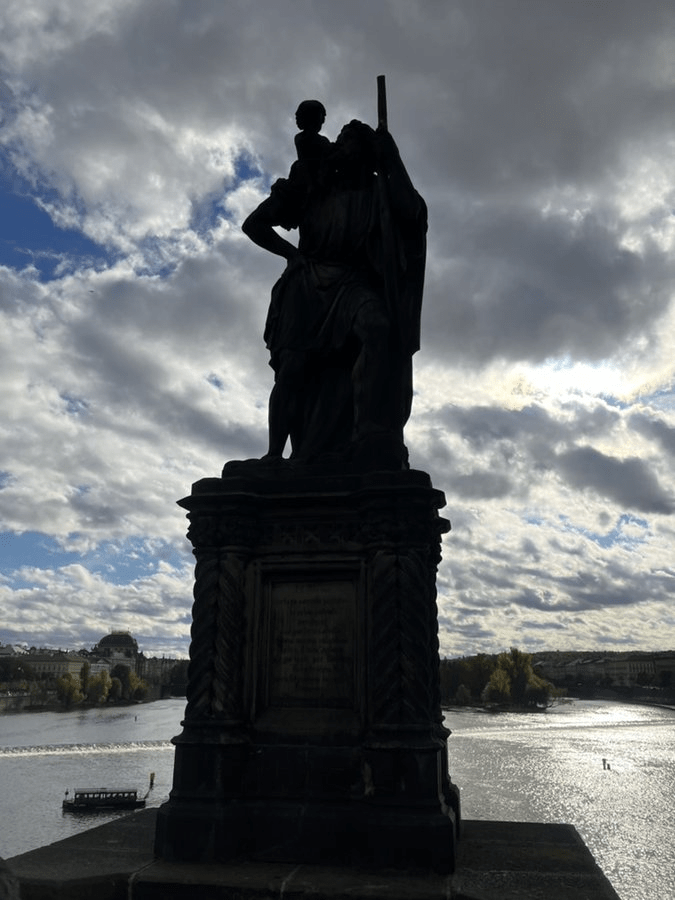
St Francis Xavier (Ferdinand Maxmilián Brokoff, 1711; one of the ones swept away in the floods of 1890; copy from 1913).
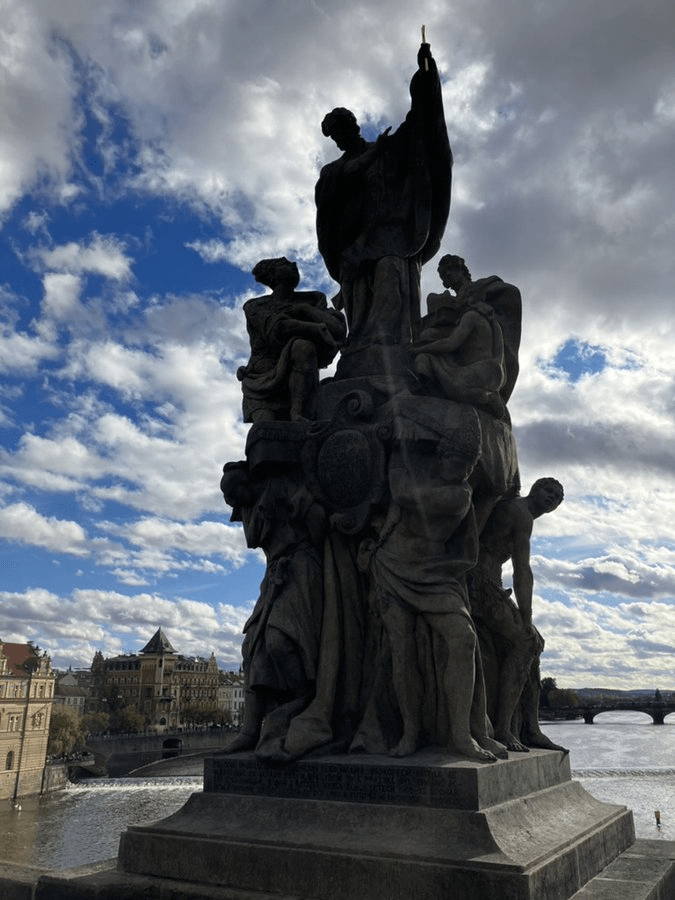
St Joseph with Jesus (Josef Max, 1854, replacing an original by Jan Brokoff from 1706 which was damaged by gunfire in 1848).


Leave a Reply