Antala Staška was built in 1935.
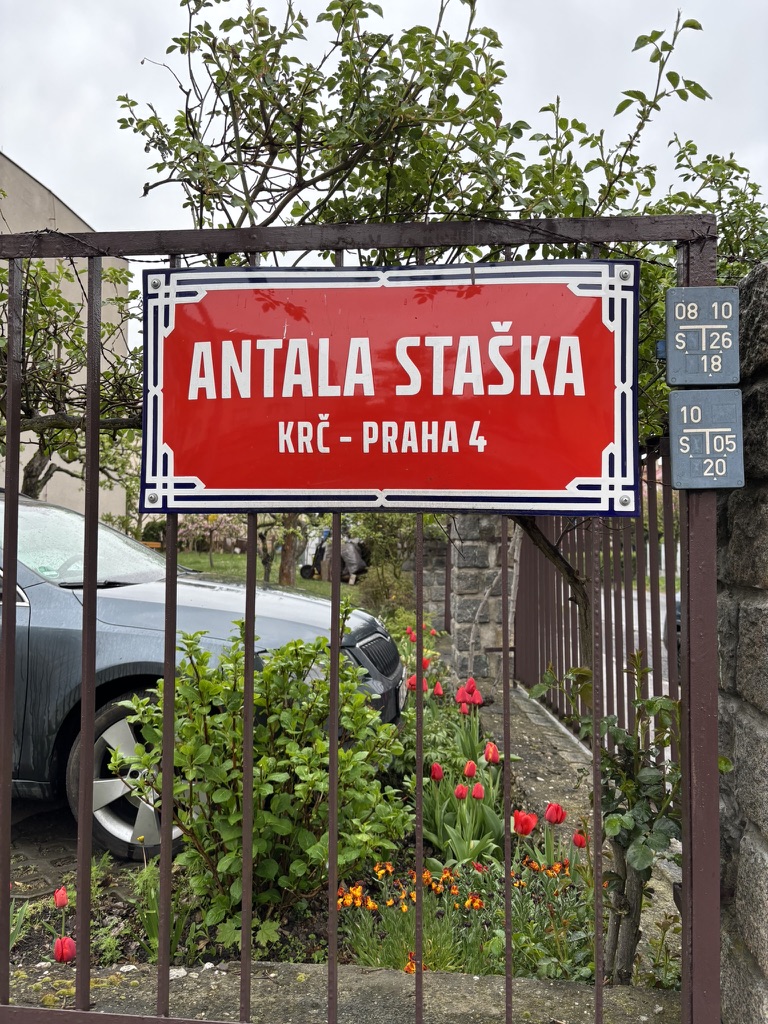
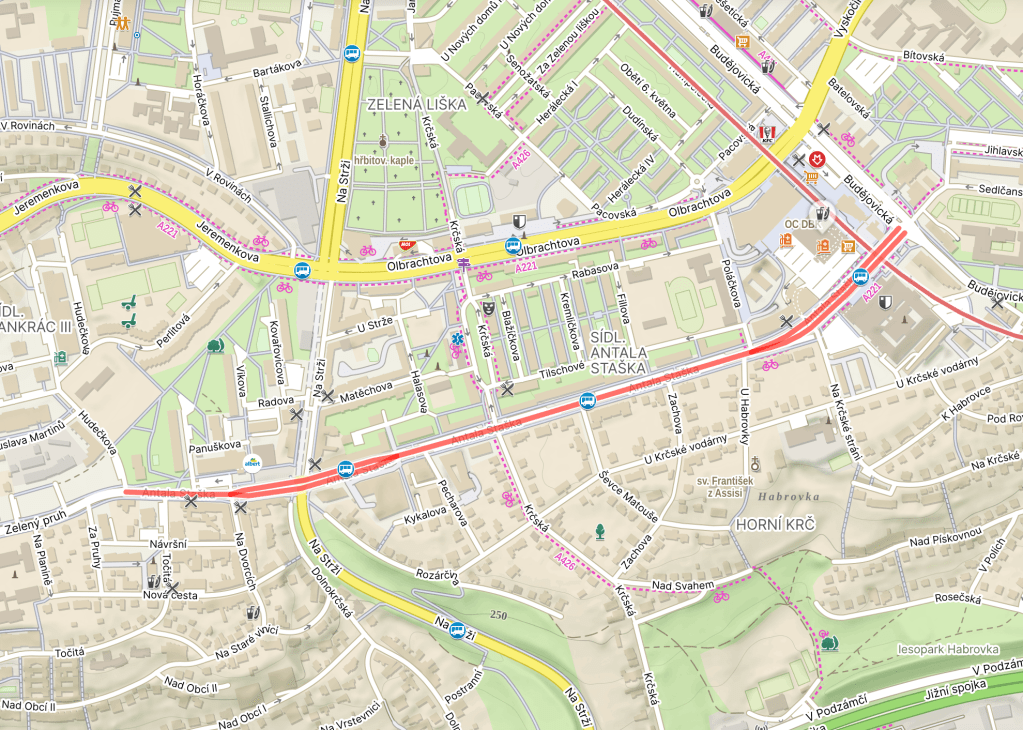
Until 1952, it was called U krčské vodárny II, which we’ll get onto in an imminent-ish post.
Antonín Zeman was born in Stanový, a village near Jablonec, in 1843, as the eldest of ten children. He went to school in Jičín (https://whatsinapraguestreetname.com/2023/02/26/prague-3-day-158-jicinska/) and Kraków.
He then studied law in both Kraków and Prague, graduating from the former (specifically Jagiellonian University) in 1869 and working as a lawyer in the latter from 1870 to 1873, during which time he befriended Jan Neruda (https://whatsinapraguestreetname.com/2024/09/08/prague-1-day-37-nerudova/).
It was in 1872 that his first literary work, an epic poem called Václav, was published. A study of Russian poet Ivan Turgenev would follow in 1873. Both were published under a pseudonym, Antal Stašek.
After a year as a private tutor in St Petersburg (1874 to 1875), Zeman worked as a lawyer in Semily from 1877, which was also the birthplace of his son, Karel, in 1882 (https://whatsinapraguestreetname.com/2026/03/30/prague-4-day-346-olbrachtova/ – the family seems to have been quite big on pseudonyms).
In the meantime, his first novel, Nedokončený obraz (An unfinished picture), was published in 1878. Stašek’s literary work had two main influences – socialism and the Podkrkonoší Mountains.
In the 1889 elections, Zeman/Stašek was elected to the Provincial Assembly, representing the Old Czechs and holding his seat until 1895.
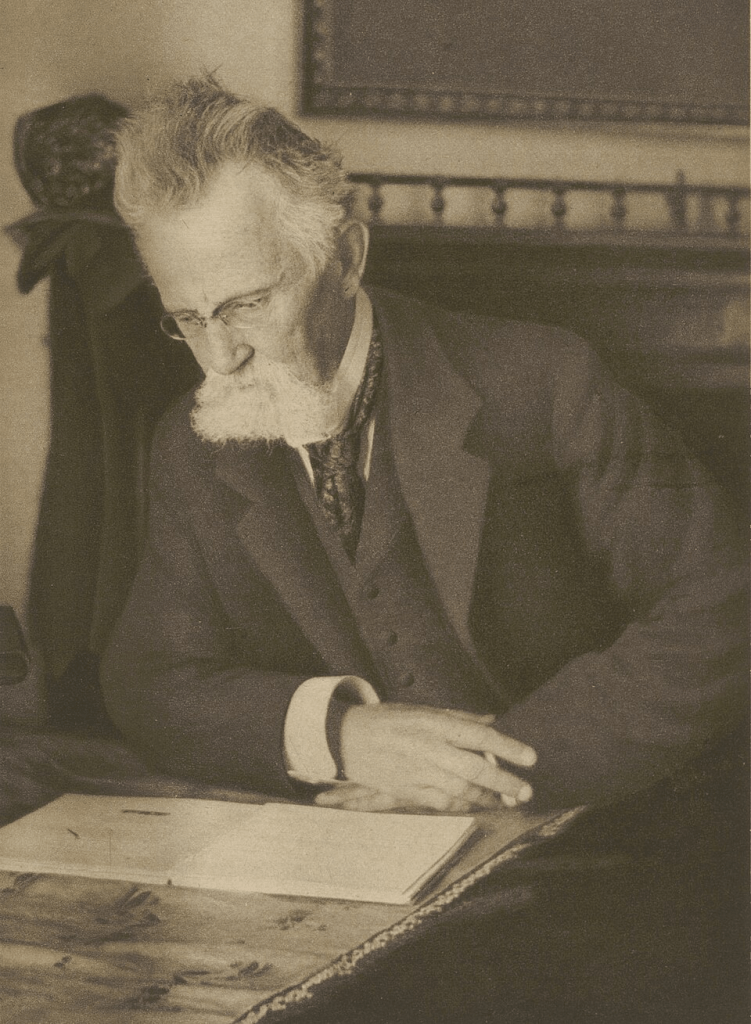
In 1913, Zeman/Stašek moved to Krč, living on U kola; after the war, he sat in the National Assembly as a deputy from 1919 to 1920.
Stašek’s most famous work, O ševci Matoušovi a jeho přátelích (About the Shoemaker Matouš and His Friends) was serialised in 1927. Stašek died in 1931, aged 88, and the novel – which we’ll be discussing soon too – was published in book form the year after.
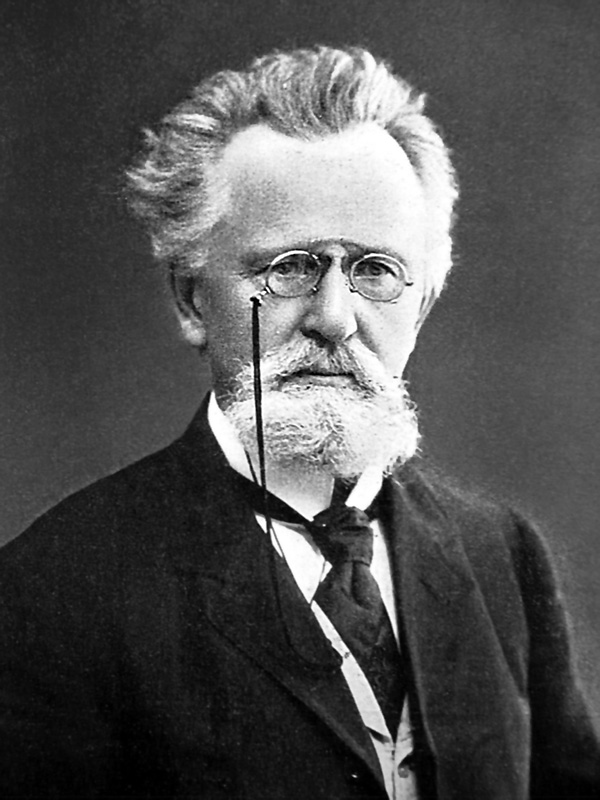
Stašek’s ashes were placed at a family grave in Semily in June 1933; later that year, however, they were stolen. The ashes were never found; the perpetrator wasn’t either.


Leave a comment