Jánošíkova was built in 1969.
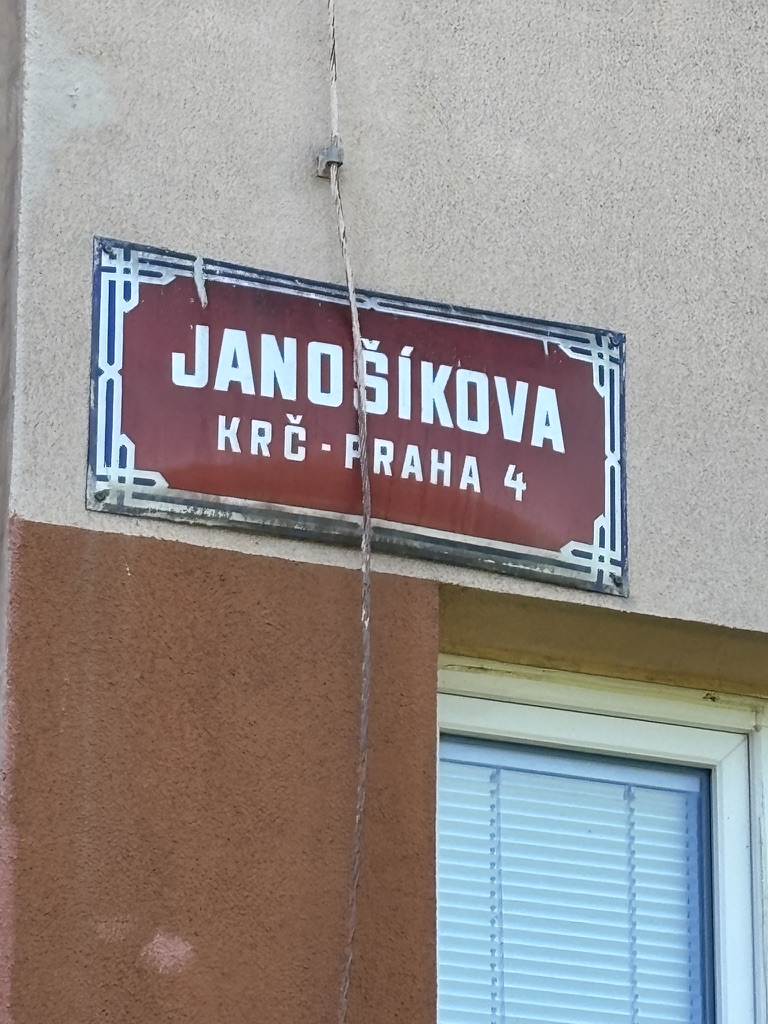
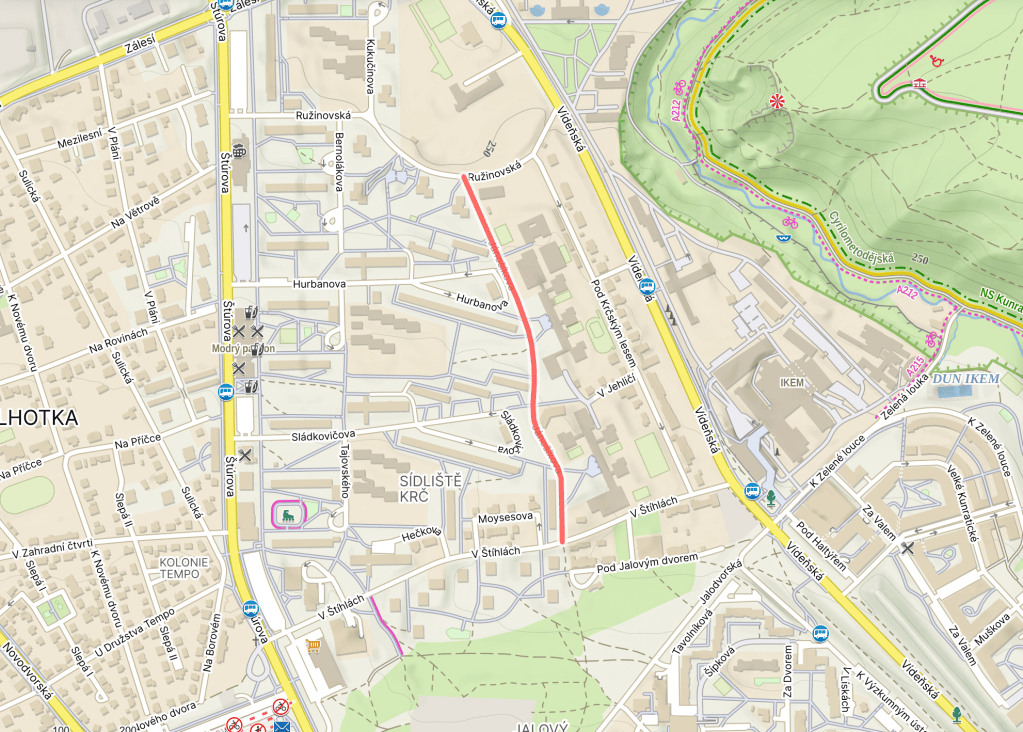
Juraj Jánošík was born in Terchová, near Žilina in Slovakia, in 1688. Around 1706, he joined the army of Francis II Rákóczi, a Hungarian nobleman who had been waging a war of independence against the Habsburgs since 1703.
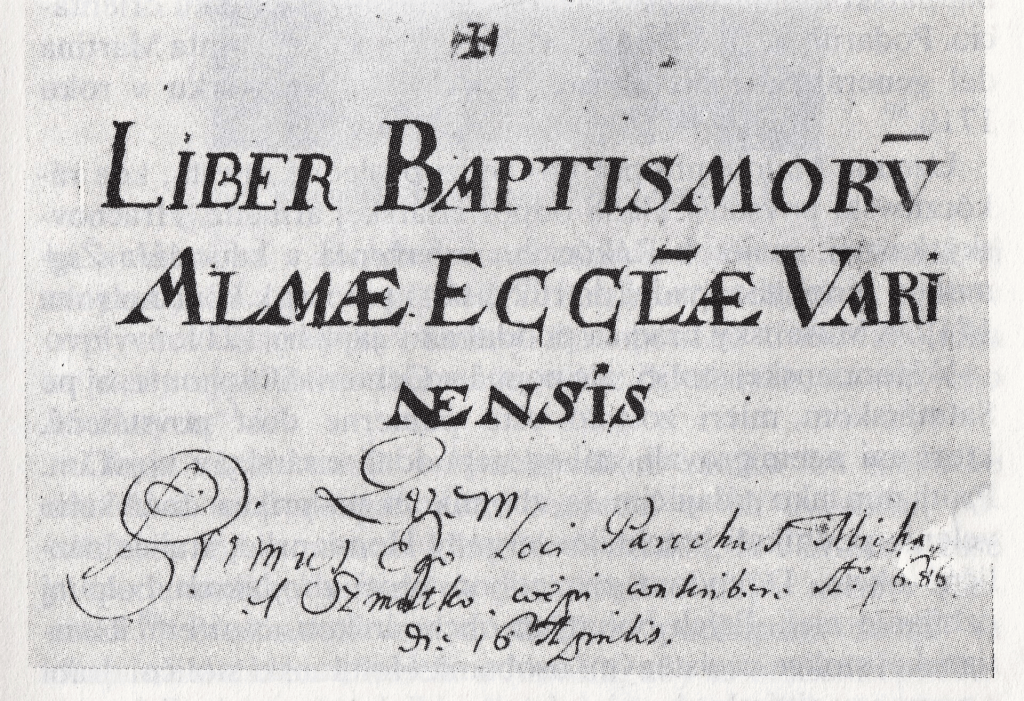
Within a couple of years, however, he had joined the Imperial Army (we don’t know if this was voluntary or not).
After Janošík returned to Terchová in 1711, he was sought out by Tomáš Uhorčík, a bandit (who Janošík may or may not have helped escape from captivity while in the Army), to join his group of outlaws.
After a successful ambush near Strečno Castle in the same year, Uhorčík quit and handed leadership over to Jánošík. They managed to get away with further successful raids for a couple of years. Janošík stayed friends with Uhorčík, and visited him several times.
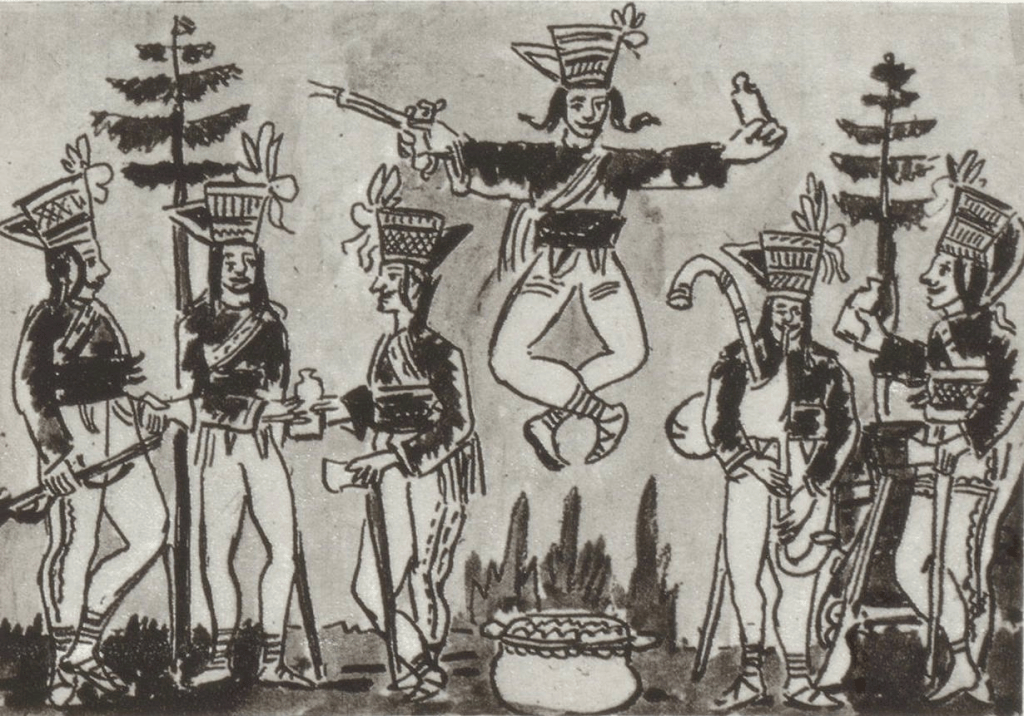
In October 1712, both men were captured, but soon freed. They were arrested again in March 1713, and went on trial in Liptovský Mikuláš, accused of robbery, links to rebels, and murder of a priest. Jánošík confessed to some crimes, but not to the murder.
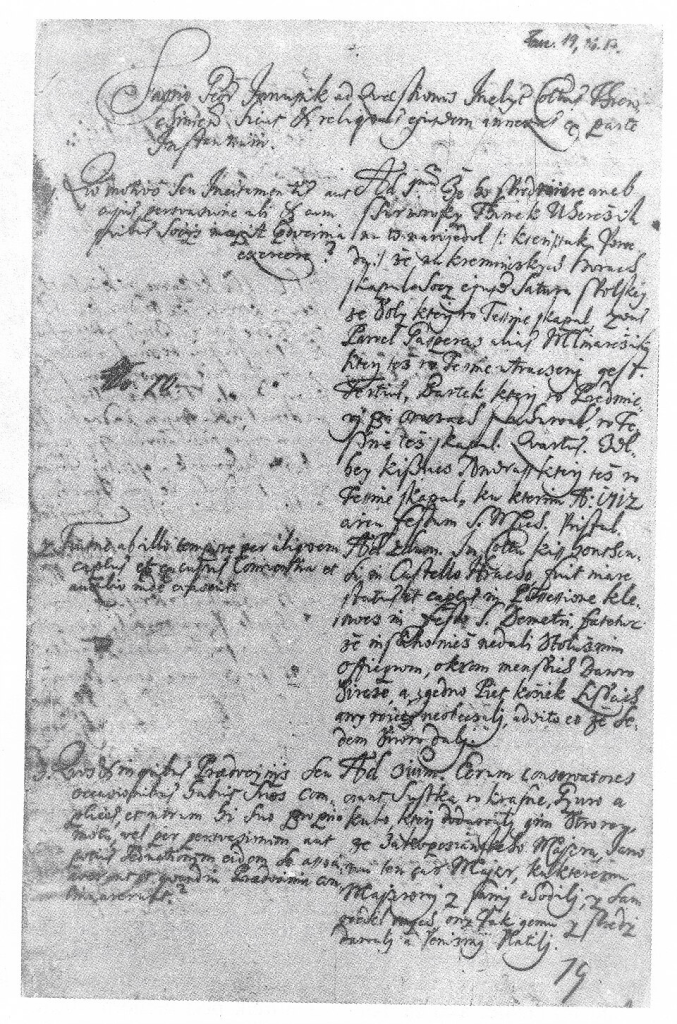
He was sentenced to torture, and then to death. Jánošík was executed on either 17 or 18 March 1713.
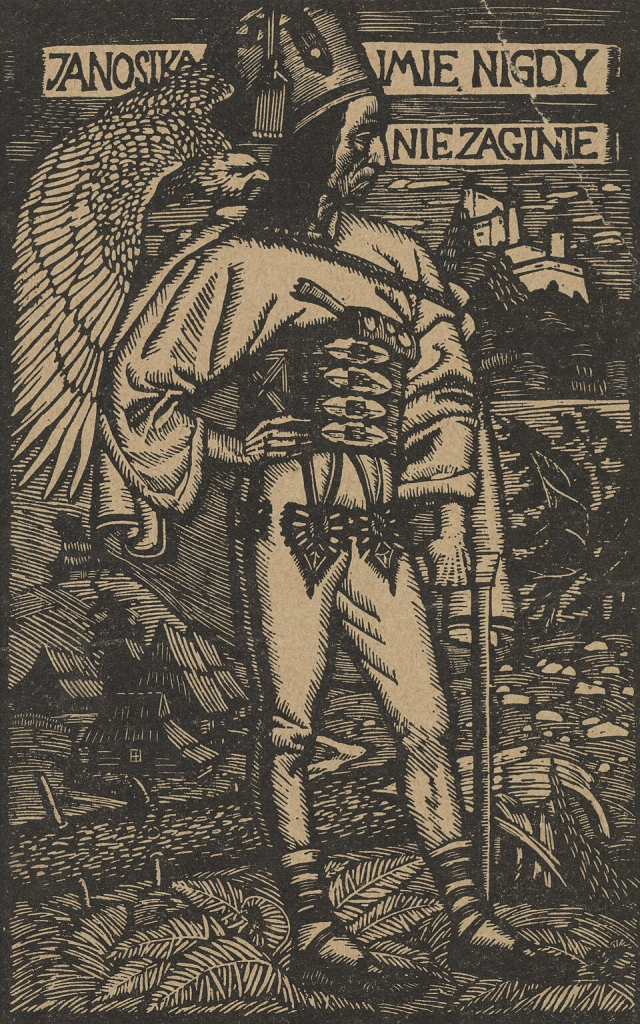
Even though there are very few written sources about his life – the notes from the trial being the most significant – and these documents basically describe him as a common criminal, he became a favourite of Slovak patriots in the 19th century, who portrayed him as an opponent of the ruling class who fought against Hungarian oppression.
This continued into the 20th century, when socialist scholars presented him as somebody who rebelled against feudal oppression. Slovak folklore, meanwhile, has tried to convince everyone that he had magical objects (an axe and belt) that gave him supernatural powers.
And, yes, that he robbed the rich and gave his loot to the poor. Sound familiar?
There is a story about Jánošík in Alois Jirásek’s Ancient Bohemian Legends / Staré pověsti české (https://whatsinapraguestreetname.com/2024/09/01/prague-2-day-154-jiraskovo-namesti/).
He was also the subject of an opera by Slovak composer Ján Cikker in 1954:
And then there are the film and television productions. This is 1921’s Western-inspired Jánošík, directed by Jaroslav Siakeľ – and the first full-length Slovak film ever.
While 1935’s Jánošík, directed by Martin Frič, was given a negative review by one Graham Greene:
In 1973, Polish television produced Janosik, which, remarkably for someone with so little source material, managed to stretch the story into thirteen episodes. It was directed by Jerzy Passendorfer; a film version was also released in 1974.
Janosik: A True Story, meanwhile, came out in 2009 and is produced by Agnieszka Holland:
Jánošík also became the source of the first animated Slovak film in 1976 (Zbojník Jurko, directed by Viktor Kubal):
And then, in 2021, the Slovak video game of the year was, yes, Juro Jánošík:
 What's in a Prague street name
Leave a comment