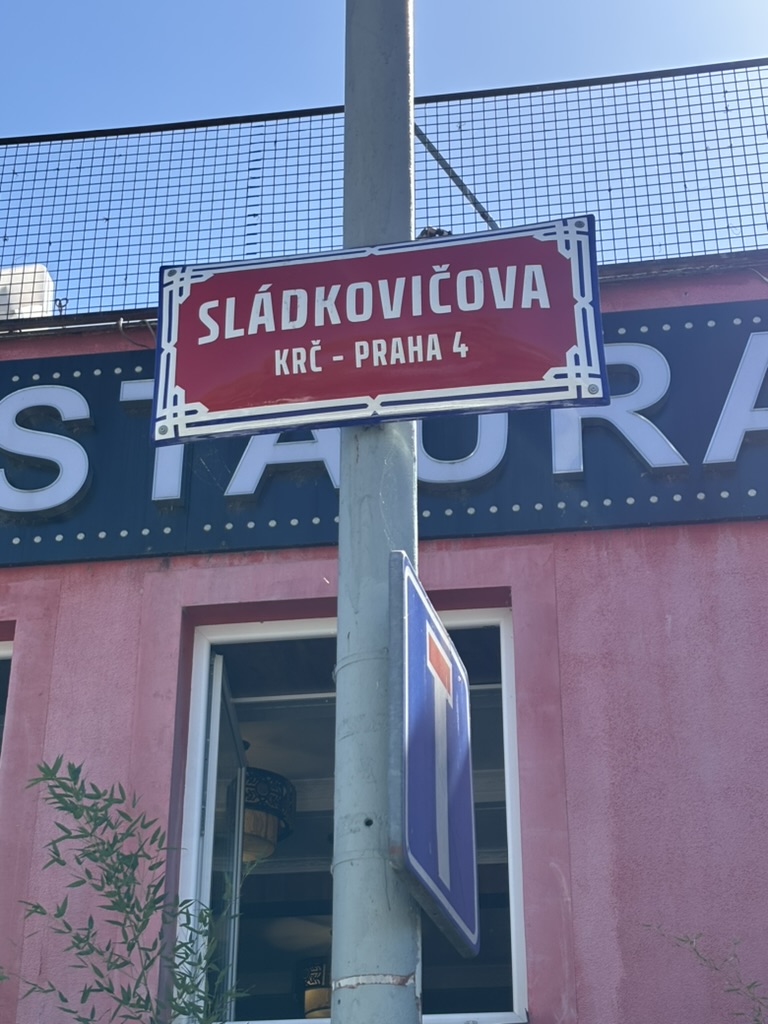
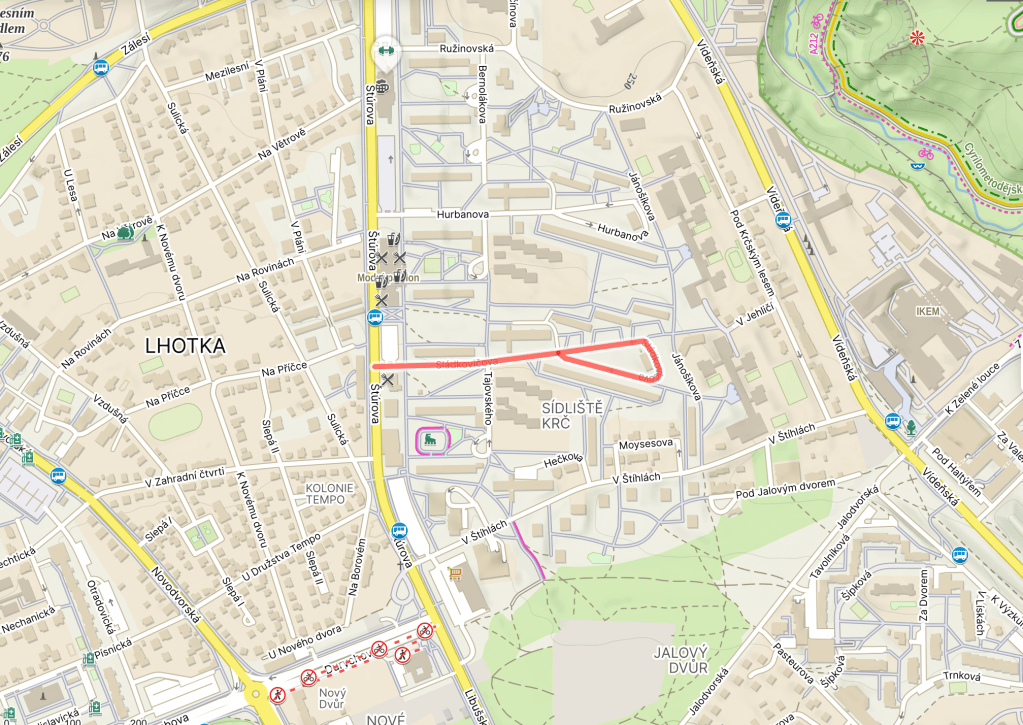
Sládkovičova was built in 1969.
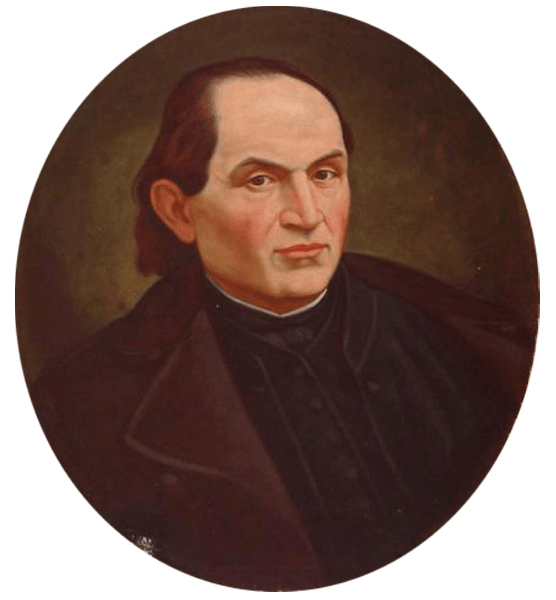
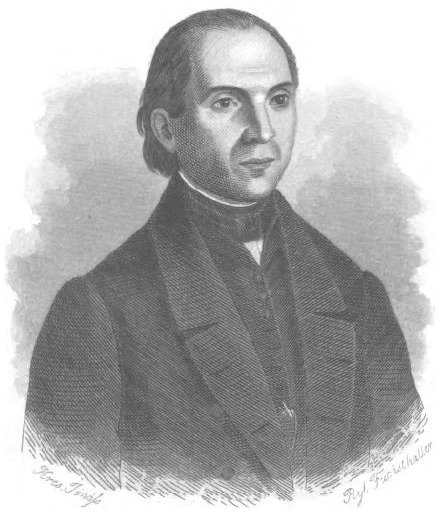
Andrej Braxatoris was born in Krupina, near Banská Bystrica in present-day Slovakia, in 1820. He started his schooling in Krupina, finished it in Bratislava, and then studied at the University of Halle from 1843 to 1844.
He also had his first (patriotic) poems published in 1842 in the almanach Nitra, under the pseudonym of Andrej Sládkovič.
Let me tell you that, if I had a surname like Braxatoris, I would not only never change it but would try to put it on EVERYTHING.
After university, he went back to Slovakia, becoming a tutor in Sliač, near Zvolen; he was ordained as a Lutheran minister in 1847, and became a pastor in Hrochoť in the same year.
His most famous poem, the romantic Marína, was published in 1845 and 1846. With a mere 2,900 verses, it was, for over 150 years, the longest known love poem in the world. Ostensibly a declaration of love to a woman, it’s also a declaration of love to Slovakia.
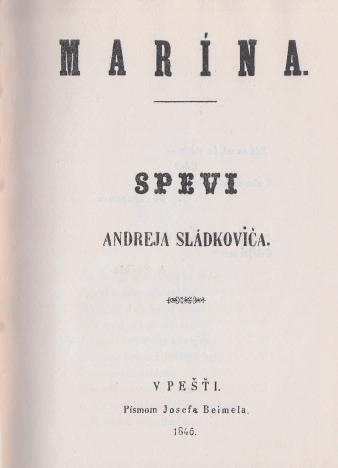
When the revolution – or an attempt at one – came to Slovakia in 1848, Braxatoris/Sládkovič believed that liberty, equality and fraternity would be for the benefit of all. The authorities disagreed, and arrested him in 1849.
A close associate of Ľudovít Štúr (https://whatsinapraguestreetname.com/2026/03/05/prague-4-day-325-sturova/), Sládkovič’s other best-known poem, the lyrical-epic Detvan, was published in 1853.
From 1856, Sládkovič worked as a pastor in Radvaň nad Hronom, where he stayed until his death in 1872. He had been one of the founding members of Matica slovenská in 1863. An annual recitation competition has been held in Radvaň since 1960.
 What's in a Prague street name
Leave a comment