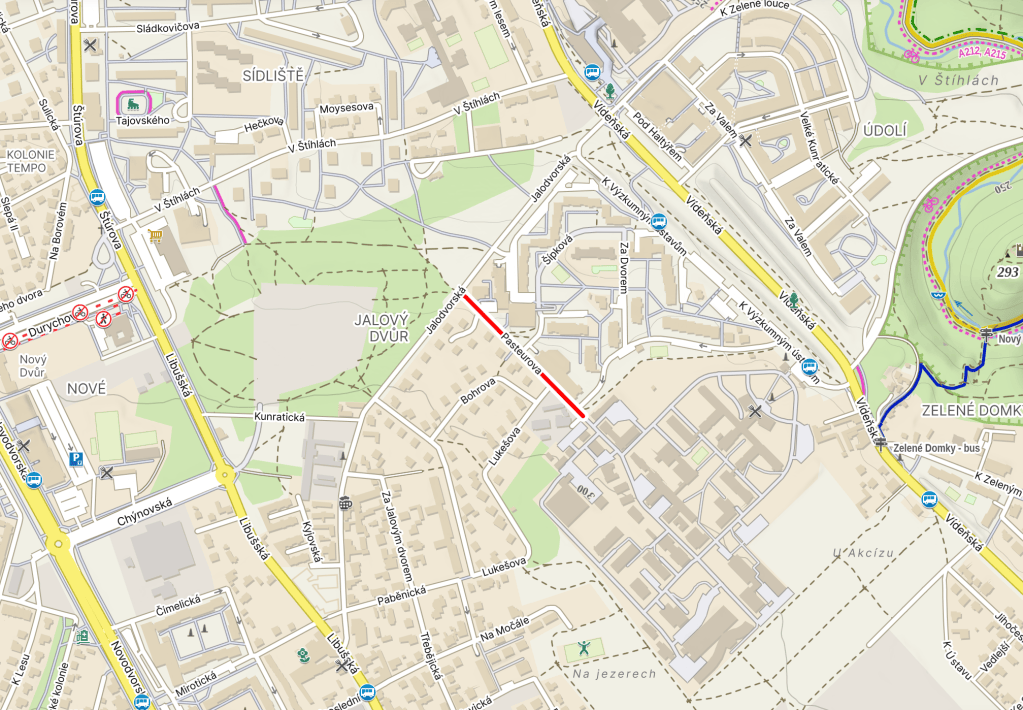
Pasteurova was built in 1981.
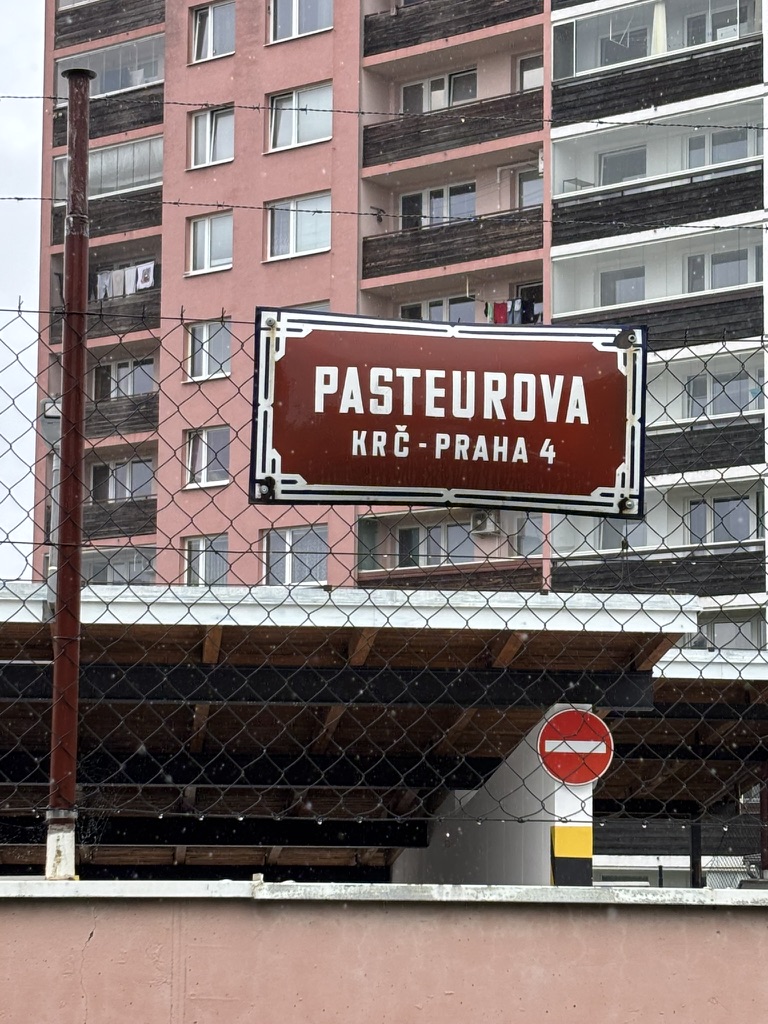
Louis Pasteur was born in Dole, in central-eastern France, in 1822 (fun fact: Dole is twinned with Tábor (https://whatsinapraguestreetname.com/2025/02/06/prague-4-day-26-taborska/)).
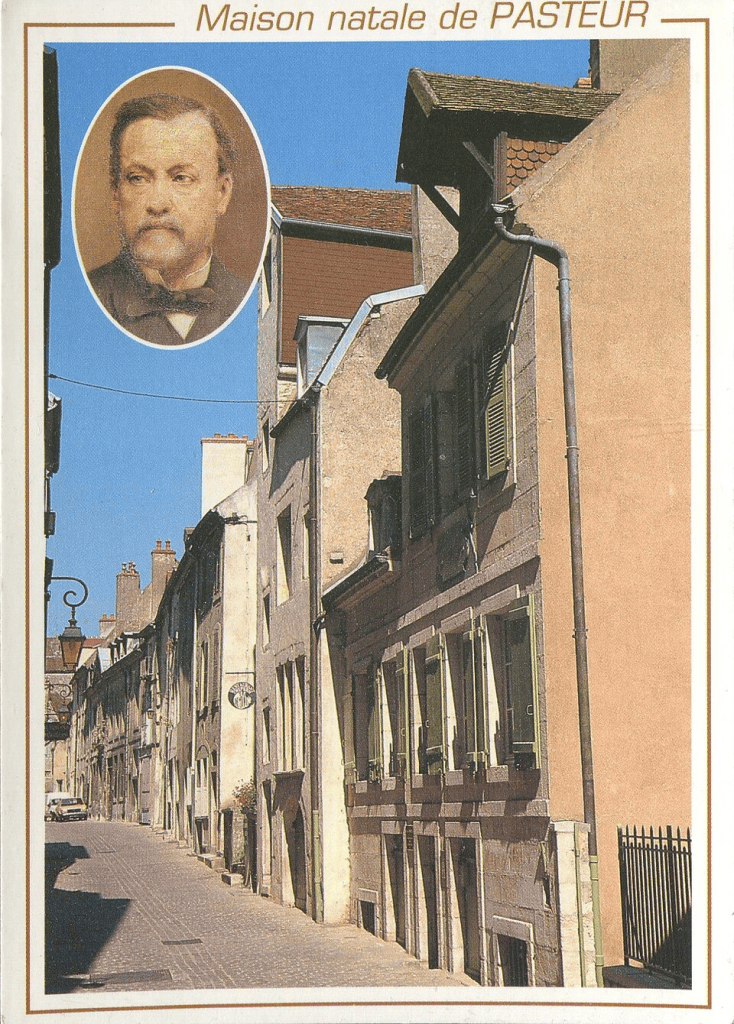
In his early years, he was a better artist than he was student, and created many portraits of family members and residents of Arbois, where he was brought up.
In 1842, Pasteur entered the École normale supérieure, where he studied chemistry, physics, and crystallography. He defended his thesis in 1847, and, from 1848 to 1853, worked as a professor in Strasbourg.
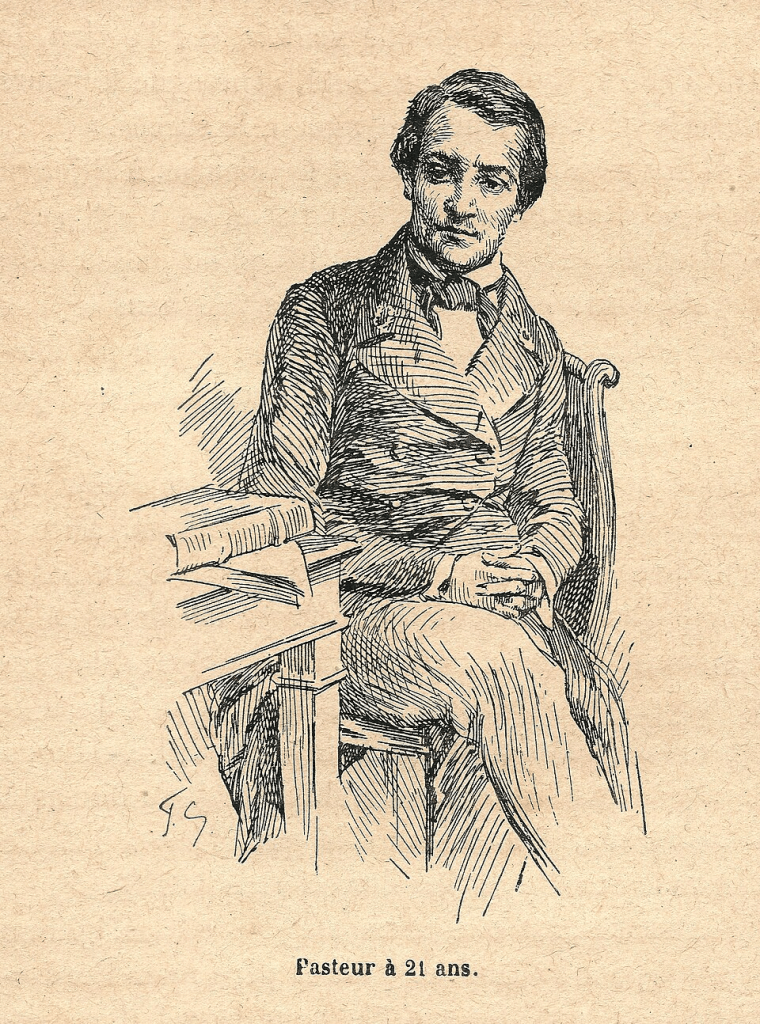
Then, in 1854, he became professor of chemistry and dean of the (newly-founded) Faculty of Science at the University of Lille, where he focused on fermentation.
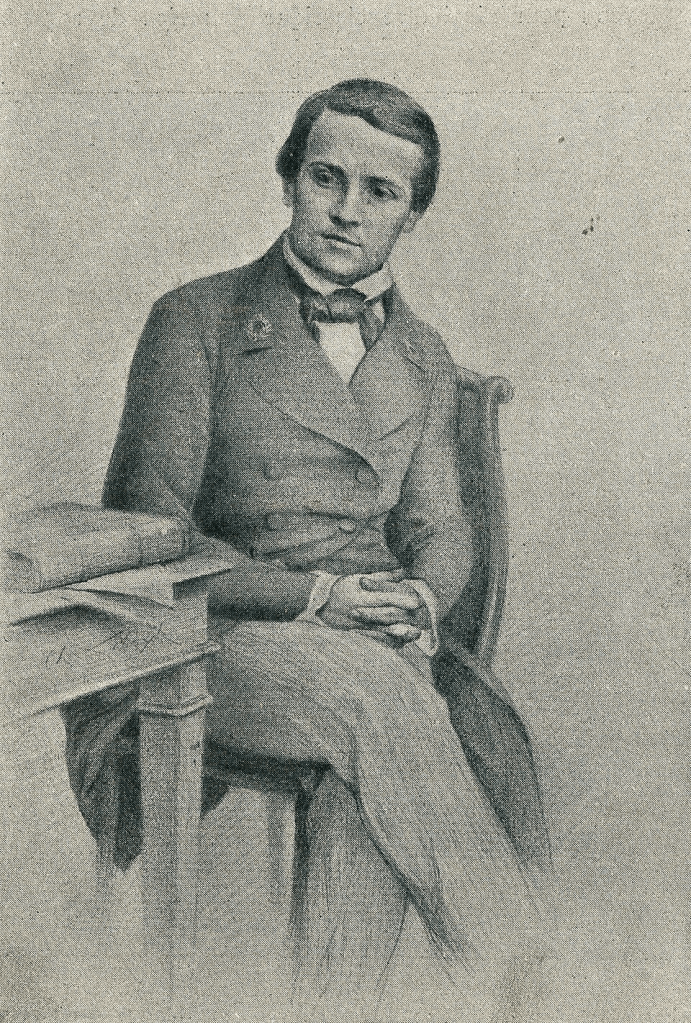
His work between 1854 and 1857 in Lille led to presentation of his paper ‘On the fermentation known as lactic fermentation’ to the Society of Sciences, Agriculture, and Arts of Lille. He was put in charge of academic affairs back at the École Normale Supérieure in the same year.
In 1862, Pasteur was elected to the Mineralogy Section of the Academy of Sciences; in 1865, he was appointed to a commission that researched the etiology of cholera and how to combat it.
In 1865, he also started research into silkworm diseases, as requested by Napoleon III. This made several discoveries, but failed to turn around the decline of the silk industry.
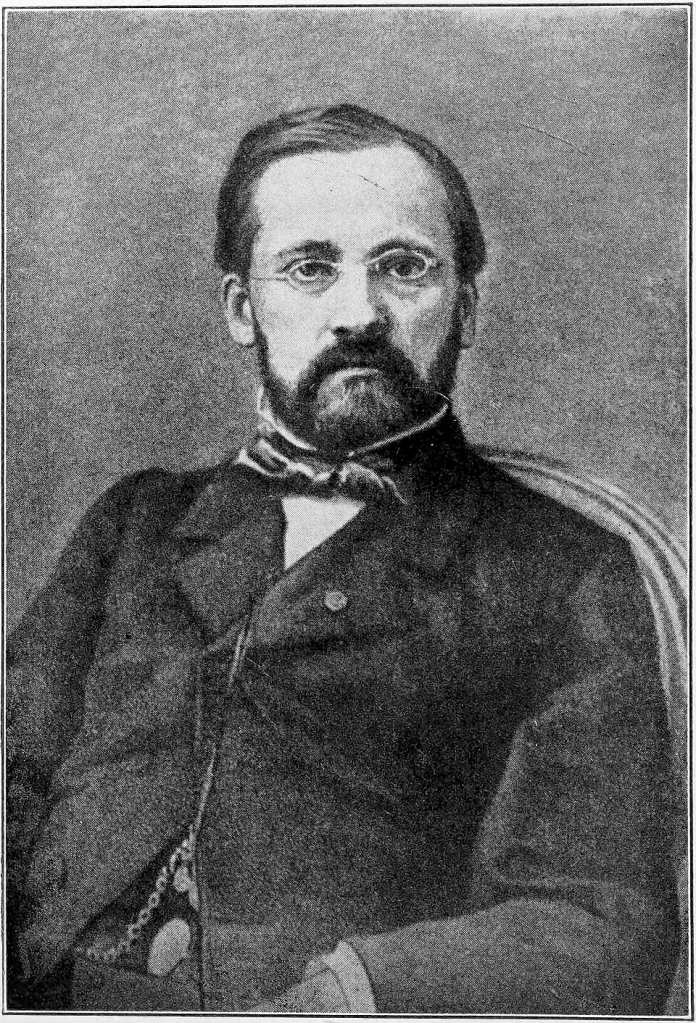
In 1867, Pasteur resigned from his role at the ENS, as he was a supporter of Napoleon III, and the students were mainly Republicans. He was subsequently appointed to a chair at the Sorbonne.
However, his support of Napoleon III cost him in 1870, as he lost the support of the Court. Pasteur turned to business, filing two patents for beer production in 1871 and 1873 (and also had an unsuccessful run for the Senate in 1876).
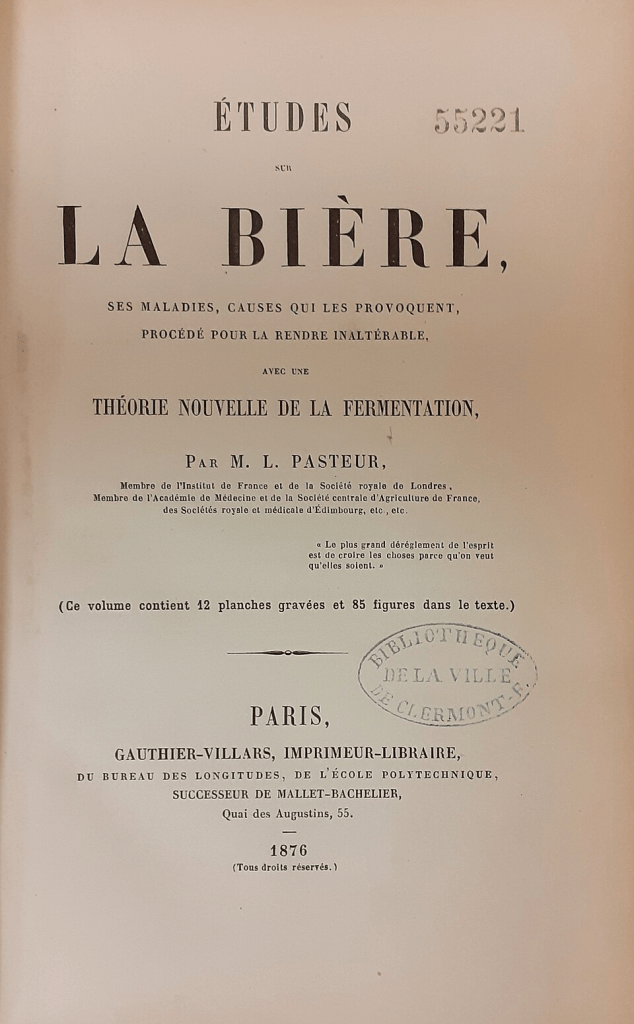
The pinnacle of his fermentation research was a book, ‘Études sur la bière‘. In 1877, Pasteur began attempts to develop vaccine against anthrax in sheep; this was ultimately achieved in 1881.
In 1882, he was admitted to the Académie française; in 1883, he received the Mérite agricole for his works on fermentation.
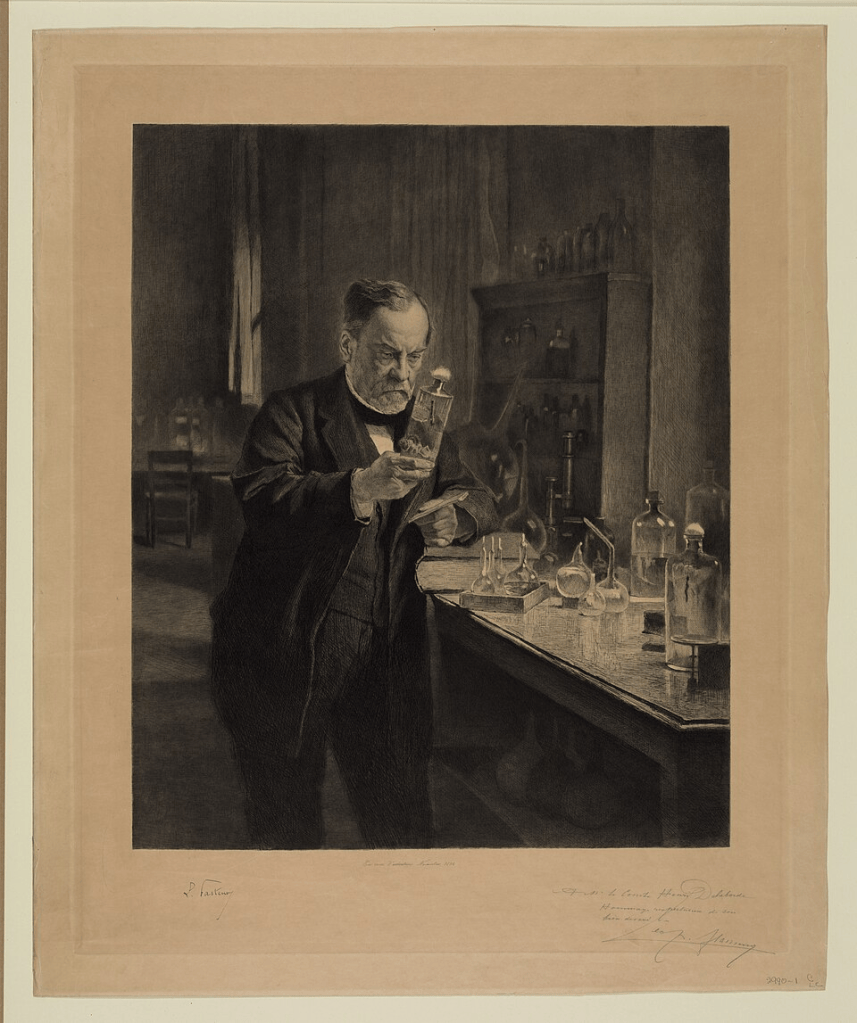
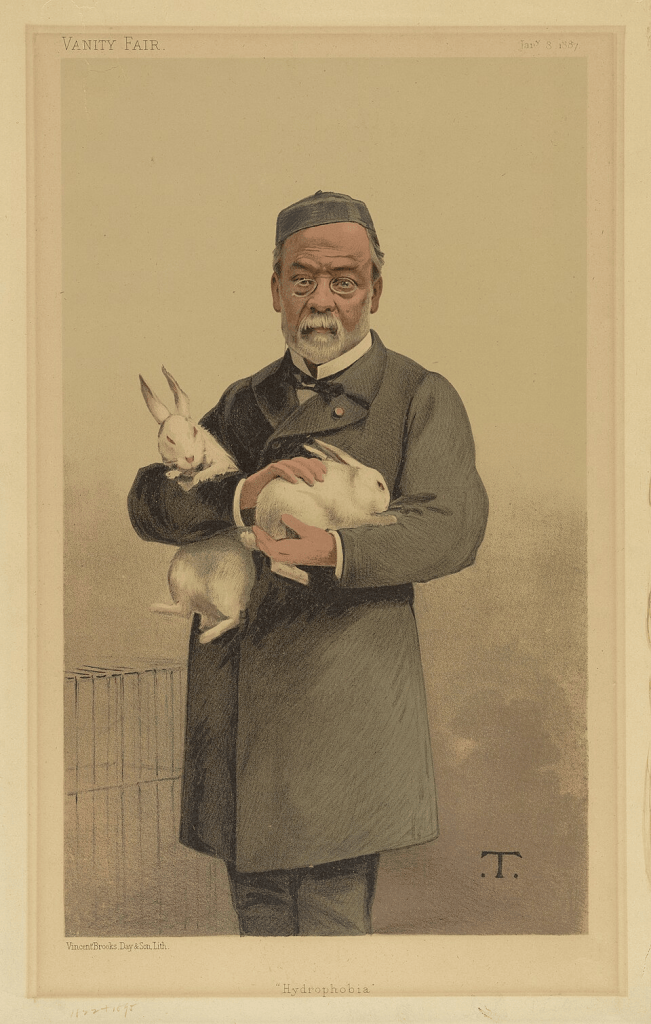
But even at this point, he hadn’t reache the pinnacle of his career: that would come in 1885, when he discovered the rabies vaccine. The Pasteur Institute, dedicated to treating rabies, was founded in 1888.
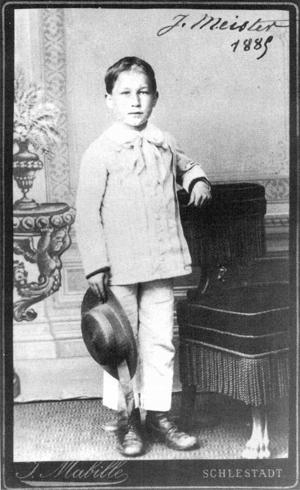
This is Joseph Meister, allegedly the first person to receive the vaccine.
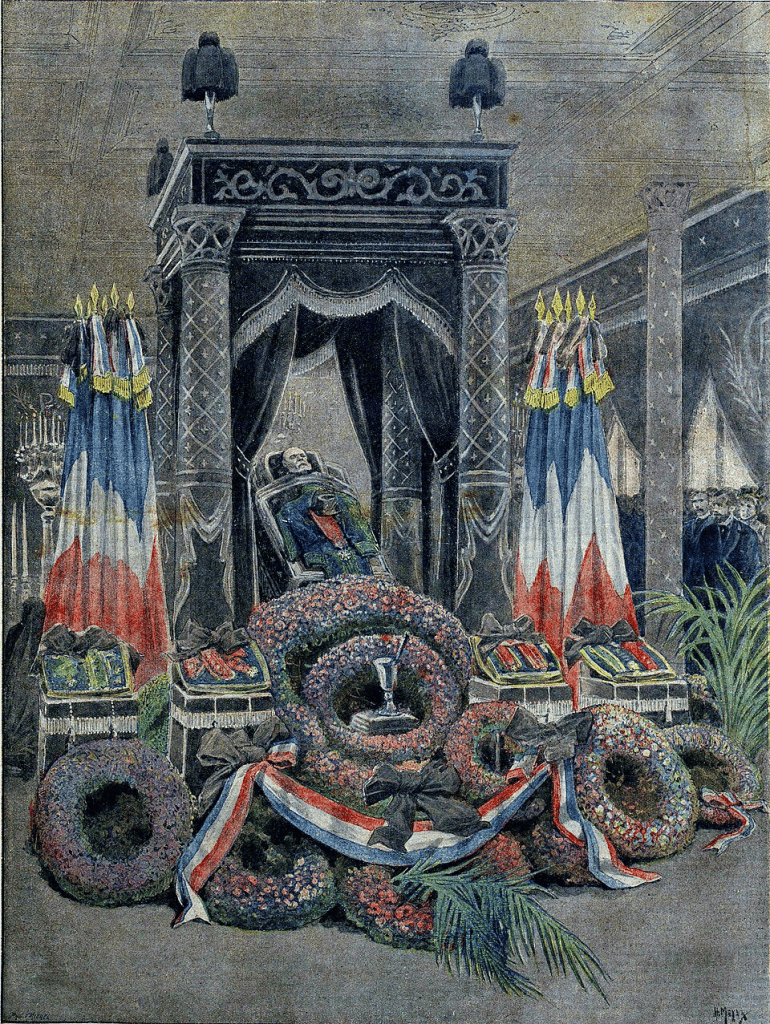
Pasteur’s 70th birthday was marked by a jubilee organised by the Third Republic; he died in 1895. His body was originally placed in a vault at Notre-Dame; in 1896, it was moved to the Pasteur Institute.
In France, there are 3,300 roads named after Pasteur; only de Gaulle has more. There are also 300+ schools.
It makes sense for there to be a Pasteurova here in Krč, given the location (https://whatsinapraguestreetname.com/2026/09/25/prague-4-day-453-k-vyzkumnym-ustavum/); in Košice, there is an entire university hospital (Univerzitná nemocnica Louisa Pasteura), founded in 1990.


Leave a comment