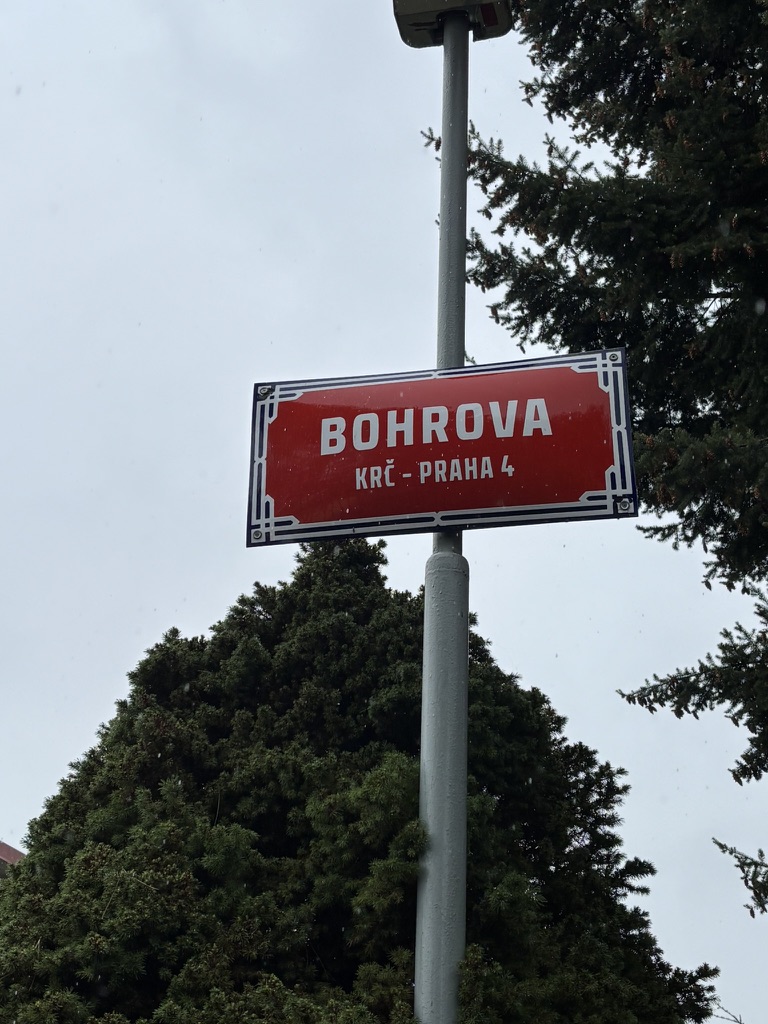
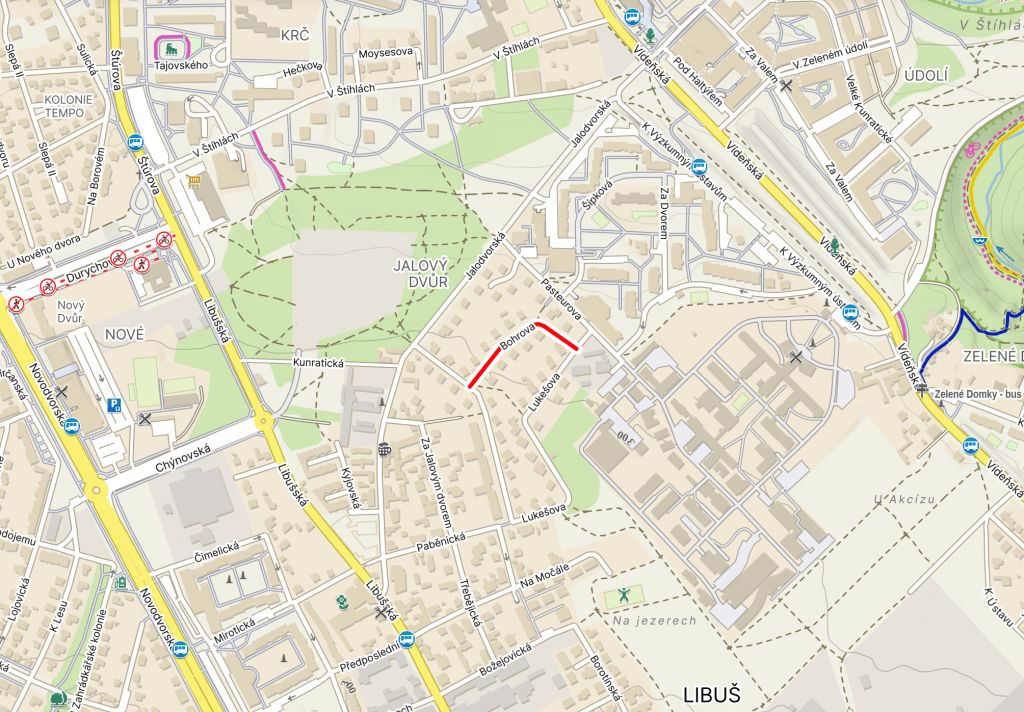
Bohrova was built in 1981.
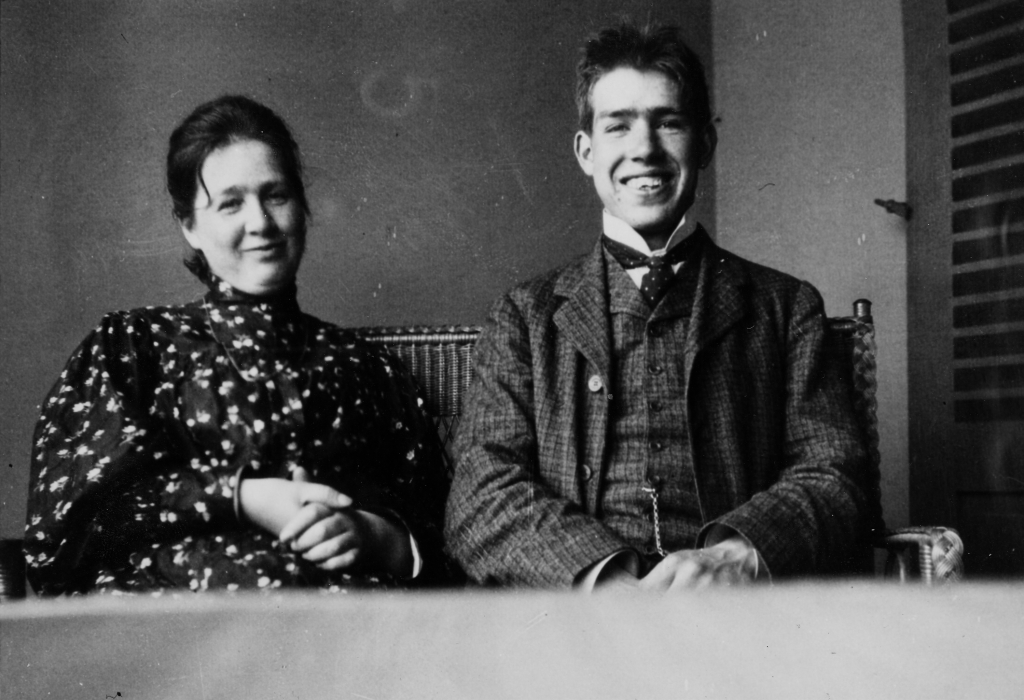
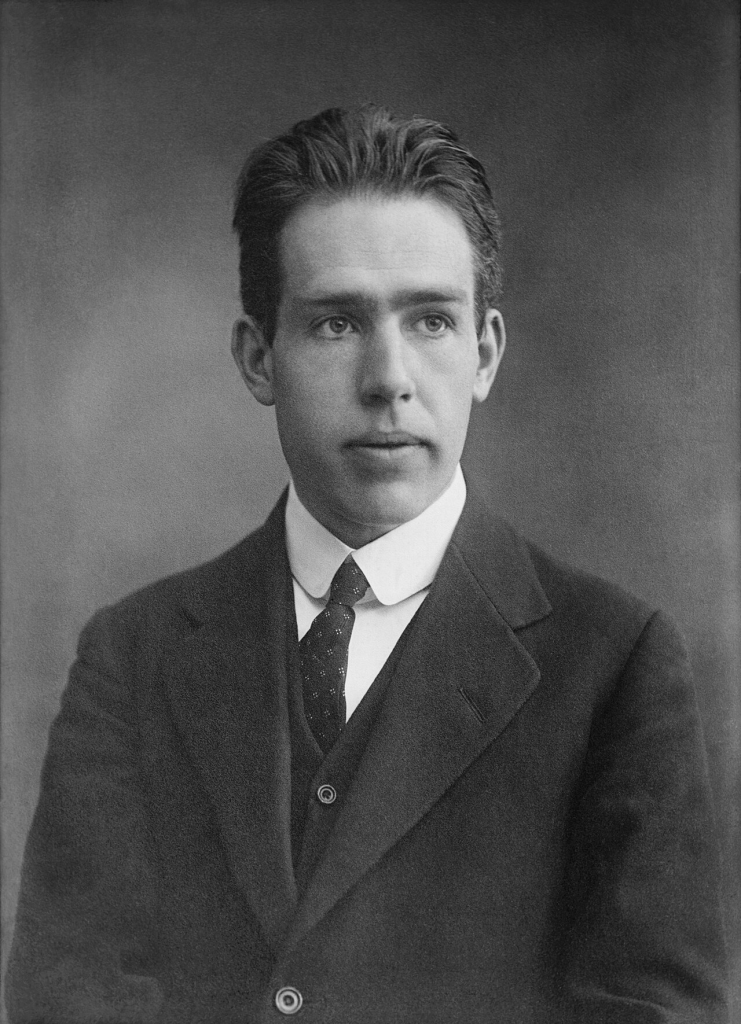
Niels Bohr was born in Copenhagen in 1882. His father, Christian Bohr, was Professor of Physiology at the University of Copenhagen; his mother, Ellen Adler Bohr (pictured with Niels), came from a prominent Jewish family.
As a child, he was a passionate footballer, along with his brother, Harald, who would play for the Danish team at the 1908 Olympics.
Bohr studied physics, astronomy and mathematics at the University of Copenhagen; he earned his doctorate (with his dissertation, ‘Studies on the Electron Theory of Metals’) in 1912.
He then conducted experiments at the Universities of Cambridge and Manchester, working, at the latter, under Ernest Rutherford. Bohr published his model of atomic structure – later known as the Bohr model – in 1913.
Bohr also theorised that an electron could drop from a higher-energy to a lower-energy orbit, emitting a quantum of light (or a photon) in the process. This became the basis for quantum theory.
In 1916, he started teaching at the University of Copenhagen; following years of fundraising, a separate institute for theoretical physics was opened in 1921. In 1965, it would be renamed the Niels Bohr Institute.
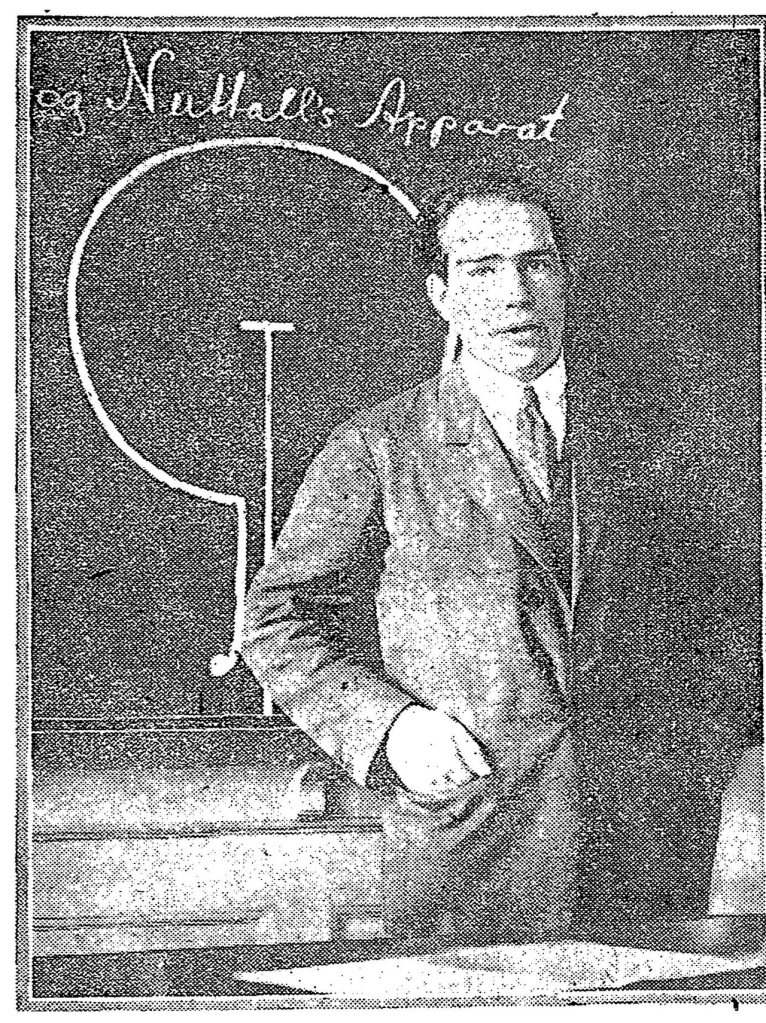
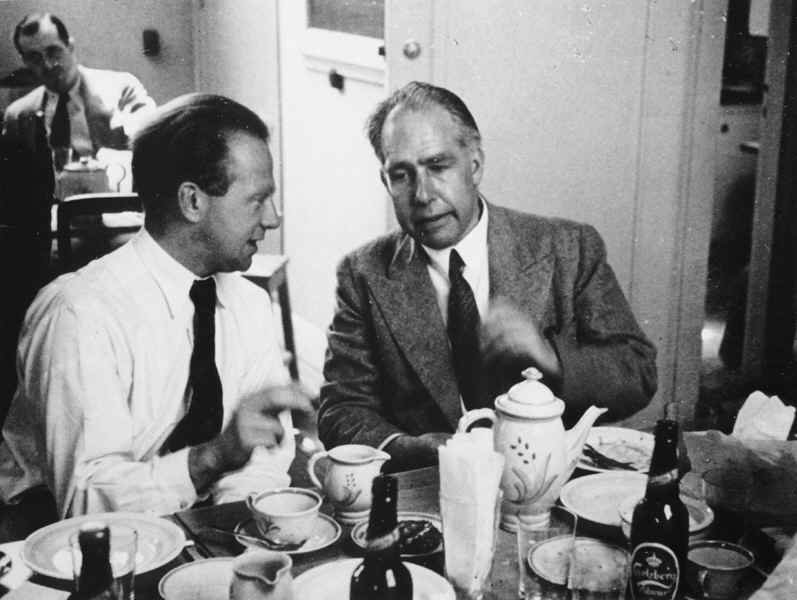
The Institute meant Denmark could now welcome researchers from all over the world – the ‘Copenhagen School’ became a hotbed of innovation in theoretical physics. Those who visited and worked there included Erwin Schrödinger and Werner Heisenberg (pictured with Bohr).
In 1922, Bohr won the Nobel Prize in Physics for his contributions to understanding quantum theory and atomic structure.
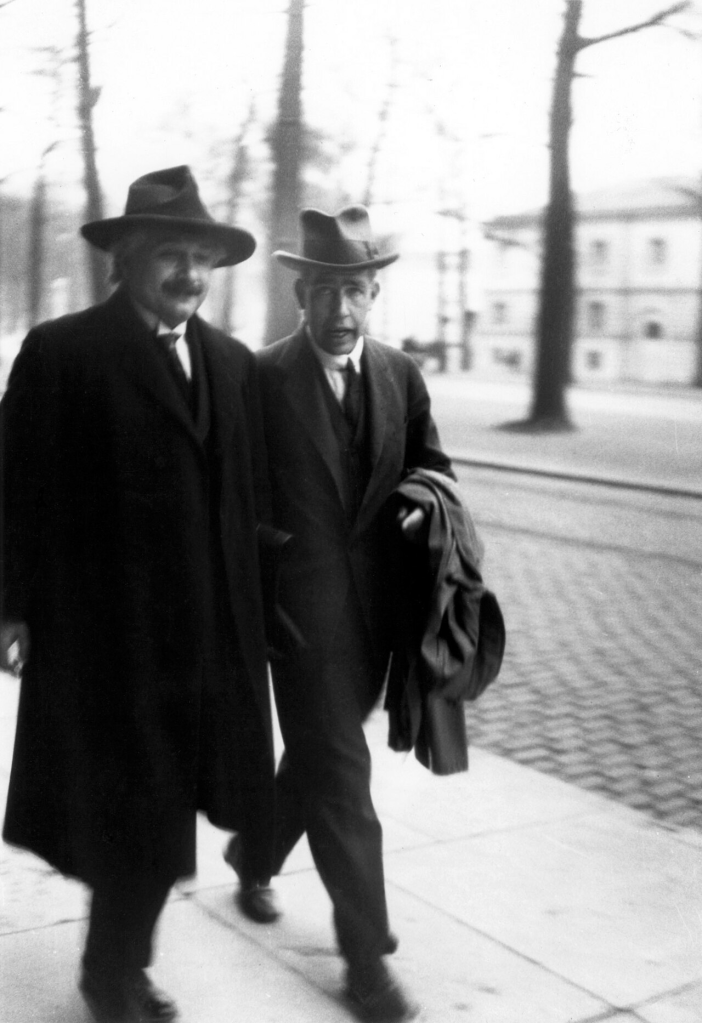
This is Bohr in Brussels in 1930, with Albert Einstein.
Following 1933, when the Nazis seized power in Germany, Bohr helped various scientists escape that country. When the Nazis invaded Denmark in 1940, he initially decided to stay, but escaped to Sweden in 1943 upon hearing he was about to be arrested.
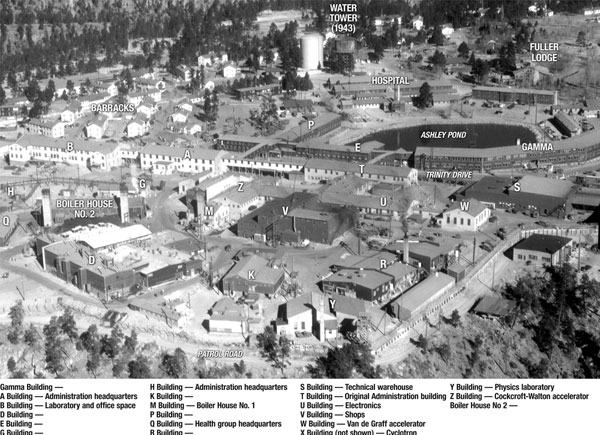
From there, he went to the UK, where he was informed of the Manhattan Project and its plans to develop nuclear weapons. Little more than two months after he had left Denmark, he and his son, Aage, were in Los Alamos, New Mexico.
That was the location of the Los Alamos Laboratory, which designed nuclear bombs and was run by one J. Robert Oppenheimer.
After World War II, Bohr became a passionate advocate for peaceful use of atomic energy, détente between nations, and information-sharing between nations about their nuclear knowledge and capacities.
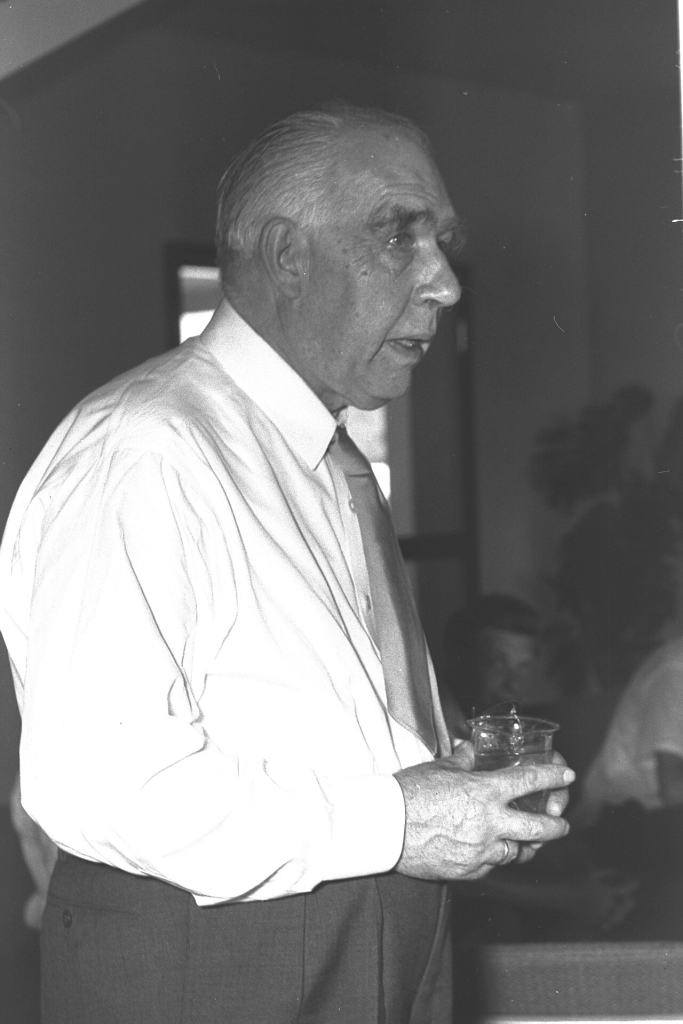
Bohr died of a heart attack in Copenhagen in 1962; a year later, two stamps were issued with his likeness to commemorate fifty years of the Bohr model. In 1997, the 500-krone note was issued, showing him smoking a pipe.

In 1981, the GSI Helmholtz Centre for Heavy Ion Research in Darmstadt discovered a new element; this was named bohrium.
And yes, Bohr was in 2023’s Oppenheimer, played by Kenneth Branagh (Bohr was never referred to directly in Breaking Bad, though).


Leave a comment