Vokáčova was built in 1906.
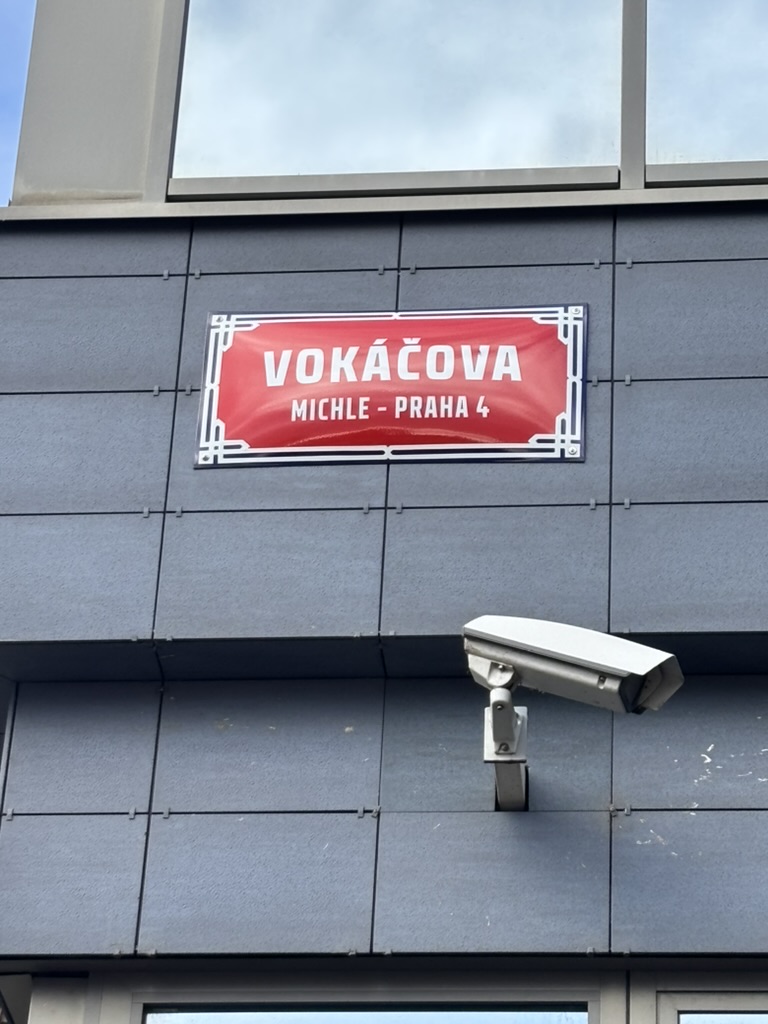
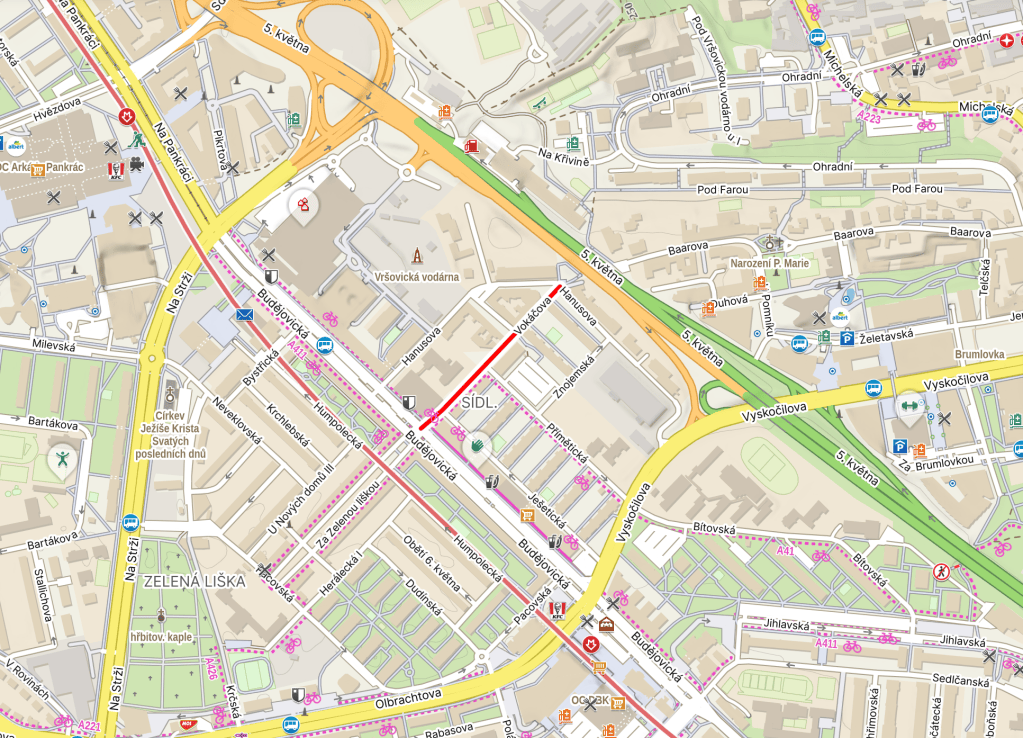
Until 1947, it was called Jeronýmova, as a street still is in Žižkov (https://whatsinapraguestreetname.com/2022/12/04/prague-3-day-109-jeronymova/).
Karel Vokáč was born in Zbiroh, near Rokycany, in 1903. Upon finishing school in 1922, he became a teacher, mainly operating in his home region at first, and also operating a theatre group (in Strašice).
He contributed to various periodicals, including the local Mladé Rokycansko and the Plzeň-based Nová doba. He also had twelve books of his own, consisting of poetry or prose, published in his lifetime, and wrote fairytales which he read to his students.
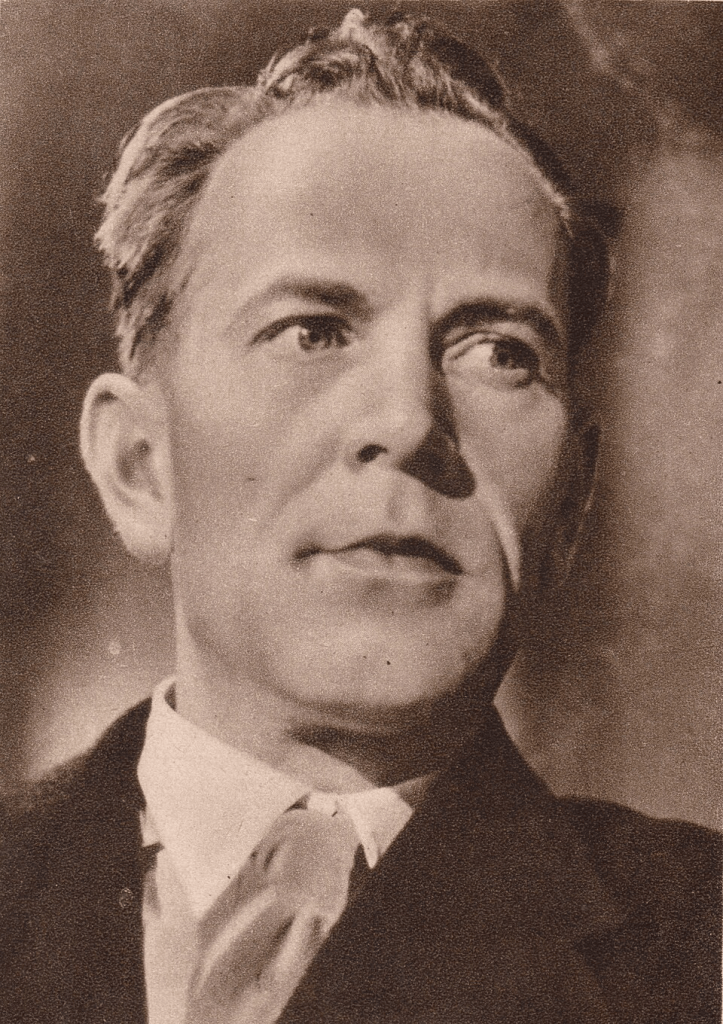
Among his artistically-minded friends was the novelist Jaroslav Seifert (https://whatsinapraguestreetname.com/2023/01/13/prague-3-day-125-seifertova/).
During the Nazi occupation, Vokáč became involved in anti-fascist resistance groups. He provided shelter to František Bělohlávek, a foundry worker at Plzeň’s Škoda Works who distributed underground publications.
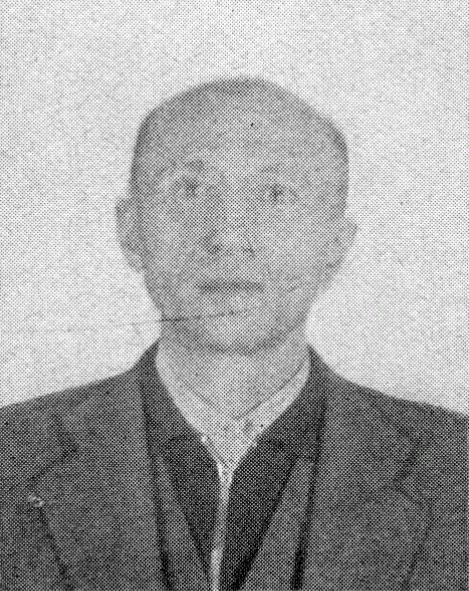
Vokáč was arrested by the Gestapo on 1 March 1944, a few days after the arrest of a close associate, Antonín Rott, who was headmaster of a school in Vokáč’s native Zbiroh. On 10 May, both men were sentenced to death for helping people hostile to the Reich to escape capture.
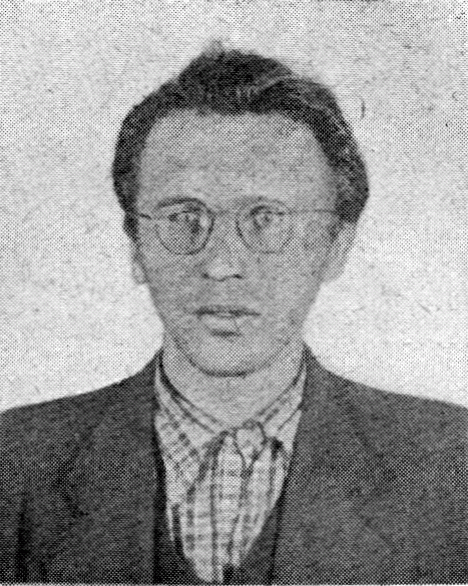
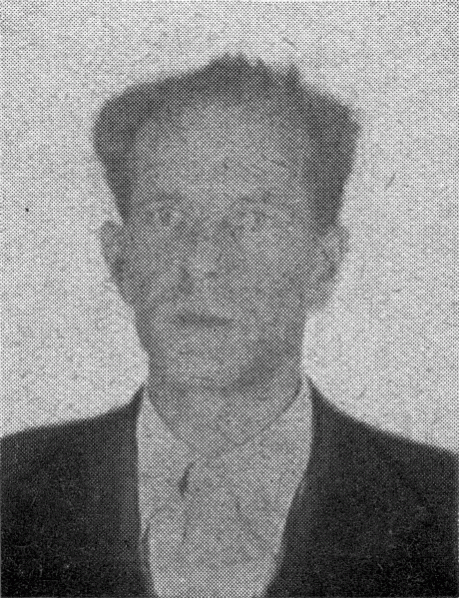
Sent to Pankrác on the same day, Vokáč shared a cell with a fellow poet and acquaintance, Jindřich Vichra (pictured), though only for two days, as Vichra was executed on the 12th.
During his captivity, Vokáč managed to write more poems, and also managed to get another prisoner to smuggle out a letter to Seifert.
Vokáč and Rott were both executed at Pankrác on 12 May 1944. Both men were forty years old.
While Vokáč was in prison, a collection of his fairytales was published; when his family visited, they were allowed to show him the book through the bars, but he was not allowed to hold it.


Leave a Reply