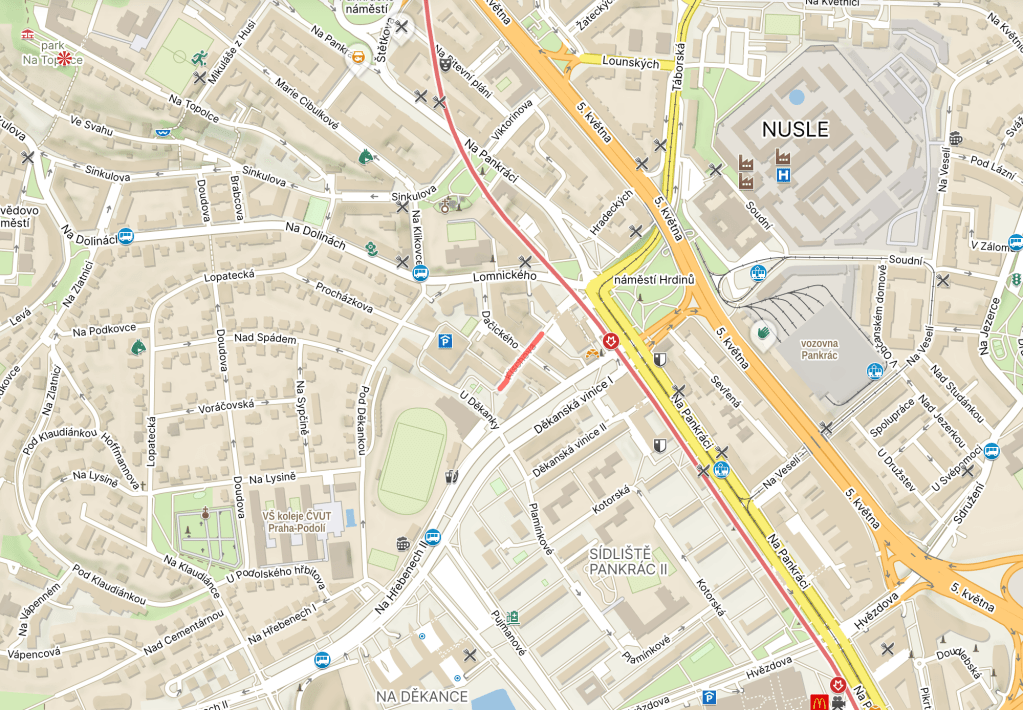
Mikuláš Daczický z Heslowa was born into a burgher family in Kutná Hora in 1555. He was educated at the Kladruby Monastery near Tachov.
When Daczický was fifteen, his father died; he returned to Kutná Hora and lived off his inheritance. This was a period of drinking in wineries and getting into trouble with the law, especially when he went to prison for killing another man in a duel.
However, he also wrote verse and, most importantly, continued the family chronicle which had been started by his great-grandfather, Bartoš z Práchňan.
His work was so thorough and insightful that the chronicle became known as Paměti Mikuláše Daczického z Heslowa (Memories of Mikuláš Daczický of Heslow).
It covers the period from 1297 to 1626, and Daczický was the author of volumes 13 and 14 (of 14). After Daczický’s death – he had been married for about 20 years from 1590, but never had children – the chronicle was not continued.
In line with other similar ’emergency colonies’ set up in Prague around this time (including U Družstva Klid and Na Dlouhé cestě – both nearby and both long gone), Na Děkance wasn’t big on amenities. It first got drinking water in 1927, and electricity during World War II.
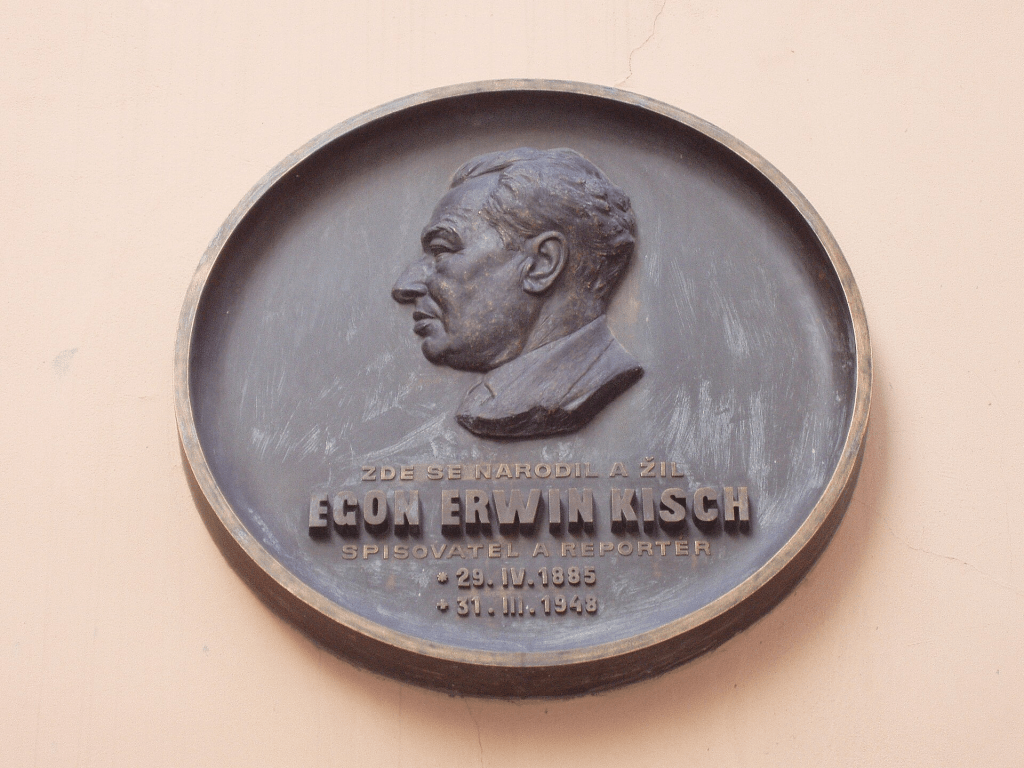
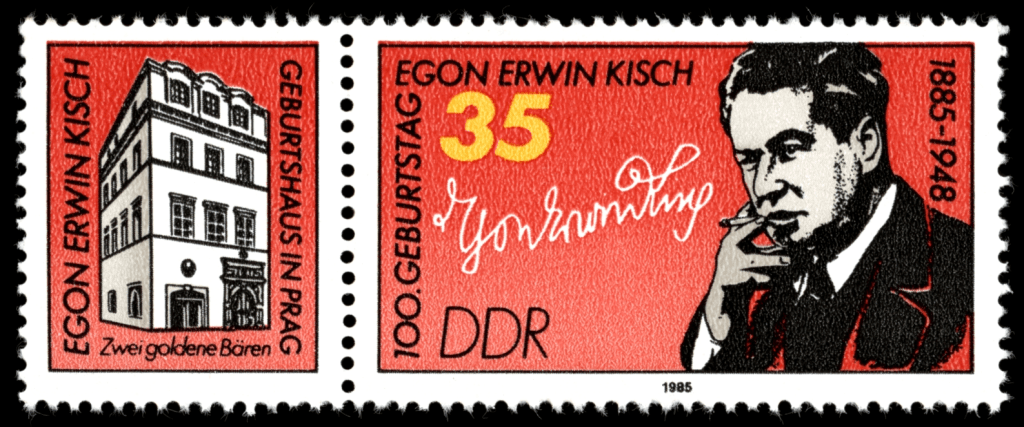
Clearly preferring the autodidact route, Kisch left university, and taught himself stenography, several languages and the art of journalism. In 1906, he became a reporter for Bohemia, a German-language Prague newspaper.
From 1910 to 1911, he had a regular column in Bohemia called Prager Streifzüge (Prague Excursions). He also became an expert in the Prague underworld; his only novel, Der Mädchenhirt (The Girl Shepherd, 1914) drew on what he had learned.
Key journalistic achievements at this time included an interview with Thomas Alva Edison (1912) and the uncovering of a spy scandal arising after the death of Alfred Redl, a military officer, in 1913.
Kisch moved to Berlin in that year, and started working at the Berliner Tageblatt, but 1914 brought World War One which, in turn, meant Kisch went to serve in the Austrian Army, initially in Serbia, later in Russia.
After getting injured on the Russian front, Kisch was declared ‘unfit for field service’, and served as a censor in Hungary, where he befriended soldiers who held pacifist and anarchist views.
In 1917, Kisch asked to be transferred to the Austro-Hungarian War Press Headquarters in Vienna, where, in early 1918, he organised a general strike. The authorities decided it was time to put him back into military service.
Kisch deserted and returned to Vienna in October 1918, just before the war ended, and, in November, played a key role in a failed left-wing coup in the city. He joined the Austrian Communist Party in the following year.
Not being the most popular person with the Austrian authorities, Kisch returned to Prague in 1919, then moved back to Berlin in 1921, staying there until 1933.
He worked for multiple newspapers, also becoming the Berlin correspondent for Lidové noviny, and gaining a reputation for his travel journalism – in the 1920s, he went to, and reported on, the Soviet Union, the Maghreb, the USA and China.
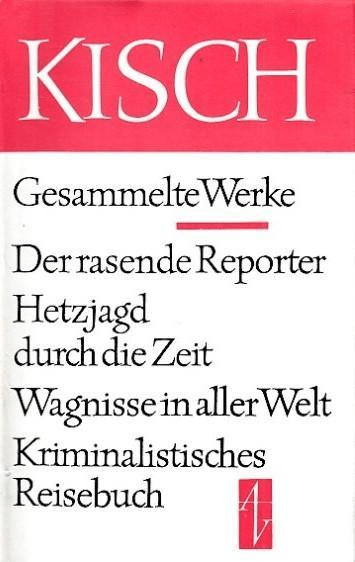
A volume of his travel reports was published in 1924, and was called Der rasende Reporter (The Racing Reporter) – and this nickname stuck. Among those he interviewed on his travels were Maxim Gorky, Charlie Chaplin and Upton Sinclair.
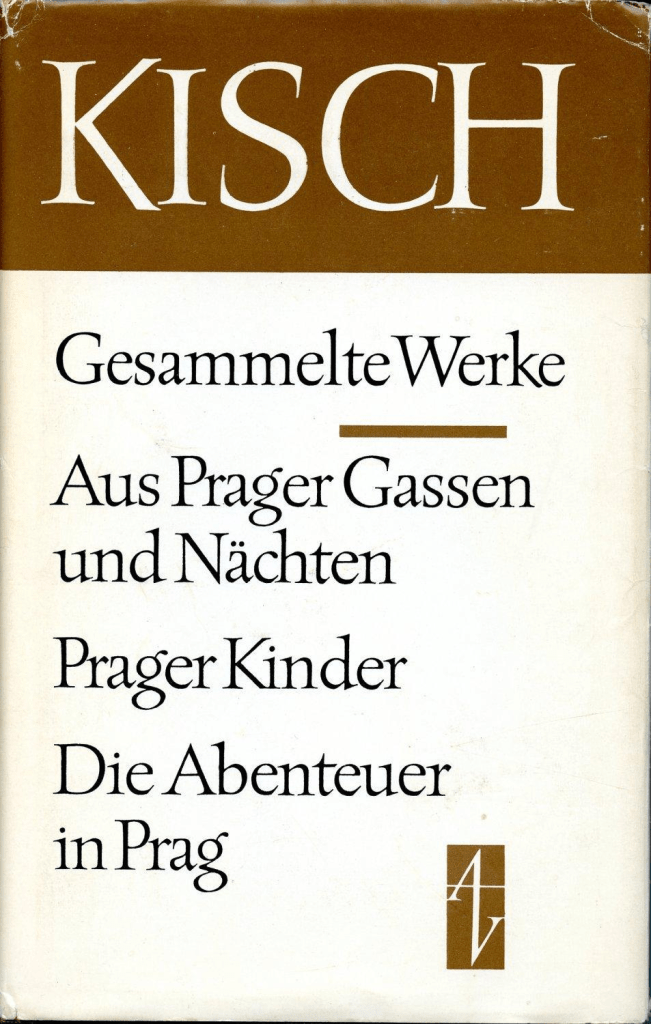
A bit closer to home, Kisch also wrote about his experiences serving in the Prague Corps, Prague’s Jewish community and crime in the city of his birth.
On 27 February 1933, the Reichstag in Berlin was set on fire. The next day, Kisch was arrested on suspicion of high treason. On 11 March, he was deported from Germany. In 1934, he moved to Paris.
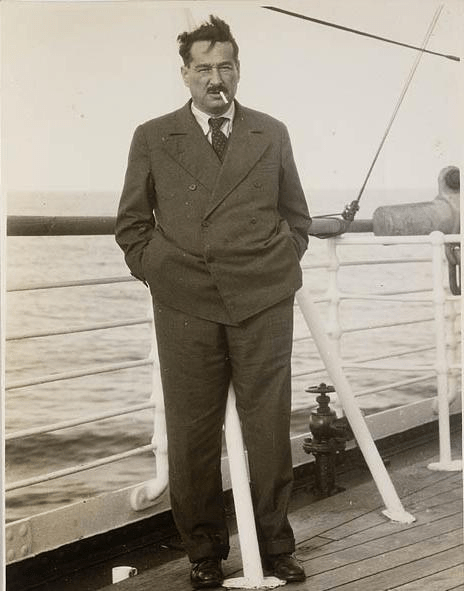
In 1934, Kisch travelled, by ship, to Australia as a delegate of the All-Australian Congress Against War and Fascism. He was denied entry at Fremantle due to his communist activity.
The ship travelled on to Melbourne, where Kisch jumped from the ship onto the quay, breaking his leg. Put back on the ship, he was taken off it when it arrived in Sydney, and was sentenced to three months’ hard labour (but was also released on bail).
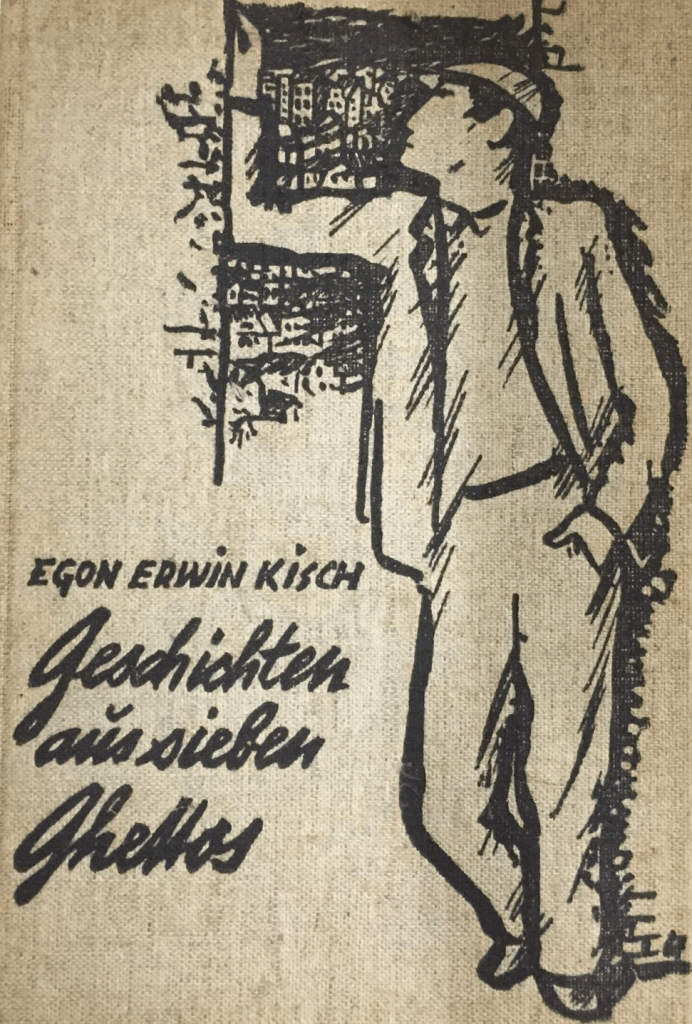
The Australian left protested loudly, and accused Australian Attorney General (and eventual PM) Robert Menzies of being a Nazi sympathiser. Kisch was allowed to remain in the country, inevitably publishing a book about his experiences there.
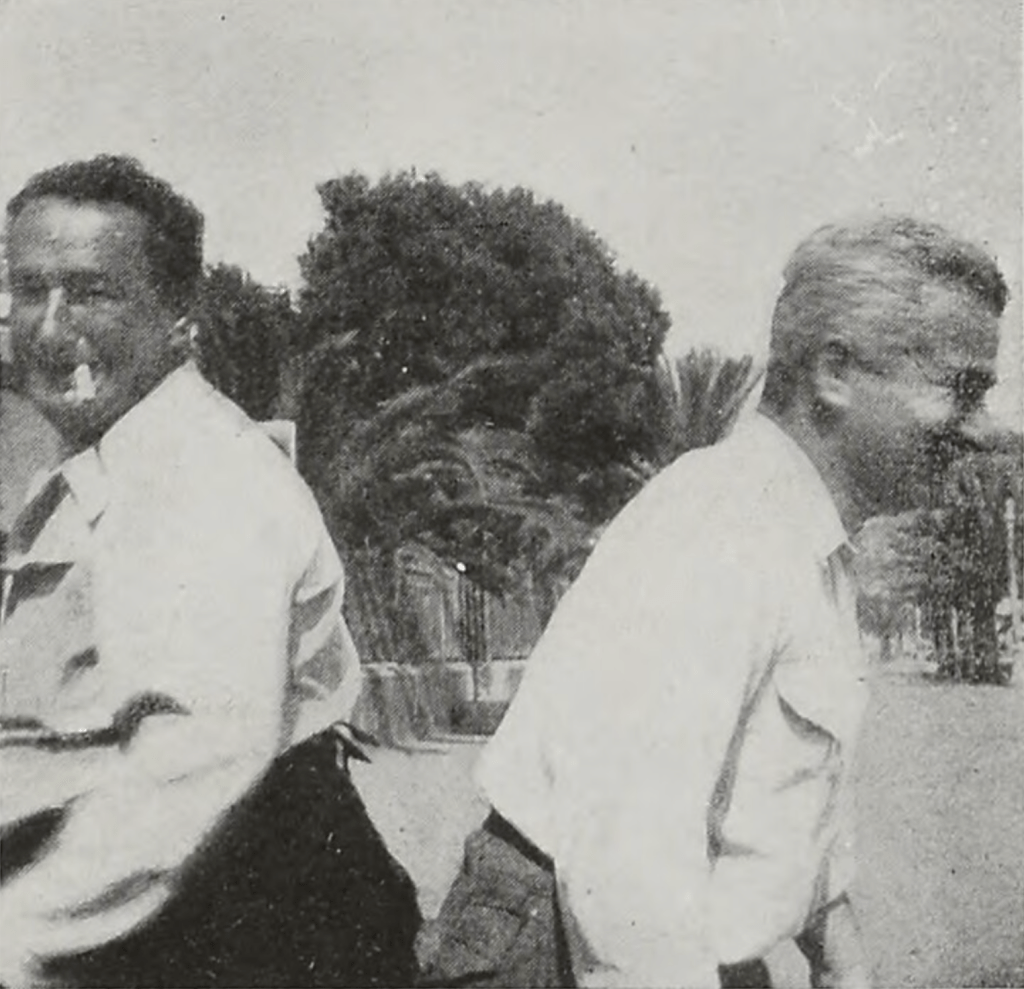
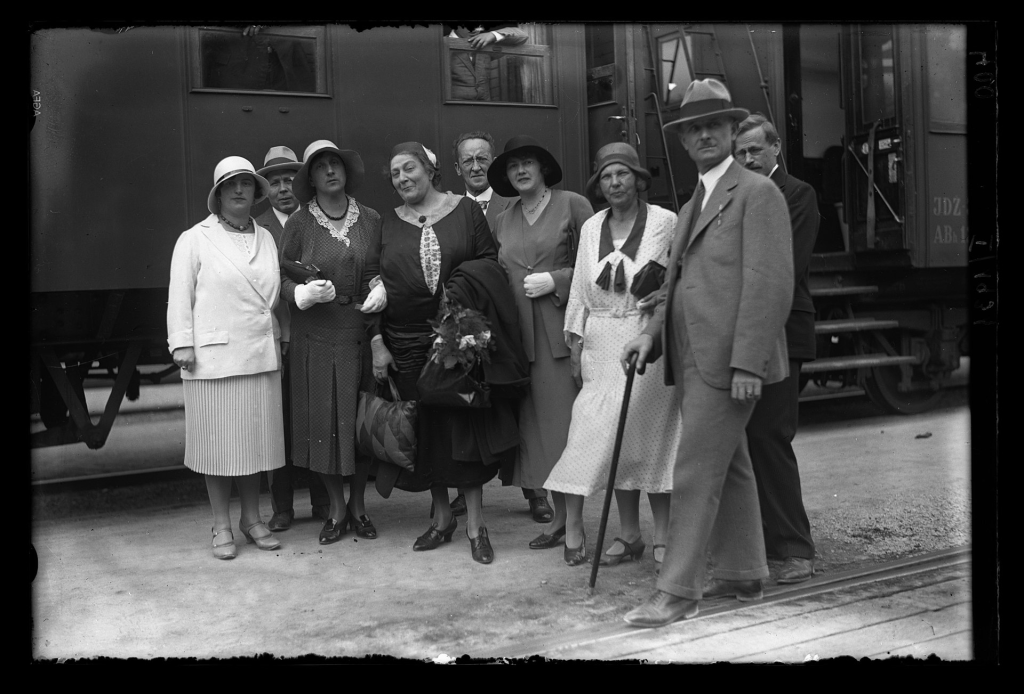
In 1937 and 1938, Kisch went to Spain (he’s on the left in the pic below), then ravaged by the Civil War; once the Munich Agreement was signed, he was unable to return to Czechoslovakia, and, when World War Two broke out, the French authorities placed him under police surveillance.
At the end of 1939, Kisch managed to get to the United States, where, after several days on Ellis Island, he briefly settled in New York. In mid-1940, his wife Gisela arrived, and they moved to Mexico City, which had a vibrant German expat community.
In March 1946, Kisch returned to Prague. His two surviving brothers (another brother had died during WW1) had died during the War, one of them at Auschwitz.
Kisch became active in the Czechoslovak Communist Party, even though many of his German-speaking Prague friends were, around this time, forced out of the country.
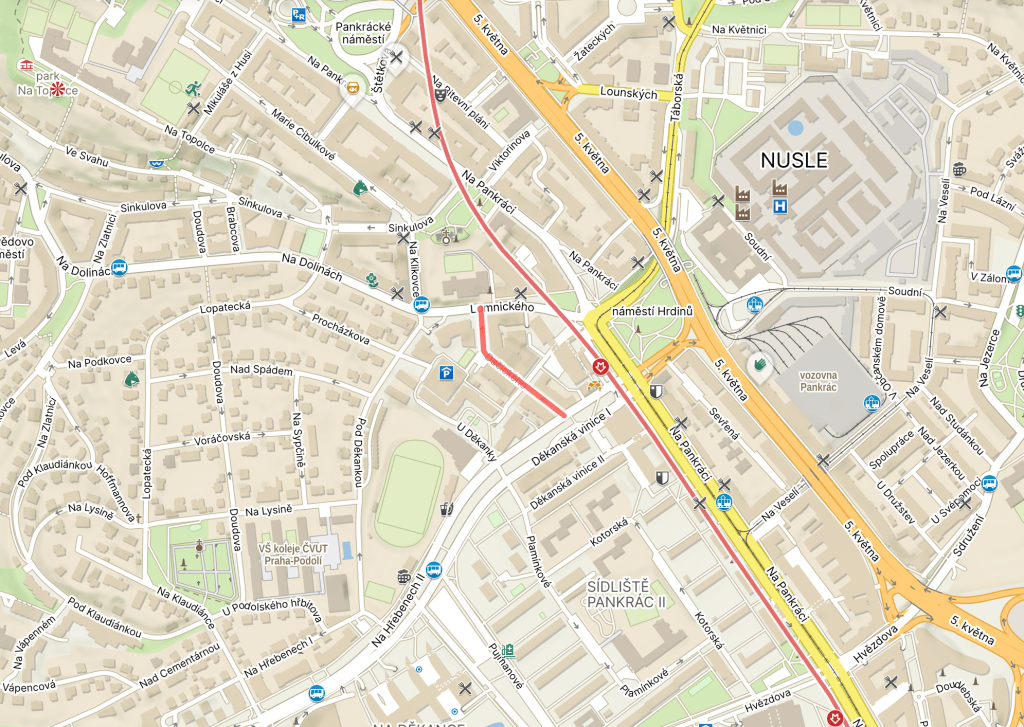
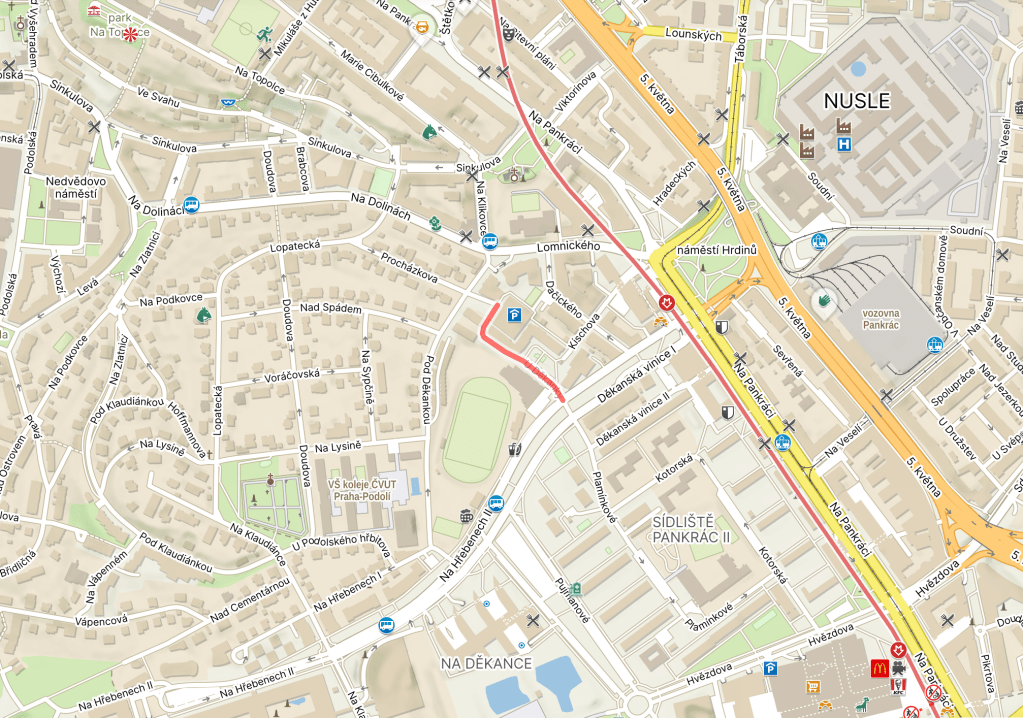
In the 1920s, this area also became the location of an emergency colony, ie an area of makeshift housing, created to deal with the fact that Prague was now a capital city, and demand for housing was way in excess of availability.
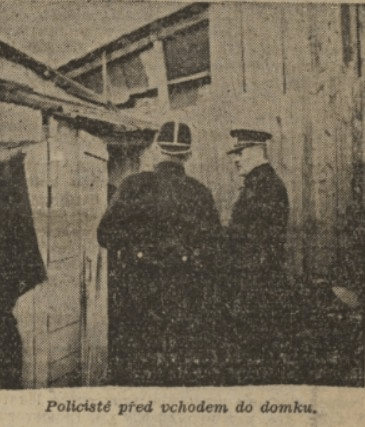
This colony was called Na Děkance, and it lasted until 1962, being cleared to make way for, among other things, the Prague Metro.
Na Děkance became famous for all the wrong reasons in 1934, when it attracted significant attention after the murder of an elderly, destitute widow, Maria Lachmanová.
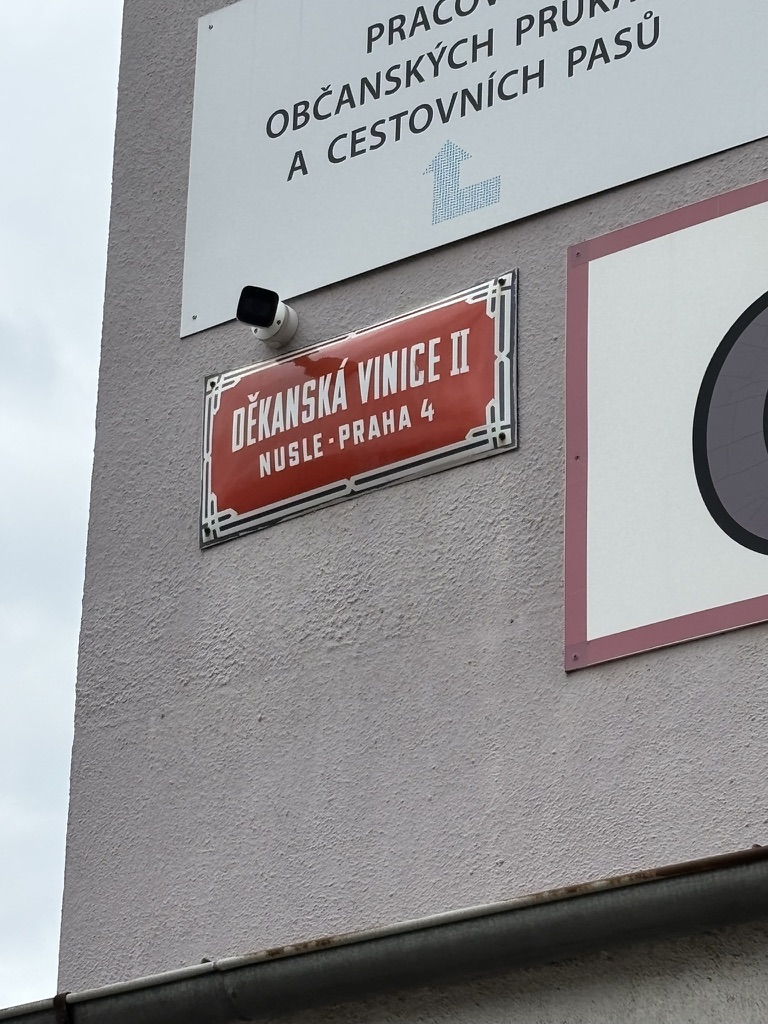
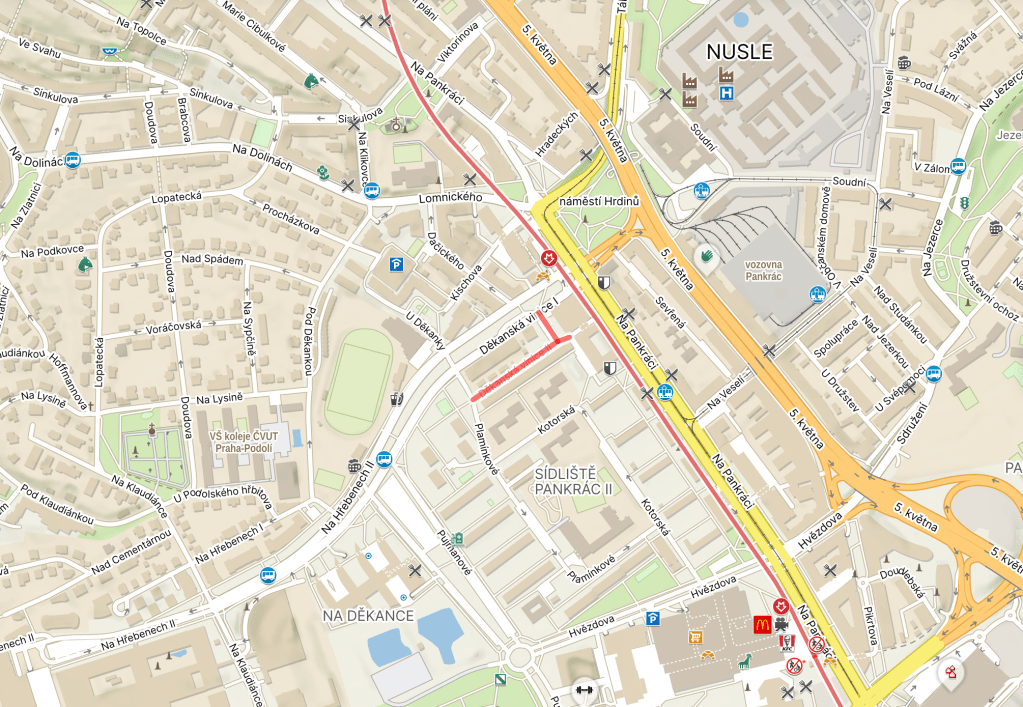
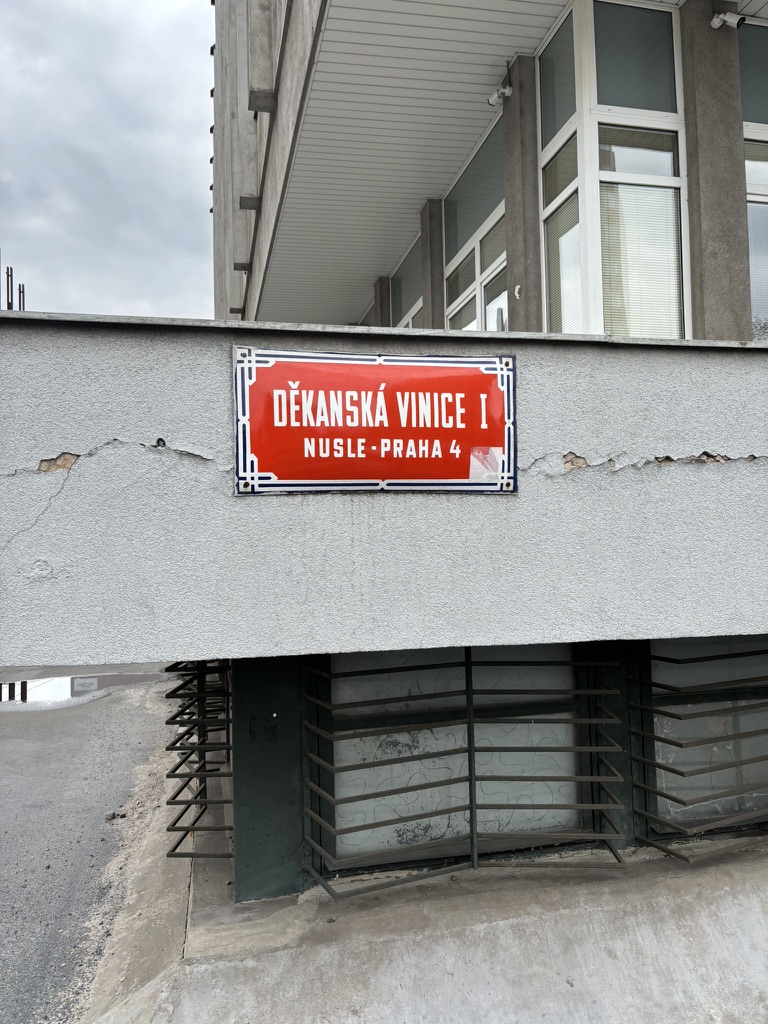
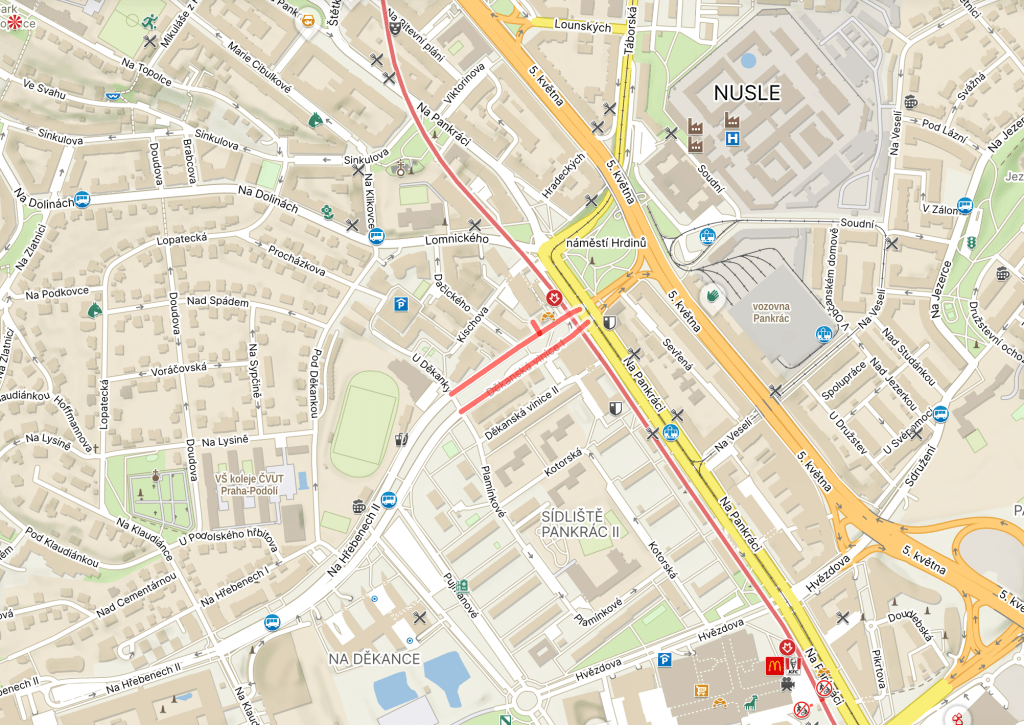
Although I’m mildly amused that, on Mapy dot com (formerly CZ), Děkanská vinice II gets a user rating of 5.0, while poor old Děkanská vinice I has to make do with a 3.8. Maybe sequels (albeit sequels made at the same time as the original) are sometimes an improvement after all.
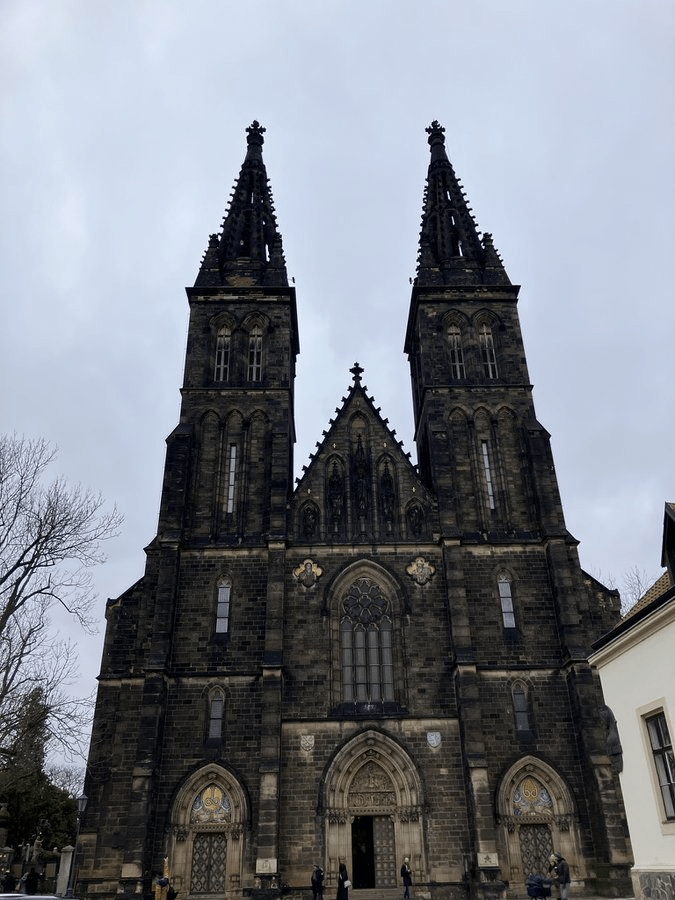
Around the year 1070, the Vyšehrad Chapter / Vyšehradská kapitula was founded, a ‘chapter’ being an assembly or monks or other clergymen connected with a specific cathedral or church.
And a church will have a dean – or a ‘děkan’ in Czech. And this church’s deacon – well, one of them, and maybe this was never actually true – supposedly had a vineyard (‘vinice’) around here.
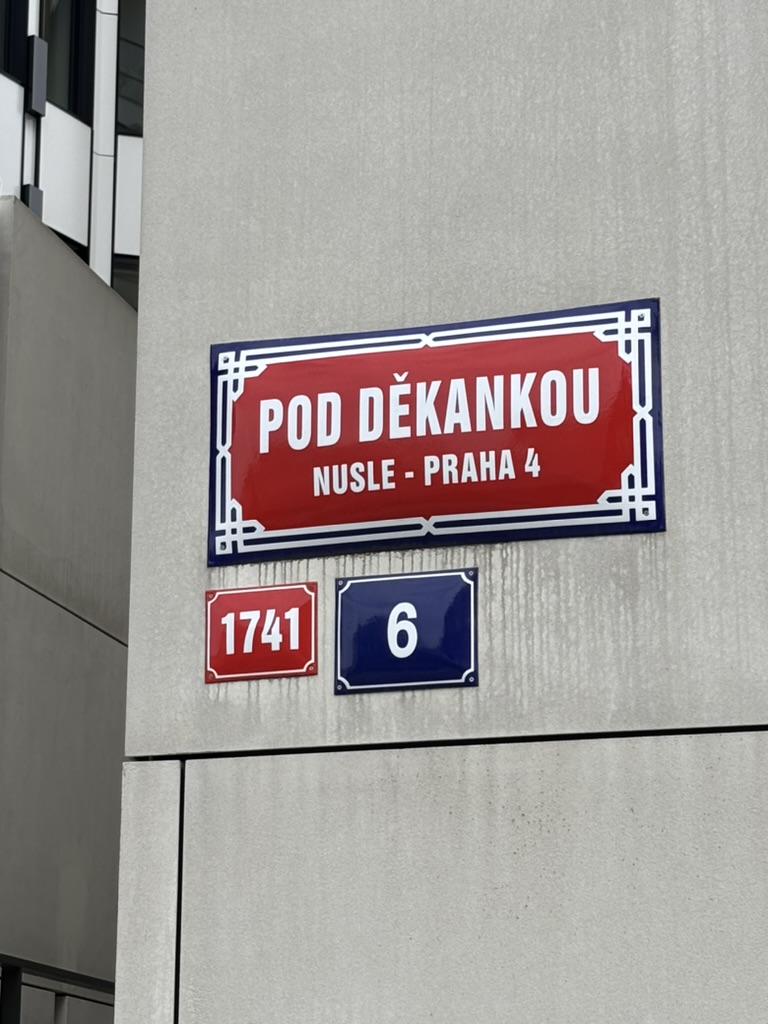
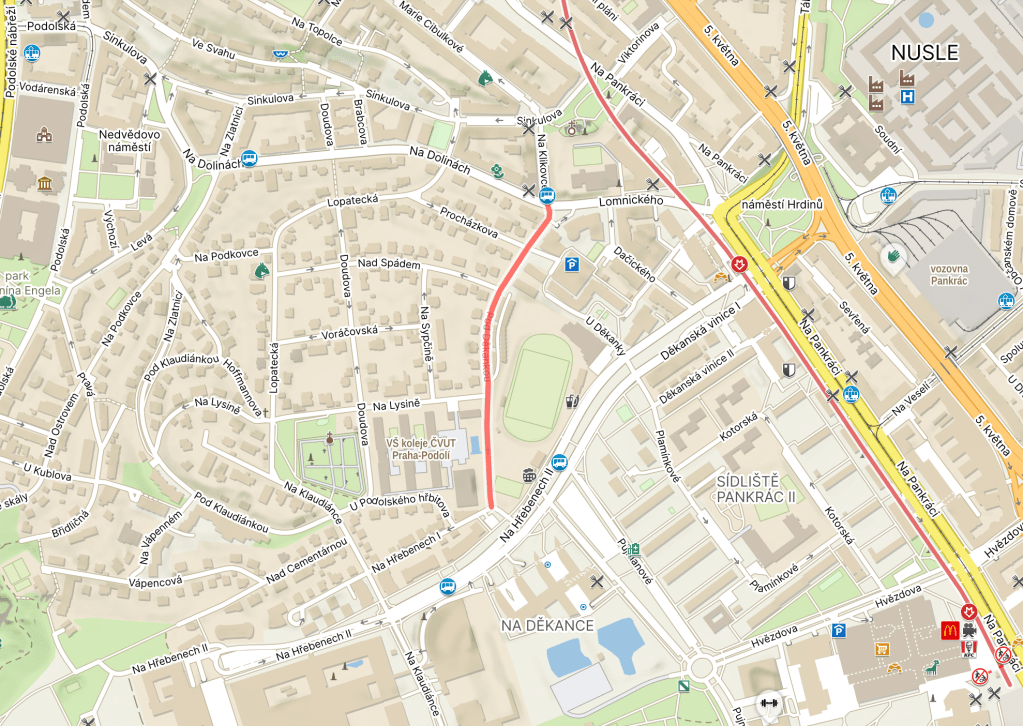
The street didn’t refer to the vineyard at first – it was just known as ‘Děkanka’ until 1947.
For the ‘I’, read what is running the risk of being a painfully short story tomorrow.
Františka Plamínková was born in Prague in 1875, qualifying as a teacher in 1895 (astounding fact, at least to me: at that time, female teachers were required to be celibate). She taught until 1924.
In 1903, she founded the Czech Women’s Club; two years later, she founded the Committee for Women’s Suffrage. Her constant work for both passive and active female suffrage resulted in a woman, Božena Viková-Kunětická, getting elected to parliament in 1918.
Plamínková also campaigned for that ridiculous celibacy rule to be overturned, which ultimately happened in 1919. In the same year, she was elected to Prague City Council, representing the Socialist Party.
In 1923, Plamínková founded the Women’s National Council, and was its chairwoman until her death, although, in a story old as time, the Council wasn’t able to get as many laws changed as it wanted, thanks to conservative men in parliament.
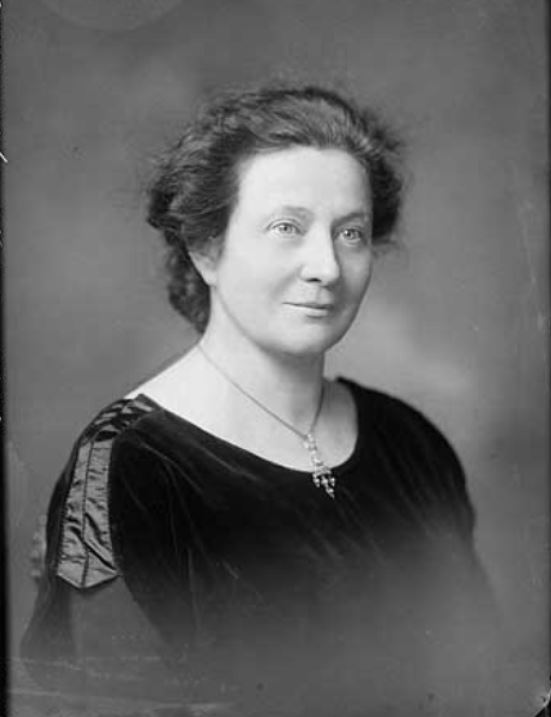
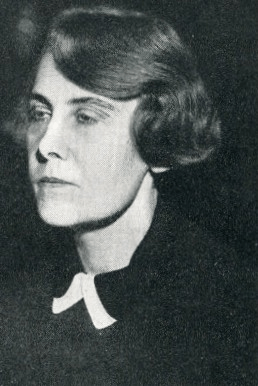
That said, she became known outside of Czechoslovakia too: she attended the conference of the International Council of Women in Washington DC in 1925, and was elected its vice-president (she is seated in this picture).
In the same year, she was elected to the Czechoslovak Senate, maintaining her seat until the Senate was abolished in 1939.
In 1931, she was elected Vice-President of the International Federation of Working Women, and, at this time, she was arguably the most famous Czechoslovak woman.
When the Nazis occupied Bohemia and Moravia in 1939, Plamínková refused to leave, and engaged in passive resistance, which got her arrested for the first time in September 1939.
She was arrested again on 11 June 1942 (a week after Reichsprotektor Reinhard Heydrich died of the injuries he had sustained in Operation Anthropoid), supposedly because she refused to publicly denounce the Operation.
After being imprisoned at Terezín, Plamínková was sent to Prague. She was shot at the Kobylisy shooting range on 30 June 1942.
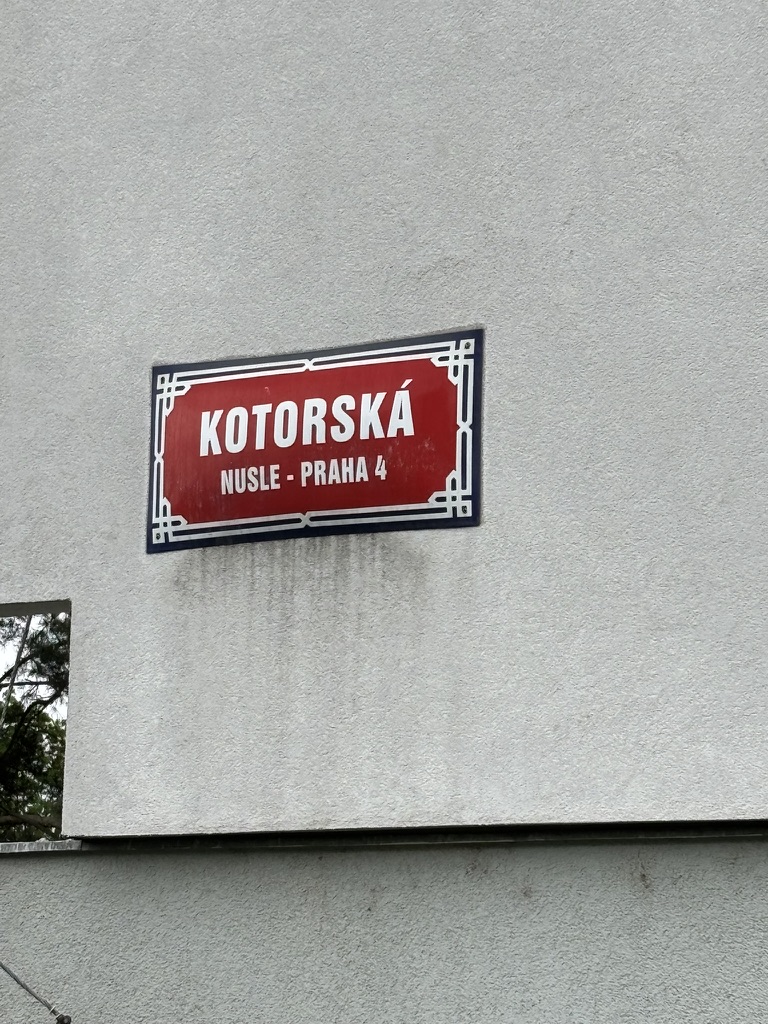
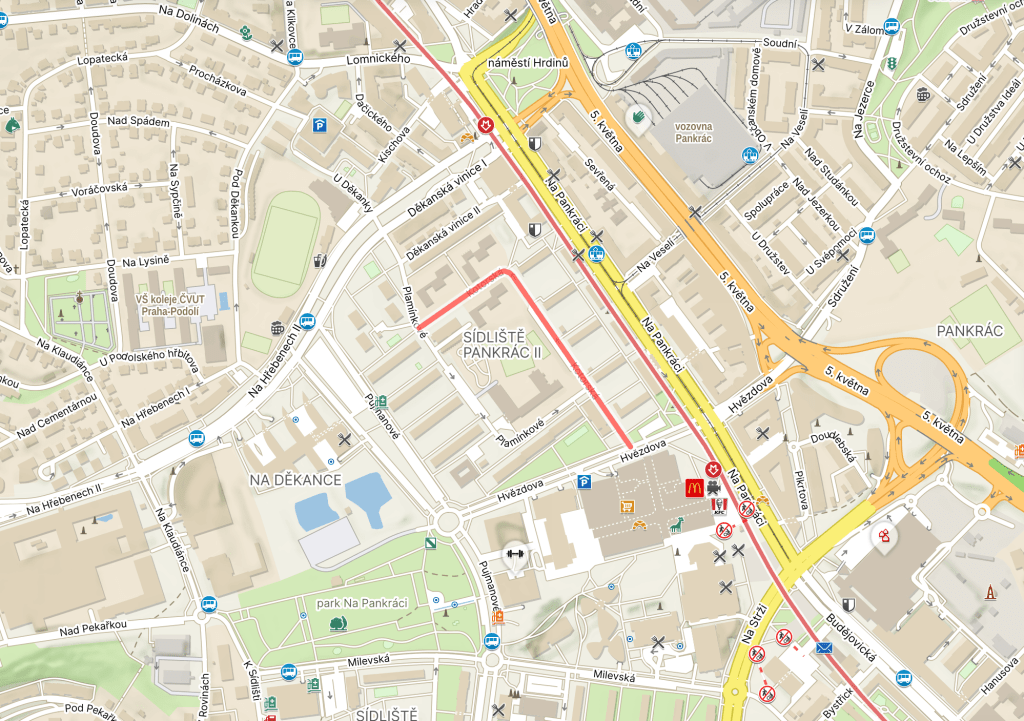
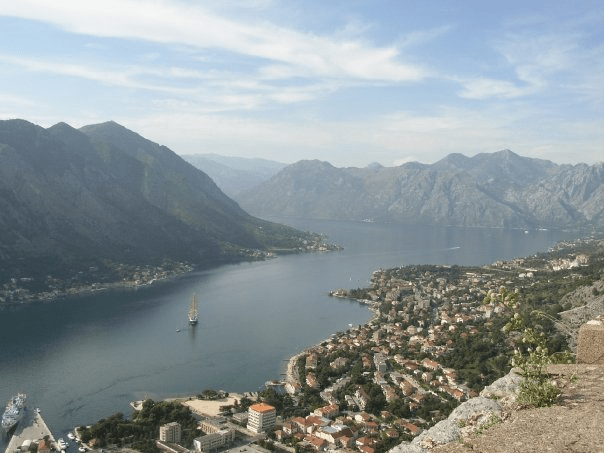
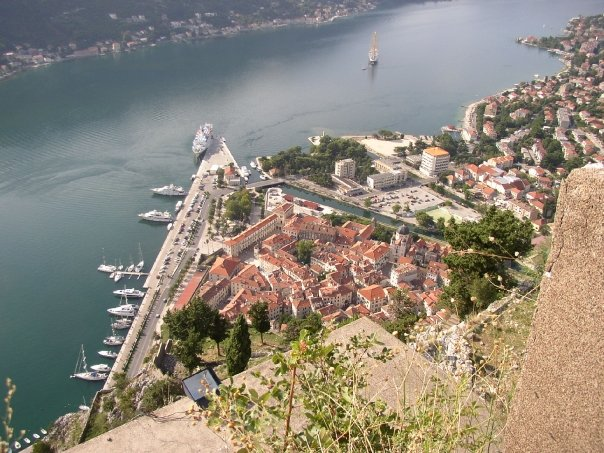
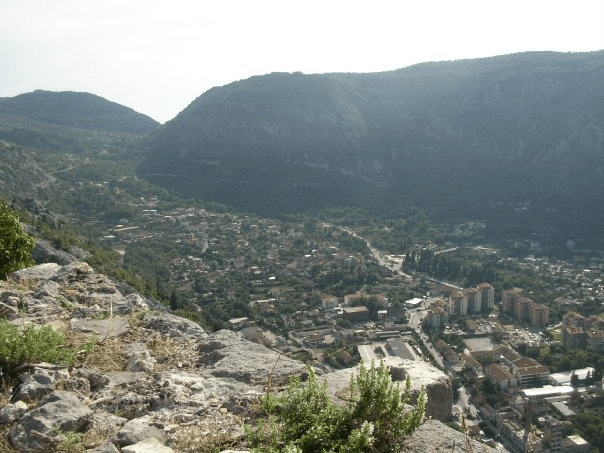
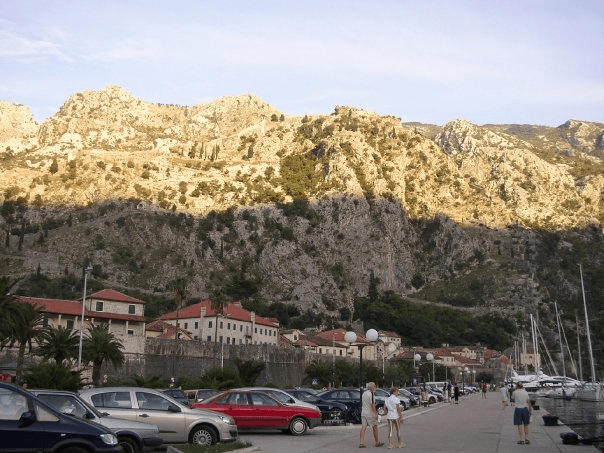
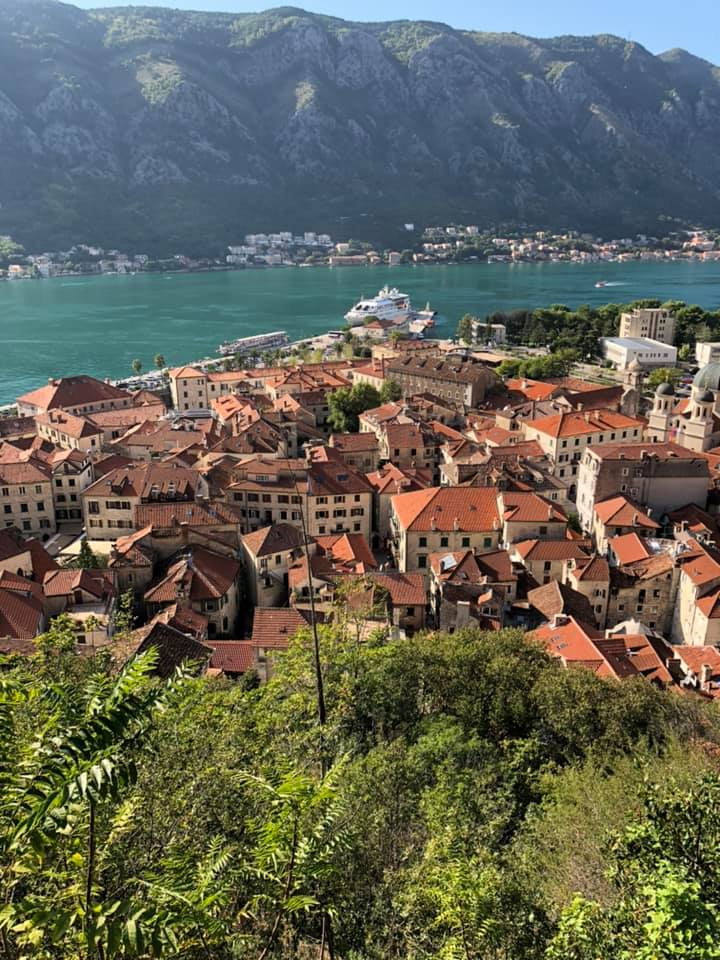
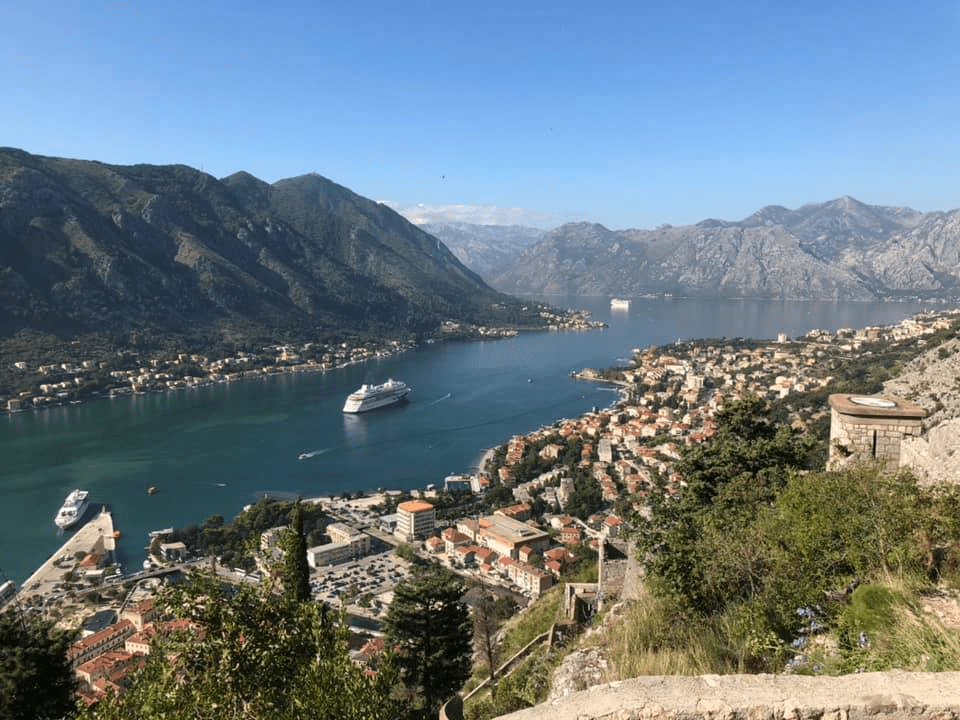
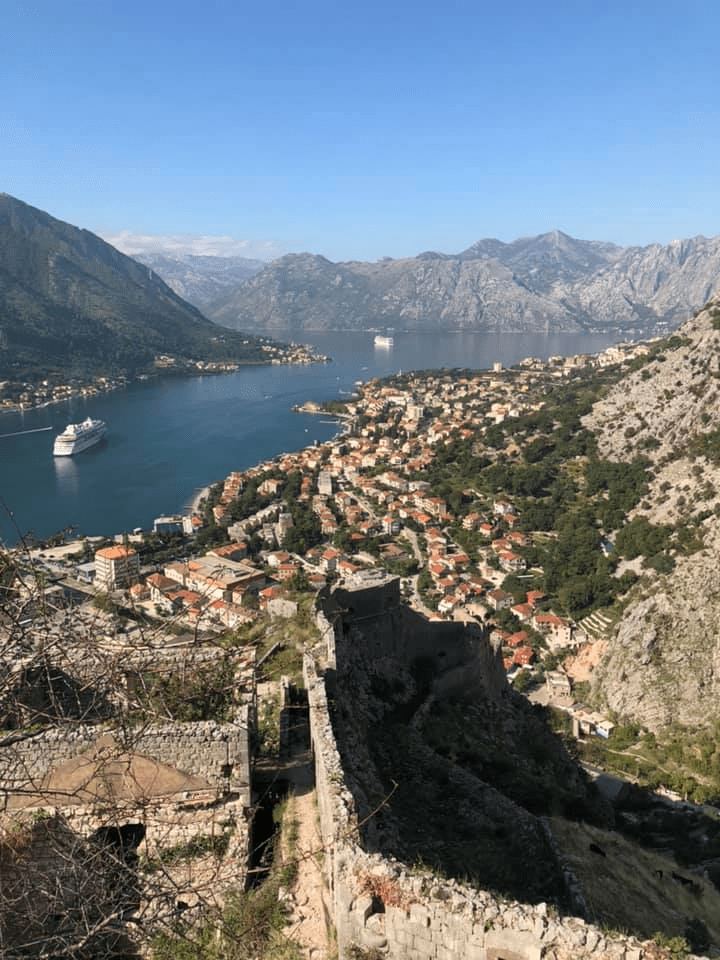
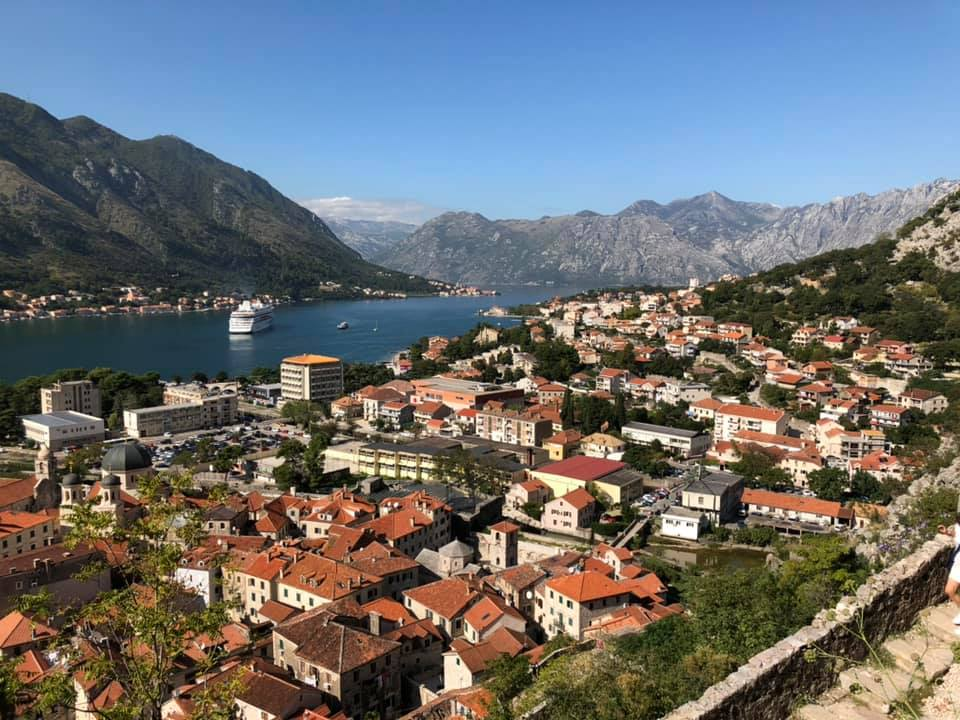
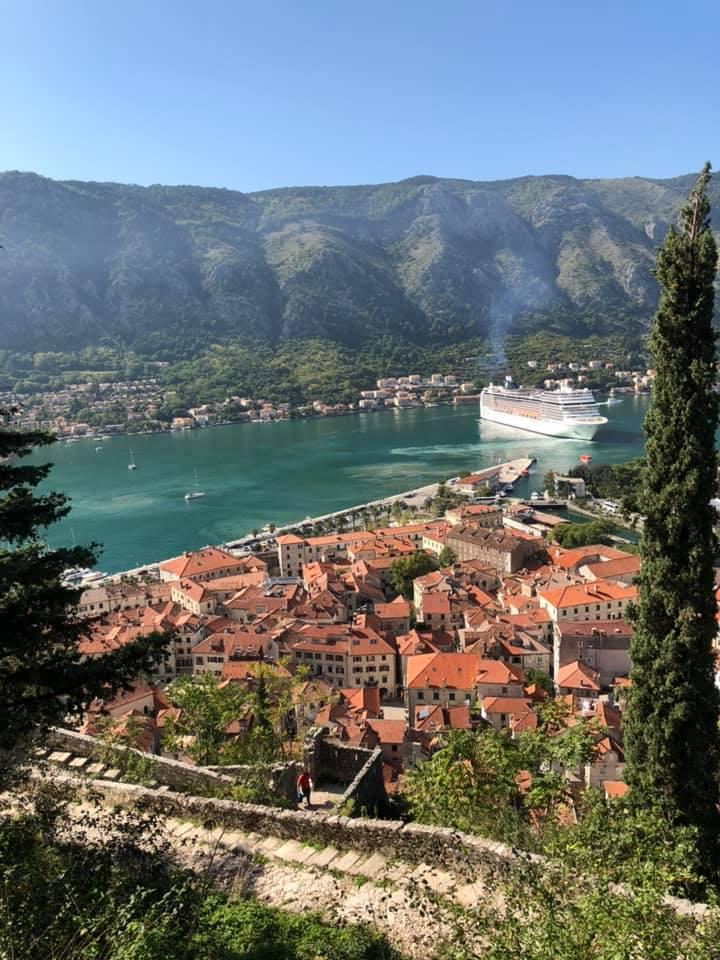
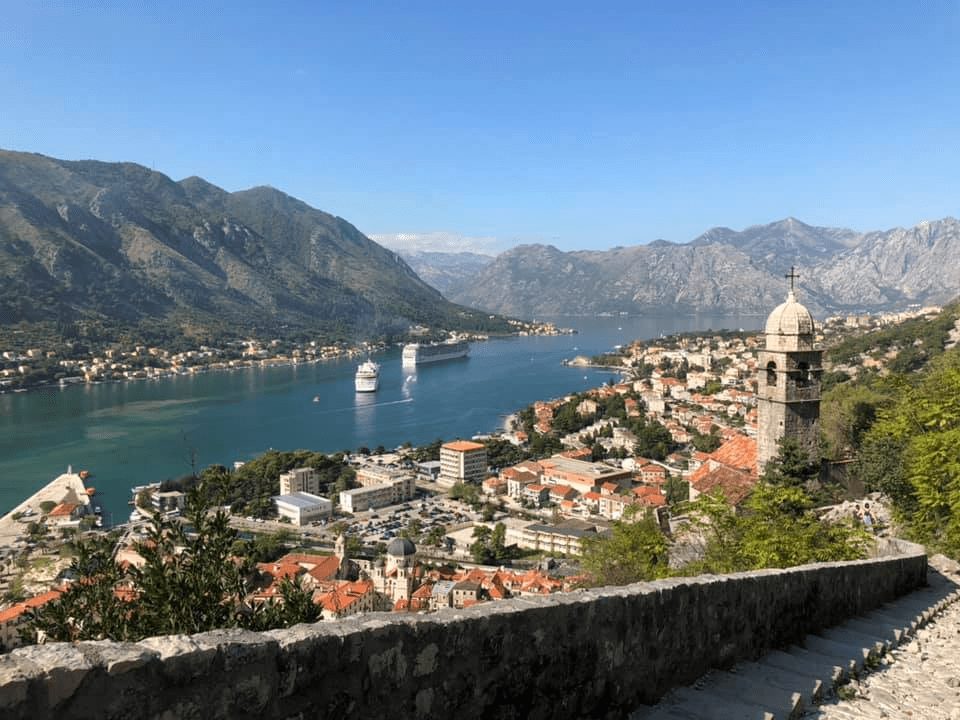
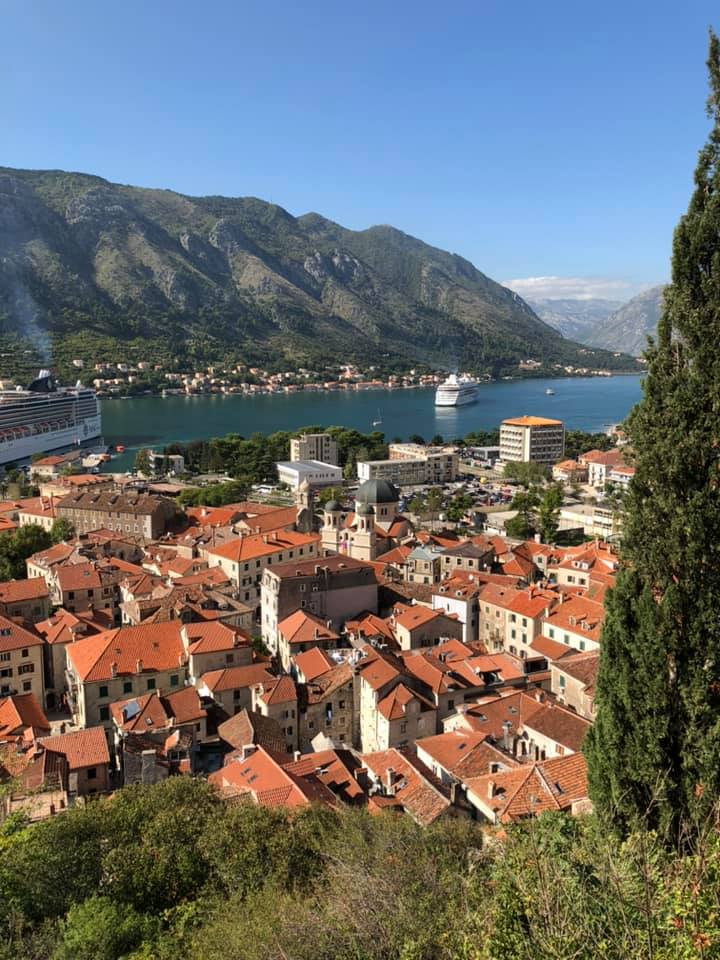
Kotor, population 13,347, is a town on the coast of Montenegro, located in the bay of the same name. I went in 2006, and again in 2019, so I’m going to populate this one with various pictures.
Kotor was settled in Ancient Roman times, when it was part of the province of Dalmatia and was known as Ascrivium. It gained a fortress in 535, as requested by the Emperor Justinian.
In 1002, the city was damaged while occupied by the Bulgarian Empire; in 1003, it was incorporated into the South Slavic state of Duklja. While Duklja was a vassal of Bulgaria, Kotor remained a decent degree of autonomy.
In 1185, Kotor was was conquered by Stefan Nemanja, Grand Prince of Serbia. It remained the most important Serbian trading port – rivalling Ragusa (now Dubrovnik) and even making Venice a little bit jealous – until the Serbian Empire fractured in 1371.
After that, it passed hands between Hungary, Venice and Bosnia, eventually acknowledging Venetian suzerainty in 1420. It remained part of the Venetian Republic until 1797, and was known as Cattaro.
(2019 photos begin here; note the quality change)
That may make things sound more stable than they were – Cattaro was besieged by the Ottomans in 1538, suffered an earthquake in 1563, endured the plague in 1572, was besieged by Ottomans again in 1657, and experienced another earthquake in 1667.
In 1797, Kotor was put under the control of the Habsburg Empire, but, betwen then and 1814, it was also assigned to/conquered by the French and the British, before reverting into Austrian hands.
In World War I, Cattaro was one of the main bases of the Austro-Hungarian navy; when the war was over, it became part of Yugoslavia, and gained its current name.
Between 1941 and 1943, it was annexed by Italy; its Italian-speakers left for good after WW2.
Since 2006, Kotor has been part of an independent Montenegro (the early photos above are from a few months after that happened).
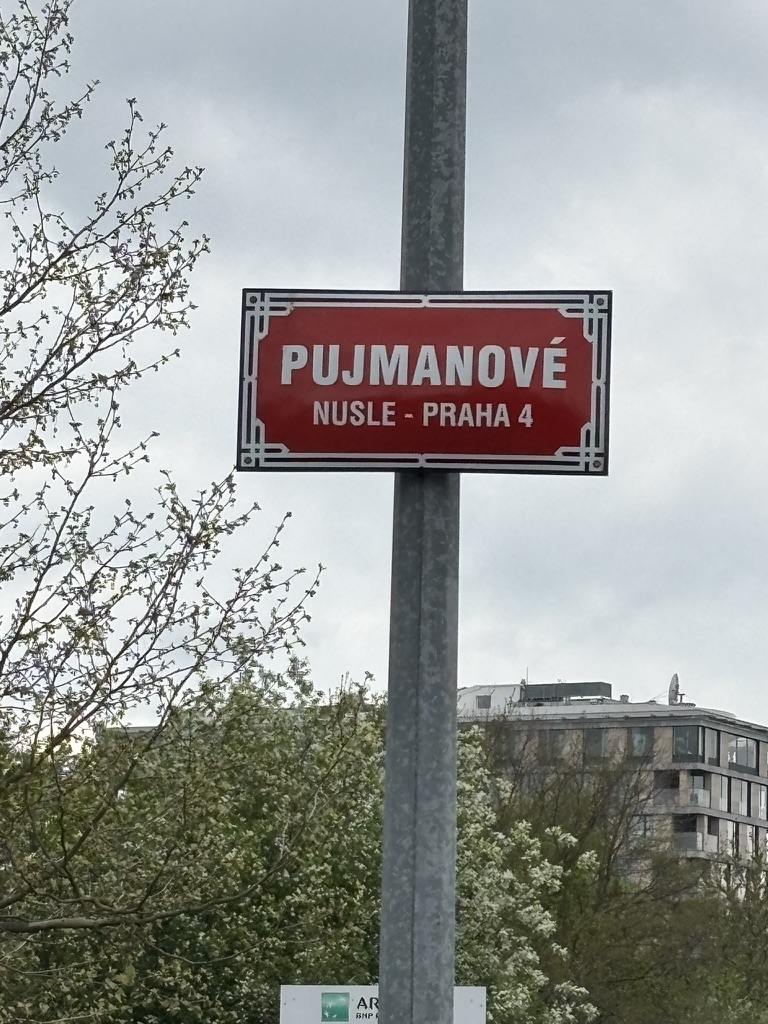
Marie Hennerová was born in Prague’s New Town in 1893. Her father, Kamil Henner, was a professor at the Law Faculty of Charles University, while her brother, Kamil, later became a renowned neurologist.
Moving to České Budějovice in 1912, she married Vlastislav Zátka, a lawyer; the marriage was short-lived, and she married her second husband, Ferdinand Pujman, in 1919.
Pujmanová published her first novel (Pod křídly – ‘Under the wings’) in 1919; her style at the time was influenced by impressionism.
Originally surrounded by right-wing intellectuals, Pujmanová took a big interest in left-wing politics from the 1930s onwards, travelling to the Soviet Union several times and, in 1937, becoming vice-chair of the Society of Friends of Democratic Spain.
Her written work also took on a socialist tone in this decade, 1931’s Pacientka doktora Hegla (Doctor Hegel’s Patient) concerned the position of women in society at the time.
She wrote articles for multiple newspapers – most notably Rudé právo – and, after WW2, was one of those in charge of evaluating and approving film projects.
After joining the Communist Party in 1946, Pujmanová was a staunch supporter of the Party’s February 1948 coup, joining the Syndicate of Czech Writers and taking part in purges.
She won the Klement Gottwald State Prize in 1951; her work by this time, in the socialist realist style, is held to be of much lower quality than her earlier writings.
Czech Wikipedia includes the brilliant sentence: ‘Her poetry is very political and suffers from all the problems of poetry of the 1950s’.
After suffering from repeated health issues, Pujmanová died in the sanatorium at Smíchov in 1958, apparently due to defective medication.
It’s mildly surprising that this street – hardly a short one – didn’t get a swift renaming in 1990.
The earliest written mention of it is from 1184, which is three years before Jiřího z Milevska, a nobleman, arranged for a monastery to be built in the vicinity.
As Milevsko was a strongly Catholic town, the monastery predictably came to an unpleasant end in 1420, when Hussites burnt it down. It was subsequently restored in the late 1500s, but as a Hussite institution.
Milevsko was beset by bad luck after this: there was a huge fire in 1640 and 1749, and repeated plague epidemics in the 1600s and 1700s. Milevsko then became one of the poorest places in Bohemia, not really recovering until the 20th century.
Nowadays, Milevsko is best known for its ZVVZ – závody pro výrobu vzduchotechnických zařízení, or plants for the production of air-conditioning equipment.
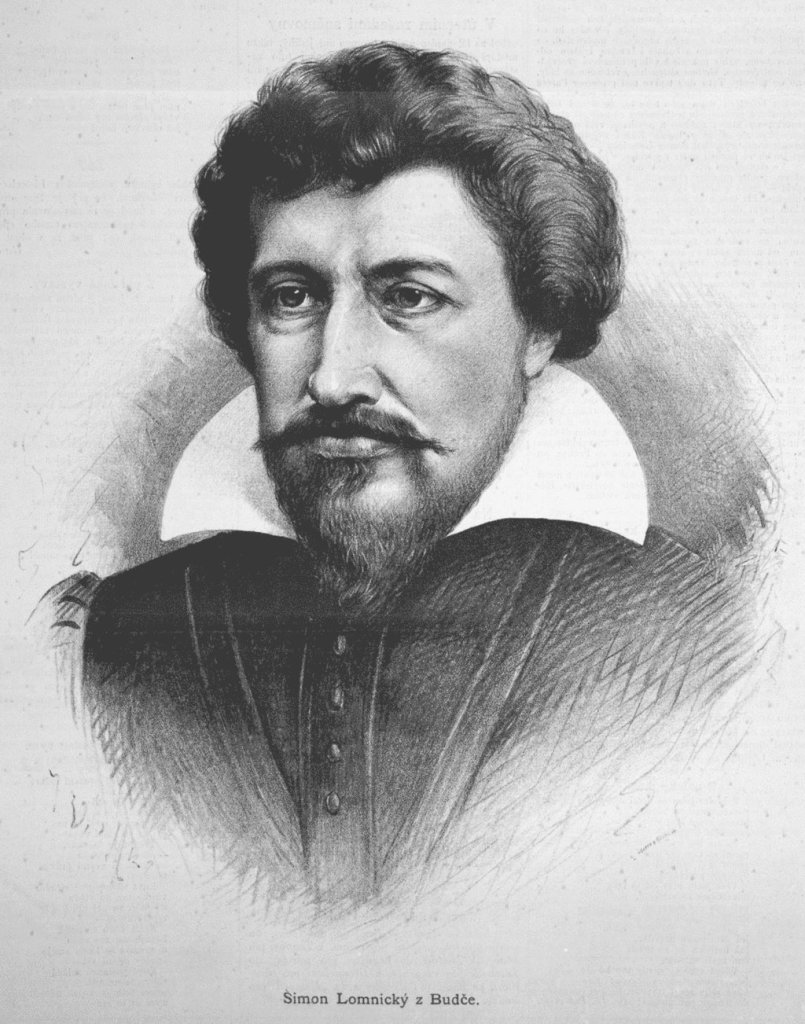
Šimon Lomnický was born into a poor family in Lomnice nad Lužnicí in 1552, but, thanks to Vilém z Rožmberka, a noble and one-time treasurer of Bohemia, he was able to have an education.
He wrote a series of books about the seven deadly sins and their moral impact, including volumes with fun titles like Knížka o sedmi hrozných ďábelských řetězích (A Booklet on the Seven Terrible Devil’s Chains).
Or Traktát o tanci (A Treatise on Dancing – apparently one of the mortal sins).
Or Tobolka zlatá (The Golden Capsule; apparently against greed and usury, although Lomnický was allegedly quite partial to a bit of the latter).
Or Pejcha života (The Scourge of Life; a work criticising pride with a small p, and goodness know what he’d have had to say about Pride with a capital P).
His most famous work was Kupidova střela (Cupid’s Arrow), a collection of works on why people fornicate and how you can avoid fornicating (admitting to writing books like this probably being a good first step).
Having had his property burnt down in 1619 by Habsburg troops, Lomnický apparently converted from Catholicism to Hussitism, back to Catholicism again, before dying in 1623, penniless.
A map of Nusle from 1914 indicates that, by that time, it was gone.
I got excited a minute ago, because I thought I’d found a lot more information about Klikovka… but then that Klikovka turned out to have been in Smíchov.
So that’s getting saved for What’s in a Prague 5 Street Name.
It was initially called Krušinova, after Hynek Krušina z Lichtenburka, a noble who first fought on the Hussite side in the 1400s, then on the side of the Catholics.
Having been lengthened by taking over another street in the 1930s, the street has had its present name since 1948.
After his military service in Košice, he returned to Prague, took a job at the Czech Commercial Bank, and joined the Communist Party.
In the early 1930s, Sinkule became a researcher at what is now the Prague University of Economics and Business (VŠE), and started to work as a journalist. He also ran for election to the National Assembly.
Sinkule eventually became editor of Rudé právo, the Communists’ official newspaper, and travelled to Spain to report on the Civil War there.
When the Nazis occupied the Czech Lands in 1939, Sinkule started clandestine work for the Central Committee of the Communist Party of Czechoslovakia, especially in South Moravia.
The Gestapo arrested him in February 1941 in Pankrác. After a stint in Terezín, he was sent back to Pankrác later in the year, but, in March 1942, he was transferred to Mauthausen concentration camp.
He was executed there on 20 April 1942, aged 37.
A dormitory of VŠE in Dejvice is also named after him.
She was also a member of the Czech National Socialist Party, which, despite its somewhat familiar name, was located on the centre-left of the political spectrum.
Cibulková lived on Sinkulova in Nusle – coming up tomorrow – and, when World War Two broke out, she arranged shelter for participants in the anti-Nazi resistance (and their weapons).
Mikuláš z Pístného was born around 1375, and the earliest written reference we have to him is from 1389.
In 1406, King Václav/Wenceslas IV made him hereditary burgrave of Hus Castle, hence the change in name.
A supporter of communion under both kinds – ie the reception of the Eucharist via both consecreated bread and wine – he asked Václav to allow it in 1419. Václav freaked out and ordered Mikuláš out of Prague.
However, Mikuláš then managed to organise large meetings in the mountains and began to plan military resistance to the regime.
Mikuláš asked the alderman of Prague to allow the gates of Prague to be guarded by the people of both Prague and Tábor; they refused. Mikuláš decided it was time to leave Prague.
However, while departing, he fell from his horse while crossing the Botič (https://whatsinapraguestreetname.com/2024/08/26/prague-2-day-115-boticska/), and died in December 1420. His unexpected death reduced the number of power struggles that Jan Žižka would need to endure to lead the Taborites.
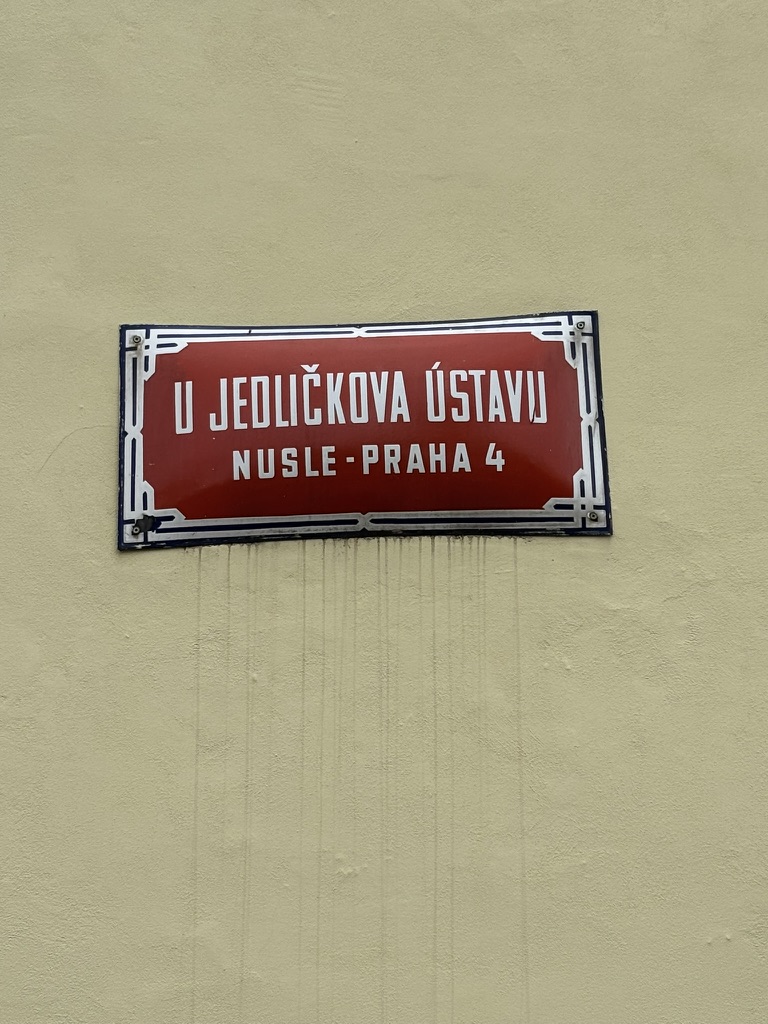
U Jedličkova ústavu was built in the 1930s, but not named until 1957.
Rudolf Jedlička was born in Lysá nad Labem in 1869; his father had previously served as a doctor in present-day Slovenia, and his mother was the daughter of a mayor of Vyšehrad.
He studied medicine in Prague, graduating in 1895, which was also the year in which Wilhelm Röntgen invented the X-ray. In 1896, Jedlička became the first doctor in the Habsburg Empire to perform X-ray examinations.
He was also the first doctor in Bohemia to start using radium.
However, Jedlička suffered from career setbacks – an application to become chief physician in Olomouc was turned down, probably for political reasons, and, unexpectedly, he wasn’t asked to take over the clinic he worked at in Prague when its founder died.
Disillusioned, Jedlička started working at the Prague University Polyclinic instead, but physical problems also came into play: his previous exposure to radiation caused him to lose several of his fingers.
After a research trip to Rochester, Minnesota in 1908, Jedlička bought land in Podolí in 1909, and had a sanatorium built. It started accepting patients in 1914.
Also, in 1911, Jedlička became chairman of an association which aimed to build an association for disabled children. A year later, Jedlička took out a loan to buy a plot of land in Vyšehrad.
In 1912, the First Balkan War broke out; Jedlička funded an expedition of doctors who went to the Balkans. He personally operated on up to forty patients a day and received the Order of Saint Sava from King Petar I of Serbia.
Returning to Prague in early 1913, Jedlička got on with setting up the institute for disabled children which bears his name, and has given its name to the street.
Jedlička wanted to go to Serbia again when World War One broke out, but the Austro-Hungarian authorities, who sided with Bulgaria, forbade this, and, instead, he was called up to serve the Fifth Army in Bijeljina, Bosnia.
Jedlička managed to get called back after a month, largely thanks to the intervention of friends who persuaded the authorities that he was needed back in Prague, and continued his military service, but from Bohemia.
In 1925, he was finally asked to become head of the clinic that he had left a couple of decades earlier, but turned this down due to being extremely busy with other things – and feeling less well than he had previously.
Josef Ignác Franz Buček was born in Příbor, then known as Freiberg, in 1741. He studied philosophy in Olomouc and Vienna, later becoming a professor of economic sciences at the University of Prague.
Around the turn of the 18th and 19th centuries, he built a farmstead round here, with an extensive orchard, and called it Bučanka.
Buček died in 1821; later owners of the farmstead included one Václav Bělský, a mayor who purchased it in 1853 and built a villa on it called Bělka.
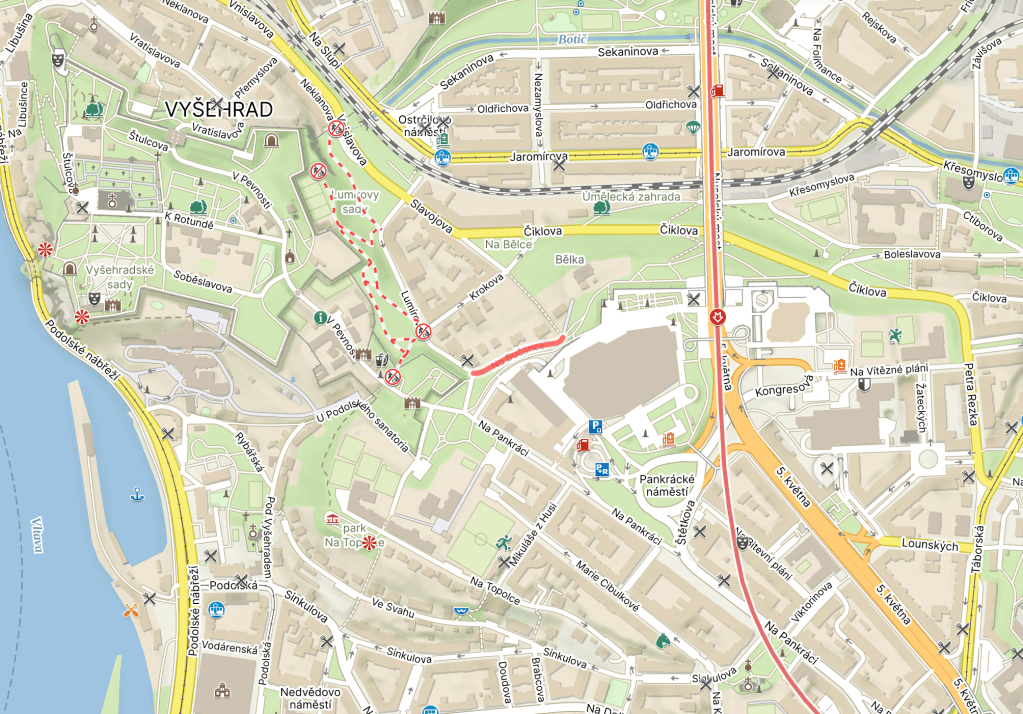
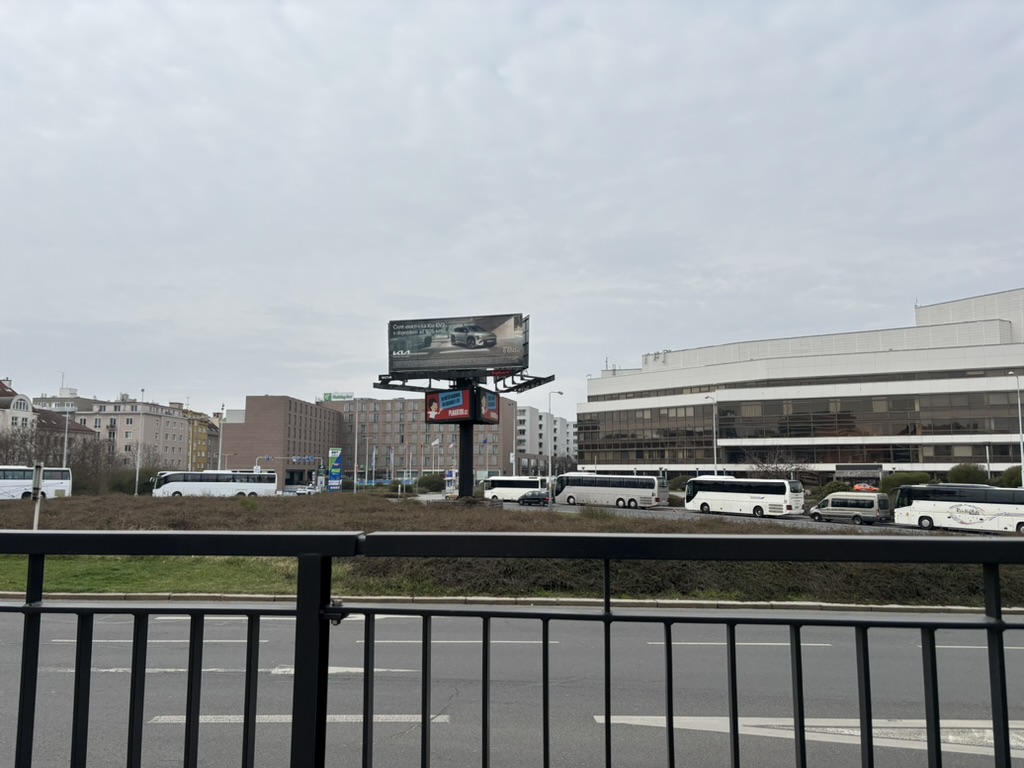
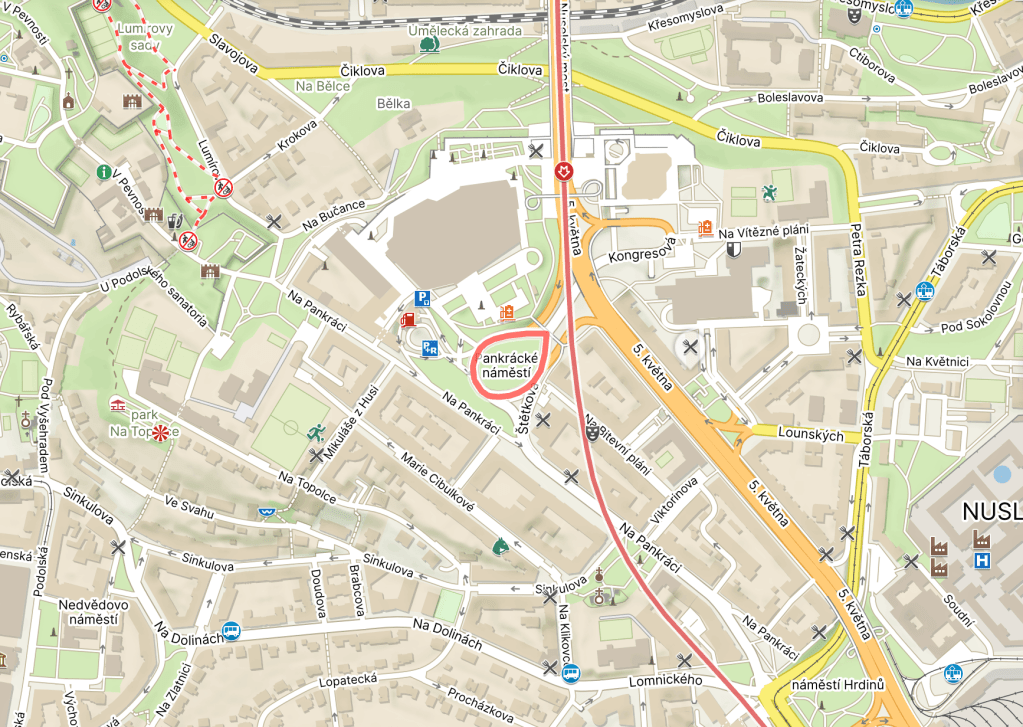
Pankrácké náměstí (Pankrác Square) was built in 1931. I walked around – a lot – and couldn’t find a street sign, so here’s a picture of the square instead. Not Prague’s most beautiful.
However, when it was first built, Pankrácké náměstí included a small stadium, Na Bělce, which belonged to a football club, SK Nusle. They still exist, and currently play in regional competitions: https://sknusle.cz/o-klubu/.