Originally published on Twitter on 13 January 2023.
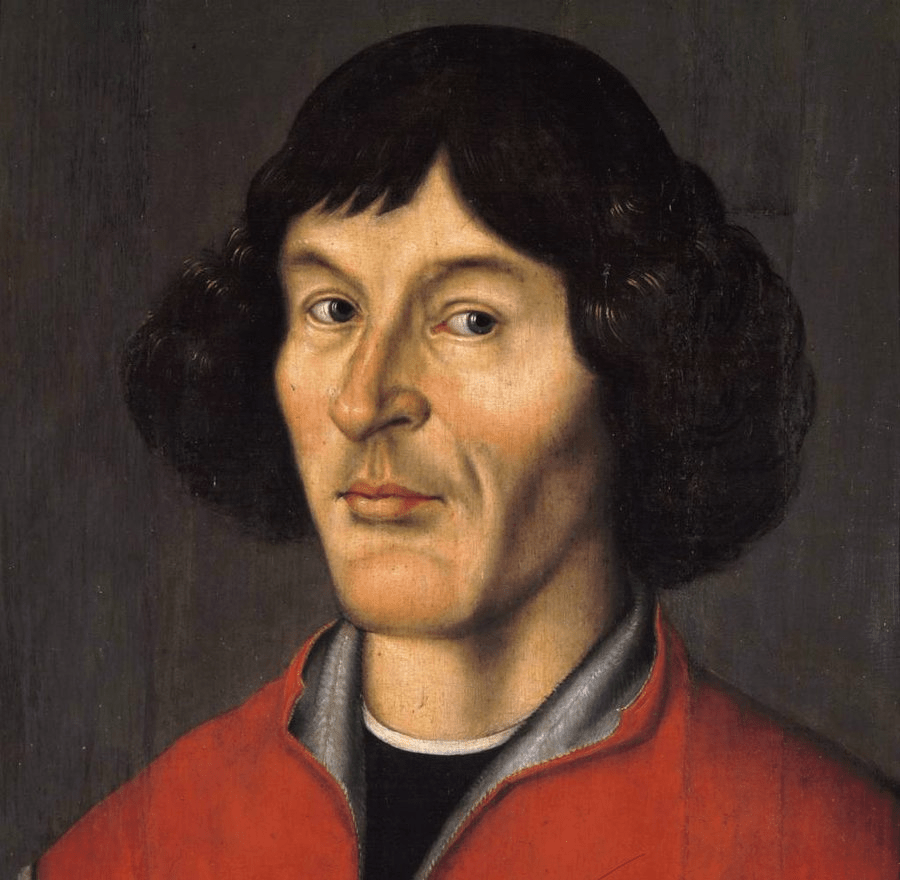
You know who Niklas Koppernigk was, but probably under the name of Nicolaus Copernicus or (if you’re Czech) Mikuláš Koperník. He was born in Toruń, now in Poland, in 1473. This is the (fairly 1970s, right?) pic of him in the Town Hall there.
He put forth the theory that the sun is the centre of the solar system, and that the planets orbit around it (first edition of his work on this, from 1543, below).
Bad news for those of us wondering if our CVs are sufficiently varied: he was also a priest, astrologer, jurist, governor, diplomat, economist and mathematician. Because sometimes creating modern astronomy just isn’t enough.
There’s no evidence of him ever having made it to Prague, although his ancestral village, Koperniki, is nowadays only 10 km north of the Czech-Polish border.
He died in Frauenberg (nowadays Frombork, also in Poland), in 1543.
The villa underwent several reconstructions, and, in the 1970s, was an administrative office for the Supreme Court of Czechoslovakia. It’s uninhabited now.
And apparently, Petruska is a ‘garbled’ version of Perucka, but that’s the most I can find out about that name. For language nerds, the Czech for ‘to garble’ is zkomolit, and I’m going to try to crowbar this into at least five conversations next week.
Kleovka was demolished at some point in the 19th century, and, on the same spot, a villa with the same name was built in 1878. In the 1880s, it was owned by one Karel Hausschild, who will come up again tomorrow.
Originally published on Twitter on 10 January 2023.
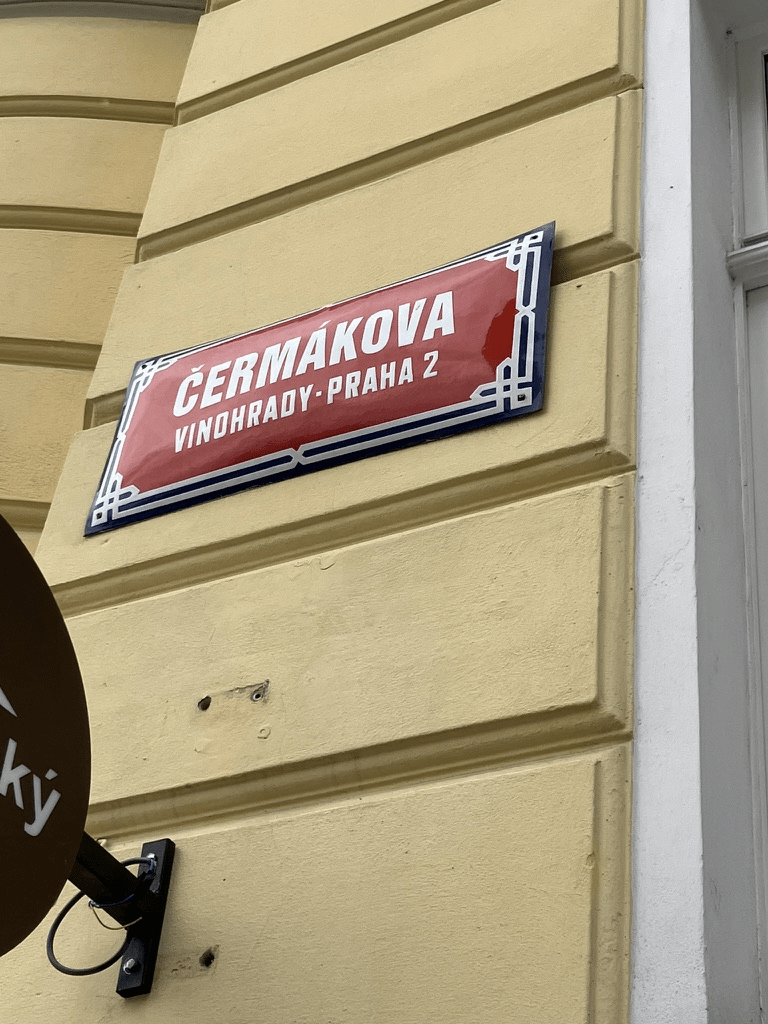
Čermákova was built in 1896.
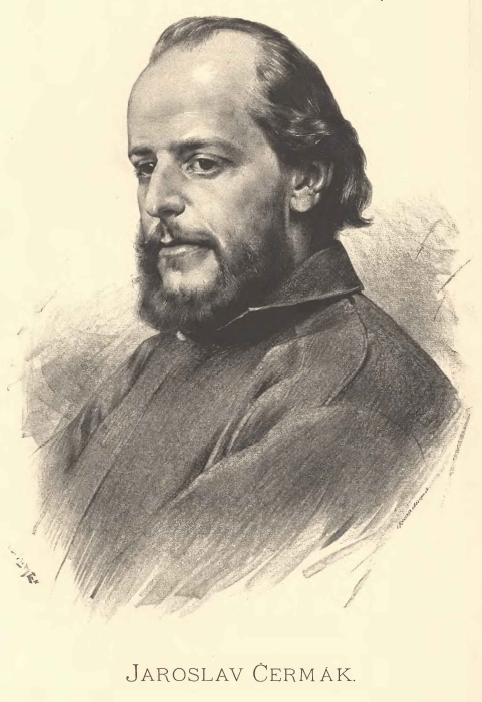
Jaroslav Čermák was born in Prague’s Old Town in 1830. Born into a family of doctors, he suffered a major hip injury in his youth, and was confined to bed at times because of this – which may be why he developed an interest in drawing instead.
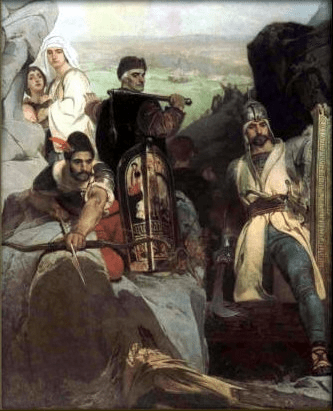
In 1849, he moved to Antwerp to study painting; this was followed by stints in Paris and Brussels. He developed a particular interest in historical paintings. This, for example, is his picture of Hussites defending a pass.
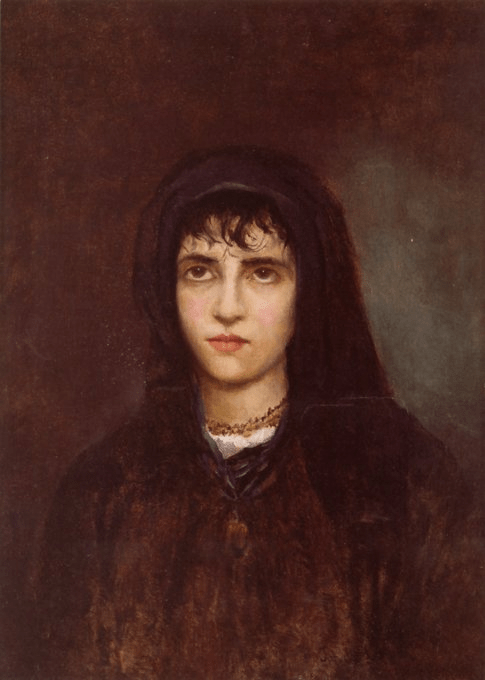
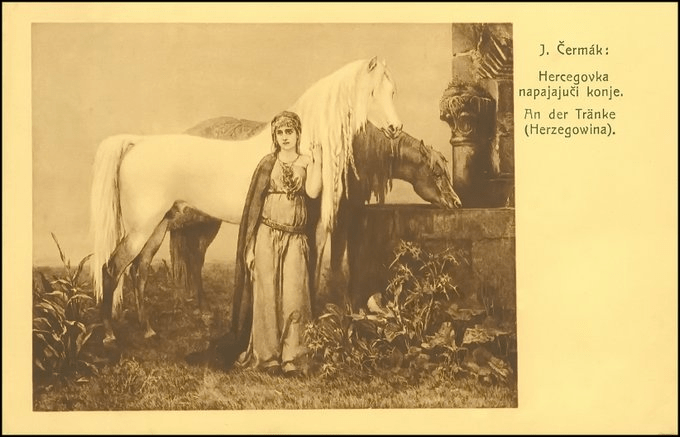
He would develop this further in the 1860s, when he made trips to Dalmatia and Montenegro, and produced works based on that region’s struggle for liberation, particularly from Turkish rule. These are his pictures of a Montenegrin and a Herzegovinian woman respectively.
He died in Paris in 1878, aged 47, and, while he never seems to have lived in Bohemia during his career, he is buried in Olšany Cemetery.
Originally published on Twitter on 9 January 2023.
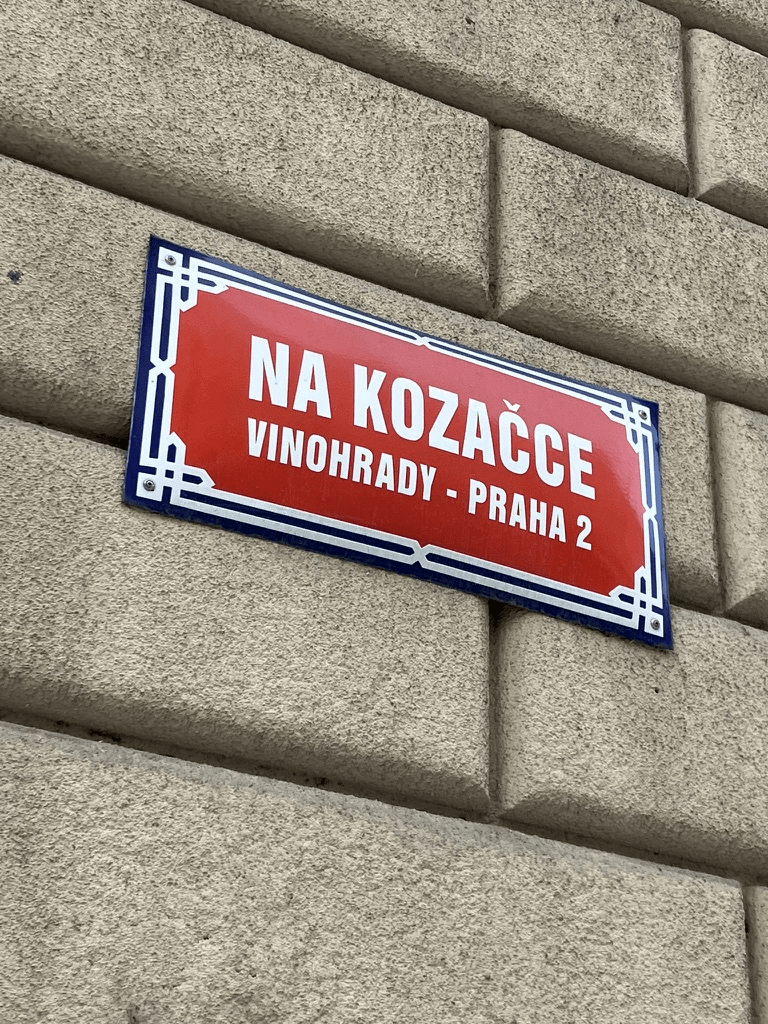
Na Kozačce was built around 1896.
Kozačka was another of the former vineyards around here. It was also known as Šindlerka, after one of its many owners.
The derivation of the name is unclear, but it could be after one Jan Kozihrb, who owned it in the 16th century. It’s unlikely to have anything to do with the fact that a kozačka is a type of boot.
In the 19th century, it was purchased by Marie Anna Wimmerová; her heirs sold it to a company that opened a park which was used to carry out research into field foxes. The research centre moved to Troja in 1870.
In 1871, it was purchased by Jan Stanislav Skrejšovský, a journalist who, given his pro-Czech views, became unpopular with the Habsburg authorities. He was declared bankrupt in 1878.
In 1900, the Vinohrady Credit Union purchased the land and immediately started to parcel it out.
During the Nazi occupation, the street was called Hynaisova, after Vojtěch Hynais (1854-1925), a painter who also created the curtain that’s still used at the National Theatre.
Originally published on Twitter on 8 January 2023.
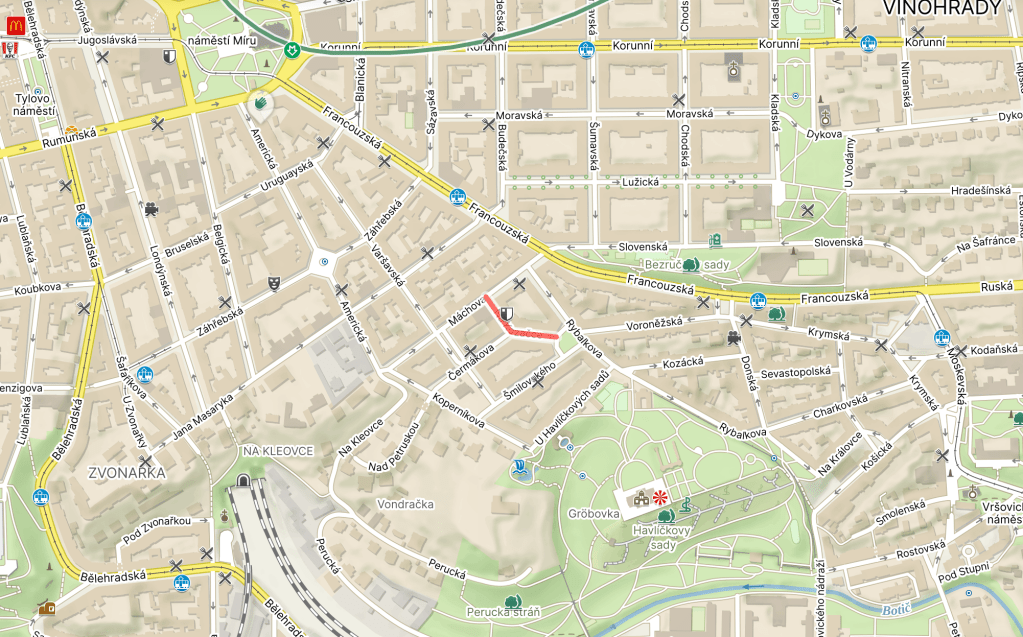
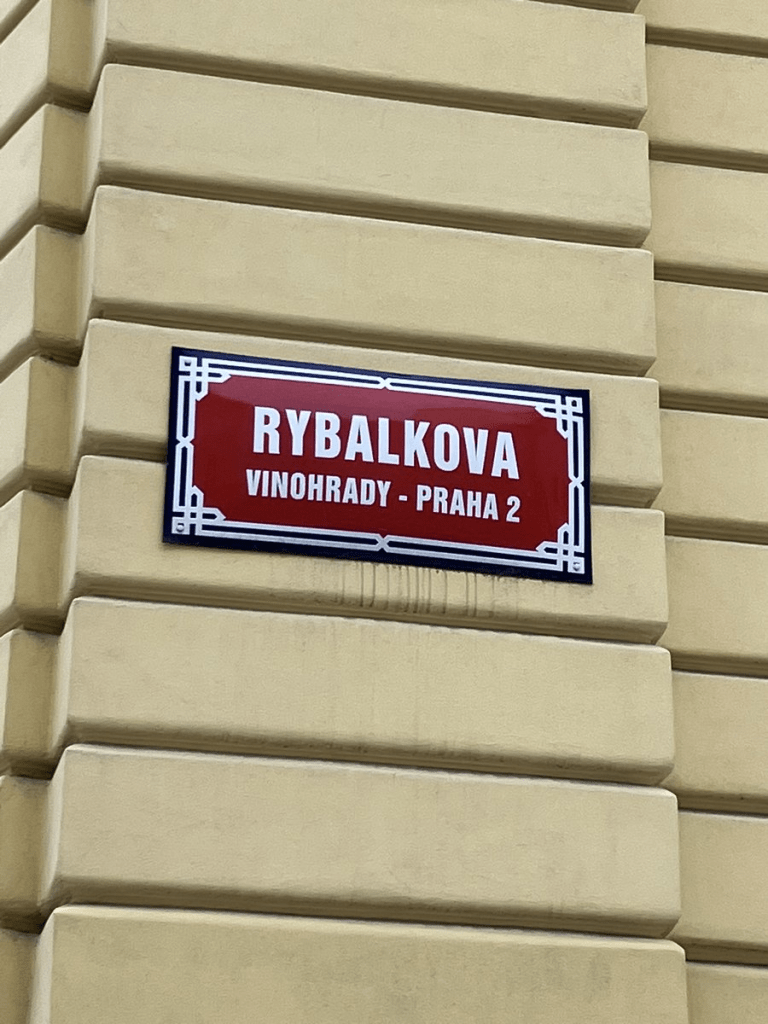
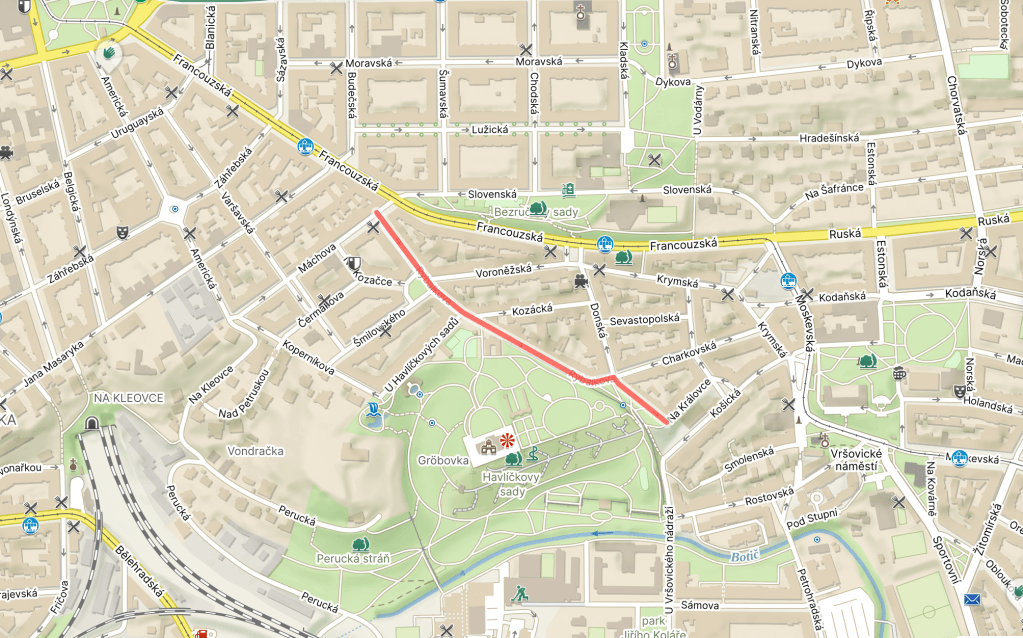
Rybalkova was built before 1884.
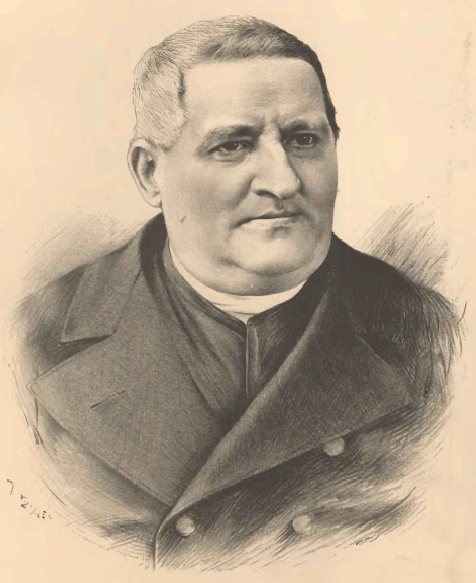
Prior to the Nazi occupation, and again from 1945 to 1946, the street was called Jablonského, after Boleslav Jablonský (1813-81), poet and priest.
During the Nazi occupation, it was known as Labská, after the river Labe (and as in ‘Ústí nad’), known in English and German as the Elbe.
Pavlo Semyonovich Rybalko was born in Malyy Vystorop, now in the Sumy Oblast of Ukraine, in 1894. During World War One, he fought in the Russian Army, and joined the Red Army in 1917.
In World War Two, he was commander of the 3rd Guards Tank Army, which distinguished itself in Kharkiv, Kyiv, Stalingrad and Kursk.
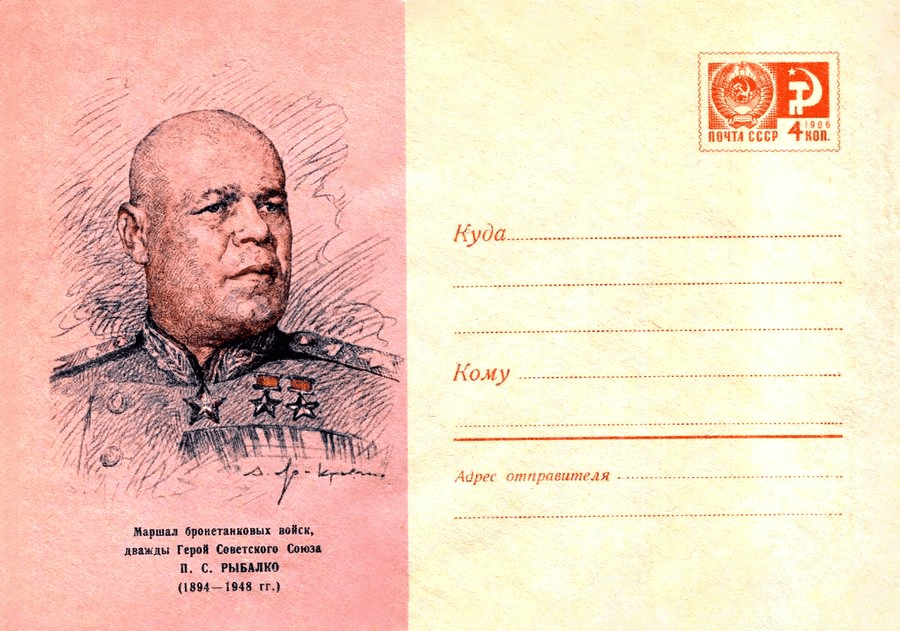
Rybalko died in Moscow in 1948. Here’s a Soviet envelope with his portrait, from 1970.
Rybalkova eventually ate up other streets in the area, which seems quite fitting for a street named after a Soviet general.
In 1952, Na Borovance, named after Borovanka, a former vineyard, and Půlpánova, named after Karel Půlpán (1885-1914), a Czech writer and socialist, became part of Rybalkova.
Then, in 1985, some of the Půlpánova part was given to U Vršovického nádraží, another nearby street.
Originally published on Twitter on 7 January 2023.
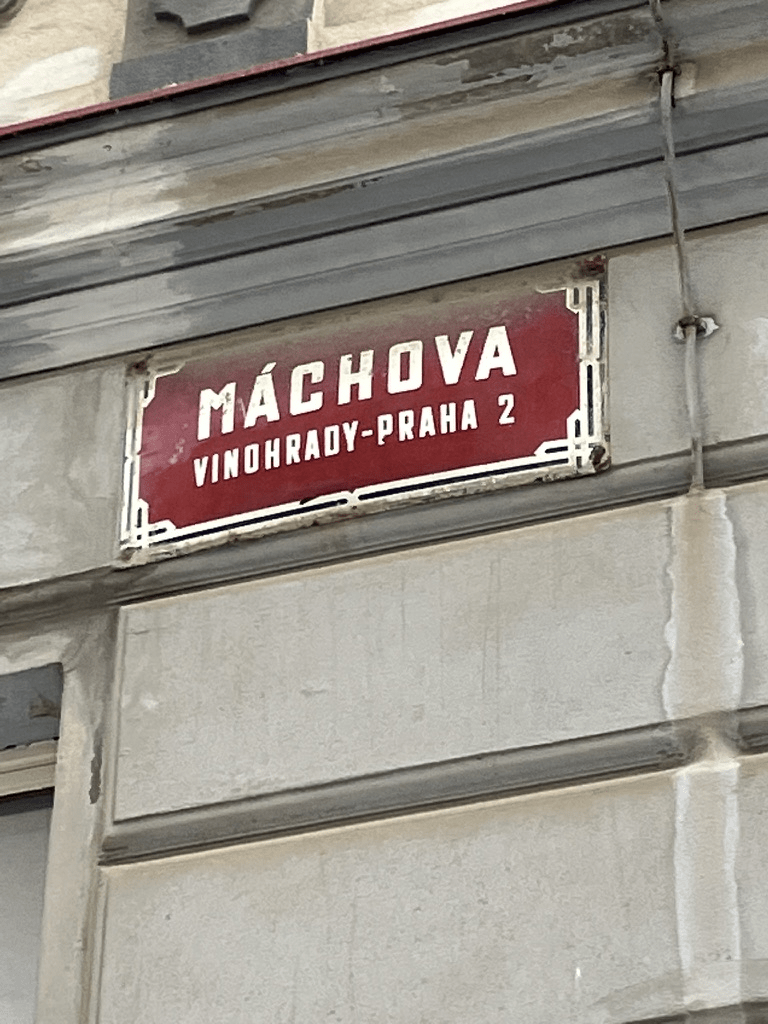
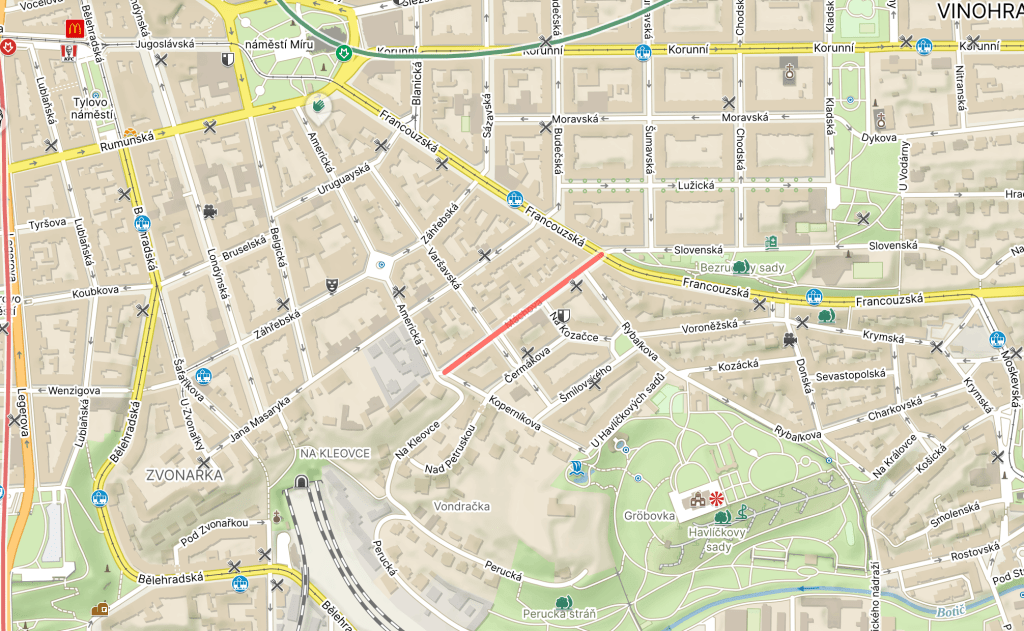
Máchova was built before 1884.
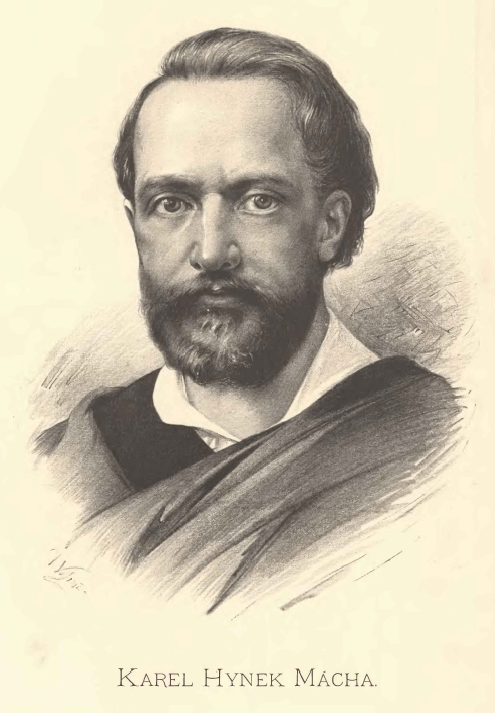
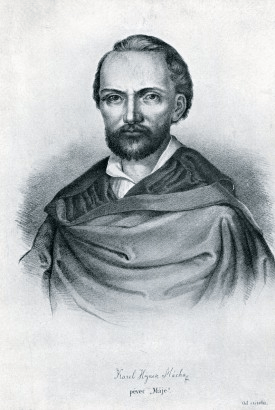
Ignác Mácha* was born on Újezd, on Malá Strana, in 1810. In 1830, he started to study at Charles-Ferdinand University, taking philosophy and law.
*He would later change Ignác to Hynek, and, taken with Czech patriotism, also added the doesn’t-get-much-more-Czech Karel.
During this time, he also learned Polish (inspired by the Polish Revolution in 1830), and starred in several plays. He started composing poems, first in German, then moving exclusively to Czech.
He also drew and painted, and wrote plays and prose.
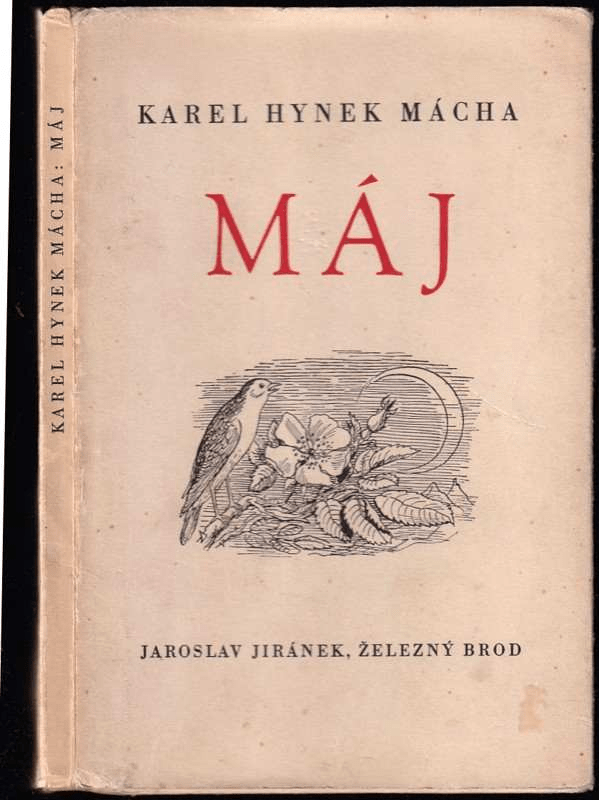
In 1834, he started writing his masterpiece, Máj. Contemporary critics found it confusing and at odds with patriotic ideas, but it sold out and would be reappraised in the 1850s.
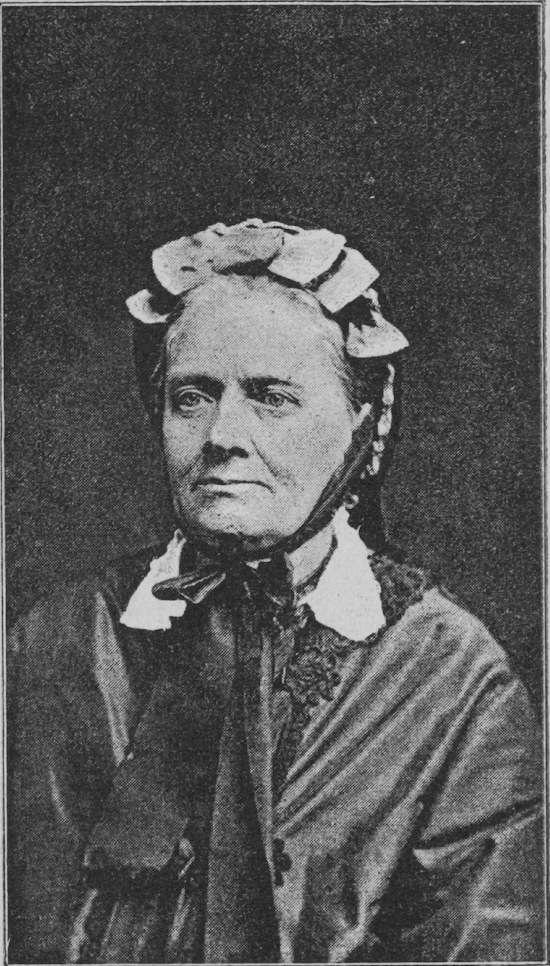
In 1833, Mácha had started a love affair with one Eleonora Šomková (pictured in 1886). She had a child by him in October 1836, and they were due to get married in November.
In the same month, after trying to extinguish a fire in Litoměříce, where he had moved to, Mácha became seriously ill, possibly from the water he used to do so. He died in early November of cholera, aged 25.
His funeral was held on 8 November, which had been supposed to be his wedding day. His son, Ludvík, would only live nine months.
There’s a famous statue of him on Petřín, and, as somebody whose head never fully got out of the 1990s, whenever I remember that fact, I think of this (not that the statue appears):
Originally published on Twitter on 6 January 2023.
Šafaříkova was built around 1880.
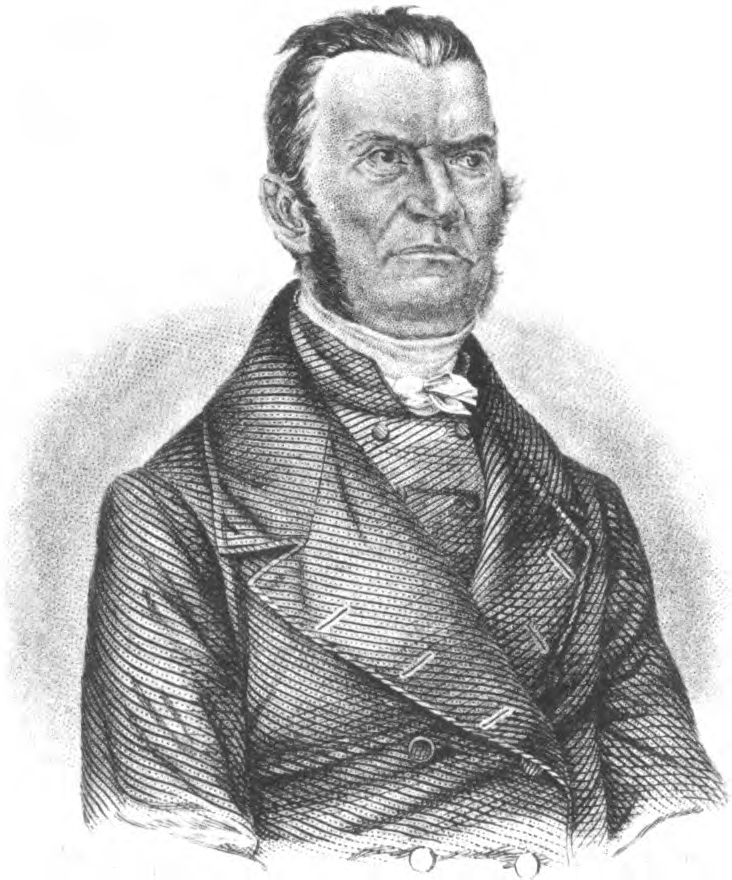
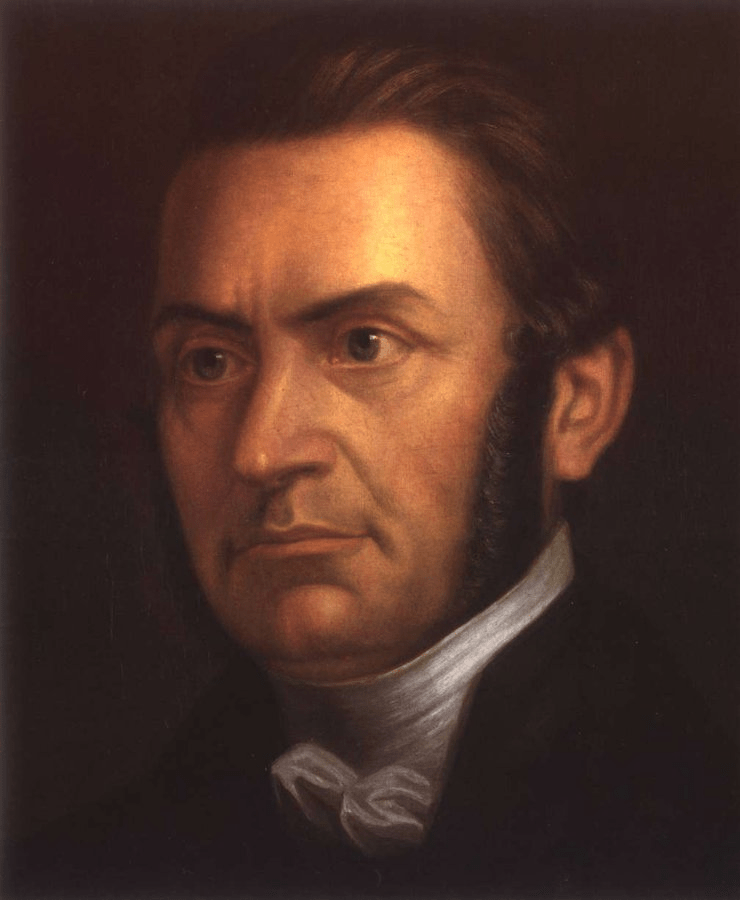
Pavol Jozef Šafárik was born in Kobeliarovo, near Košice, in 1795. The dramatic landscapes and Slovak folk culture here would impact him significantly.
By the age of eight, he had allegedly read the entire Bible twice. He then went to school in Rožňava and Dobšiná, mastering German, Hungarian and Latin in addition to his native Slovak.
Arriving in Kežmarok in 1810, he studied politics, philosophy and theology, and also, in 1814, published his first collection of poems. His graduation enabled him to study at the University of Jena, starting in 1815.
Just as importantly, it was in Kežmarok that he made friends with Polish, Serbian and Ukrainian students, which deepened his love for all things Slavic.
Leaving Jena prematurely in 1817, he went to Prague and, through literary circles, got to know Josef Dobrovský, Josef Jungmann and Václav Hanka. Returning to Slovakia, he also befriended not only Ján Kollár, the main ideologist of Pan-Slavism, but also František Palacký.
Finally gaining his doctor’s degree, he became headmaster of a gymnasium in Novi Sad, Serbia. He stayed there from 1819 to 1833, although he was fired from the school by the Habsburgs in 1824 on account of his Protestant faith.
He moved to Prague in 1833, and became editor of Světozor; financial constraints meant he also took a job as a censor. It was in Prague that he published his most famous work, Slovanské starožitnosti (Slavic Antiquities).
From 1841, he was also in charge of the Prague University Library; however, his participation in the Slavic Congress in Prague in 1848 made him a figure of suspicion to the Habsburg authorities.
Fear of persecution contributed to a deterioration in his mental state in the following decade; he burned much of his correspondence with his friends, and even jumped into the Vltava in 1860. Although he was rescued, he died a year later.
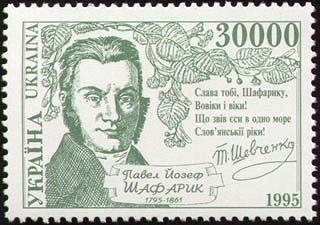
A university in Košice is named after him, and there are streets bearing his name in both Belgrade and Novi Sad. Tornaľa, near Banská Bystrica, was named Šafárikovo from 1948 to 1992. He’s also featured on this Ukrainian stamp from 1995.
From 1940 to 1945, the street was called Höflerova, after Karel Adolf Konstantin von Höfler (1811-97), a German nationalist historian who taught at Charles-Ferdinand University.
Originally published on Twitter on 5 January 2023.
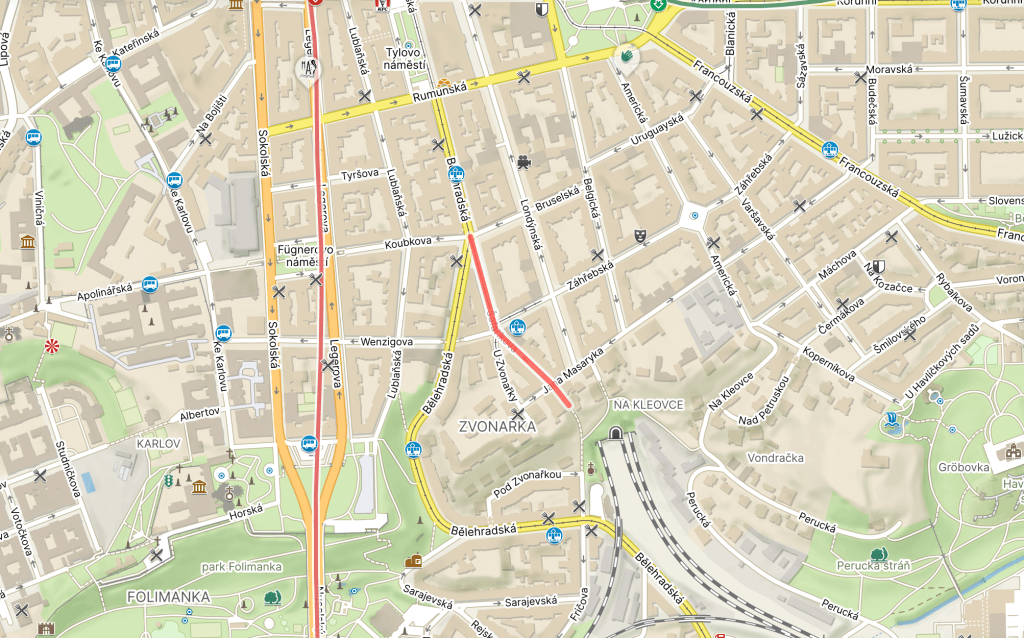
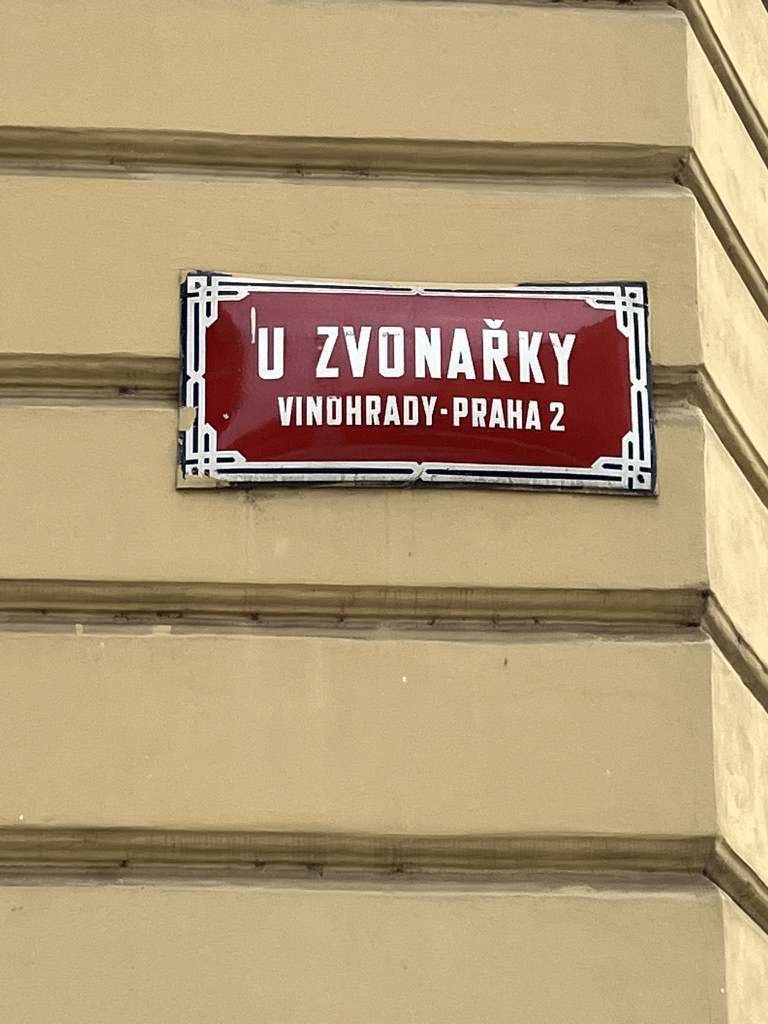
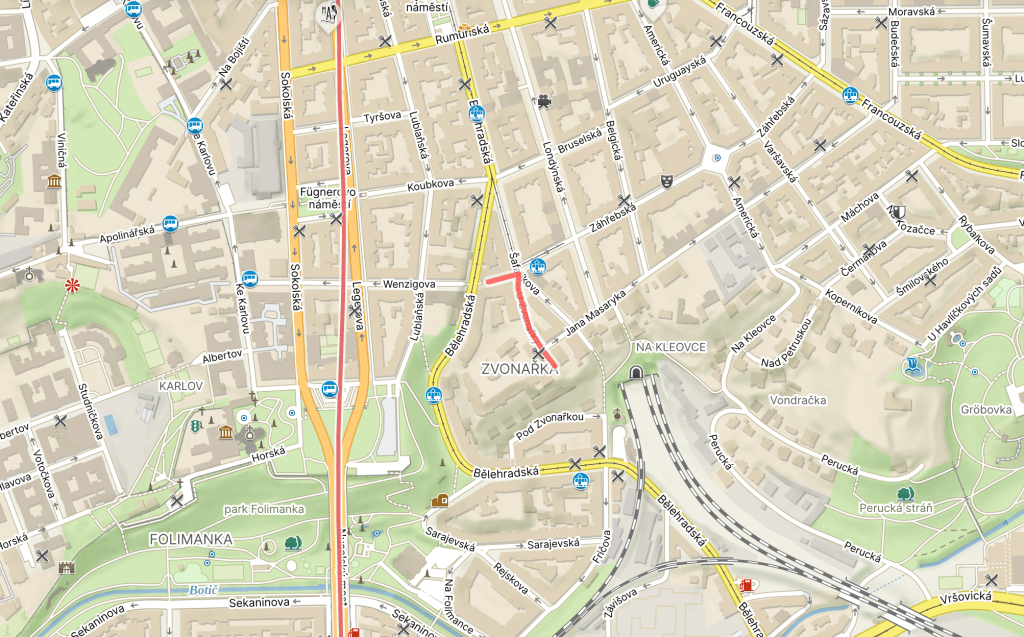
U Zvonařky was built in 1889.
Zvonařka (English: bellfoundery? Or something that’s actually a word) is a homestead that was one located here. There were probably vineyards in this spot as early as the 12th century.
It’s documented that the vineyard, in the mid-16th century, was owned by one Brikcí z Cinperka – and, during the Nazi occupation, the street was named Cinpergova or Cimpergova after him.
However, the name Zvonařka didn’t appear until it was owned by one Václav Arnošt Krieger, who had worked as a chamberlain there and was gifted it in 1688 by his master due to his good service. He merged it with a neighbouring vineyard, and it flourished.
Originally published on Twitter on 4 January 2023.
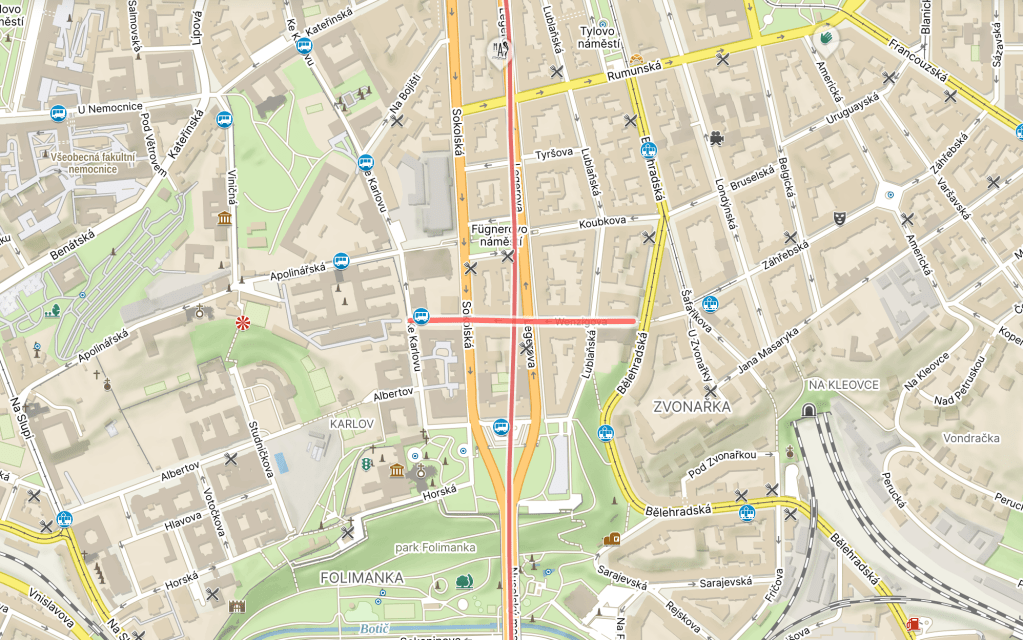
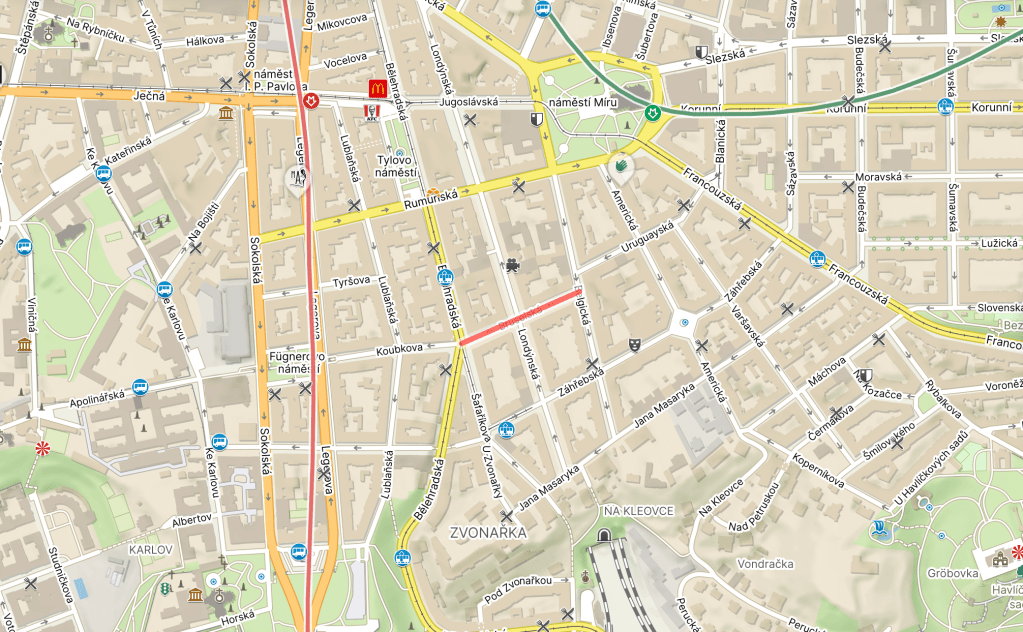
Wenzigova was built in 1893.
Josef Wenzig was born in Prague in 1807. After working as a private tutor, he became a professor at the Prague German School, staying there from 1833 to 1849, when he set up the První česká reálka (First Czech Secondary School) on Ječná.
In 1853, he was made director of all such schools in Bohemia (Realschulen), and, unlike the Habsburgs, favoured education in Czech.
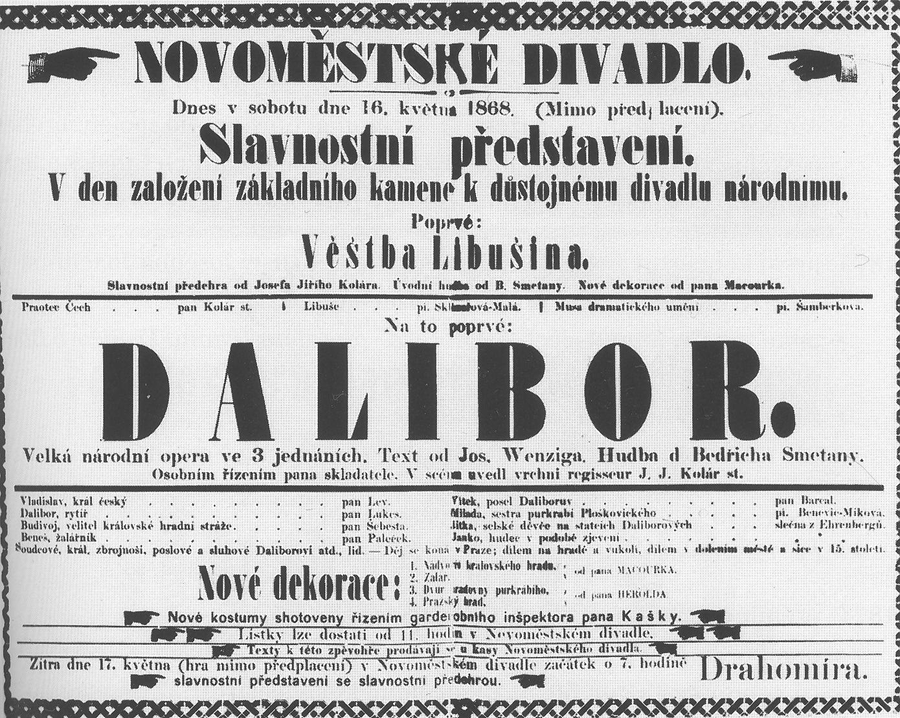
Wenzig also wrote several plays and opera librettos, most famously for Smetana’s operas Dalibor and Libuš. His four-act libretto about the Battle of Vítkov was never put to music.
Wenzig spent his final years in Trutnov, where he died in 1876, although he’s buried in Olšany Cemetery.
Originally published on Twitter on 3 January 2023.
Fügnerovo náměstí was built in 1893.
Jindřich Fügner was born in 1822 on Růžová in Prague’s Old Town, as Heinrich Anton Fügner. He held jobs in trade and industry, but was more interested in education, music and sports.
When he met Miroslav Tyrš (coming up within this series), they discussed the possibility of setting up a Czech gymnastics club. This is interesting in that one source I read stated that Fügner never really mastered Czech.
Then, they actually set the club up in 1862 – it was called Sokol Pražský, and Fügner became its first leader. Its first premises were on what is now Sokolská (also coming up).
Fügner died three years later, aged just 45; his death certificate stated that the reason was pyaemia (blood poisoning). His funeral became a patriotic demonstration.
Until 1926, this was Erbenova, after Karel Jaromír Erben (1811-1870), a poet whose best-known work is Kytice (if you haven’t read it, you may well have seen the early-2000s film adaptation).
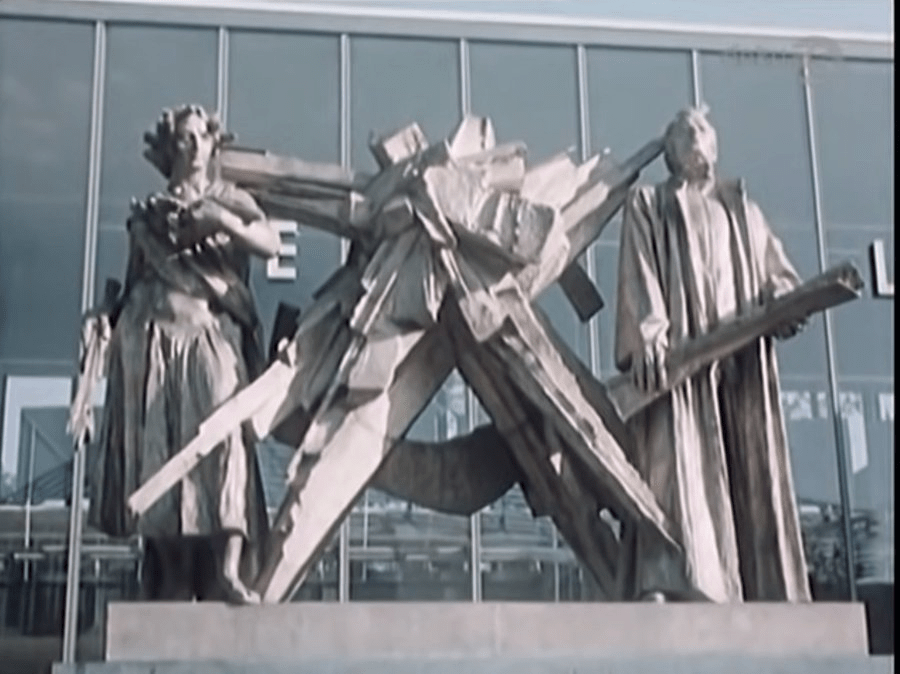
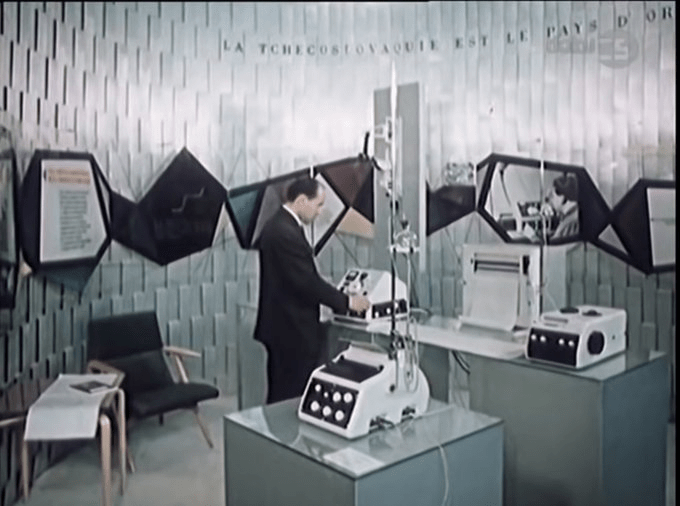
But luckily, something awesome came up – and it’s about Expo 58, AKA the 1958 Brussels World’s Fair. Because the award for ‘best pavilion’ actually went to the Czechoslovakian one.
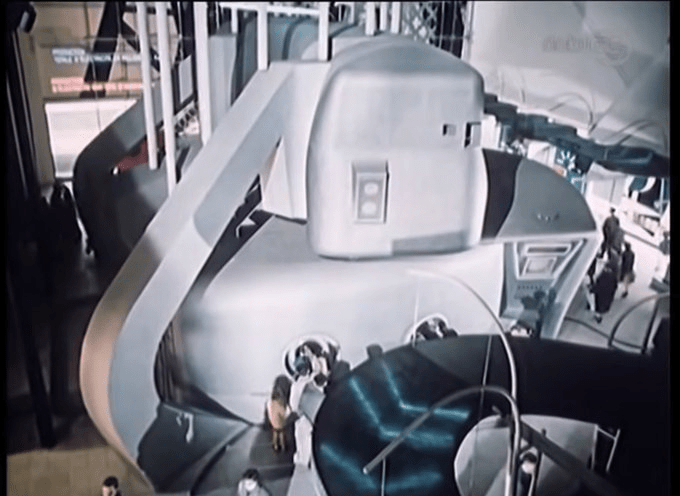
Pics in this thread are screenshots from this incredibly high-quality colour documentary from the time. The Czechoslovakian section starts around the 22:20 mark, but really the whole thing is so watchable.
In the late 1950s, the Communist government had a relatively relaxed attitude to culture. So the architects who designed the pavilion – František Cubr, Josef Hrubý and Zdeněk Pokorný – had a good amount of free rein on their project.
The motto of Expo 58 was Bilan du monde, pour un monde plus humain (Evaluation of the world for a more humane world), and the Czechoslovak pavilion, in line with this, aimed to show the productiveness of the state.
It housed an exhibition called Jeden den v Československu (One day in Czechoslovakia), designed by Jindřich Santar, and consisting of twelve smaller exhibitions covering work, culture and leisure.
Between April and October 1958, the Czechoslovak exhibition got 6 million visitors. The pavilion and its restaurant building were transferred to Prague once Expo was over.
More positively, the pavilion’s restaurant building still exists on Letná. Since 2021, it’s been an exhibition hall, Expo 58 Art: https://aloos.cz/en/expo-58-gallery
The most famous product of Expo 58 is something that you will probably recognise.
In 1827, he went to Charles-Ferdinand University to study law, but his real passion was Slavic languages. He then moved to Galicia and spent eight years working as a tutor and teacher, including four years in L’viv.
Returning to Prague in 1837, he was soon appointed as a professor of Czech language and literature at Charles-Ferdinand University, later also teaching Polish. He also wrote poems and translated Russian and Polish authors.
In 1848, he led the academic legion at the university, and, later in the year, was elected to the short-lived Austrian Reichstag. He supported more conservative viewpoints.
He died shortly afterwards, also in Blatná, in 1854. He was 49.
Originally published on Twitter on 31 December 2022.
Prior to yesthealliedthingagain in 1926, the street was called Puchmajerova, after Antonín Jaroslav Puchmajer (1769-1820), writer, priest and the first Czech specialist in Romani studies.
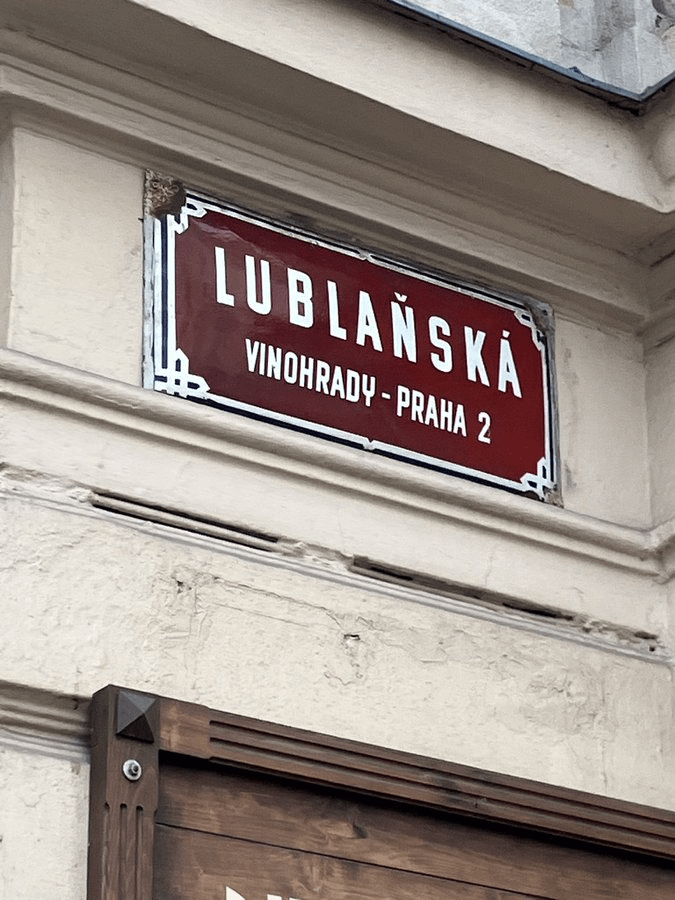
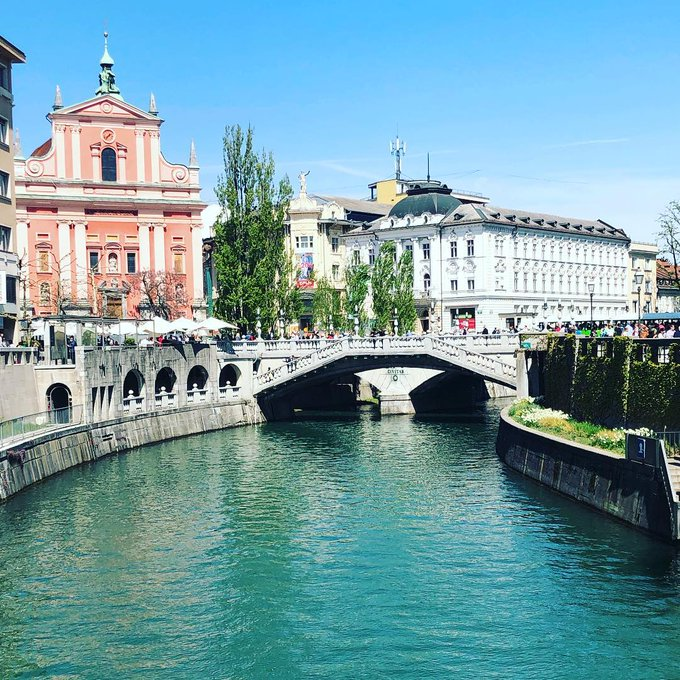
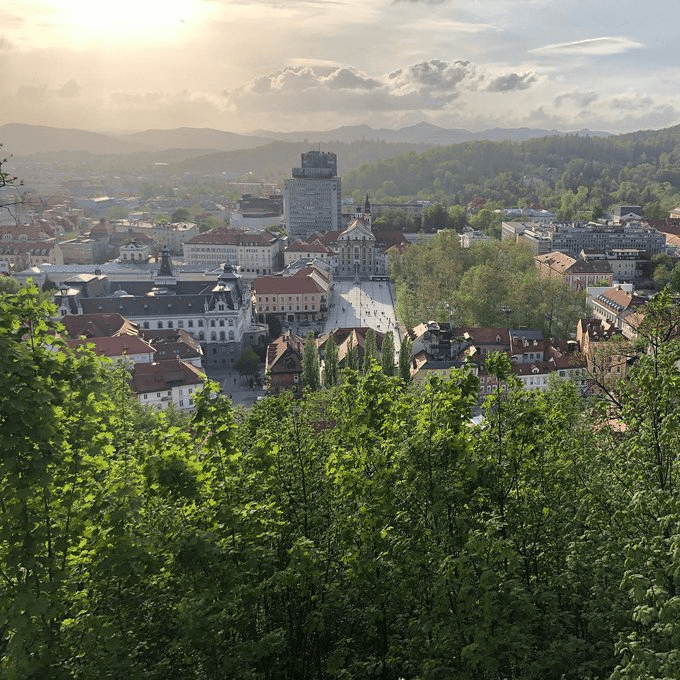
Keeping things ex-YU after yesterday, Lublaň is Ljubljana, which is the capital of Slovenia. It’s also freaking gorgeous, and, while I’m intending to stay in Prague, Ljubljana… gave me second thoughts on more than one occasion in 2019.
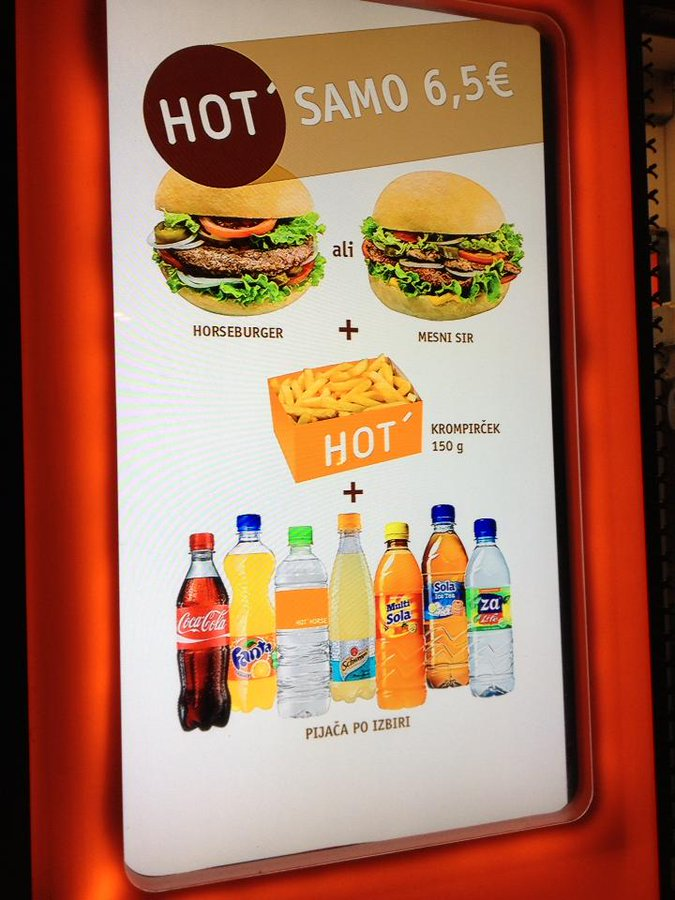
Even if their openness about selling horse burgers isn’t for everyone (picture taken April 2013).
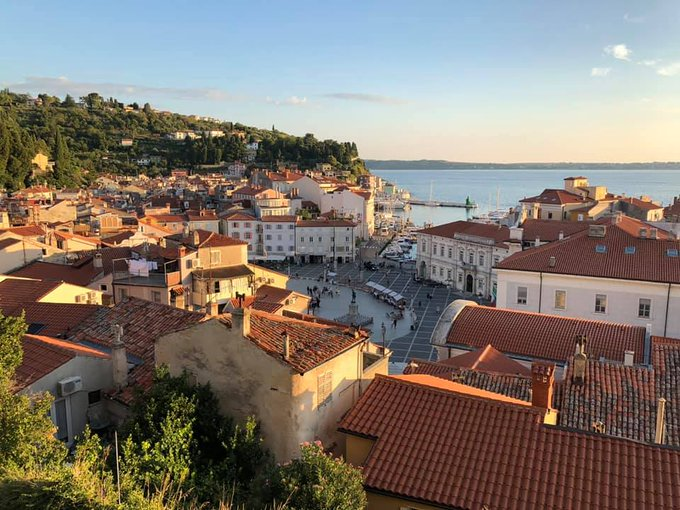
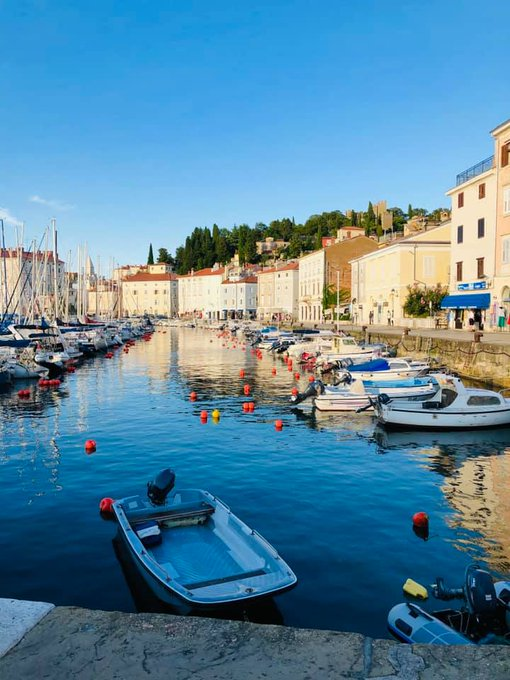
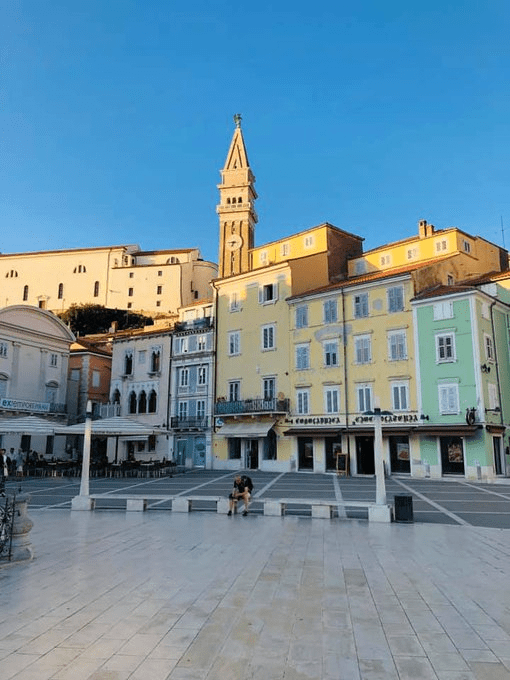
Piran, on the coast, is absurdly gorgeous too.
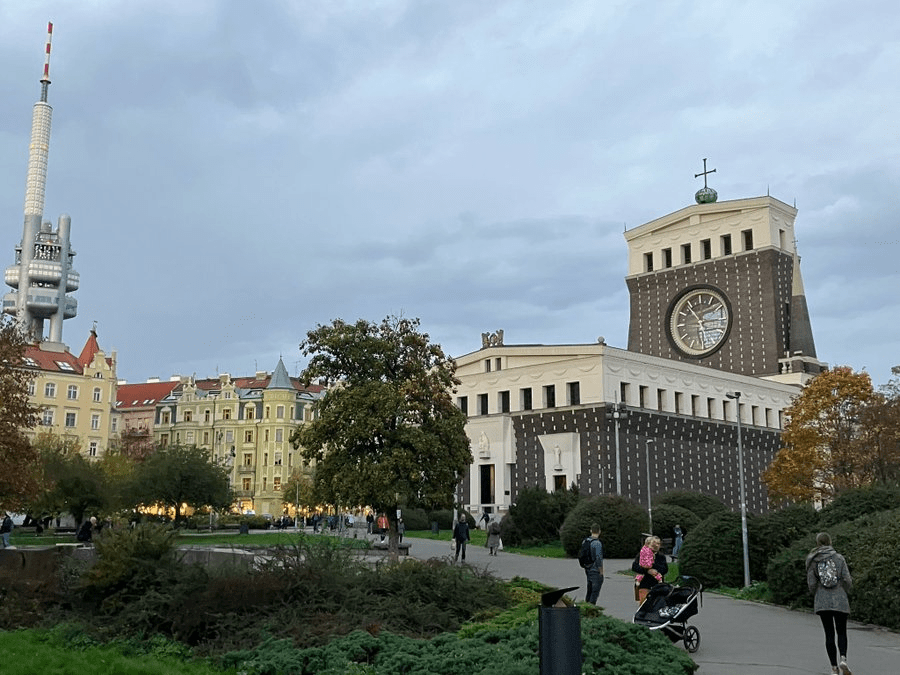
The most influential Slovene in the Czech Republic was probably the architect Jože Plečnik (1872-1957). He worked on Prague Castle between 1920 & 1934, and, from 1929-32, created the Church of the Most Sacred Heart of Our Lord (Kostel Nejsvětějšího Srdce Páně) on Jiřák.
I’m not going to bring you a false friends fest today, but I can’t go by without mentioning that the Slovenian word for child – otrok – is the Czech word for slave. Make of this what you will.
Oh, and the Slovenian verb kaditi means to smoke, whereas kadit in Czech means, erm, ‘to do a poo’.
And on that delightful note: Srečno novo leto vsem! Se vidimo na drugi strani.
Originally published on Twitter on 30 December 2022.
Jugoslávská was built in 1884.
Until 1926, this was Karlova, after Karel IV, who will come up 1,926 times in the Prague 1 series.
It was named Jugoslávská along with all the other Allied streets in 1926, although, under the Nazi occupation, it was called Priennova. Günther Prien was a German U-Boat commander presumed killed on the U-47 submarine off the coast of Ireland in 1941.
But back to Yugoslavia…. We’ve had Bělehradská and Záhřebská. We’ve got (not really a spoiler) Lublaňská and Sarajevská coming up. So let’s use today for another round of Slavic false friends, this time between Czech and Bosnian-Croatian-Montenegrin-Serbian (BCMS).
With apologies to (and full acknowledgement of) the speakers of other languages in the region, I’m going to use ‘Balkan’ quite a lot in this thread. Hajdemo!
We’ve got presidential elections in the Czech Republic in January. Volím Vás is Czech for ‘I choose you’. Whereas, down in the Balkans, volim vas is ‘I love you’. Babiš’s current campaign seems somewhat geared at old dears who feel both these things.
It’s likely that a lot of people will find the final result úžasný (fantastic) in the Czech sense, and that an equal number will find it užasan (awful) in the Balkan sense.
Hopefully, everyone will have stopped arguing about the result come Croatian srpanj, which is a month before Czech srpen, though I fear they’ll still be going on about it in Croatian listopad, which starts a month before Czech listopad does.
(Serbian, Bosnian and Montenegrin, meanwhile, tax my brain somewhat less by doing januar, februar, mart, etc.).
Time is clearly much slower in the Balkans, as a Czech hodina, which lasts 60 minutes, is significantly shorter than a godina, which can last either 365 or 366 days.
Meanwhile, a Czech rok also lasts 365/366 days, whereas, in the Balkans, a rok is the point before which you absolutely must submit your dissertation, file your tax return, enter a prize draw which turns out to be a spam email, etc.
In Czech, the word slovo also means ‘word’, and consists of five písmen; in the Balkans, a word is a a reč or riječ, and each of those five components is a slovo.
In Czech, you can go to many a restaurant and order a kreveta, a prawn, although it’d be odd to order just one. In the Balkans, it’d be even odder, as kreveta is the genitive form of krevet, a bed.
Czech bread, chléb, is also hleb in Serbia, Bosnia and Montenegro. But in Croatia, it’s kruh, which Czechs know better as a ring or circle (which the Croatians call a krug).
In the Czech Republic, it’s quite normal to see a cloud (mrak) or two in the sky. However, it’d take quite a lot of these to create complete darkness – which is what Balkan mrak means.
In the Balkans, you can’t plivati (swim) everywhere, but it’s not generally seen as terrible behaviour. This is not true in the Czech Republic, where plivat means to spit.
If you’re looking for the hrana – the edge – in Czech, that might be because you like living on it. If you’re looking for hrana in the Balkans, it’s probably just a mealtime – the word means ‘food’ there.
If you *are* looking for an edge in the Balkans, the word you might want is rub. In Czech, however, a rub is the reverse side of something.
In Czech, an idea – nápad – can be good or bad. In the Balkans, a napad – an attack – is pretty likely to be a bad thing.
And if you’re looking for a pub in the Balkans, please don’t assume that the local word gospođa is the same as hospoda – a gospođa is a lady, and deserves to be treated accordingly.
Keeping with the ladies, in Czech, a májka is the thing you (have probably never) dance(d) around on 1 May – a maypole. It’d be a bit strange if you danced around a majka in the Balkans, though. She’s your mother.
If you were to move to Belgrade or Zagreb or Sarajevo, you’d probably find yourself a nice stan – a flat – to live in. That would be a less viable option in Prague, where a stan is a tent.
Then you’ve got the the ones which are clearly related – pravda is ‘truth’ in CZ, but ‘justice’ in the Balkans, while hledám is ‘I look for’, whereas gledam is I look *at*.
In Czech, a závodník is somebody who’s competing, typically in a race. In the Balkans, a zavodnik may or may not be competing against other people, but his aim is to get you into bed – he’s a seducer.
And someone who is pokojný is nice and peaceful in Czech, whereas someone who is pokojni in the Balkans is nice and peaceful in the ‘and will never wake up again’ sense, shall we say.
Hvala na slušanju i molim vas da ovo ne čitate neposredno prije nego što otputujete u Hrvatsku u ljeto 2023. To će vam potpuno uništiti odmor. I to prije nego spomenem hladna pića.
When the square was founded, it was called Tržiště – the Marketplace – or Tržní náměstí – Market Square, for obvious reasons. There are still popular farmers’ markets here nowadays (albeit not until the spring if you’re reading this in December): https://trhynatylaku.cz
From 1938 to 1940, and again from 1945 to 1952, this was Scheinerovo náměstí, after Josef Scheiner (1861-1932), lawyer, gymnast and official who was most famous for contributing to the development of the Sokol and of an independent Czechoslovakia.
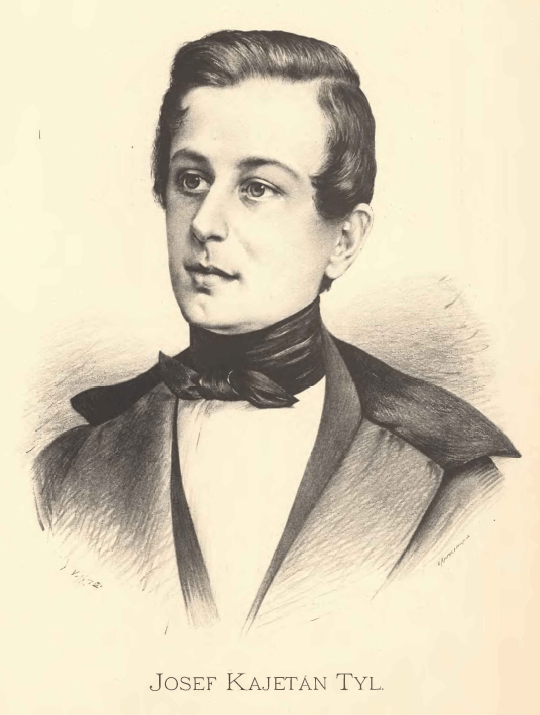
The rest of the time, it’s been Tylovo. Josef Kajetán Tyl was born in Kutná Hora in 1808, though his surname at birth was ‘Till’ (he changed it to Týl in 1825, and Tyl in 1838).
He went to school in both Prague and Hradec Králové, before going to Charles-Ferdinand University (he didn’t finish his studies, leaving to join a travelling theatre company).
Returning to Prague after two years, he became an accountant for the military, while devoting himself to journalism and theatre on the side. He also acted at Stavovské divadlo.
In the 1830s, he also ran another (quite intellectual) theatre, Kajetánské divadlo, for four years on Mála Strana, along with Karel Hynek Mácha, among others.
In 1842, he was able to quit the day job, as he got a job as the director of the Nové české divadlo on Rúžová; when this closed in 1846, he became a dramaturgist at the Stavovské divadlo.
Tyl was active in the failed revolution of 1848 and its aftermath – he was part of the St Wenceslas Committee, was involved in the Slavic Congress, and, later in the year, was elected, briefly, to the Austrian Constituent Assembly.
However, his political leanings led him to be expelled from the Stavovské divadlo (which, at the time, still had a mainly German repertoire).
While with the travelling ensemble, he had met actress Magdalena Forchheimová, whom he would marry in 1839. The marriage was childless and lasted until his death.
However, two years later, Tyl would start an affair with Magdalena’s sister, Anna. She bore him eight children – and Josef, Anna and Magdalena all lived under the same roof.
This was a costly exercise, and no matter how much work Tyl took on, he didn’t seem able to clear his debts. He joined another travelling theatre company, but fell ill and died, destitute, in 1856. He was 48.
Originally published on Twitter on 28 December 2022.
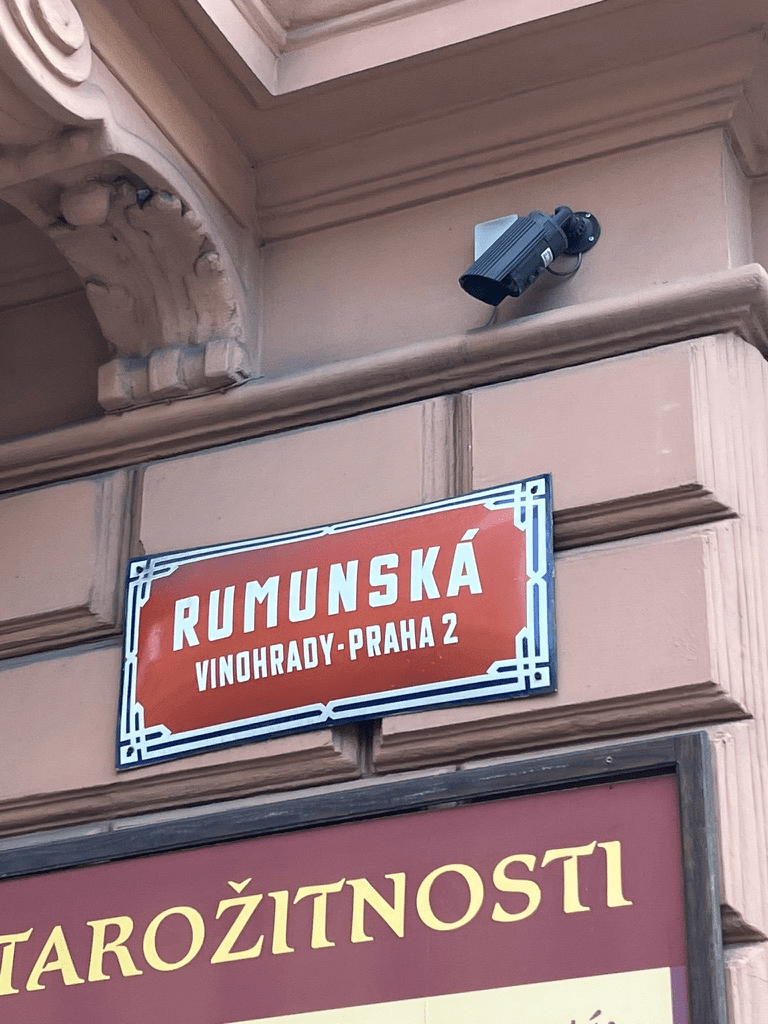
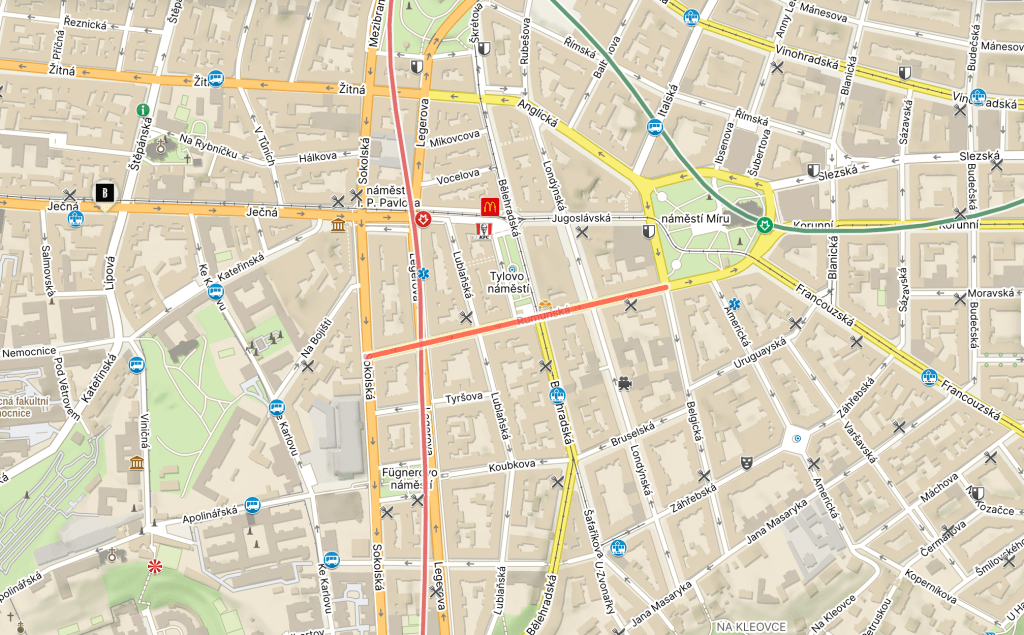
Rumunská was built in 1884.
In the 19th century, a homestead, Šafránka, was built here (it had completely disappeared by 1911).
It was later purchased by Čeněk Vávra, who was mayor of Vinohrady from 1868 to 1873.
When the street was built, it was therefore called Vávrova. It got its current name in 1926, and you’re probably bored of me explaining the 1926 renamings at this stage.
The first thing I think of when I think of Romanian-Czech relations is how Romania didn’t send troops into Prague in 1968, which is good. Then I remember that the person making this decision was Nicolae Ceaușescu, who was not.
Here’s his speech condemning the invasion.
According to the 2011 census, Romania has just under 2,500 Czechs, a drop of almost 40% since the previous census in 2001.
As in many other countries (hello, Serbia), there was meant to be a 2021 census, but it was postponed until 2022 and we don’t have full results yet.
Czechs migrated to present-day Romania in three waves in the 19th century (1823, 1827 and 1862), as the Habsburgs wanted to populate the borderland with people who could also protect it.
After WW2, when the new Czechoslovak government was desperate to repopulate areas which Germans had been forced out of with ethnic Czechs, about 2,000 Czechs were moved from Romania to Cheb. Further migration to Czechoslovakia occurred after 1990.
Between them, the Czechs and Slovaks of Romania are guaranteed a seat in the National Parliament (as in Serbia, the Slovaks are a more sizeable minority – in 2011 there were 13,654 of them).
Romanians refer to the Czech population as pemi, a contraction of ‘boemi’.
Similarly, the Serbs refer to them as Pemci, which can have a more negative connotation. Also, Pemci can mean both Czech Bohemians and German Bohemians, which pemi doesn’t.
He was pretty well-off in the first place, and became more so when put in charge of arranging transport for the construction of Terezín fortress in the late 1800s (he would also create the Austrian army’s transport department during the Napoleonic Wars).
He used his wealth to buy multiple estates, including Nusle and Vršovice, and took the then-unused vineyards of Vinohrady, turning them into a public garden – Wimmerovy sady.
We’ll hear more from Wimmer when we get to Prague 1 at some point in 2023.
Before 1880, it seems that there was an avenue here called Růzové aleje – Rose Avenue.
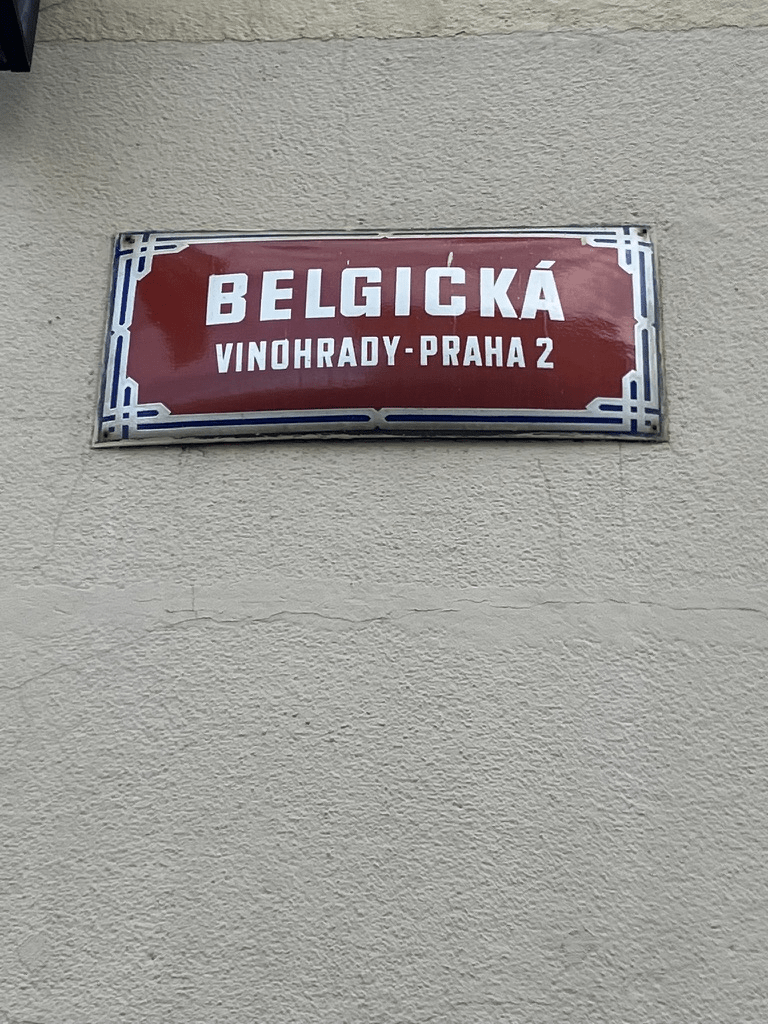
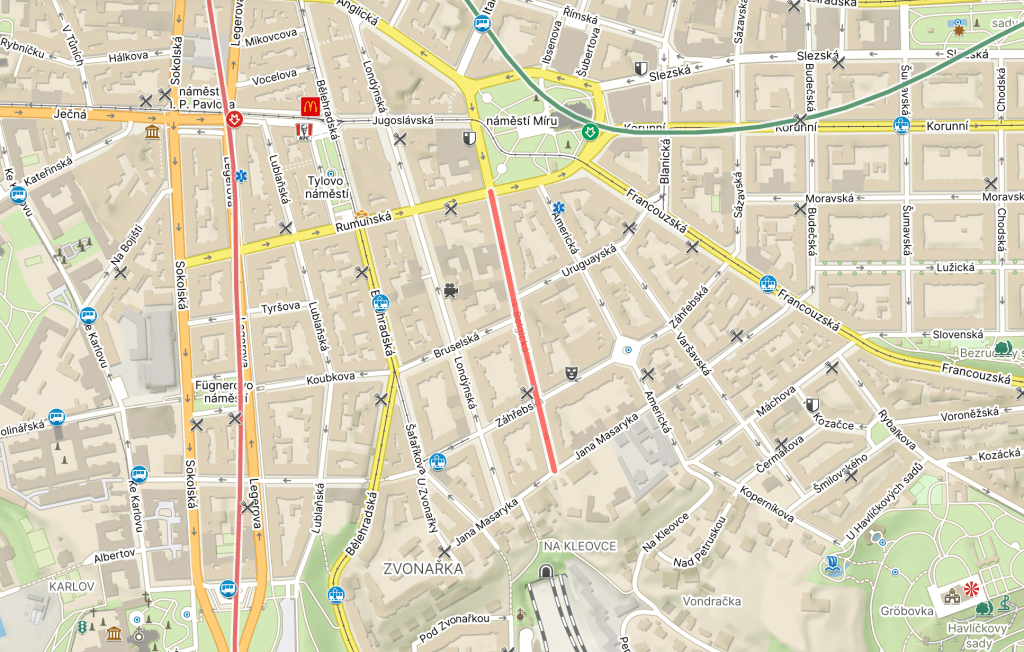
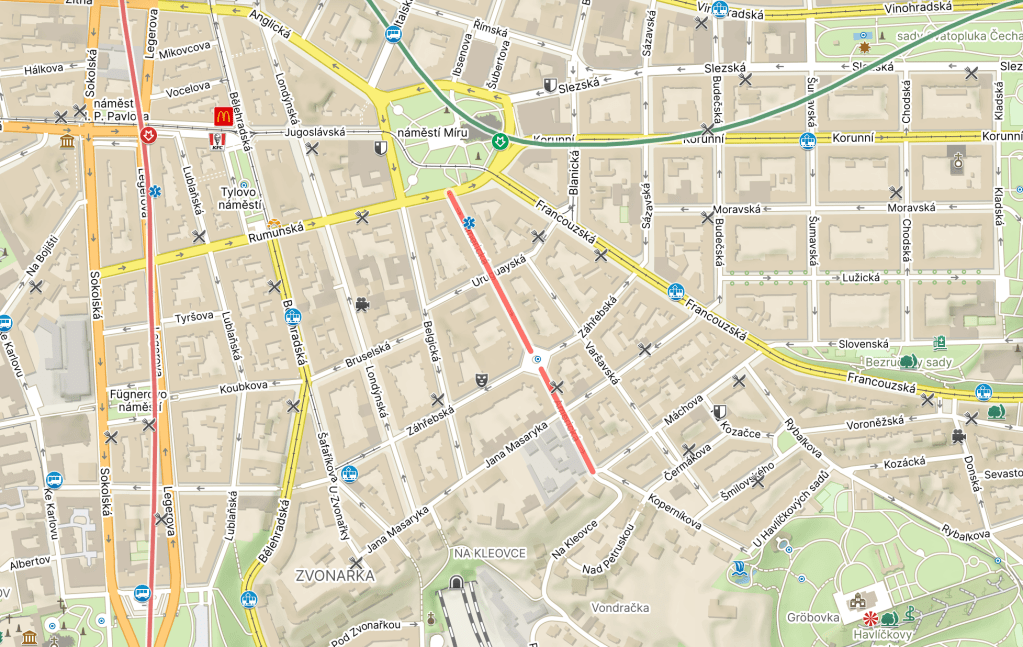
It then became Belgická in 1926, as part of Vinohrady Allied Renaming Fun Day.
I’m quite glad there’s a bit of a backstory to this street, as, based on my searches, Belgian-Czech relations, while warm, are not hugely eventful, even with all the scope for arguing about who has the best beer.
And Wikipedia lists a grand total of *two* prominent Belgians of Czech origin. In a pleasing change from the other countries I’ve covered, though, they’re both women.
Hena Maes-Jelinek (1929-2008) was a literary scholar known for her pioneering work on Caribbean literature. Her stepfather was a Czech Jew.
While Alizée Poulicek, Miss Belgium 2008, unintentionally caused one of those incredibly tedious (and incredibly ‘internet in 2008’) controversies when, in the show where she was crowned, she didn’t understand a question in Flemish and answered in French.
This led to her getting booed by audience (the show took place in the decidedly Flemish city of Antwerp).
But apparently she speaks it quite well now. Never underestimate society’s ability to get mad at an attractive woman before anybody else.
And, with studies indicating that under 20% of Wallonians know Flemish, she can hardly be seen as an isolated case.
Originally published on Twitter on 26 December 2022.
Americká was built in 1884.
Until 1926, this was Krameriova, after Václav Matěj Kramerius (1753-1808), writer, publisher and journalist who was one of the early figures of the National Revival.
Interestingly, it took until 1943 – so well after a year after the US entered WW2 – for the Nazi occupiers to rename the street. They went for Japonská of all things.
It reverted to Americká in 1945, and has stayed that way, even during communism.
So, without further ado, here are twenty Americans of Czech origin. I’ve left out Madeleine, Miloš, Martina and Ivan/Ivana/Ivanka in favour of cases we may be less familiar with.
Anna Chlumsky, originally famous as a child actor in My Girl, and more recently famous for her role in Veep, is a third-generation Czech American:
Chris Columbus, director of Home Alone, Mrs Doubtfire and the early Harry Potter films, is of Czech origin on his mother’s side – both her parents were born to Czech parents in Pennsylvania.
Remember Rachel Dolezal in 2015? Of course you do. Her surname is clearly of Czech origin.
Crispin Glover, known for playing eccentric characters in Back to the Future, What’s Eating Gilbert Grape and Charlie’s Angels, has a mother whose ancestors came from Milevsko in Písek District.
Singer Jason Mraz (I’m Yours, I Won’t Give Up), as well as the surname being another giveaway, had a grandfather (or great-grandfather?) who moved to the US from the Austro-Hungarian Empire in 1915:
Evan Lysacek, 2010 Olympic champion in figure skating, had a great-grandfather, František Lysáček, who arrived in Chicago from Moravia in 1925:
Ray Kroc (1902-1984), who bought McDonald’s in 1961 and then brought it to the world, was the son of Alois “Louis” Kroc, who was born near Rokycany, and Rose Hrach, whose own parents were both from South Bohemia.
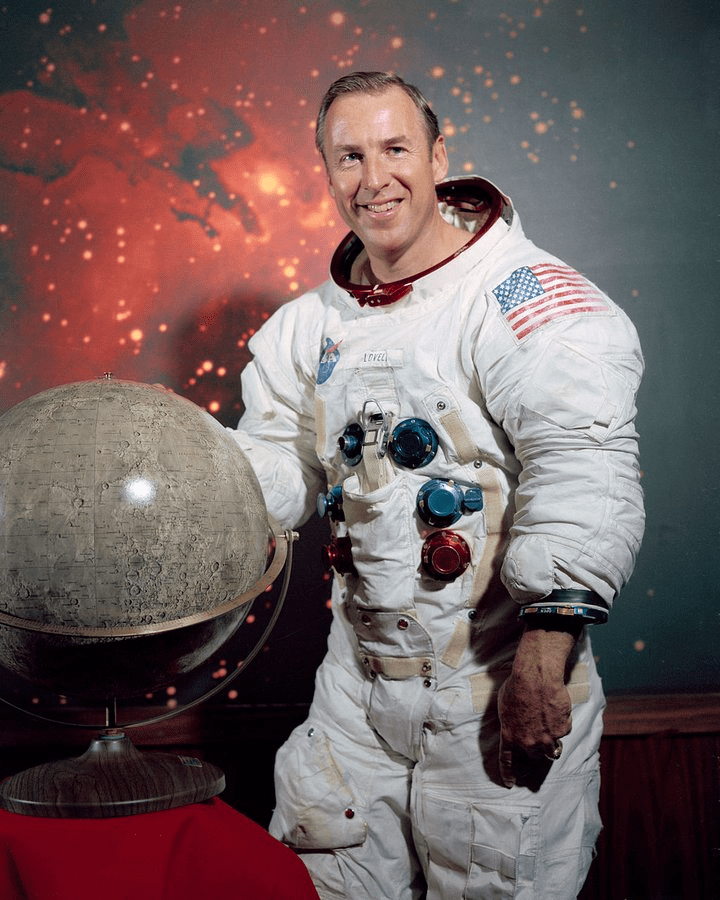
Jim Lovell, as command module pilot of Apollo 8, was one of the first three astronauts to orbit the Moon. His mother, Blanche Lovell (born Masek), was of Czech origin.
Jan Hammer, he of the Miami Vice Theme and Crockett’s Theme (also used in Miami Vice), was born in Prague (his mother was the famous jazz singer Vlasta Průchová). He relocated to the US, eventually becoming a citizen, after the Warsaw Pact invasion.
John Havlicek (1940-2019), as any ČSSD* fans will guess from his surname, was of Czech heritage. He also played for the Boston Celtics, won eight NBA championships with them, and is considered one of the basketball greats.
* Do these still exist?
Finally, William Zabka, of more than one Karate Kid fame, and who also stars in Cobra Kai, is another one whose origin suddenly becomes more obvious when you look at his surname (and automatically start thinking about doing a food shop).
I’ve left loads out. Feel free to add your own! I’ll thank you by buying you a drink at the Americká street festival next year.
So let’s have some Christmas Day fun with some Czech-Polish false friends.
I’ve left out the one that everybody already knows because this is a family-friendly day.
If something in Czech is bezcenný, it’s worthless. In Polish, something that’s bezcenny is the opposite, priceless (Czech: neocenitelný).
Go the shops in Poland and ask for burak, and you’ll get beetroot. Ask for the same thing in the Czech Republic and you’ll get a single peanut.
Bydlo in Czech is a dwelling; bydło in Polish is somewhat harder to live in, what with being cattle. Cattle are dobytek in Czech… which, in Polish, can be used to mean ‘possessions’ in a non-cow sense.
Czechs like their bread to be čerstvý, i.e. fresh. Give a Pole bread that’s czerstwy and they’ll never speak to you again, as czerstwy means ‘stale’.
In the month corner, kwiecień starts in Poland a whole month before květěn starts in the Czech Republic. The same is true of czerwiec and červenec.
If a Pole gives you a długopis, that’s a pen, and you don’t necessarily have to give it back to them. If a Czech gives you a dluhopis, that’s a bond, so the Czech is probably expecting to get repayment at some point.
In Czech, a doba is an undetermined time period; in Polish, that’s very much a determined time period, namely of 24 hours.
If you use the Czech word chyba in Polish to mean ‘mistake’, then that’s… a mistake. Chyba means ‘maybe’ or ‘I guess’, i.e. it’s Polish for asi.
If you ever find yourself doing an online shop in Poland, please remember that a jagoda is a blueberry not a strawberry (Czech jahoda).
In Czech, sitting on a stolec – a throne – may make you feel quite nice. In Polish, sitting on a stolec probably won’t, as… well, add an extra o and remove the e and the c, and you might get what I’m talking about.
Conversely, it’s fine to sit on a ława – a bench – in Poland, but sitting on láva in the Czech Republic will probably burn you to death.
A Czech statek is a farm. A Polish statek is a ship. There’s probably a joke about Łódź in here somewhere.
You’ll see the word kantor all over any Polish city you visit. They’re a great place to exchange money. A Czech kantor may be able to exchange money with you, but, legally, he probably shouldn’t. He’s a schoolmaster.
In Polish, you usually need to use a droga – a road – to get from one town to another; in Czech, using a droga as a travel aid is probably going to get you into trouble if you get caught.
My personal favourite: láska in Czech is obviously something we all long for. Except that, in Polish, a laska is a walking tick. Conversely, love in Polish is miłość, whereas milost in Czech is a pardon or a reprieve. Which is łaska in Polish. Crikey.
In the Czech Republic, your hand only has one palec. In Poland, your hand has four, plus a kciuk. This is despite both Czechs and Poles being human beings.
Czech midday and midnight, poledne and půlnoc, exist in Polish as południe and północ – but those are also the standard words for south and north respectively.
Keeping on with the compass, a Polish trip to the zachód (the west) will typically (and hopefully) take longer than a Czech trip to the záchod (the toilet).
Administer a poprawa to something in Poland, and you’ve corrected it. Administer a poprava to someone in the Czech Republic and you’ve just executed them.
People speak the słoweński language in Ljubljana. They’re not so likely to do so in Bratislava, where the official language is słowacki.
And a polski sklep (the one Polish phrase Brits often know) is not a Polish cellar. It’s a shop. A Polish basement is a piwnica. Which is not a pivnice.
Finally, I’ve deliberately left this one for the end: ostatní may mean ‘the others’ in Czech, but, in Polish, ostatni is the last.




















.jpg)