Originally published on X on 24 March 2024.
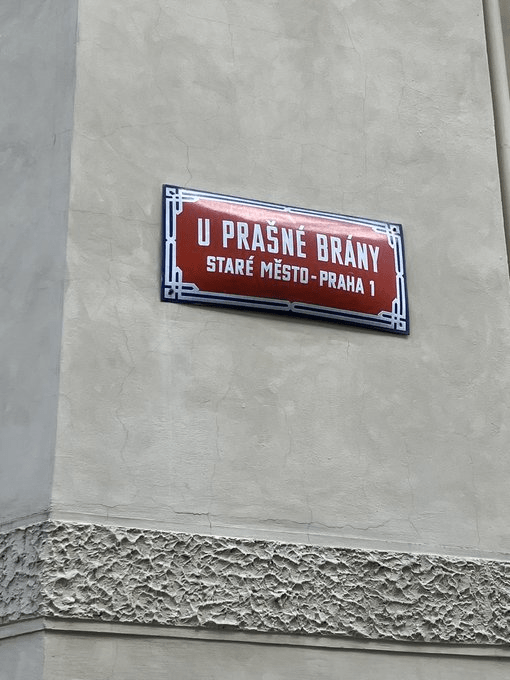
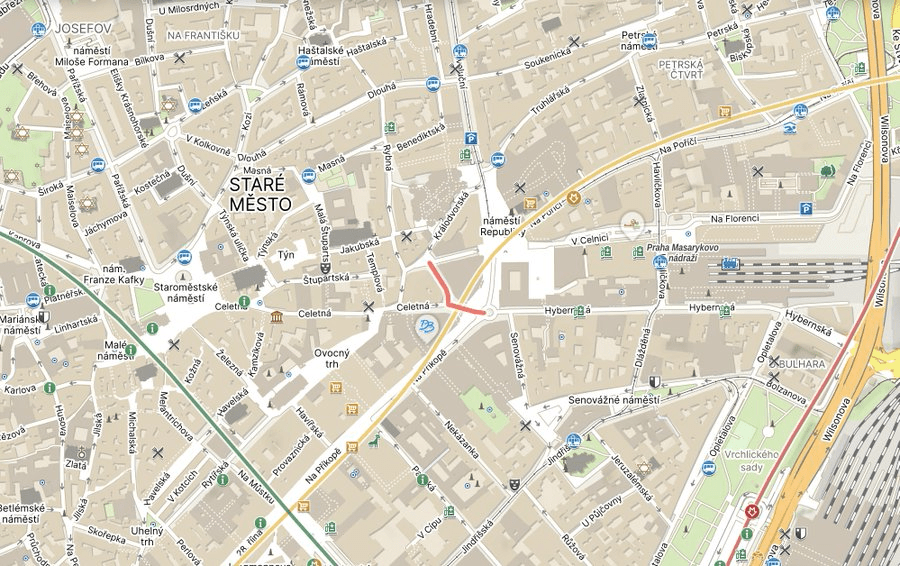
When the Old Town was still surrounded by fortifications, there was a gate here named after St Ambrose, as was a church on nearby Hybernská (see https://whatsinapraguestreetname.com/2024/09/20/prague-1-day-134-hybernska/).
The gate was then renamed Horská, because what is now Hybernská ultimately led to Kutná Hora.
Once the Old Town fortifications lost their importance, the gate became seriously dilapidated, which wasn’t what you wanted people to see at the start of the Royal Way.
Construction on a replacement started in 1475. The original architect, called Václav, was deemed not up to the job, and was replaced by Matyáš Rejsek (https://whatsinapraguestreetname.com/2024/08/19/prague-2-day-76-rejskova/).
However, construction was suspended after 1483, largely because King Vladislav II had moved his court from round here to Prague Castle.
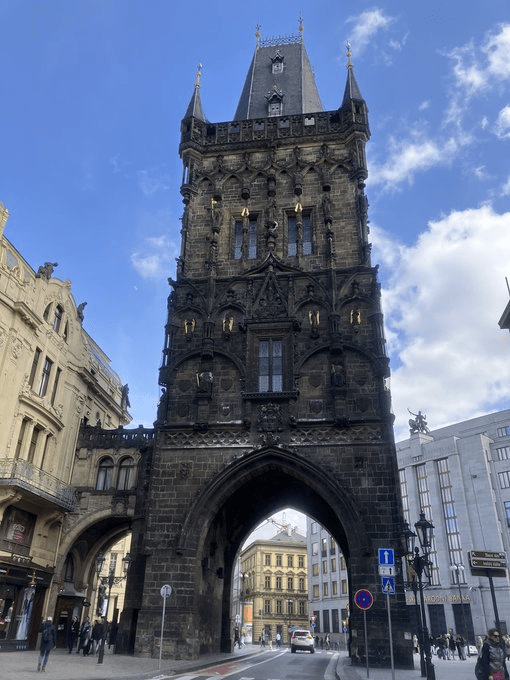
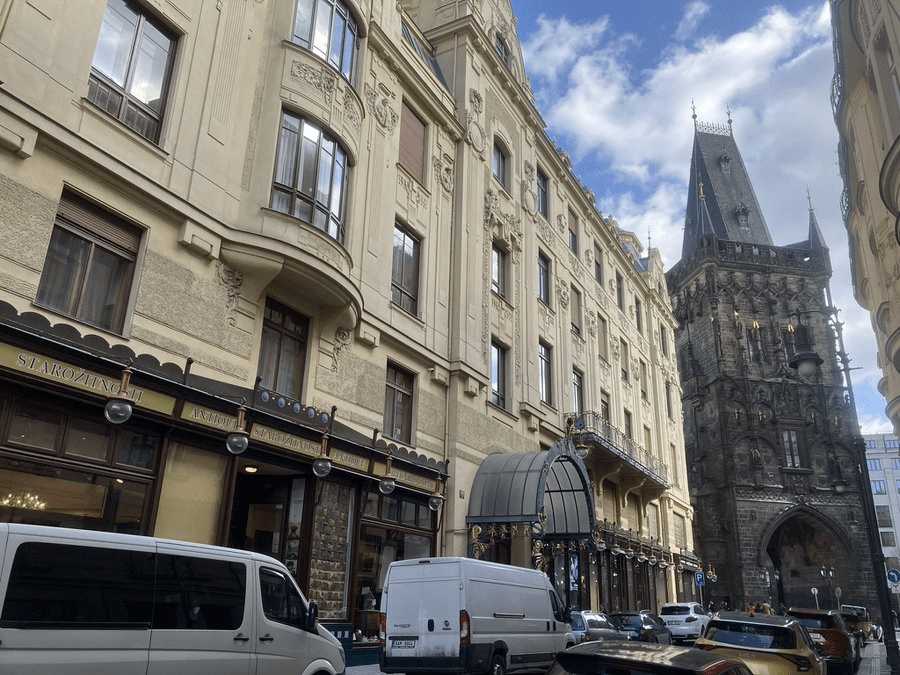
From the 1700s onwards, the gate was used to store gunpowder, which is why it’s known as the Prašná brána.
It suffered significant damage when the Prussians besieged Prague in May and June 1757.
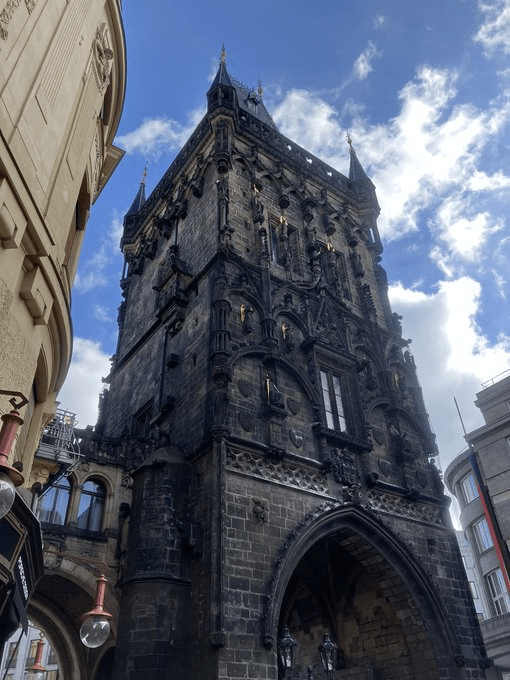
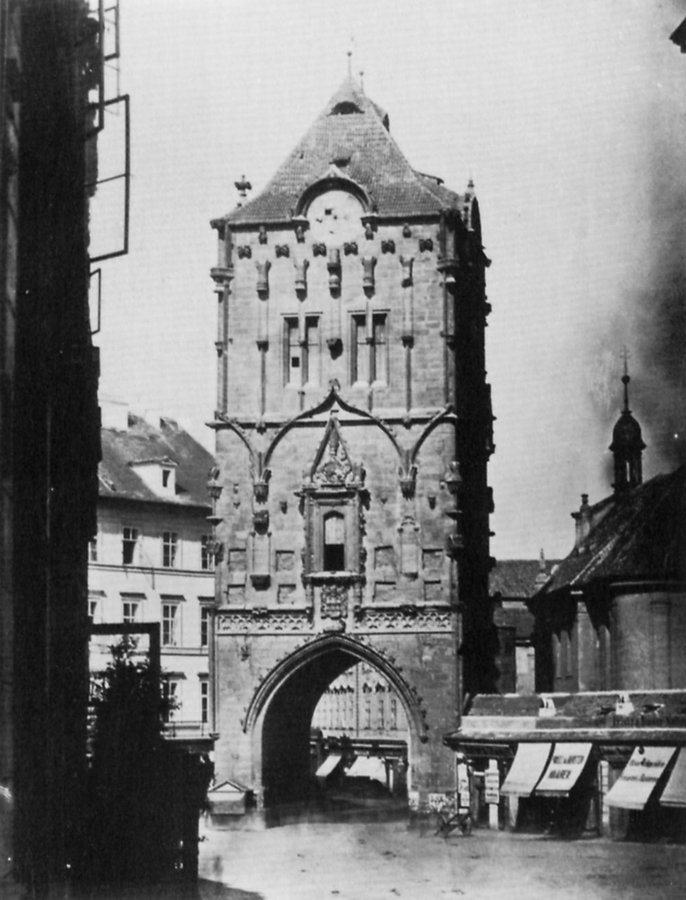
It got its current appearance – which we would describe as pseudo-Gothic – between 1878 and 1886. Its façade features statues of Czech monarchs and symbols of the countries they ruled over.
This photo shows how the tower looked in 1868, before its revamp.
The street – which has a grand total of three addresses – was named Petrohradská in 1905, after St Petersburg, before changing to Lvovská in 1916, after L’viv. It’s had its current name since 1927.
Re: Lvovská, I went to L’viv in May 2017 and couldn’t help but fall madly in love with the place.
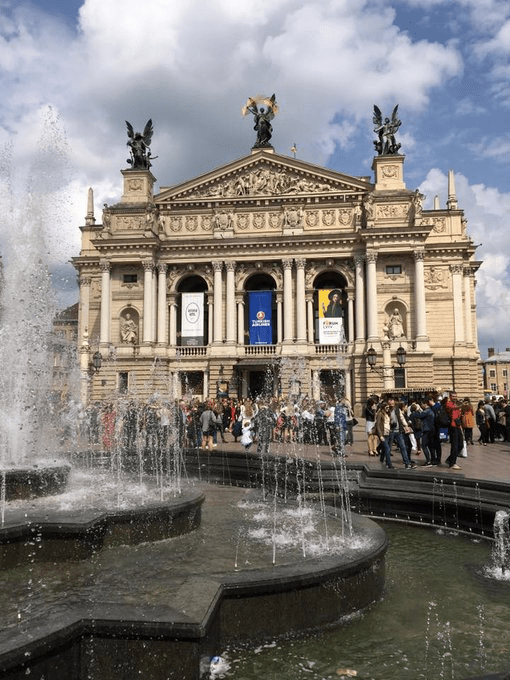
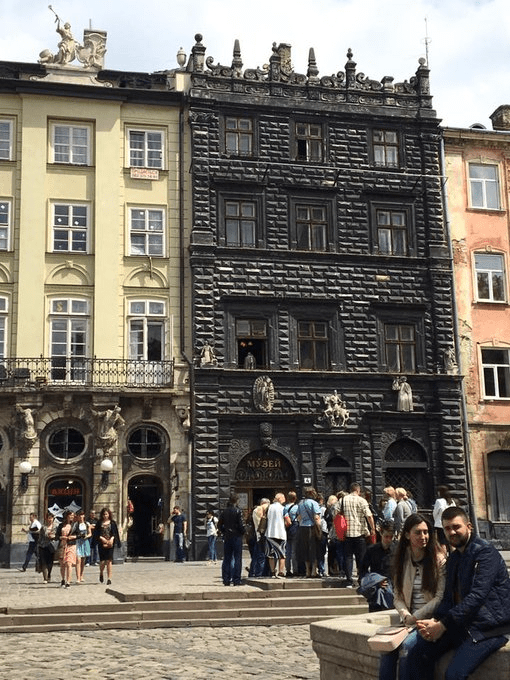
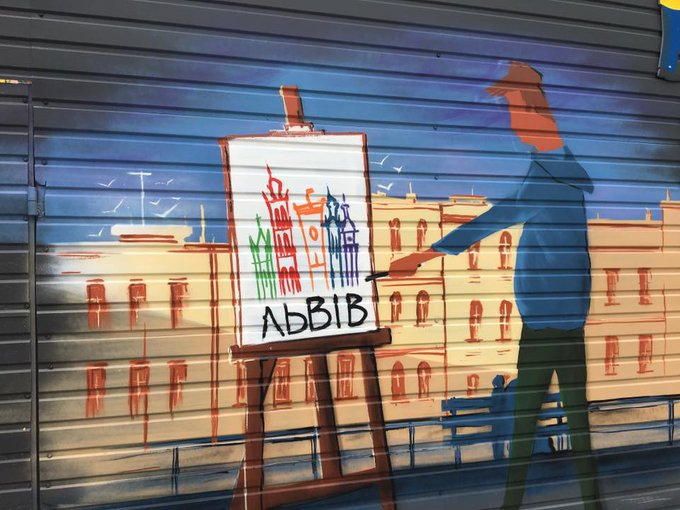
For the most well-known of the buildings on U Prašné brány, see tomorrow’s thread.
 What's in a Prague street name
Leave a comment