Libušská was officially named in 1925.
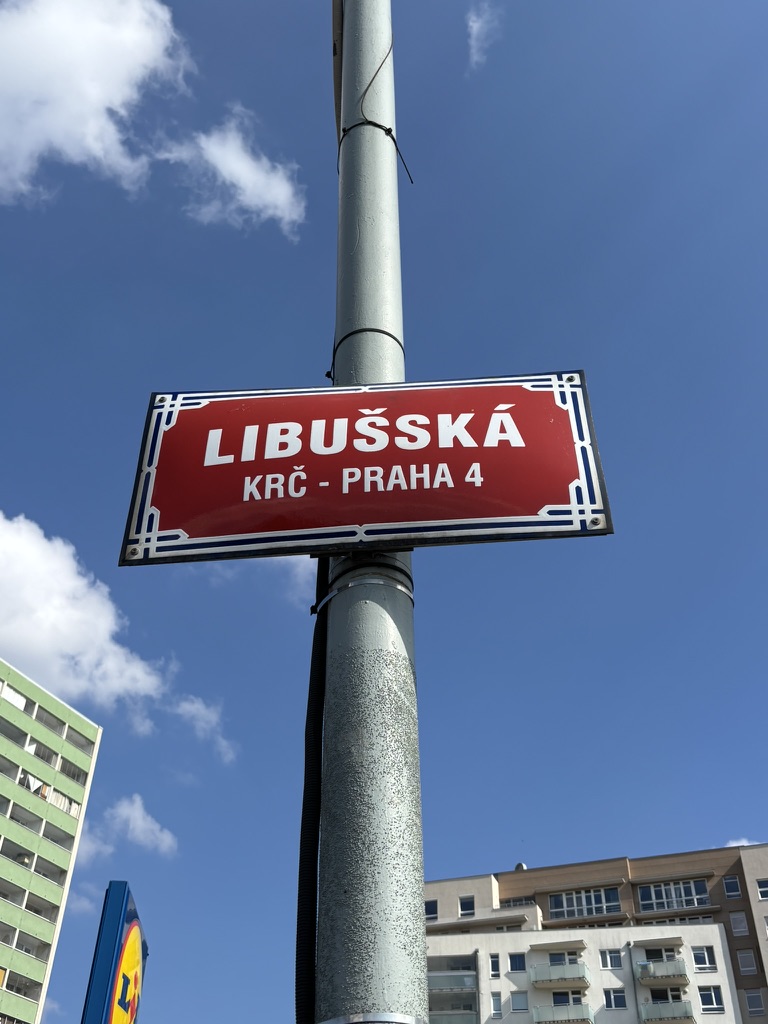
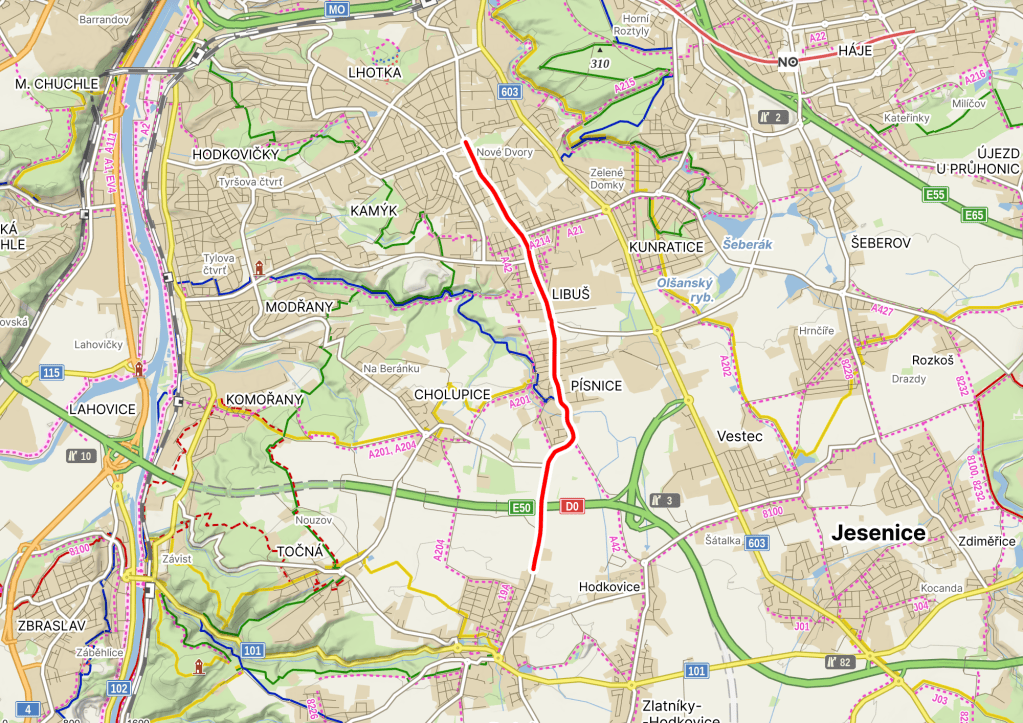
Part of it was called Gottwaldov in the 50s and 60s (Klement Gottwald being the not-so fondly remembered first Communist leader of Czechoslovakia, who died five days after attending Stalin’s funeral).
On which: elections may mean that an unpleasantly high risk of seeing pictures of and quotes from Babiš and Okamura and Macinka and Turek whenever you look at your screen, but I’m glad people here are allowed to take part in them.
But I digress.
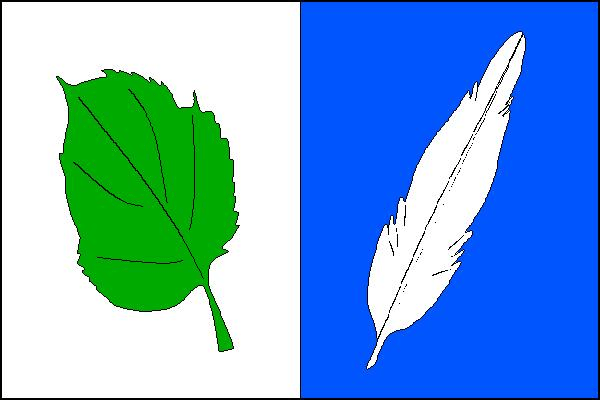
You might think Libuš was named after the legendary Princess Libuše (quick Vyšehrad detour on https://whatsinapraguestreetname.com/2024/08/23/prague-2-day-93-libusina/), but could also have been named after a local farmer.
While legend has it that Libuše was the site of a goose farm around the same time that said legends want us to believe Libuše herself existed, there are no written mentions that we know of until 1321, when it was captured by burghers of Prague’s Old Town.
After the Hussite Wars, Libuš was definitively owned by the Old Town; however, it fell into ruin, perhaps as early as 1500, and wasn’t resettled until the end of the 1600s, when it became part of the Kunratice estate (https://whatsinapraguestreetname.com/2026/10/03/prague-4-day-461-kunraticka/).
Our very limited sources from the 1700s suggest that, even then, it only had eight houses and a pub. This rose to 23 (houses not pubs) by 1843.
In 1930, Libuš was separated from Kunratice, and became its own municipality; in 1968, it was joined to Prague.


Leave a Reply