Vídeňská was named in 1978.
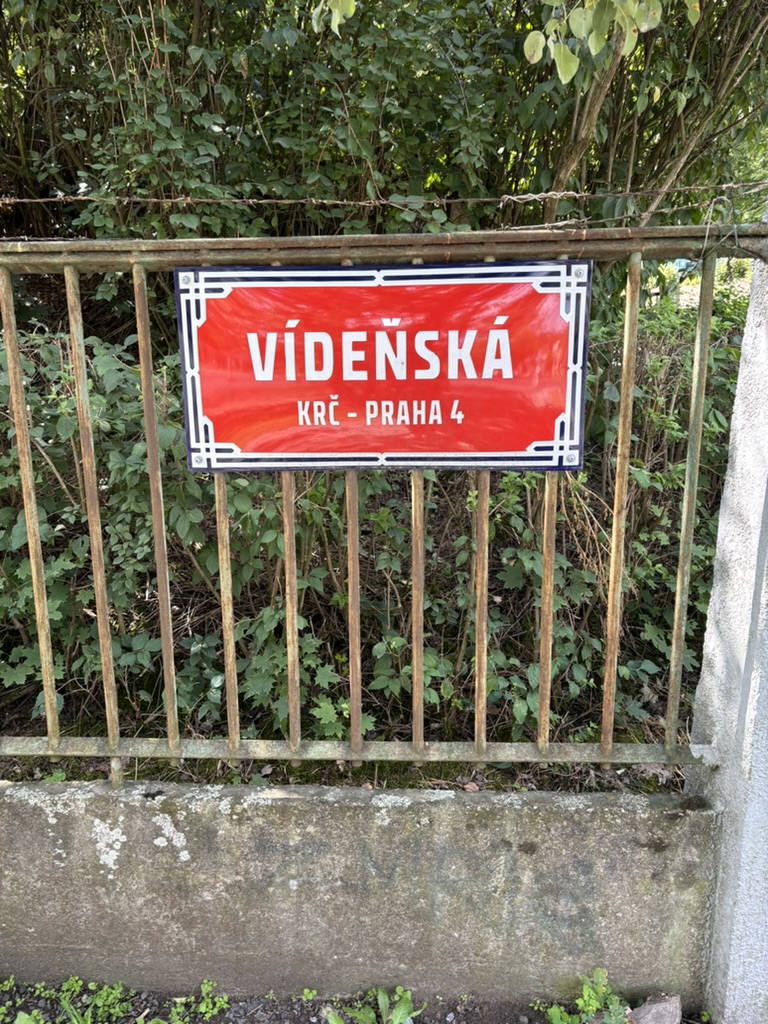
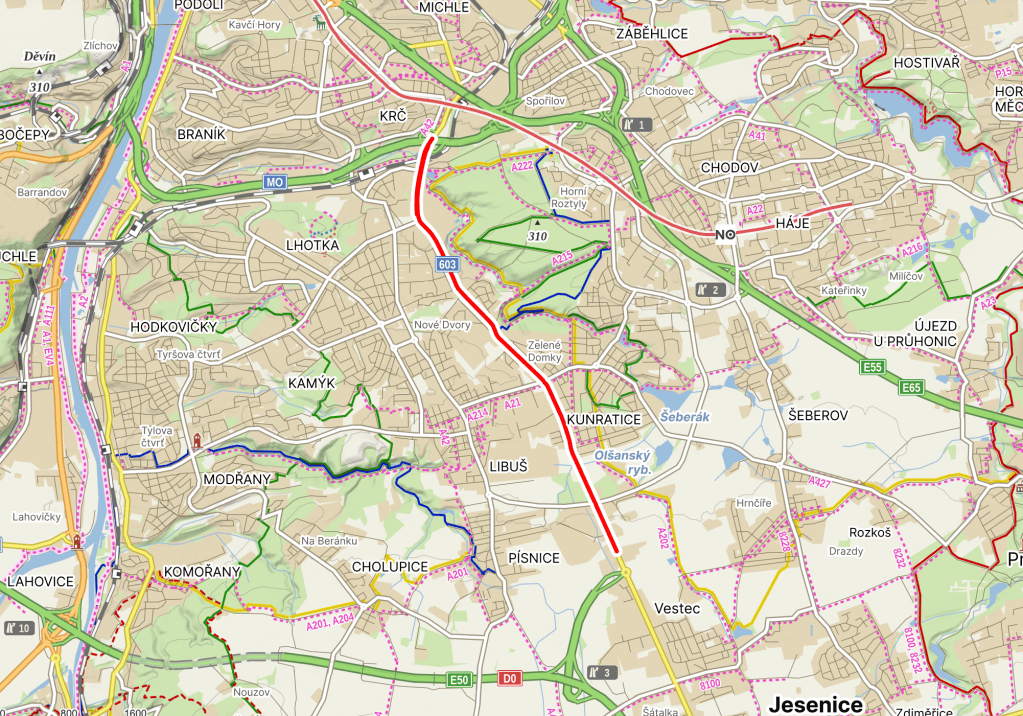
Until 1978, this was part of Budějovická (https://whatsinapraguestreetname.com/2026/04/26/prague-4-day-368-budejovicka/), but it got renamed because Czechoslovakia and Austria tentatively started to work on their relationship that year. And because Vídeň is Vienna (Wien in German).
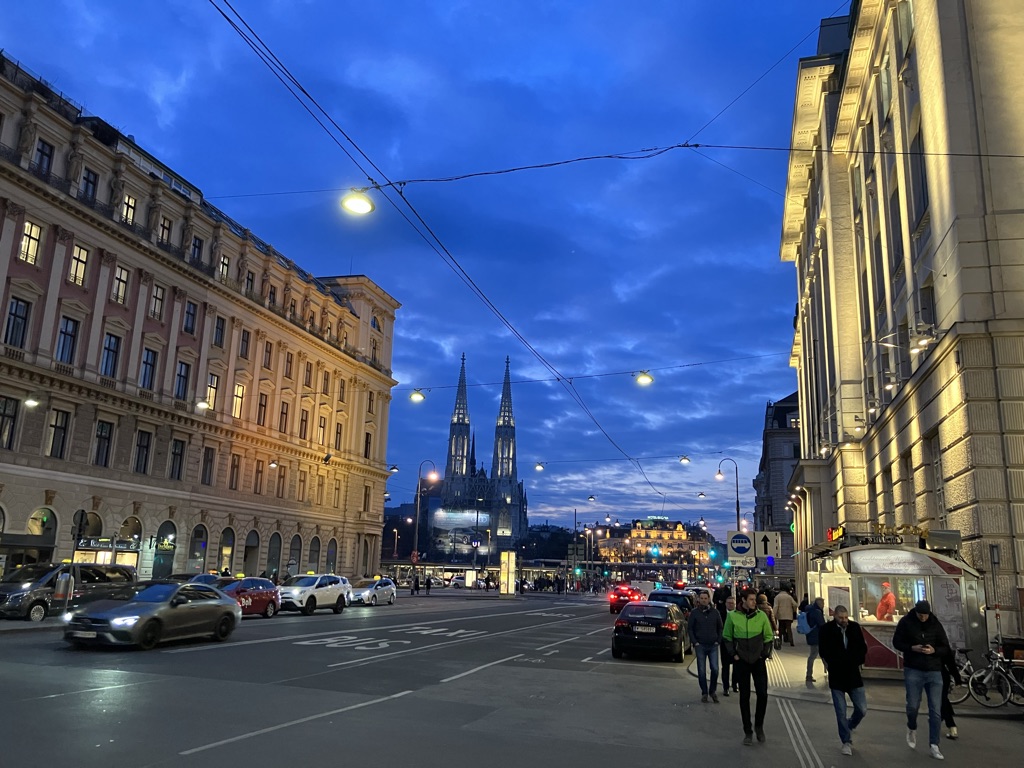
Some believe that the name comes from the Celtic *Vedunia, meaning ‘forest stream’, which may have given its name to the River Wien, which, in turn, became the name of the city built upon it. Vienna is the latinised form of that.
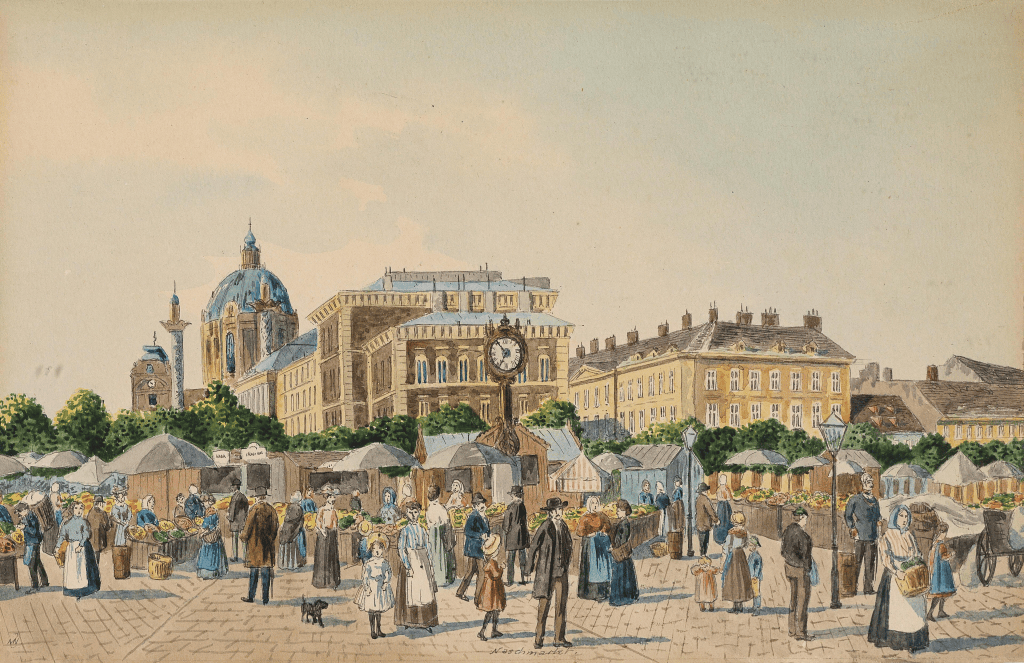
Others point out that the Romans called the settlement here *Vindobona, meaning ‘white settlement’ or ‘place of (somebody called) Vindos’. This would then be the source of the Czech name (which is also similar to the Polish, Slovak and Ukrainian names, Viedeň, Wiedeń, and Відень respectively.
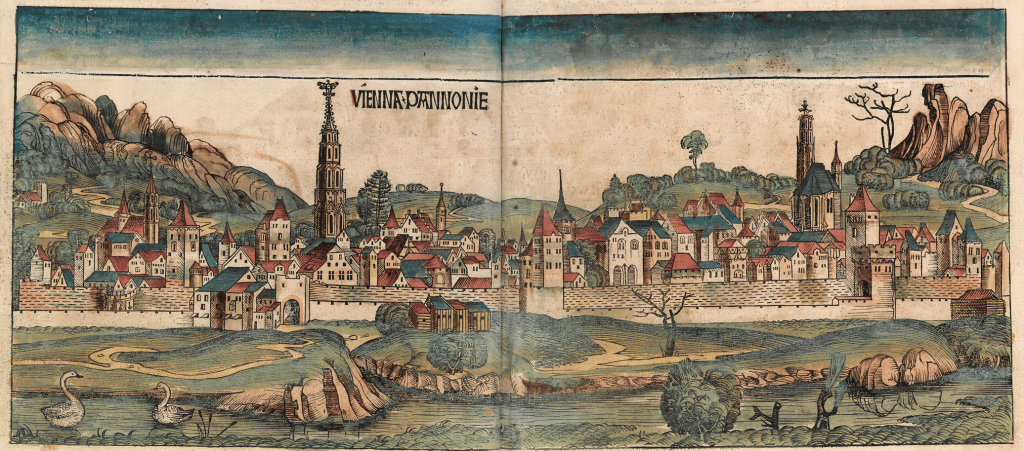
Wieden is also (but concientally) the name of a district of Vienna, fittingly (for this series) the fourth one.
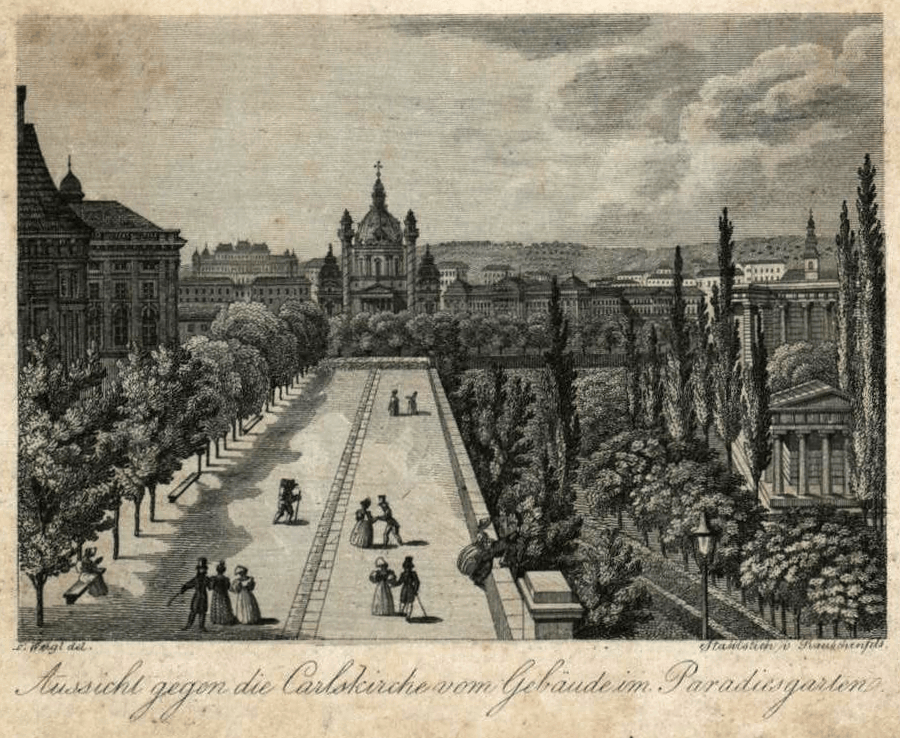
The Hungarian name for Vienna – Bécs, which has found itself into Bosnian/Croatian/Serbian as ‘Beč’ – probably derives from a word for ‘kiln’. Whereas the Slovenians name Vienna after a more famous river than the Wien – they call it ‘Dunaj’.
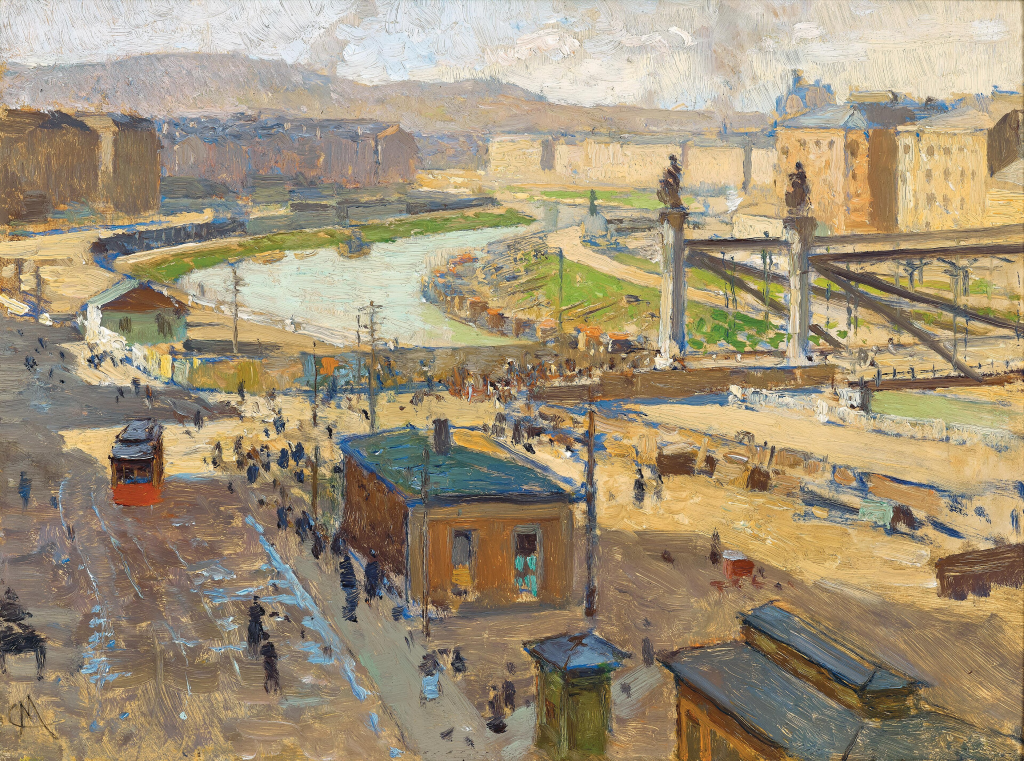
Vienna is 145 km from Austria’s second city, Graz, and 252 km from what is arguably Austria’s second-most famous city, Salzburg. Yet it’s also within 55 km of the borders with Czechia, Hungary and Slovakia.
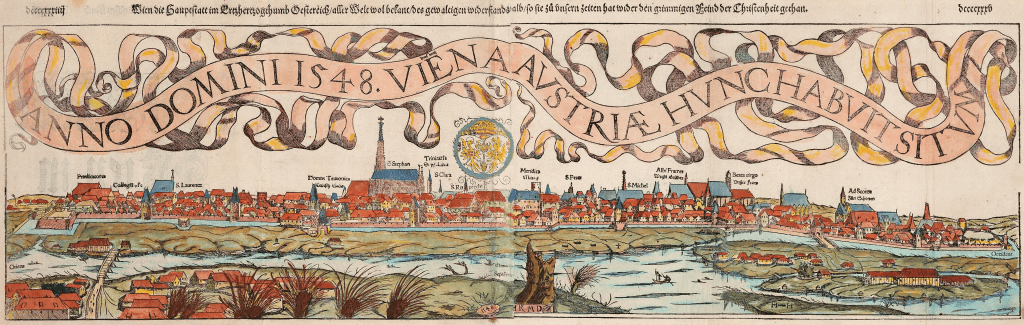
In terms of shared history: well, there is plenty. Prague served as the capital of the Holy Roman Empire from 1355 to 1437, thanks to Charles IV (https://whatsinapraguestreetname.com/2024/10/15/prague-1-day-196-karlova/).
Vienna then served this role from 1438, but in 1583, Rudolf II moved his court to Prague and collected an awful lot of art. After his death, the court was based in Vienna again.
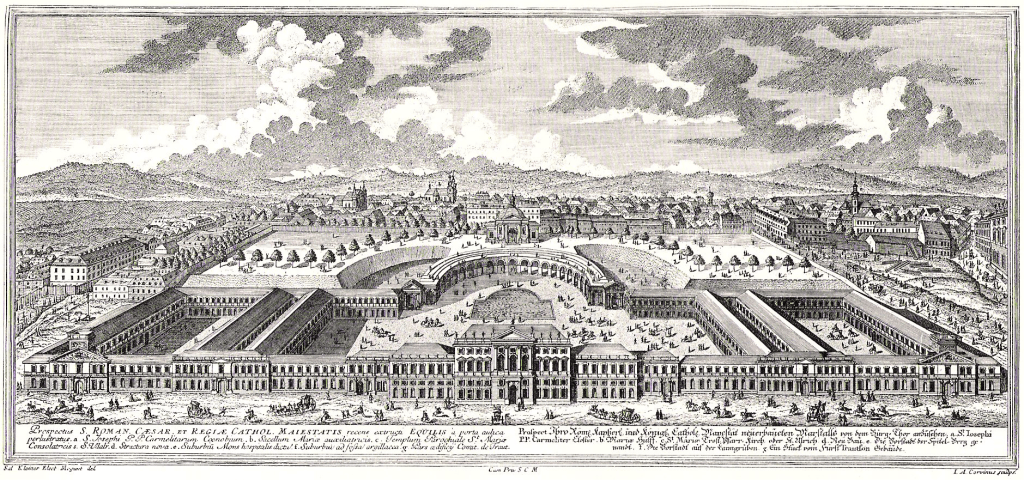
Vienna also gave students the opportunity to study Czech in 1775 – which is seventeen years before this became an option at the University of Prague.
The reason why Vienna is so big for such a small country (two million people in a country of 9.2 million), and why it is in a less central location than most other capitals is, of course, because, for centuries, it was the capital of something a lot bigger.
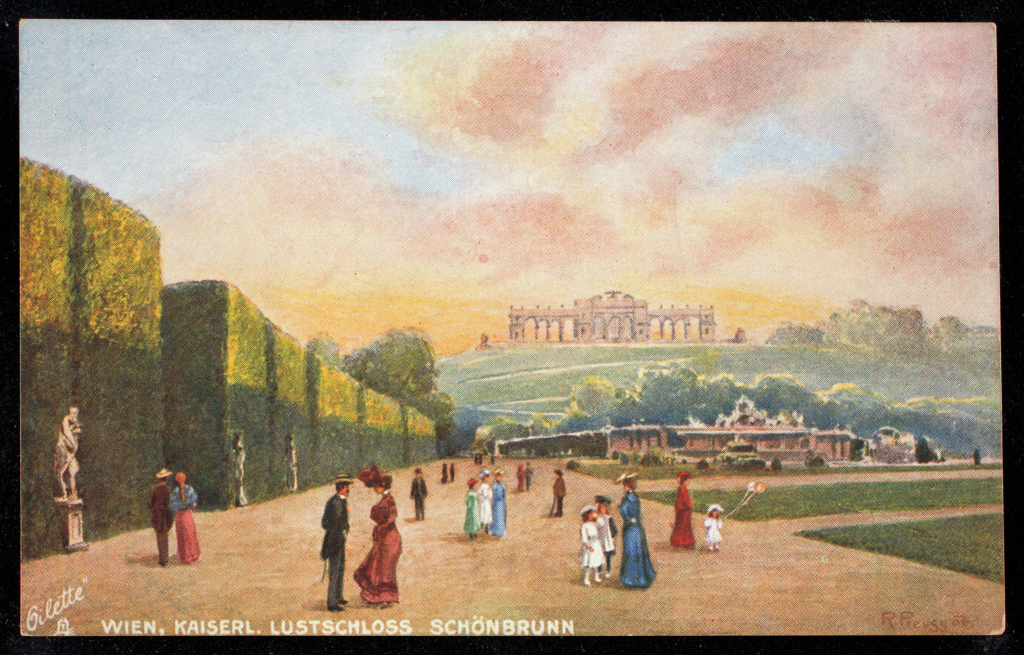
In 1910, its population was actually very slightly higher than it is now, making it the world’s fourth-largest city – and the two million inhabitants included about 250,000 Czechs and Slovaks. Once they had their own country – and a capital city of their own – their numbers declined to about 83,000 (in 1923).
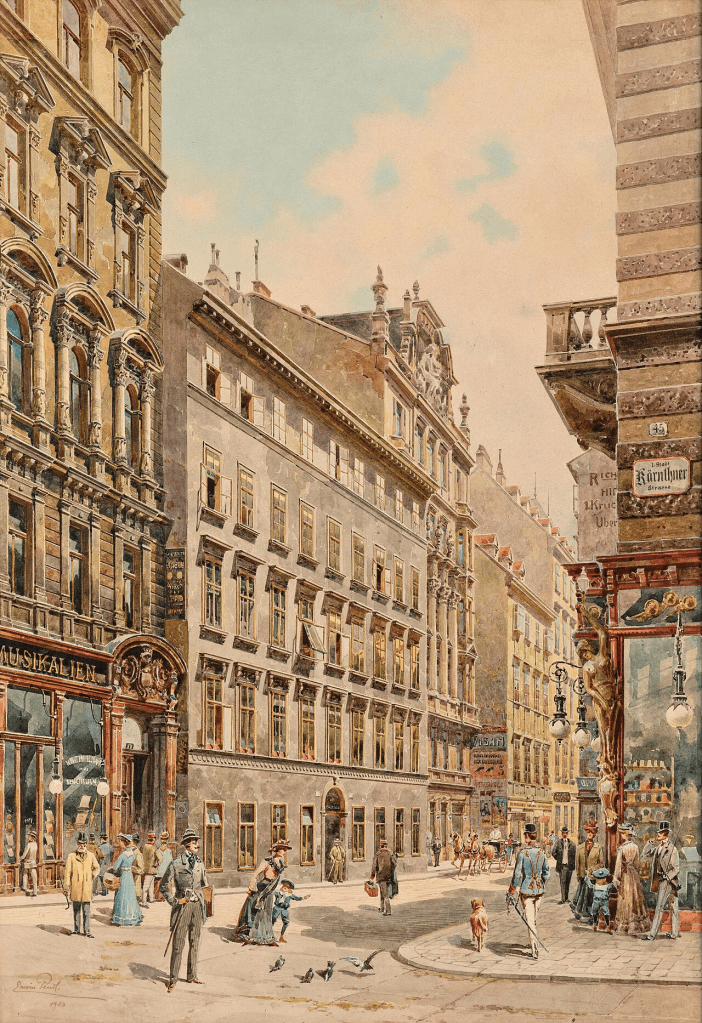
After World War II, Austria was occupied much in the same way that Germany was, but regained its sovereignty in 1955 (along with not having to deal with the stress of being converted into a West Austria and an East Austria).
It became a popular place for businesses to set up shop, particularly those looking to trade with Czechoslovakia, Hungary and Yugoslavia, insofar as this was possible.
It also experience significant number of refugees from Czechoslovakia in 1968, after the Soviet invasion.
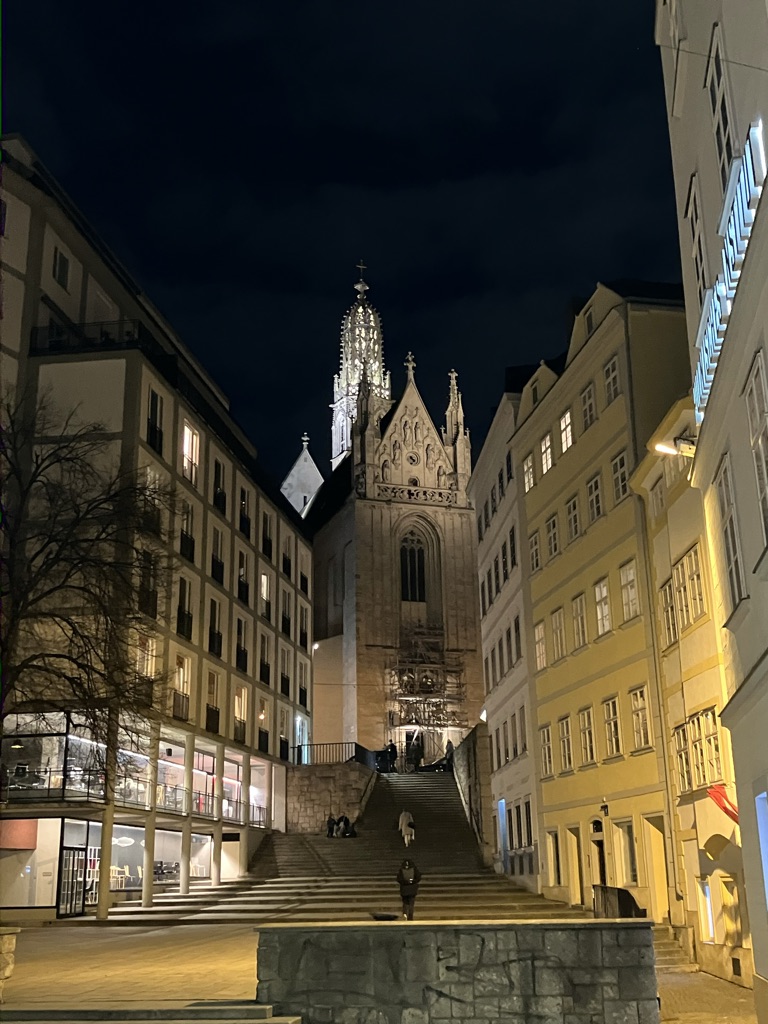
Nowadays, there are 20,000 Slovaks and 12,000 Czechs registered in Vienna. Where you feel the Czech and Slovak influence in Vienna’s wonderful, wonderful dialect of German (Wienerisch) is in the kitchen and restaurants.
If you want pancakes, you should ask for Palatschinken, if you want a round pastry, you should ask for Kolatsche, and if you want a jam roll, you can ask for a Buchteln.
Also, Austrians call horseradish Kren, whereas the German-speaking world that isn’t Austria or Bavaria call it Meerrettich. An Austrian friend once admitted she hadn’t realised this, and had just assumed they were subtly different things.
In 2003, I spent several months in Austria as part of my studies, and went to Vienna a few times. I remember thinking how many unusual surnames there were, not realising these were usually Czech or Slovak, much less realising I would end up living in Prague, a city I had never even seen (or planned to) in 2003.
I also wish I could have taken that feeling of turning up at Vienna Hauptbahnhof on a Friday night with no smartphone, no knowledge of where to go, no plans other than buying too many books and CDs at the first opportunity, and nothing but excitement, and put it in a bottle.
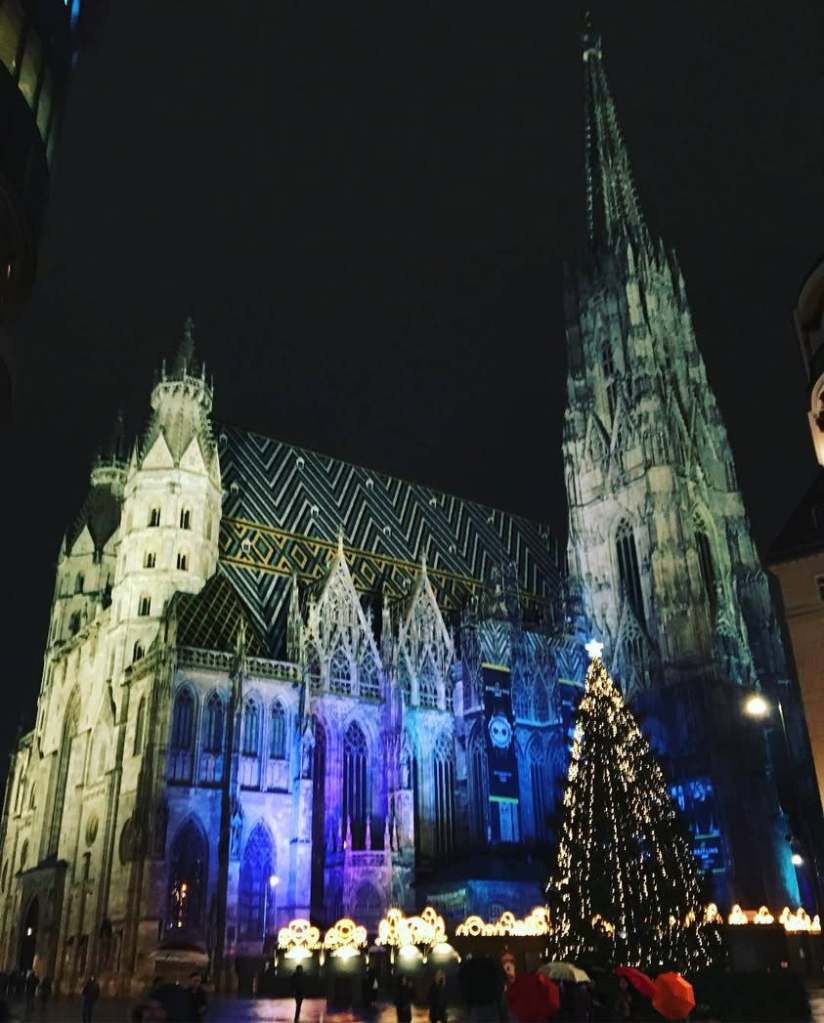
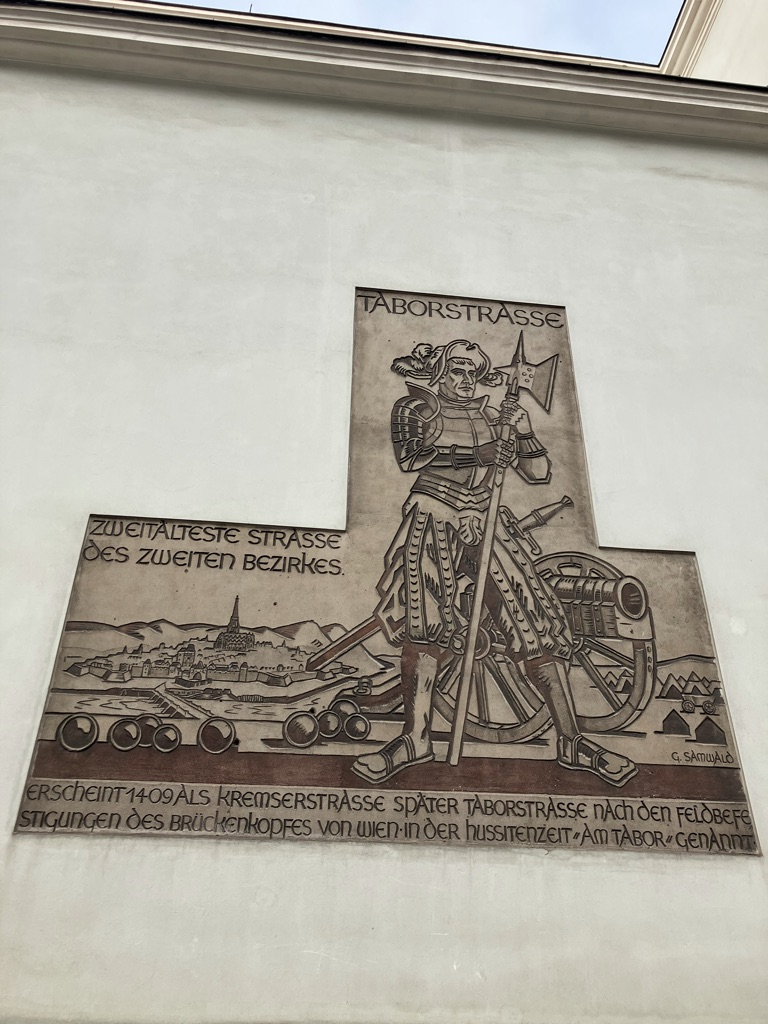
I have precious few photos with me right now despite having gone to Vienna multiple times since (they’re all on other devices); I think I may have an excuse to go back now. And, of course, you’re never too far away from a Czech reference.


Leave a Reply