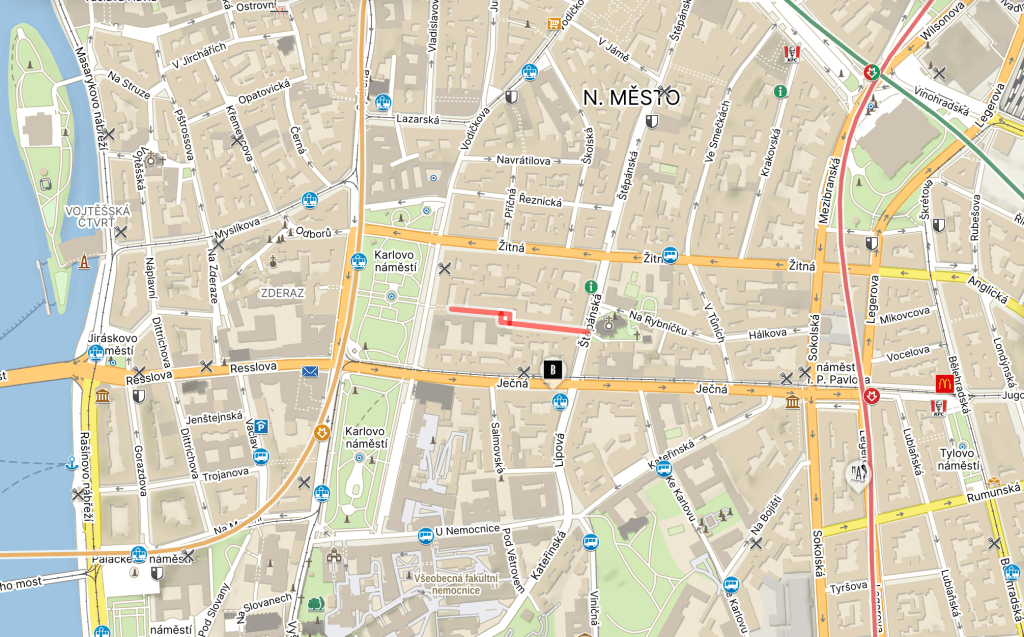
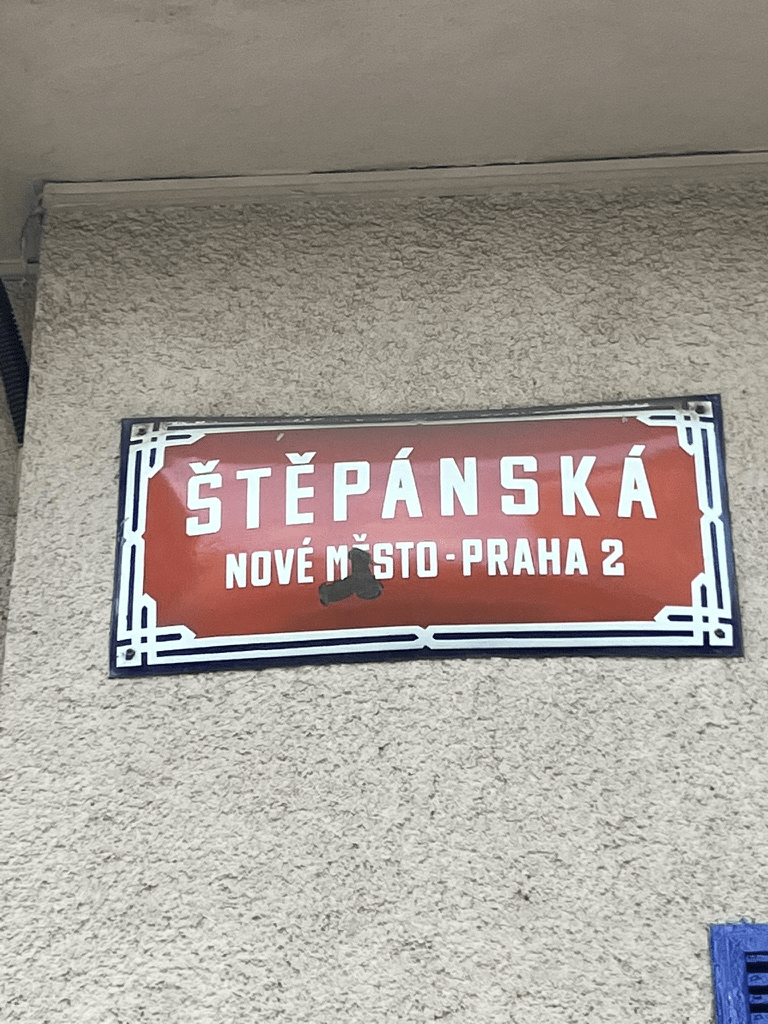
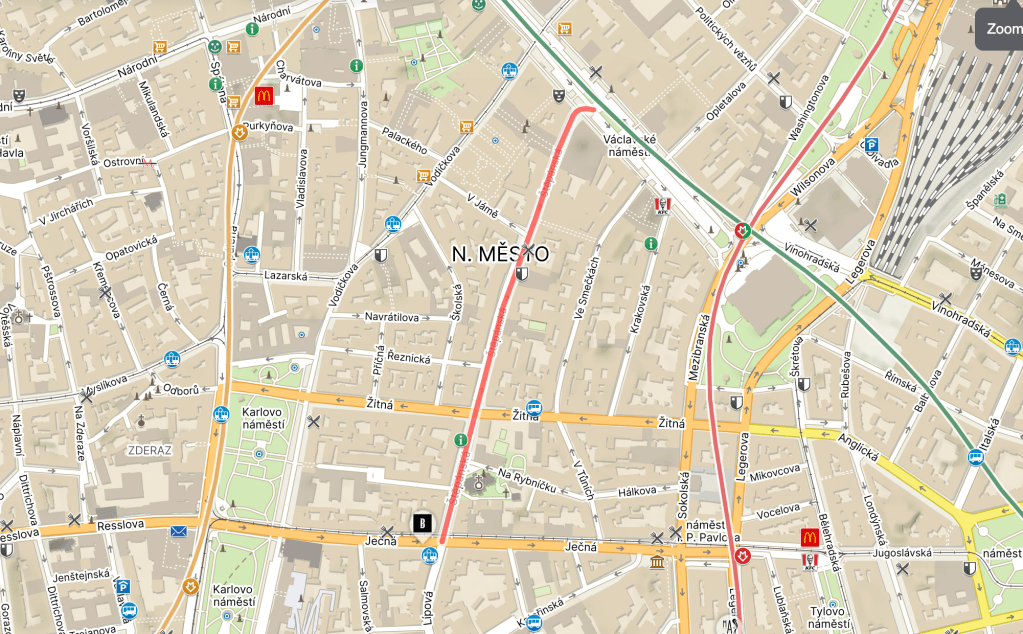
Up to the 15th century, the street was known by various names: Svatoštěpánská (linked to its current name), Nad Jámou (Above the Pit – after its geographical location), or Nad Louží (Above the Puddle – there was a settlement round here called Rybníček which had three ponds).
In the 15th century, it became Provaznická, after the ropemakers who lived and traded here (a ropemaker is a provazník).
It then became Široká ulice u svatého Štěpána in the 16th century, and subsequently Květoňská in the 17th, after a building at number 22 called Na Květoni (which now hosts the Akademické gymnázium Štěpánská).
The name Štěpánská has stuck since the 18th century.
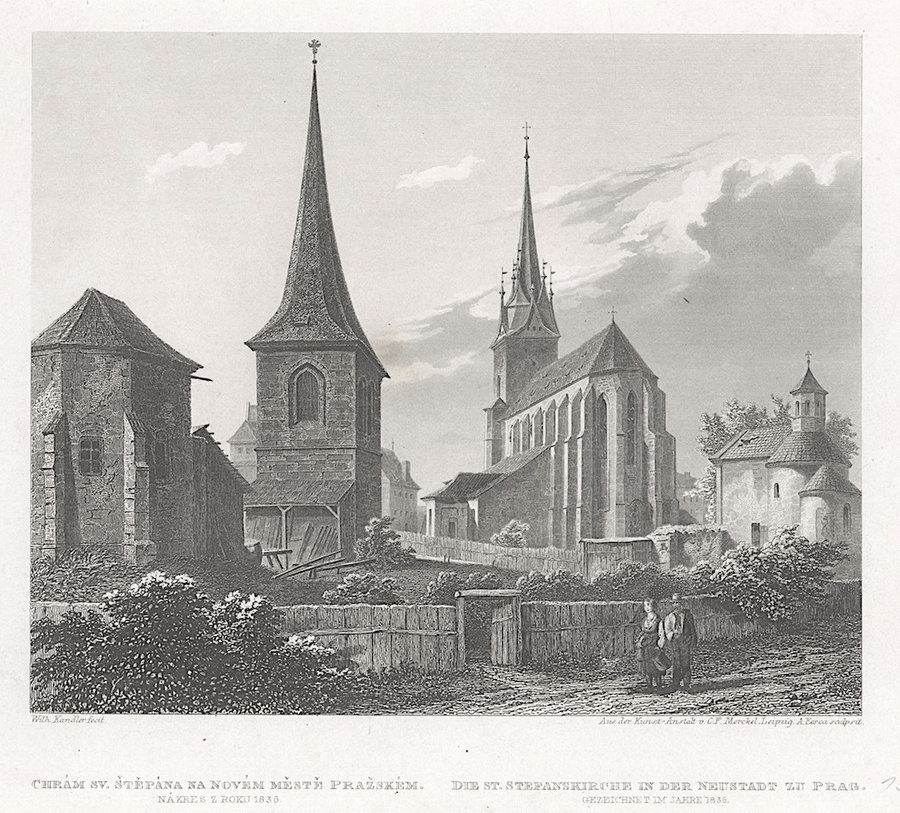
When the New Town was founded, the Church of St Stephen / Kostel svatého Štěpána was too, being completed in 1401 and serving as the parish church for the upper New Town.
The church had a cemetery so large that it could accommodate the remains of 15,000 people who died in a plague epidemic at the start of the 16th century.
The church has undergone various renovations since, particularly from 1874–1879.
It also hasn’t done too badly in terms of visitors – Antonín Dvořák’s daughter Otilie got married here to the composer Josef Suk.
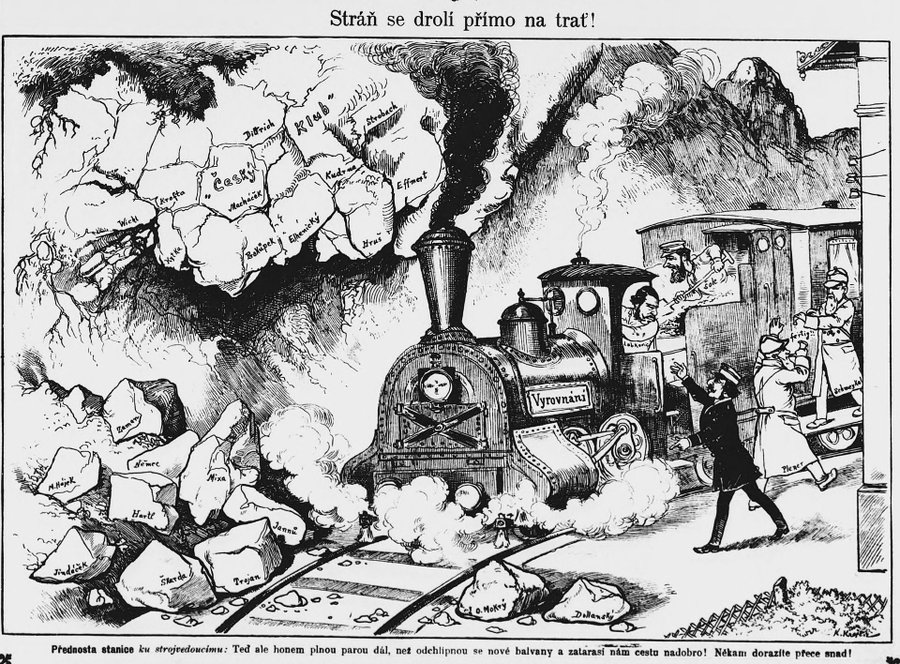
In 1890, an eleven-point plan, known as Punktace, was drawn up, aiming at Czech-German reconciliation. The Punktace would’ve divided the regional administration into Czech, German and mixed areas.
The Young Czechs, who hadn’t taken part in the negotiations, declared the plan unacceptable, and the Old Czechs, who had, would be soundly defeated in the 1891 elections.
Scared of a plan that’d basically stop Bohemia from existing, people started illegal demonstrations in 1892.
In one, protestors tried to pull down a statue of Jan Nepomucký (presumably the one on Charles Bridge); another ended up with a fight with police at Olšany Cemetery.
The police started to assume there was a secret organisation planning all these protests, especially as many of the leaflets being distributed were published on an expensive device called a hectograph, which was quite hard to get your hands on.
In August 1893, celebrations for the birthday of Emperor Franz I went as well as you might expect – demonstrators shouted so loudly that the military band on Old Town Square was drowned out, a restaurant named after the Emperor was trashed, and Franz got verbal abuse.
This would lead the authorities to declare martial law in Prague in September.
Arresting one of the people named by Mrva, a journalist and left-wing activist called Jan Ziegloser (1875-1955), the police found a hectograph, as well as Ziegloser’s diaries, in which he wrote about the youth of Prague and their politics.
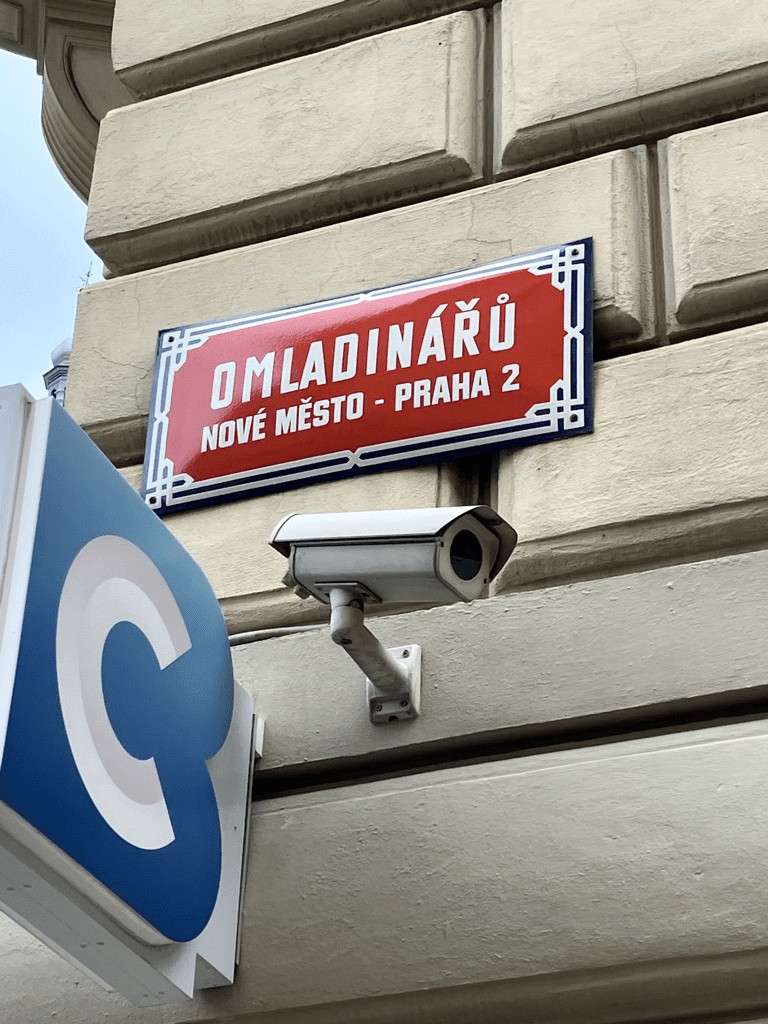
He called the youth the omladina. This, combined with conflicting statements by those arrested, was enough for the police to conclude that there was an organisation with that name.
Mrva would be murdered in December 1893 by two of his friends, Otakar Doležal and František Dragoun, both from Žižkov.
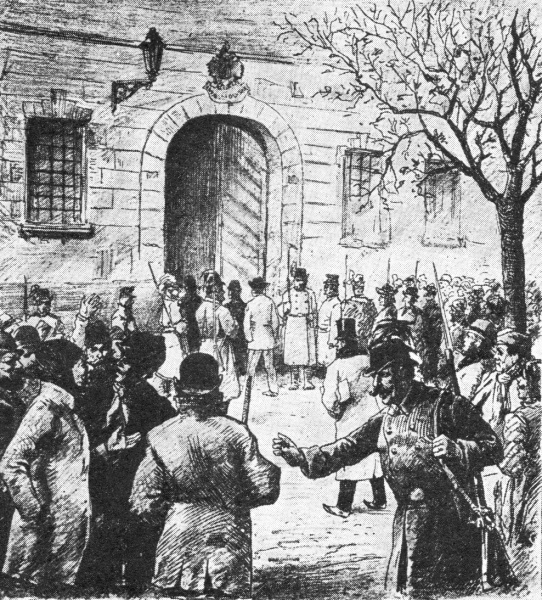
The ‘Omladina Trial’ took place at the prison in February 1894. The longest sentence – for Josef Ziegloser – was eight years, but all 68 people tried got sentenced to at least a few months (and found out via smuggled newspapers).
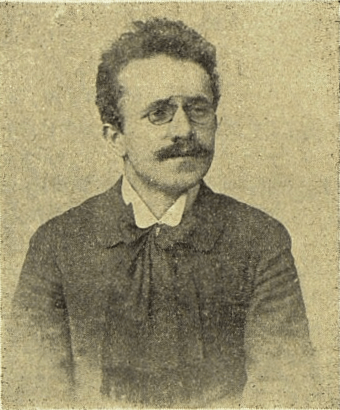
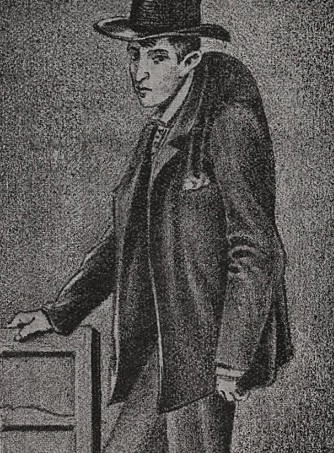
Doležal and Dragoun were tried in March, but were acquitted – and later confessed to killing Mrva (pictured).
In late 1895, an amnesty was announced. All prisoners had been released by November, except for two who had died of tuberculosis in prison.
One of the prisoners, Václav Čížek, who had been the most vocal of the defendants during the trial, shot himself on Wenceslas Square three days later.
All because of the trial of a group that didn’t actually exist.
After 1848, when Karlák got its current name, this street came to be known as Pod Karlovským náměstím, though the name U masných krámů was also used.
A masný krám is a shop selling meat. Such shops had stood here ever since 1359, and would do so until 1898, when they were destroyed to make way for new buildings and streets.
The name Lazarská first appeared around 1880, while the first mention of St. Lazarus’ Church / Kostel svatého Lazara is from 1280. It was a hospital church, with a cemetery which included mass graves for the victims of plague and famine.
In the early 15th century, the church was purchased by the butchers’ guild of the New Town, but somehow it survived the Hussite Wars. It was used for a Jesuit service in the 1640s, but the Jesuits never took the church over.
In 1788, the church was abolished; the butchers of the New Town set up a warehouse and workshop in it.
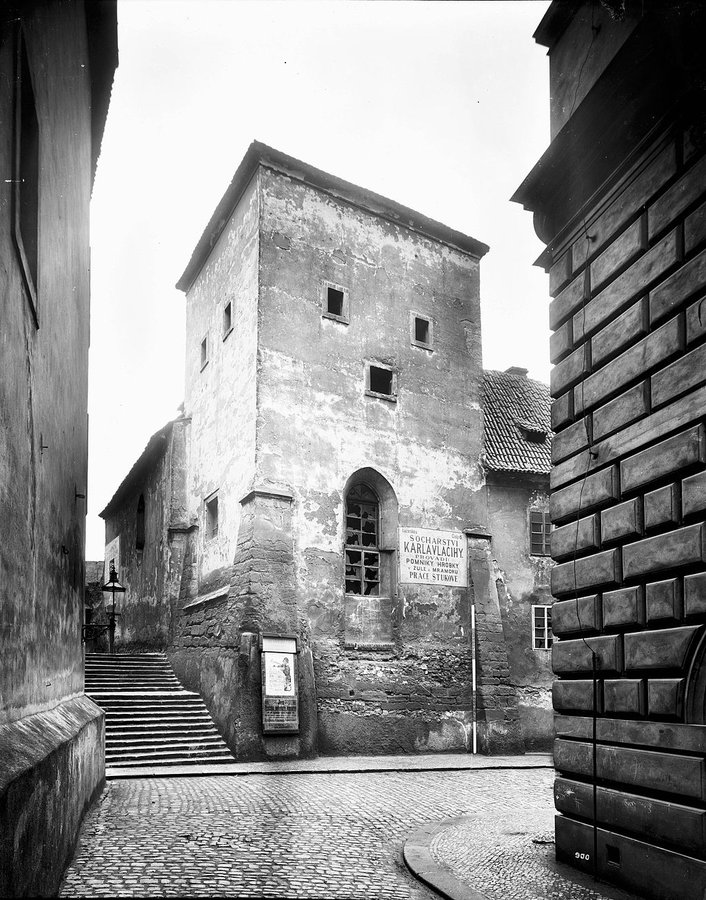
Once the Imperial-Royal Criminal Court was due to be built at the turn of the 20th century, the building’s days were numbered. Despite protests, it was gone by 1901.
However, painter Václav Jansa (1859-1913) produced this painting of the courtyard in front of it.
We’re also lucky enough to have an undated photo of the building before its destruction.
In 1985, Prague introduced night trams, and Lazarská has been the main transfer point between those trams ever since.
I can’t be the only person who hears ‘Lazarská’ and automatically remembers freezing their butt off for half an hour while being in desperate need of sleep on many a night in 2007-10.
And who is therefore grateful for ridesharing apps, for all their evils.
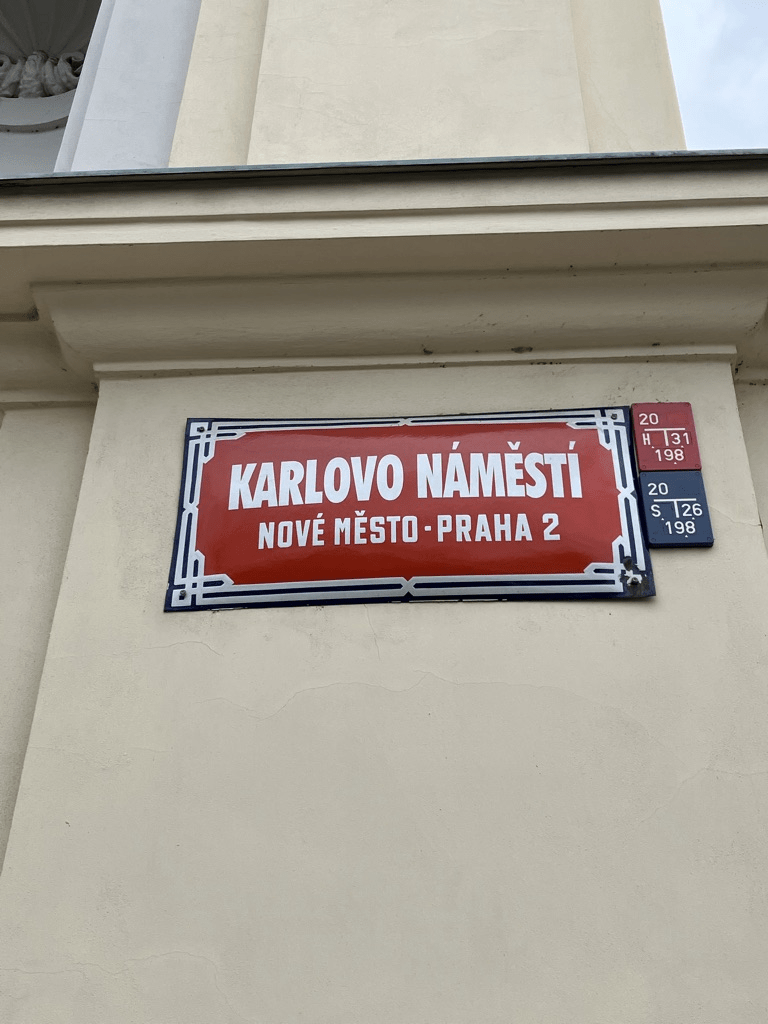
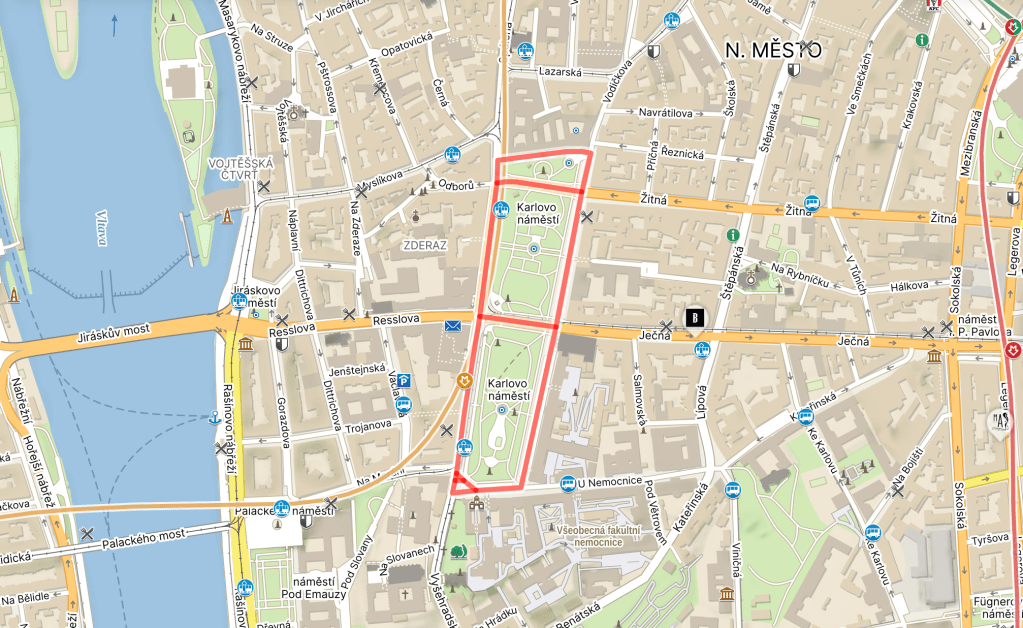
Karlovo náměstí (Charles Square, or Karlák if you’re a local) was built in 1348.
The square promptly became the centre of the New Town, being called Dobytčí trh (Livestock Market) until 1848.
Upon its construction, it was the largest town square not only in Prague, but also in Europe (it was bigger then than it is now, though, stretching far as Lazarská).
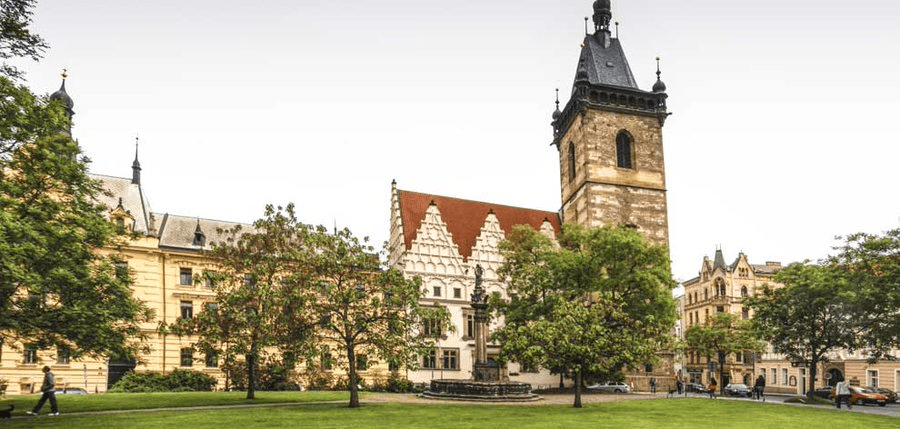
It’s therefore not surprising that the square became (and still is) the location for the New Town’s Town Hall, built between 1377 and 1398, with additions in 1411.
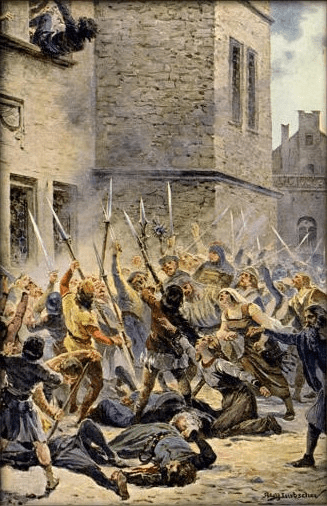
The Town Hall’s place in history would be ensured on 30 July 1419, when the Hussite priest Jan Želivský led his followers on a march, protesting the fact that the town council was refusing to free its Hussite prisoners.
A stone was allegedly thrown from the Town Hall, hitting one of the protestors. The crowd stormed the building, throwing the judge, the mayor and five others out of the window to their deaths. This was the First Defenestration of Prague.
(Painting by Adolf Liebscher)
Václav IV would die of a heart attack within the next three weeks, supposedly because of the shock. And the Czech Lands would be plagued by the Hussite Wars until 1436.
In the 1860s, the market was torn down and Karlák was turned into a park-slash-square, with František Josef Thomayer turning it into an English-style garden in 1884.
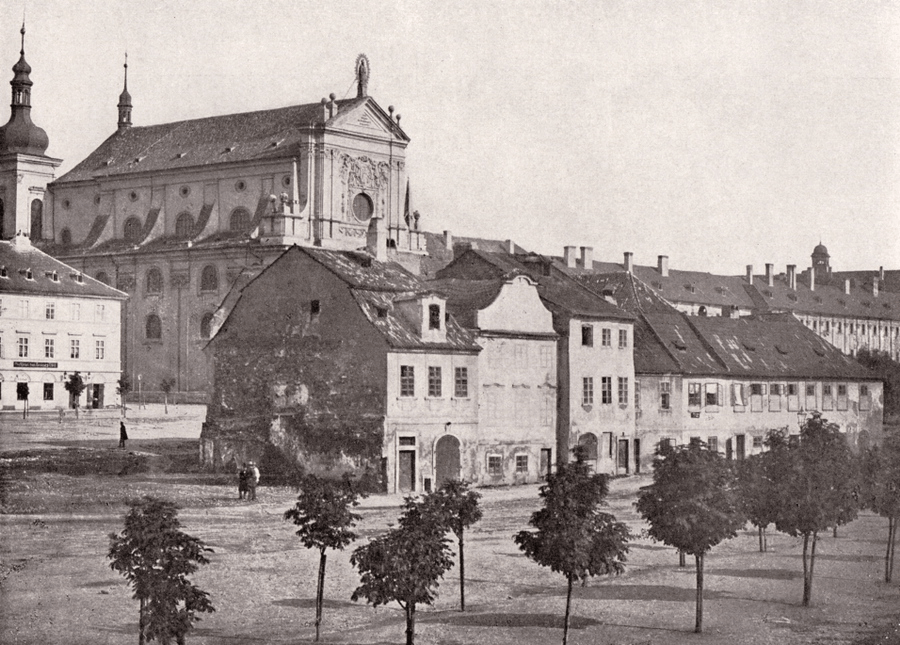
Karlák is also known for the Baroque Church of St Ignatius, built between 1655 and 1677 and (pictured in 1858), once part of the third-largest Jesuit complex in Europe.
Since 1985, Karlák has had a metro station, on the B / yellow line. It was originally meant to be called Palackého náměstí, and, reading that, I now feel a bit less dumb for spending my first six months in Prague assuming that Palackého náměstí *was* in fact Karlovo.
The station got flooded to hell and back in 2002 and needed a heck of a lot of reconstruction; it took seven months before the exit onto Palackého could be used again.
Before the founding of the New Town in 1348, this was part of a road leading from Vyšehrad to Prague Castle, and which was therefore known as Vyšehradská cesta.
As well as founding the New Town, Karel IV evicted various tradesmen from the Old Town, including blacksmiths.
A blacksmith is a kovář, and several of them decided to set up shop here – so, during the 14th century, the street was renamed Kovářská.
In the early 15th century, it became known as Flašnéřská. A flašnéř is similar to what is nowadays known as a klempíř, i.e. a tinsmith, i.e. someone who works with sheet metal.
In June 1506, Flašnéřská was hit by a fire so severe that it destroyed twenty houses on the street. In 1518, the street’s name was recorded as ‘Spálená’ – meaning ‘burnt’.
Spálená is famous for, amongst other things, the ‘Máj’ shopping centre, AKA the first time I ever saw a multi-storey Tesco so big it had its own boomerang section (that was in 2005; no boomerangs now).
Then it was Kleinova until 1952. This story deserves to be told in a bit more detail than I’ve done for other street names that are no longer in use – and it’s relevant to the street’s current name too.
Robert Klein was born to a Jewish family in Poděbrady in 1885.
Starting professional life as a merchant and private official, he worked in the regional educational centre in Plzeň and became editor of the Central Trade and Industry Association’s magazine.
He became the Union’s managing secretary in 1919, and also helped set up the United Union of Private Employees (Jednotný svaz soukromých zaměstnanců).
Entering Parliament in 1920 for the Czechoslovak Social Democratic Labour Party (ČSSD), he then moved to the Socialist Association, before rejoining the ČSSD in 1924. He would stay in Parliament until 1939 (switching to the National Labour Party upon its formation in 1938).
In 1935, he worked closely with German and Austrian anti-fascist trade unionists who had fled to Czechoslovakia. This earned him some time in prison as soon as Nazi Germany occupied Bohemia and Moravia in 1939.
He was released, but in September 1939 he was deported to Buchenwald, where he was forced to perform particularly hard labour.
Physically and mentally affected by this, he was placed in the sanatorium at Buchenwald, before being sent to Sonnenstein, an extermination facility, where he was murdered in July 1941.
An odbor is a trade union, and the Jednotný odborový svaz veřejných a soukromých zaměstnanců / Unified Trade Union of Public and Private Employees used to have its headquarters on this street.
Its communist replacement, the Revolutionary Trade Union Movement (Revoluční odborové hnutí) would also have its headquarters on the street, which got its current name in 1952.
Then, it became known as Pasířská until about 1700, because of the craftsmen (a pasíř is one who makes decorative items, in particular girdles for knights) who lived here.
It then became known as Žitná because of the trade in rye that took place here.
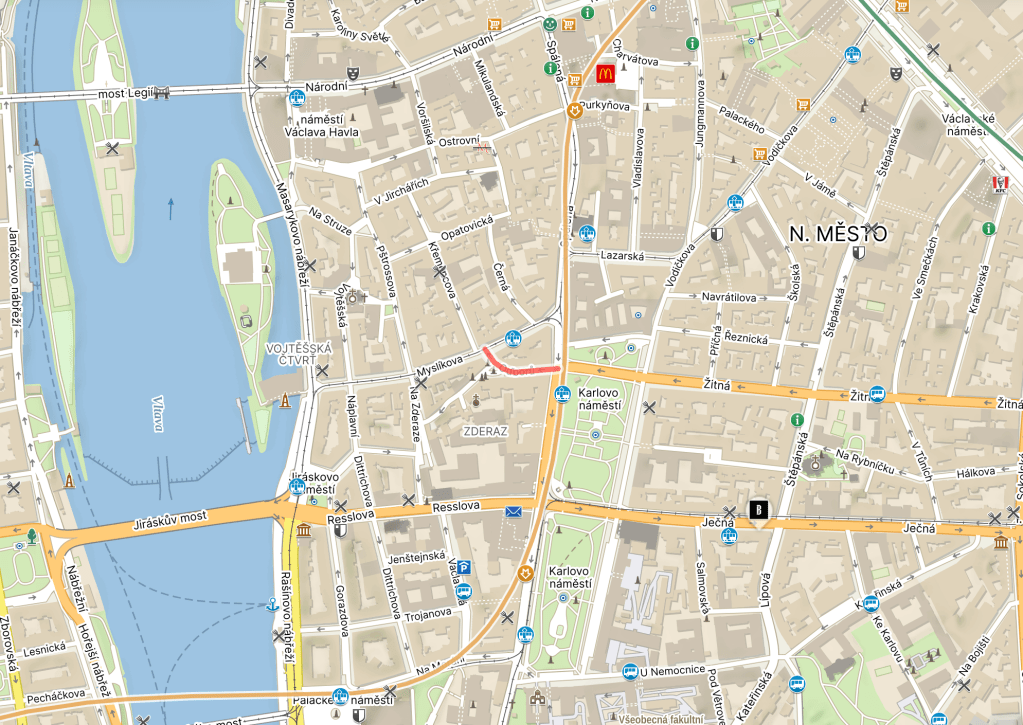
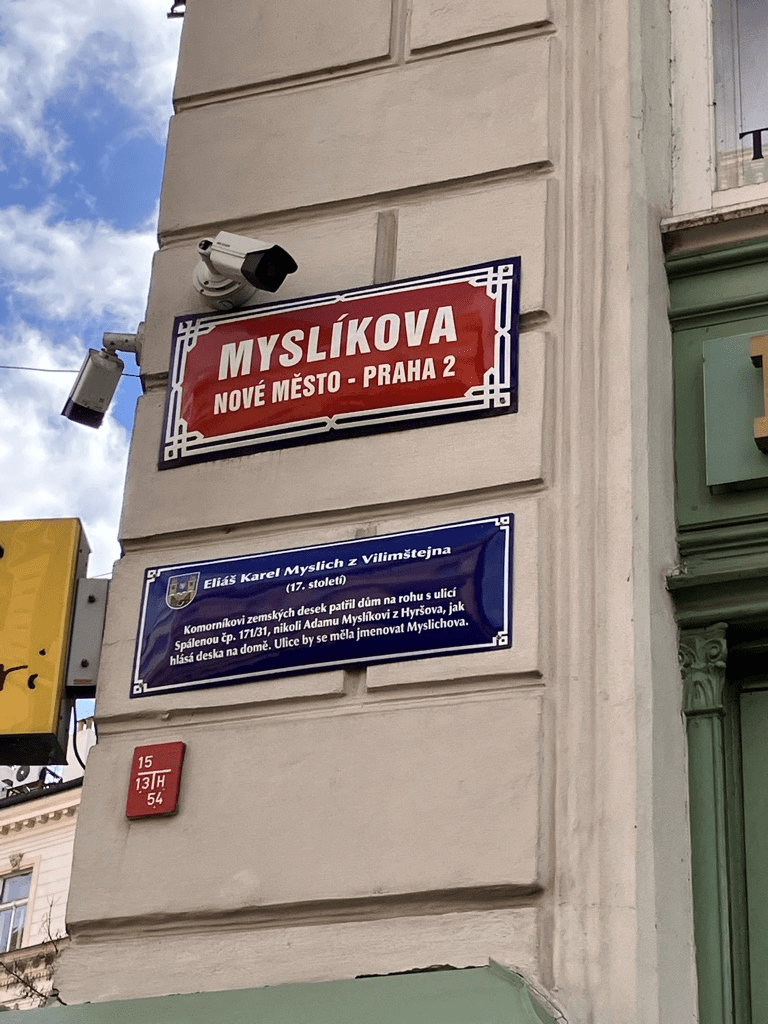
In 1884, the street became Myslíkova, after Adam Myslík z Hyršova (1520-81). His father, Matěj, was a city councillor in the Old and New Towns from 1527, and, three years later, became a lord.
Adam became a judge around 1560, and, a decade later, became council at the office of the Supreme Burgrave. When he died, he had the somewhat more lordly name of Adam Myslík z Hyršova, na Radlici a v Košířích.
The street was named Myslíkova, because he owned the house on the corner with Spálená. Except something went a little bit wrong here.
Because, while Myslík owned a heck of a lot of properties, this… was not one of them.
It actually belonged to Eliáš Myslich from Vilimštejn, who was a chamberlain in the 17th century. But it seems that poor old Myslich was not quite important enough for this to have been changed since.
Yesterday’s thread mentioned a not very catchily named monastery built here around 1190. Its Czech name is no snappier than the English one I quoted yesterday: Zderazský klášter křižovníků strážců Božího hrobu řehole svatého Augustina.
Thankfully, somebody had the brainwave that we could just call it Na Zderaz Monastery / Klášter Na Zderaze instead.
Klášter křižovníků strážců Božího hrobu / the Monastery of the Crusaders of the Guardians of the Holy Sepulchre works too; the Crusaders who founded the monastery were known as Zderazští.
With even more inevitability than the fact that the next five posts you see on Twitter will either consist of utter rage or a meme the poster doesn’t quite understand, the Hussites reduced the monastery to ruins in 1419-20.
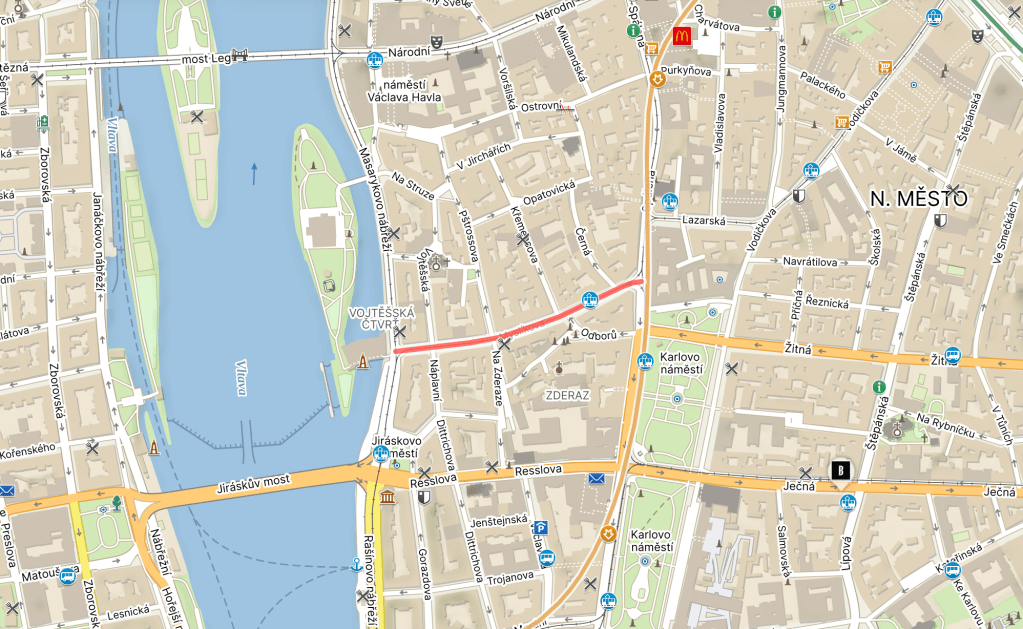
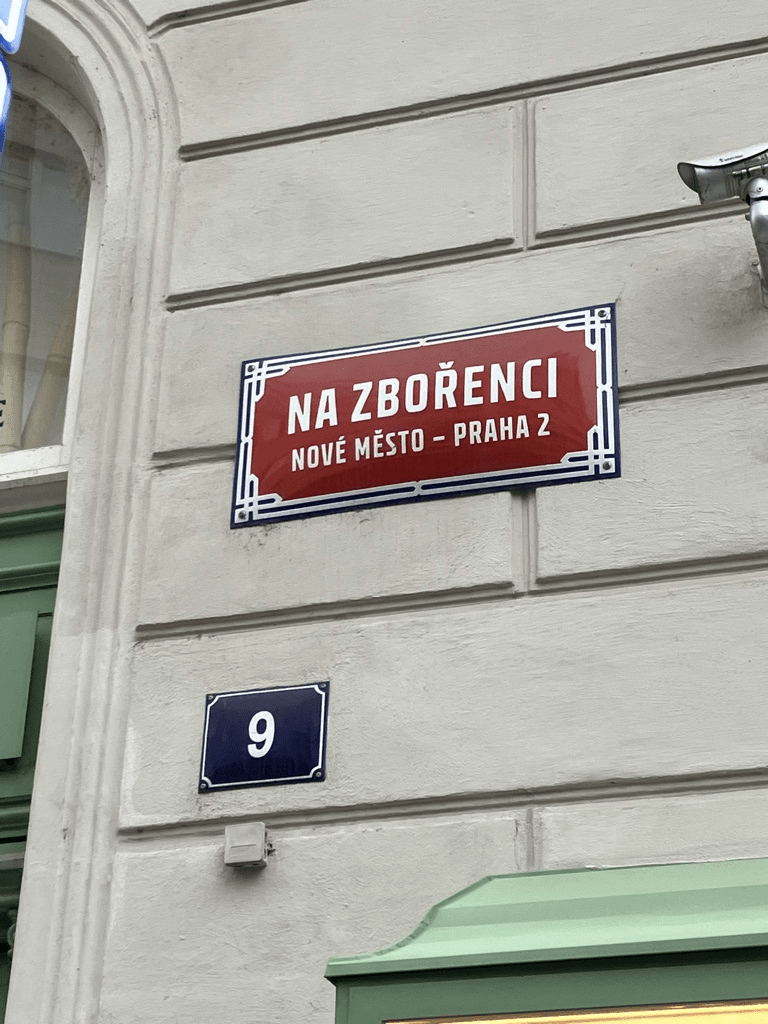
The ruins remained until 1905. And are also responsible for the name of the street: zbořit means ‘to demolish’, while zbořený means ‘demolished’.
I’m trying to find a perfect translation for zbořenec, but, sadly, ‘demolisherie’ is not a word in English, and Google Translate, having one of its particularly unhelpful days, is asking if I’ve considered ‘wrecker’.
Zderad was reputedly killed by Vratislav’s son, the future Břetislav II, for insulting him during a siege of Brno Castle in 1091 – the first time that Brno is mentioned in writing (I couldn’t tell you what the insult was, though).
In the late 12th century, the Zderaz Monastery of the Crusaders of the Guardians of the Holy Sepulchre of the Order of St. Augustine (catchy) was founded here; a church would appear around the same time.
Around 1380, Václav IV would build a small castle (hrádek) here. In the tumultuous times of the Hussite Wars, it was lived in by the legate of the Council of Basel.
In 1627, it was reconverted into a monastery by the Augustinians.
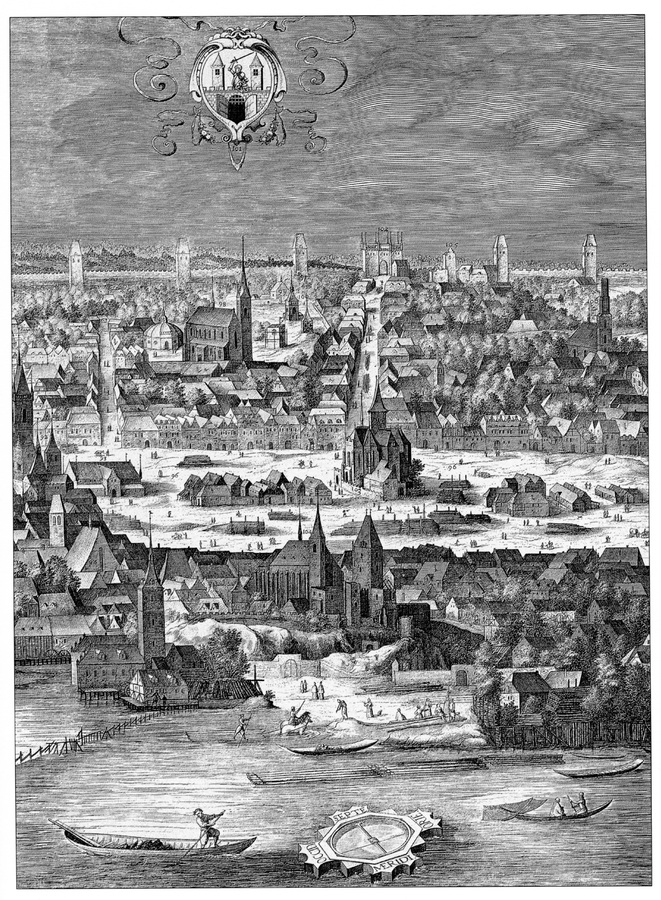
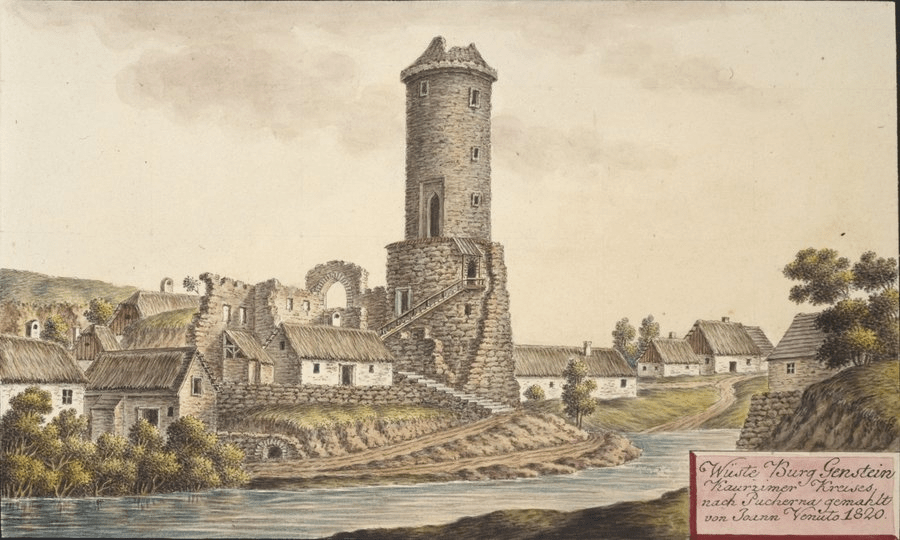
This brilliant picture by Philipp van den Bossche apparently includes the hrádek.
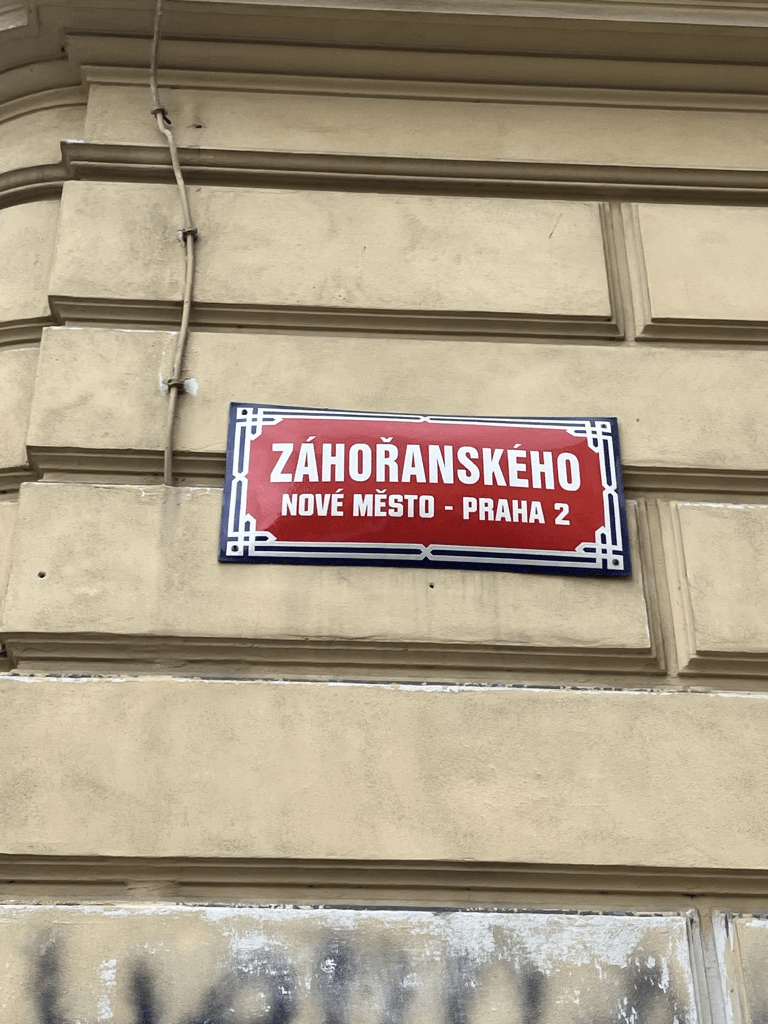
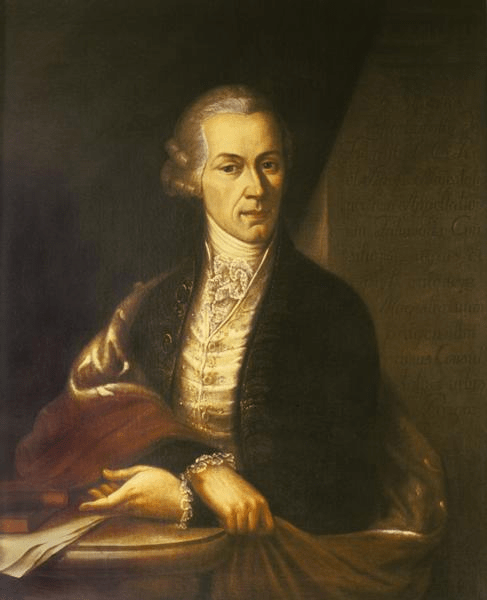
Bernard Augustin Zahořanský was born in 1738, into a family which had originated in the town of Záhořany, becoming ennobled in 1600 and settling in Prague’s New Town three years later.
He graduated in law and, in 1763, became a councillor at the supreme provincial criminal court.
In 1784, Emperor Joseph II united the Old Town, the New Town, the Lesser Town and Hradčany into one city. This also meant that, where there had previously been four city councils, there would now be one.
An Imperial Decree declared that Zahořanský would be the first mayor, or purkmistr, holding the position for a four-year term. According to municipal records, the city worked and met exclusively in German.
Zahořanský didn’t take the option of running for mayor again in 1788, instead returning to his previous job. He died two years later, in 1790.
The house in which he lived with his wife, Johanna Gosková, is located where the street is now. Zahořany, meanwhile, is now located in Prague-West and has about 300 inhabitants.
The name Náplavka appeared in the 19th century, after which Náplavní came into being.
Náplavka is, to most of us, ‘that place along the Vltava with all the bars and stuff’, but it really just translates as ‘embankment’.
What differentiates it from a nábřeží – also translated as ‘embankment’ – is that it’s lower.
A náplavka can be used for landing and mooring ships, but also, as many of us know, for getting rather merry at a beer festival or attending a farmer’s market.
The word is a diminutive of náplava, meaning alluvium, i.e. the sediment that’s deposited along the banks of the river.
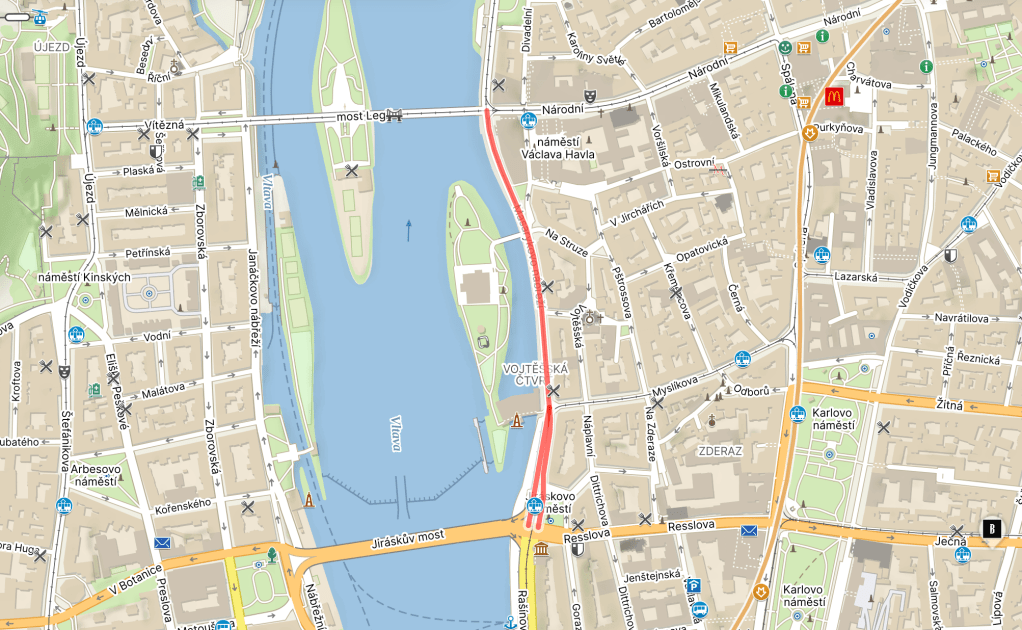
Masarykovo nábřeží (Masaryk Embankment) has existed in its current form since 1903.
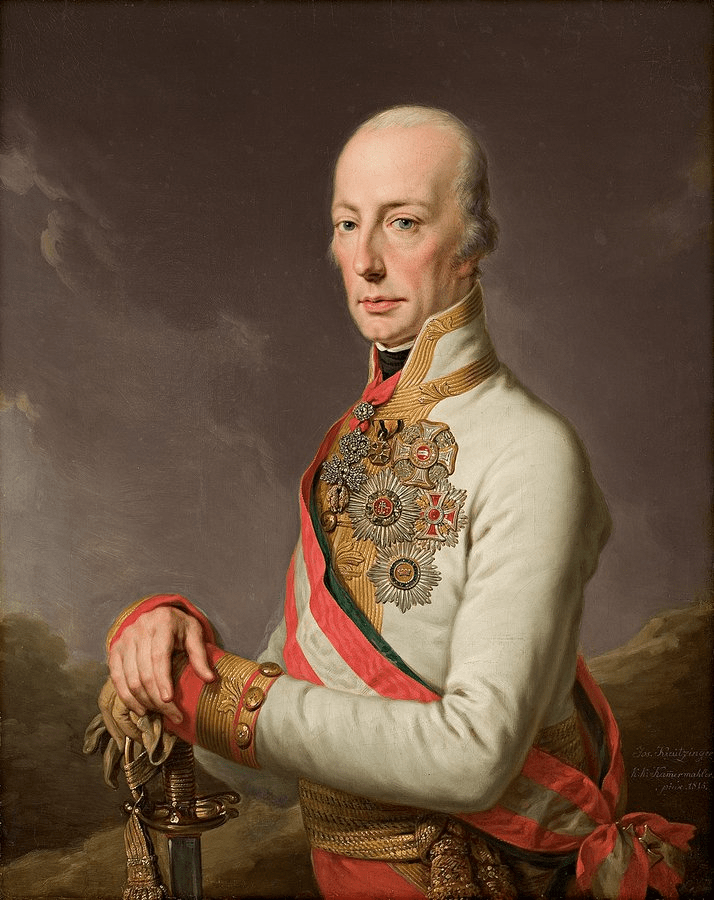
From 1903 to 1912, this was Františkovo nábřeží, after Francis II, who ruled Austria, Hungary, Croatia and Bohemia from 1792 to 1835.
Then, from 1912 to 1940 (and again from 1945 to 1946), it was Riegrovo nábřeží, after František Ladislav Rieger (1818-1903), politician, publicist, and early leader of the Czech nationalist movement.
The Nazis renamed it Vltavské nábřeží, before making us all feel a bit sick by renaming it Reinhard-Heydrich-Ufer.
The Communists made us feel less sick, but still sick, by calling it Gottwaldovo nábřeží (after Klement Gottwald (1896-1953), first Communist leader of Czechoslovakia), which stuck until 1990.
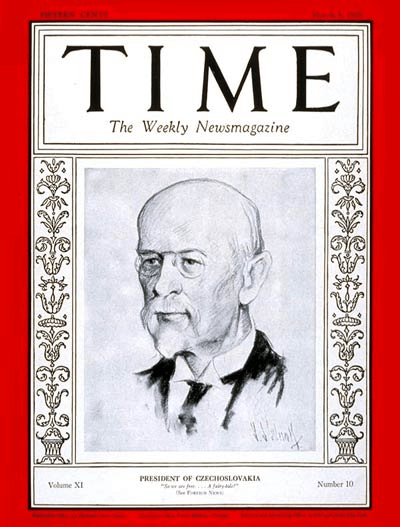
Tomáš Jan Masaryk was born to a poor family in Hodonín, South Moravia, in 1850. He attended the gymnasium in Brno, then finishing his schooling in Vienna in 1872.
The relatively late age at which he finished school was due to his parents’ inability to support his studies financially, as well as an interruption caused by the Prussian-Austrian War in 1866.
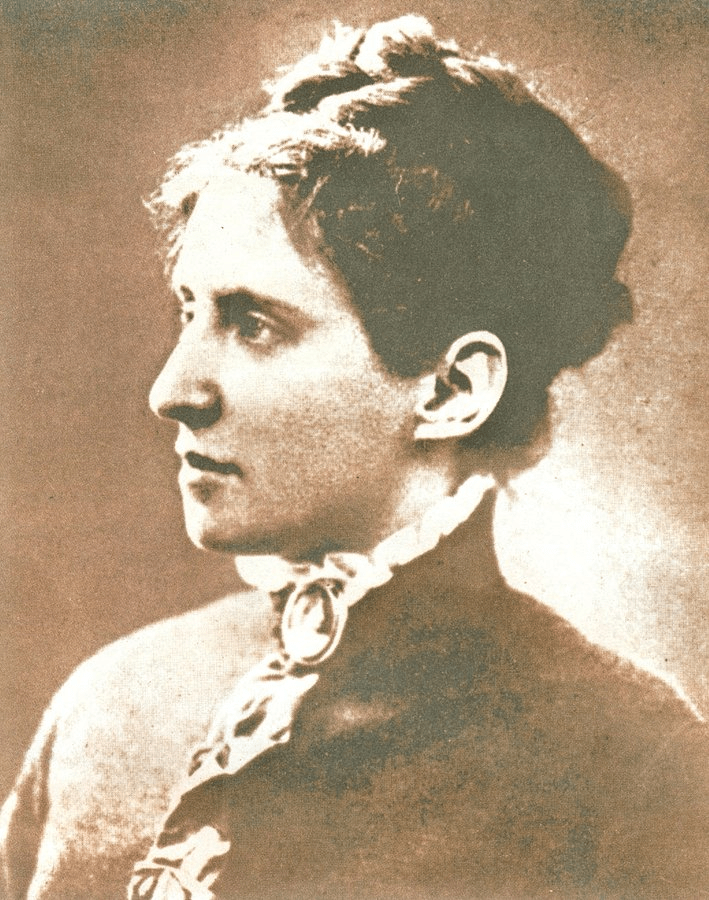
Staying in Vienna, he studied philosophy, then continuing his studies in Leipzig, where he met an American lady who was visiting one of his friends. Her name was Charlotte Garrigue; they married in New York in 1878 and he took her surname in addition to his own.
In 1882, just after Charles-Ferdinand University had been split into Czech and German sections, they moved to Prague, where Masaryk became professor of philosophy.
His rationalism, broad outlook on life, and willingness to criticise the church meant that he clashed with several conservative nationalists – but also made him popular with students.
In 1883, he founded Athenaeum, a magazine devoted to Czech work in science.
Differences of opinion between Masaryk, the owner of the villa, Václav Vlček, and others, on the famous Manuscripts, eventually meant the Masaryks had to move out in 1889.
In 1891, Masaryk was elected to the Imperial Council in Vienna, as a Member of the Young Czechs, staying in this position until his departure in 1893, following disputes with more radical members of the party.
In 1899, Masaryk spoke out in favour of Leopold Hilsner, a Jewish man accused of the murder of two young women (the prosecution stated that these were ritual murders so that the Jews could use the blood of young Christians in their own ceremonies).
Hilsner would spend 19 years in prison before being pardoned in 1919.
In 1900, Masaryk founded the Czech People’s Party, later known as the Realist Party / Realistická strana, serving as their representative in the Imperial Council from 1907 to 1914. At this time, he still believed that Austro-Hungary was reformable as a federation.
When WW1 broke out, he changed his mind, deciding that an independent Czechoslovakia was necessary. He went into exile in late 1914, as there was a warrant for his arrest back home, and worked hard to get foreign leaders on side.
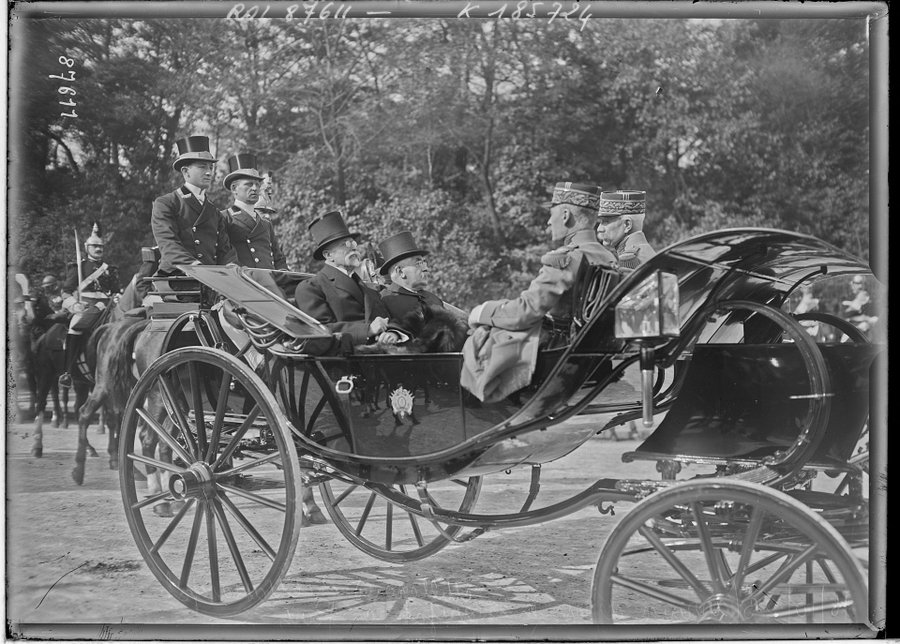
In 1916, the Czechoslovak National Council was founded in Paris, and Masaryk became its chairman. This picture is not of the founding, but was taken in Paris.
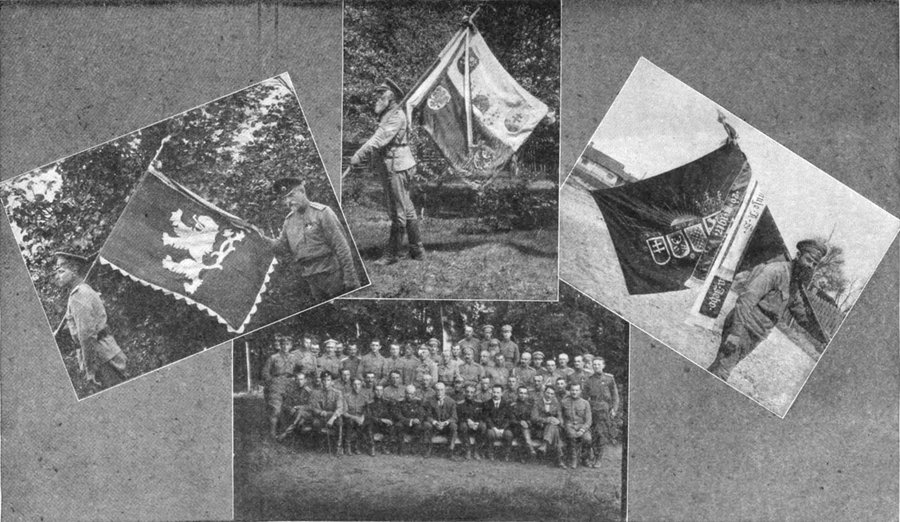
After the February Revolution in 1917, he went to Russia to set up the Czechoslovak Legion (which eventually numbered 50,000) to fight against the Austrians.
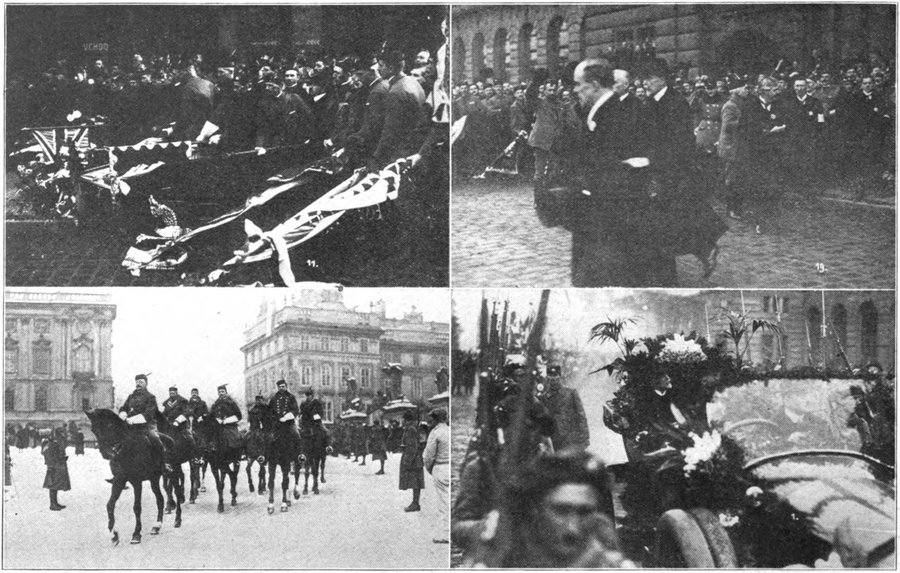
Masaryk was still in the States on 28 October, when Czechoslovakia was created and when he was elected President in absentia. He returned in December.
In 1919, Masaryk University, the second Czech-speaking university, was founded in Brno. Masaryk had proposed its creation to the Imperial Council back in 1891.
He would be reelected President three times (1920, 1927 and 1934), before abdicating due to ill health in 1935. Charlotte, meanwhile, died in 1923 following a stroke and heart problems.
While his power as President was limited, his presence gave Czechoslovak politics some sort of consistency, at a time when Czechoslovakia had 15 governments in 17 years.
Masaryk died in 1937 of “purulent bronchopneumonia of the right lower lobe of the lung and bilateral hypostasis of the lung”.
In his lifetime, he had been nominated for the Nobel Peace Prize 17 times.
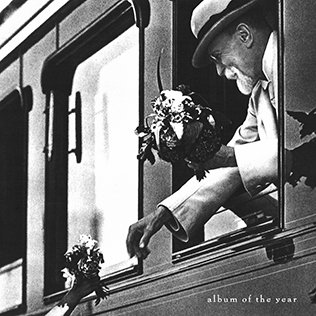
In 1997, San Francisco rock band Faith No More released an album called ‘Album of the Year’, with Masaryk on the cover. It was the last before their split in 1998 (they reformed in 2009).
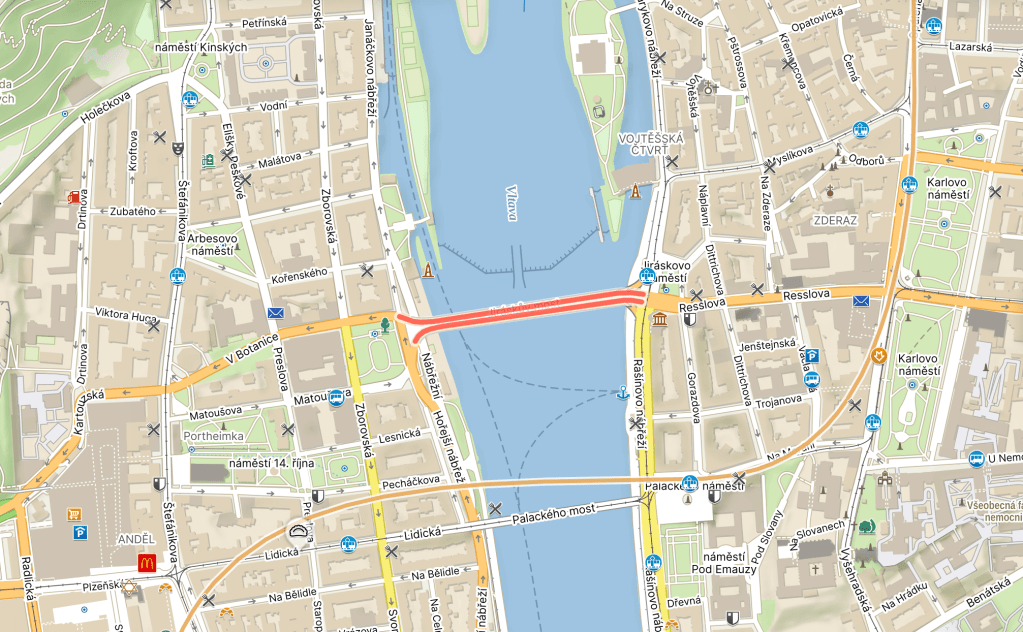
During the Nazi occupation, it was renamed Dienzenhoferův most, after Kilian Ignaz Dientzenhofer (1689-1751), an architect whose works include the Kinský Palace on Old Town Square, St. Nicholas Church on Malá Strana and Saints Cyril and Methodius Cathedral on Resslova.
Quick bridge trivia, part 1: it used to have tram tracks across it until these were deemed unnecessary.
Quick bridge trivia, 2: it’s located in Prague 1, Prague 2 *and* Prague 5.
Quick bridge trivia, part 3: in order for the bridge to be built, a baroque pavilion on the Smíchov side had to be demolished.
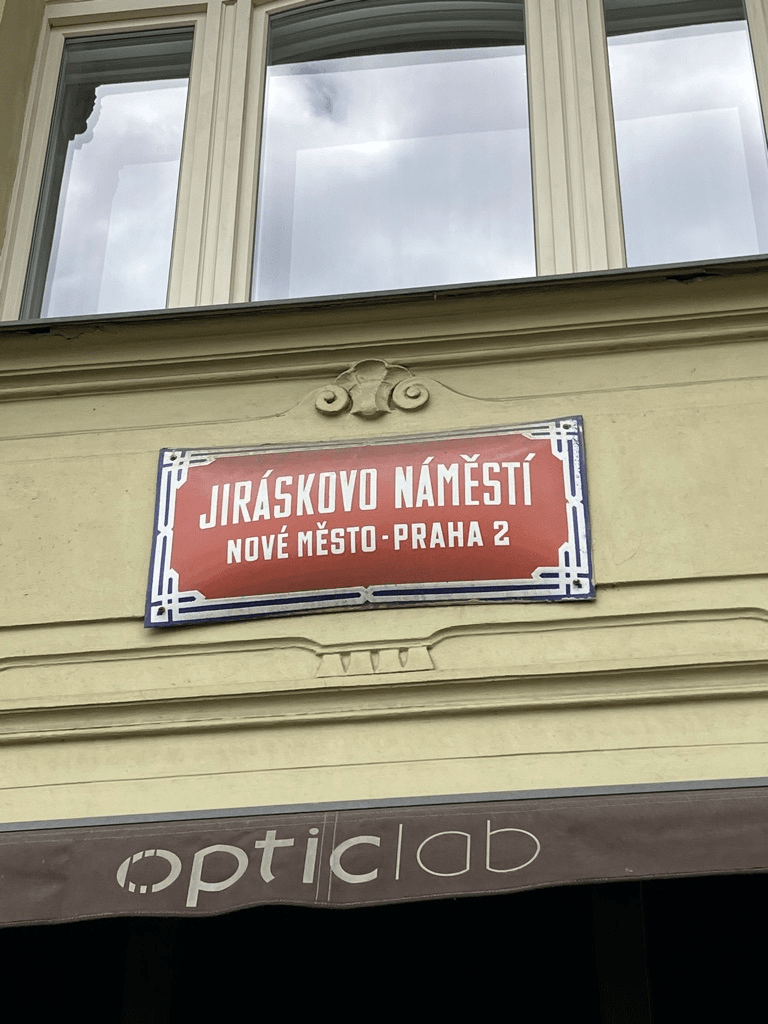
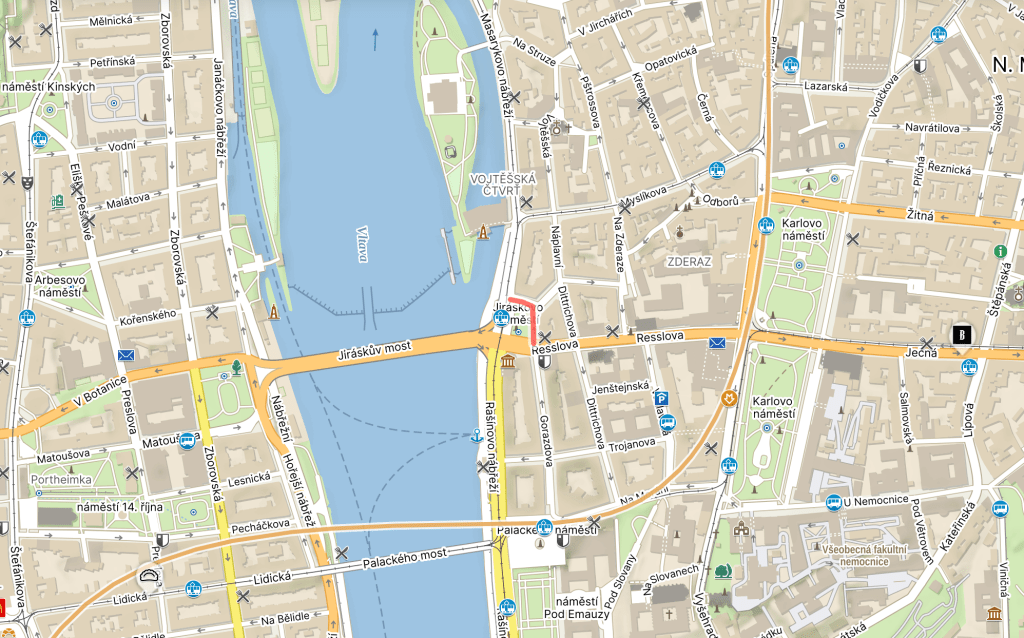
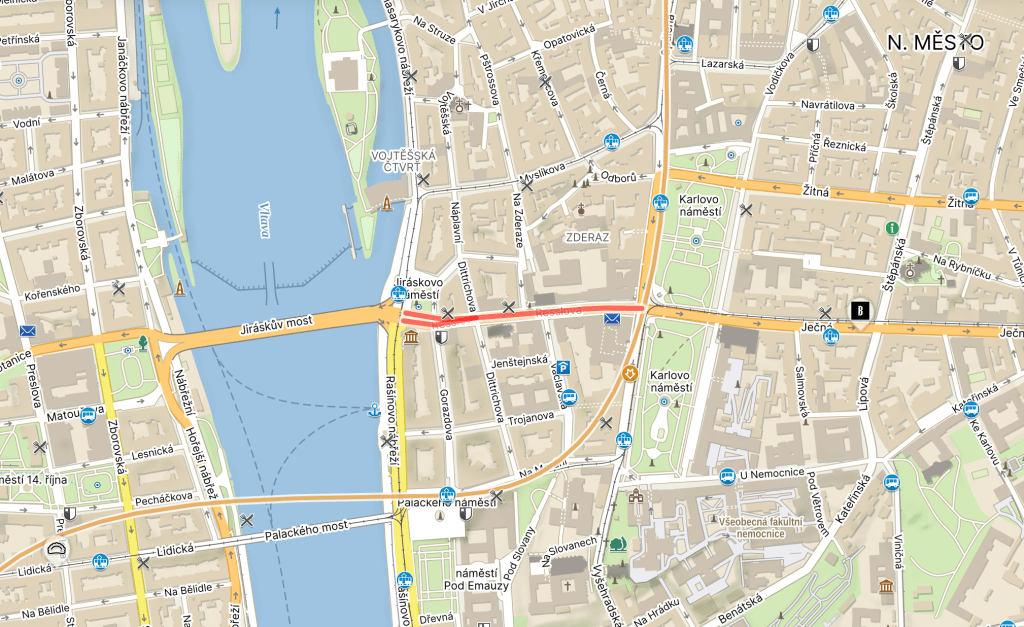
Jiráskovo náměstí was built in 1905 as a result of modifications to the riverbank.
Until 1940, and again from 1945 to 1947, this was Riegrovo náměstí, after František Ladislav Rieger (1818-1903), politician, publicist, and early leader of the Czech nationalist movement.
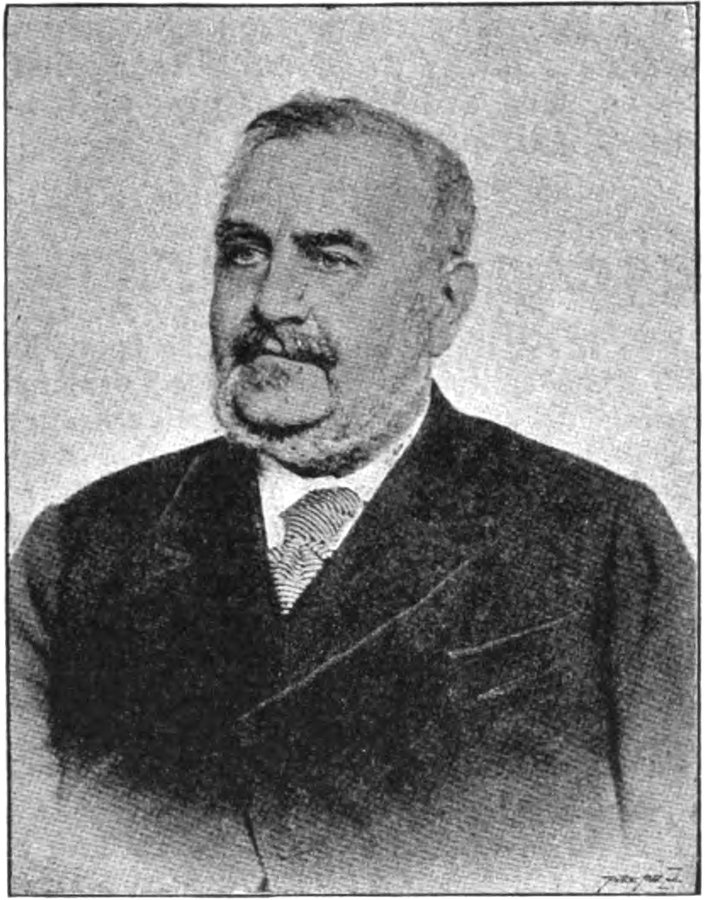
Alois Jirásek was born in Hronov, near Náchod, in 1851. After completing his history studies in Prague in 1874, he moved to Litomyšl, where he stayed for fourteen years, teaching Czech and history at a grammar school. It was also here that he wrote his first important works.
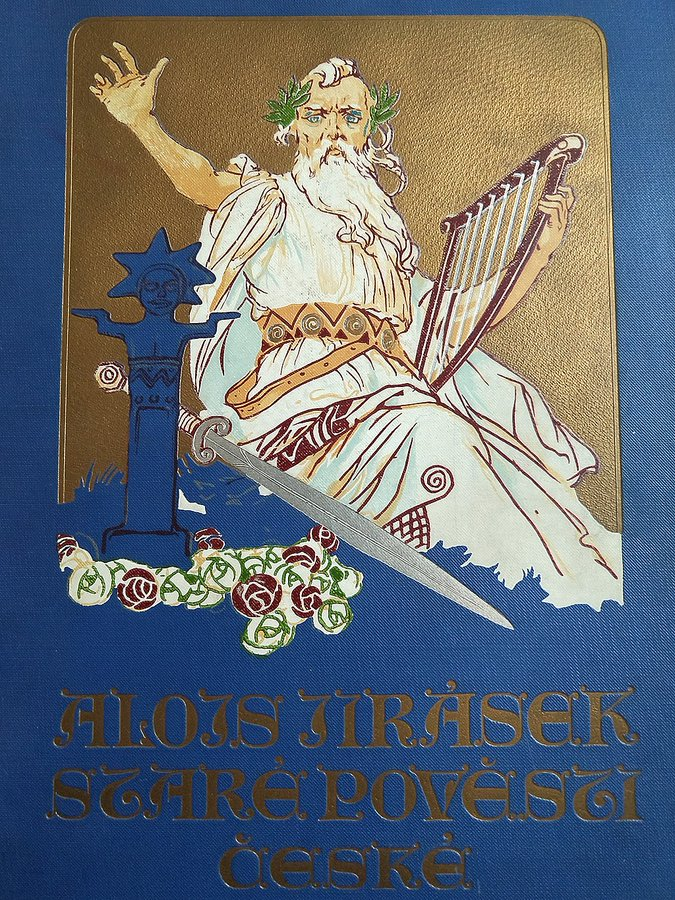
The work that you’re most likely to know of his is Staré pověsti české / Ancient Bohemian Legends (1894). It contains several of the stories that have been summarised in previous threads.
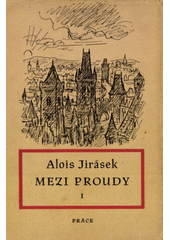
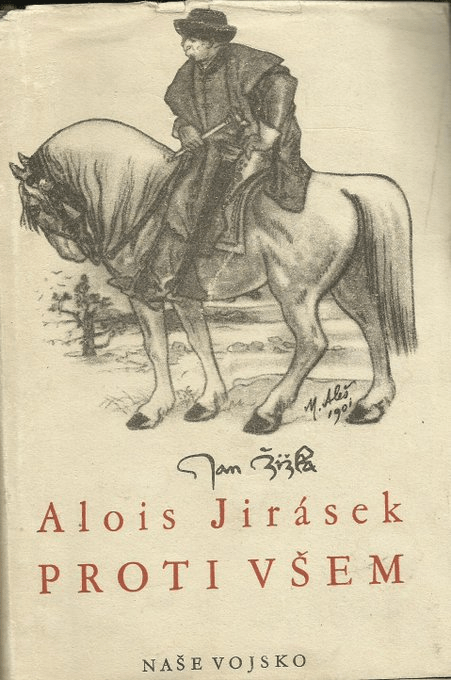
Jirásek also wrote at least nine novels about the Hussites, including Mezi proudy (Between the currents, 1887-90), featuring all kinds of famous Jans: Hus, Žižka and z Jenštejna, and Proti všem (Against all, 1893), covering the founding of Tábor and the Battle of Vítkov.
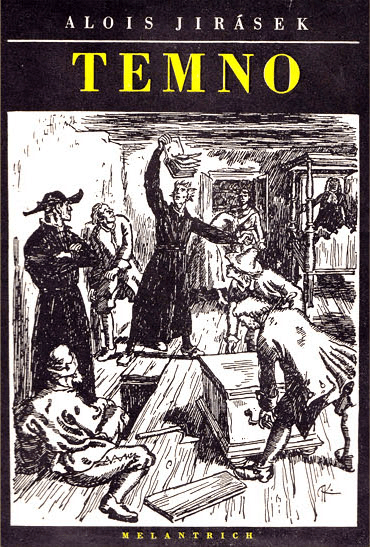
Jumping forward 200 years, his novel Temno (The Dark) covers Czech oppression by the Habsburgs following the Battle of Bílá Hora. Written in 1913 to 1915, it became the most famous book in the Czech lands during WW1.
In May 1917, Jirásek was one of the key signatories of the Manifesto of Czech Writers, a public declaration in favour of Czech self-determination.
In December 1918, when Masaryk arrived at the main train station in what was now the capital of an independent Czechoslovakia, Jirásek made a speech: https://aloisjirasek.cz/o-vitani-tgm/.
Jirásek was also active in politics, being a senator for the right-wing Czechoslovak National Democracy from 1920 to 1925.
Jirásek died in Prague in 1930, and is buried in his native Hronov. I’m glad we weren’t alive at the same time, because I feel that he would’ve come up with the idea for What’s In a Prague [x] Street Name long before I did.
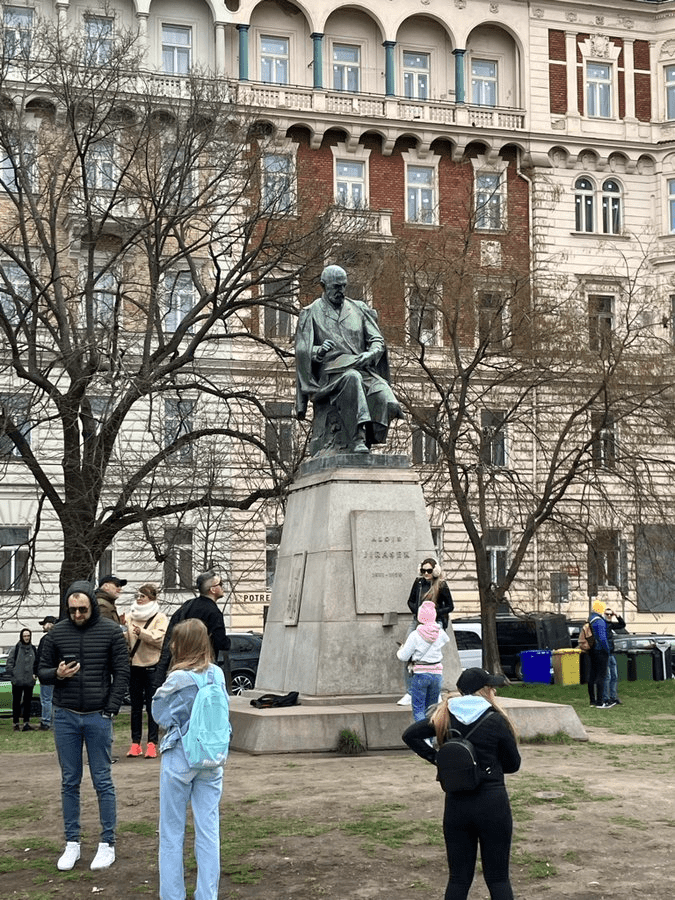
There’s a statue of Jirásek on the square itself, where the overall impression is somehow like a real-life Where’s Wally / Waldo / Valdík book where they didn’t have enough budget to get a few more people.
Until 1870, the street was known as U Hurta, Nad Hurtem, Hurtova or Hurtovská, all named after a building here (U Hurta) which hosted the municipal forge.
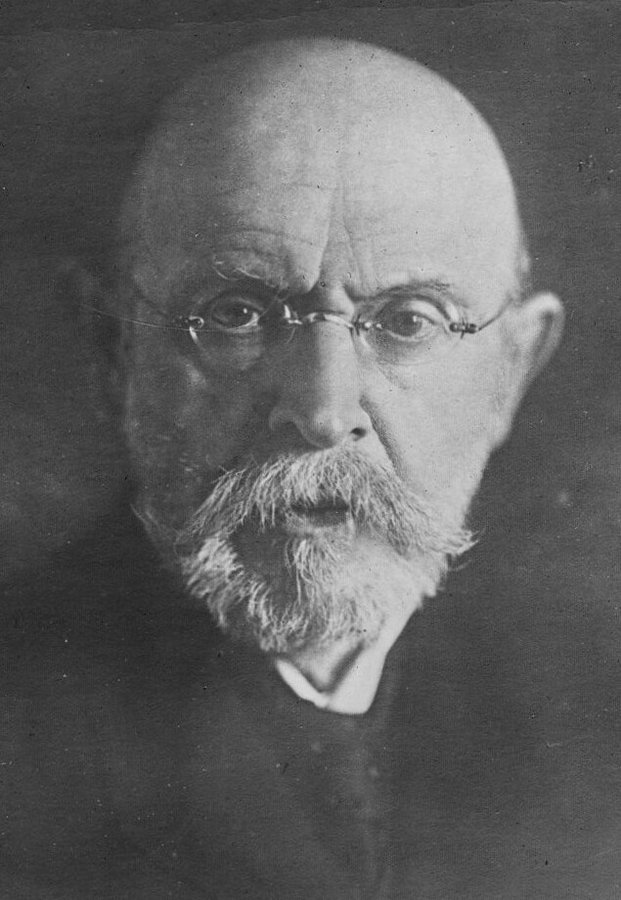
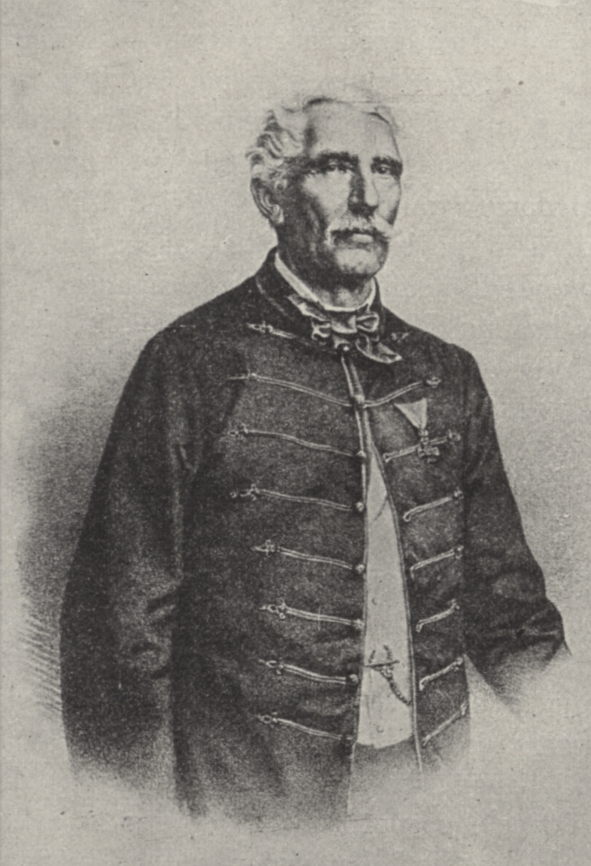
After attending grammar school in Linz, he joined the artillery school in České Budějovice in 1809, but was deemed not physically strong enough to become an officer.
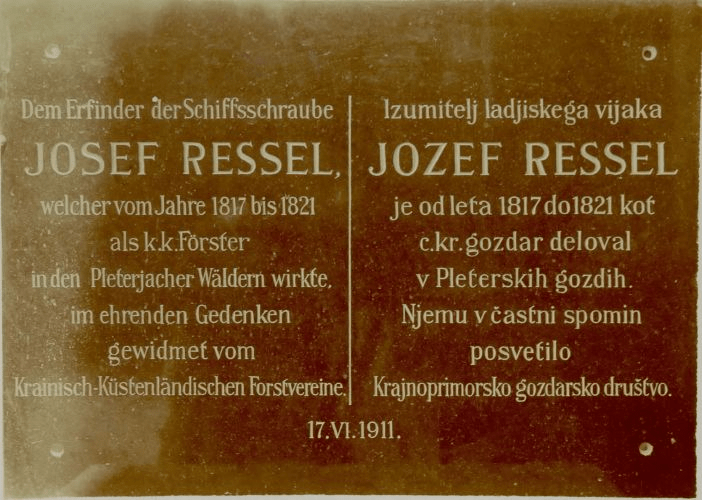
He subsequently studied medicine in Vienna, but dropped out and studied forestry instead. Upon graduation, he became a forester in Istria (nowadays shared by Croatia and Slovenia – Slovenian commemorative plaque below) and, from 1821, Trieste.
In Trieste, he invented a ship propeller, for which he received an imperial patent in 1827.
It’s admittedly hard to talk of someone as being *the* inventor of the propeller, as others elsewhere came up with similar ideas independently, but Ressel was the first to have his design brought to technical maturity.
After getting the patent, he tested his invention on Civetta, a steamer in the port of Trieste, in 1829; however, the steam engine broke down and the police banned him from continuing with his experiments.
Back when the Austrian Schilling was a thing, Ressel and the Civetta were shown on the 500 Schilling note.
In 1840, Ressel’s ideas were incorporated into the British steamer “Archimedes”. The British government offered £20,000 to the inventor of the ship’s propeller, as long as they provided proof.
Ressel sent his proof to London, but was told that the documents got lost along the way. The prize was ultimately given to five Brits.
Ressel died of malaria while in Ljubljana in 1857. Posthumously, in 1866, the American Academy of Sciences in Washington acknowledged him as the inventor of the ship propeller.
Other Ressel inventions include a dye extraction method (1825), a manual cylinder press (1826), a hydraulic steam engine (1828), rolling bearings (also 1828), and a mixture of ingredients to help preserve leather goods (1854).
Until 1839, the street had various names. One of these was Na Lávkách (on the footbridges), so called because there was a footbridge leading from the Old Town to Podskalí along here.
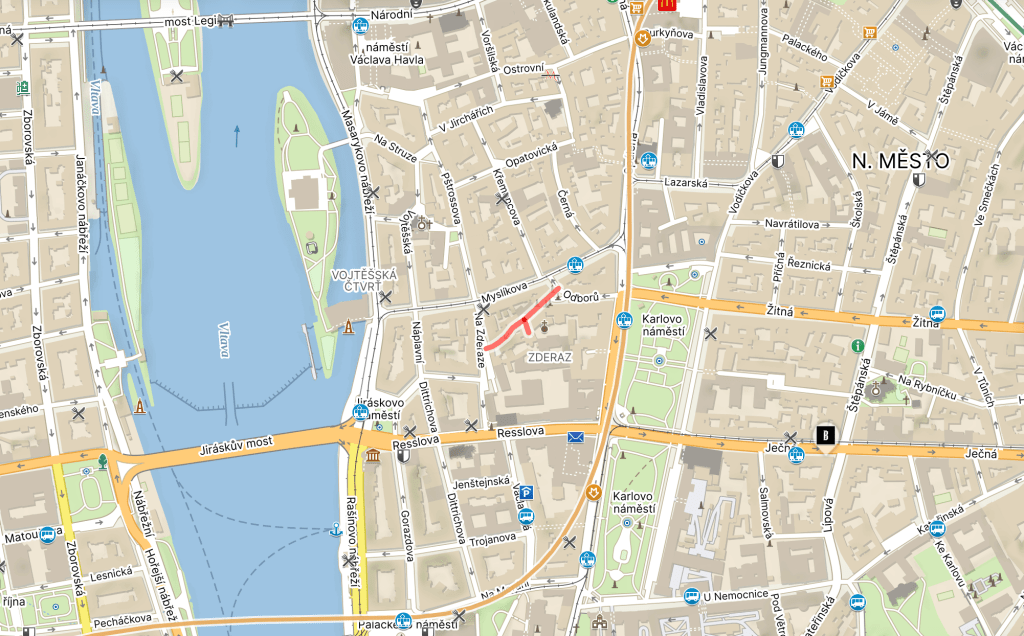
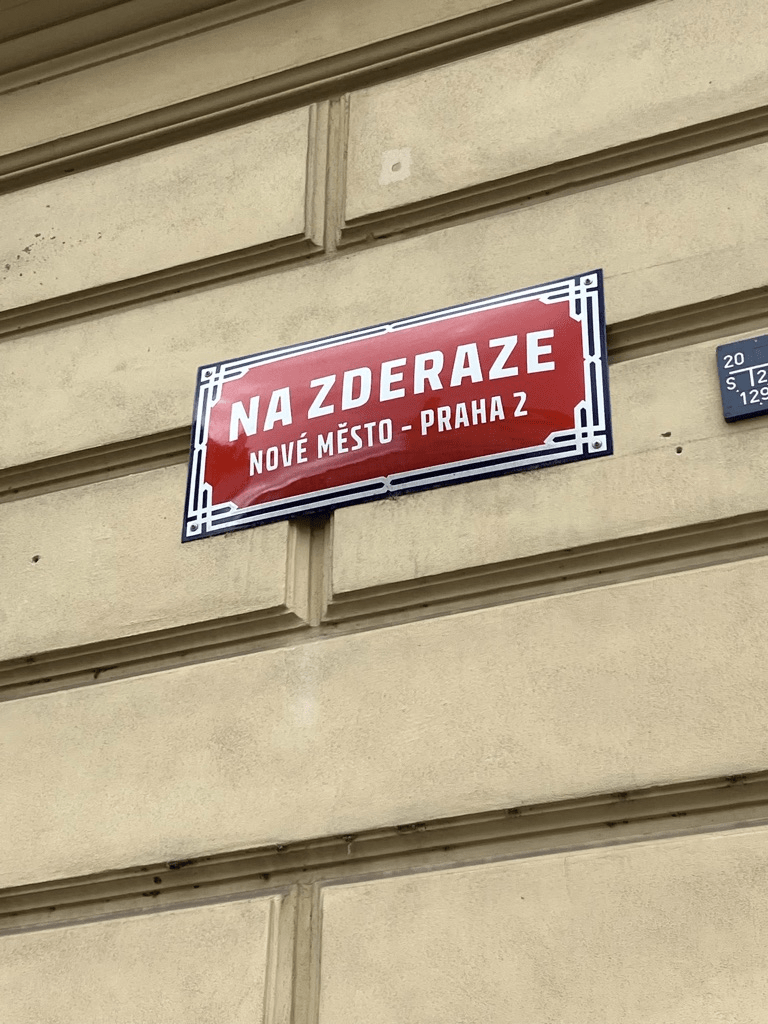
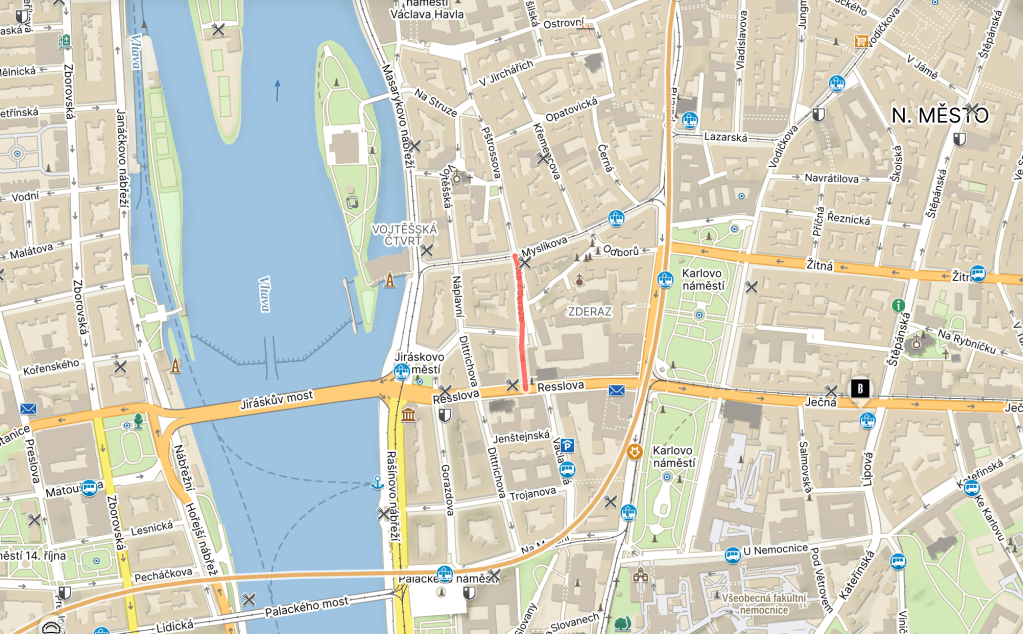
The street is named after Kostel svatého Václava na Zderaze. Zderaz is a former settlement here, which we’ll discuss more in a few days’ time.
A church (of Peter and Paul) was mentioned here in 1115, but this was destroyed and had to be replaced. A report from 1278 talks about the consecration of the new church having taken place in 1181, with the church being adjoined to the adjacent monastery.
A new, Gothic church was built in the late 14th century, following the founding of the Old Town. Inevitably, the church’s monastery was burned down by the Hussites, who took control of the church itself.
It was then restored, and, in 1586, Emperor Rudolph II invested in further reconstruction. After the Battle of Bílá Hora, Emperor Ferdinand II would invest in a new monastery, inhabited by the Order of Discalced Augustinians.
The church had to be repaired yet again after the Thirty Years’ War, as the Swedes had sent cannonballs in its direction in 1646.
In 1785, as part of Joseph II’s reforms, the monastery was deconsecrated and turned into a prison. The church served the prison’s needs until 1884, when the latter was moved to Pankrác.
The monastery was destroyed in 1904, but the church survived, and had its most significant reconstruction in the 1920s after being purchased by the Czechoslovak Hussite Church. It was reconsecrated in 1929.
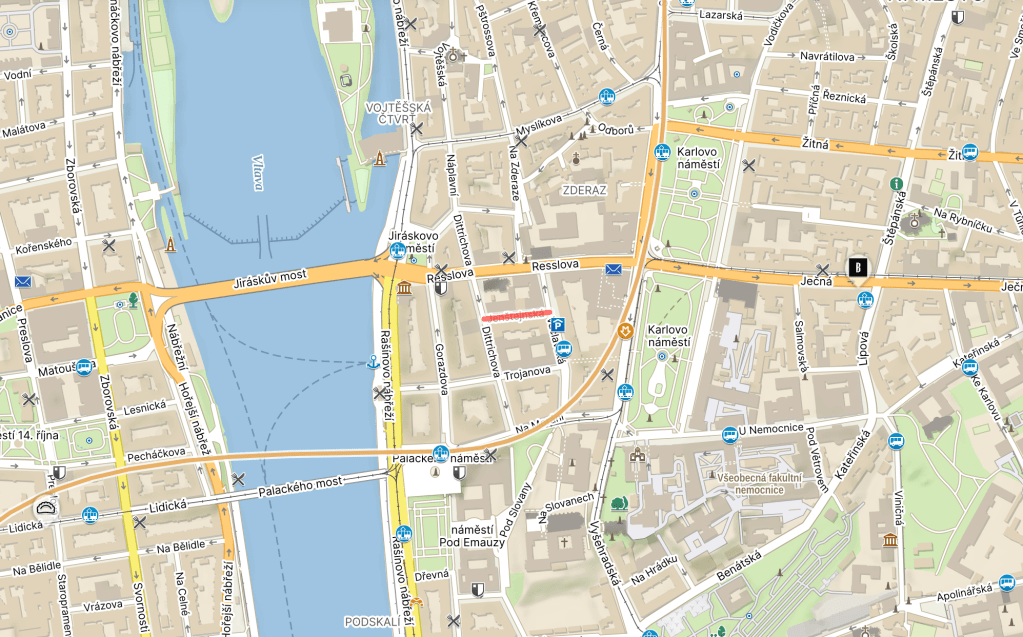
Pavel z Jenštejna was born… somewhere, in the first half of the 14th century.
From 1351 to 1374, i.e. during Karel IV’s reign, he was the royal chamber’s notary and the King’s bookkeeper. Karel’s writings referred to him as Paulo de Praga.
He owned several properties in Prague, including one on Zderaz (nearby, and coming up in one of the next few threads).
Outside of Prague, he also purchased the castle at Jenštejn in 1368 – hence the family name.
Pavel died in Prague in 1375. His son Jan, following in his father’s footsteps, would become Chancellor to Václav IV, but quit the role in 1384 due to disagreements on religious issues.
Jan was also archbishop of Prague from 1379 until his conflicts with the King forced him to resign in 1396. In addition, he wrote poetry and composed musical pieces.
He died in poverty in Rome in 1400. He had also lost the castle, perhaps as early as 1390, while the family would die out in the 1500s.
František Dittrich was born in Podskalí – i.e. here – in 1801. Being deprived of both parents and his inheritance at an early age, he started to work as a raft swimmer on the Vltava, ultimately making enough money to open a shop and an inn.
On 11 March 1848, the radical association Repeal (which included both Czech and German-speakers) held an unauthorised protest meeting at Svatováclavské lázně / St Wenceslas Baths, where Dittrichova is located now.
Having found out via secret pamphlets that revolution was happening elsewhere in Europe, the group requested civic freedom, abolition of censorship, and language equality.
The St. Wenceslas Committee (later National Committee / Národní výbor), organised as a result of the meeting, prepared a petition – which rather fell by the wayside when Vienna itself exploded with revolutionary activity two days later.
Dittrich was one of the participants in the meeting and the Committee, and was also elected to Prague’s municipal council around the same time.
When hopes for greater Czech autonomy were dashed, Dittrich would withdraw from politics until 1859, and became deputy to the Mayor of Prague in 1863. His work focused on improving conditions in the local hospital (https://whatsinapraguestreetname.com/2024/08/31/prague-2-day-138-u-nemocnice/) and almshouse.
He was also instrumental in launching successful steam transport across the Vltava.
In 1870, he was elected mayor. In his three-year tenure, he oversaw construction of the Main Train Station, and, in 1871, conducted the city’s first civil marriage.
Dittrich died in 1875, and is buried in Olšany Cemetery.
Anyone looking for remnants of the baths on Dittrichova now will be disappointed. And the only commemorative plaque is behind what was, on the day I visited, a closed door.
The buildings where the baths once were now look like this.
The one that you can’t take your eyes off – if you’re like me – was created by architect Karel Lupíšek in 1928 as the Pension Institute of Employees of Health Insurance Companies in Czechoslovakia. Its four statues represent different professions.
Matěj Pavlík was born in Hrubá Vrbka, near Hodonín, in 1879, and attended the Faculty of Theology in Olomouc from 1898 to 1902, after which he was ordained.
During these studies, he took a particular interest in Cyril, Methodius and Eastern Orthodoxy, taking a trip to Kyiv in 1900 to learn more and make connections with the clergy there.
He then performed priestly duties in several locations, including Kroměříž, where he worked at the church of St Cyril and Methodius at the town’s mental institution.
He drafted a reform programme for the Catholic clergy, which was soundly rejected by Rome; he would end up being excommunicated from the Catholic Church in 1920.
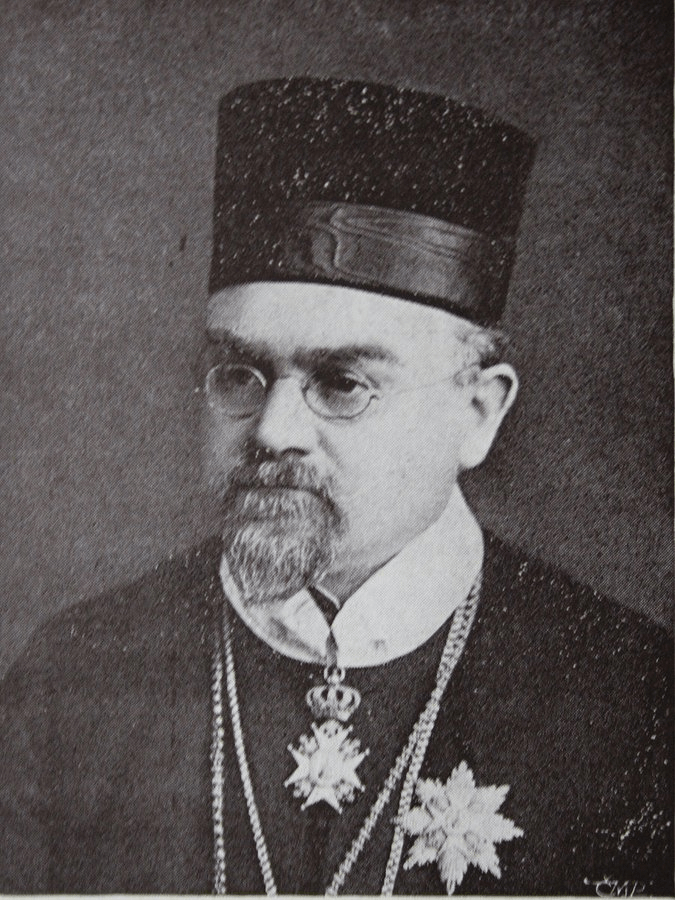
In 1921, he joined the Serbian Orthodox Church. He was consecrated in Belgrade as Bishop of Moravia and Silesia in the same year, taking the name of Gorazd (the Slavic form of ‘Gilead’), who had succeeded Methodius as Bishop of Moravia in 885.
After a trip to the US in 1922 to spread Orthodoxy among Czech immigrants, he returned to Czechoslovakia in 1924, where fourteen Orthodox places of worship would be built under his supervision between 1928 and 1942.
On 27 May 1942, Czech resistance members carried out an assassination attempt on Reichsprotektor Reinhard Heydrich, who would die of his injuries on 4 June.
Gorazd only found out about this on 10 June, and urged that the paratroopers be transferred; they were found by the Nazis on the 18th. All those hiding in the crypt were either killed or committed suicide.
Gorazd was arrested on 27 June; on 4 September, he was shot at the Kobylisy shooting range.
The Church would be dissolved in the same month, its property was confiscated, and twelve further representatives of the church in Prague 2 were executed.
Gorazd would be awarded the Czechoslovak War Cross posthumously in 1945, and was canonised in Olomouc in 1987.