Originally published on Twitter on 19 December 2022.
Ibsenova was built in 1905.
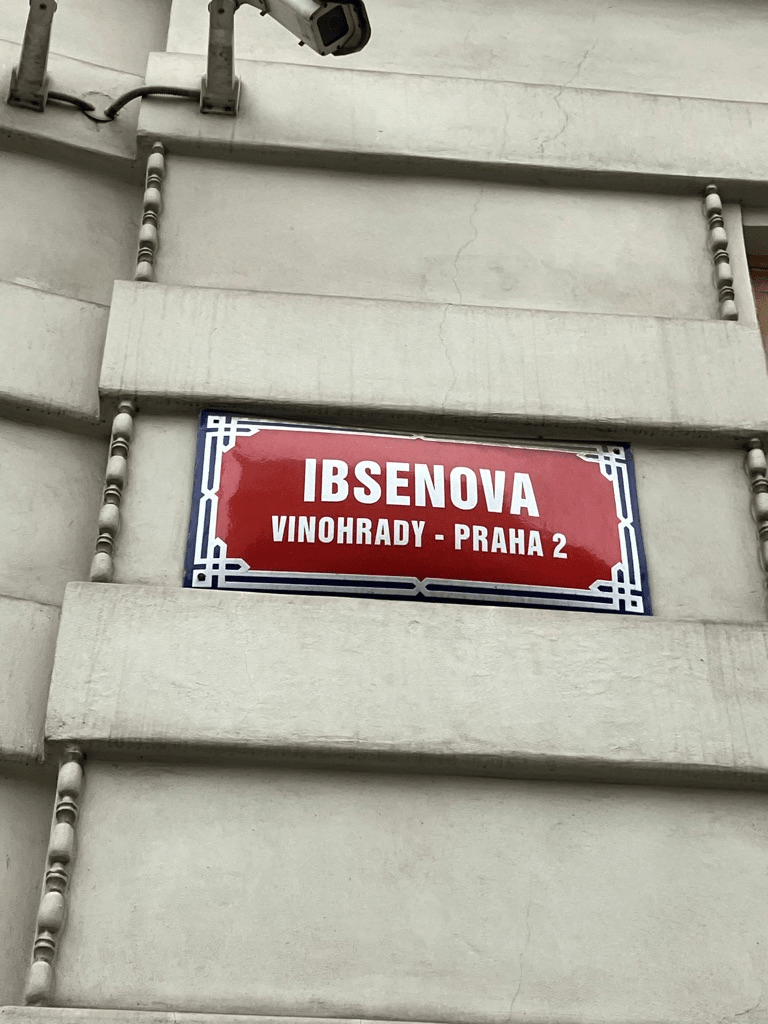
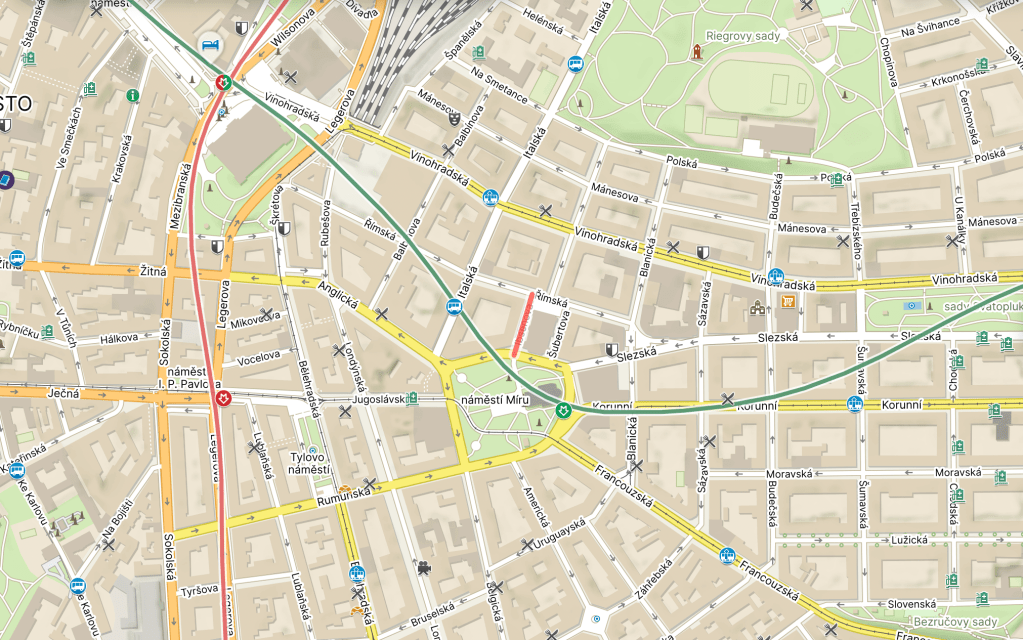
Until 1920, this was U divadla – ‘By the (National) Theatre’ – before becoming Divadelní (Theatre Street) until 1928.
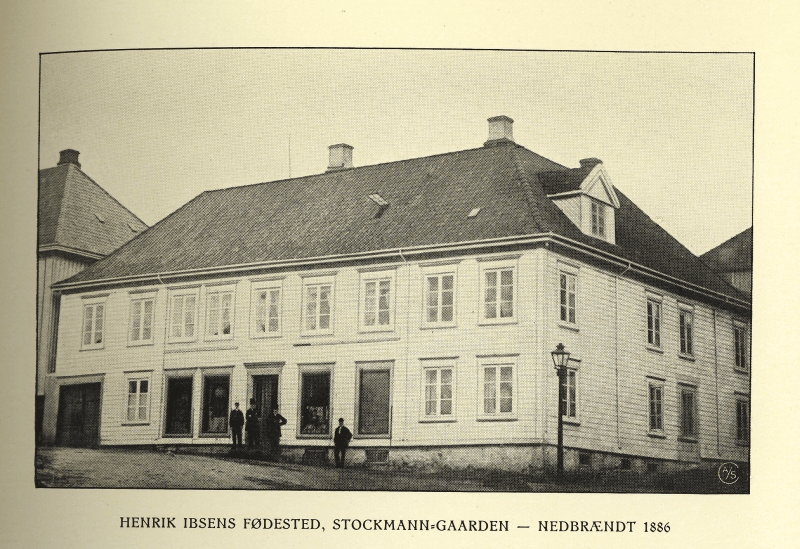
Henrik Ibsen was born in Skien, southern Norway, in 1828 – i.e. the name change to Ibsenova occurred on the centenary of his birth. This is the house he was born in.
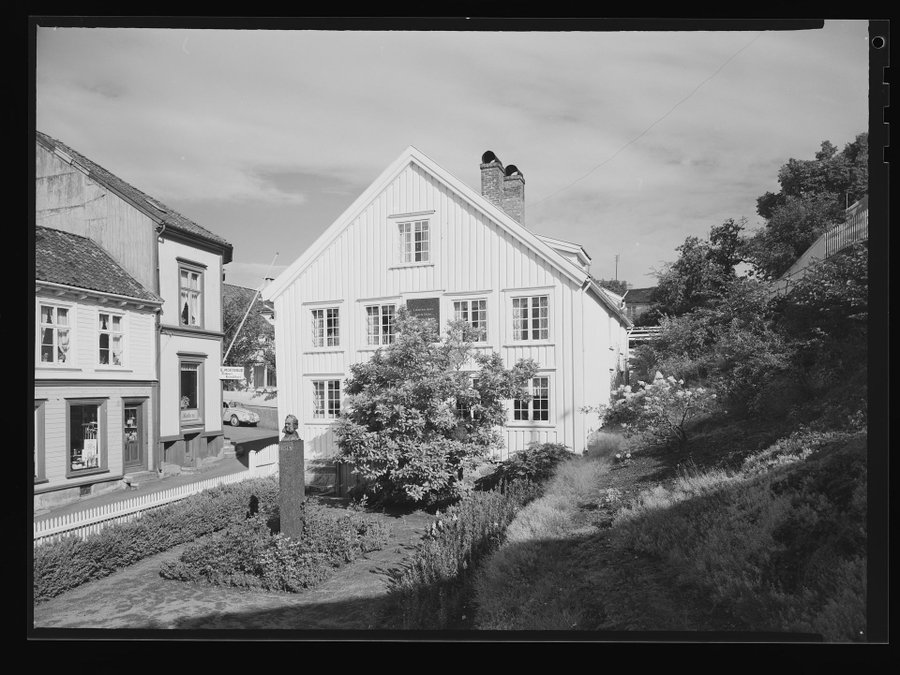
At fifteen, he moved to Grimstad to become a pharmacist.
He had an affair with the apothecary’s maid, who got pregnant. Ibsen paid for the son’s upbringing for 14 years, but never met him.
In 1850, he moved to Oslo (then Christiana) to enter the university, but failed some of the entry exams.
Around this time, he wrote his first plays. They weren’t hugely successful, but got noticed enough for him to get work at Det norske Theater in Bergen for six years.
He returned to Christiana in 1858 to become creative director of the Christiania Theatre.
Both theatres are long gone, having closed in 1863 and 1899 respectively.
Ibsen and his wife Suzannah moved abroad in 1862, to Sorrento, and later to Rome, Dresden and Munich.
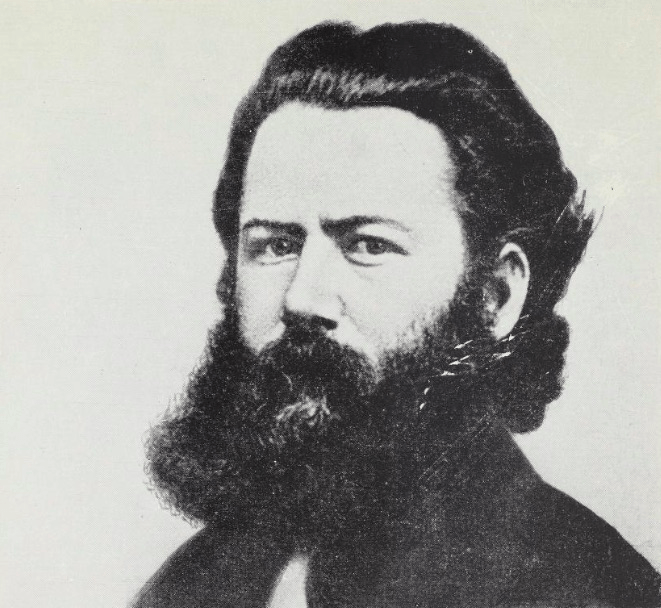
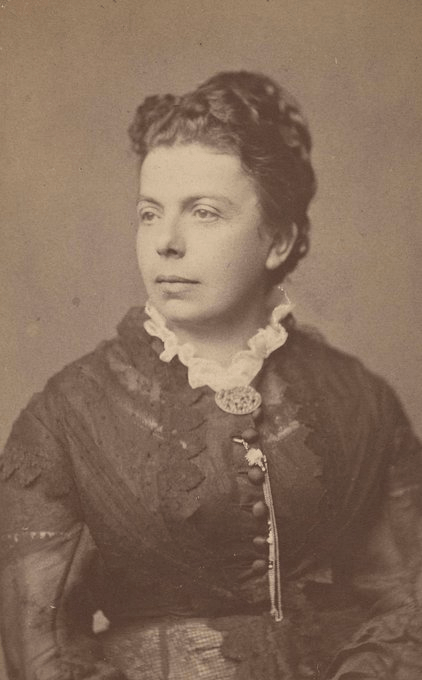
It would be almost thirty years before he returned to live in Norway.
In this time, he would finally find commercial success, with Brand (‘Fire’, 1865), Peer Gynt (1867), Emperor and Galilean (Kejser og Galilæer, 1873) and The Pillars of Society (Samfundets støtter, 1877).
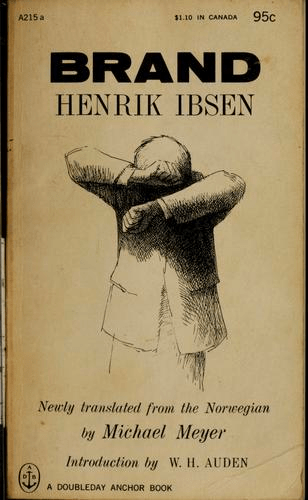
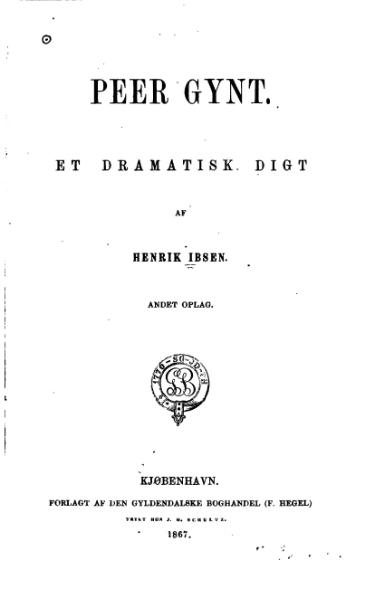
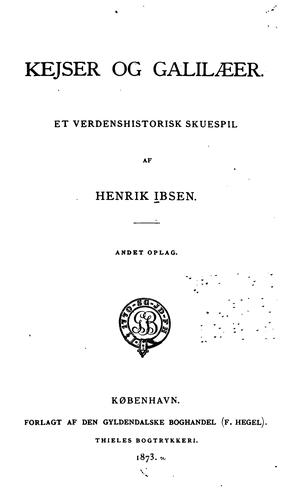
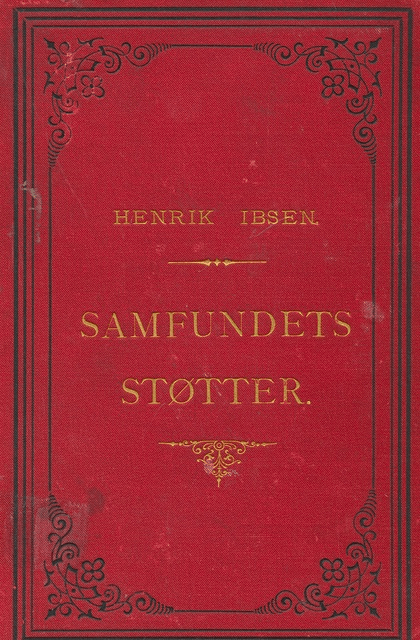
Ibsen saw Emperor and Galilean as his main work, while The Pillars of Society was his first play to be performed in English.
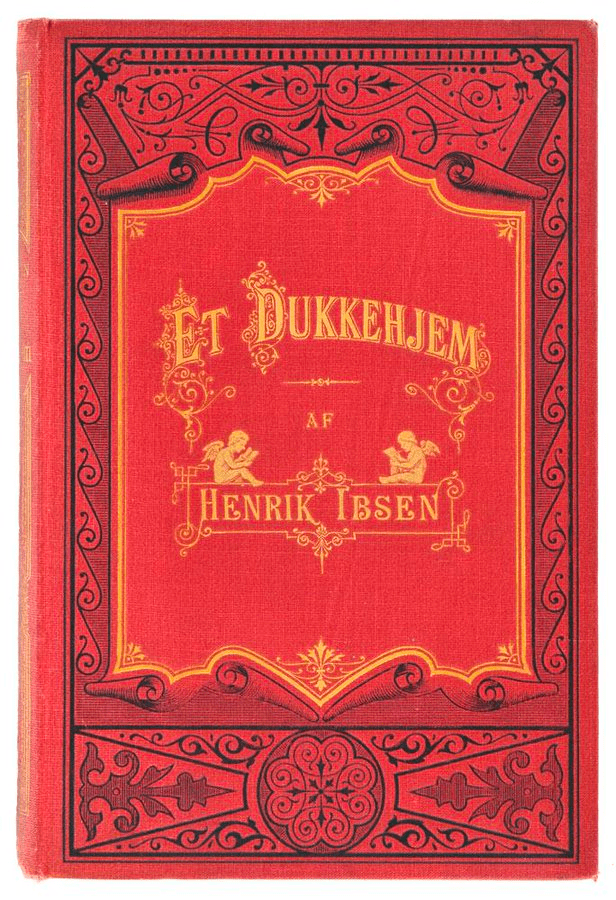
A Doll’s House (Et dukkehjem) caused great controversy upon its premier in Copenhagen in 1879, as it criticised stereotypical gender roles of the time.
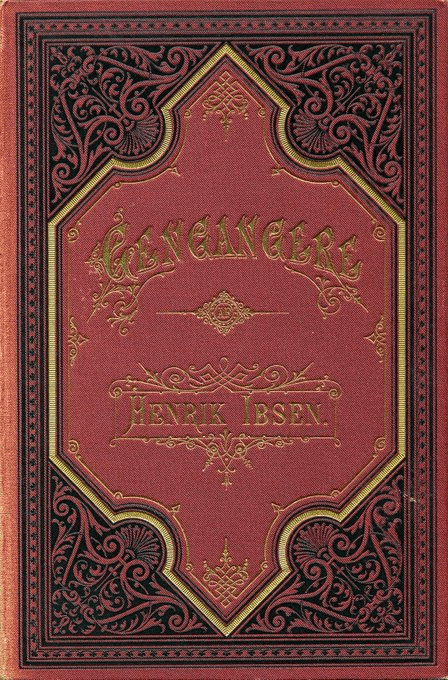
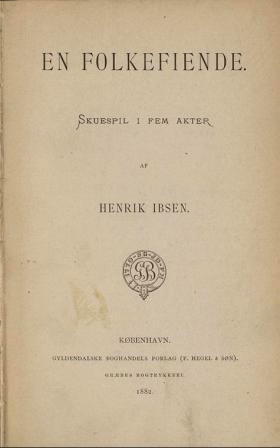
Controversy also occurred with Ghosts (Gengangere, 1881), which touched upon venereal disease and incest, and An Enemy of the People (En folkefiende, 1882), whose protagonist is ostracised by his community for reporting that the waters in the public baths are contaminated.
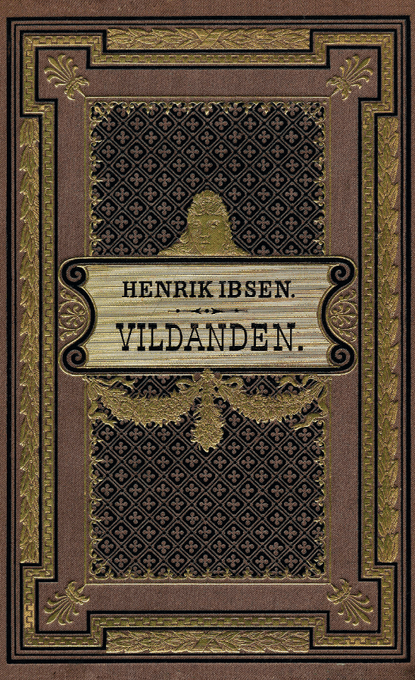
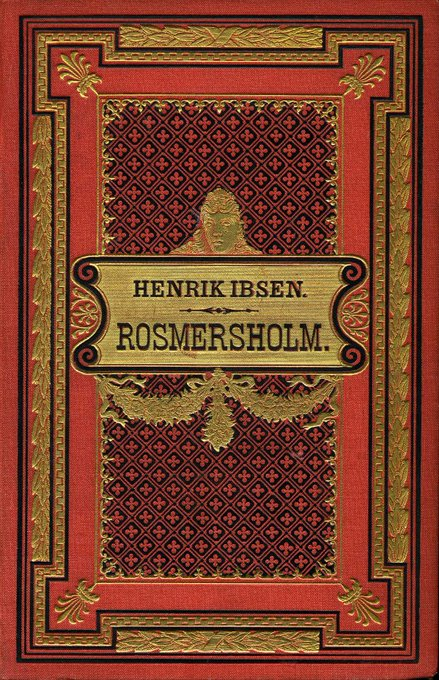
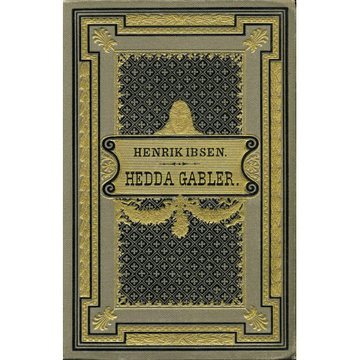
The Wild Duck (Vildanden, 1884) and Rosmersholm (1886) are widely considered by critics to be Ibsen’s best works; later works such as Hedda Gabler (1890) and The Master Builder (Bygmester Solness, 1892) focused more on individuals than on society.
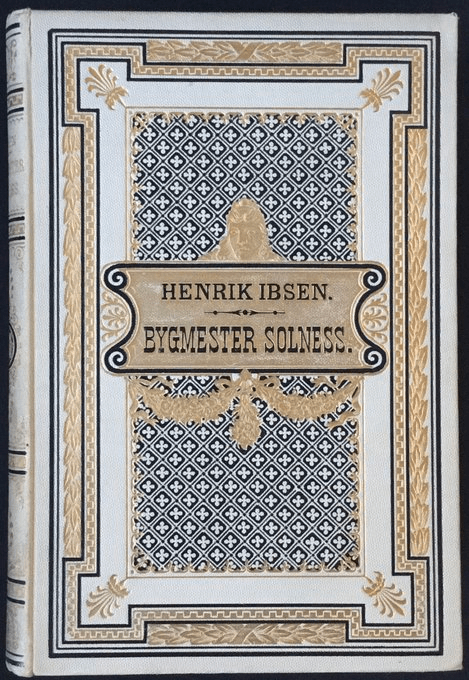
Ibsen, having suffered strokes in 1900 and 1901, died in Kristiana (as it was spelt at that time) in 1906. His final word was ‘Tvertimod!’.
This translates as ‘On the contrary’, and followed his nurse telling a visitor that he was feeling better.
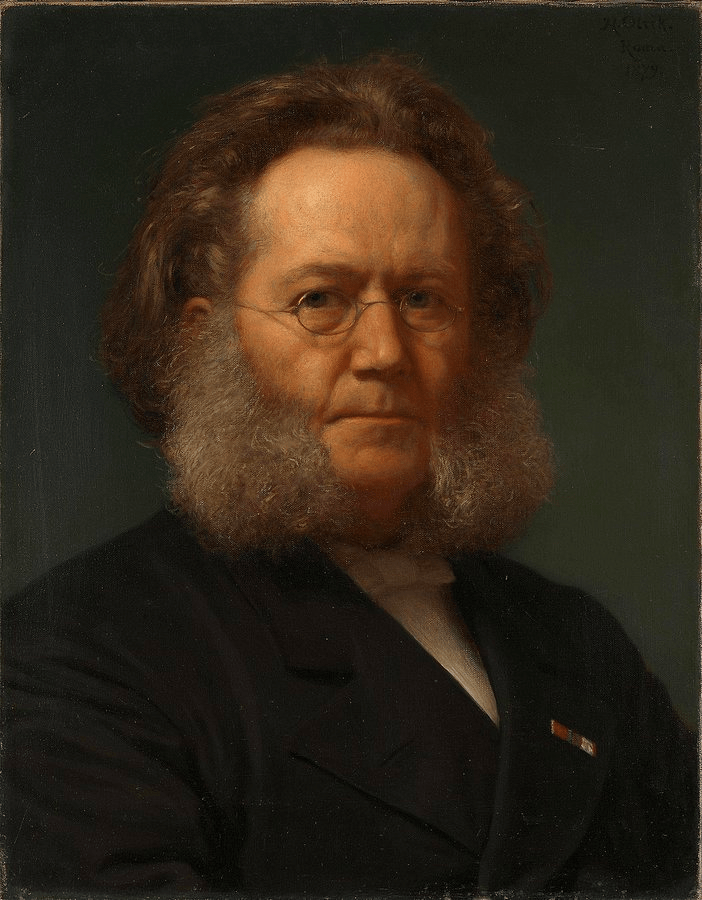
I’m now wondering if my last words will be ‘Právě naopak!’.
Ibsen’s plays have been performed regularly at the Národní divadlo, as well as at Švandovo divadlo in Smíchov.
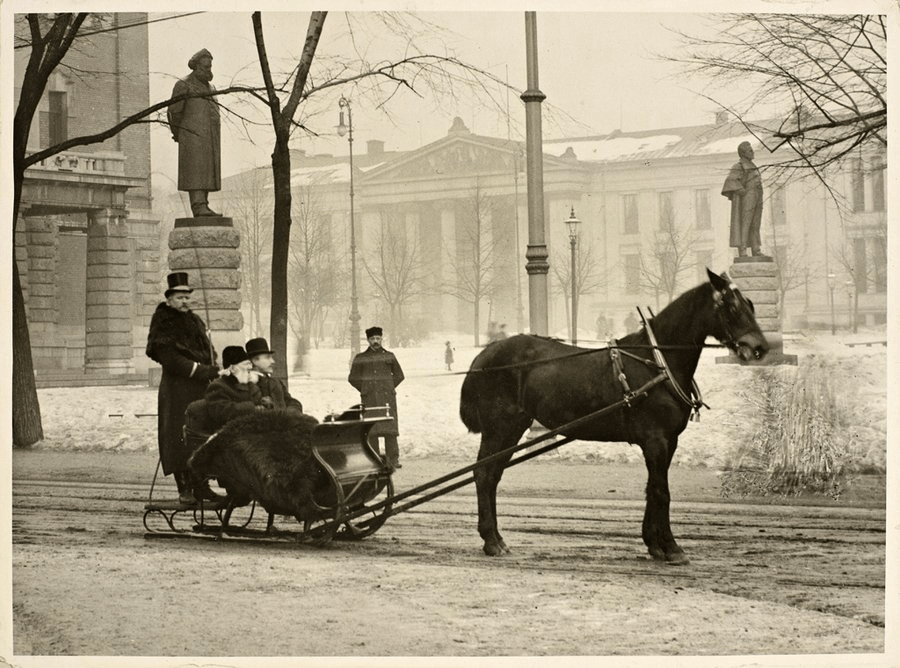
Here’s a quite-appropriate-for-the-current-weather picture of Ibsen in 1902, by the National Theatre in what we now call Oslo.


Leave a Reply