Fillova was built in 1962.
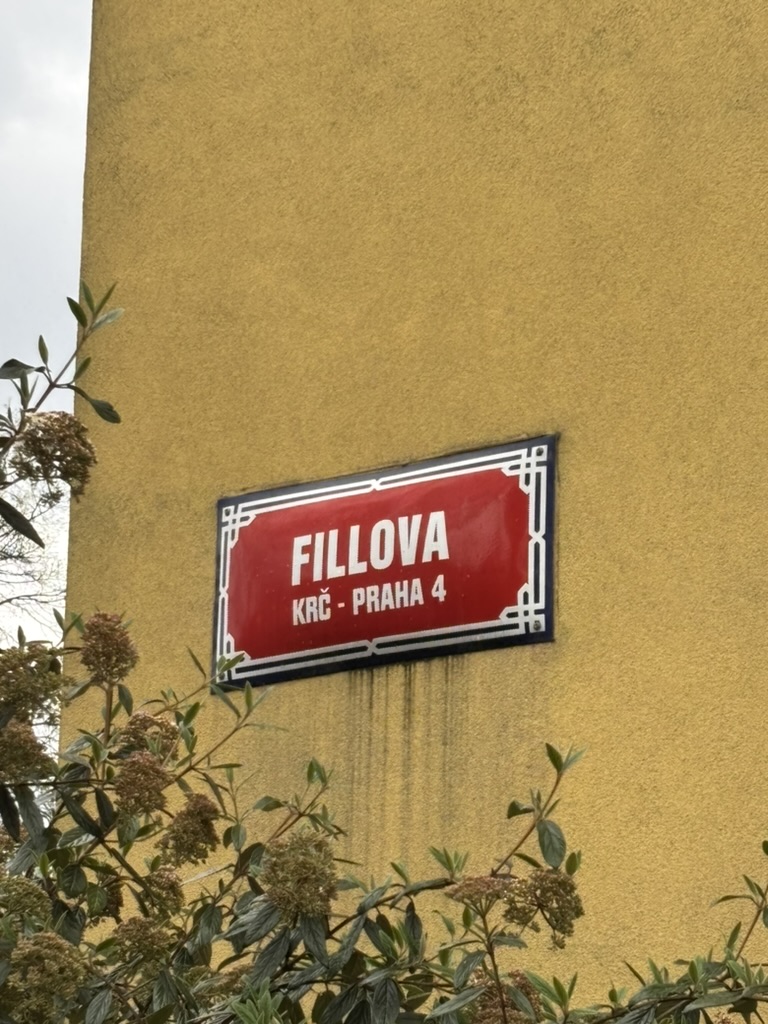
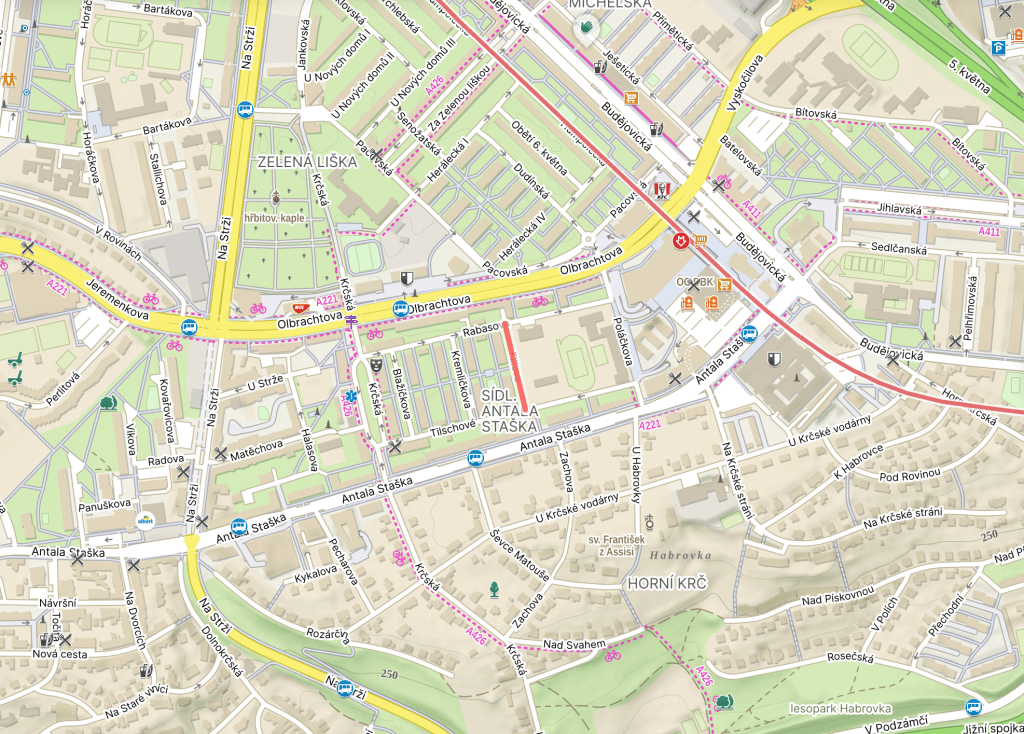
Emil Filla was born in Chropyně, near Kroměříž, in 1882, and grew up in Brno. After graduating, he got a job as a clerk at an insurance company, but soon decided office life wasn’t for him and headed for Prague.
He started studying monumental painting at the Academy of Fine Arts in Prague in 1903, but (pattern alert) left in 1906 because he found the teaching too conventional. A 1905 exhibition of Edvard Munch’s works might have inspired him in this decision.
Filla joined the Osma art group in 1907, and joined the Mánes Association (https://whatsinapraguestreetname.com/2024/01/18/prague-2-day-11-manesova/) two years later.
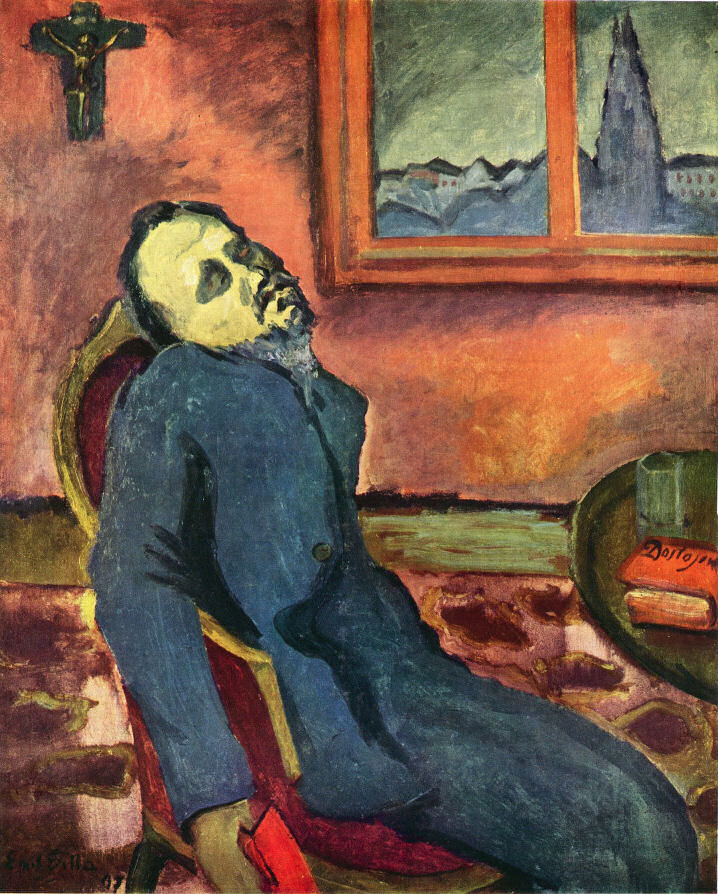
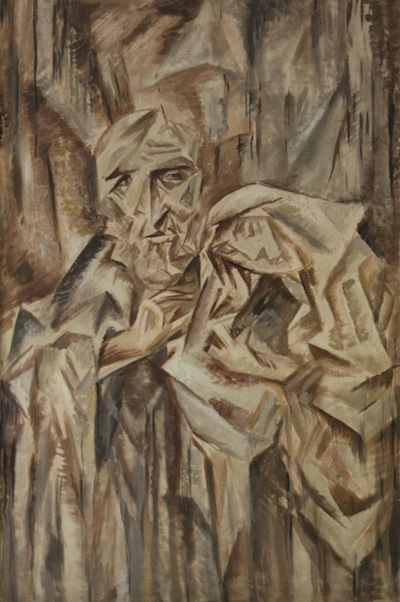
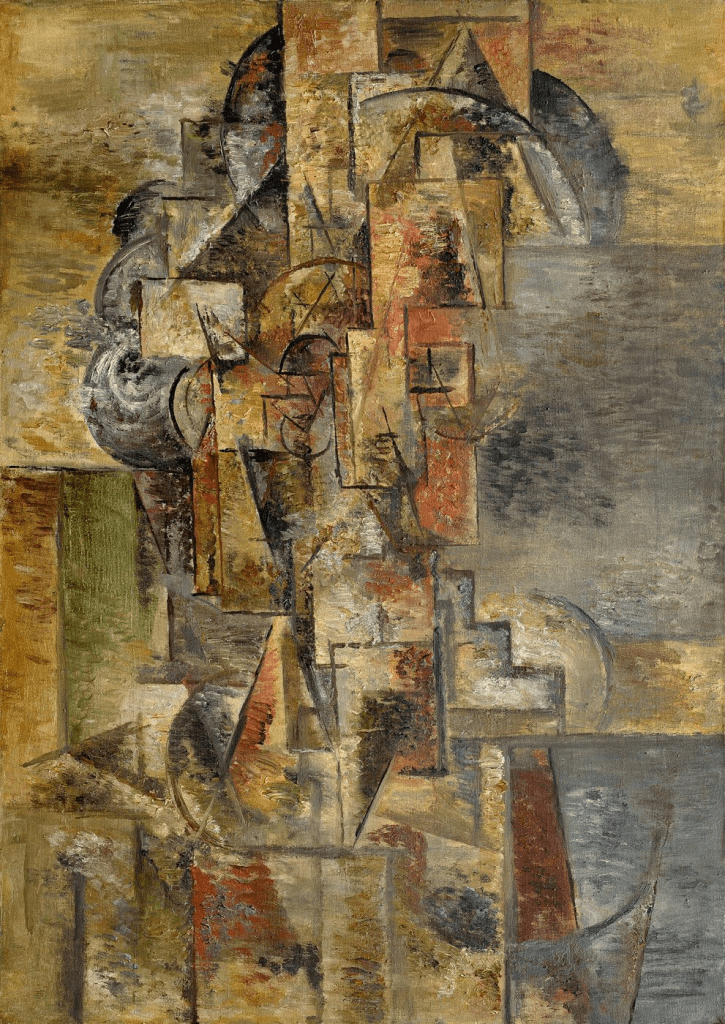
Initially creating expressionist works (such as 1907’s Reader of Dostoevsky, below), the 1910s saw him moving into cubism (such as 1911’s Comforter, also below).
In 1912, he married Hana Krejčová, also a painter, in Vinohrady.
Spending much of World War I in the Netherlands, Filla worked for Maffie, the main Czech resistance organisation, in particular by passing messages written in invisible ink to resistance fighters.
Returning to an independent Czechoslovakia, Filla got a job at the Ministry of Foreign Affairs, which he left after a few months so that he could devote himself to painting, and prove to everyone, including himself, that old habits die hard.
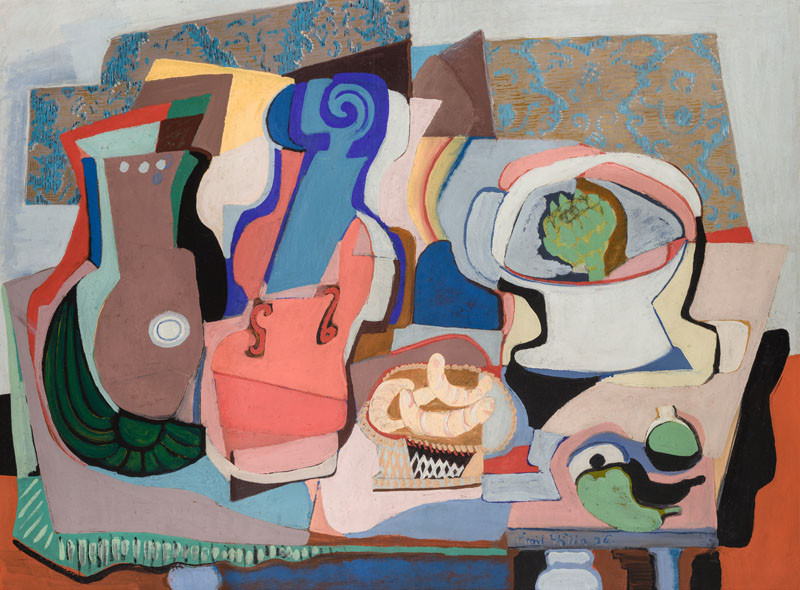
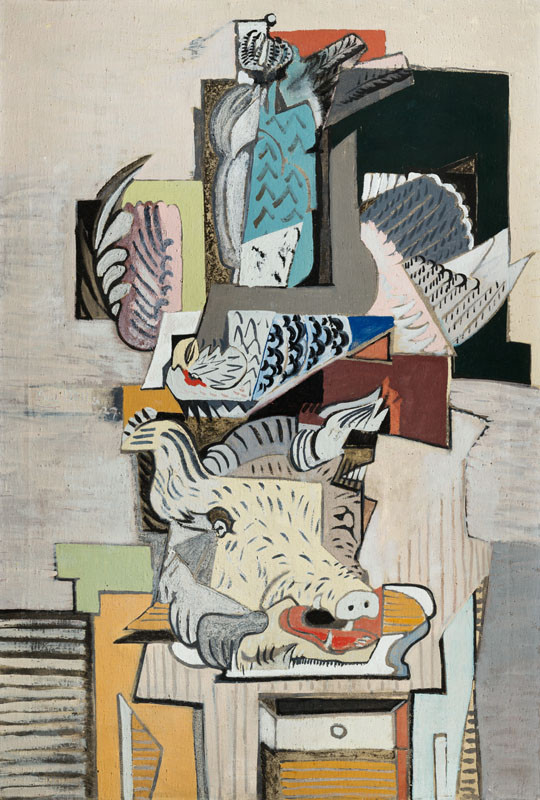
His favourite theme in the 1920s was still life, and his paintings of this era were more colourful than in the previous decade.
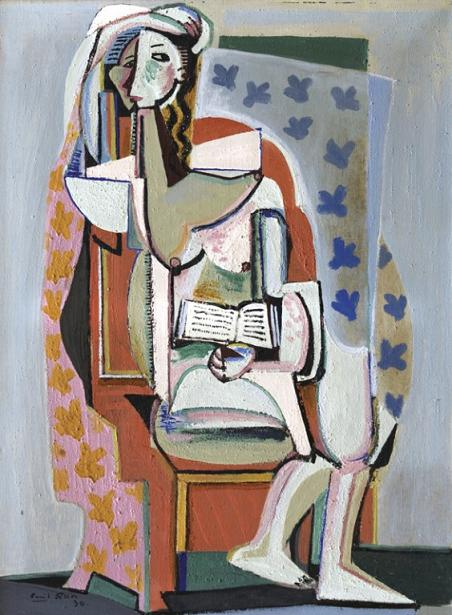
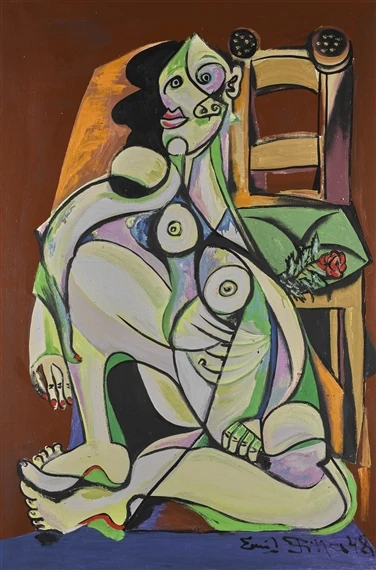
In the 1930s, women became a particular theme of Filla’s paintings (this is 1930’s Woman in armchair with book).
Sensing future events (and also reacting to worrying current ones), Filla’s late 1930s work warned of the rise of Nazism. On the same day that the Nazis invaded Poland in 1939, he was arrested and send to Dachau, then Buchenwald.
Those arrested on that day also included Josef Čapek (https://whatsinapraguestreetname.com/2024/01/30/prague-2-day-24-sady-bratri-capku/). Like so many, Čapek did not survive the concentration camps; Filla was one of those who did.
After the war, he was appointed professor at the newly founded Academy of Arts, Architecture and Design in Prague, and also joined the Communist Party. His work in this period focused on landscapes, but also on Slovak bandit songs.
Having suffered multiple heart attacks as a result of his weakaned health after World War II, Filla ultimately died from his seventh attack in 1953. He is buried in Střešovice.
In 2017, his ‘Seated woman’ sold at Sotheby’s for £ 729,000; four years later, 1914’s ‘Head of an Old Man’ sold for € 1.297 million.
 What's in a Prague street name
Leave a comment