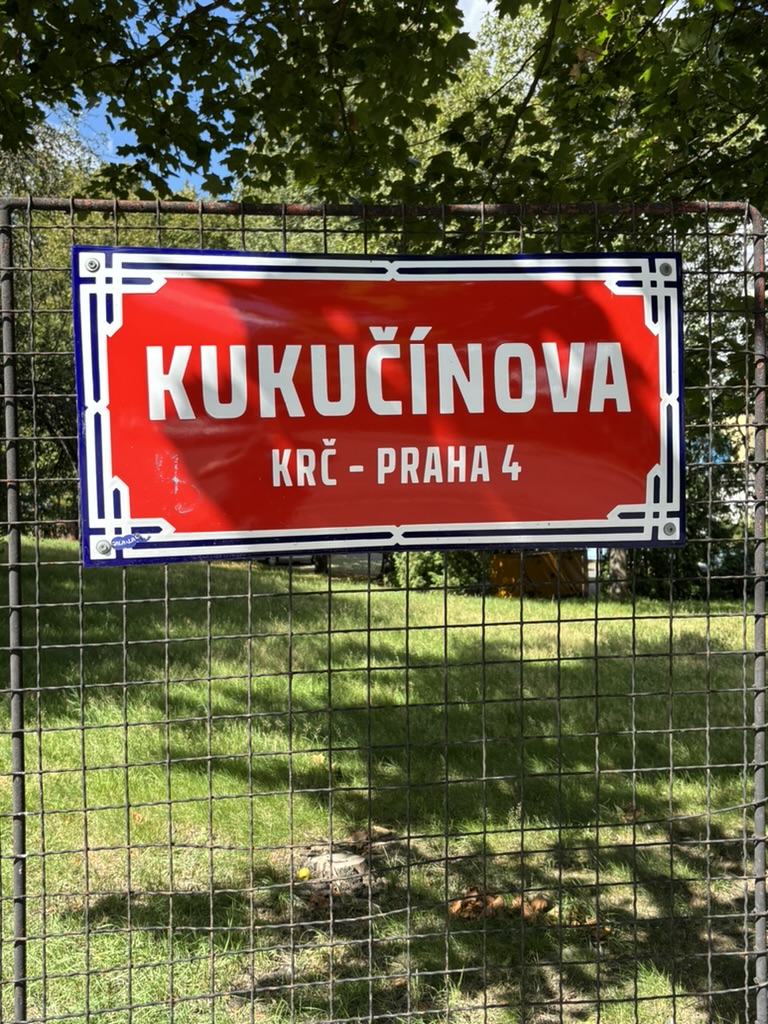
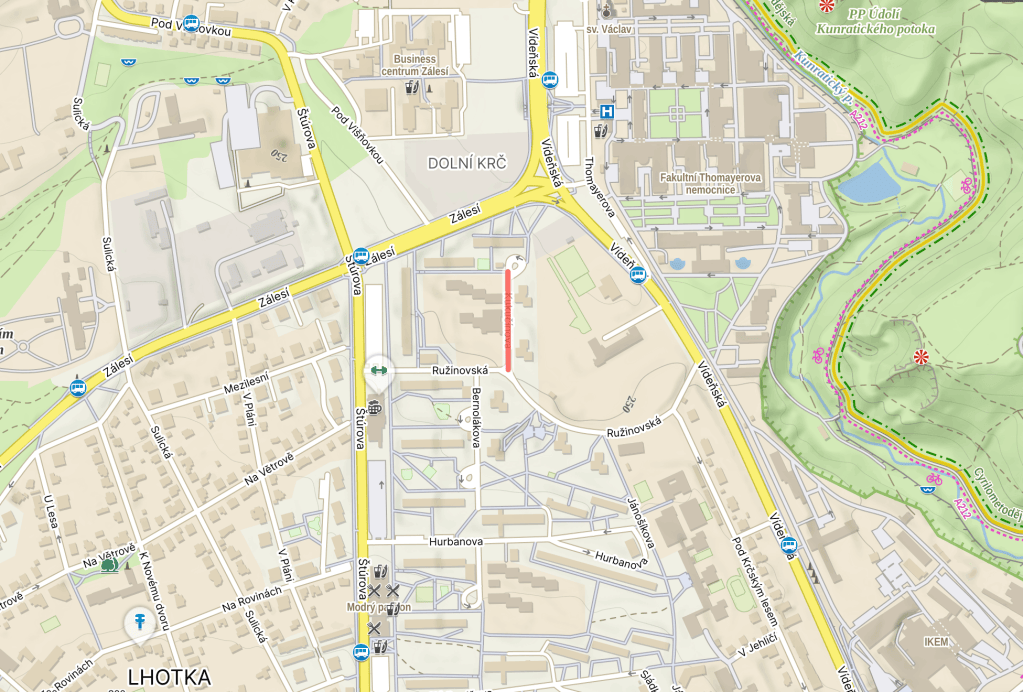
Kukučínova was built in 1969. Its spelling was corrected from the original Kukučinova in 1999.
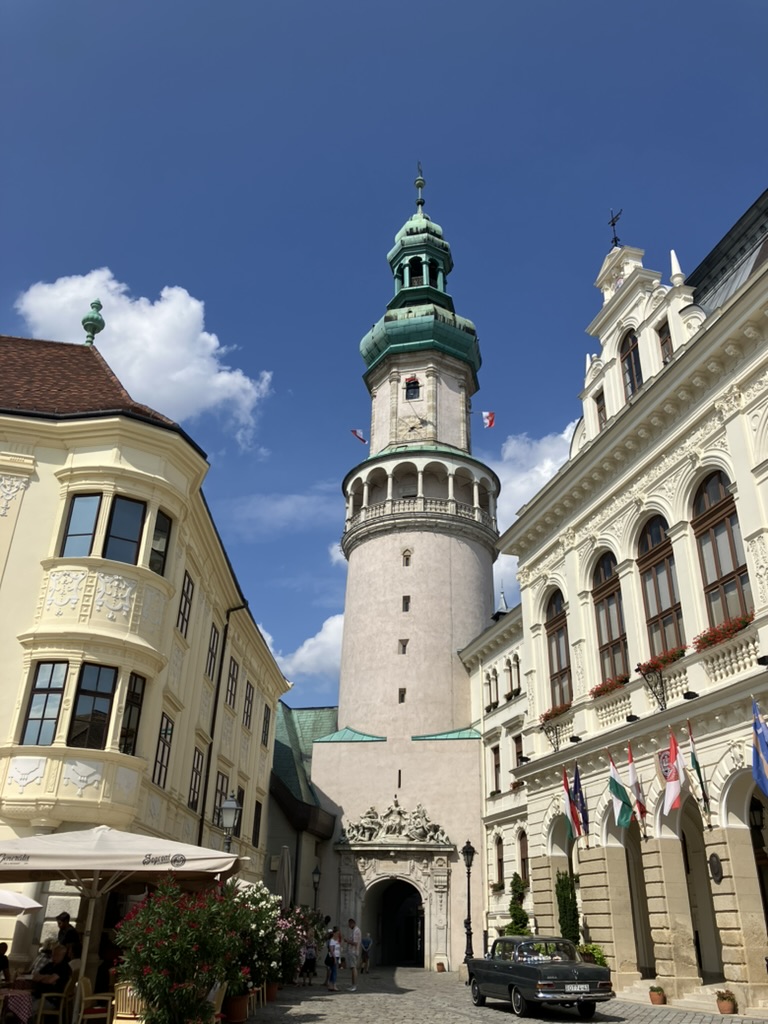
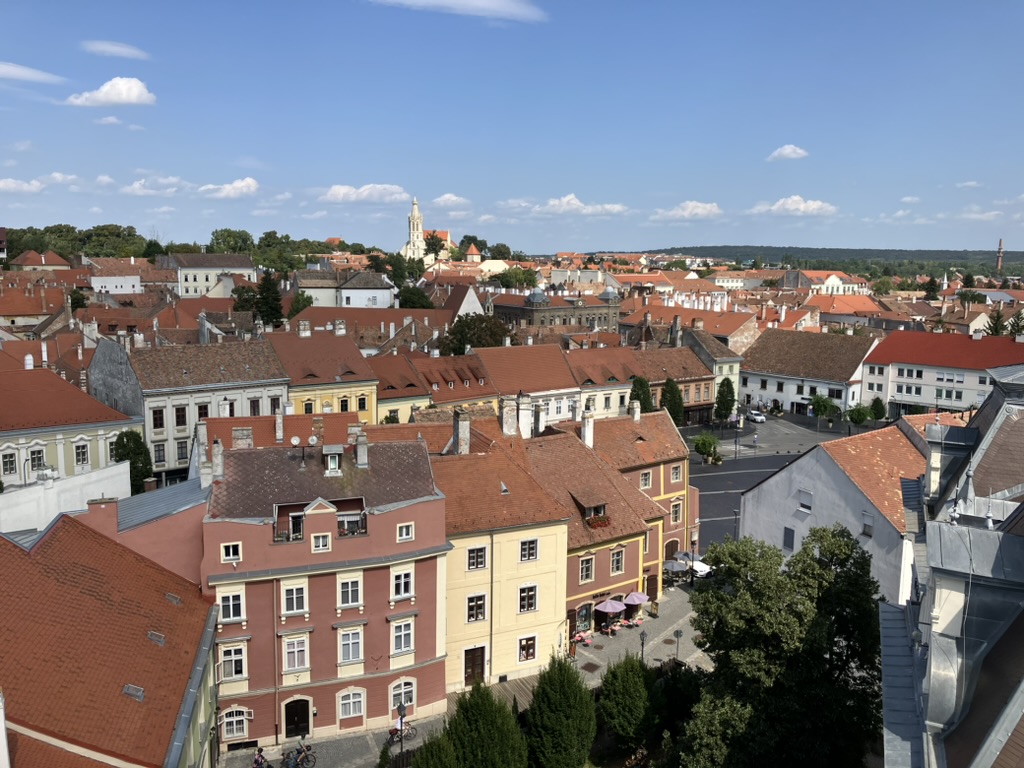
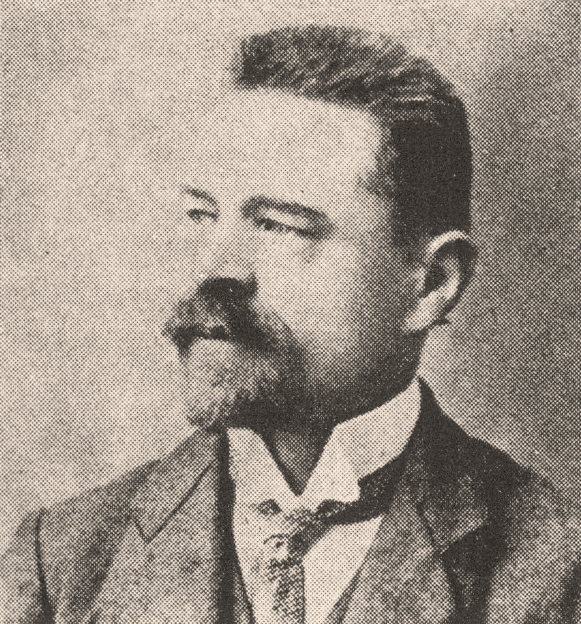
Matej Bencúr was born in Jasenová, Slovakia, near Dolný Kubín, in 1860. He went to school in several towns, ultimately completing his schooling in Sopron, which is now in Hungary (cue a quick photo dump from a wonderful two-week holiday which started in Sopron in 2024).
In 1883, Bencúr wrote his first short story, Na hradskej ceste (On the Castle Road).
He wanted to study at the Faculty of Theology in Bratislava, but opted for Prague instead (Bratislava University, at that point, being a rather hostile place for Slovaks, who were only the third linguistic group behind German and Hungarian speakers).
He studied, therefore, at Prague University’s Faculty of Medicine from 1885 to 1893. Returning to Slovakia, that old prejudice remained, and he found it hard to get a job.
During his studies, he published a further six works of prose under the pseudonym Martin Kukučín.
Bencúr did manage to be appointed as a medical practitioner on the island of Brač (now in Croatia). He became a member (and ultimately chairman) of a local cultural society, Hrvatski Sastanak (Croatian Meeting), established a pharmacy, and stayed in Brač until 1906.
In 1908, Bencúr and his wife, Perica Didolić, moved to Chile, ultimately settling in Punta Arenas – the world’s southernmost city, and apparently one of the places outside of the Balkans with the highest percentage of people of Croatian descent.
Bencúr became the first doctor of the International Red Cross in Patagonia; there is still a polyclinic named after him in Punta Arenas.
In 1922, Bencúr returned to Slovakia (then Czechoslovakia), where he would live until he went back to Croatia (then Yugoslavia) in 1924. His literary output picked up again after a relatively quiet decade on the publication front; his works at this time included travelogues, historical novels, and one novel about Croatian migrants in Chile.
Bencúr died in Pakrac, Slavonia, in 1926. He was initially buried in Zagreb; his remains were transferred to Martin, Slovakia in 1928. Perica would outlive him significantly – she died in 1971, and is now buried with him.


Leave a Reply