Thomayerova was built in 1990.
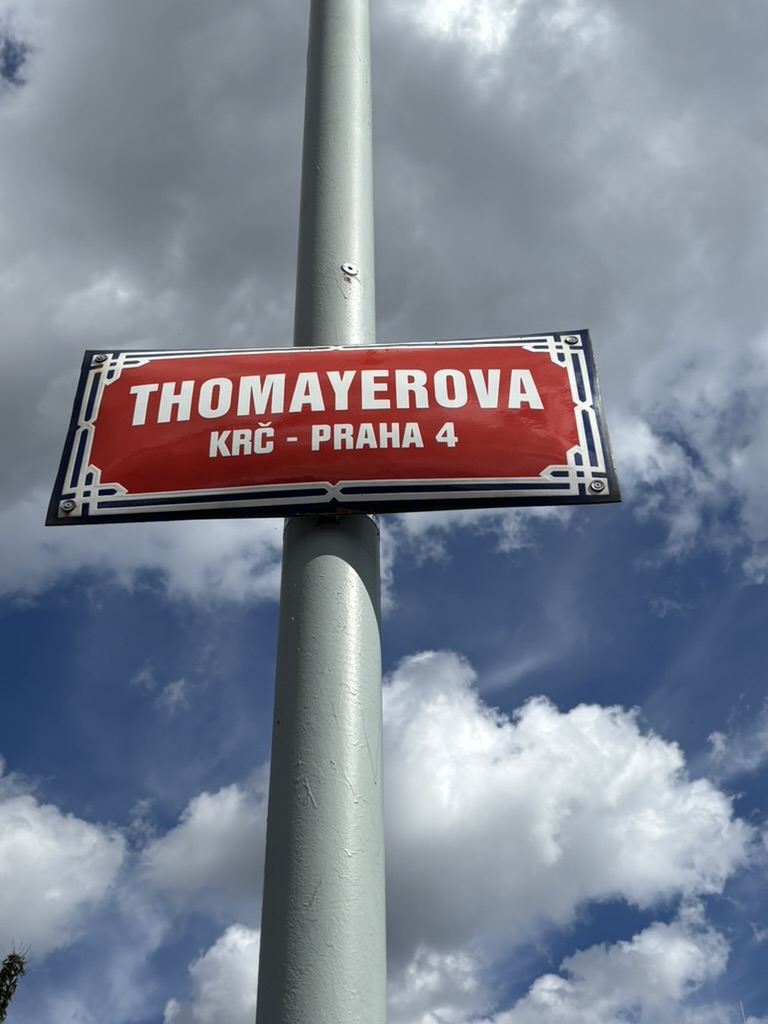
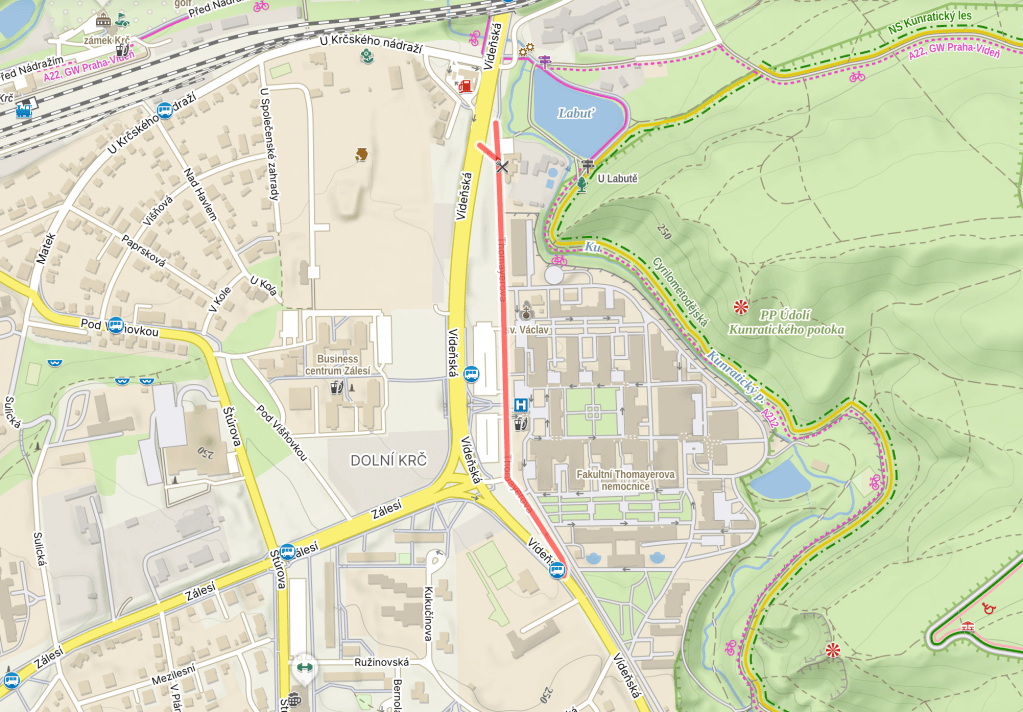
Josef Thomayer was born in Trhanov, near Domažlice in the Chodsko Region (https://whatsinapraguestreetname.com/2024/01/30/prague-2-day-25-chodska/) in 1853.
He went to school in Klatovy in the Plzeň region, where one of his classmates would later change his name to Jaroslav Vrchlický and become a famous poet.
Thomayer then studied medicine in Prague, and became very important in Czech medicine post-graduation.
In 1885, he founded Sborník lékařský, a medical journal. He wrote fundamental texts, including Úvod do državé lékařský (Introduction to Small Medical Practice) and Pathologie a therapie nemočí větních (Pathology and Therapy of Internal Diseases).
He was appointed associated professor of medicine at Charles University in 1883, becoming a full professor in 1897. He also became head of the polyclinic at the Czech Medical Faculty in 1886.
Thomayer specialised in internal medicine, especially abdominal percussion, and is seen as the father of the study of internal medicine in Bohemia.
Apparently, he was extremely proud of his Chod routes, and got a disproportionate amount of joy and validation when students from Prague and Central Bohemia got poor grades.
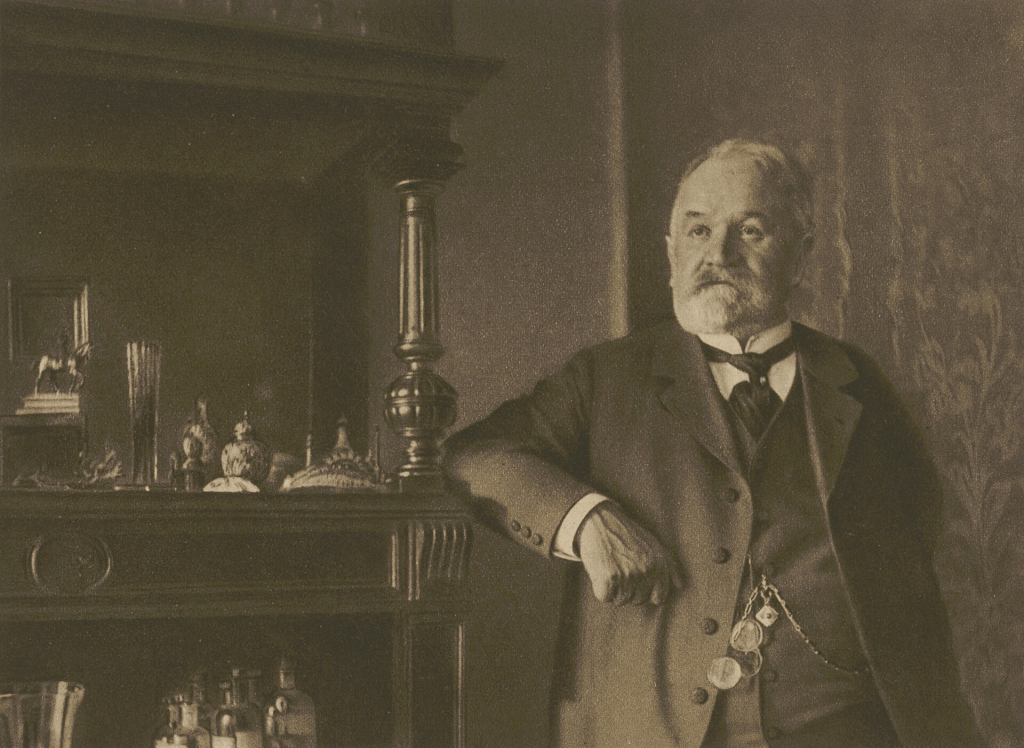
In addition to his over 200 publications in the field of medicine, Thomayer wrote feuilletons and works about travel.
Thomayer retired in 1921, and died of rectal cancer in 1927, having battled this without surgery. He’s buried in Trhanov.
A year later, here in Krč, a social care institution, with a functionalist design by architect Bohumír Kozák, was opened. It was named Masaryk Homes after then-president Tomáš Garrigue Masaryk (https://whatsinapraguestreetname.com/2024/09/01/prague-2-day-156-masarykovo-nabrezi/).
Fittingly, it was opened on 28 October 1928, the tenth anniversary of Czechoslovak independence (https://whatsinapraguestreetname.com/2024/09/25/prague-1-day-144-28-rijna/).
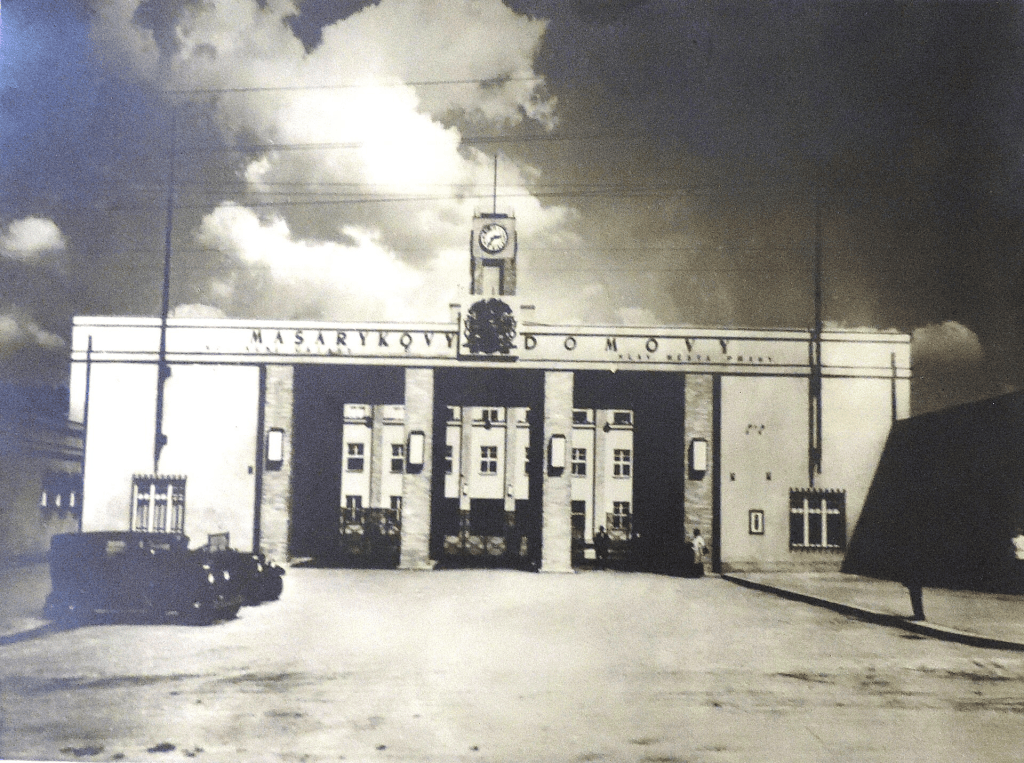
By 1954, however, ‘Masaryk’ was certainly a dirty word for the Communist authorities, and, when the former Masaryk Homes were converted into a hospital, it was named the Faculty Thomayer Hospital.
About 50,000 people a year are hospitalised here, and there are around 1,600 staff.
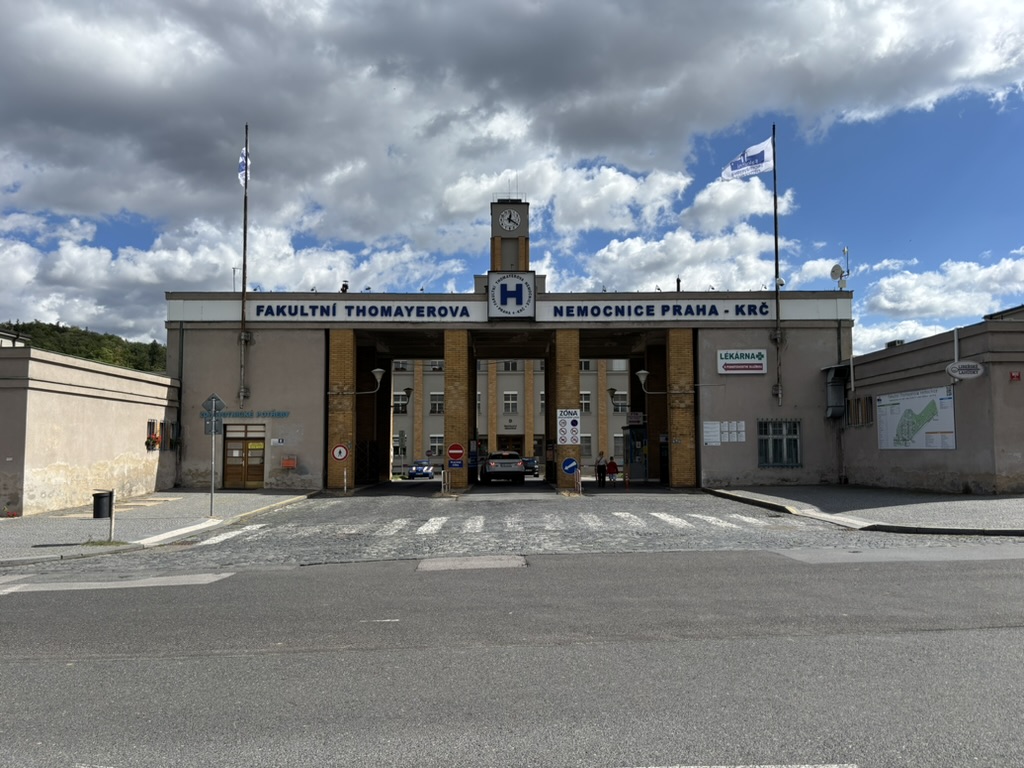
In the 1990s, it was revealed that the hospital has a three-story underground medical facility in a reinforced concrete shelter. This was built between 1952 and 1961, but kept a secret. Great photos on https://commons.wikimedia.org/wiki/Category:Underground_facility_of_the_Thomayer%27s_Hospital.
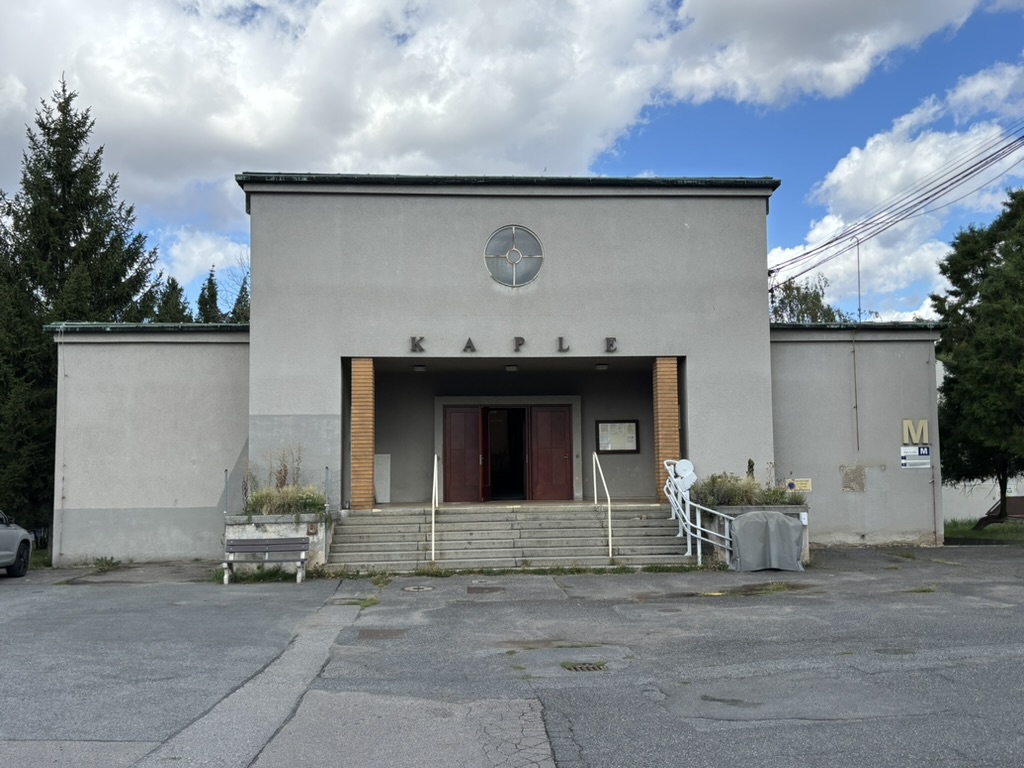
The hospital has its own chapel, dedicated to St Václav/Wenceslas.


Leave a Reply