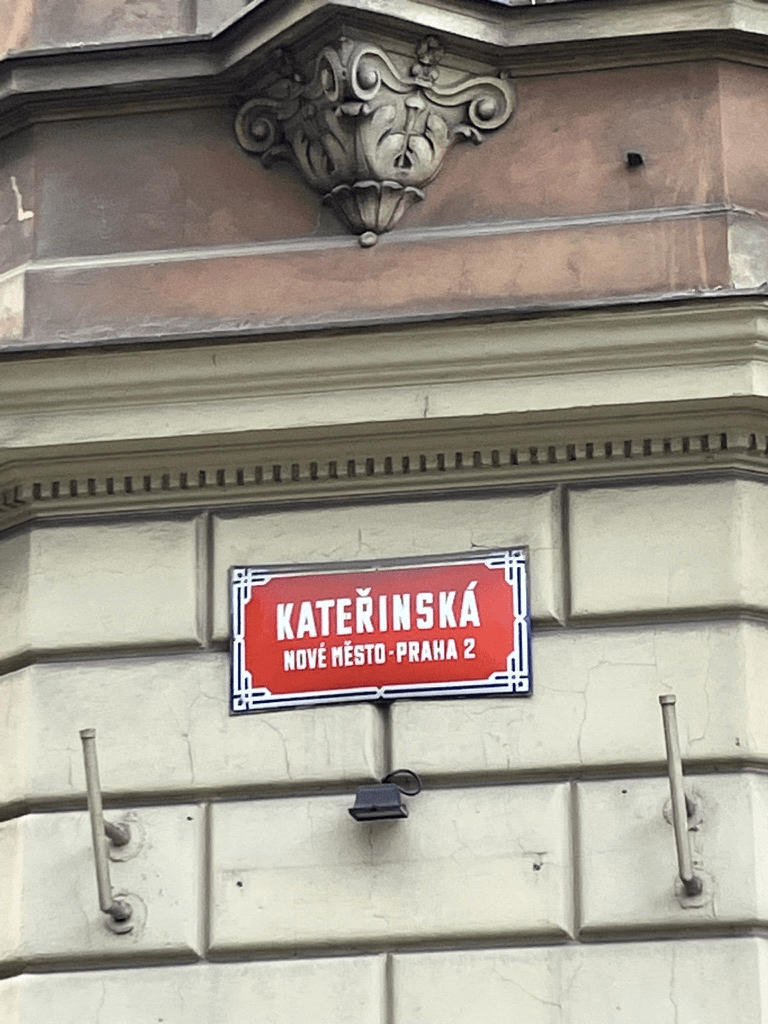
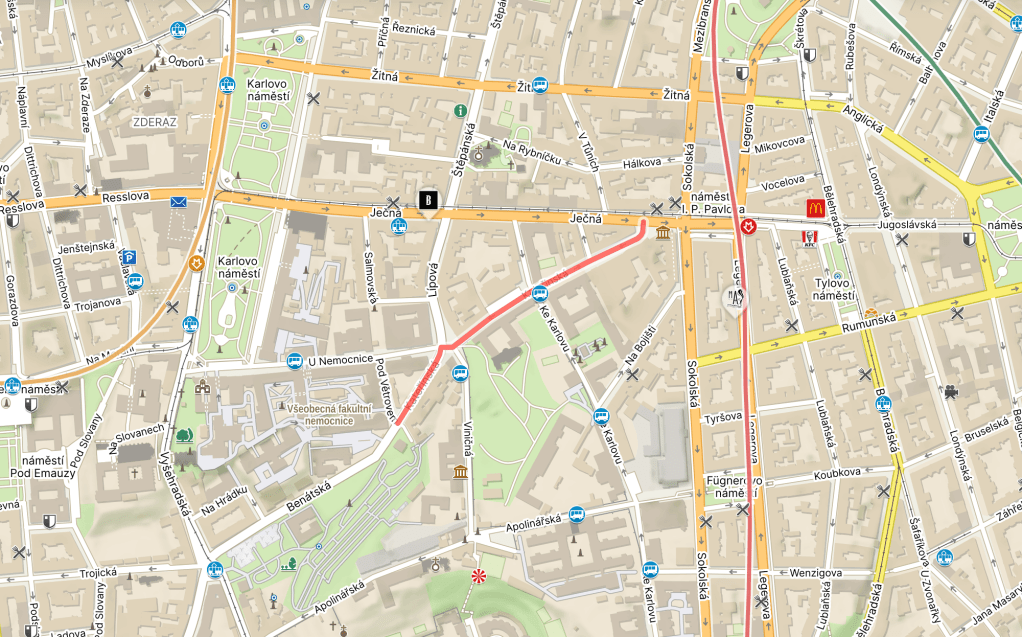
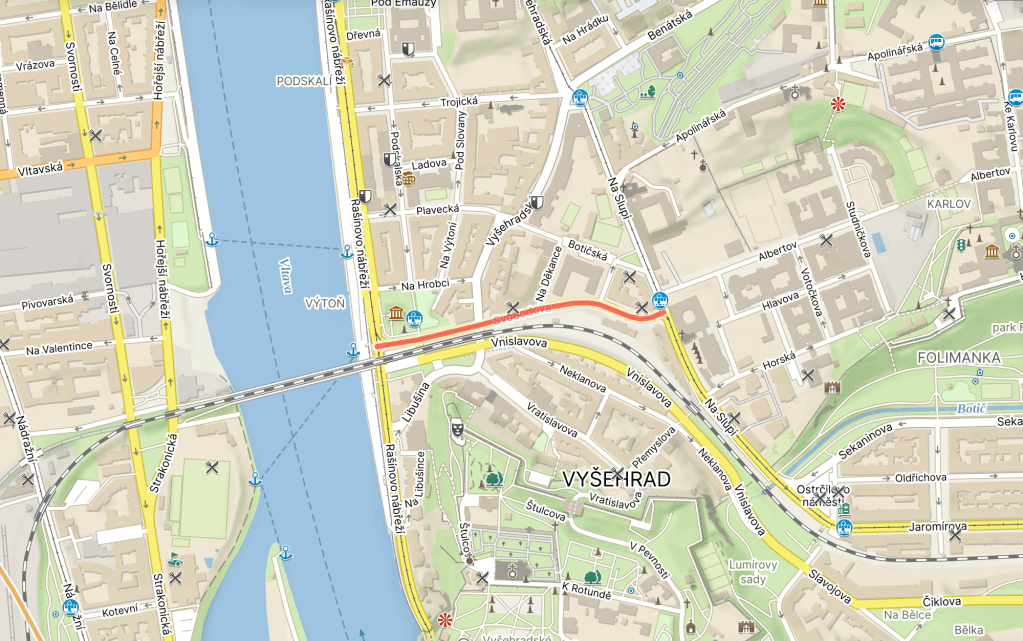
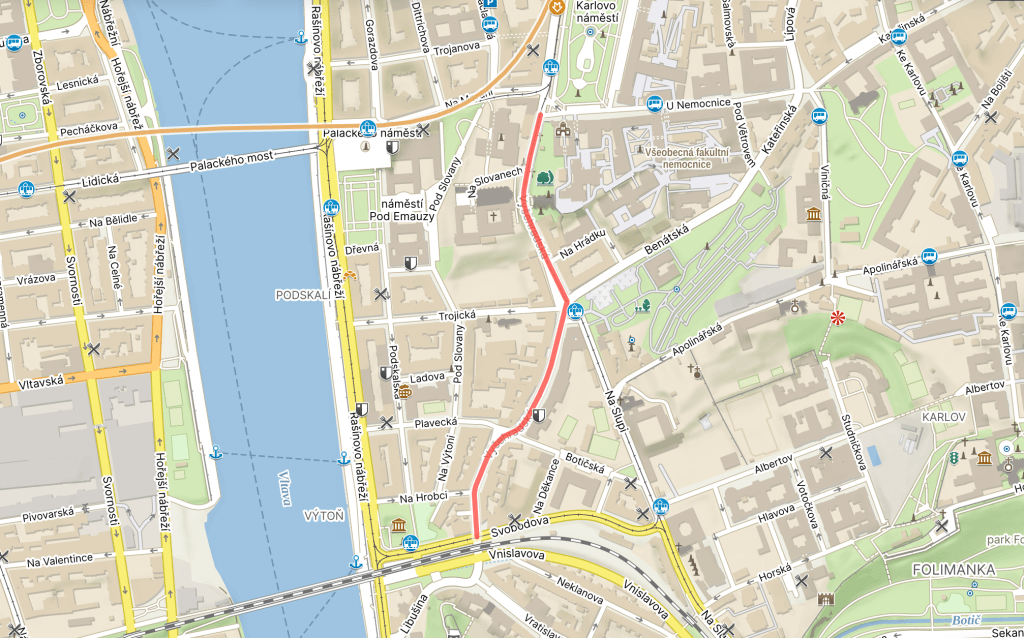
Until about 1870, the street was known as Zahradnická, because the area, at that time, consisted mainly of gardens.
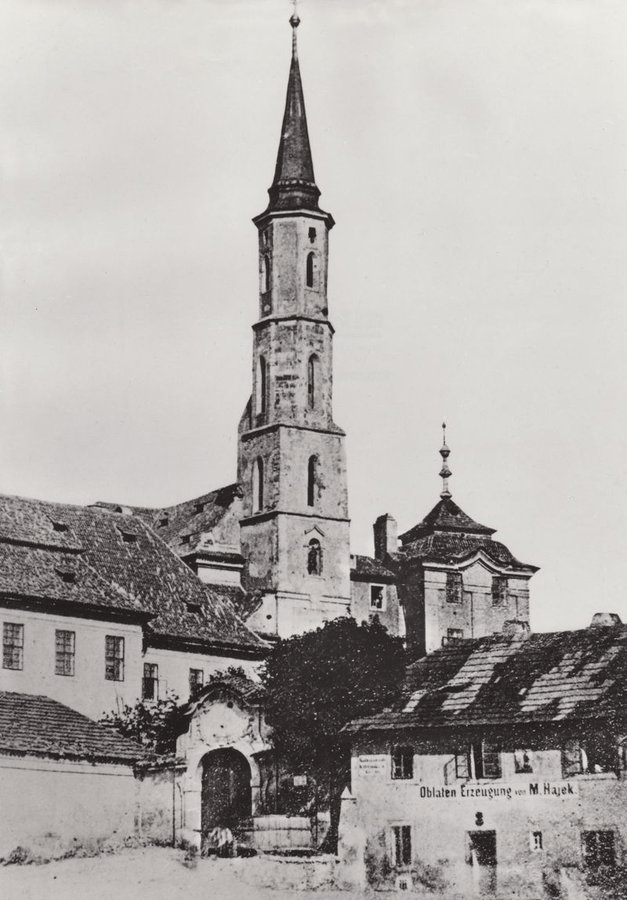
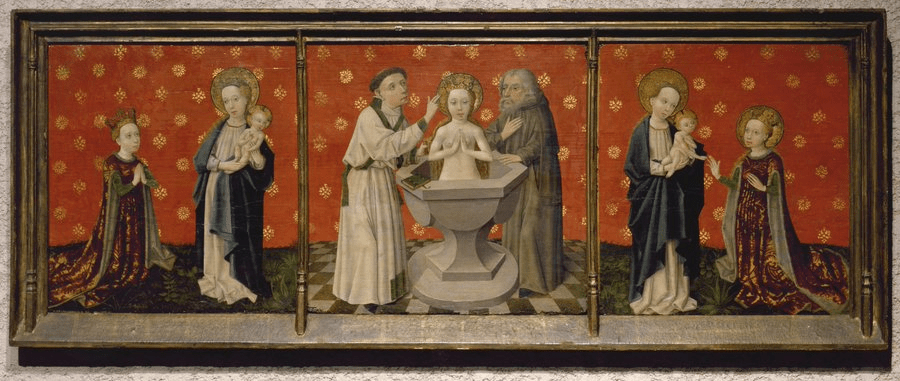
Karel IV founded the Convent of St Catherine (Klášter sv. Kateřiny), including a church, in 1355. It was burnt down by the Hussites in 1420, and I should really just save ‘It was burnt down by the Hussites in 1420’ as a template on my phone.
It took almost exactly a century for the convent and the church to be rebuilt; in 1565, the nuns left and were replaced by monks. So I’ve just realised that Czech doesn’t have separate words for ‘monastery’ and ‘convent’.
Both the monastery and the church were given a significant upgrade in Baroque style in the first half of the 18th century, but the monastery fell victim to Joseph II’s reforms, and was turned into a military training centre in 1787.
However, the church reverted to its original function in 1841, before being handed over to the City Museum in 1950.
Meanwhile, after May 1945, the former monastery building began to be used by the neurological clinic of the First Medical Faculty of Charles University.
In the 1990s, the church was restored. It is now owned by the Orthodox Church, which has held services there since 2012, and its official name is Kostel svaté Kateřiny Alexandrijské (Church of Saint Catherine of Alexandria).
The original Benátská was built as far back as 1489.
By the 19th century, there was a Velká Benátská, which ceased to exist when the Botanical Gardens were built. There was also a Malá Benátská, and the present-day street more or less follows that street’s pattern.
Benátky is Venice, or, rather, Benátky *are* Venice (see later on).
The area used to consist of wetlands and swamps, which presumably made whoever named the street think of there.
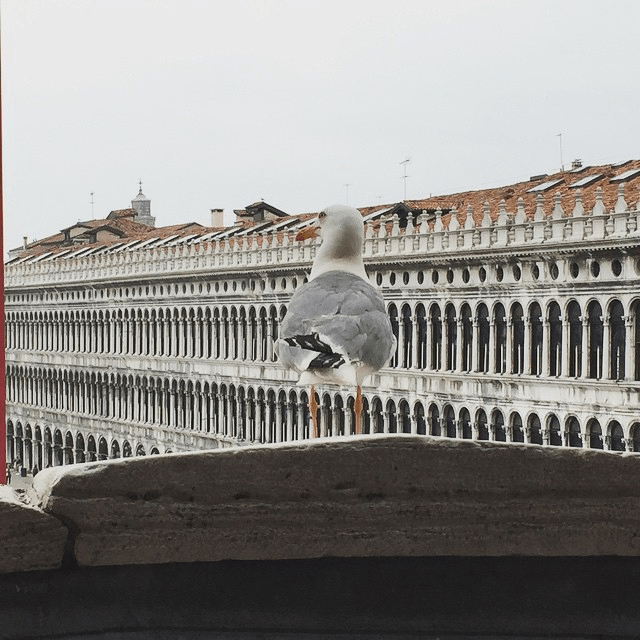
I went to Venice once. The food was severe tourist trap territory. But I also got that kind of photo that makes you feel like being in a tourist trap is entirely worth it.
Quite enjoyed this moment too.
In Czech, Benátky is plural. It’s in good company with international cities, as it’s joined by Antverpy, Atény (Athens), Cáchy (Aachen), Brémy (Bremen), Drážďany (Dresden) and Helsinky.
A memo which, however, never made it to Tbilisi or Miami, which are singular.
This also applies to about eight billion place names in the Czech Republic (and Slovakia, and Poland) too – but listing them here will leave me without material for some of my future street name posts, so I’ll shut up for now.
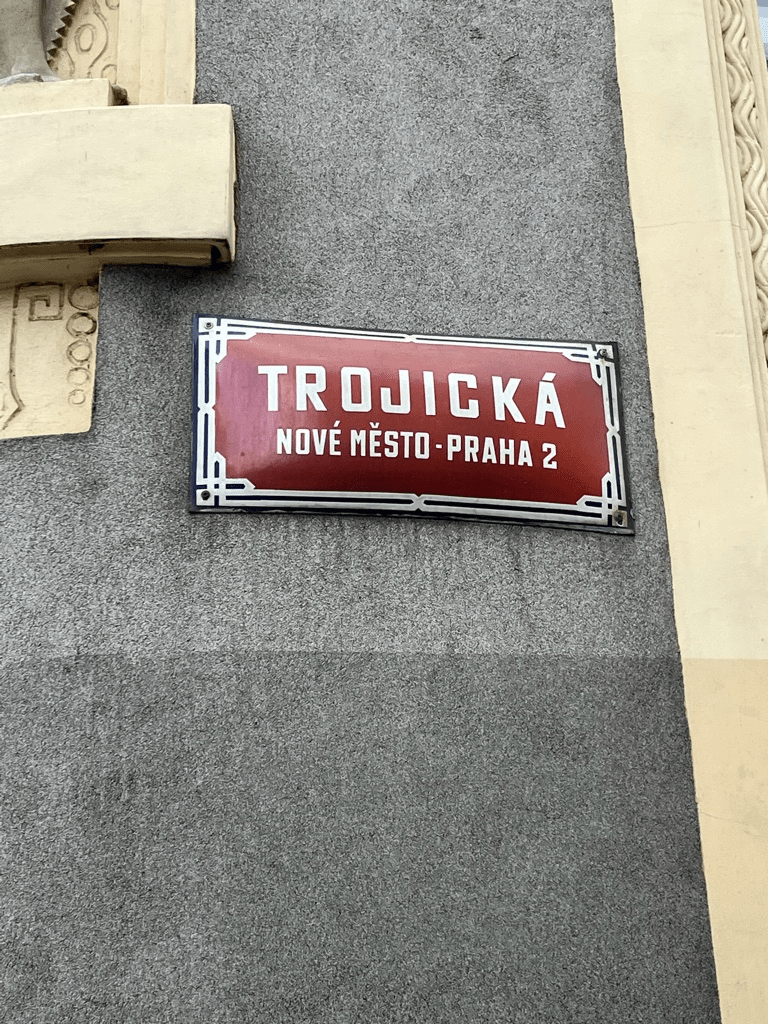
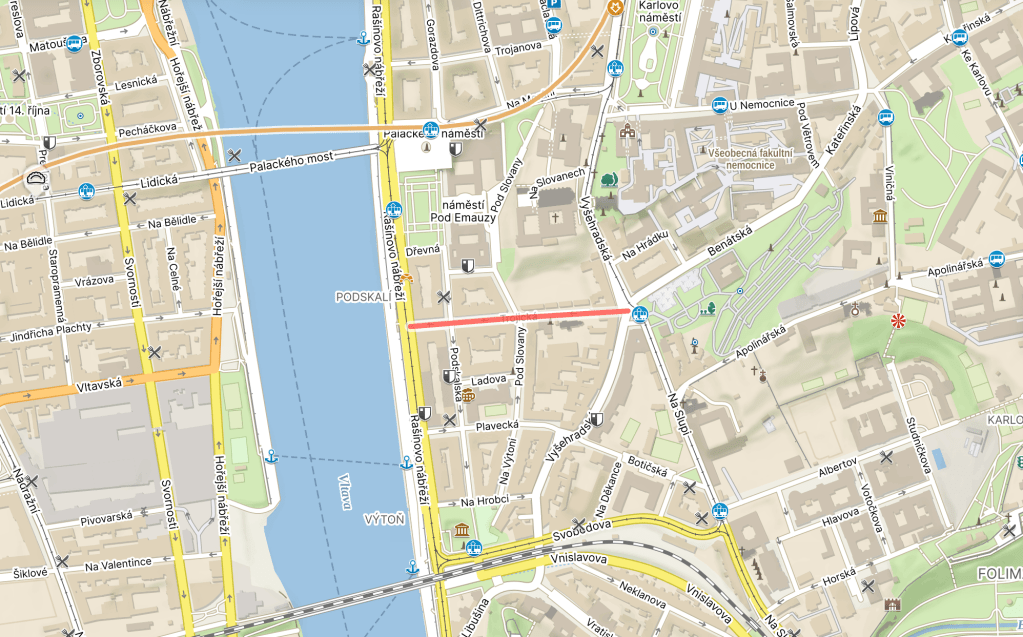
Trojická translates as ‘Trinity’, and the street is named after the Church of the Holy Trinity in Podskalí / Kostel Nejsvětější Trojice v Podskalí.
A chapel is documented as having stood here in 1358, dedicated either to St Antony or to St Andrew. In ‘words I feel like I’ve written hundreds of times’ news, it was burned down during the Hussite Wars, before being restored in 1476.
The church started to fall into disrepair in the 1700s, prompting its reconstruction in baroque style. One wall from the original church remains.
Key stages in the reconstruction included the chapel (1751) and the new tower (1782). The church was also one of the buildings that did survive the ‘renovation’ of the neighbourhood in the 19th century.
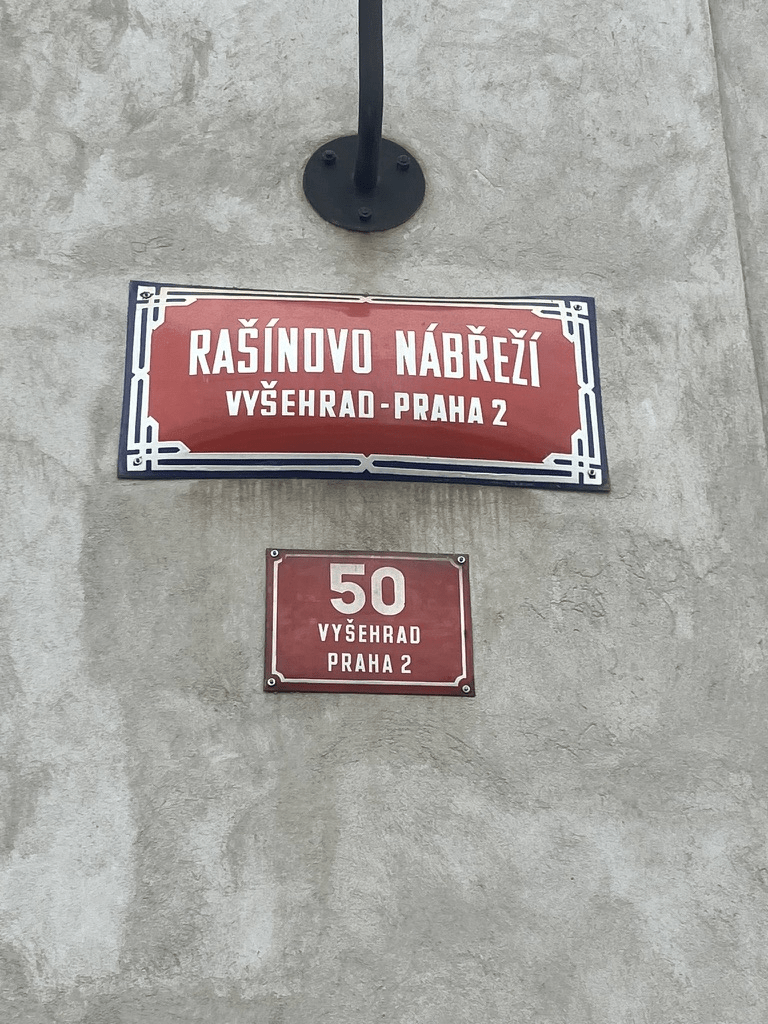
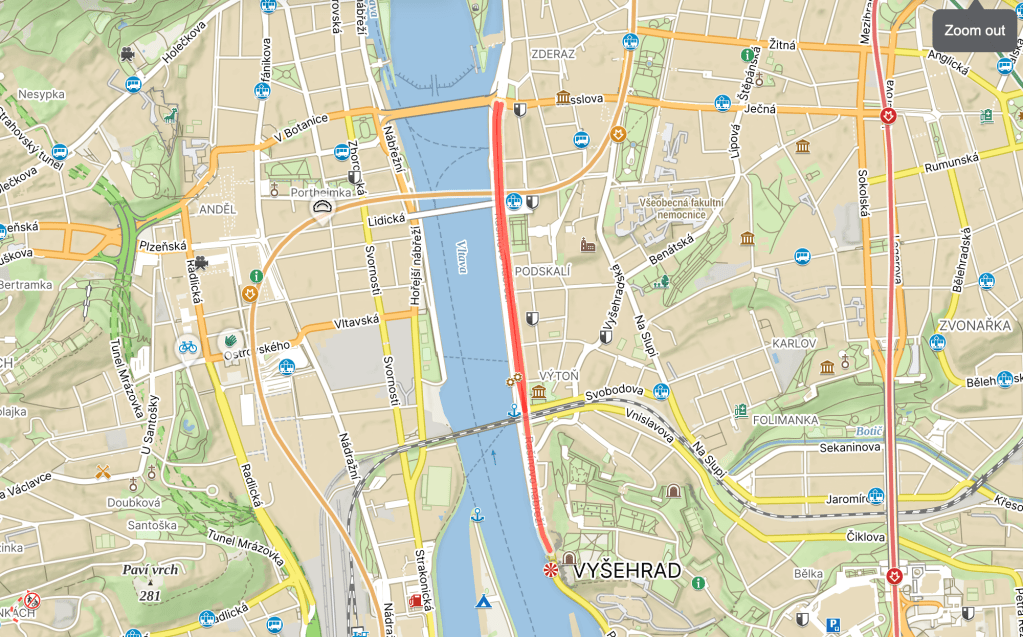
This embankment was formed in 1951 from the joining of two separate streets (see later for details of the multiple name changes).
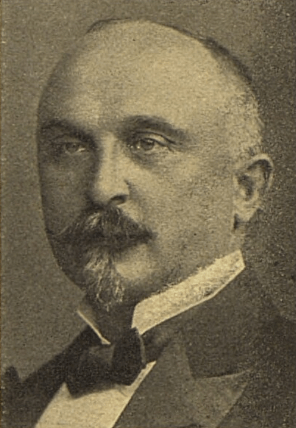
Alois Rašín was born in Nechanice, near Hradec Králové, in 1867. He went to Prague to study medicine at Charles University, but then switched to law.
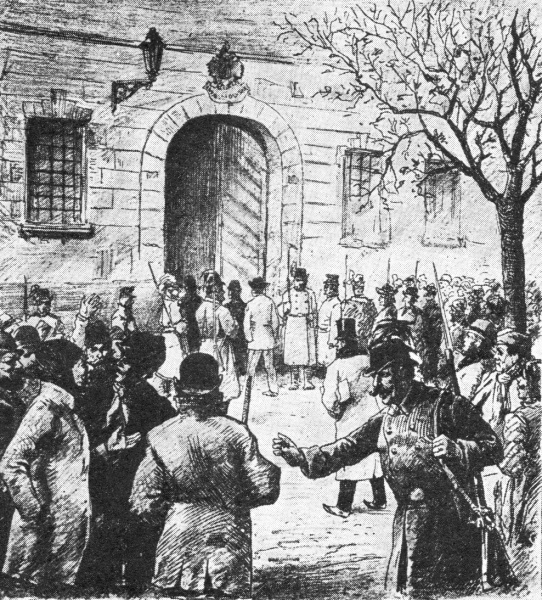
After graduating in 1891, he became increasingly involved in the Young Czech Party, so much so that he was sentenced to two years’ imprisonment in the Omladina Trial of 1894, and lost his academic titles.
He was released early in the following year, and got his titles back. He withdrew from active politics for a while, but rejoined the Young Czechs in 1907, entering the Imperial Council in 1911.
When World War 1 started, Rašín joined Maffia, a secret resistance group whose other founders included Edvard Beneš and Karel Kramář.
His activities led him to be sentenced to death in 1916, but this never happened as Charles I came to power and commuted his sentence to (harsh) imprisonment.
Amnestied in 1917, he became more politically active than ever.
On 28 November 1918, he was one of the five men who declared an independent Czechoslovakian state. He subsequently became the state’s first Minister of Finance, holding the position until 1919, when the Social Democrats and Agrarian Party came to power.
He would become Minister of Finance again in October 1922, but would come to be blamed for skyrocketing unemployment.
It was only there months later, on 5 January 1923, that Rašín was shot outside his apartment on Žitná by Josef Šoupal, a 19-year-old anarchist. He would die of his injuries on 18 February.
In the same year, a district of Rokycany was named after him (Rašínov). It is still called this today.
According to English Wikipedia: ‘One time when Germans demanded bigger autonomy, he stuck out his tongue and call them monkeys. Rašín lived ascetic life avoiding any dance or sport’. Well then.
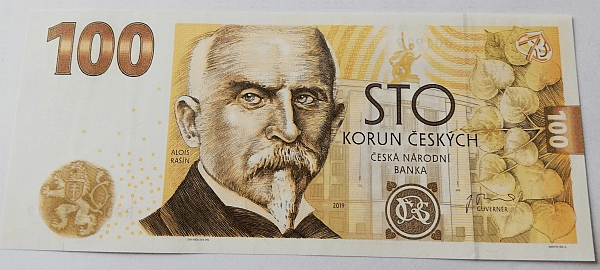
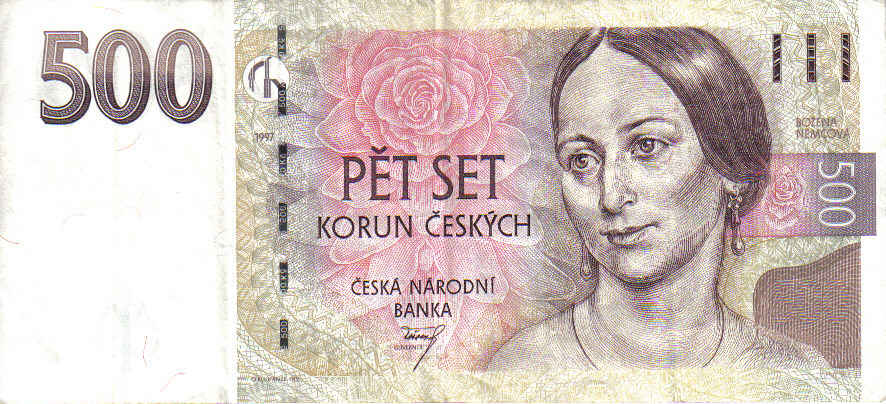
As well as the banknote above, the Czech National Bank issued a quite snazzy commemorative note in his honour in 2019:
Oh, wait, there were those name changes I promised.
The northern part of the embankment started as Palackého nábřeží in 1875, switching to Vltavské nábřeží from 1940, and then becoming – urgh – Reinhard-Heydrich-Ufer from 1942 to 1945, then reverting to Palackého nábřeží.
The southern part, meanwhile, came into being as Vyšehradské nábřeží in 1905, before becoming Podskalské nábřeží in 1919, and then Rašínovo in 1924. From 1941 to 1945, it was Karl-Lažnovský-Ufer, after a pro-occupation journalist poisoned by the Resistance in 1941.
In 1951, the two parts were merged as Nábřeží Bedřícha Engelse (he of ‘Marx and’ / ‘oh, so Czechs don’t say Friedrich’ fame), before a reversion to Rašínovo in 1990.
Until 1961, this was ‘V Ohradách’, ‘In the Enclosures’ (approx). Until the 19th century, there were warehouses here where firewood and wood for construction purposes were stored.
Josef Lada was born in Hrusice (nowadays in Prague-East) in 1887. An accident at the age of six months left him blind in one eye.
Discovering his talent for drawing as soon as he started school, by the age of 14 he was already studying in Prague. Before he was out of his teens, his humorous drawings and cartoons had been published in several newspapers.
In 1906, Lada got into the Academy of Arts, Architecture and Design in Prague (VŠUP), and, in 1909, he founded his own magazine, Karikatury.
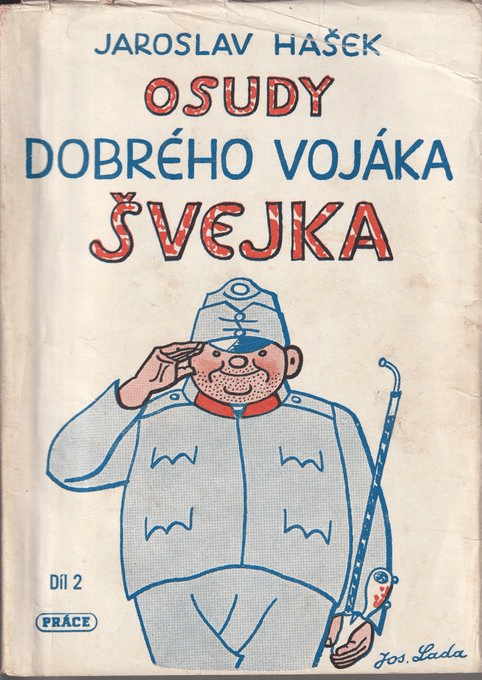
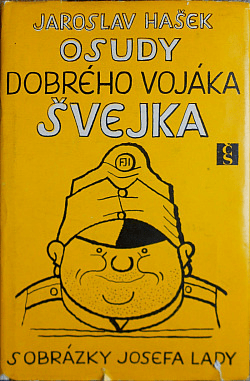
After World War II, a writer called Jaroslav Hašek asked Lada if he could provide some illustrations for his short stories, which were about to be published in book form.
The name of the collection was The Good Soldier Švejk. You’ll recognise him.
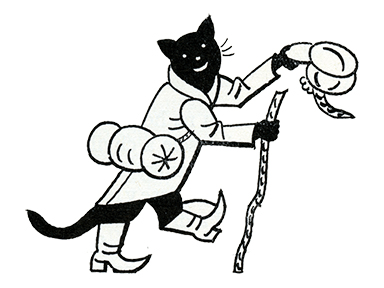
In the 1920s, Lada started writing his own books, the most famous of which were about Mikeš, a black cat who could talk.
Relatedly-ish, when I was 15, my parents got a black cat, Daphne, who would talk (well, miaow) every time I spoke to her. We had some great conversations in her 17 years and 11 months on the planet, and she was the best goddamn animal that ever lived.
Lada largely went into seclusion when WWII started; after the war, his work became increasingly melancholic, which isn’t surprising when you consider that his daughter, Eva, died in an aerial bombardment near Emmaus Monastery in 1945, aged 16, and his wife died in 1951.
However, he continued to draw for children’s books and also took part in the creation of animated films, such as 1955’s Čert a Káča (based on a work by Božena Němcová).
An exhibition was prepared to celebrate Lada’s 70th birthday – but he died three days before that milestone, in December 1957.
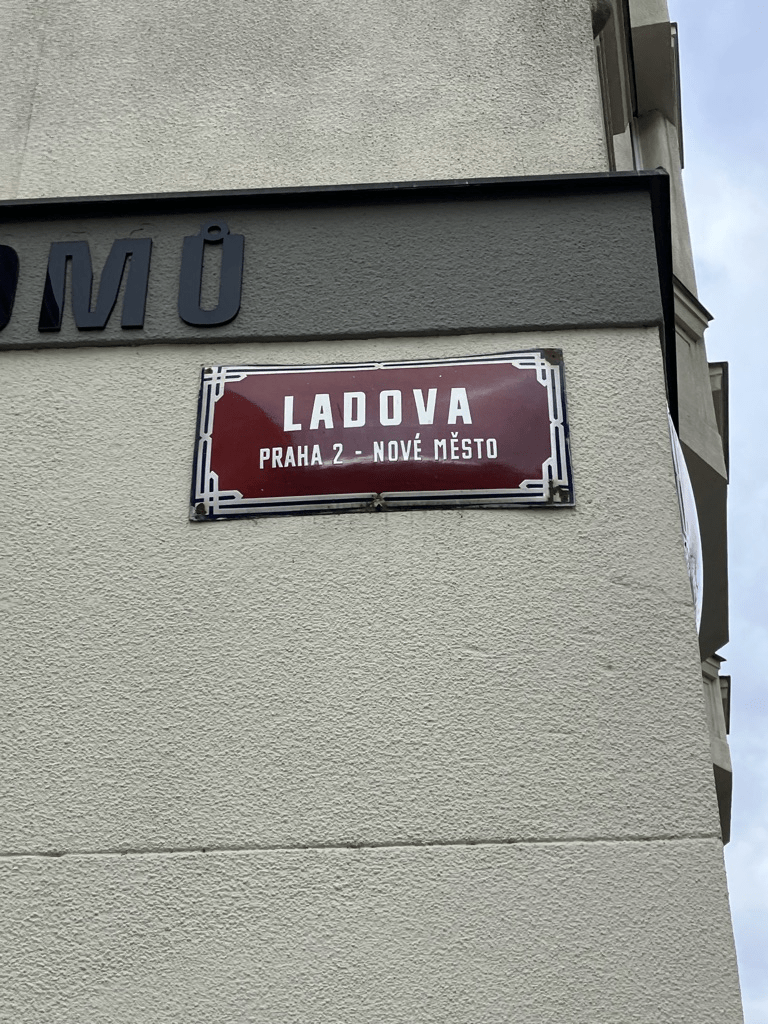
Three decades of his life had been spent living on this very street at number 2045/1; the renaming of the street was suggested by his own daughter, Alena (1925-1992).
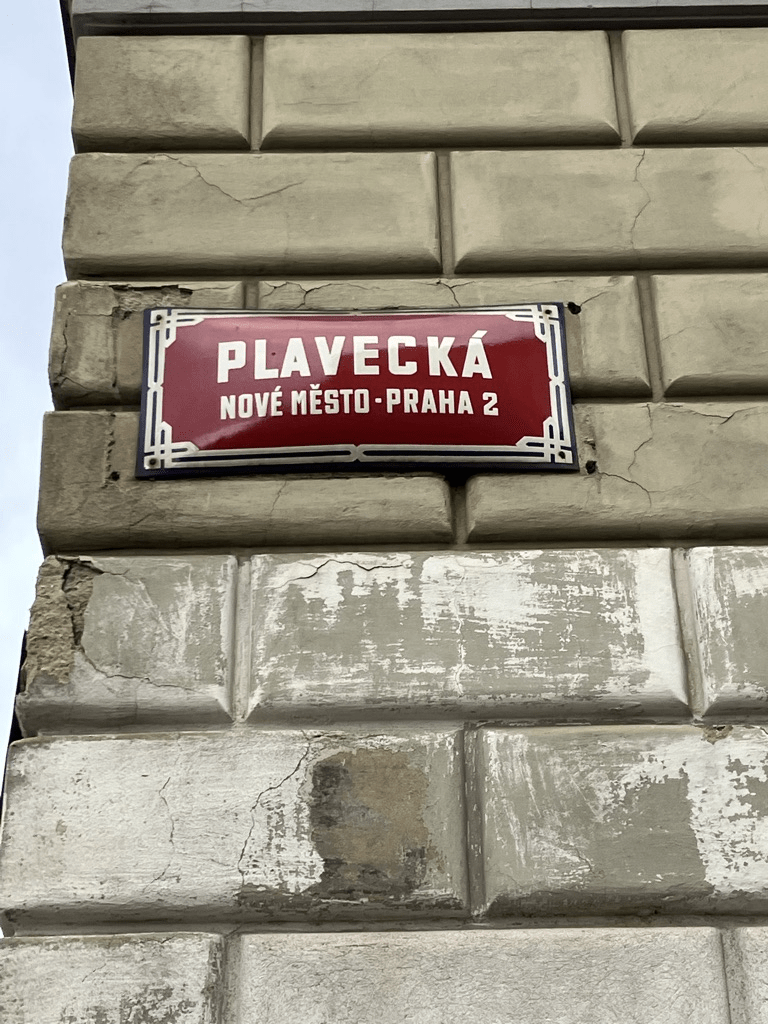
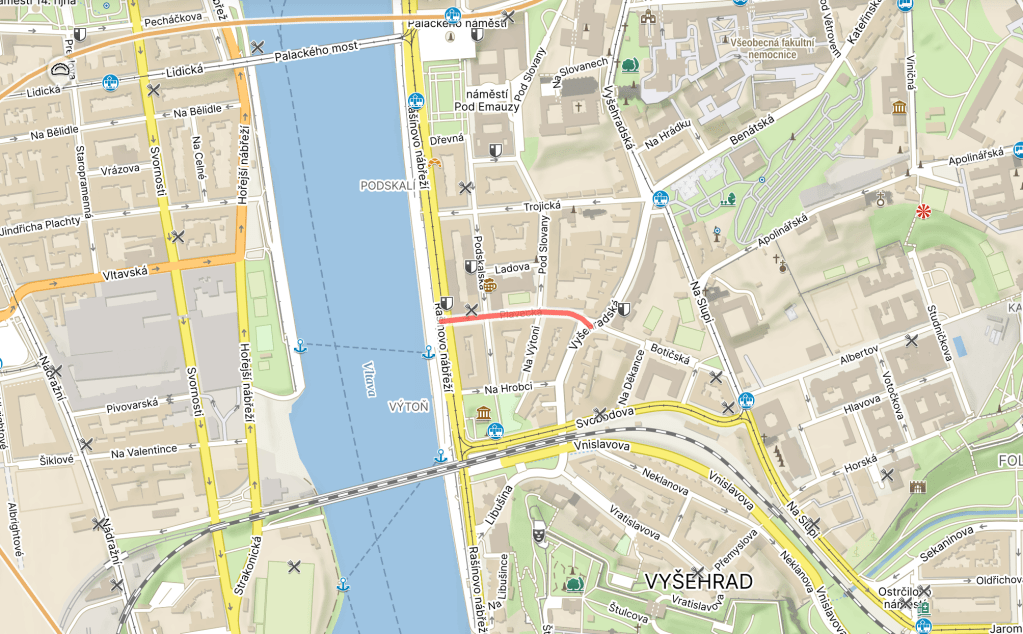
Plavecká, meanwhile, is named after the plavci who lived here, and were an integral part of this trade arrangement. They floated the wood down the river.
Their way of life forms the backbone of the 1952 film Plavecký mariáš, presumably named after mariáš, one of the most popular card games round these parts:
Plavci can also translate as ‘swimmers’. This feels like a perfect opportunity for a quick language lesson, so: a regular swimmer is a plavec, but a mořeplavec is a seafarer and a vzduchoplavec is an aeronaut. Meanwhile, a plavecký styl is a swimming stroke.
Speaking of swimming strokes, if you swim naznak, you’re doing the backstroke, if you swim prsa, you’re doing the breaststroke, swimming kraul is, more easily, the crawl, and swimming na čubičku is doing the doggy paddle.
After the Hussite Wars, three of Podskalí’s four churches were rebuilt. The district survived for a few more centuries, but as Prague got bigger in the 19th century, parts of it were demolished.
In 1890, Prague was hit by floods so bad that three of Charles Bridge’s arches swept away. The authorities decided that an embankment wall was needed to protect the city from any such damage in future.
Other reasons for the this ‘rehabilitation / redevelopment / renewal’ (all possible translations of asanace) included poor sanitation and the lack of a sewage system.
Between 1905 and 1914, the village of Podskalí disappeared in favour of (amongst other things) Rašín Embankment and the Vyšehrad Tunnel. Several buildings survive, however, including the customs house (see yesterday’s post, again).
There’s a quite wonderful short film about Podskalí from 1967, a time when people with memories of the settlement were still around to tell their stories:
Na Výtoni was built in 1894, and was called Vejtoňská until 1903.
Once upon a time, there was a settlement here called Podskalí. The first written mention is from 1198, but it’s likely to have originated a long time before that.
The locals made a living by rowing and trading in wood. When logs were brought here, one twelfth of each log would be cut out, and the locals would collect this as a duty.
One of many words that Czech has used over the centuries for ‘to cut out’ is vytnout – hence Výtoň, and the customs officers being known as vejtoníci.
Apparently, the customs office is now both a pub and a museum. I went to the pub in May 2020, and, perhaps because of all the May 2020-ness in my brain at that time, or the fact that I just really wanted a non-bottled beer, I failed to notice the museum: https://commons.wikimedia.org/wiki/File:V%C3%BDto%C5%88_celnice_1.jpg.
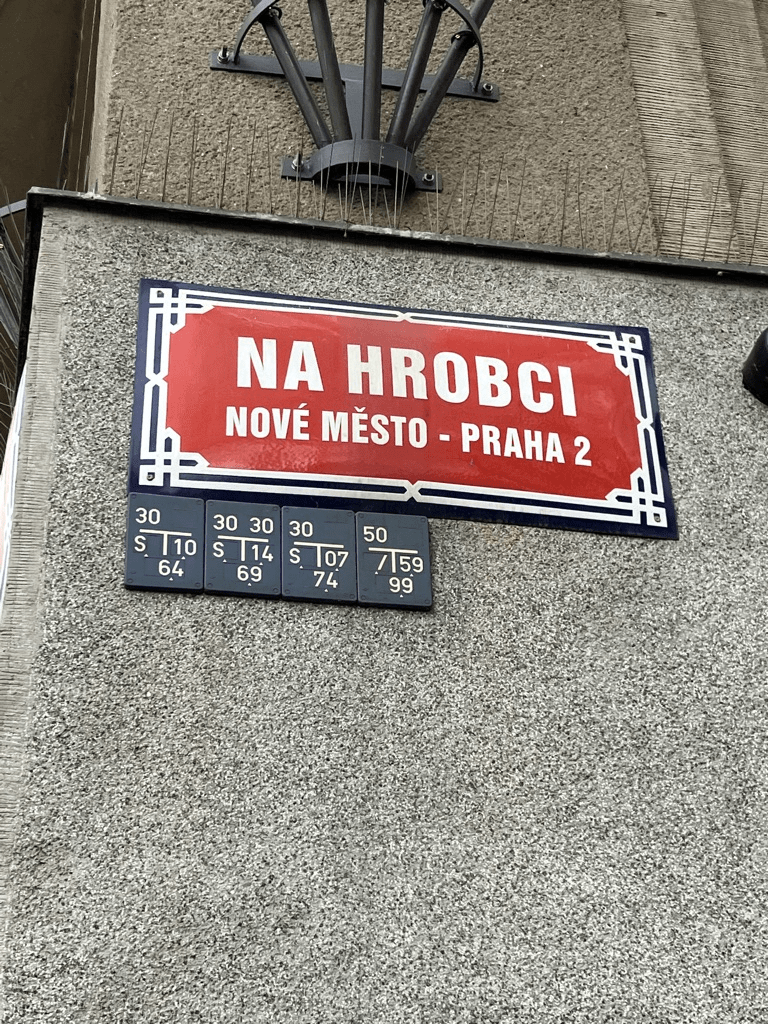
Finally, back to the street itself: if you’ve ever seen a cafe with a better name than this, you’re a liar.
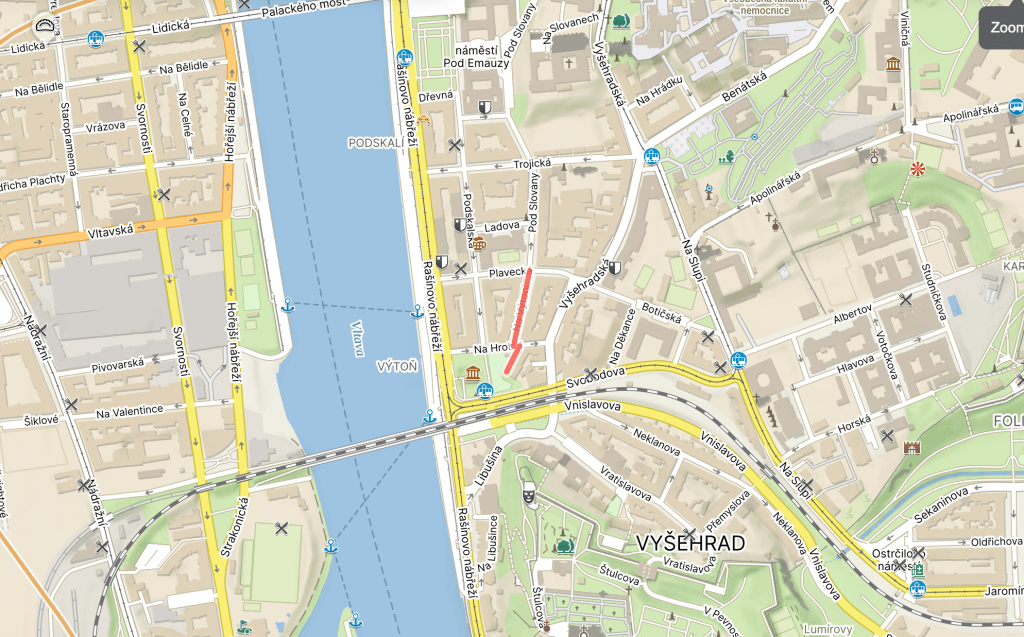
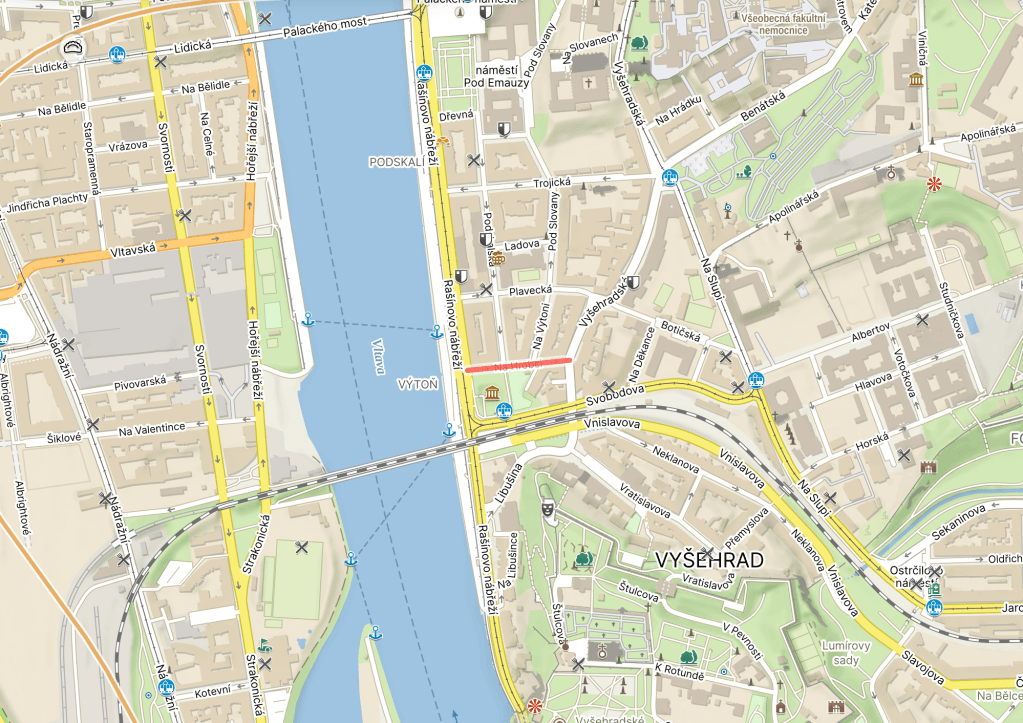
For language fans, Czech expressions involving hrob include obracet se v hrobě (to be turning in one’s), kopat si vlastní hrob (to dig one’s own) and stařec nad hrobem (‘coffin dodger’).
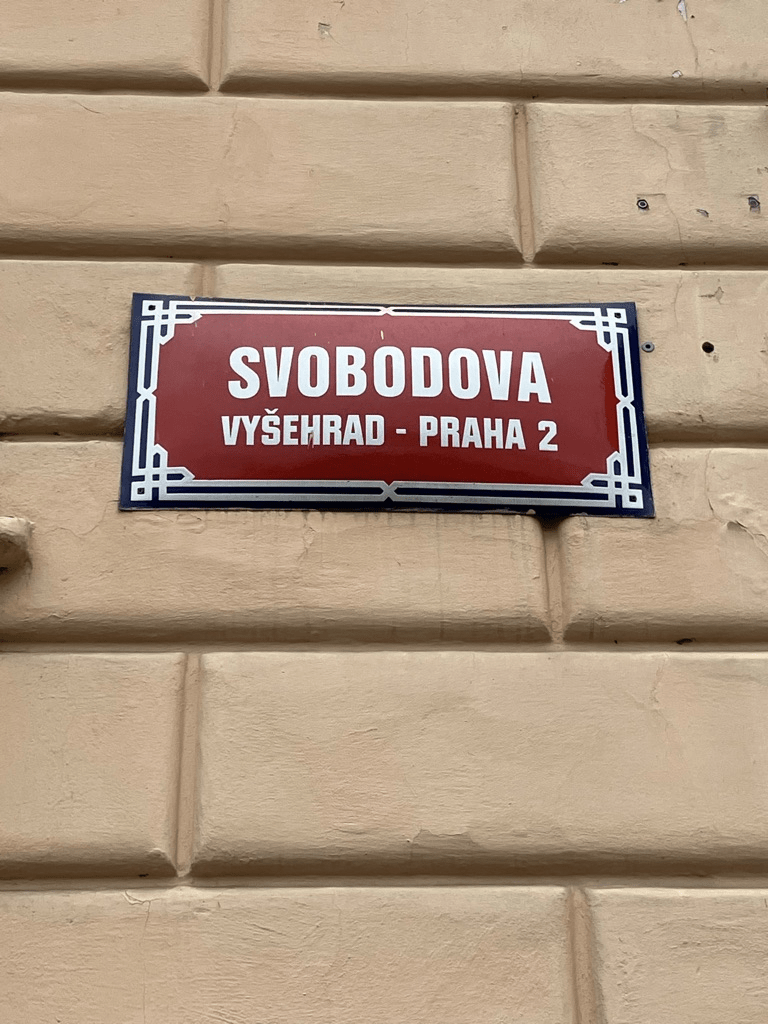
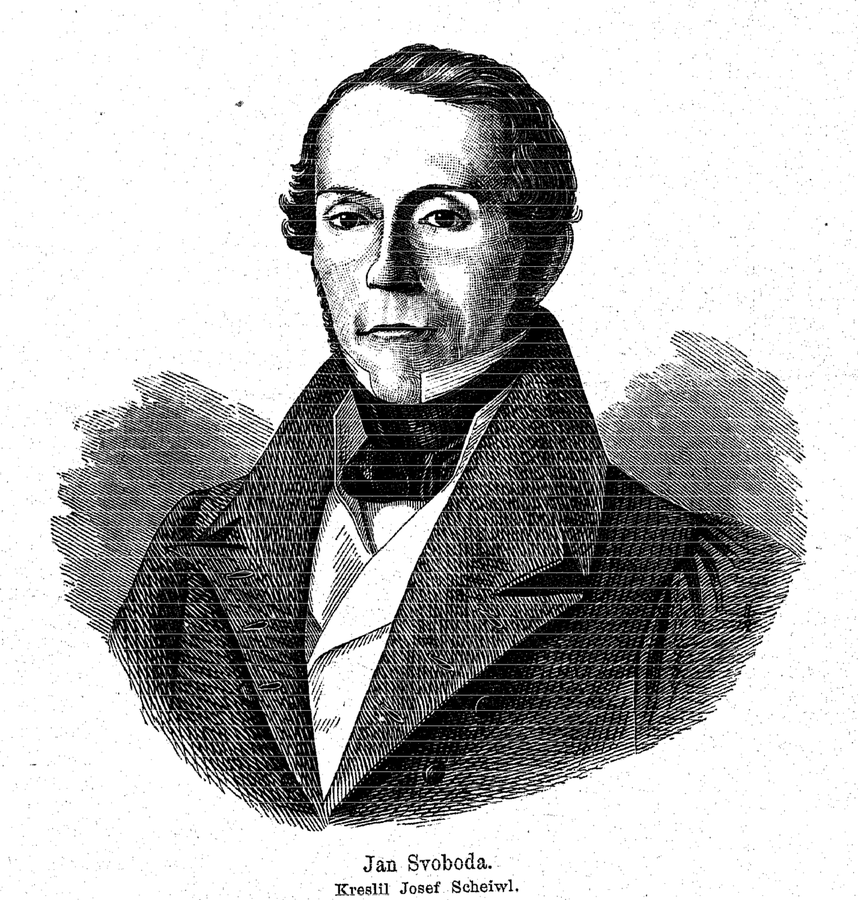
Svobodova was built in 1884. Czech Wikipedia’s disambiguation page lists 17 different Jan Svobodas. So please give me a minute.
Jan ’10 of 17’ Svoboda was born in 1800 or 1803 in Hořepník, near Pelhřimov.
He studied at the seminary in Klagenfurt, which I’m mentioning mainly because I lived near there as part of my studies exactly 20 years ago, and always find the rare occasions on which Carinthia gets mentioned quite exciting.
Moving to Prague instead of getting ordained, he taught at the Týn School. He was a good enough teacher to get sent to Germany to learn more about the education system there, with a view to setting something similar up in Bohemia.
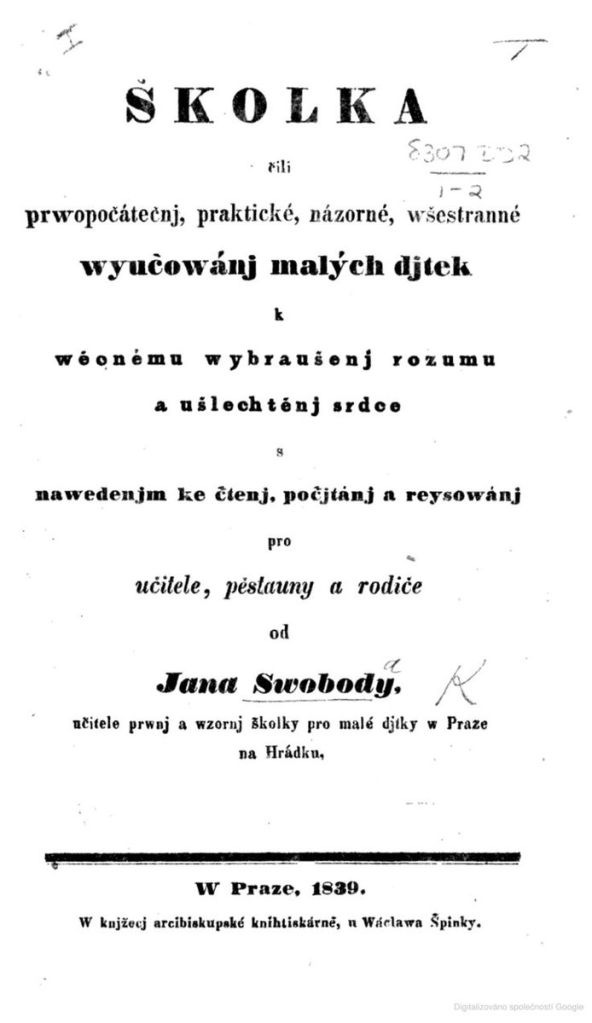
On his return, he opened a primary school on Na Hrádku (coming up) in 1832, with the educational premise being ‘mens sana in corpore sano‘ and all that. *resists temptation to sing ‘biti zdrava’ in public*
His experiment was so successful that it ended up getting put into a book.
In 1842, he moved to a teaching role at a different school, in Malá Strana, but died of tuberculosis two years later.
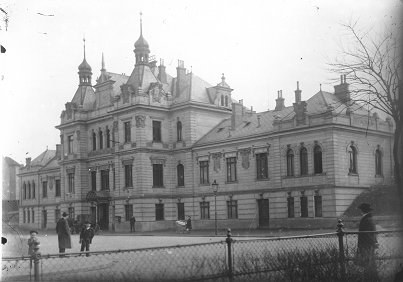
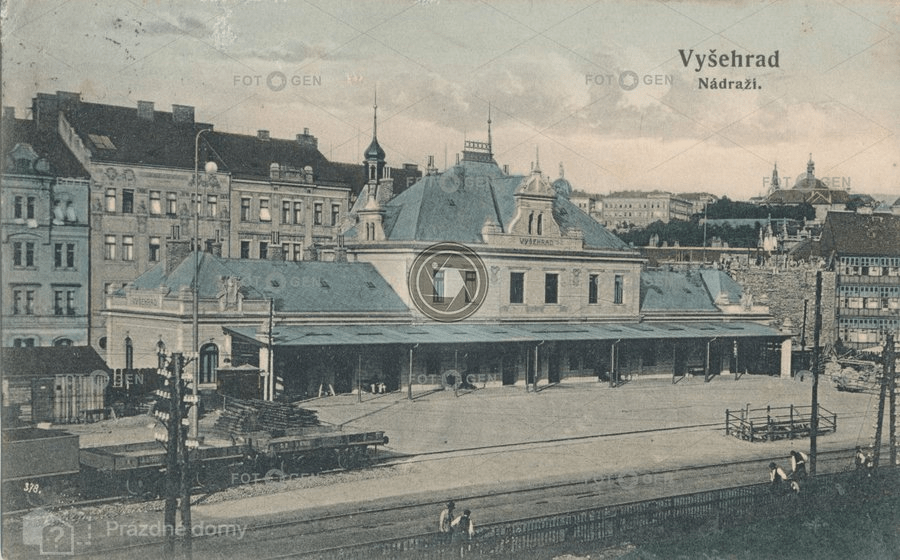
And, even though it’s not on this street, poor old Vyšehrad Train Station is appearing a lot in my news alerts lately, so let’s take a look at that.
In 1872, the Prague connecting railway was opened, linking what we now know as Hlavák (then Franz Josef Station) with Smíchov. Vyšehrad Station was opened at the time too. Vyšehrad and Smíchov, at this time, were both outside of the city limits.
The building was initially pretty basic, but, in 1904, it was replaced by a more sophisticated version. Despite 1904 not being that far back, we don’t know who the architect was, although Antonín Balšánek has been suggested.
In 1960, the station was put out of use for passengers and became a passing loop (výhybna), i.e. a place on a single line railway where trains travelling in opposite directions can pass each other.
Renovation of the building started in the 1980s, but water damage which occurred during these renovations left it in a worse state than ever. You can see some of the insides here.
In 2000 and 2001, České dráhy engaged in talks with companies that, had they worked out, could’ve seen the building turned into an art house, an antique bookshop, or a full-on cultural centre with a cinema, restaurant, gallery and bookstore.
These plans fell apart due to disputes about whether the building belonged to České drahy or to the Railway Administration (SŽDC). In 2007, Prague 2 also offered to build a cultural centre here, but, again this (clearly) didn’t happen.
My main memories of the station from that year – my first stint of living in Prague – were ‘that looks really neglected’ and ‘sh*t, why do I always take this tram by accident after drinking too much’.
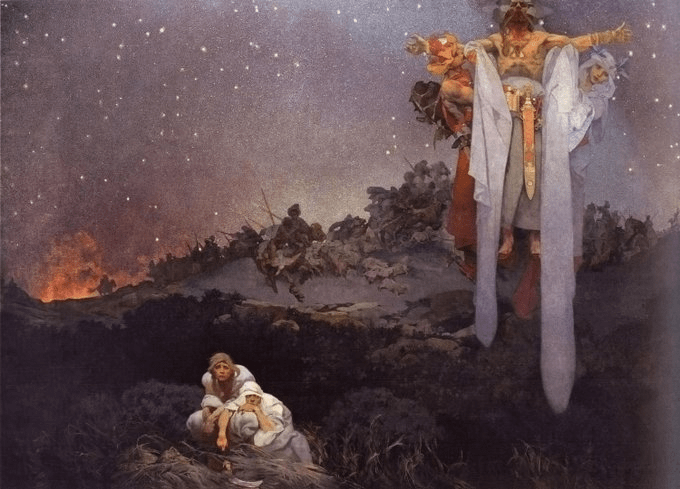
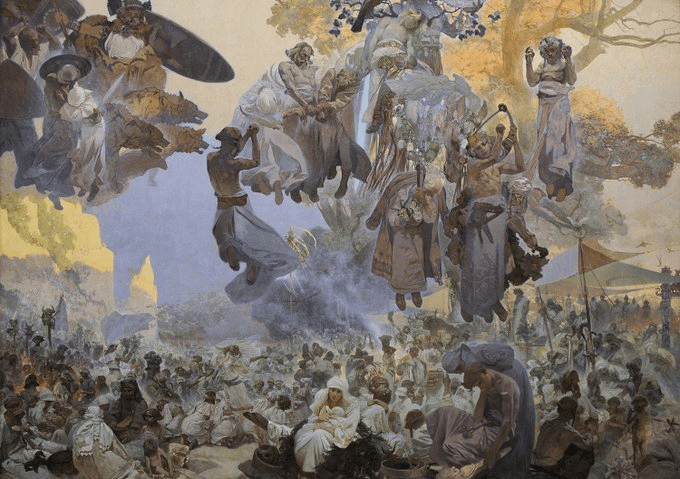
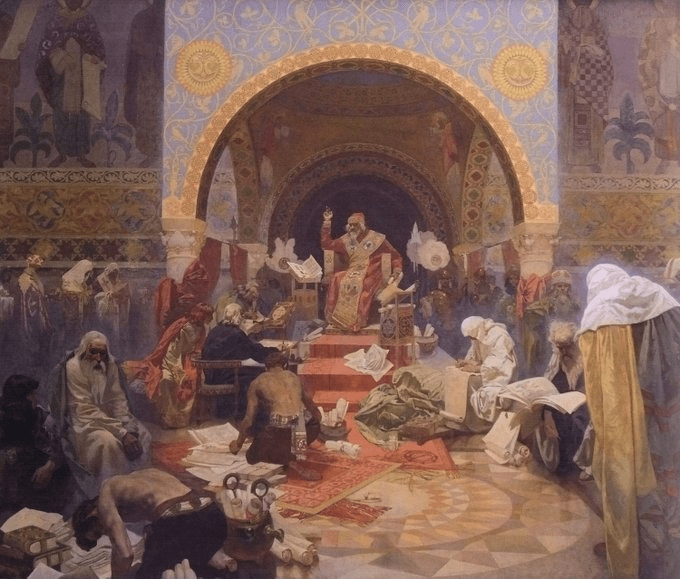
Prague 2 is interested in purchasing the building so that it can host the Slavic Epic by Alfons Mucha, but it seems that they don’t have the resources to do so without a good bit of help from the City of Prague itself.
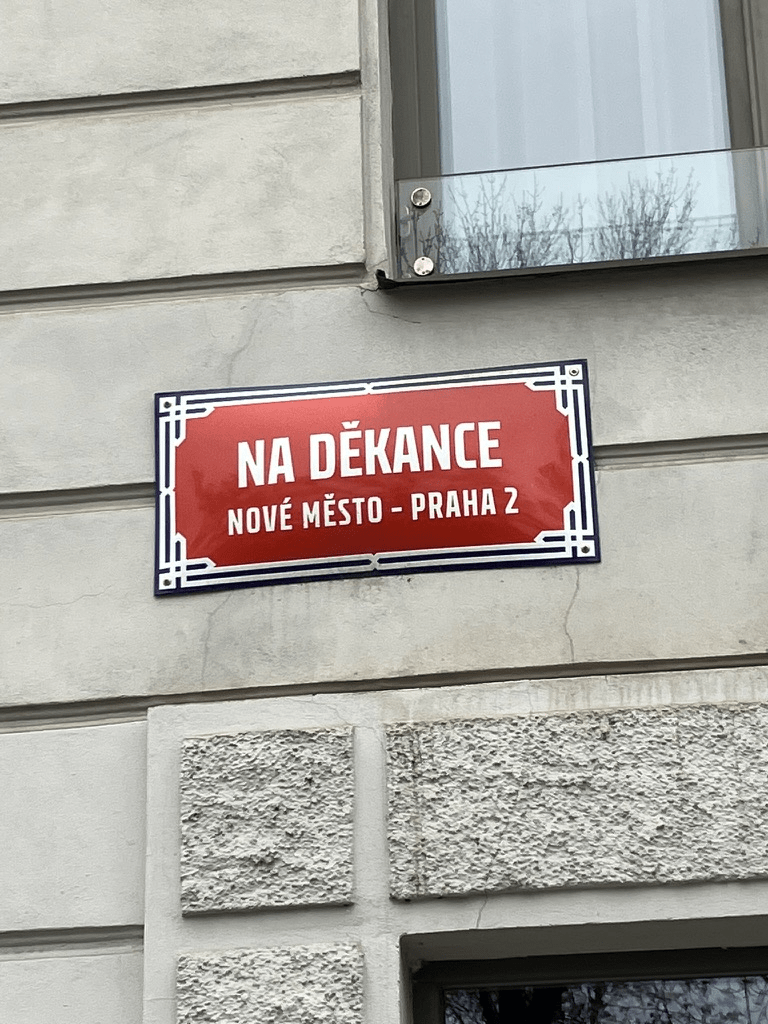
The land on this street was owned by the Vyšehrad deanery, i.e. the děkanství. In 1885, a school called Na Děkance was opened here.
There had been two local schools – Vyšehrad School (Vyšehradská) and the Castle School (Hrádecká), but, in both cases, their buildings were insufficient to give kids a proper education.
Therefore, the decision was made to close both schools, and send their pupils to a brand new one, nearby and with more space and better facilities.
Its main entrance in on Botičská, though, and its name has changed accordingly, to Základní Škola Botičská. It’s a primary school, but there’s a Gymnasium on the street too.
If I’ve read a slightly ambiguous sentence on Wikipedia correctly, the most famous person to have attended the primary school was Jiří Payne, an ODS politician who then moved over to the Svobodní party and has been an advisor to Václav Klaus. Bet they loved him in Brussels.
For those who wish this series were a bit more Prague 4 (approx start date: 2025; platform: probably not this one the way things are going), Park Na Děkance is also one of the alternative names for the the central park in Pankrác.
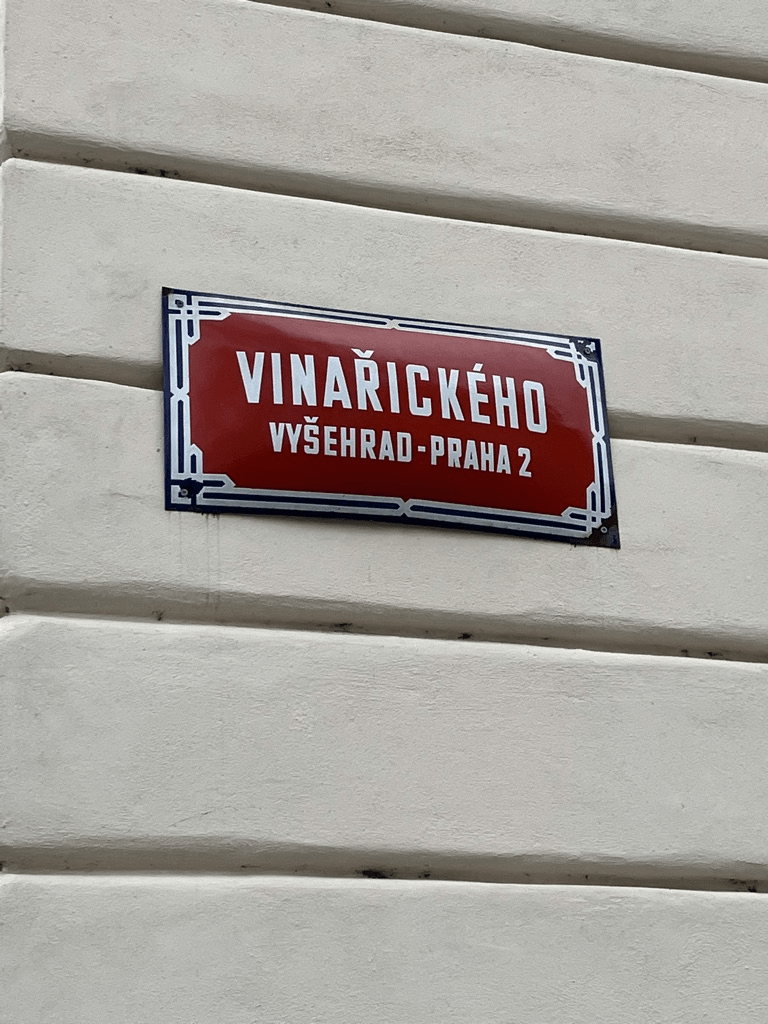
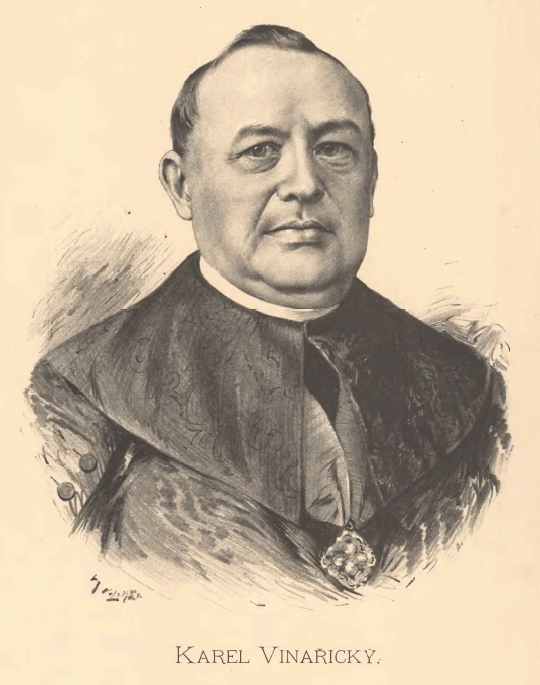
Karel Alois Vinařický, despite his surname, was born into a German-speaking family in Slaný in 1803. It wasn’t until his teens that he started to take an active interest in the Czech language and the national movement.
After studying philosophy in Prague, he entered a seminary and started to write. He also found work a a tutor to the Šlik family, one of the most important noble families in Bohemia.
In 1828, he co-founded the Journal for the Catholic Clergy (ČKD); a year later, he became master of ceremonies to the Archbishop of Prague, Václav Leopold Chlumčanský.
In 1833, he became a priest in Kováň, a village about ten kilometres from Mladá Boleslav; in 1848, he would be elected to the Reichstag in Vienna, representing the Mladá Boleslav district.
It was during his time in Kováň that he wrote his most famous works, including Varito a lyra, a patriotic collection of poems.
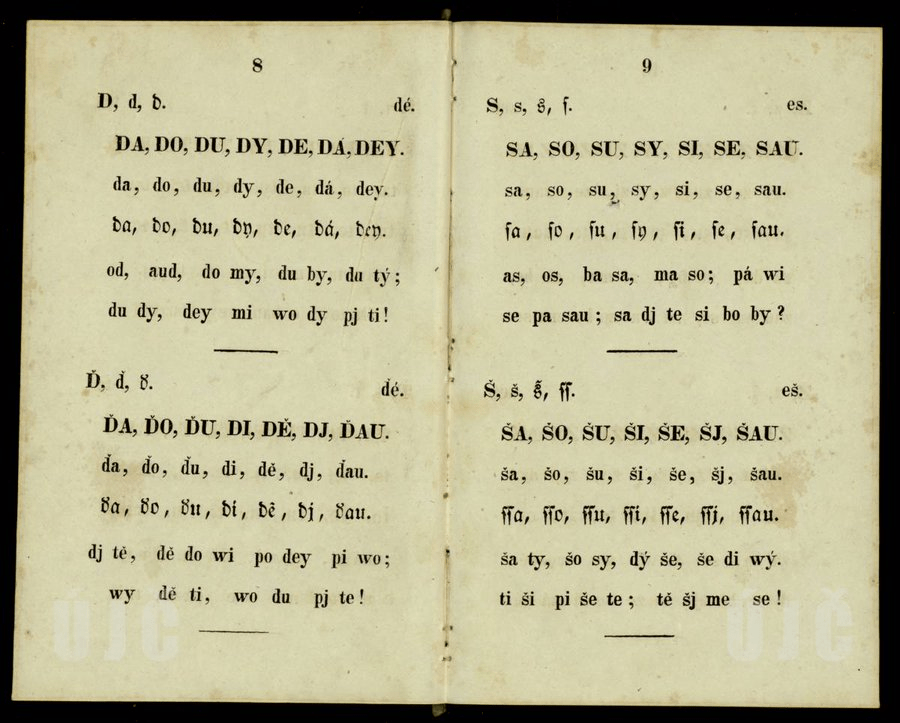
He was also known for his poems aimed at children, as well as school textbooks such as Abeceda česká (1838).
In 1859, he became canon of the Vyšehrad chapter – hence the location of the street – and, shortly afterwards, co-founded Dědictví sv. Prokop, an association that promoted theological writings in Czech.
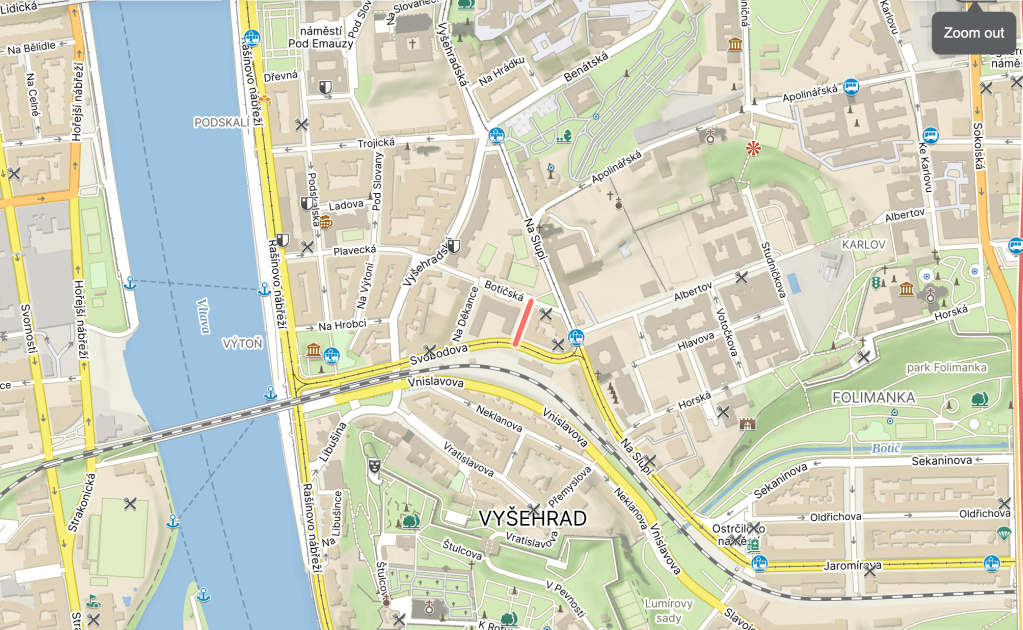
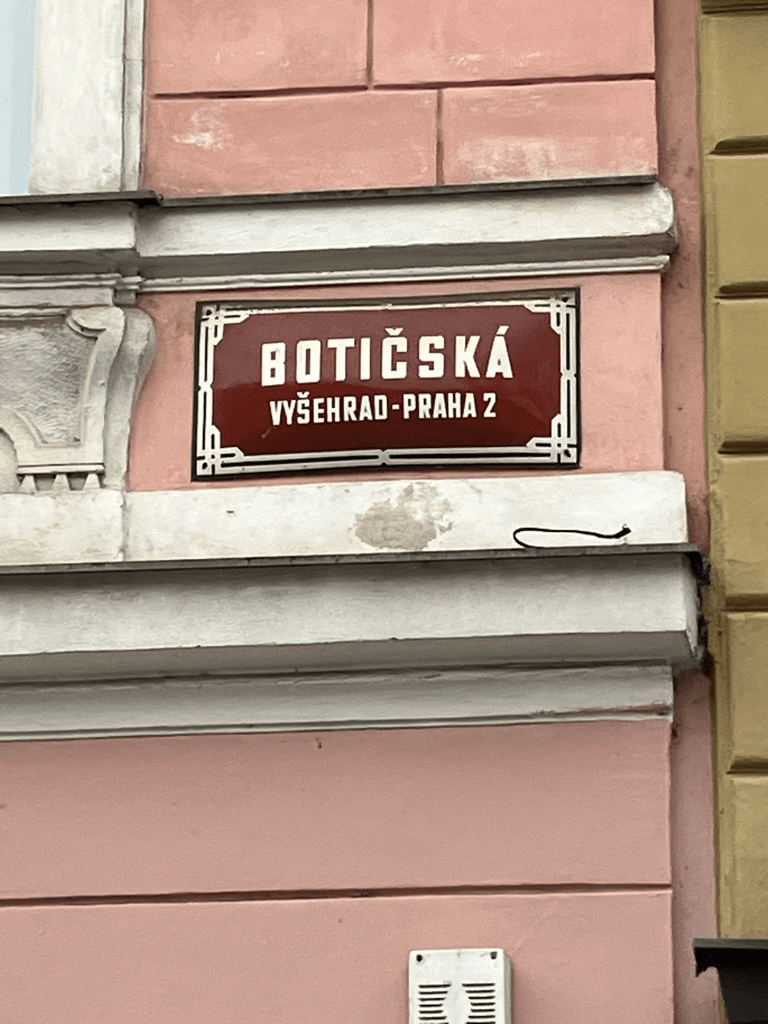
Botičská was built (as a path) around the 16th century.
For a time in the 19th century, until 1850, this was called Špitálská, after St. Bartholomew’s Hospital and Almshouse (Špitál a chudobinec svatého Bartoloměje), which was closed in 1884. The building that’s on this spot now is used by the Ministry of Justice.
The Botič, meanwhile, is a tributary of the Vltava which flows along here, along part of its length of 34.5 kilometres. Its name appears to derive from botění, which means ‘gaining volume’, in other words, flooding.
Places where you’re most likely to have seen the stream before include Průhonice chateau park, Záběhlice and the Hostivař reservoir, where the stream is dammed up. It also flows behind the Bohemians 1905 Prague stadium and around the station at Vršovice.
In the Prague floods of 2002, the Botič had its highest levels in 25 years, which was particularly unappreciated by those in Záběhlice and Hostivař at the time.
The Botič is actually the stream rushing through the meadows (voda hučí po lučinách) that forms the second line of Kde domov můj, the Czech national anthem.
It’s also given its name to a small park by the street, Parčík Botičská, and if parčík doesn’t make your Sunday morning a little bit brighter, then I can’t help you.
One odd quirk is that, while the official pronunciation is ‘Botič’, you will hear quite a few locals go for ‘Botyč’ instead.
Until 1867, the street was called Horní Hradební, due to its location in the upper part of Novoměstské hradby, i.e. the New Town Walls.
From 1978 to 1990, the street was called Vítězný únor (Victorious February), after the Communist coup d’état of 21 to 25 February.
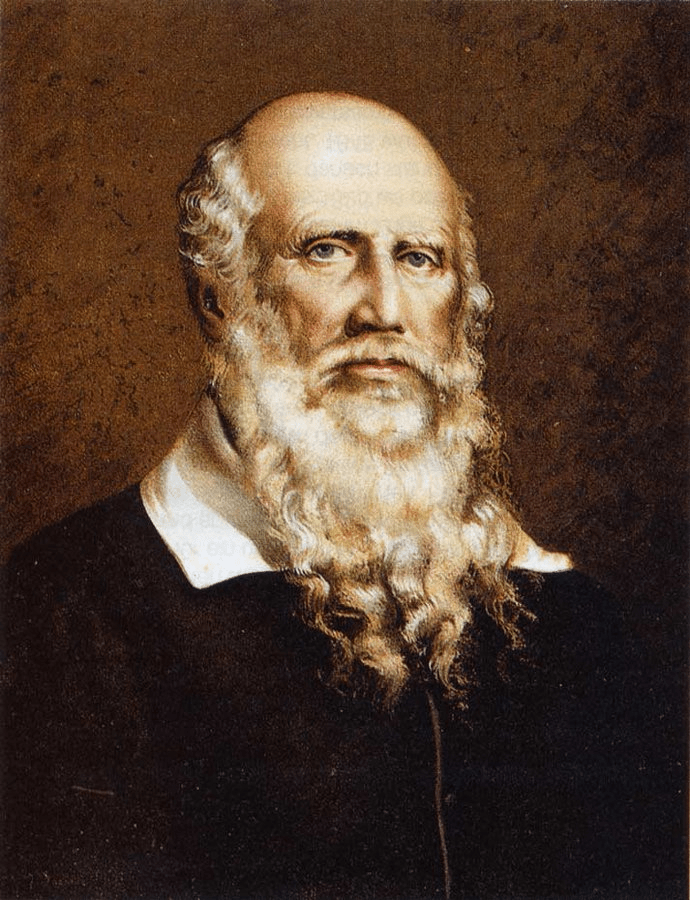
In 1816, Friedrich Ludwig Jahn, a Prussian gymnastics educator, wrote Die deutsche Turnkunst (‘The German Art of Gymnastics’).
His idea was that, if people participated in gymnastics associations, they would feel more confident, more patriotic and more inclined to fight for their fatherland (which, in his case, was obviously divided into several separate states at the time).
The idea caught on, including in Bohemia, Moravia and Silesia, as did the nickname of ‘Turnvater Jahn’ (which sounds like it should be followed by ‘and the Smurfs’ to me, but there you go).
In 1861, one Miroslav Tyrš, while in discussions about the formation of a German-Czech gymnastics club, got annoyed at a potential backer saying they would only finance it if it were to be a German organisation.
Therefore, in 1862, the two groups formed their own associations: the Deutscher Prager Turnverein and the Prager Turnverein (auf Deutsch but distinctly tschechisch). It seems that the two groupings continued to maintain good relations, though.
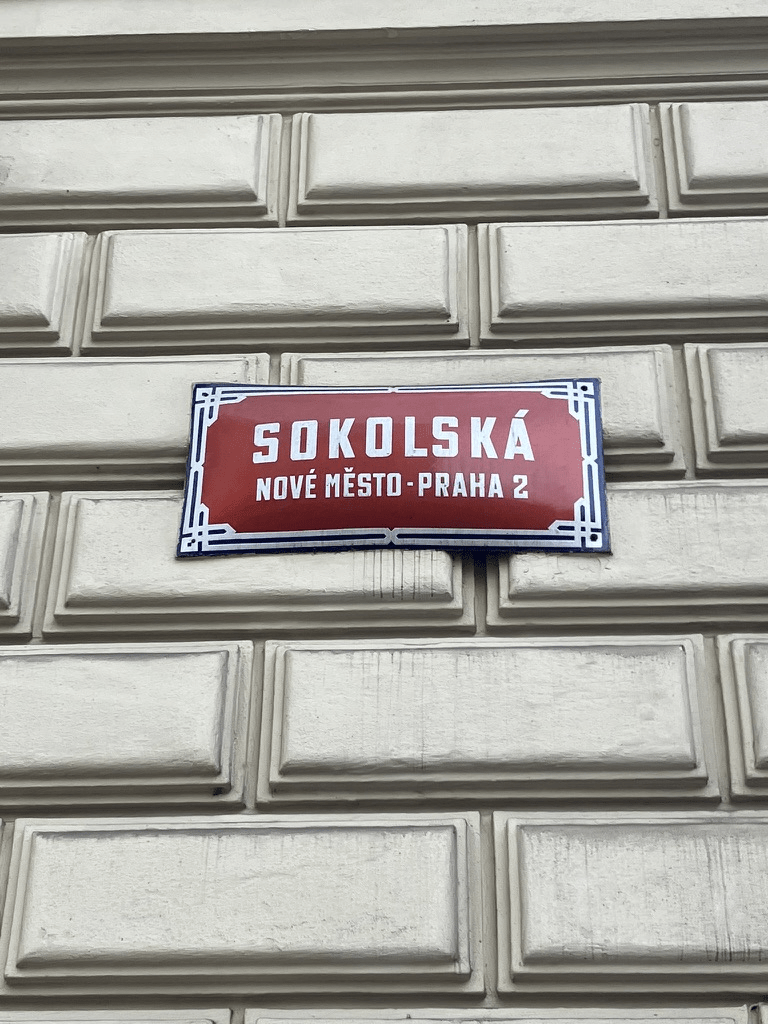
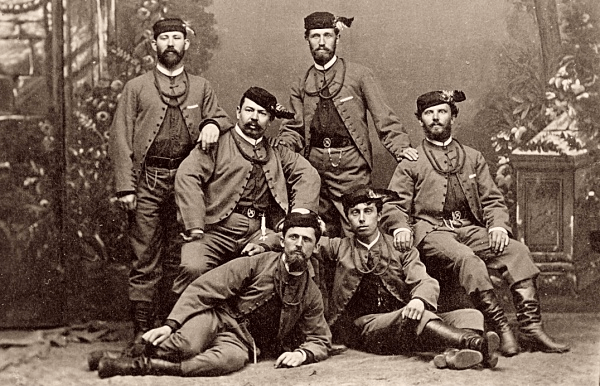
Two years later, the latter became known as ‘Pražská tělocvičná jednota Sokol’ (Prague Gym Union Sokol), a sokol being a falcon. From 1870, members would also be known as sokolové.
Other founders and committee members included influential promoters of the Czech cause such as Count Rudolf Thurn-Taxis, and brothers Julius and Eduard Grégr, co-founders of the Young Czech Party.
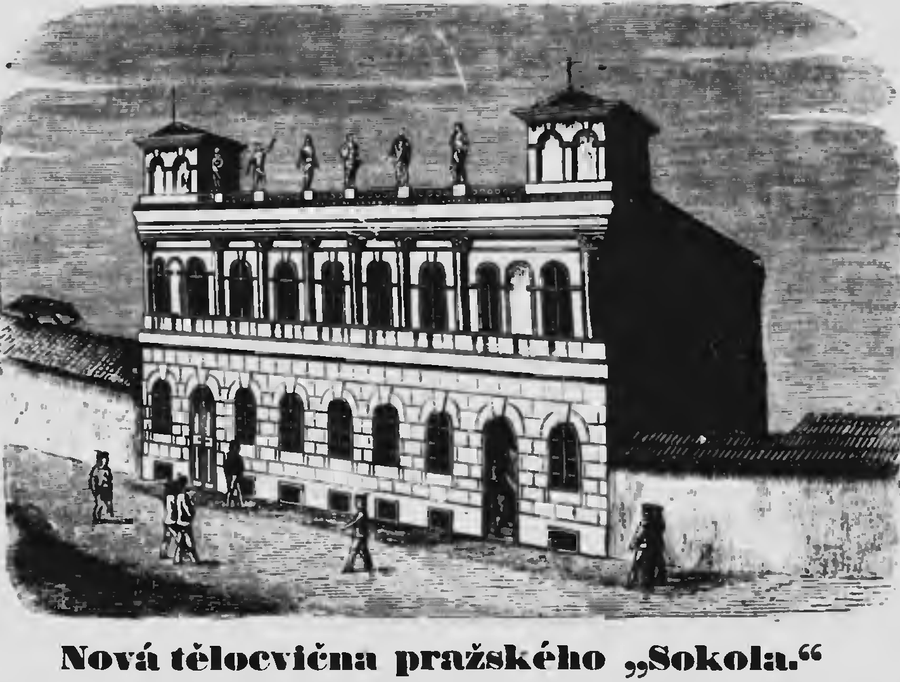
In 1863, Fügner purchased a plot of land on what is now Sokolská; a gymnasium was opened here in December 1863, at number 1437.
By 1865, Sokol associations had almost 2,000 members; the following year, following the Austro-Prussian War, Tyrš managed to add military training to their activities.
In 1868, firefighting activities were added to the list of activities, although this was discontinued in 1882.
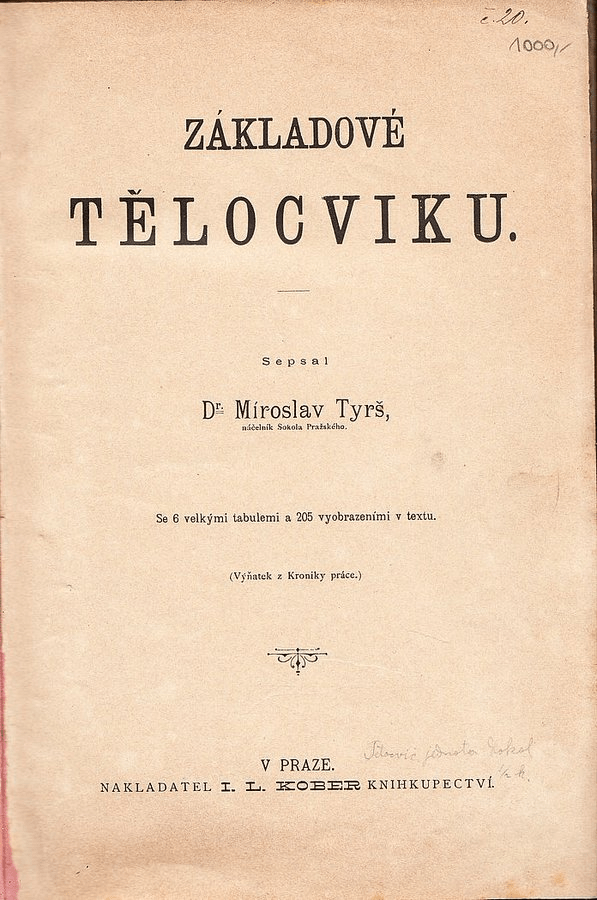
In 1873, Tyrš published Základové tělocviku (The Basics of Gymnastics), which set out the Sokol system – and determined Czech names for the exercises practised.
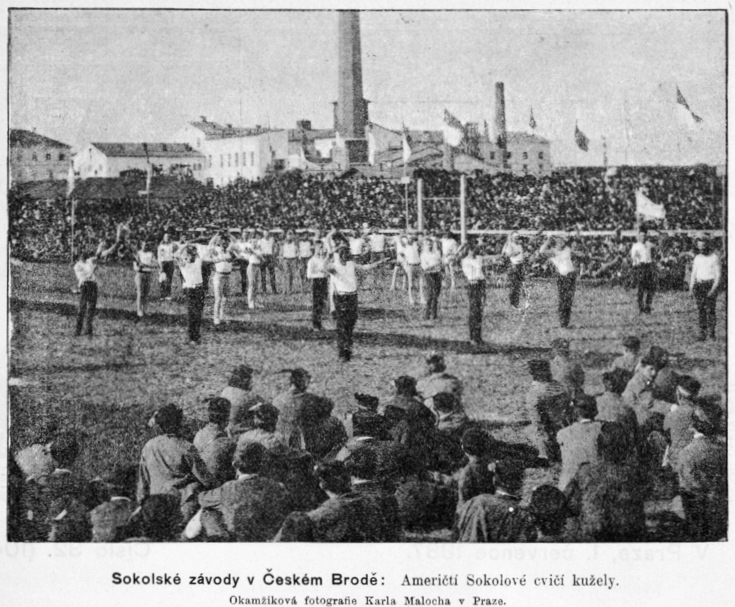
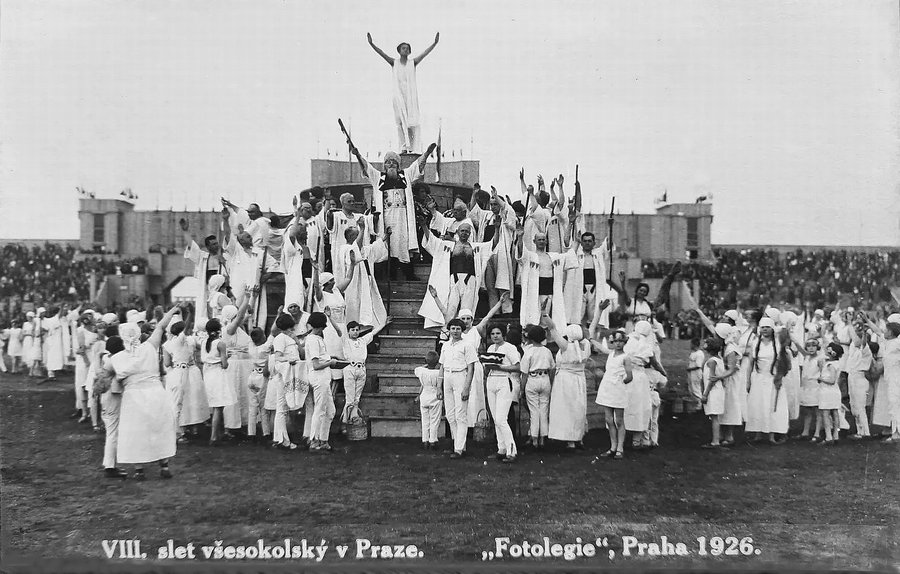
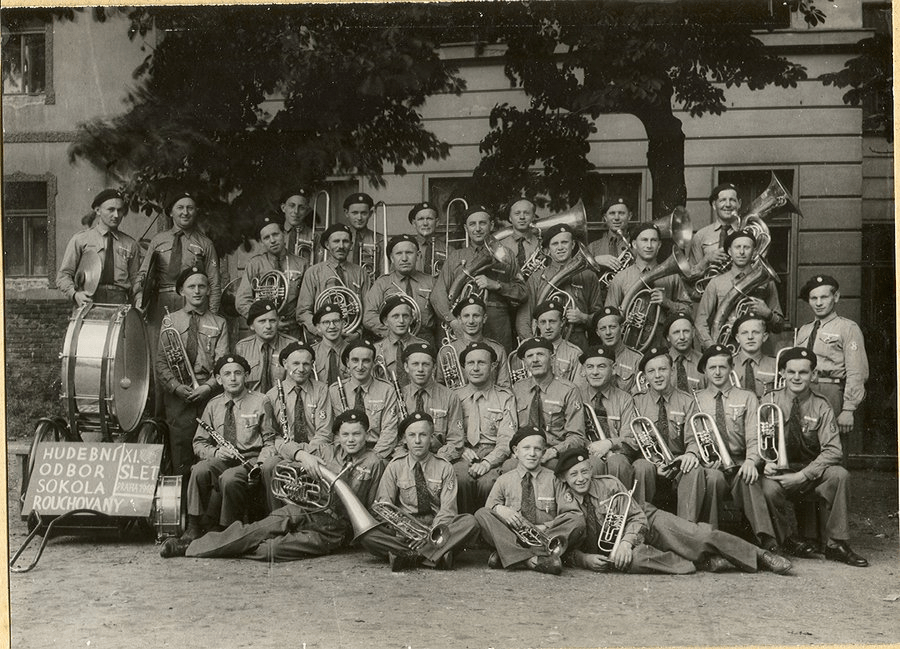
In 1882, the Sokols held their first slet (mass games – a slet is a flock of birds) on Střelecký ostrov. A further five would be held before the outbreak of WW1 (the pic is from the 1887 edition).
The decade would also see the Prague Sokol going to Paris to take part in the French Physical Education Festival in 1898, which definitely gained the attention of the Habsburgs – but also of French politicians, with whom the Czechs would start to set up useful alliances.
Multiple visits to other key locations ensued, including Ljubljana (1888 and 1904), L’viv (1892 and 1903), Wrocław (1894), Hamburg (1898), Nuremberg (1903), Frankfurt (1908) and Leipzig (1913).
Sokols started to be founded elsewhere: for example in Sofia (1879), Belgrade (1891), Berlin (1893), Tbilisi (1898) and London (1903). The United States also had 13 Sokol associations by 1878.
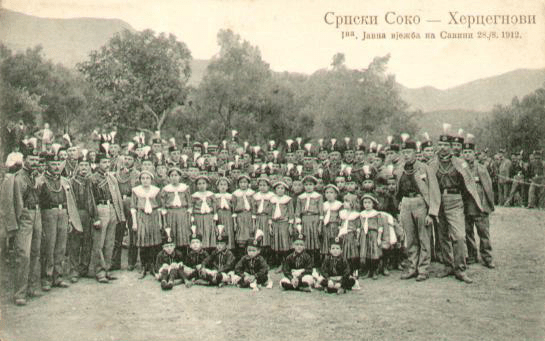
The picture below is of a Serbian Sokol unit in Herceg Novi, now Montenegro.
Meanwhile, slets held in the 1900s would have an increasingly pro-Slavic focus, with the 1912 edition even being named the Všeslovanský (Pan-Slavic) slet.
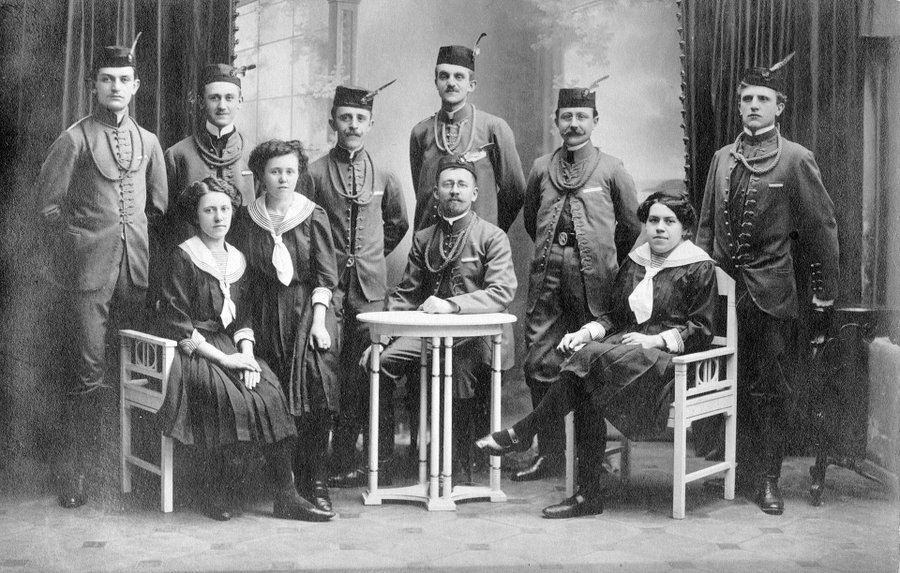
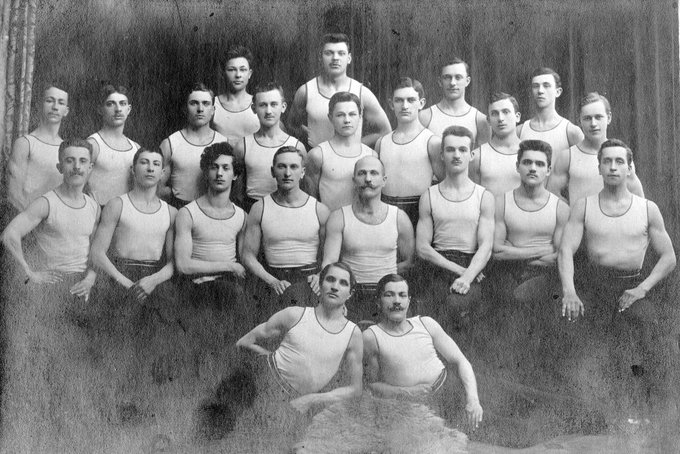
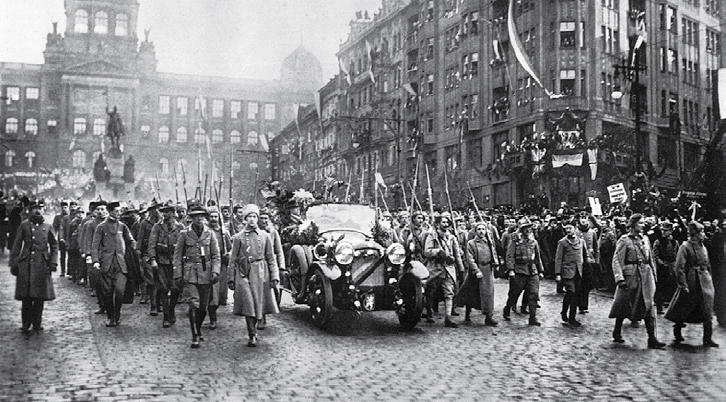
(pics not specifically of slets, but included because they’re great pics)
While the Sokols were officially disbanded in 1915, their members played a key role in the Czechoslovak Legion in World War One, for example forming part of the military group Nazdar, which became part of the French (Moroccan) Foreign Legion.
After WW1 – and after its members helped to defend the Czechoslovak border with Poland in 1919 – the association became bigger than ever. Sokolovny became proper cultural centres, including restaurants, cinemas and theatres.
Sokol became a member of the Czechoslovak Olympic Committee in 1919, and the Sokol team participated in the Olympics in Antwerp – the first to include a Czechoslovak team – in 1920. In Paris 1924, they would win nine medals.
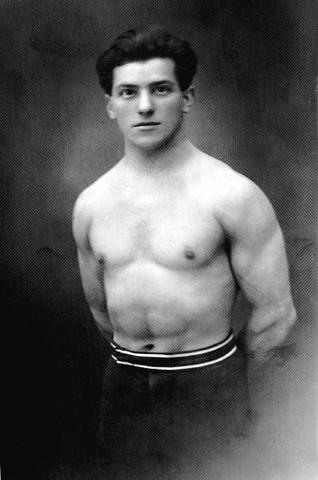
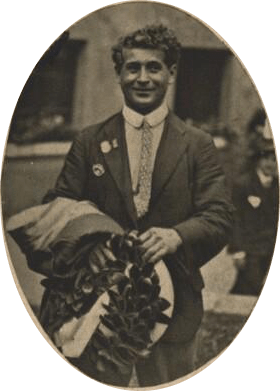
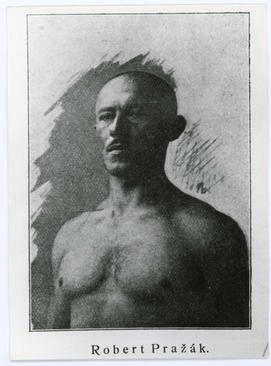
Pics are of Sokol members Bedřich Šupčík (gold medal in rope-climbing, 1924), Ladislav Vácha (bronze medal in rope climbing and rings, 1924; gold medal in parallel bars, 1928) and Robert Pražák (three silver medals in gymnastics, 1924).
Inevitably, after 1938, the movement was suppressed by the Nazis. Gymnasiums were banned in October 1939, and the movement’s activities were banned entirely in April 1941.
In October of the same year, Operation Sokol involved the arrest of 1,500 Sokols, many of whom were sent to Terezín and Auschwitz. The Nazis collected all the association’s membership fees and equipment for themselves.
After the Prague Uprising – in which over 500 of its members died – Sokol was revived (pic is from the 1948 slet), but the Communists ultimately suppressed the free-thinking organisation in favour of the Czechoslovak Union of Physical Education and, of course, Spartakiády.
The organisation would not be revived again until 1990. There are now about 180,000 members, and the next slet, if you’re interested, will be happening in 2024: https://sokol.eu/projekt/slet
Such a broad topic, this. So much that I’ve had to miss out before this thread takes up the entire internet. Feel free to add your own thoughts and anecdotes below!
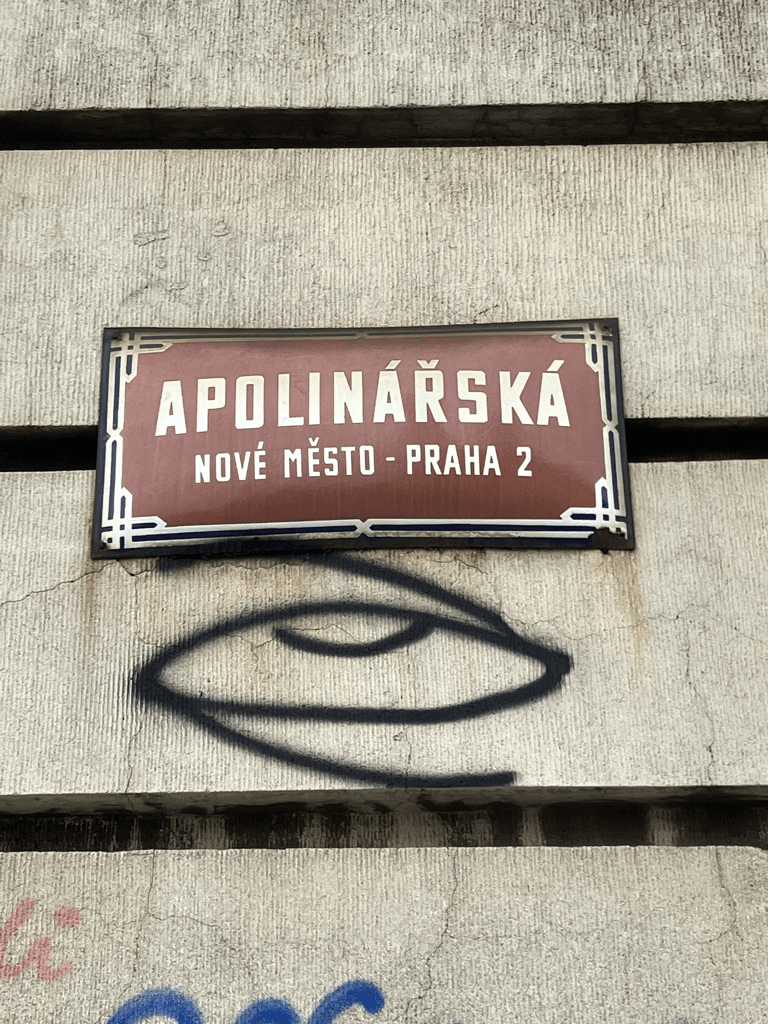
We don’t know exactly Apolinářská was built, but it could date back as far as the early 1300s.
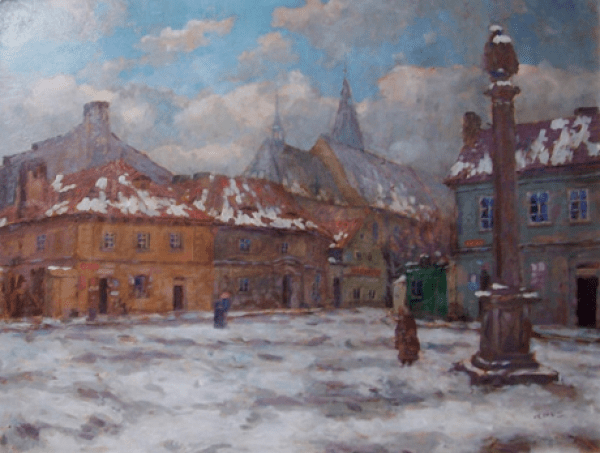
Until about 1860, the street was known as Věterná hora, Větrov nebo Na Větrově, after the local hill, Větrov, so called because it was known for getting pretty windy here.
Apolinář is Saint Apollinaris of Ravenna, patron saint of Emilia-Romagna, Aachen, Düsseldorf, Ravenna (obvs), as well as epilepsy and gout.
In 1348, Větrov was annexed to Karlov and therefore became part of Prague’s New Town.
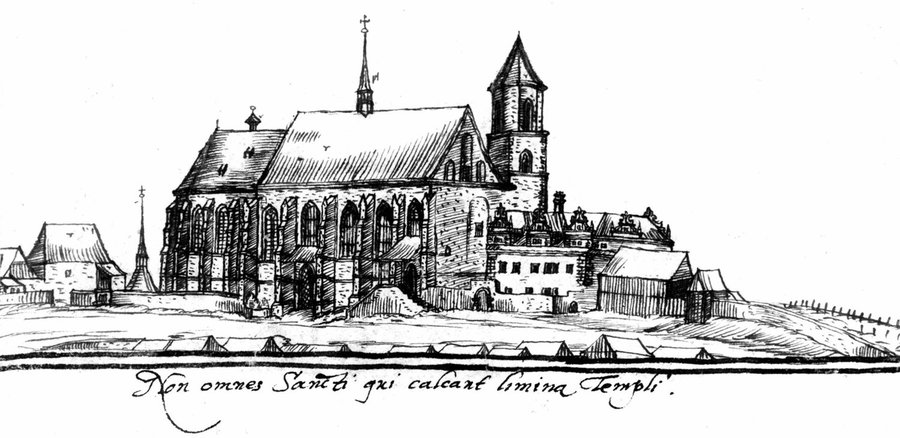
In 1362, Karel IV founded a church dedicated to Apollinaris here. Construction, based on the design of the 6th-century Basilica of Sant’Apollinare Nuovo in Ravenna, was completed by 1390.
There was also a school next to the church – this is the place where Václav IV spent the last full day of his life in 1419 (he would die while hunting in the woods in Kunratice the next day).
The church’s chapter left in 1420, apart from one member, who was a Hussite – and this was presumably the one thing that stopped the Hussites from destroying the church. It was used by the Utraquists until 1503.
After suffering considerable damage in a gale in 1670, the church was repaired in baroque style the following year.
It suffered yet again in 1757, when the Prussians occupied it and set up an armoury here. By 1768, the church had not only been repaired, but also gained a new organ with a sculpture of St Wenceslas.
In 1789, a public maternity hospital was opened in the former canon house; women could give birth here in anonymity, and also leave their babies here if they were unable to raise them themselves.
The hospital would function until 1867, when U Apolináře – also on this street – took its place: https://apolinar.eu/en/
Apolinářská is also the former home of Jedová chýše (‘Poison Hut’), a pub which existed all the way from the Middle Ages until 1933.
Legend has it that Václav IV would pop in here, in disguise, for a drink or twenty, and once recognised two men who had tried to poison him in Vienna.
Václav just happened to be accompanied by an executioner, who just happened to have poison on him, and put this into both the guys’ wine. They died. And the pub got its name.
Somehow, the fact that they were drinking wine seems like the most far-fetched part of this story.
In the 19th century, the pub became a favourite with the Germans of Prague, with their ‘drunken raids and mischief coupled with wild orgies’.
The pub was a filming location in the 1926 film version of The Good Soldier Švejk. Sadly, only part of the film survives and I couldn’t find any pub scenes when I searched just now.
Eduard Albert was born in Žamberk in 1841, and studied medicine in Vienna, graduating in 1867. Six years later, he became head of the surgical clinic in Innsbruck.
In 1881, he applied for a similar position in Prague, but was turned down. He had more success later in the year, when he became head of the First Surgical Clinic in Vienna. He stayed in the role until 1900.
He also ran a private clinic, tending to various Habsburgs but also to F. L. Rieger and Karl Kramář, all while being a pro-Czech member of the Reichstag.
Among his other pro-Czech activities included patriotic gatherings at his villa in Žamberk, a friendship with Tomáš Garrigue Masaryk, and participation (and, ultimately, side-switching) in the rows about the Zelenohorský Manuscript (https://whatsinapraguestreetname.com/2024/08/22/prague-2-day-91-lumirova/).
Albert died at his villa in 1900, but is buried in Vienna. The villa now hosts this plaque.
Meanwhile, Albertov is the location of Charles University’s Science and Medicine Faculties.
On the afternoon of Friday, 17 November 1989, hundreds and later thousands of people gathered at Albertov for a demonstration commemorating the same day sixty years earlier, when the Nazis closed the Czech universities and murdered student protestor Jan Opletal.
Footage of the demonstration is here.
The demonstrators decided to march to nearby Vyšehrad, to the grave of Karel Hynek Mácha.
While the demo was officially over by early evening, the crowd decided to march to the centre of Prague. Nine days later, Communist rule in Czechoslovakia would be over.
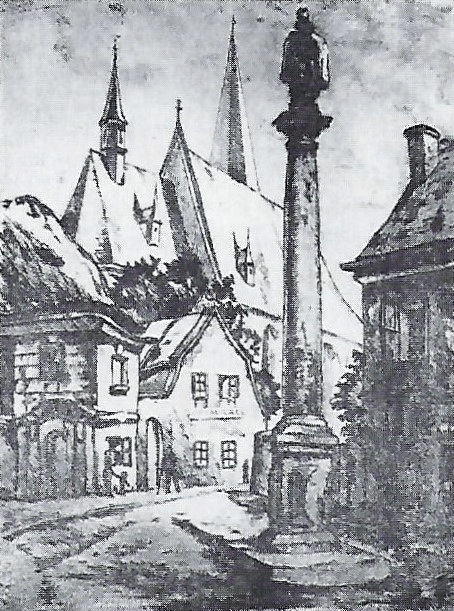
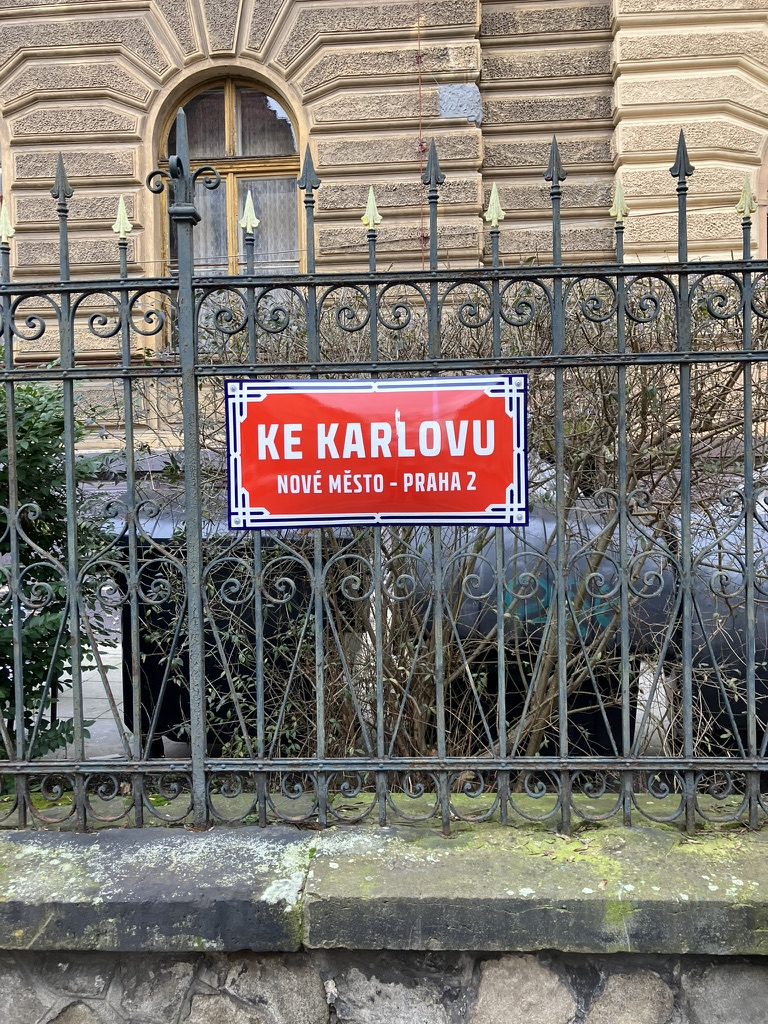
One of the most famous buildings associated with Ke Karlovu is also one that you won’t see if you walk down there today: the Czech Children’s Hospital.
Opened in 1902, it had originally been commissioned because the capacity of the children’s hospital located nearby on the corner of Viničná and Benátská (and opened in 1888) was insufficient.
It consisted of six pavilions, and initially had a capacity of 270 beds. It was also quite badly damaged during the Prague Uprising in 1945 (this depiction obviously predates that).
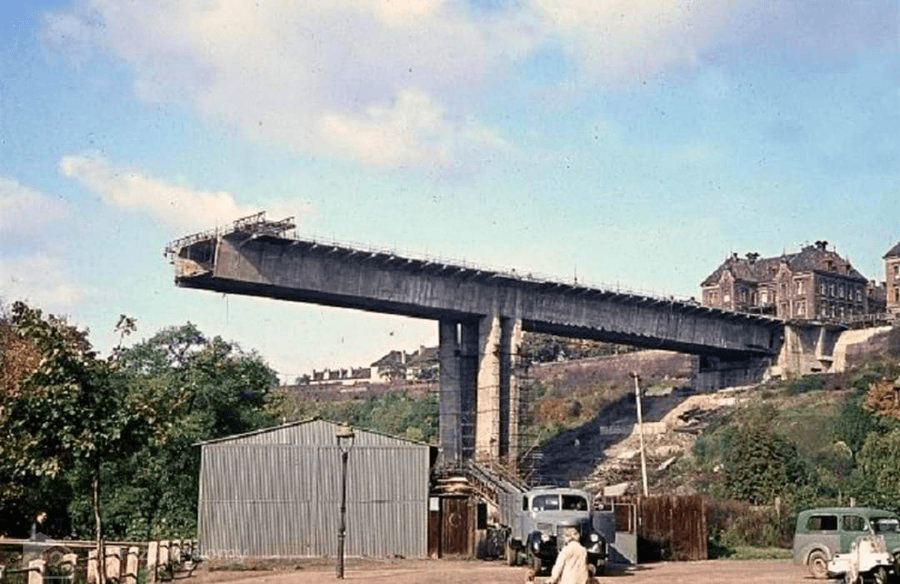
There’s a great picture on the Facebook page Ošklivá architektura (Ugly architecture), showing a point at which the bridge wasn’t completed, and the hospital wasn’t gone forever.
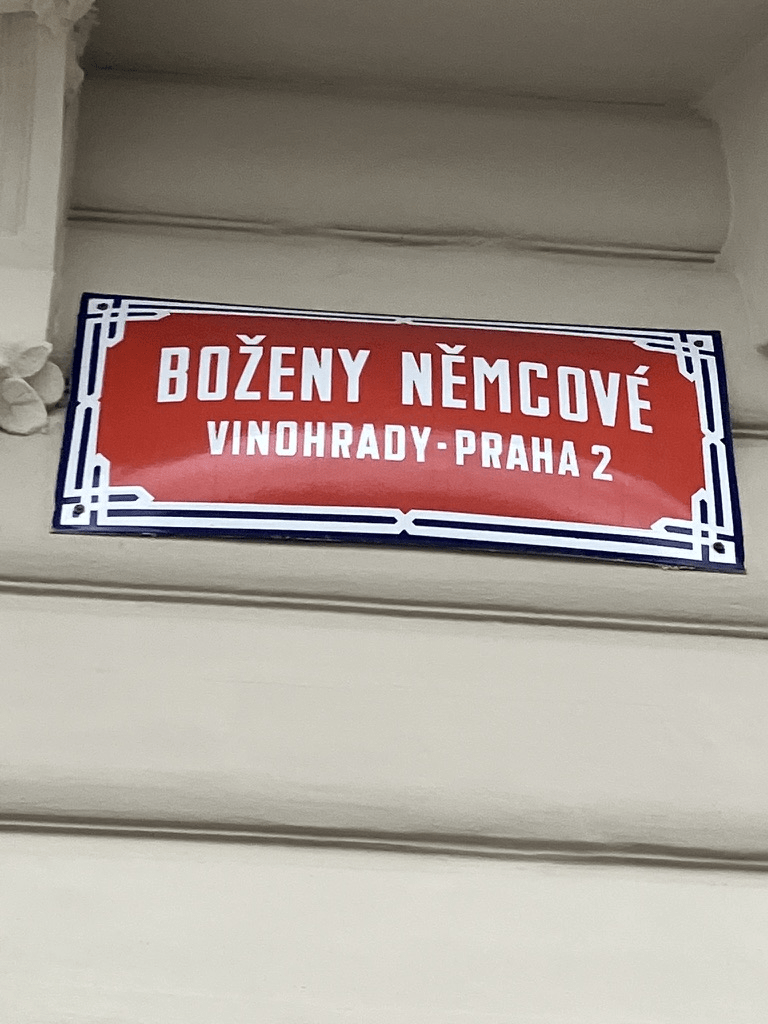
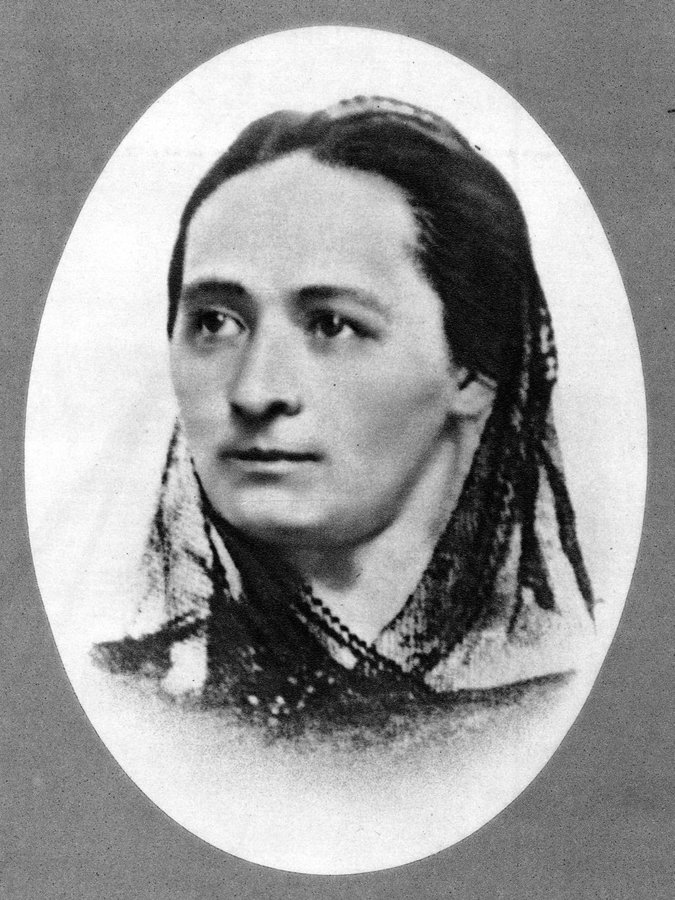
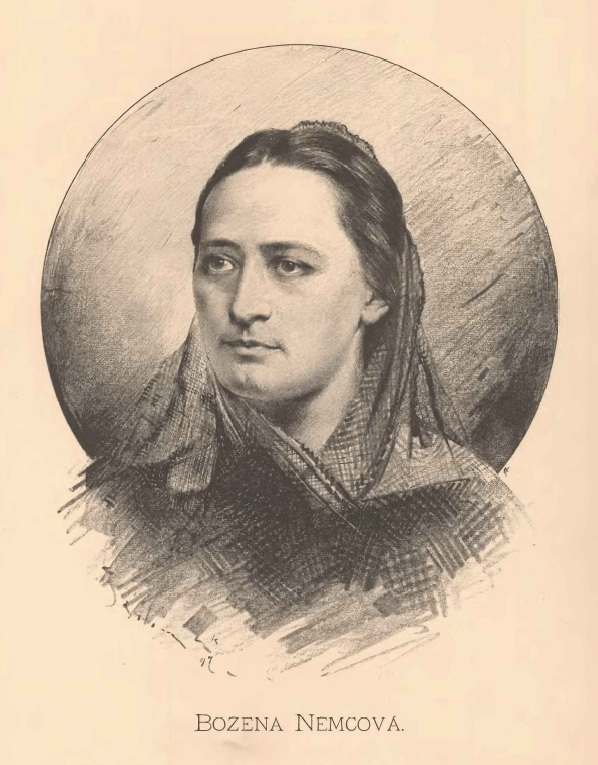
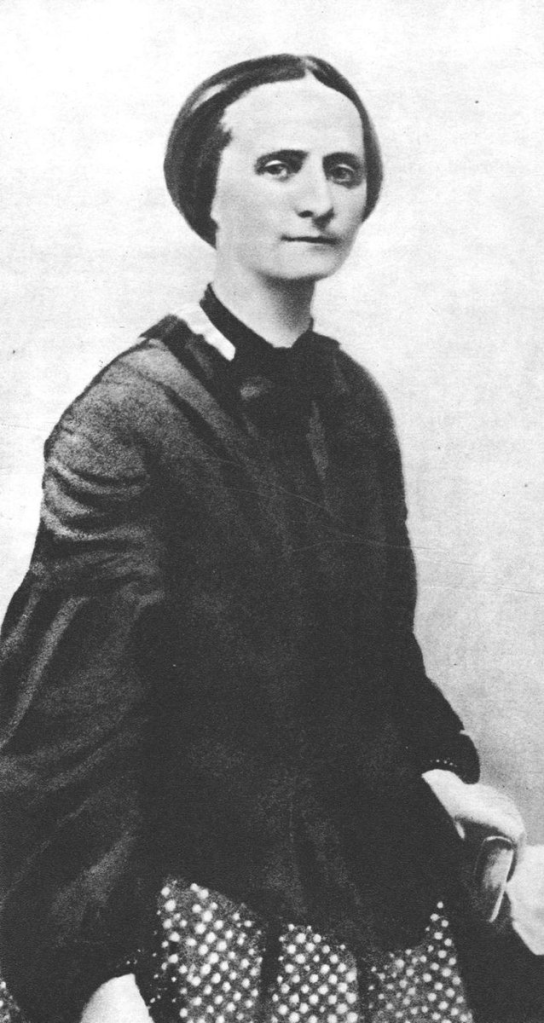
The most common story is that Božena Němcová was born as Barbara Nowotny in Vienna in 1820, to an unmarried mother called Theresia Nowotná.
When Barbara was a few months old, Theresia married an Austrian coachman, Johann Pankl, in Malá Skalice. It’s highly possible that Johann was Barbara’s father, but, again, we don’t know for certain.
The family moved to an estate at Ratibořice, where Johann worked as a porter, and Theresia worked as a laundress; Theresia’s mother (Barbara’s grandmother), Marie Magdalena Novotná, also moved in for a while. She’d be… something of an influence.
Barbara started school in 1824 – a strong argument that she actually wasn’t born as late as 1820 (1816 and 1818 have been suggested). When she was 17, her parents forced her into an arranged marriage to Josef Němec, a customs officer who was fifteen years her senior.
They had four children, but the marriage wasn’t the happiest – the family kept having to move because Němec was a Czech patriot, and loud about it, so his employer kept transferring him to keep him out of trouble.
In 1840, Barbara befriended a doctor, Josef Čejka, who introduced her to Czech writers.
When the family moved to Prague in 1842, Němcová improved her Czech (she had mainly been educated in German), adopted a seriously Czech first name, and started to write poetry of her own.
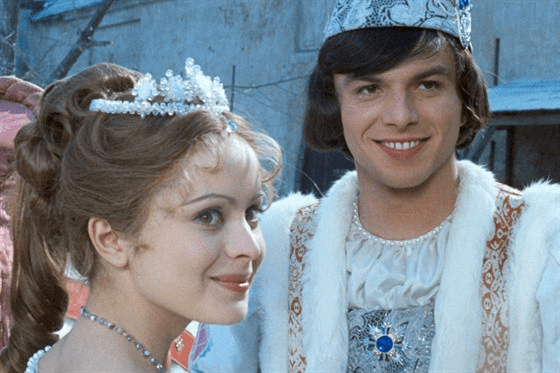
She also wrote fairytales, including Tři oříšky pro Popelku (Three Little Nuts for Cinderella), which got made into a Czechoslovak-East German film in 1973.
Even Krampus, Mariah Carey, Love Actually and that uncle you don’t talk to for the rest of the year would be jealous of how integral a part of many people’s Christmas that film still is.
It’s also likely that, around this time, she started a love affair with fellow poet Václav Bolemír Nebeský, and became seriously ill when he left to go to Vienna.
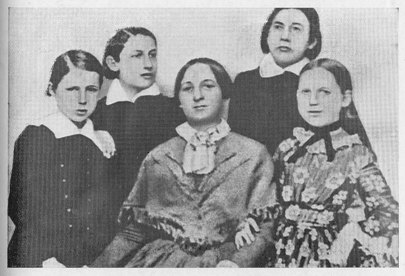
The Němec family would continue to be shifted around, and, in 1850, Josef went to Hungary. Rather than join him, Barbara and the children (pictured) returned to Prague.
Life took a turn for the worse around 1853 – Josef lost his job, and their eldest son Hynek died of tuberculosis.
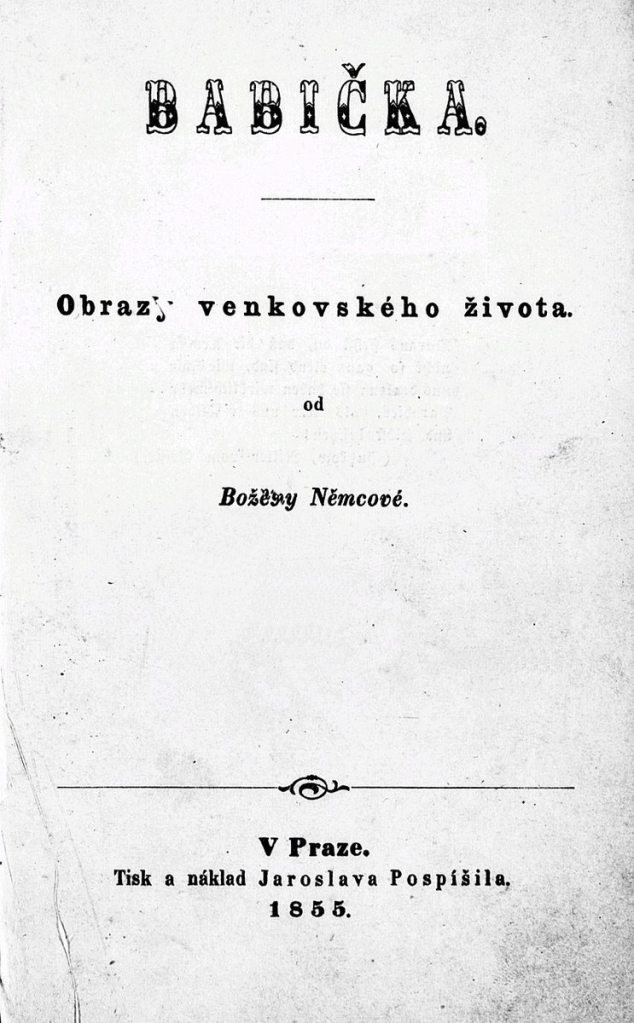
In 1855, Barbora, living on Ječná and Vinohradská, wrote her most famous work, Babička (Grandmother).
It presents an idealised version of Němcová’s own childhood. When you consider what her personal life was like at this time, you start to understand what this escapism must have meant to her.
The next few years were dominated by an increasingly toxic, on-again, off-again relationship between Barbora and Josef, compounded by their abject poverty.
On the more positive side, Němcová did perform trips to Slovakia to collect fairytales, at a time when most people were dismissive of the concept of Slovak as a separate language.
Němcová died of a serious illness in 1862, aged 41, and is buried at Vyšehrad. Her funeral was well-attended by public figures – but one wishes they had helped her out more when she was alive and struggling to make ends meet.
Němcová was celebrated by artists and researchers throughout the 20th century, especially by the communists, who saw her as a forerunner of socialist ideas.
Unlike many people feted by the Communists, however, Němcová continued to be acclaimed after 1989. Nowadays, Babička is still compulsory reading in Czech schools, and is the most frequently read Czech book.
This is a pretty long thread already without going into the other theories about Němcová’s origins – feel free to add your own thoughts.
In the meantime, there’s a good chance that you’ve seen her in the last week without realising it.
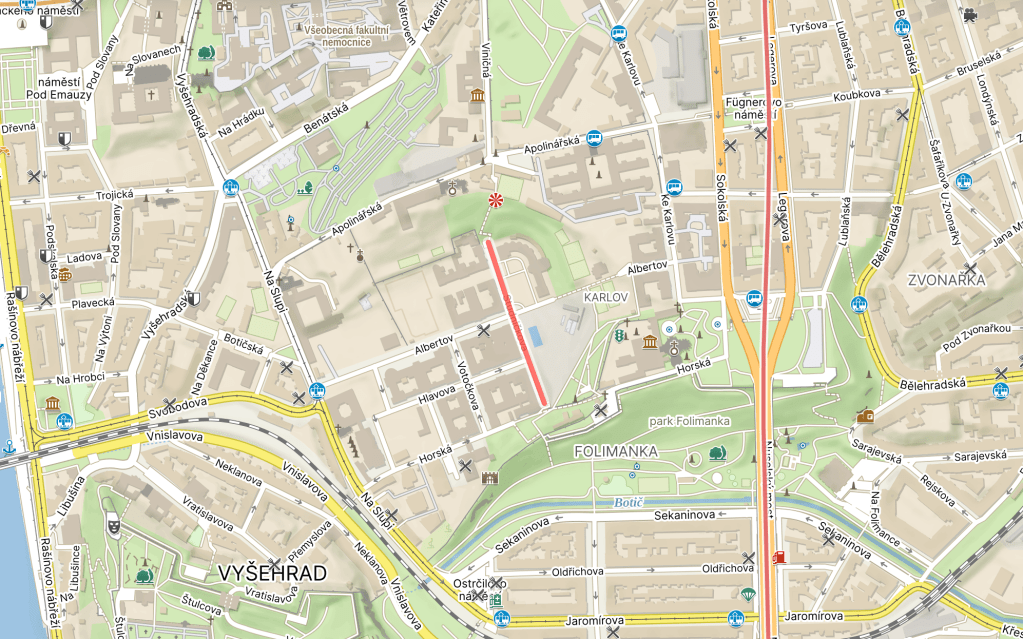
Until 1947, this was Preslova, after Jan Svatopluk Presl (1791-1849), a botanist who taught zoology and mineralogy at Charles University.
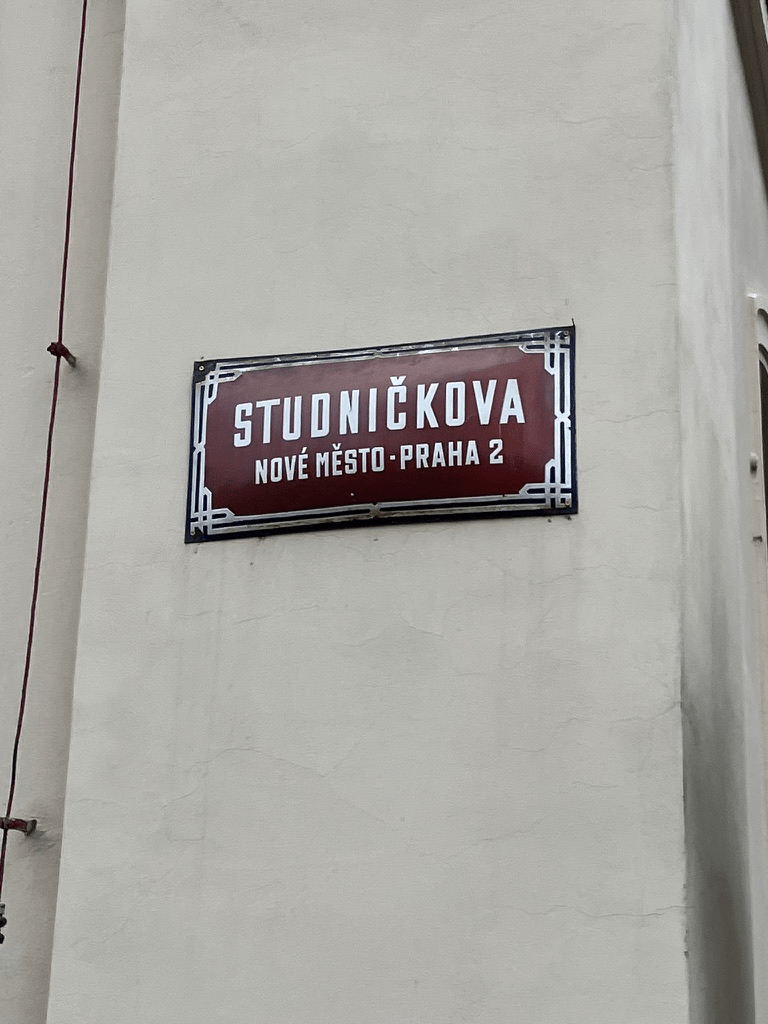
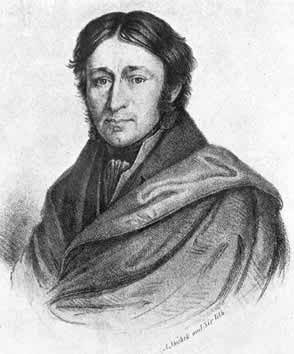
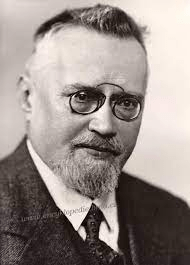
František Karel Studnička was born in Prague in 1870. He graduated from the Faculty of Medicine at Charles University in 1895.
Four years later, he became an associate professor of medicine at the University, and also started a traineeship at the Public and University Library (which has been called the National Library since 1918).
However, the 20th century took his career to Brno: in 1901, he became director of the library at Brno University of Technology, which had been founded two years earlier.
He held this role until 1919, the same year in which he became a professor of histology and embryology at Masaryk University (also in Brno).
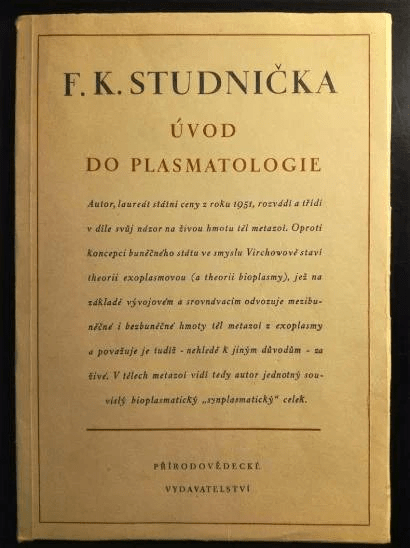
He also published many works, the most famous of which is Úvod do plasmatologie (Introduction to Plasmatology), for which he received a state prize in 1952.
He was nominated twice for a Nobel Prize, in 1934 and in 1953.