What's in a Prague street name

Every street in Prague, one by one.

  • Originally posted on Twitter on 14 May 2022.

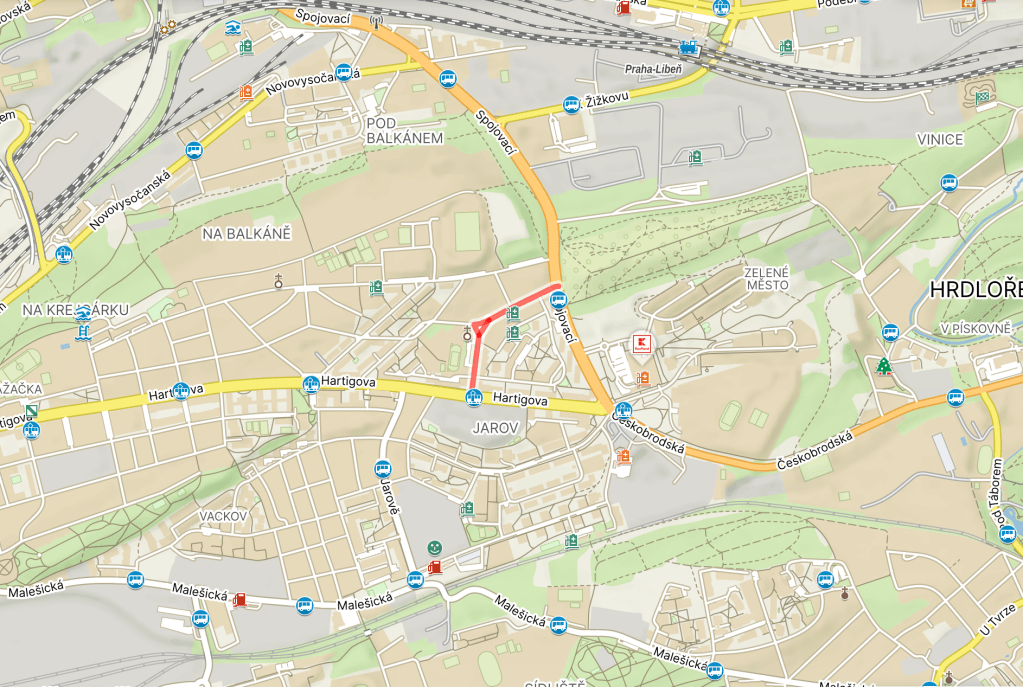
    Černínova was built before 1875.

    Diviš Černín z Chudenic (1565-1621) was a member of the Czernin family, one of the most prominent in the Kingdom of Bohemia.

    Diviš presumably converted to Catholicism to further his career, and became a commander (hejtman) at Prague Castle, maintaining the role even after the second Prague defenestration in 1618.

    He wasn’t considered a rebel until late 1620, but, in February 1621, he was arrested and imprisoned in the White Tower at Prague Castle. His ‘crime’ was obeying an order to let rebels into Prague Castle on the day of the defenestration.

    On the day of the execution, he received a partial pardon. Horrifyingly, the meaning of ‘partial pardon’ in this case is ‘you only get beheaded instead of quartered or hanged as well as beheaded’.

    It also gave the Habsburgs a bit of ‘Look, we’re not just killing Protestants!’ leeway. Or, rather, it was meant to.

    People can be really be quite awful, can’t they.

    From 1940 to 1945, the street was Žalanského, after Havel Žalanský-Phaëthon (1567-also 1621), a Czech Protestant clergyman and writer who died immediately before the mandate to expel non-Catholic clergy.
  • Originally published on Twitter on 13 May 2022.

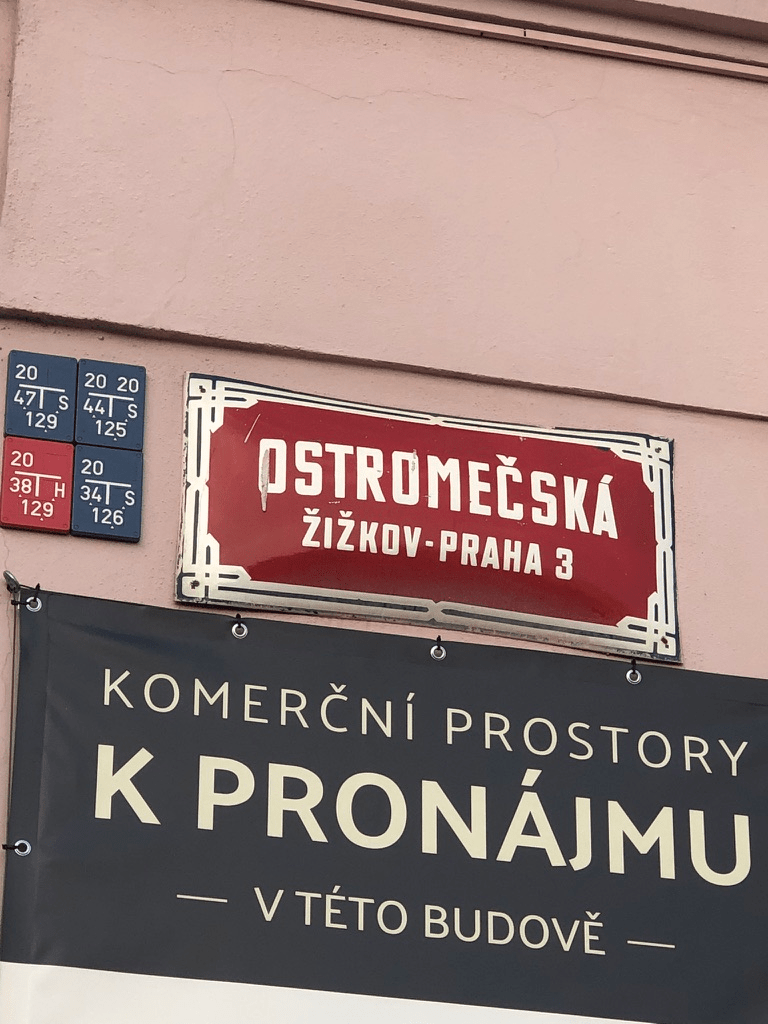
    Ostromečská was built in 1896.

    Ostromeč is a former castle, located north of the village of Hrazany in the Příbram district.

    Its foundations were laid in 1424 under the Hussite leadership of Jan Hvězda of Vícemilice.

    It was raided and demolished just four years later, but was then restored. Only to be raided and demolished *again* in 1435, with its treasures being sent to Konopiště.

    In 1450, Zdeněk Konopišťský of Šternberk rebuilt the castle as a military support point, from which he made successful raids in the region.

    The Bohemian Diet, not appreciating these threats to its power, decided to destroy the castle in 1471 – but it survived this siege.

    However, the castle ceased to be used around the year 1500, and records from 1542 describe it as ‘desolate’.

    Relics of the buildings and the fortifications remain; they have been protected as a cultural monument since 1965.

    Bonus previous name material: this was Šlikova until 1940, and again from 1945 to 1947 (the Šliks were a noble family, particularly prominent in the 15th and 16th centuries).

    Under the Nazi occupation, the road was called Melanchtonova. Philip Melanchthon (1497-1560) was a German Lutheran reformer with (from what I can see) no obvious links to the Czech Lands.

  • Originally posted on Twitter on 12 May 2022.

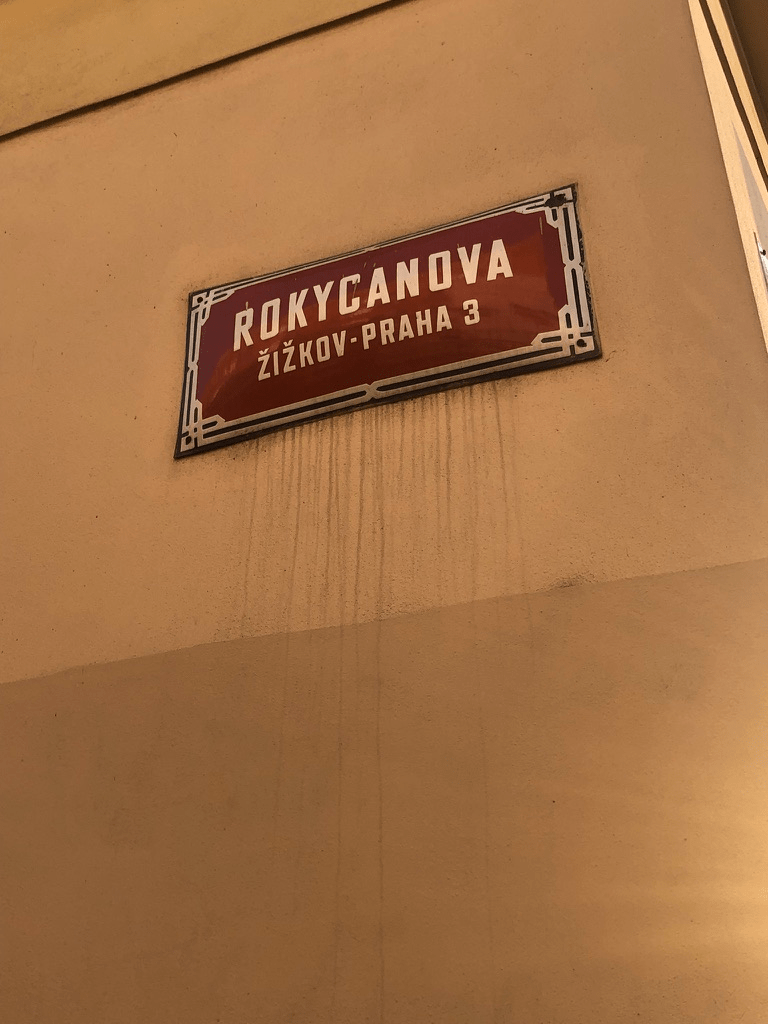
    Rokycanova was built before 1875.

    Jan Rokycana, or John of Rokycany (c. 1390 to 1471), was a priest, archbishop and chief organiser in the Hussite church.

    He entered the Augustinian monastery in his hometown in his youth, then moved to Prague to study at Charles University and graduated in 1415.

    A moderate Hussite, he became vicar of Týn church in 1427, and became head of the Orphans, a left-wing Hussite group, in 1432.

    In 1436, he became archbishop of Prague, but was driven from Prague by Emperor Sigismund the following year.

    He returned in 1448, supported by George of Poděbrady (Jiří z Poděbrad), whose advisor he became.

    The sources I used for today’s posts (Czech / English Wikipedia and Britannica) give disconcertingly different biographies. So much so that I emphatically did not enjoy writing this.

    Please don’t quote today’s posts as a source, like, ever.

    The English Wikipedia page even has a warning message stating that the Czech Wiki contradicts other available information.

    I hope tomorrow’s street will be easier than this.

    Part of modern-day Rokycanova existed as a separate street, Všehrdova, from 1880 until 1947, before two became one.

    There’s still a Všehrdova street on Malá Strana.

  • Originally published on Twitter on 11 May 2022.

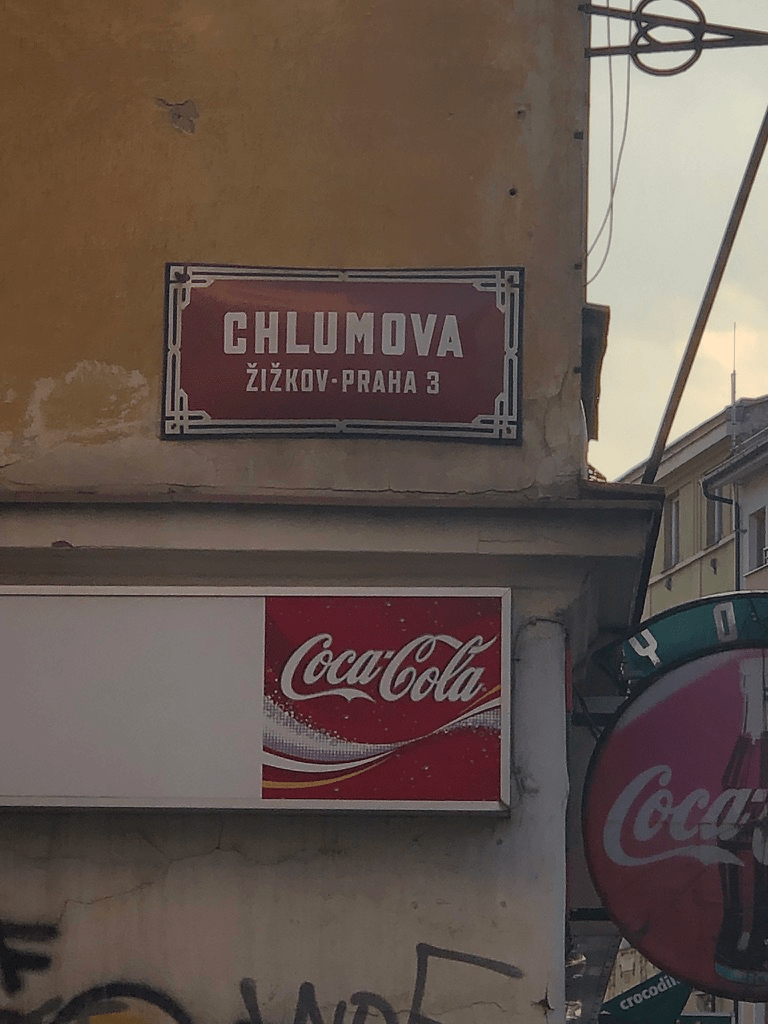
    We’ve reached the western end of Koněvova, so now we’re crossing the road and it’s time for Chlumova, built in 1872.

    Jan Kepka z Chlumu / John of Chlum (date of birth unknown) came from the Česká Lípa region (the modern village of Chlum has 259 inhabitants).

    In youth, he joined the army of King Sigismund, largely due to lack of funds. In 1414, Sigismund called Jan to Bologna and sent him to accompany Jan Hus at the Council of Constance, where the latter would ultimately be commended as a heretic.

    The two became friends. Right up until Hus’s execution in 1415, Kepka protested against the Council’s verdict, publicly blaming the Pope and twice nailing a written protest to the door of the Church of Constance.

    Kepka was reportedly the last person to shake Hus’s hand before he was killed.

    In the last decade of his life, Kepka became burgrave of Mělník and acquired a castle, subsequently destroyed in battle. He died in 1425.

    Part of the street was initially called Želivského; this became part of Chlumova in 1951.

  • Originally published on 10 May 2022.

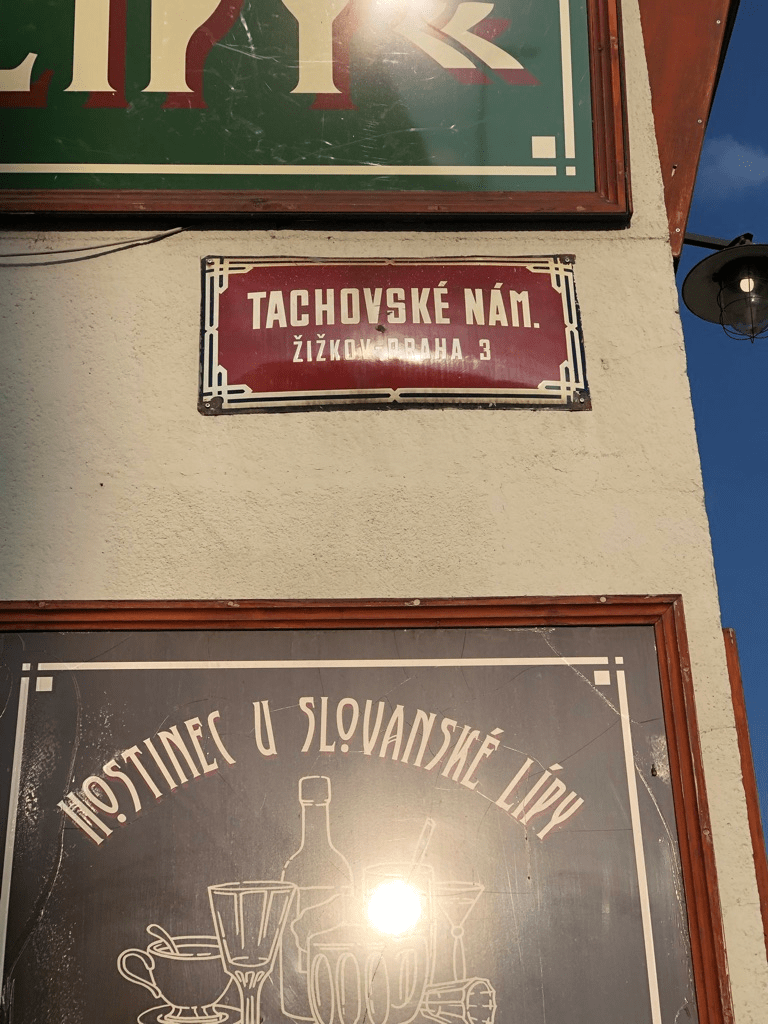
    Tachovské náměstí / Tachov Square, which has had this name since 1958. It’s home to the southern entrance to Žižkov Tunnel.

    Between 1875 and 1958, it was Žižkovo náměstí / Žižkov Square. There’s now another square called that instead, 800 metres away.

    The Battle of Tachov took place in 1427 (four years before the Battle of Domažlice, covered on https://whatsinapraguestreetname.com/2022/11/19/prague-3-day-14-domazlicka/). It’s sometimes known as the Battle of Mies, as it took place near both towns (Mies is now known as Stříbro).

    Part of the Hussite Wars (specifically the Fourth Crusade), it was fought between the Hussites and armies led by Cardinal Henry Beaufort of England and the Archbishop of Trier.

    Putting it briefly: the Hussite movement aimed to reform the Catholic Church and was based on the ideas of the theologian Jan Hus. This guaranteed them a range of internal and external enemies.

    The crusaders placed their camp north of Tachov; however, fear and demoralisation caused many of them to flee. When the Hussites invaded on 4 August, it was a pretty easy victory. Casualties were in the hundreds, mainly on the Crusaders’ side.

    The Hussites gained an aura of invincibility, and there were no further Crusades until 1431 (again, see Domažlice).

    Full disclosure: this is *really* not my area of expertise (I said in May 2022… it became something more of an area of expertise as this series went on). But, with more Hussite-related street names to come, I’m quite looking forward to putting pieces of this story together in my head.

  • Originally posted on Twitter on 9 May 2022.

    Lukášova was built in 1875 or before.

    It’s named after Lukáš Pražský / Luke of Prague. Lukáš (d. 1528) was a bishop of the Unitas Fratrum (Jednota bratrská), otherwise known as the Moravian Church.

    He joined the UF shortly after graduating from Charles University in 1481, and was frequently sent abroad to negotiate on the Church’s behalf.

    The Church went into a schism in 1495, divided between its early members, who held seclusionary views, and those like Lukáš, who favoured a more secular education for members. The latter side prevailed.

    Lukáš was elected to the inner council of the Church in 1494; he was at its head when the Protestant Reformation began and had direct contact with Martin Luther.

    Bonus previous name material: until 1940, this was Thurnova, after Count Jindřich Matyáš Thurn-Valsassina (1567-1640), a leader of the Protestant Bohemian Revolt against Ferdinand II, and author of the cheerily-titled Defensionsschrift (“Writing about Defenestration”).

    From 1940 to 1945, it was Liberdova, named after Jan Liberda (1700-42), an evangelical preacher and writer who took exile in Berlin, where he, with other exiles, founded the Bethlehem Church (or the Bohemian Church) in Friedrichsstadt.

    This will explain why the street was given his name during the Nazi occupation.

    The Church was destroyed in an Allied air raid in 1943.

    Liberda became Thurnova again in 1945, before getting its current name in 1947.

  • Originally published on Twitter on 8 May 2022.

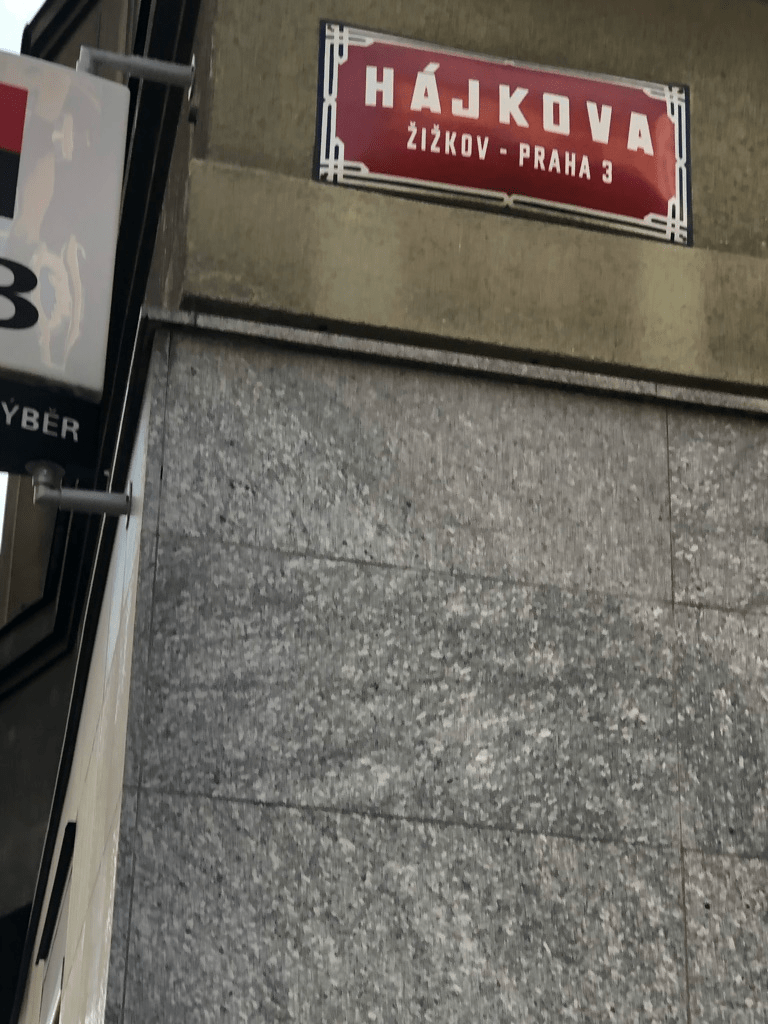
    Hájkova was built in 1908.

    Václav Hájek z Libočan – or, if you prefer, Wenceslaus Hájek of Libočany (died 1553) was a chronicler and author of the Czech Chronicle (Kronika česká, 1541).

    Originally a Protestant, he converted to Catholicism in 1521; from 1524, he worked as a preacher at St Thomas’s Church in Malá Strana. It seems he got into quite a lot of disputes and therefore was forced to change positions frequently.

    The Czech Chronicle (Kronyka Czeska, to use the spelling applicable back then) covers the history of the Czech lands from the arrival of the Czechs in the 600s to the coronation of Ferdinand I in 1527. It was written between 1533 and 1539.

    Despite its huge popularity (including translations into German), its accuracy was questioned from the start. In the 19th century, historian, politician and ‘Father of the Nation’ František Palacký pronounced a particularly damning judgement on it.

    Proof: ‘History as a whole, and Czech history, know no greater pest than this man, who […] set out, with unprecedented shamelessness […] to invent and tell extraordinary stories, but also to attribute them to original written sources which were fictional’.

    Not a five-star review on Amazon, then.

    However, the Chronicle remains a useful snapshot both of a contemporary, non-Germanised form of Czech, and of the mood of the time in which it was written.

  • Originally posted on Twitter on 7 May 2022.

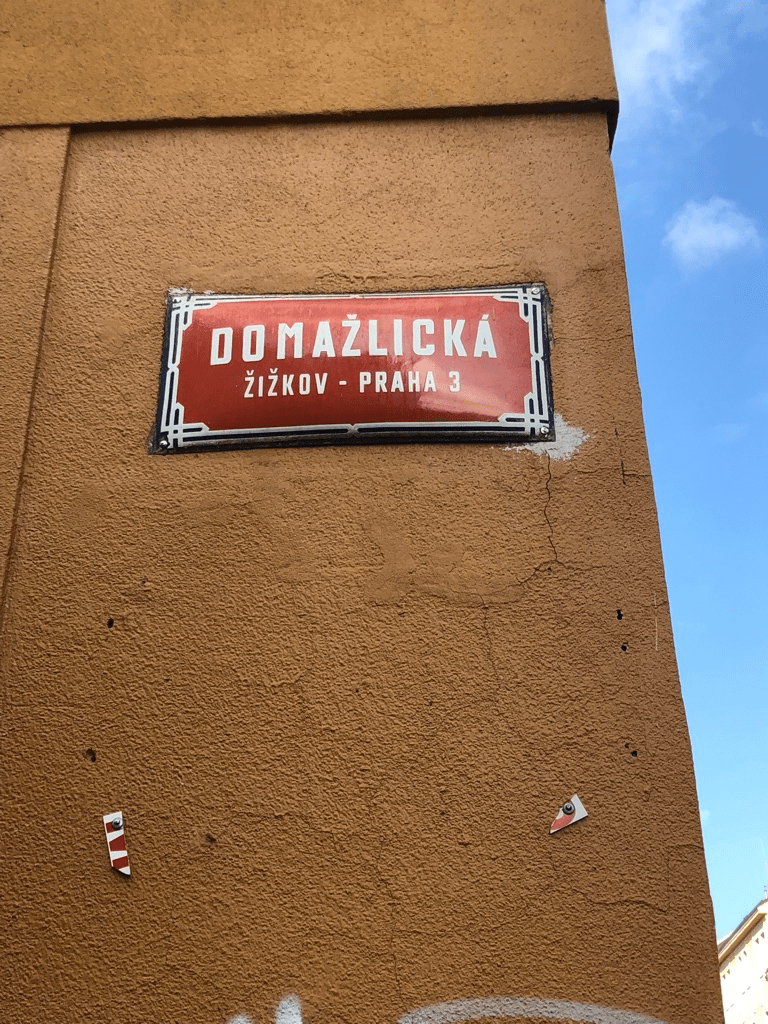
    Domažlická was built in 1904, which counts as old compared to what we’ve covered so far.

    Domažlice, population 11,000, is a town in the Plzeň region, converted into a fortified royal town in 1265 by Otakar II of Bohemia. Its German name is Taus.

    At the Battle of Domažlice in 1431, Prokop the Great (a Hussite General) defeated the crusaders of the Holy Roman Empire.

    The city declined in importance in the 1600s, but bounced back in the 1770s thanks to its textile industry.

    Domažlice was a pivotal location during the Czech National Revival.

    Of its most famous sons and daughters, you’re most likely to know author Božena Němcová and philosopher Ladislav Klíma.

    It was also the scene of a large protest demonstration against the German occupation in August 1939 (the St. Lawrence pilgrimage).

    In 2005, a mass grave was found on the town’s outskirts, mainly containing members of the Sturmabteilung.

    I have a vague memory of Domažlice being the most COVID-ed town in the Czech Republic at the very beginning of the pandemic, but I may be wrong.

    *checks old copies of Respekt*: ah, correct.

    Domažlice looks nice. But that’s all the spring 2020 talk I’m willing to engage in.

  • Originally posted on Twitter on 6 May 2022.

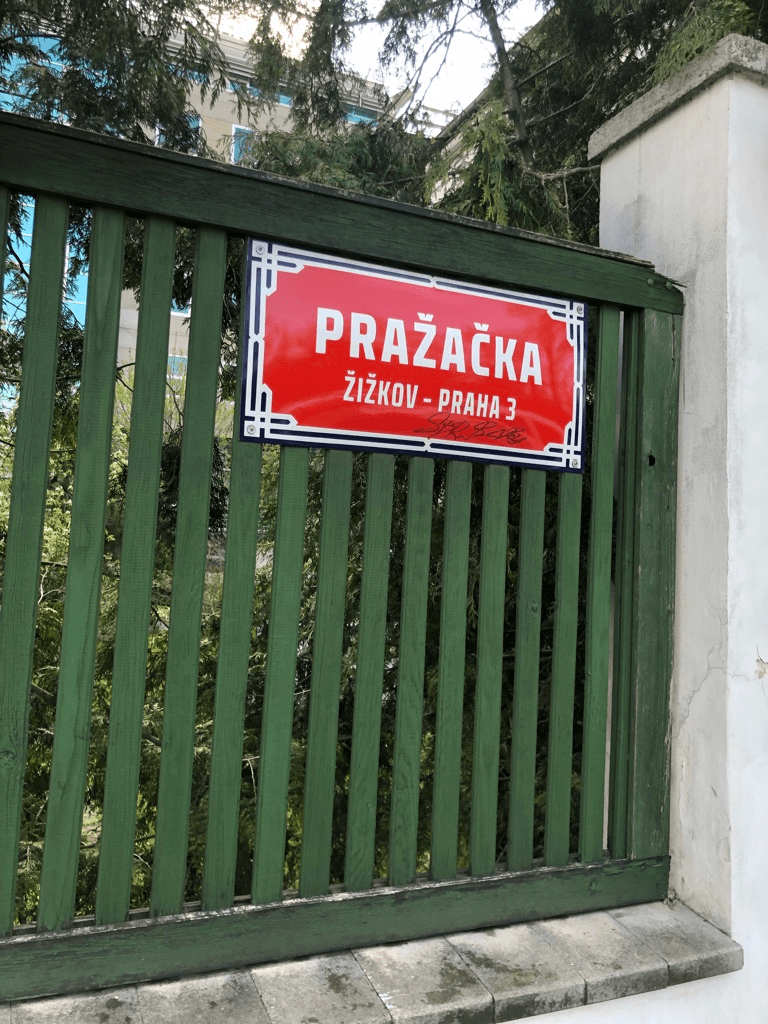
    Pražačka was built in 1947. It’s named after *another* farmstead (and vineyard) that no longer exists.

    The origin of the name ‘Pražačka’ isn’t clear, but original maps list the name as ‘Brasatscha’ – so, surprisingly, the name probably doesn’t have anything to do with ‘Praha’.

    The vineyard was first documented in the 16th century. By 1785, there was a building, which was later extended to form a large farmyard – large enough to be visible from Karlín.

    From 1800 onwards, the homestead was owned by the Stome family (Jan Stome was a wealthy baker who owned a mill on the Vltava).

    As Žižkov’s population increased thirtyfold in the forty years to 1900, farming became a less viable option and activity on the farm was gradually reduced.

    The Stome family owned Pražačka until 1947, when it was demolished and replaced by the streets that you see now.

    Appropriately for current anniversaries (at the date of posting on Twitter, it was exactly 77 years since the Prague Uprising), here’s a picture of the settlement in May 1945, taken from https://nakrejcarku.info/historie-prazacky/….

  • Originally published on Twitter on 5 May 2022.

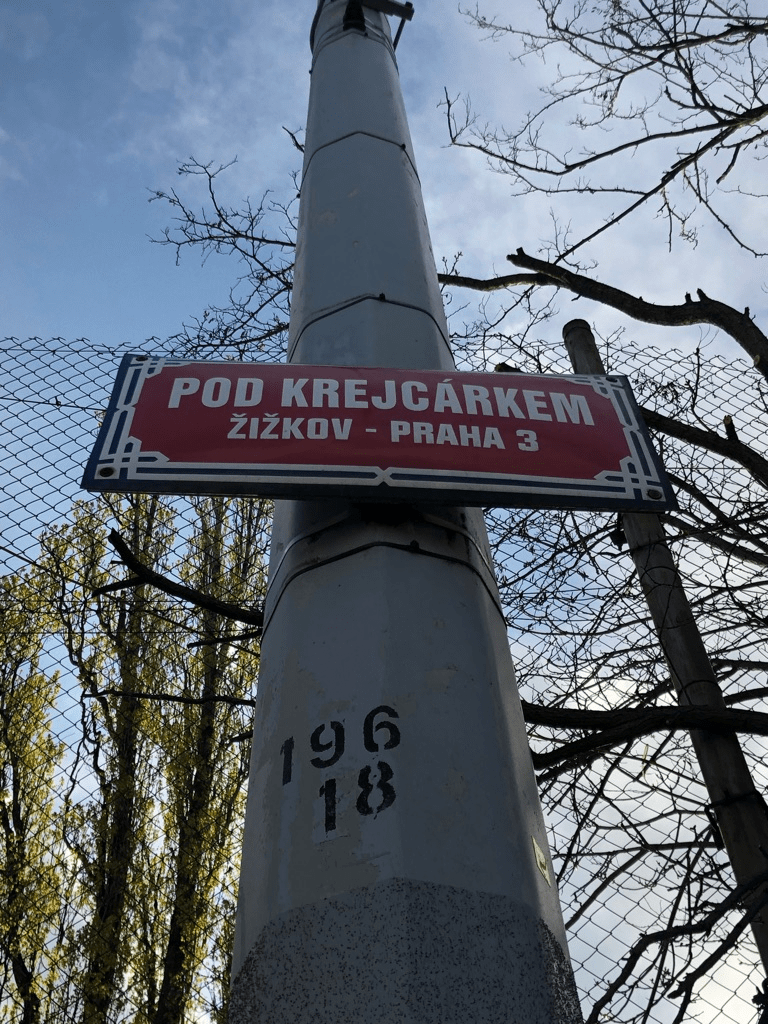
    Pod Krejcárkem was built in 1962, and translates as ‘Under Krejcárek’.

    Krejcárek was an emergency colony (i.e. a residential area, akin to a shanty town, built to deal with a large influx of workers moving to Prague).

    It was established as a garden centre in 1922 (when emergency housing wasn’t yet permitted), until landowner Václav Stome began renting family lands of the nearby Pražačka farm to those who couldn’t afford other housing.

    Over the years, 150 houses were built in the area. Unlike many other colonies, it had water, electricity and telephone access, which may be why it lasted longer than most – until the 1970s.

    Here it is in 1956, from https://bahnoprahy.cz/kolonie-na-pravem-brehu/nouzova-kolonie-na-krejcarku/…. Do check out the aerial photos of the same spot over the decades.

    In the 1970s, it was razed to the ground and replaced with a grove, which is the only forested area in Prague 3, and is connected to the park on Vítkov Hill.

    The project was part of ‘Akce Z’, unpaid employment of the population during communist Czechoslovakia (basically civic conscription), carrying out tasks which the state or municipal administration hadn’t managed to do.

    In terms of trees, its main inhabitants are Scots pines, heart-shaped lindens and red oaks. It’s also a refuge for blackbirds, thrushes, finches, shrews, hedgehogs and weasels, among others.

    More practical advice than history, but want to give Krejcárek tram stop a try? Then you’ll have to wait until summer 2023: https://prazsky.denik.cz/zpravy_region/krejcarek-palmovka-zizkov-tramvaj-koleje-oprava-doprava-omezeni-praha.html

  • Originally published on Twitter on 4 May 2022.

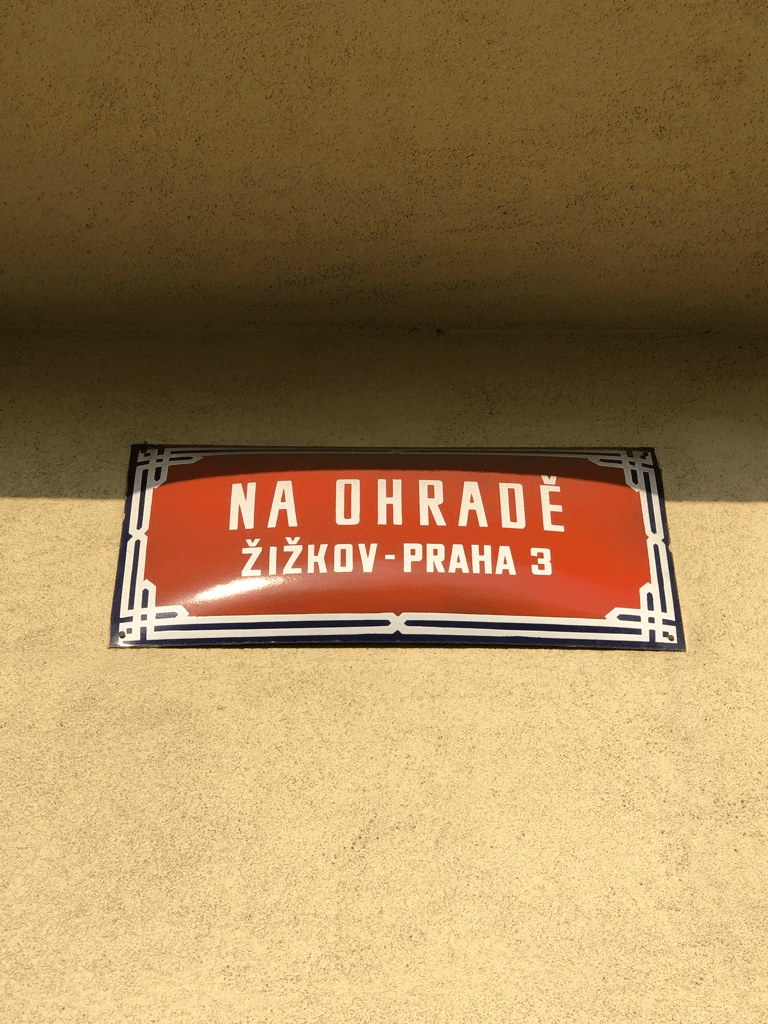
    Built in 1975, Na Ohradě the newest street that I’ve written about to date.

    Like yesterday’s Vápenka, Ohrada is a former homestead, founded somewhere around the year 1400, and containing a large vineyard.

    An ohrada is a fence, a barrier or an enclosure. Presumably there was one around the vineyard.

    The first documented owner was one Pavlík Svachov; he solid it to a shopkeeper called Zikmund, and it was later owned by a Jan Wolf. The first written record referring to it as Ohrada dates from 1455.

    Documents from 1785 stated that Ohrada consisted of three buildings; in 1908, each was owned by a married couple: the Hlaváčeks, the Kasls and the Oppels.

    The land was purchased in the early 20th century, followed by the homestead, which was subsequently demolished.

    Trolleybuses ran at Ohrada between 1951 and 1966; Prague stopped using trolleybuses entirely in 1972, although they made a comeback in 2017 (but not at Ohrada).

  • Originally published on 3 May 2022.

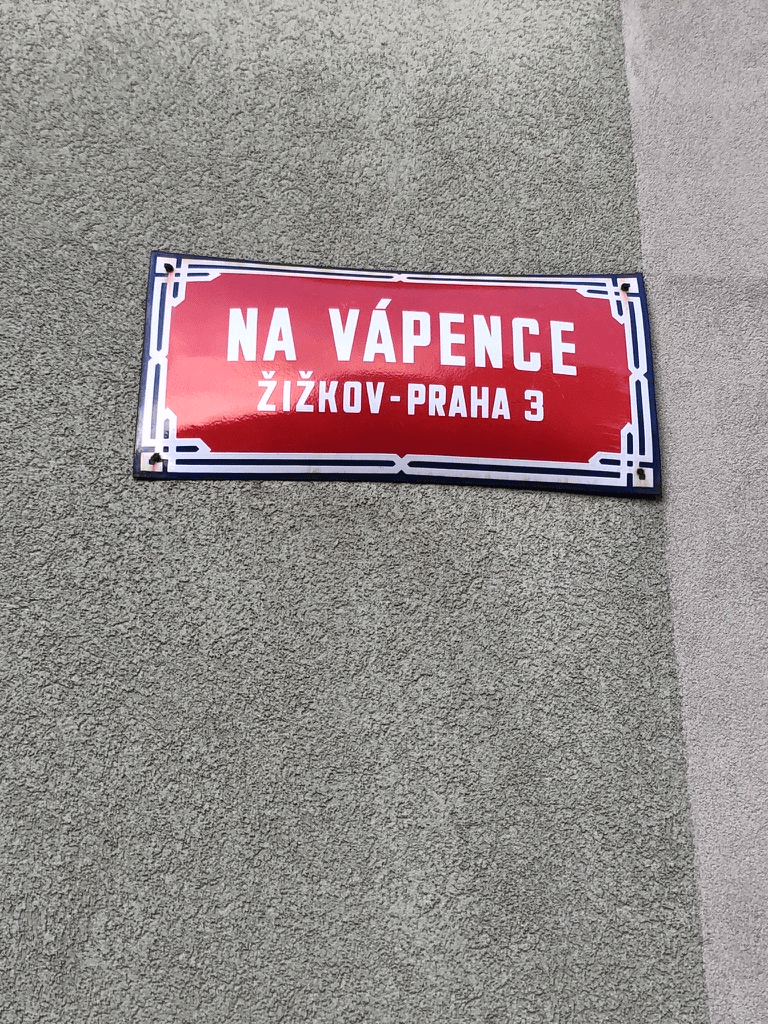
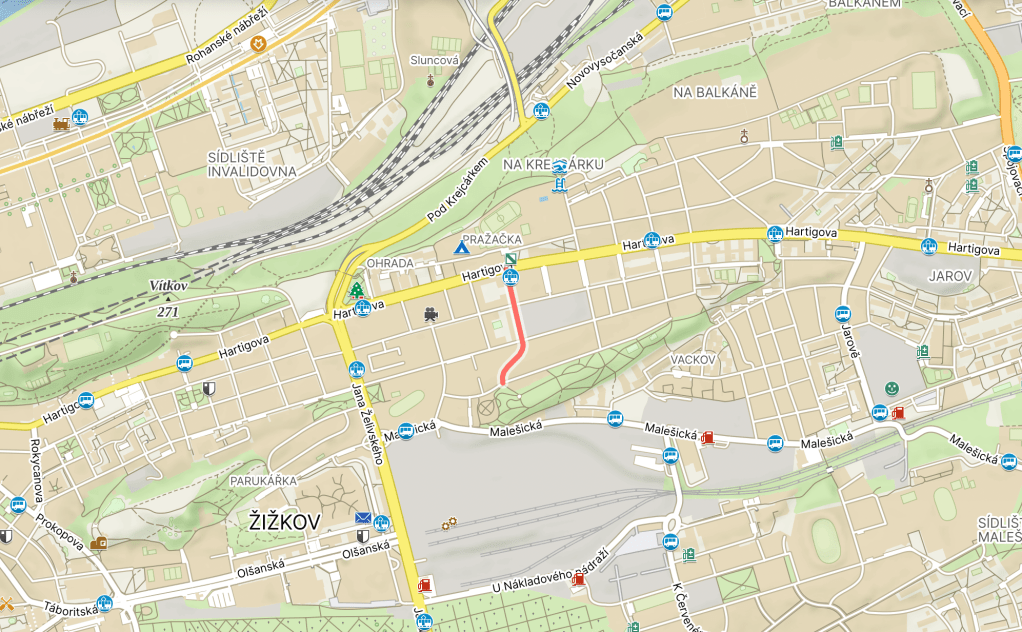
    Na Vápence was built in 1925. Vápenka translates as ‘lime works’ or ‘limekiln’; it was also the name of a farmstead lying where the street is now.

    Presumably there was formerly a limestone quarry in the area, hence the name of the settlement. Apparently it stretched across Židovské pece towards the northern border of Nákladové nádraží Žižkov (Žižkov freight railway station, which we’ll get to).

    The settlement, which is mentioned in 18th century texts, had a courtyard which disappeared after World War II, when the freight railway station was expanded. The courtyard also contained a hotel (‘Hotel Siege’).

  • Originally published on Twitter on 2 May 2022.

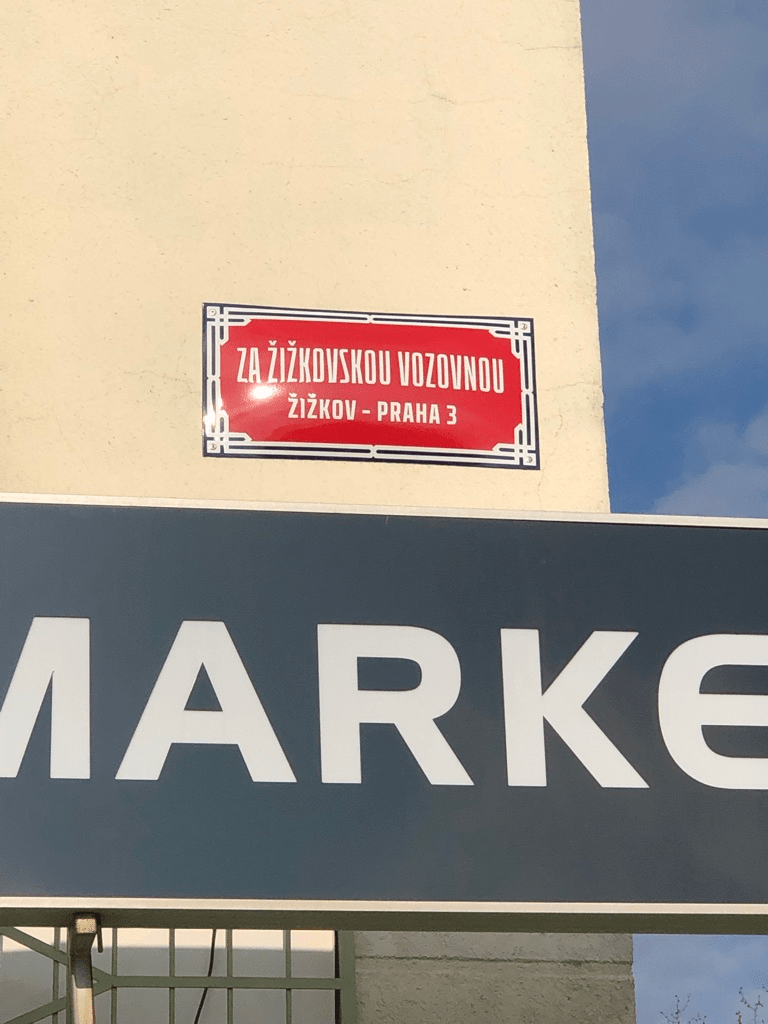
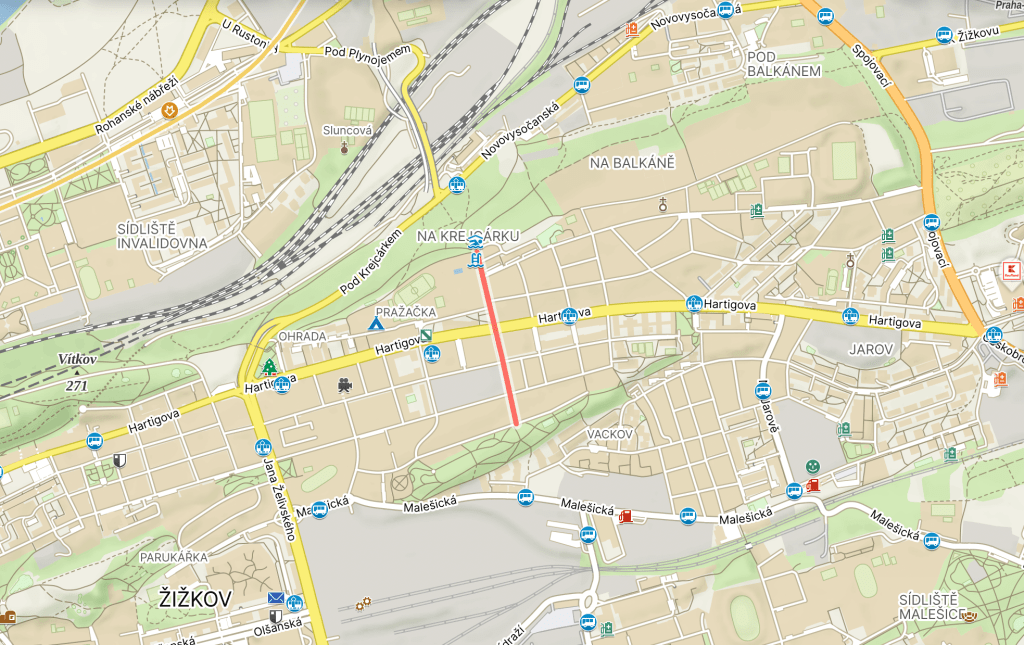
    Za Žižkovskou vozovnou was built in 1925. The name is fairly unambiguous this time: ‘behind Žižkov Depot’.

    Vozovna Žižkov / Žižkov Depot is one of Prague’s seven tram depots, and the second-oldest, as it was built in 1912. It’s the only depot to have a circular track in its yard.

    This is often where the trams stop when there are works on the line in the summer. This tends to be when it’s 30+ degrees outside and walking the last couple of stops feels like a challenge because you’ve just been in the beer garden for five hours.

    Again, there’s a grammatical difference between the street name and what it’s named after: the road is behind Žižkovská vozovna even though that is actually known as Vozovna Žižkov.

  • Originally published on Twitter on 1 May 2022.

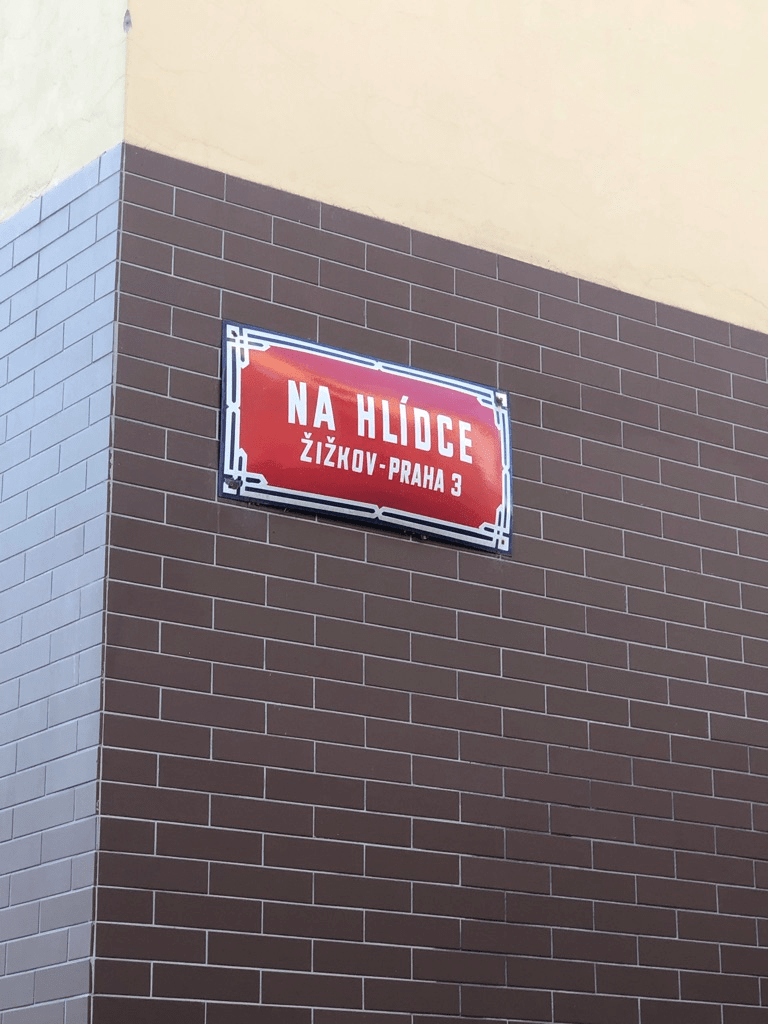
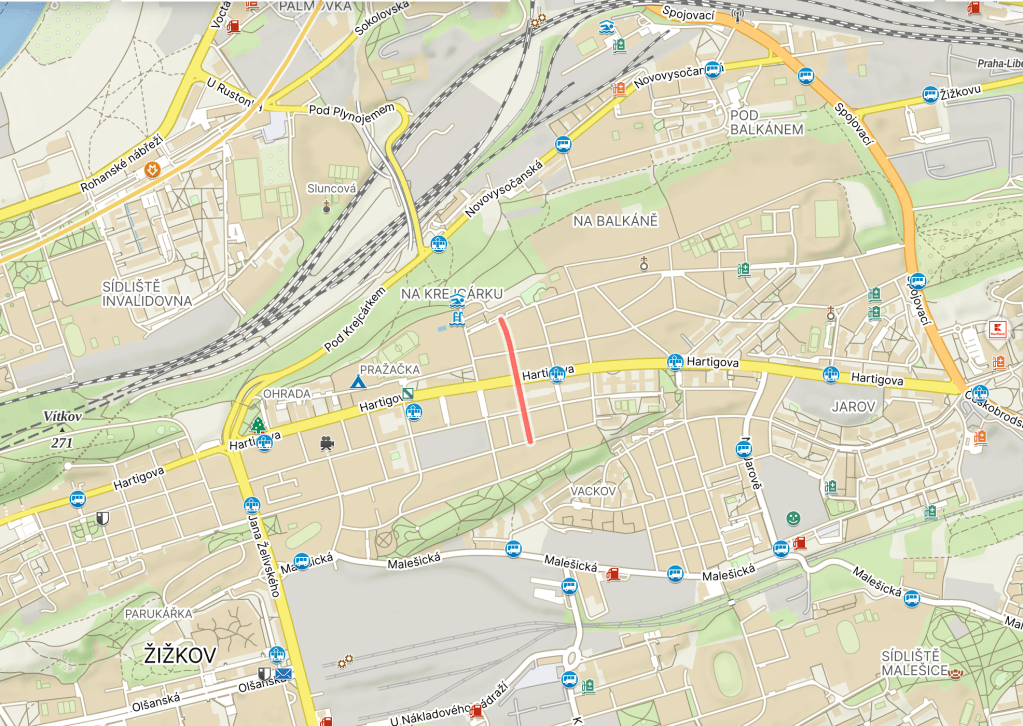
    Na Hlídce was built in 1925.

    It’s the same story as yesterday’s: when this area of Prague (Balkán) was urbanised after World War I, many of the inhabitants were state employees and the street name reflected their jobs. Na hlídce means ‘on watch’ or ‘on guard’.

    The nominative form is hlídka.

    A stávková hlídka is a picket, and policejní hlídka means ‘police patrol’. Linking this to yesterday’s street again, hlídka and stráž can be regarded as synonyms, although I assume there are fundamental differences.

    The person carrying out the hlídka would (if male) be called a hlidač. A noční hlídač would be a night watchman.

    The feminine form is hlidačka, which is also used to mean ‘babysitter’.

  • Originally posted on Twitter on 30 April 2022.

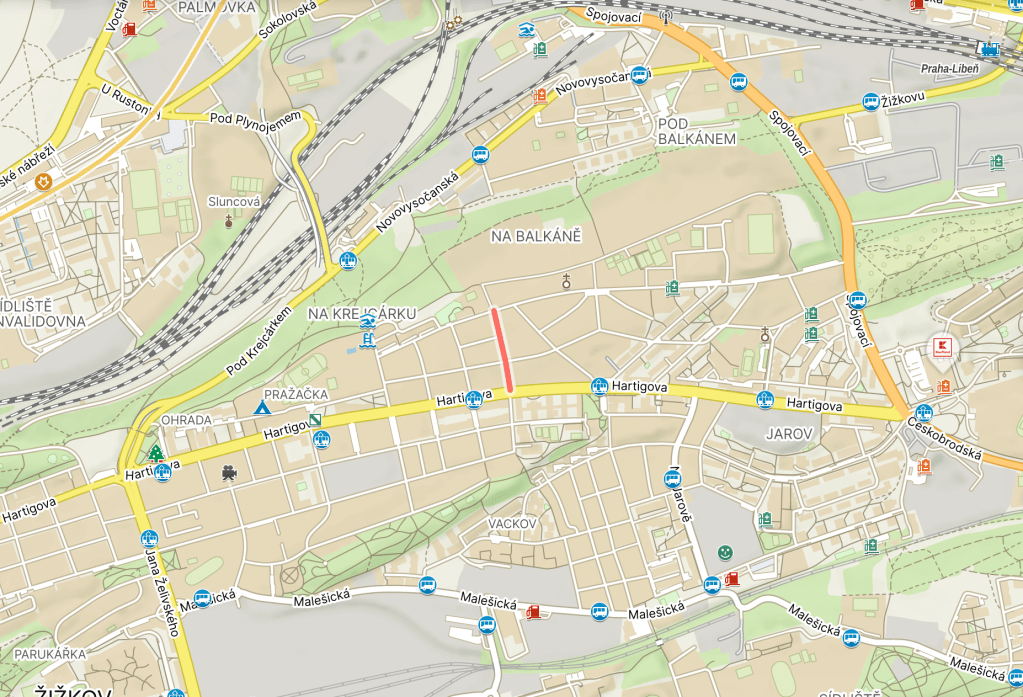
    Strážní was built in 1925. It’s also the name of a nearby tram stop.

    The area to the north-east of here (and immediately north of all the streets we’ve covered so far) is known as ‘Balkán’. It wasn’t urbanised until after World War I and most of the inhabitants were state employees.

    And many of the streets were named after their professions. For example, a stráž is a guard. Other examples to come, no doubt.

    For vocab fans, a vězeňská stráž is a prison guard, a pobřežní stráž is a coastguard, a tělesná stráž is a bodyguard and a strážmistr is a police constable.

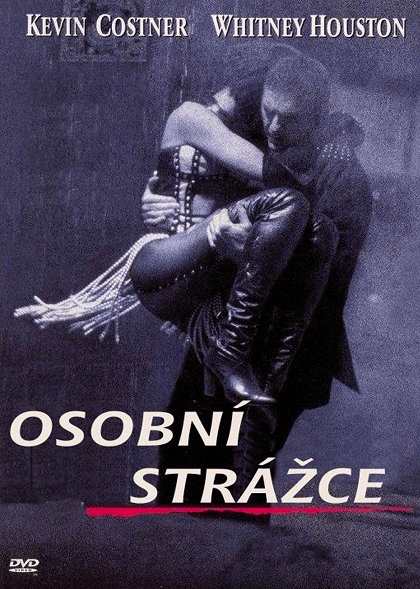
    Though it appears that a ‘bodyguard’ can also be an osobní strážce, and it certainly was in 1992.

  • Originally published on Twitter on 29 April 2022.

    Hraniční was built in 1925.

    ‘Border Street’ is so called because it lies on the border between the districts of Žižkov and Vysočany.

    I’m very much guilty of assuming that Praha 3 = Žižkov and Žižkov alone, but no, it’s got parts of Vinohrady, Vysočany and Strašnice too, though those districts are mainly in Praha 2, 9 and 10 respectively. Vysočany is to the north.

    Fun language fact: Vinohrady, Vysočany and Strašnice are all plural. So, while we would happily say ‘Vinohrady is…’, etc., Czech speakers have to say ‘Vinohrady jsou…’, i.e. ‘Vinohrady *are*’.

    I find the very brief English-language Wikipedia page for Žižkov hilarious. It includes this: “Like many districts of the city, Prague 3 is socioeconomically diverse. The western part of Žižkov is known for its high concentration of brothels, strip clubs and cheap bars. Yet only a short distance away are nice apartments and a new shopping mall with expensive stores.“

  • Originally posted on Twitter on 28 April 2022.

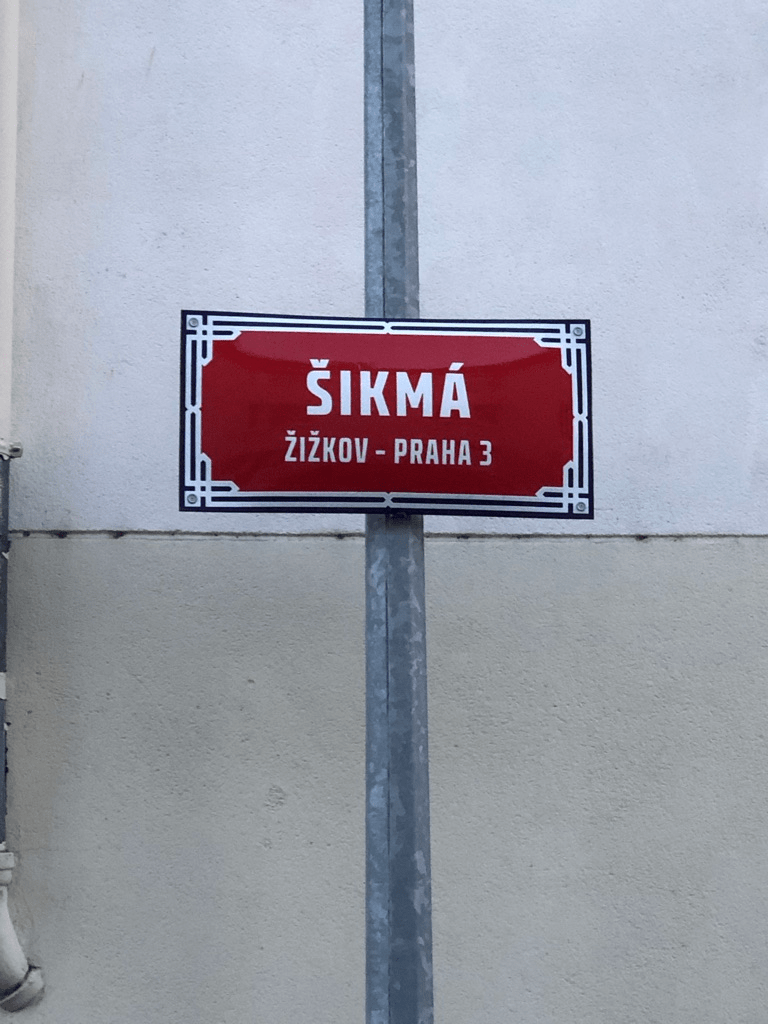
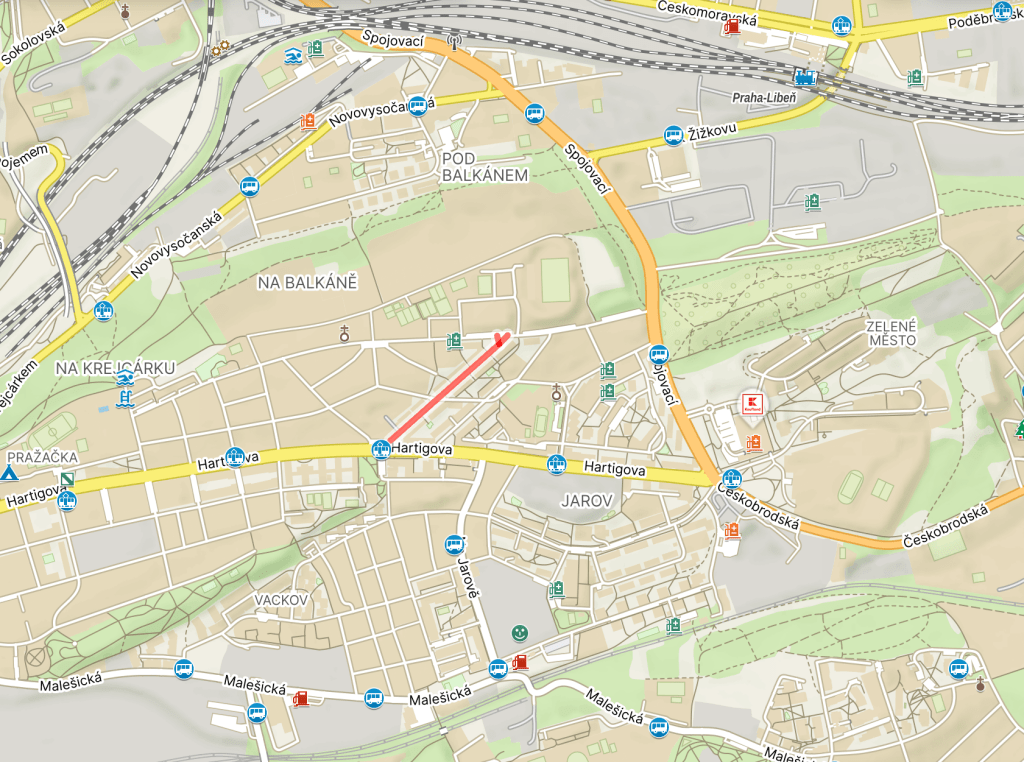
    Šikmá was built in 1930. This street heads north-west off of Koněvova, whereas the streets we’ve covered so far point north-east.

    So it’s appropriate that ‘šikmý’ is an adjective that translates as ‘oblique’, ‘slanting’ or ‘inclined’.

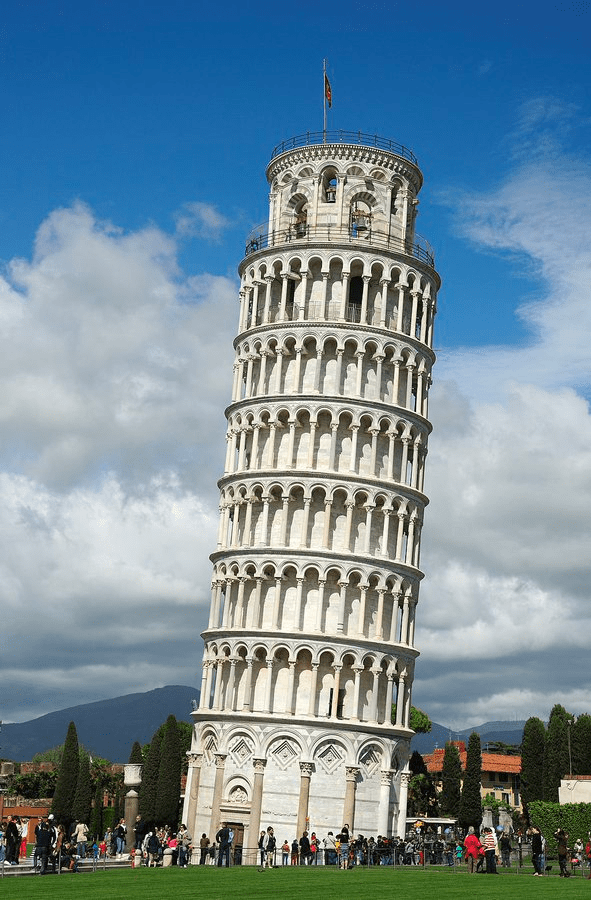
    The most famous thing that uses the adjective is not this particular street, but the Šikmá věž v Pise, which you can see below. It is not in Žižkov but does reflect how I’m feeling on day three of Covid.

  • Originally published on Twitter on 27 April 2022, when I’d just tested positive for COVID. This may get mentioned a couple of times.

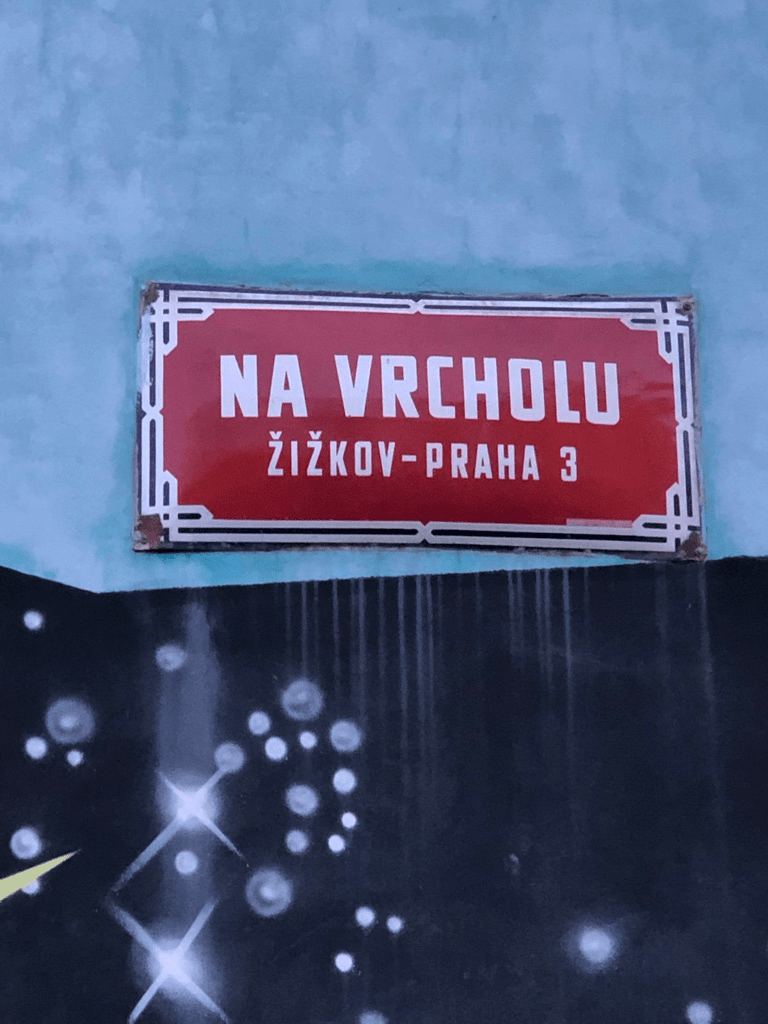
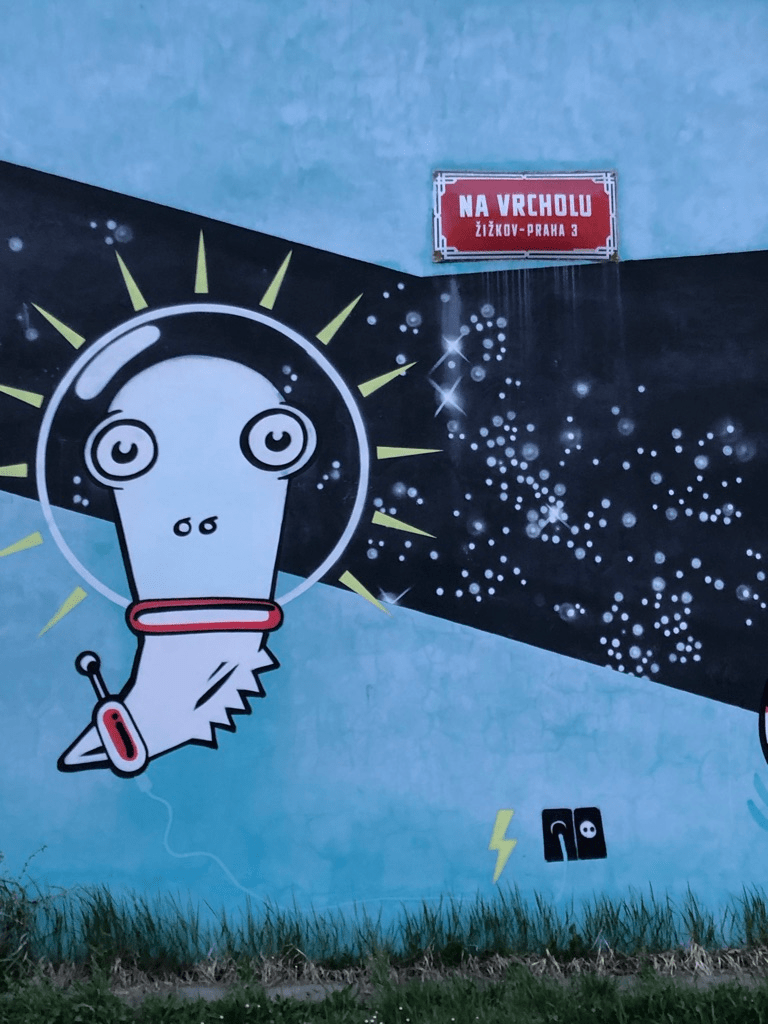
    ‘Na vrcholu’, built in 1962, means ‘at the top’. You would think this was the top of something quite momentous. But it seems it’s just at the top of Koněvova.

    This isn’t really bringing the goods. However, Google did decide ‘na vrcholu praha 3’ should take me to http://sputnici.cz/Uvod/, the delightful website of Sputnici, a Vinohrady rock ’n’ roll band which was active from 1959 to 1963.

    So that’s a nice little rabbit hole to go down later. Also, the wall which includes the ‘Na vrcholu’ street sign is pretty awesome.

  • Originally posted on Twitter on 26 April 2022.

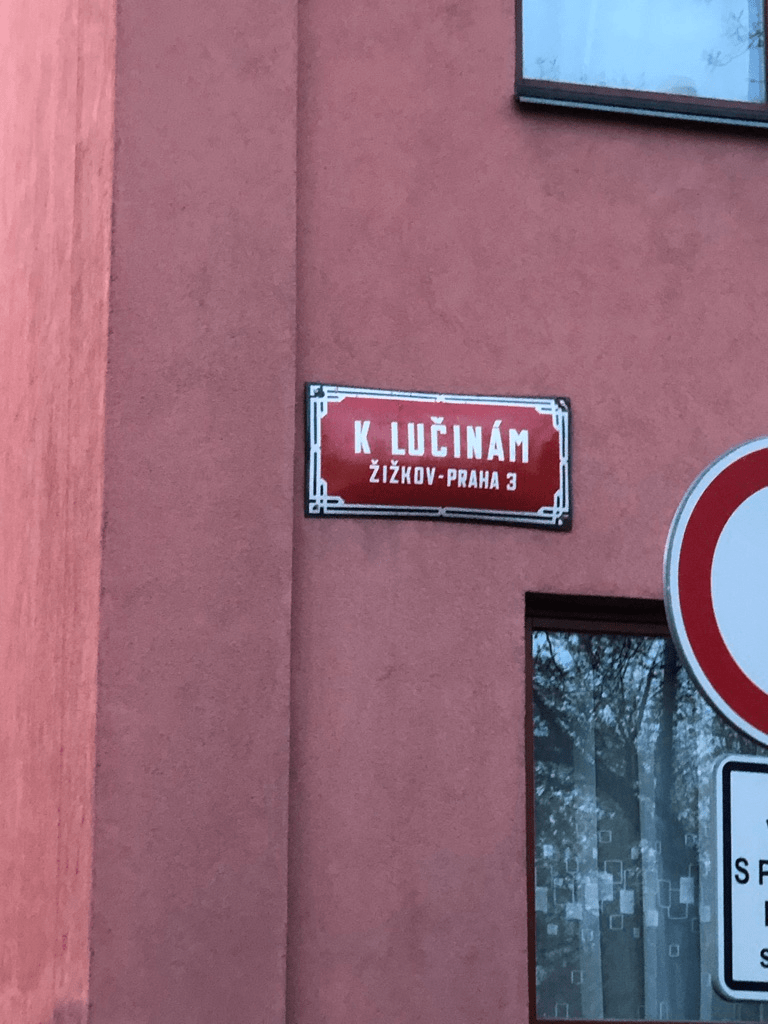
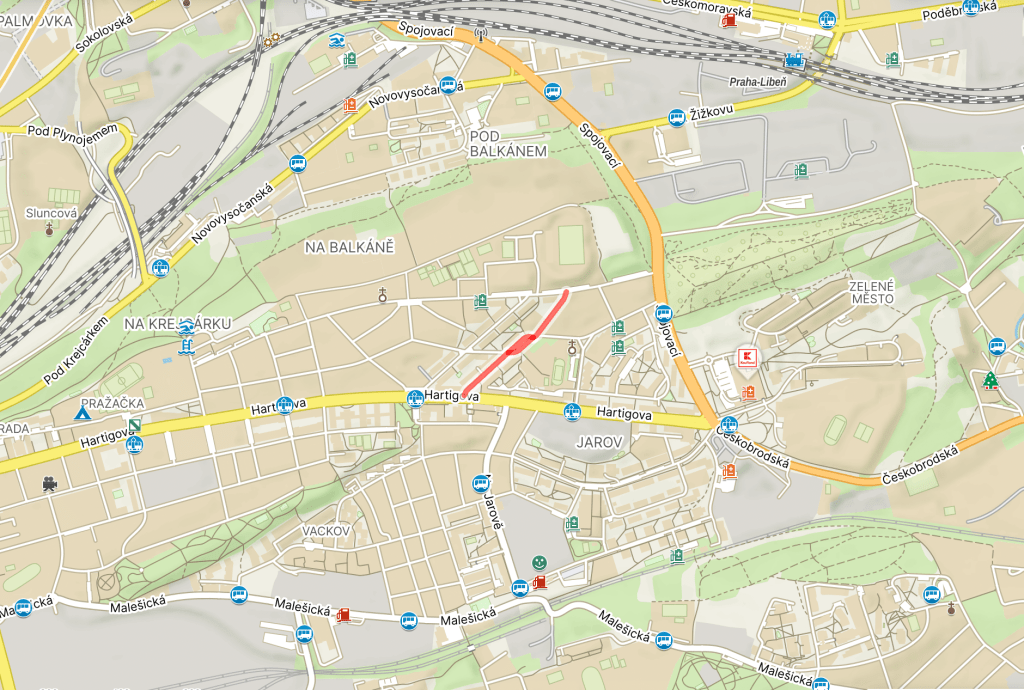
    K Lučinám was built in 1962.

    Like ‘luka’, a ‘lučina’ is a meadow, but the word is archaic enough to not even appear on Seznam Slovník.

    But it does appear in the Czech national anthem: ‘voda hučí po lučinách’ (water streams across the meadows), otherwise knows as ‘Line Two’.

    While ‘u’ indicates you are in/at a place (as in https://whatsinapraguestreetname.com/2022/11/18/prague-3-day-2-u-knezske-louky/), ‘k’ indicates motion towards it.

    So yesterday’s street is literally where the meadow is. Today’s street heads towards it. And while yesterday’s street is a singular meadow, lučiny (dative: lučinám) are plural.

    We may never know how many meadows there actually were.

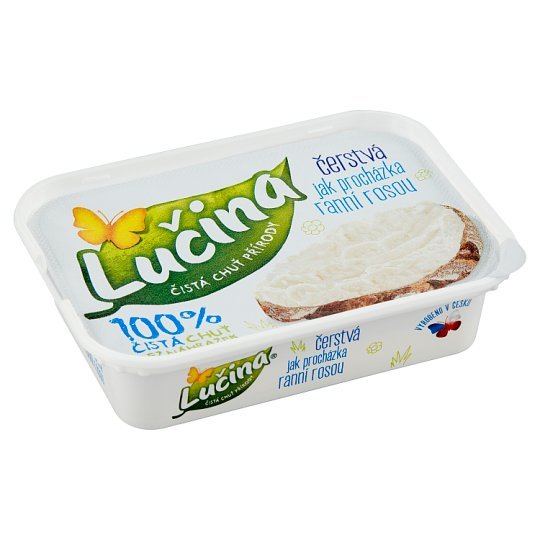
    Many Czechs know Lučina mainly as a cream cheese. CZK 22.90 from Tesco if you’re hankering for some. (At least it was in April, and inflation is ridiculous lately)

  • Originally published on Twitter on 25 April 2022.

    ‘U kněžské louky’ was built in 1931. It roughly translates as ‘at the priestly meadow’, and was named after the original name of the land.

    If anyone can explain why it’s ‘louky’ with an ‘ou’, when the nearby tram stop (Kněžská luka) only has a ‘u’, you will make my day, thanks.

    18 November 2022: wow, these things were a lot shorter when I started.