What's in a Prague street name

Every street in Prague, one by one.

  • Originally published on Twitter on 23 June 2022.

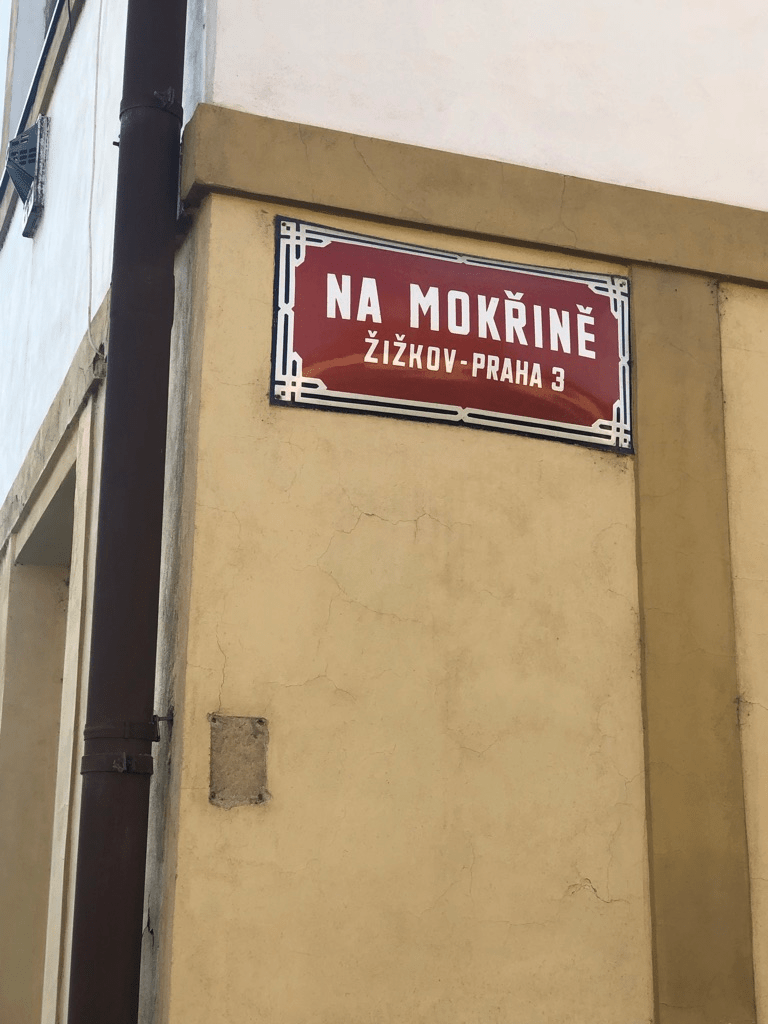
    Na Mokřině was built in 1925.

    Quite a straightforward one this time: a mokřina is a marsh, fen or bog.

    Unrelatedly, Mokřina is also the name of a village in Cheb district, called Krottensee until 1948.

  • Originally published on Twitter on 22 June 2022.

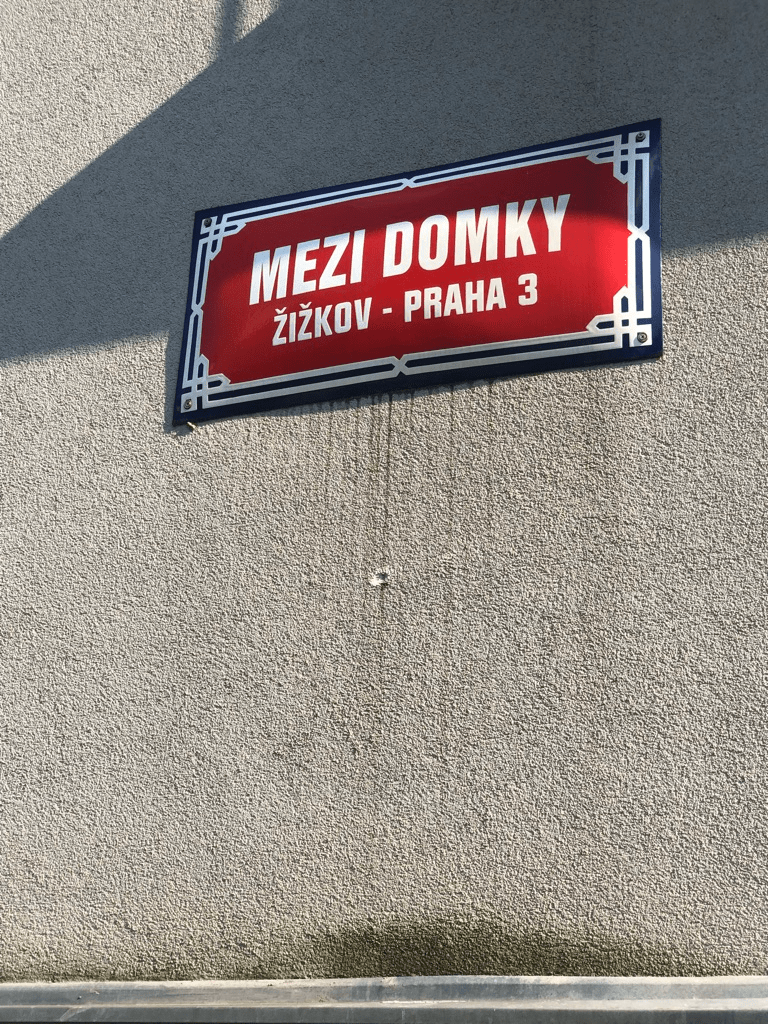
    Mezi Domky was built in 1925. It translates as ‘Between the houses’.

    The street is so named because of its location, between houses built as Prague’s population soared in the early 1920s.

    A domek is smaller than a regular dům.

    However, many of these houses are no more and have been replaced by high(-ish) rises.

    Some useful phrases of which domek is part: a řadový domek is a terraced house, a zahradní domek is a garden shed, and a montovaný domek is a kit home.

  • Originally published on Twitter on 21 June 2022.

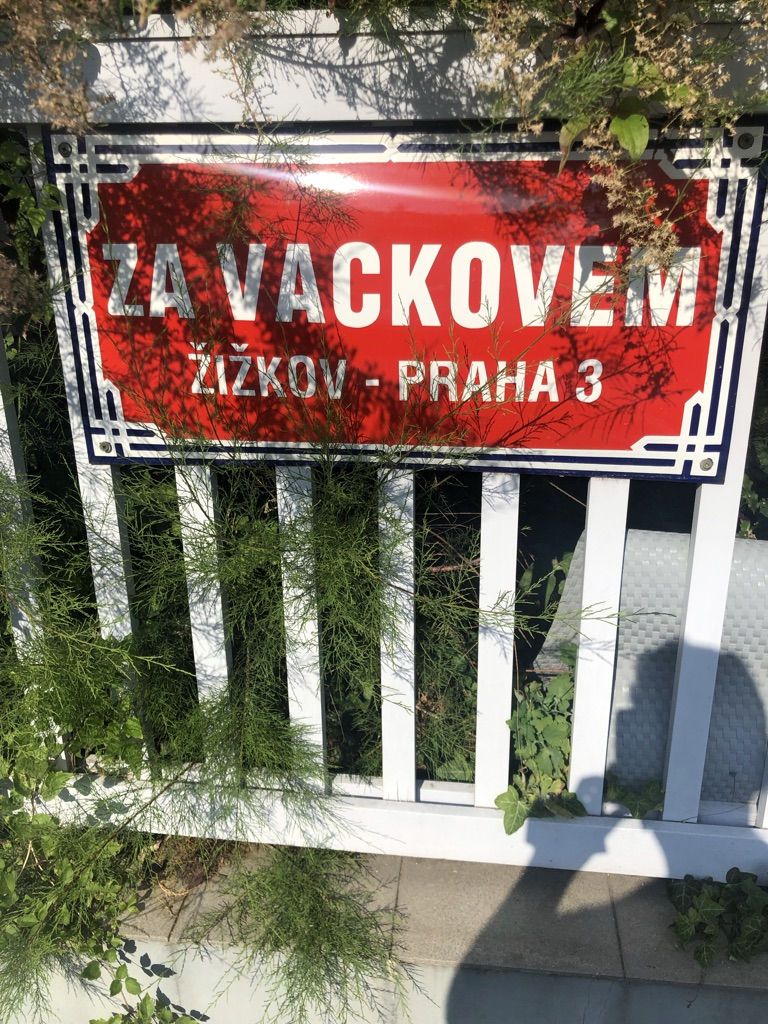
    Za Vackovem was built in 1925. It translates as ‘behind Vackov’.

    We’ve discussed the Josef Vacek after whom Vackov was named here: https://whatsinapraguestreetname.com/2022/11/20/prague-3-day-57-na-vackove/.

    So, as bonus material, here are two renowned Josef Vaceks whom Vackov was *not* named after.

    First up is Josef Vacek (born in Příbram in 1959), KDU-ČSL member, mayor of Příbram from 1991 to 2002, and Deputy Governor of the Central Bohemian Region from 2004 to 2008: http://kdupribram.cz/index.php/clanky/clanky-kategorie/pribram-galerie-drtikol-2.html

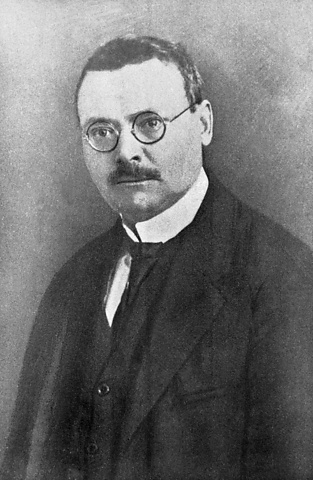
    Secondly, there’s Josef Vacek (1875-1930), professor of comparative science and ecclesiastical law, who worked at Charles University in Prague and also at the Faculty of Law of Masaryk University in Brno.

  • Originally published on Twitter on 20 June 2022.

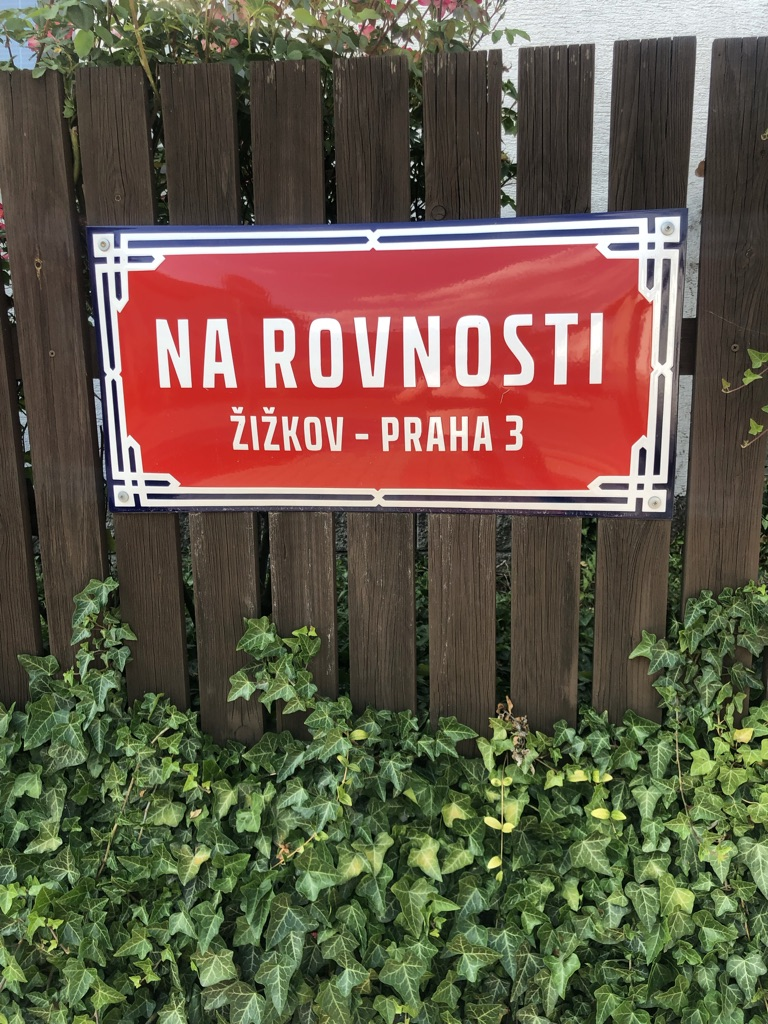
    Na Rovnosti was built in 1925. Very literal translation: ‘On Equality’.

    The street is so called because the terrain around it is rovinatý. Flat, level, plain. You get it.

    It would be much more awesome if the name were something to do with Volnost, rovnost, bratrství, AKA ‘Liberté, égalité, fraternité’.

    Or rovnost před zákonem, which is equality before the law, AKA isonomy.

    Or rovnost příležitostí, i.e. equal opportunities.

  • Originally posted on Twitter on 19 June 2022.

    Na Vackově was built in 1906. It was called Vackov until 1925, when its name underwent a subtle change.

    Vackov is another district of Žižkov, located directly west of Jarov (see https://whatsinapraguestreetname.com/2022/11/19/prague-3-day-30-na-jarove/).

    Until 1949, Vackov was part of Praha XIII – Staré Strašnice.

    Vackov is named after Josef Vacek, who owned a restaurant and hotel here at the end of the 19th century.

    Vacek built several houses for his workers in the area, as well as the J. A. Komenský school (which operated until 1929 before being replaced by housing).

    The restaurant became a hotel with a cinema in 1931, and part of the 1993 film Hotýlek v srdci Evropy (Hotel in the Heart of Europe) was filmed inside it.

    The promotional poster for the film is pretty cool (taken from https://filmovyprehled.cz/cs/film/7587/hotylek-v-srdci-evropy…); the reviews are not.

    And the only clip I can find on YouTube is very much not filmed anywhere near Vackov.

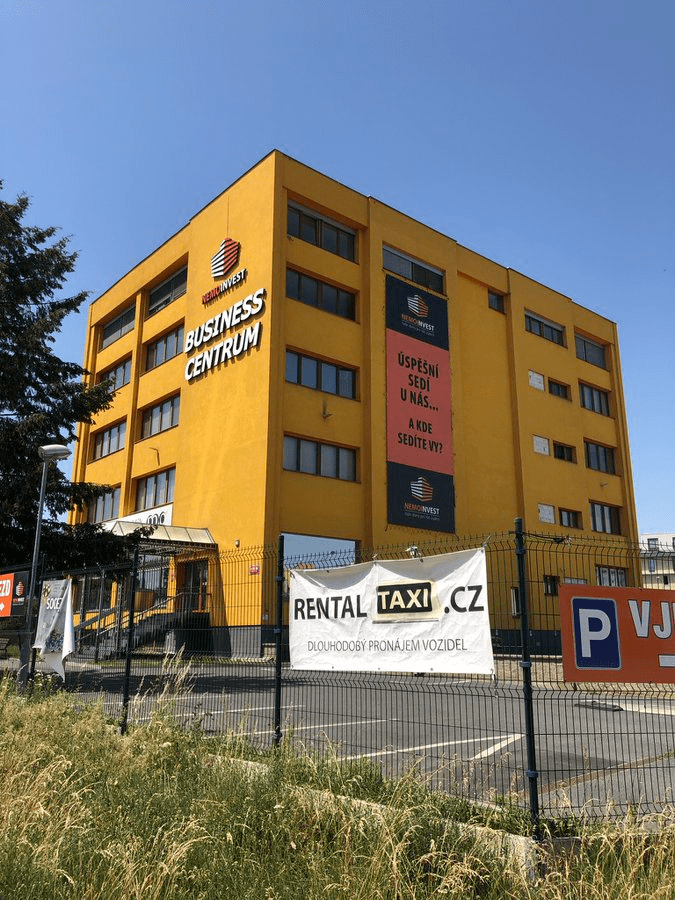
    Sadly, the hotel was demolished in 2002 and this is now in its place:

  • Originally published on Twitter on 18 June 2022.

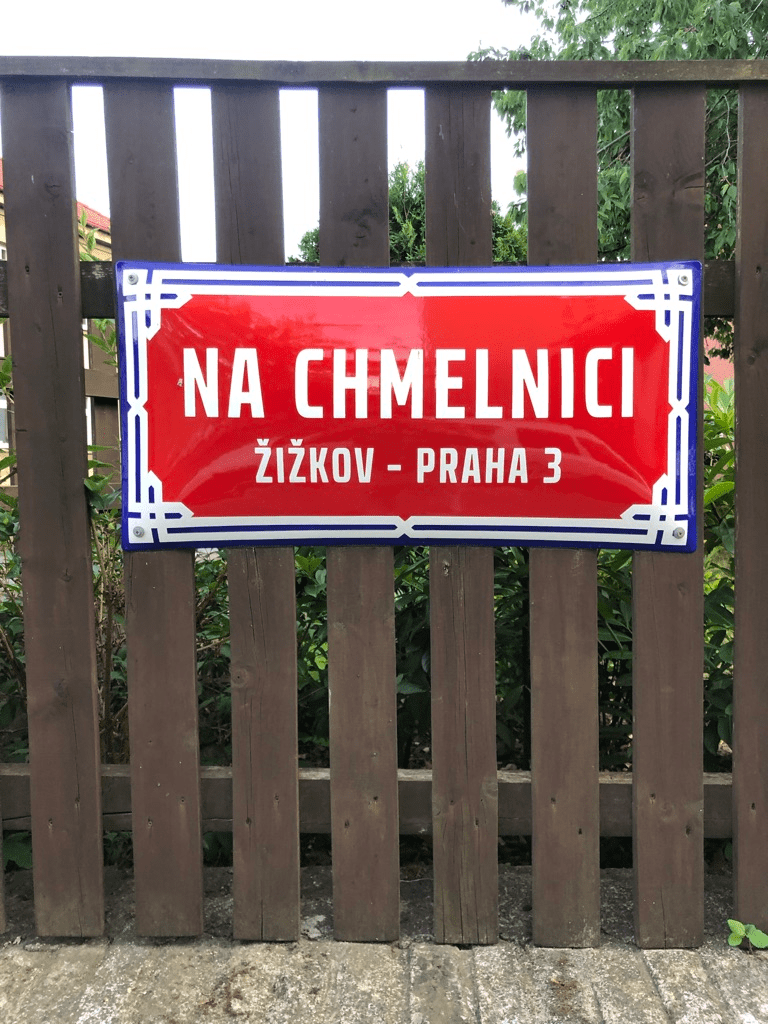
    Na Chmelnici was built in 1925.

    We’ve already covered what a chmelnice is here: https://whatsinapraguestreetname.com/2022/11/19/prague-3-day-40-k-chmelnici/.

    But, whereas K Chmelnici (north side of Koněvova) heads towards the hop garden, Na Chmelnici (south side of Koněvova) is meant to be where it’s at.

    (It’s not, at least anymore; just go to your local pub instead)

    But do allow me to say that that might be the shiniest, healthiest-looking street sign I’ve encountered in these last 56 days.

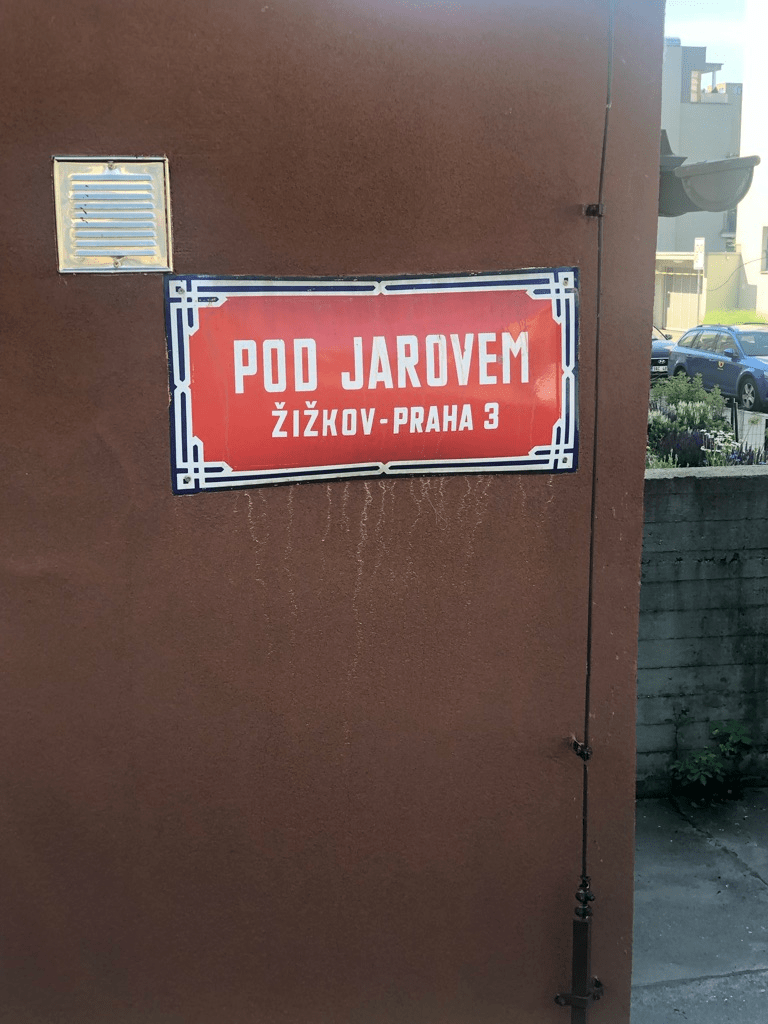
  • Pod Jarovem was built in 1925, and translate as ‘under Jarov’.

    And Jarov, the district we’re in (or potentially just outside of if we’re ‘pod’ it?), is described on https://whatsinapraguestreetname.com/2022/11/19/prague-3-day-30-na-jarove/.

    There are some other Jarovs around the country too, for example in north Plzeň district: https://oujarov.cz and, erm, in south Plzeň district: https://obecjarov.cz.

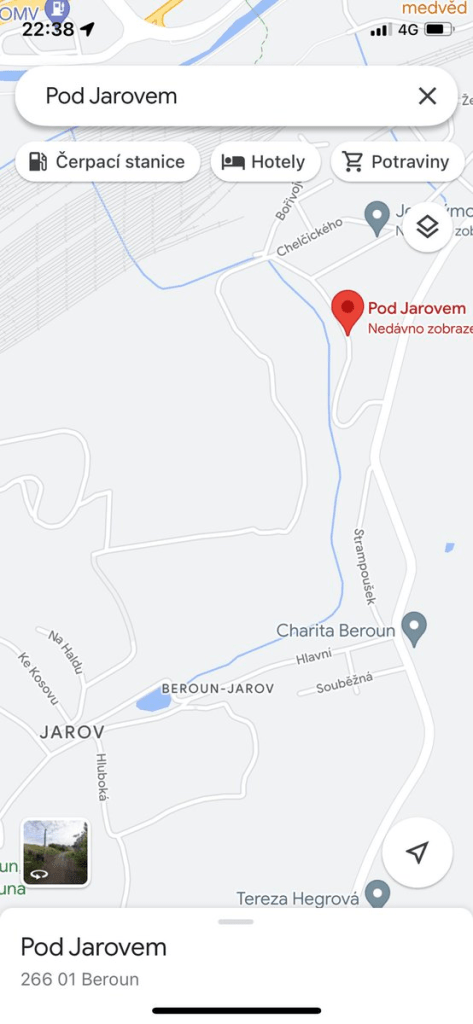
    And a Jarov u Berouna, which also manages to be the scene of The Other Pod Jarovem. Just something to keep in mind next time you’re booking a Bolt.

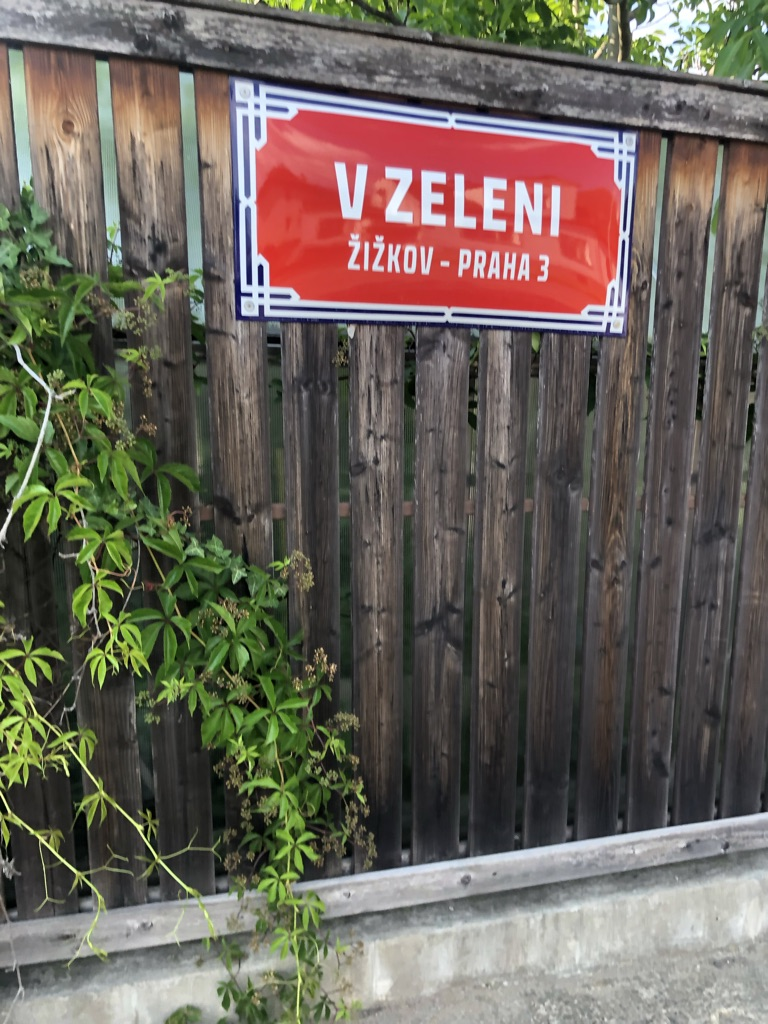
  • V Zeleni was built in 1935. It translates as ‘in green’, ‘in green vegetation’ / ‘in greenery’ / ‘in verdure’, etc.

    As if that name needed any explanation, V Zeleni leads into https://whatsinapraguestreetname.com/2022/11/19/prague-3-day-29-v-zahradkach/, ‘In the gardens’.

    Which has https://whatsinapraguestreetname.com/2022/11/20/prague-3-day-48-pod-lipami/ (under the lindens) at its northernmost point.

    And ‘flowery’ a little bit further down: https://whatsinapraguestreetname.com/2022/11/20/prague-3-day-52-kvetinkova/.

    You get it.

    Vocab fun: the verb zelenit se means ‘to turn green’. Komu se nelení, tomu se zelení translates roughly as ‘someone who is not lazy will turn green’, which is something like ‘no pain, no gain’.

    And malí zelení mužíčci are little green men, presumably also not lazy.

  • Originally published on Twitter on 15 June 2022.

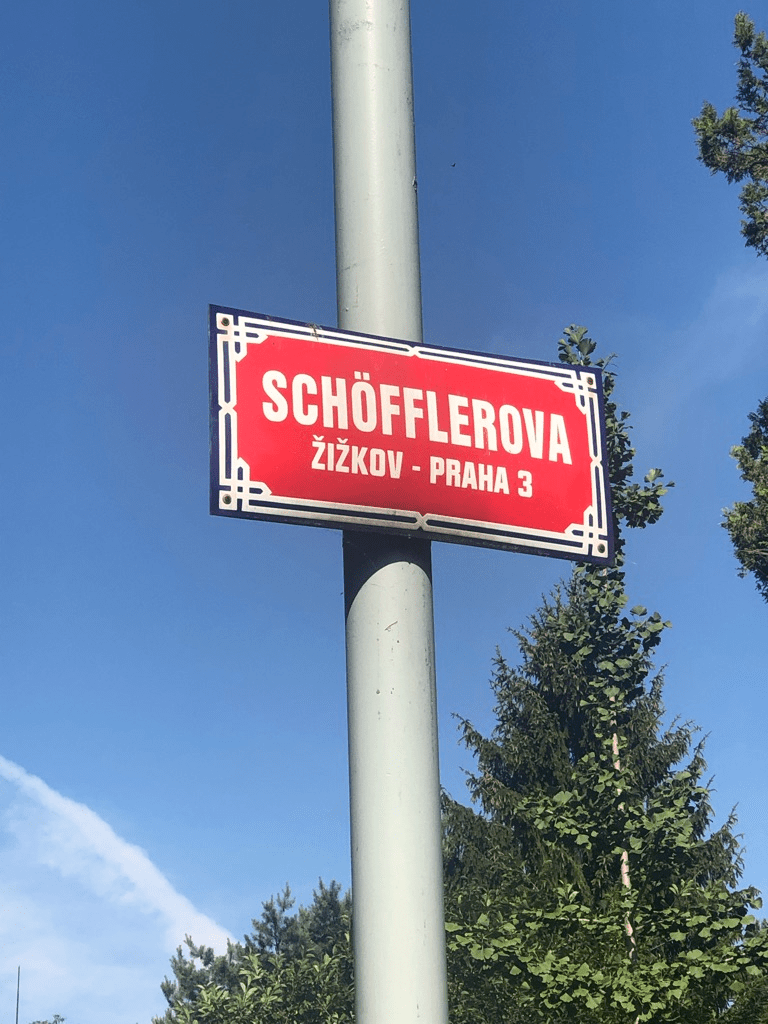
    Schöfflerova was built in 1925.

    Josef Schöffler, also Schäffler, was a typographer and co-founder of the Cooperative for the Construction of Workers’ Flats and Family Houses in Žižkov (Družstvo pro stavbu dělnických bytů a rodiných domků na Žižkově).

    Sources say that Schöffler died in World War I, but don’t give a year.

    https://geni.com/people/Josef-Sch%C3%B6ffler/6000000086891373875… seems to be the right guy, and suggests that he died at Smederevo, Serbia, in 1914 or 1915.

    Smederevo was the site of one of the greatest battles (and victories) of the Serbian army, on Mitrovdan, 8 November 1914.

    We don’t know if Schöffler died at this battle. We do know that he was 39 or 40, and that that is no age at which to go.

  • Originally published on Twitter on 14 June 2022.

    Květinková was built in 1947.

    If something is květinový, it’s floral or flowery. And it certainly does get that way round here.

    Make it květinkový, and it’s still floral… but the flowers are presumably that little bit cuter.

    For vocabulary fans, a květinový záhon is a flowerbed, whereas květinová výzdoba is a floral tribute.

  • Originally published on Twitter on 13 June 2022.

    Malešícká was built in 1931.

    The road leads to Malešice, a district which is located (mainly) in Prague 9 and (partially) in Prague 10.

    In the 1980s, archeologists discovered pieces of chipped stone from the late Paleolithic period in Malešice, making it the first safely proven Paleolithic settlement in Central Bohemia.

    The village of Malešice was first mentioned in 1309; its name probably derives from a feudal lord called Mališ, who owned the settlement.

    As late as 1843, the village had a population of 316 people, living in 39 buildings.

    In 1922, when Prague really started to expand, Malešice (population at the time: 1,400) became part of Prague XI, along with Žižkov and Hrdlořezy.

    Though Prague XI is no more, you can still see many older street signs referring to it round where I live.

    Malešice maintained its village character until the 1950s, when it inevitable gained a lot of paneláky. But it’s still a tram-free zone.

    I don’t wind up here very often, but Malešický Park is nice, and, as I learned last summer, a health centre in the district is also where you should go if you want the kind of PCR test that goes a bit too far and brings tears to your eyes.

    It also has its fair share of statues: go to https://cs.wikipedia.org/wiki/Seznam_um%C4%9Bleck%C3%BDch_realizac%C3%AD_ve_ve%C5%99ejn%C3%A9m_prostoru_v_Male%C5%A1ic%C3%ADch… for a peek.

  • Originally published on Twitter on 12 June 2022.

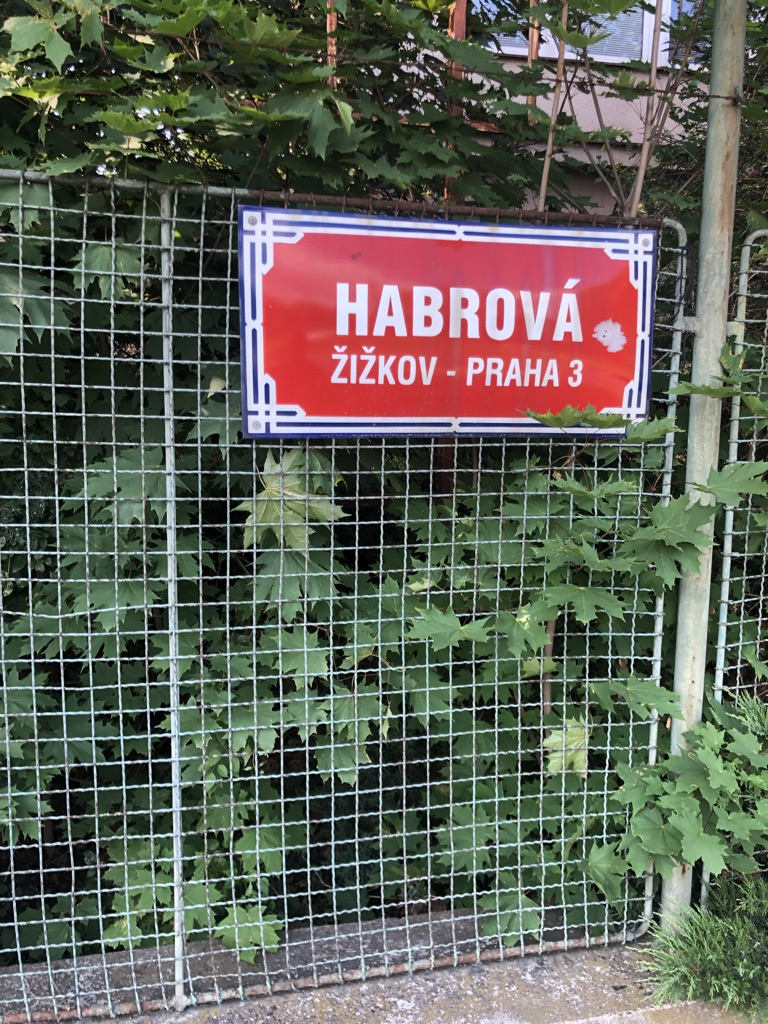
    Habrová was built in 1976.

    Continuing the tree theme, a habr is a hornbeam (Carpinus), a hardwood tree which is mainly used for ornamental purposes.

    There are many species of the hornbeam, but the only one that exists in the Czech Republic is the ‘Carpinus betulus’, the European or common hornbeam.

    And the tree has also given its name to a small settlement in the North Plzeň region: https://cs.wikipedia.org/wiki/Habrov%C3%A1…Small means small: it had 18 inhabitants in 2011.

  • Originally published on Twitter on 11 June 2022.

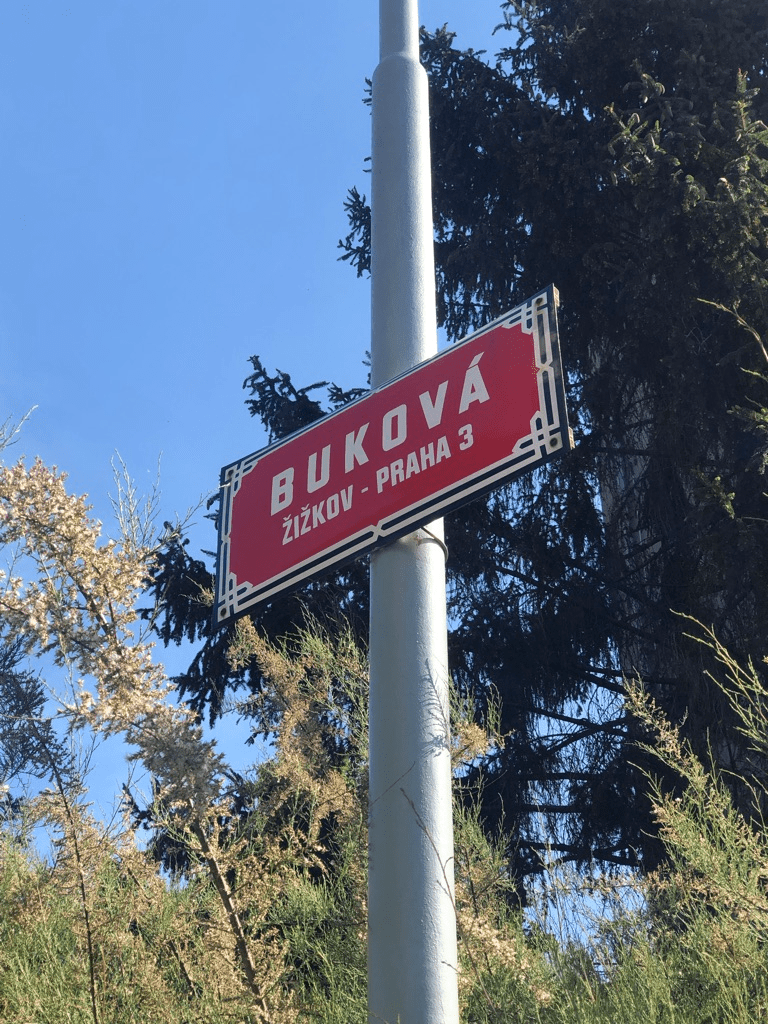
    Buková was built in 1962.

    We’re still on the trees, and a buk is a beech (Fagus).

    In Central Europe, the beech is the main feature of deciduous forests.

    In the Czech Republic, the tree has also given its name to a village of 303 people in Prostějov District: https://cs.wikipedia.org/wiki/Bukov%C3%A1_(okres_Prost%C4%9Bjov).

  • Originally published on 10 June 2022.

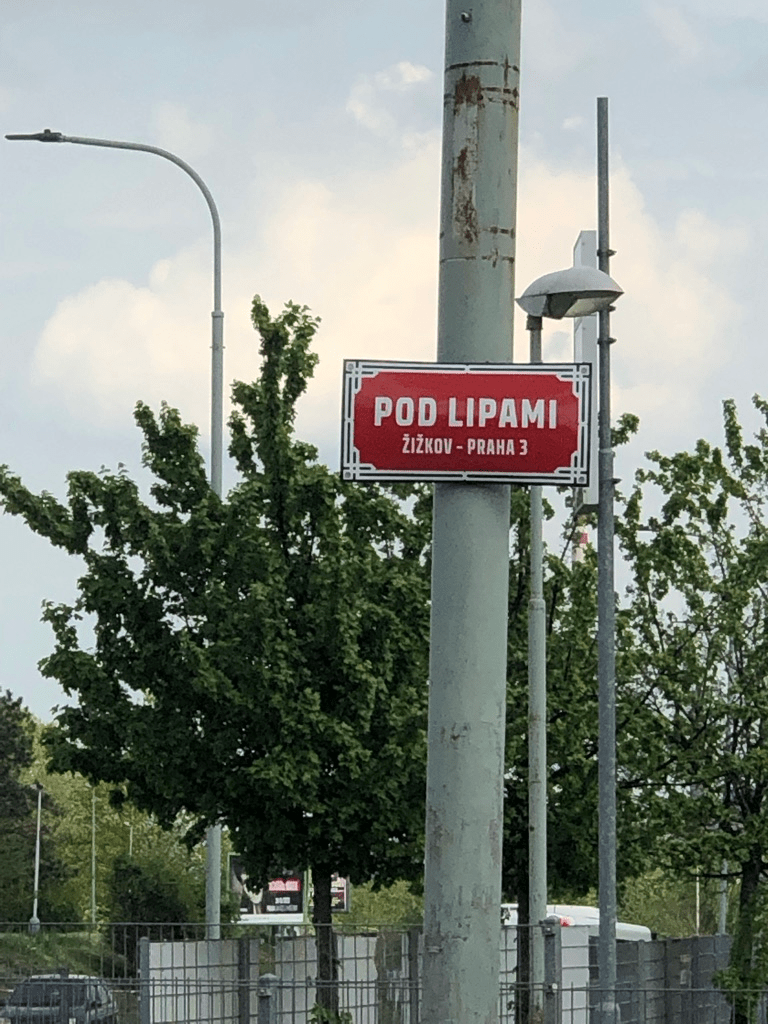
    Pod Lipami was built in 1925.

    Continuing yesterday’s tree theme (https://whatsinapraguestreetname.com/2022/11/20/prague-3-day-47-osikova/), ‘Pod lipami’ translates as ‘under the linden trees’.

    Which makes this Prague’s answer to Berlin’s famous ‘Unter den Linden’ (except it doesn’t).

    If we’re talking about lindens in different languages, the Romanian for ‘linden’ is tei, and ‘love under the linden tree’ in Romanian is dragostea din tei.

    Ma-i-a hi.

    Ma-i-a hu.

    Ma-i-a ho.

    Ma-i-a ha-ha.

    And sorry for ruining your Friday.

  • Originally published on Twitter on 9 June 2022.

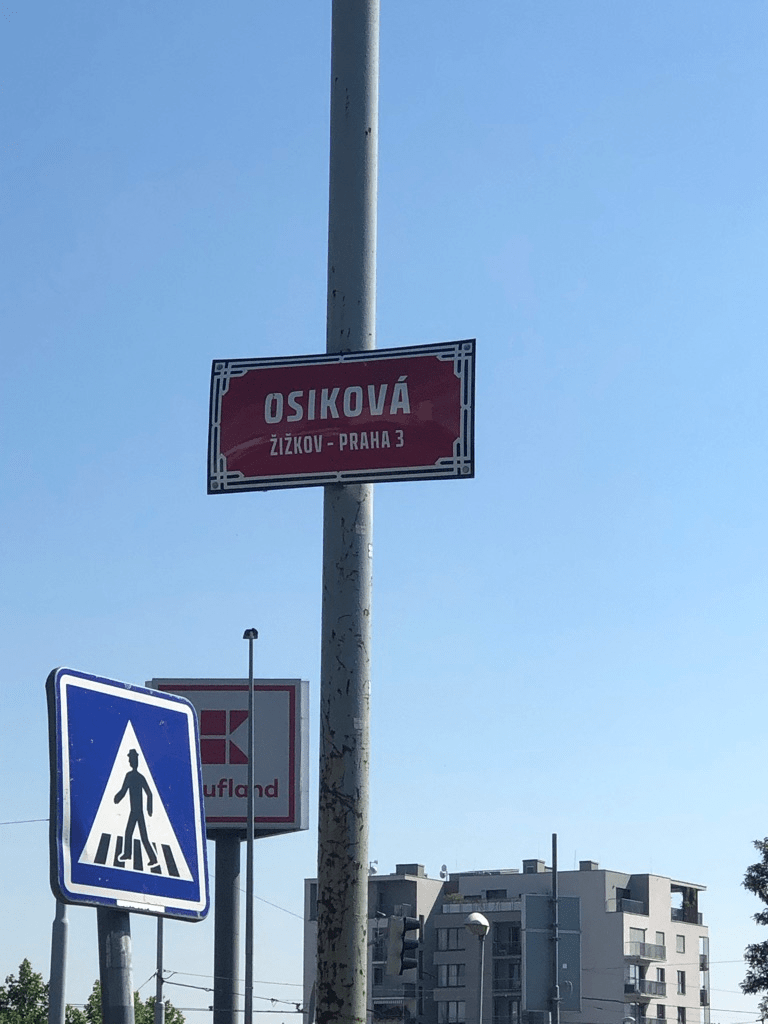
    Special ‘unintentional advertising for Kaufland’ edition: Osiková, a relative newbie built in 1976.

    An osika is an aspen tree, or ‘Populus tremula’. It’s a tree from the willow family.

    Other Czech names for the tree are topol osika (aspen poplar) or osika obecná (common aspen).

    I’m no tree expert, but apparently these ones grow well in poor soil, are important for beekeeping, and can be used to make food packaging or sauna cabins. So there.

    Also, as their leaves vibrate in the wind, we have the expression třese se jako osika (shake like an aspen): https://www.zoopraha.cz/flora/listnate-dreviny/10658-topol-osika-zvany-osika.

  • Originally published on Twitter on 8 June 2022.

    Nad Ohradou was built in 1975.

    You can find out about Ohrada, a vineyard that was first mentioned in 1455, and which this street is ‘above’, here: https://whatsinapraguestreetname.com/2022/11/19/prague-3-day-11-na-ohrade/.

    Except that there’s actually new stuff to say about Ohrada in the month since I originally tweeted about it.

    Firstly, the park here was the scene of a commemorative ceremony on 6 June 2022, as it was where paratroopers Kubiš and Gabčík hid both before and after they assassinated Reinhard Heydrich.

    Of course, Kubiš and Gabčík had strong local support, too: https://whatsinapraguestreetname.com/2022/11/19/prague-3-day-22-zelenky-hajskeho/.

    The ceremony was attended by, among others, Zuzana Čaputová (photo taken from https://prazsky.denik.cz/zpravy_region/heydrich-atentat-vyroci-praha-oslavy.html…)

    Last time I checked, the posters and displays were still up, and are worth a look.

    Secondly, watch out, JzP: there are plans to renovate the park and give it a farmers’ market: https://www.blesk.cz/clanek/regiony-praha-praha-zpravy/714017/na-zizkovske-ohrade-by-mohly-fungovat-farmarske-trhy-starosta-si-preje-i-pamatnik-operace-anthropoid.html.

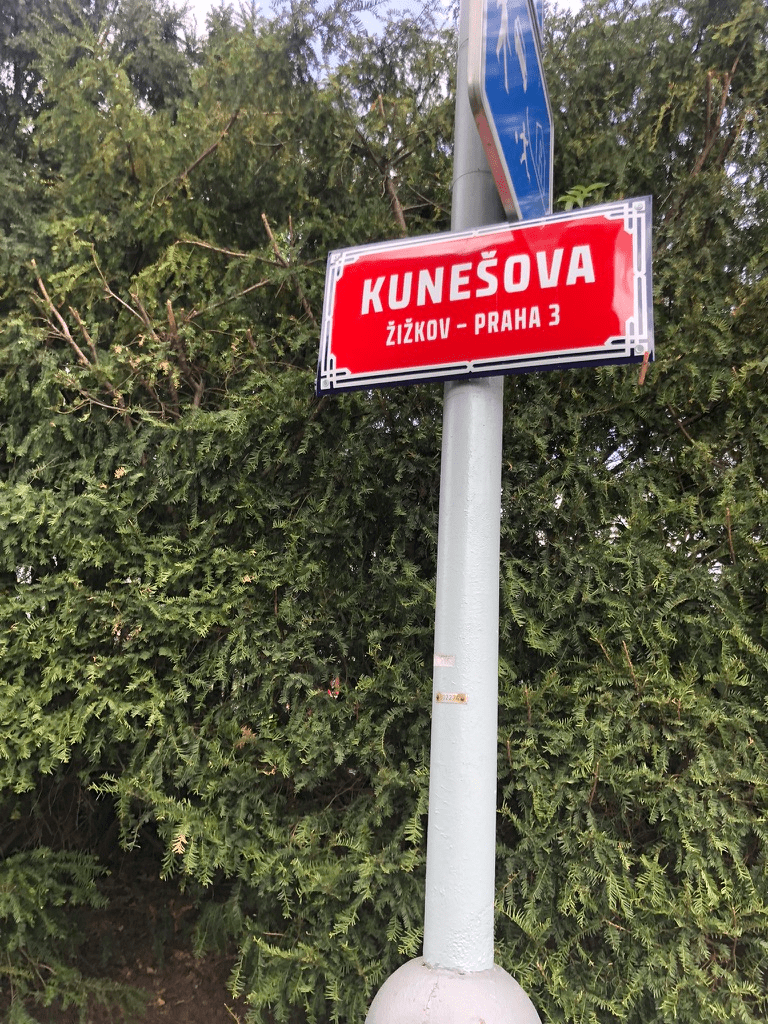
  • Kunešova was built in 1977, making it the newest street to date. And we’re back on the Hussites!

    Kuneš z Bělovic (born in the 14th century) was a comrade of Jan Žižka.

    The first written mention of him is from 1422, when he tried to overthrow Sigismund Korybut (Zikmund Korybutovič), who was acknowledged as governor of Prague and Bohemia in the same year.

    After Žižka’s death in 1424, Kuneš became commander of his army. In 1426, he led one of the victorious Hussite armies in the Battle of Ústí nad Labem.

    After that, he tried to besiege Poděbrady, but the siege failed after thirteen weeks.

    Whatever Kuneš did after this, it wasn’t written down, meaning that, even though he was one of Žižka’s closest friends, we don’t even know when he died.

  • Originally published on Twitter on 6 June 2022.

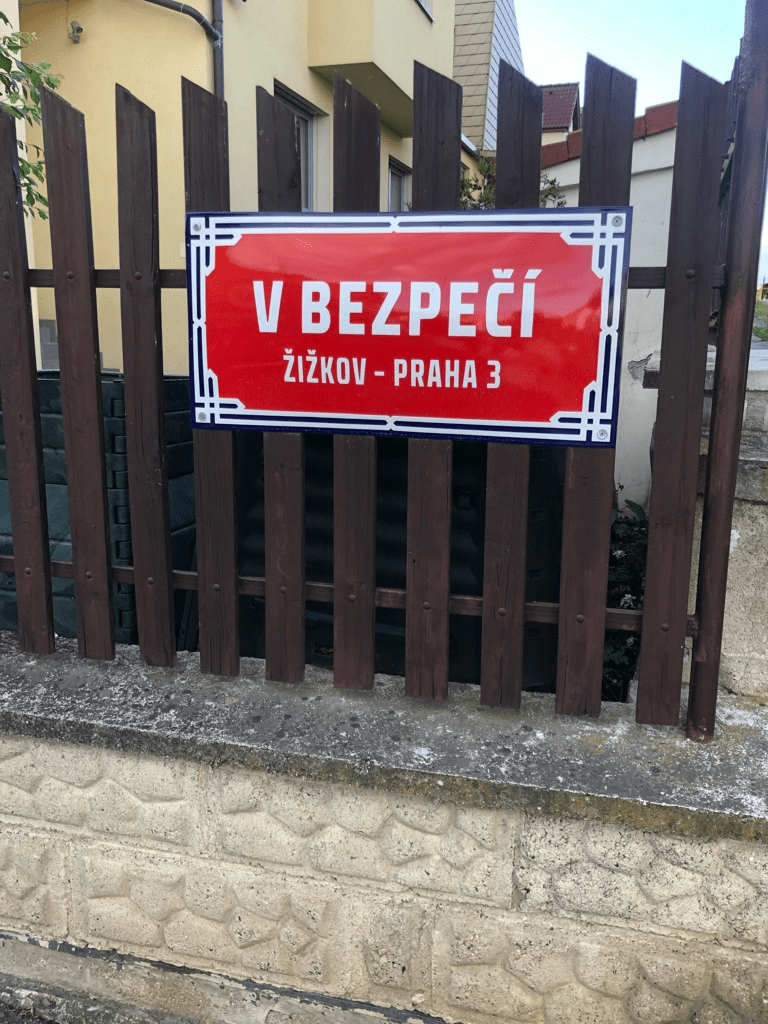
    V Bezpečí was built in 1938, and translates as ‘in safety’.

    Two options come to mind. Firstly, I’ve mentioned more than once that it’s really lovely and quiet round here.

    On the other hand, the street is close to Strážní (https://whatsinapraguestreetname.com/2022/11/19/prague-3-day-7-strazni/), and stráž means ‘guard’.

    It’s also close to Na hlídce (https://whatsinapraguestreetname.com/2022/11/19/prague-3-day-8-na-hlidce/), which means ‘on a watch’.

    So V Bezpečí could also easily be named after/in honour of the state employees that this district was built to house in the first place. This seems the more likely option to me.

    Whatever the truth is, if you’re in this street, you can say that you’re literally safe, or out of harm’s way. Which I like.
  • Originally published on Twitter on 5 June 2022.

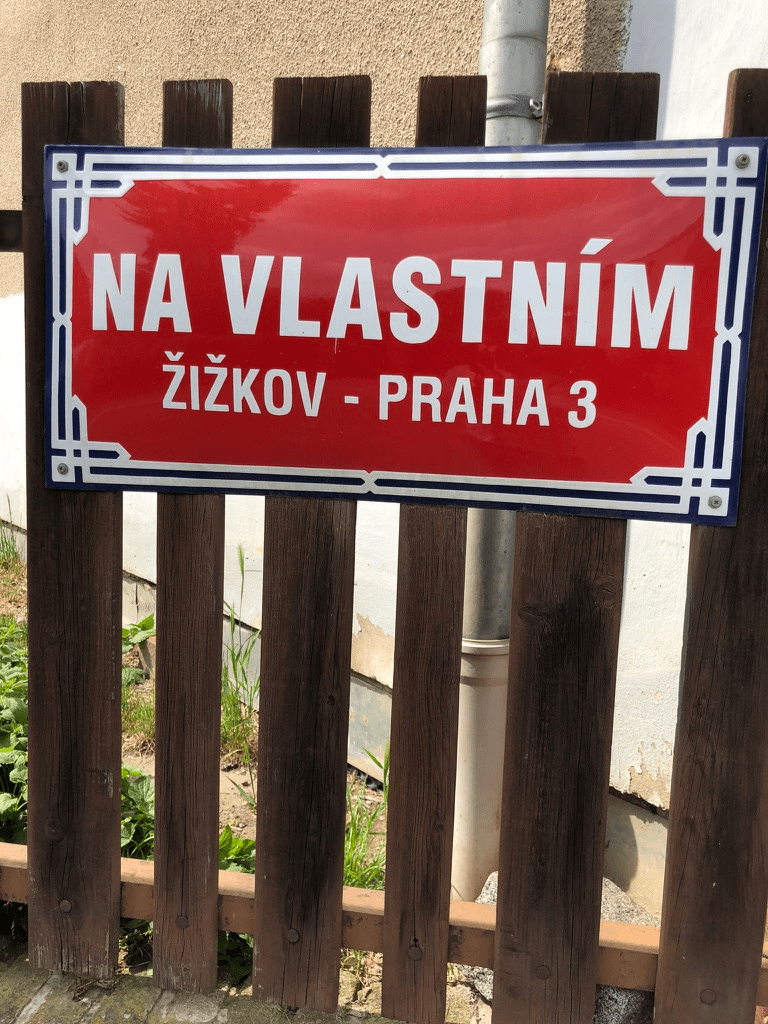
    Na Vlastním was built in 1925.

    To tell the story, you may wish to go back to https://whatsinapraguestreetname.com/2022/11/19/prague-3-day-32-v-domove/, which describes how this neighbourhood came about.

    Apparently, Vlastní, like Domov, was a construction cooperative that built a large number of the homes round here.

    (Do go for a walk round here one summer evening – it’s absolutely gorgeous and almost eerily quiet)

    The name has another meaning, too: začít na vlastním means ‘to strike out on one’s own’.

  • Originally published on Twitter on 4 June 2022.

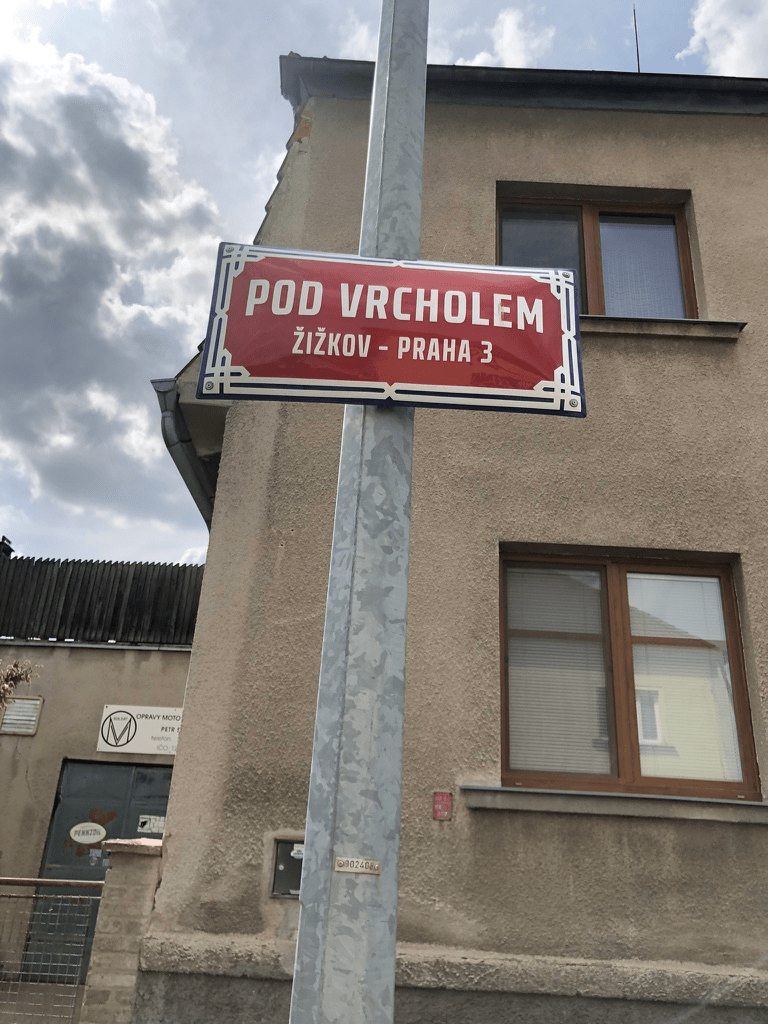
    Pod Vrcholem was built in 1925.

    Under the same peak as yesterday (https://whatsinapraguestreetname.com/2022/11/20/prague-3-day-41-k-vrcholu/). That’s about it. And I promise there’s more gripping stuff to come.